

 396
396 15 minutes read
Content
- Why travel agents should be selling Athens right now
- Practical information for travel agents
- Where to stay in Athens: Neighbourhoods and hotel options
- Top things to do in Athens: Must-see attractions
- Athens activities by travel type
- Nearby destinations: Day trips from Athens
- Greek food in Athens: What your clients should try
- Insider tips for Athens
- Athens as a “Destination Next” recommendation
Why travel agents should be selling Athens right now
Athens in Greece is one of the most historically significant and most commercially compelling destinations in Europe. Here’s why Athens consistently sells across demographics:
- Its extraordinary ancient history – the Acropolis and Parthenon are extraordinary on every visit.
- The unique combination of Acropolis visits with vibrant modern Greek food and café culture.
- Athens’ modern Greek food scene offers international-calibre dining at prices that make the city one of the best-value cultural destinations in Southern Europe.
RateHawk’s hotel supply across Plaka, Monastiraki, Syntagma, and Kolonaki gives you the inventory to curate an Athens itinerary for every client.
Practical information for travel agents
Travel guidelines
Weather and best time to visit Athens
- Spring (April–May): The best time to visit Athens and Greece more generally. Mild temperatures of 18–24°C, wildflowers on the hillsides, and manageable crowds at the Acropolis. The April light on the Parthenon is exceptional.
- Summer (June–August): Hot temperatures of 28–38°C and very busy at all major ancient sites. Early morning entry (8 AM) is essential. The Athens Epidaurus Festival, where ancient drama, opera, and music are performed at the Odeon of Herodes Atticus, runs from June through August and is one of the most extraordinary cultural experiences in Greece.
- Autumn (September–October): An excellent alternative to spring. Comfortable temperatures of 20–28°C with thinning crowds from mid-September, and the sea at its warmest for island day trips.
- Winter (November–March): Mild temperatures of 10–16°C, very affordable, and significantly less crowded at the ancient sites. A strong value proposition for cultural clients.
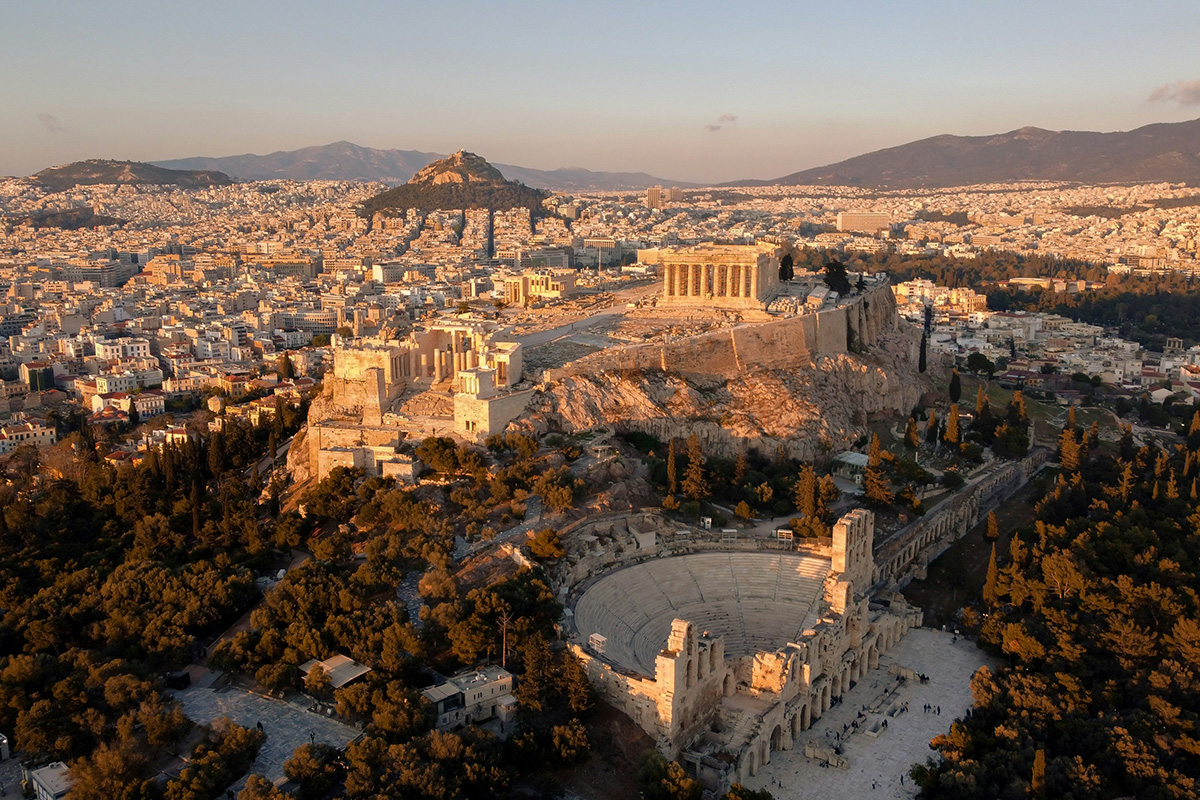
Photo by Jim Niakaris on Unsplash
Athens fun facts
- The Acropolis of Athens has been occupied and used since prehistoric times, with archaeological evidence stretching back more than 5,000 years. The Parthenon temple, built between 447 and 432 BC from Pentelic marble, is the most significant surviving example of classical Greek architecture in the world.
- Athens is considered the birthplace of democracy, philosophy, theatre, and many foundations of Western science. It also hosted the first modern Olympic Games in 1896. Socrates, Plato, Aristotle, Sophocles, Euripides, and Herodotus all lived and worked in Athens during the 5th and 4th centuries BC, a concentration of intellectual achievement unmatched in any city at any period of history.
- The Panathenaic Stadium (Panathinaiko Stadio) in Pangrati is the only stadium in the world built entirely from white Pentelic marble. Originally constructed in the 4th century BC and rebuilt for the first modern Olympic Games in 1896, it remains the finish line of the Athens Classic Marathon each November.
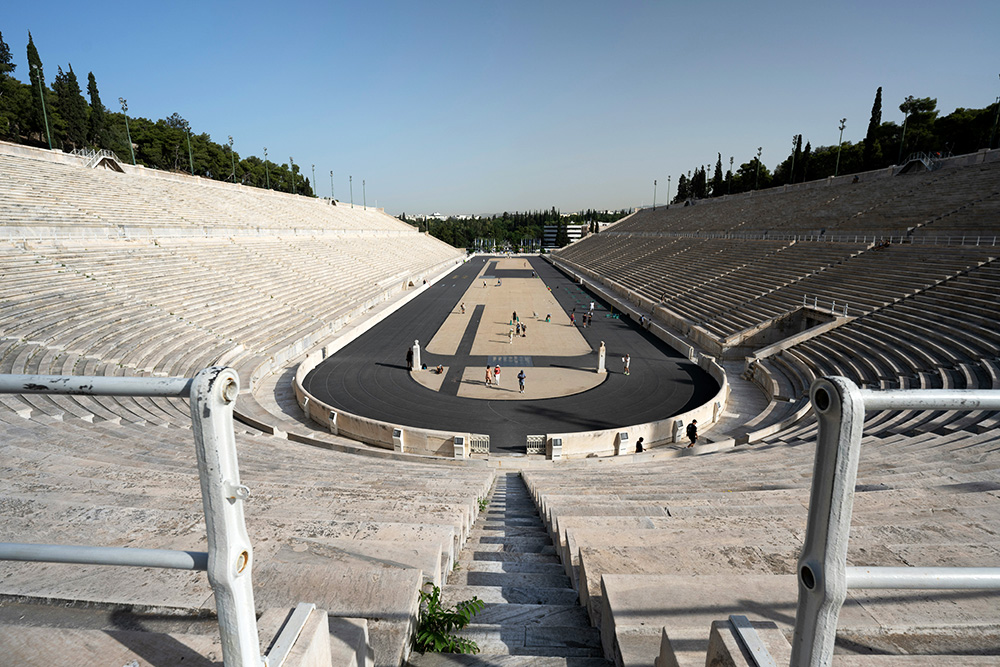
Photo by Dave Meckler on Unsplash
Getting around Athens
The historic centre is Athens’ greatest navigational asset: the Acropolis, Ancient Agora, Roman Agora, Monastiraki flea market, Plaka, and Syntagma Square are all within a 20-minute walk of each other. The pedestrianised Dionysiou Areopagitou walkway encircling the south and west flanks of the Acropolis hill connects the main ancient sites in a continuous car-free circuit.
- Metro: Line 3 (blue) connects the airport to Syntagma and covers the city centre. Line 1 (green) serves Monastiraki and Piraeus (for island ferries). Short-duration tourist and multi-day transport passes are available through the Athens public transport system.
- Walking: The most rewarding way to explore the ancient centre. Comfortable walking shoes with grip are essential. Athens’ ancient marble pavements may be beautiful, but they’re also smooth and slippery.
- Ride-hailing apps: Beat and Uber are the two most widely used ride-hailing apps in Athens, both connecting passengers with licensed taxis. Metered taxis also operate in Athens.
RateHawk insight
Travel agents can streamline transport for their clients by offering airport transfers from Athens International Airport to the city centre. If Athens is the starting point of a wider European itinerary, RateHawk also makes it easy to add airline and train tickets to onward destinations, including Crete and Paris.
Where to stay in Athens: Neighbourhoods and hotel options
Plaka and the Acropolis Area
Best for: First-time visitors and history enthusiasts who want a highly walkable itinerary.
Plaka, the oldest inhabited neighbourhood in Athens, spread across the northern and eastern slopes of the Acropolis hill, is the most atmospheric base in the city.
Its narrow lanes, neoclassical houses, Byzantine churches, and the extraordinary Anafiotika sub-neighbourhood (a Cycladic island village recreated on the hillside by 19th-century workers from Anafi) give it a character entirely unlike the modern city below. Hotels range from family-run guesthouses to boutique properties with Acropolis rooftop views.
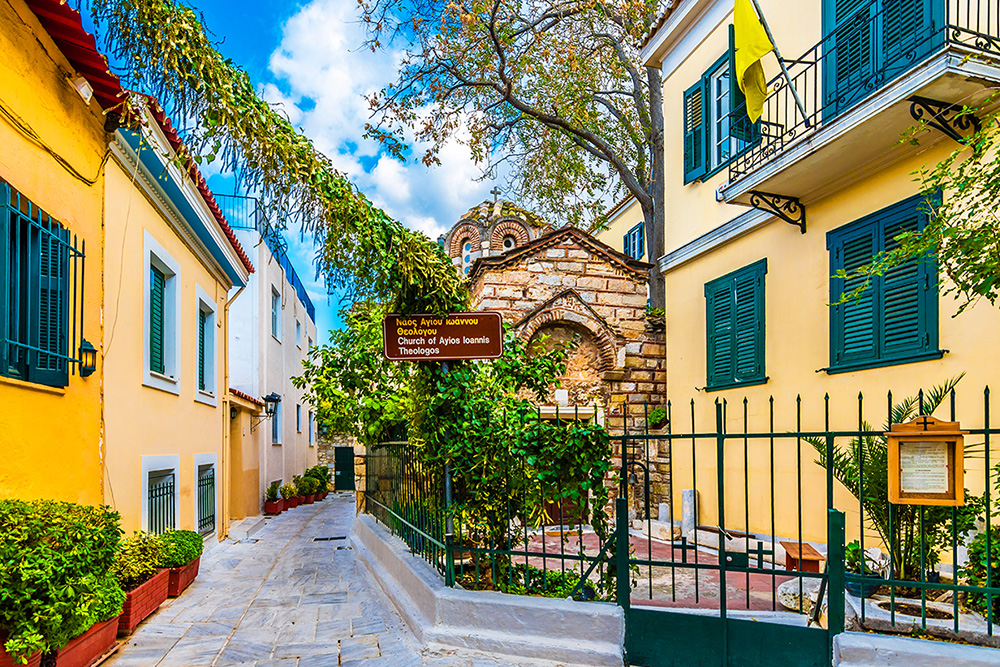
Photo: Nejdet Duzen / Shutterstock.com
Monastiraki and Psiri
Best for: Foodies and nightlife seekers who want to be in the city centre
Monastiraki, centred on the ancient square, the flea market, and the Roman Agora ruins, and the adjacent Psiri neighbourhood, are the most vibrant parts of central Athens. The Monastiraki flea market, some of the best street food in the city, and the finest concentration of rooftop bar terraces with Acropolis views make this the most energetic base in Athens. Hotels range from mid-range to boutique.
Syntagma and Kolonaki
Best for: Luxury clients and cultural travellers for short stays.
Syntagma Square, home to the Greek Parliament, the Tomb of the Unknown Soldier, and the ceremonial Evzone guard, is surrounded by the city’s main luxury hotels. The elegant Kolonaki neighbourhood on the slopes of Lycabettus Hill adds designer boutiques, excellent modern Greek restaurants, and the Benaki Museum. The best base for luxury clients and cultural travellers.
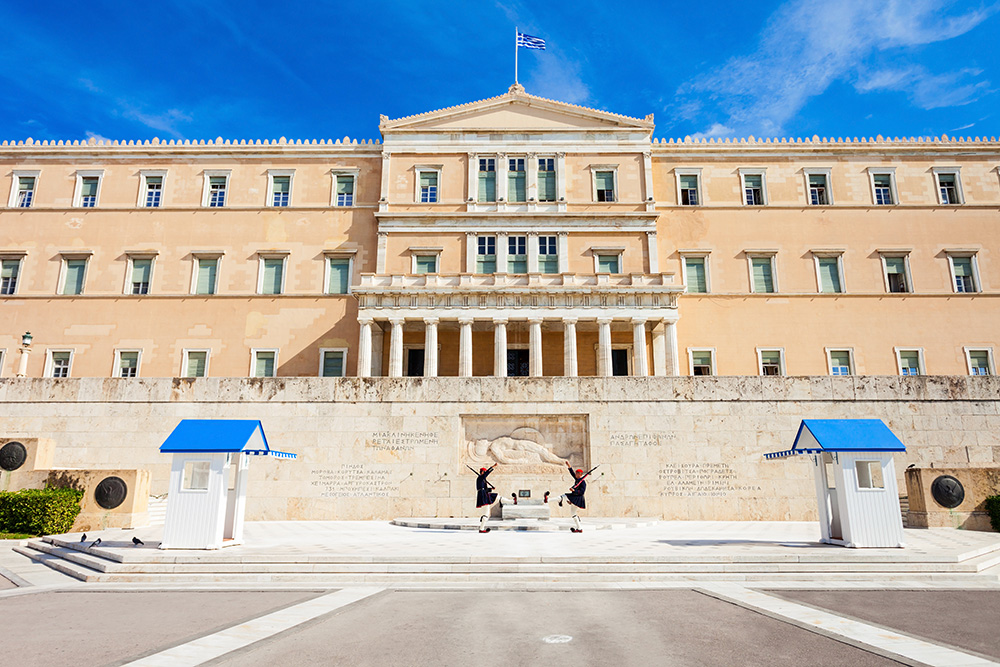
Photo: Nejdet Duzen / Shutterstock.com
Top things to do in Athens: Must-see attractions
1. The Acropolis, the Parthenon, and the Acropolis Museum
The Acropolis of Athens, the sacred rock rising 156 metres above the city, is the most important ancient monument in the Western world. The Parthenon temple (447–432 BC), the Erechtheion with its Porch of the Caryatids, the Propylaea gateway, and the Temple of Athena Nike form the most extraordinary ensemble of classical Greek architecture in existence. Visit at opening (8 AM in summer) for the best light on the marble and the fewest crowds.
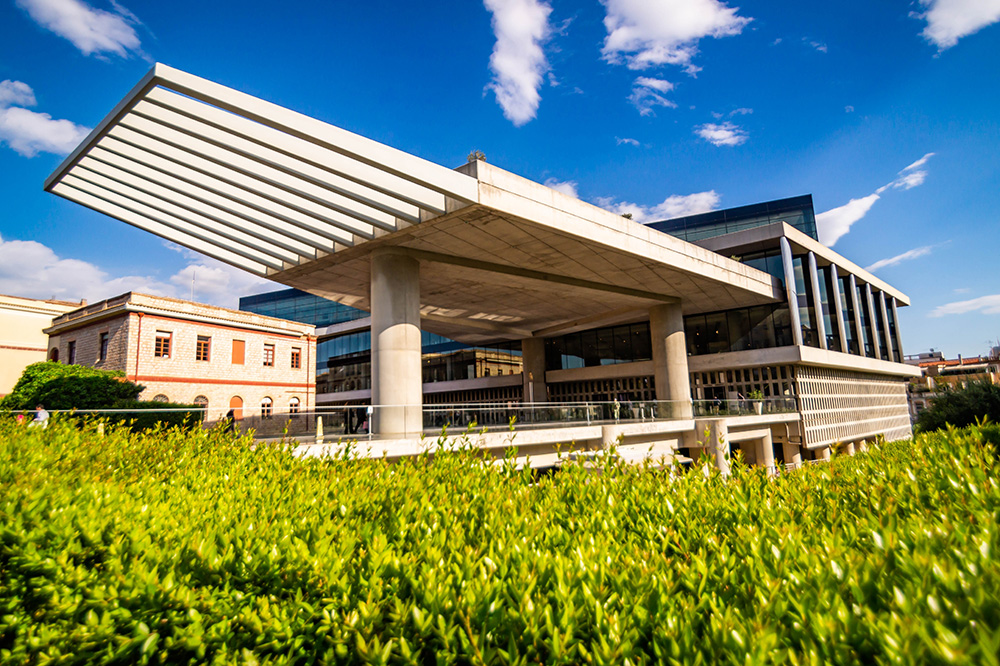
Photo: Joshua Raif / Shutterstock.com
The Acropolis Museum at the foot of the hill houses many of the original sculptures and architectural elements from the Acropolis. It is widely regarded as one of Europe’s most important archaeological museums. Its galleries are arranged so that visitors can view the Acropolis itself through the museum’s glass walls.
Book timed-entry tickets online in advance, particularly between April and October when popular morning slots frequently sell out.
2. The Ancient Agora and the Temple of Hephaestus
The Ancient Agora, the civic heart of ancient Athens, where Socrates debated philosophy and Athenian democracy was practised, is dominated by the Temple of Hephaestus (Hephaisteion): the best-preserved ancient Greek temple in the world, built between 450 and 415 BC and still standing essentially complete. The nearby reconstructed Stoa of Attalos is home to the excellent Agora Museum.
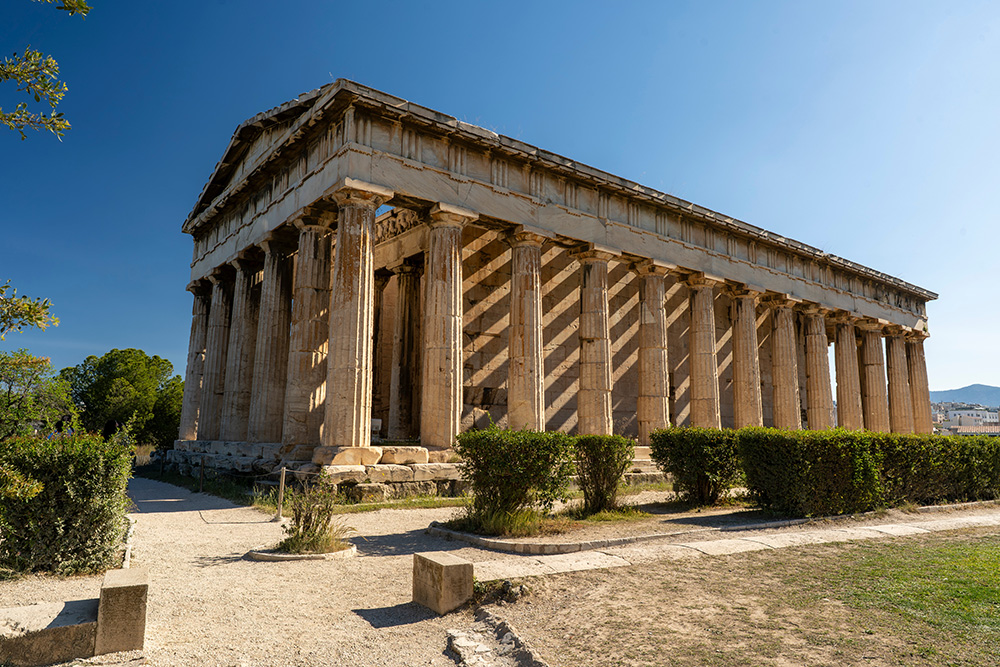
Photo: TavaS / Shutterstock.com
Many visitors combine the Ancient Agora with the Acropolis and Roman Agora, but ticketing policies change regularly. The widely publicised combination ticket is no longer offered. Check the official archaeological ticketing platform when planning an itinerary.
3. Plaka and the Anafiotika neighbourhood
Plaka is Athens’ most picturesque neighbourhood with its labyrinth of lanes, neoclassical houses, and Byzantine churches on the Acropolis slopes. At its heart, Anafiotika is the quietest and most extraordinary corner: a cluster of tiny whitewashed Cycladic-style houses built by 19th-century workers from the island of Anafi, whose streets are too narrow for cars and whose cats outnumber tourists in the early morning.
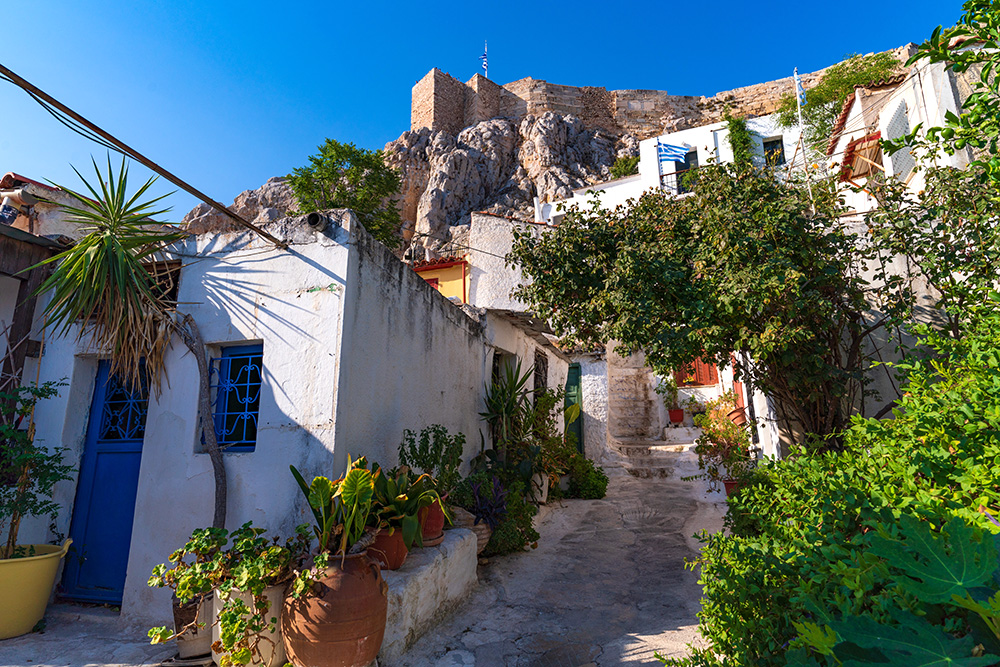
Photo: Mo Wu / Shutterstock.com
The views up to the Acropolis from Anafiotika’s highest paths are among the best in Athens. A slow walk through Plaka ending at a rooftop terrace at sunset is the best way to spend an afternoon in the city.
4. Monastiraki Square and the Roman Agora
Monastiraki Square is dominated by the Tzistarakis Mosque (1759, now a folk art museum), the remains of Hadrian’s Library, and the entrance to the flea market. It is one of the most historically layered squares in Greece.
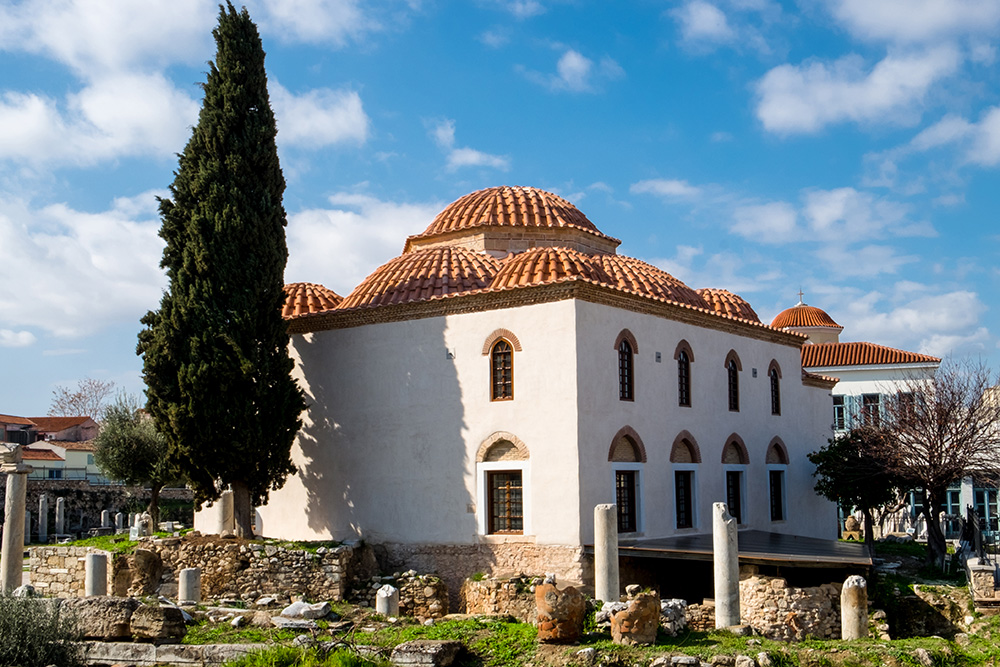
Photo: Mo Wu / Shutterstock.com
The adjacent Roman Agora, the market district built by Julius Caesar and Augustus in the 1st century BC, contains the Tower of the Winds (Aerides), an extraordinary octagonal marble clocktower from approximately 50 BC incorporating a sundial, water clock, and wind vane. It is one of the finest surviving Roman monuments in Athens.
The Monastiraki flea market is most atmospheric on Sunday mornings, when antique dealers join the permanent stalls.
5. The Odeon of Herodes Atticus and Athens by night
The Odeon of Herodes Atticus, a Roman stone theatre built in 161 AD into the southern slope of the Acropolis hill, is still used as a performance venue today. It is the most dramatic concert setting in Greece.
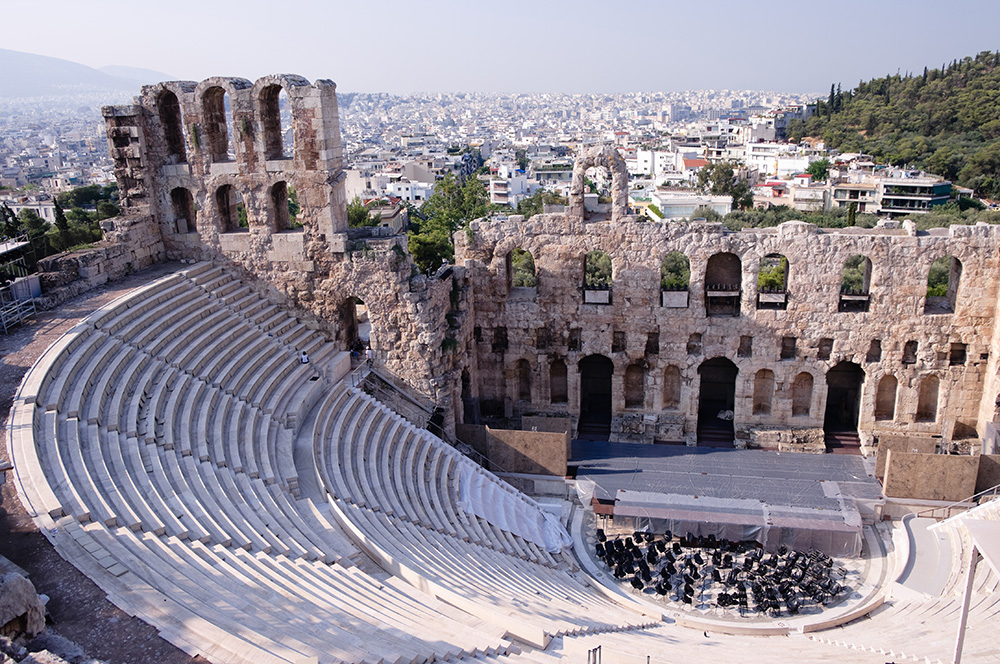
Photo: ollirg / Shutterstock.com
Every summer, the Athens Epidaurus Festival stages ancient drama, opera, and classical concerts here with the lit Parthenon visible above the stage: one of the most extraordinary cultural experiences available in Europe.
Tickets through the official Athens Epidaurus Festival website; events sell out well in advance. Even without a ticket, the view of the lit Acropolis from the Dionysiou Areopagitou pedestrian walkway at night is one of the finest urban views in the world.
Athens activities by travel type
City breaks and cultural tours
- Acropolis and Acropolis Museum full day: The hill at 8 AM for the Parthenon and summit views; the Acropolis Museum at the base for the afternoon; the museum café with direct Parthenon views is the best lunch stop in Athens for history enthusiasts.
- Ancient Athens pedestrian circuit: The Dionysiou Areopagitou walkway connecting the Odeon of Herodes Atticus, the Ancient Agora, and the Temple of Hephaestus in a 2-hour car-free walk; the finest free cultural experience in Athens.
- Benaki Museum of Greek Culture (Kolonaki): The finest private art collection in Greece, spanning 5,000 years of history in a neoclassical mansion; the rooftop café has excellent views over the National Garden.
- Changing of the Guard at Syntagma: The ceremonial Evzone guard change in traditional fustanella costume in front of the Greek Parliament; the full Sunday ceremony at 11 AM is the most impressive.
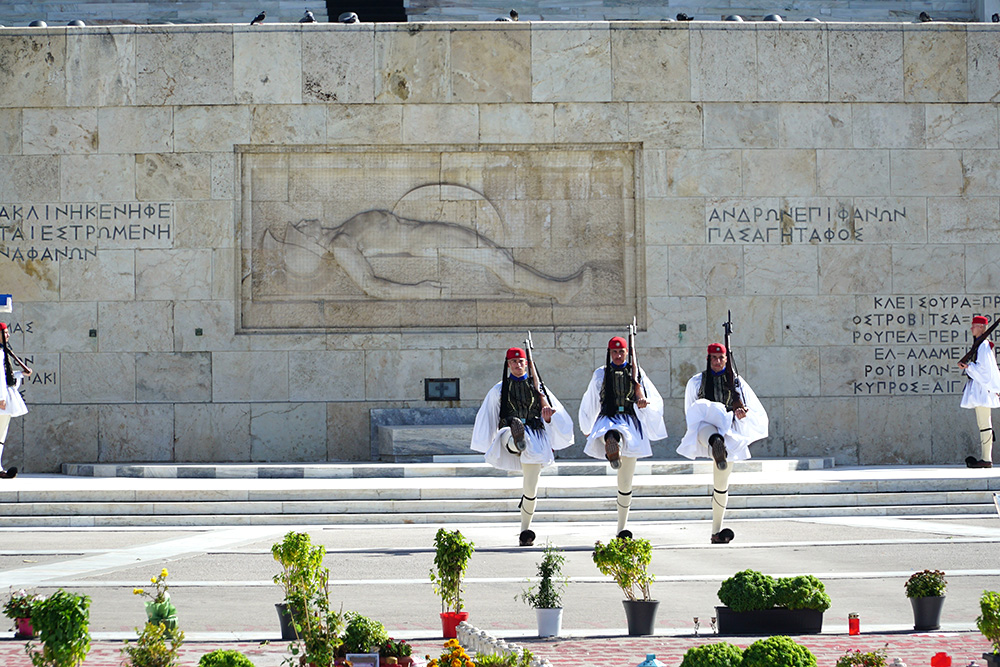
Photo: turkfotograf / Shutterstock.com
Food and market exploration
- Athens Central Market (Varvakios Agora): The covered meat and fish market on Athinas Street has been operating since 1886; it offers extraordinary Aegean seafood, olives, and cheeses; the surrounding streets sell spices and charcuterie for a full culinary experience.
- Monastiraki flea market: Daily vintage clothing, records, and copper goods; Sunday adds antique dealers; one of the most browsable market experiences in southern Europe.
- Athens street food circuit: Souvlaki from Thanasis on Monastiraki Square (since 1964), spanakopita from a Psiri bakery, loukoumades near the Ancient Agora, and freddo espresso from any neighbourhood café; the essential Athens food experience for under €20.
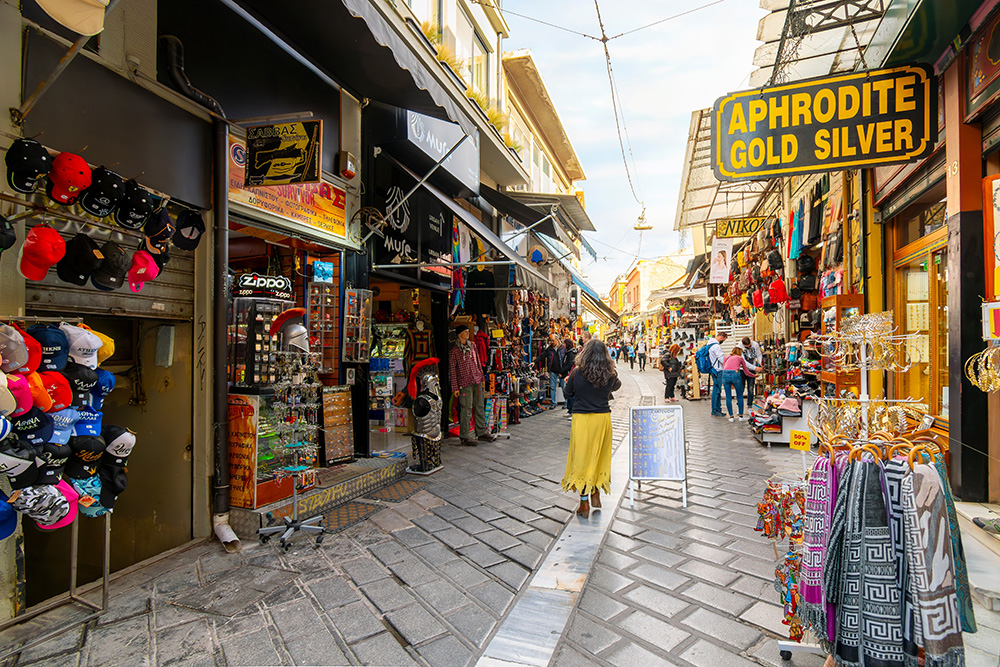
Photo: Kirk Fisher / Shutterstock.com
Family holidays in Athens
- Panathenaic Stadium (Panathinaiko): The world’s only all-marble stadium, rebuilt for the 1896 Olympics; visitors can walk the track and run the straight; audio guide available.
- Lycabettus Hill funicular: The teleferik from Kolonaki to the summit (277 metres) gives the best 360-degree panoramic view in Athens.
- Athens Happy Train: The small road train from Syntagma Square through Plaka and Monastiraki; a good family activity for younger children.
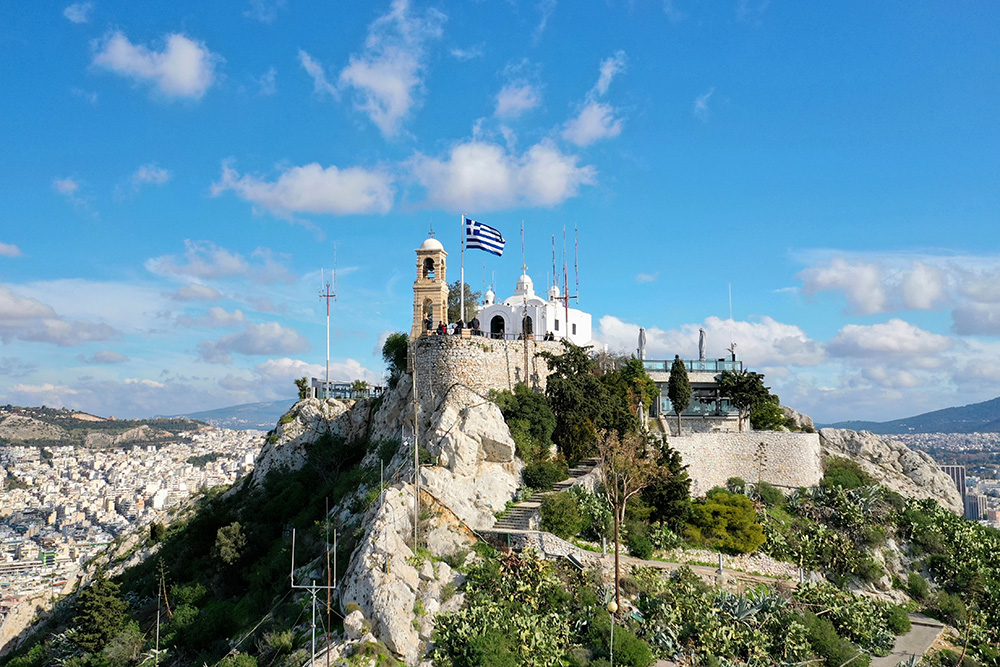
Photo: Aerial-motion / Shutterstock.com
Luxury escapes in Athens
- Athens Epidaurus Festival at the Odeon: A front-stalls seat with the lit Acropolis above the stage is one of the finest cultural experiences in Europe; book through the official festival website months in advance.
- Rooftop dinner with Acropolis views: The rooftop restaurants of Monastiraki and Plaka with direct lit Parthenon views; a reservation for sunset and dinner is the most spectacular (and romantic!) dining experience in the Greek capital.
- Private archaeologist-guided Acropolis tour: A private expert guide transforms the Acropolis and Ancient Agora from spectacle into narrative; English-language academic guide services are available through several Athens operators.
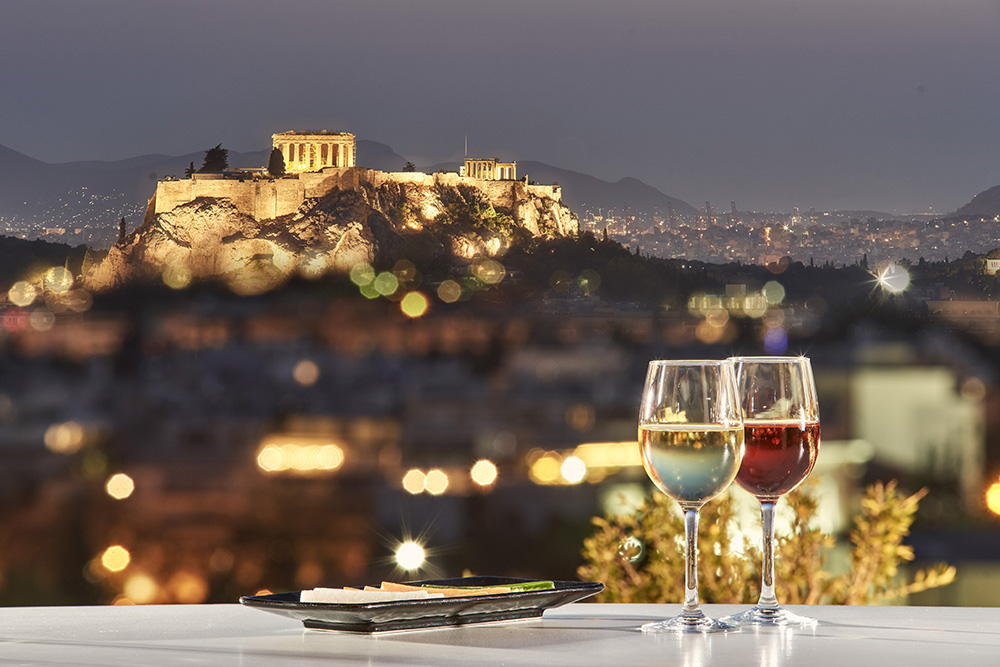
Photo: c.drazos / Shutterstock.com
Nearby destinations: Day trips from Athens
Cape Sounion and the Temple of Poseidon
Cape Sounion is 70 km south of Athens and approximately 1.5-2 hours by KTEL bus or car. It is the site of the Temple of Poseidon (444 BC), a Doric temple on a dramatic promontory above the Aegean.
Best at sunset when the marble columns turn gold. The coastal road passes the best beaches in Attica, making this a natural combination of ancient site and beach day.
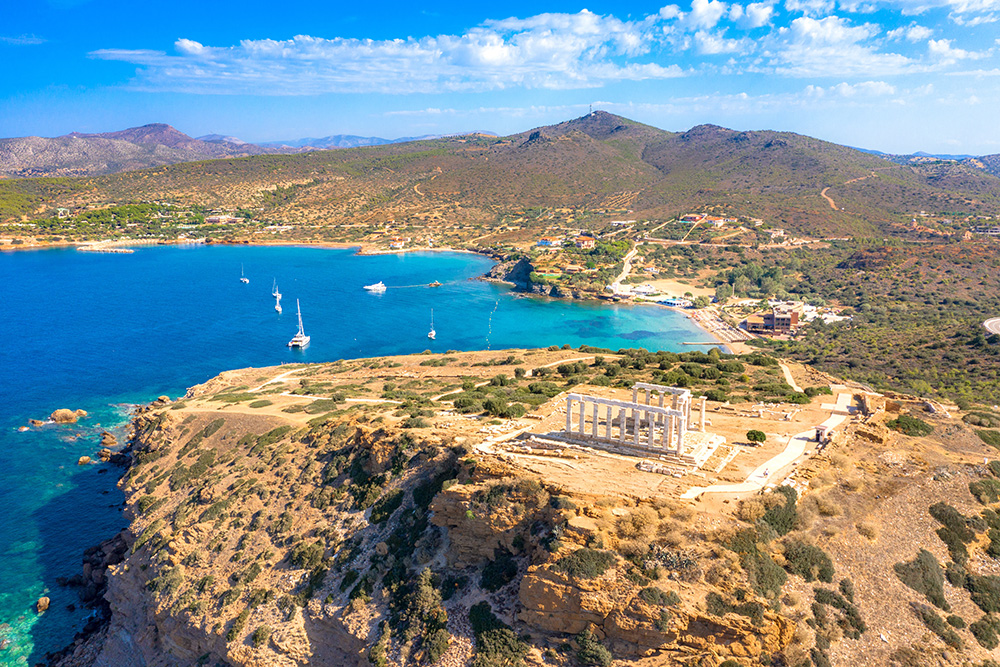
Photo: Georgios Tsichlis / Shutterstock.com
Delphi: the navel of the ancient world
Delphi, 178 km northwest of Athens and 2.5 hours away by bus, was the most sacred site in ancient Greece. It is where the Oracle of Apollo (more commonly known as the “Oracle of Delphi”) delivered prophecies (“pythia”) that shaped the political decisions of city-states across the Mediterranean.
The archaeological site on the slopes of Mount Parnassus contains the Temple of Apollo, the ancient theatre, and the Tholos; the Delphi Museum is one of the finest in Greece. An overnight stay in nearby Arachova is strongly recommended.
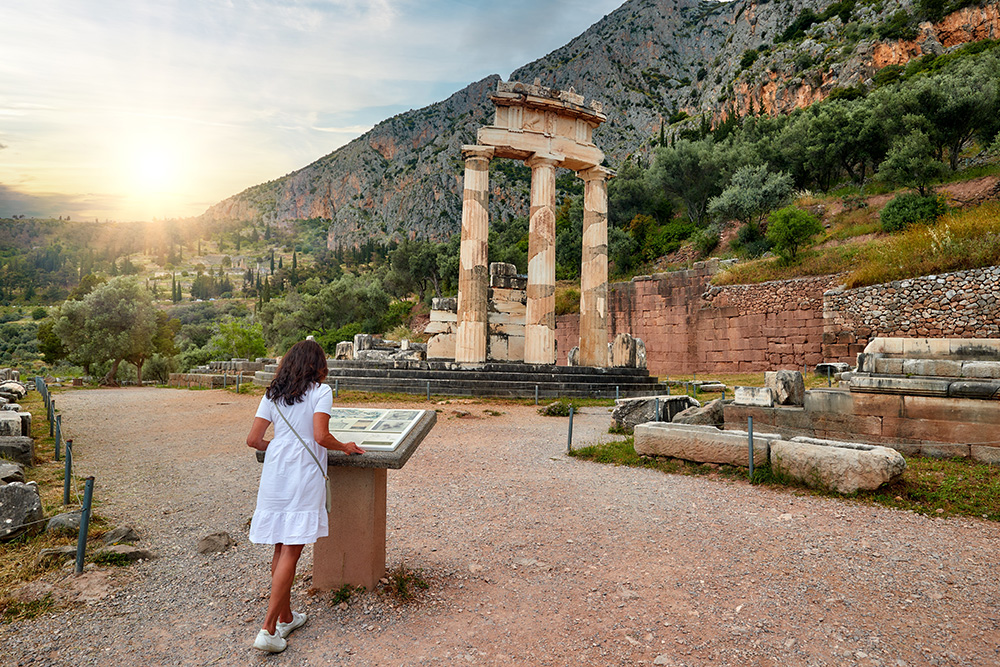
Photo: Martin Mecnarowski / Shutterstock.com
The Saronic Gulf Islands: Aegina, Hydra, and Poros
The three main Saronic Gulf islands are Athens’ most accessible island day trips:
- Aegina: 35 minutes by hydrofoil from Piraeus; has the best-preserved ancient temple outside Athens, the Temple of Aphaia (490 BC).
- Hydra: 90 minutes from Athens and entirely car-free; its stone-built port town is one of the finest neoclassical townscapes in Greece.
- Poros: 60 minutes from Athens and ideal for beach-focused itineraries.
All 3 islands are reachable by high-speed and conventional ferries from Piraeus.
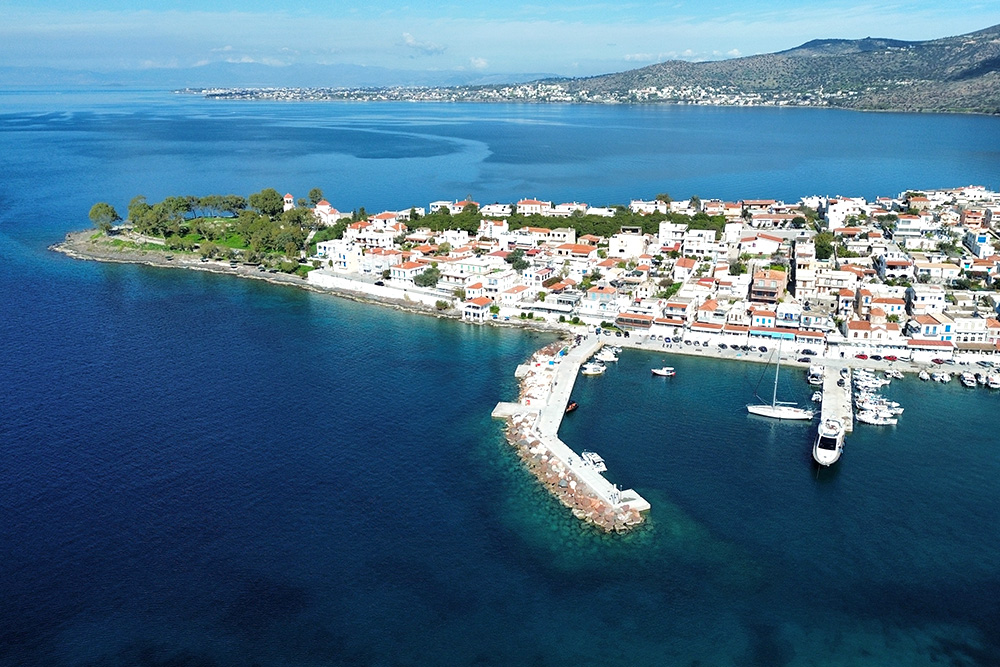
Photo: Simon__kranz / Shutterstock.com
Greek food in Athens: What your clients should try
- Souvlaki and gyros: Skewered grilled pork or chicken, or meat carved from a rotating spit, in pitta with tzatziki; Thanasis or Kostas in Monastiraki are the most celebrated central Athens grills.
- Spanakopita and tiropita: Spinach-and-feta or cheese-filled filo pastry from a neighbourhood bakery (fournoi); warm from the oven in Psiri or Plaka is the best version.
- Mezedes at a traditional ouzeri: Taramasalata, gigantes plaki, grilled octopus, fava, and htipiti with ouzo or tsipouro; order many small plates and share over two hours; the ouzeries around Monastiraki and Evripidou Street are the most traditional.
- Modern Greek cuisine: Spondi (Michelin-starred) and the creative tavernas of Koukaki offer contemporary Greek cooking at prices well below equivalent European fine dining.
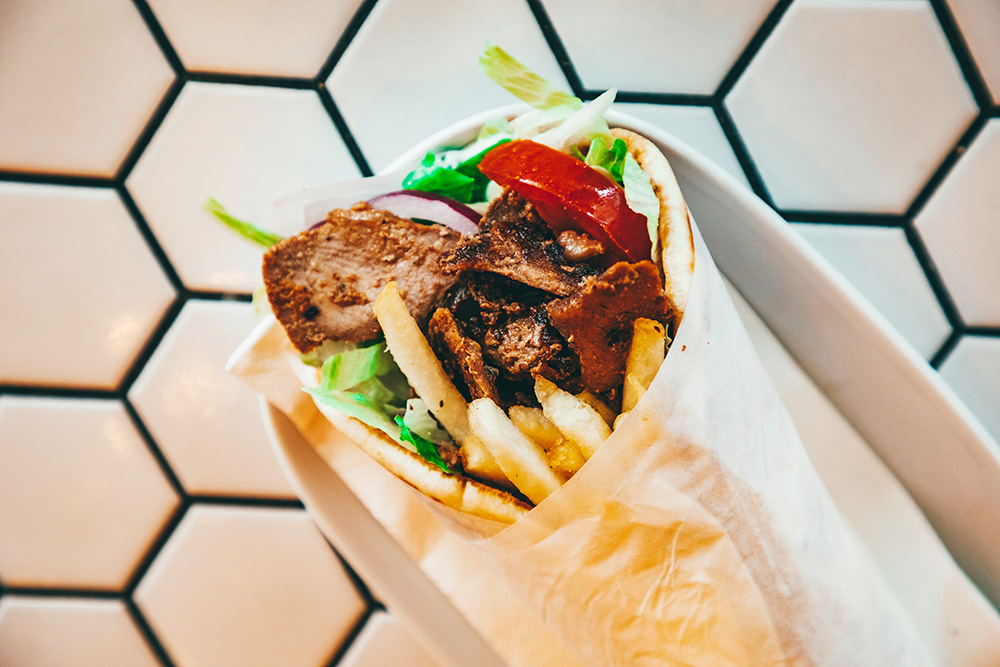
Photo by Anima Visual on Unsplash
Insider tips for Athens
Souvenirs worth buying
- Greek extra-virgin olive oil: Greece is the world’s leading producer of Koroneiki olive oil; single-estate cold-pressed oils from Crete, the Peloponnese, and Lesbos at the central market and specialist delis are of extraordinary quality and travel well vacuum-packed.
- Komboloi (worry beads): The distinctively Greek rhythmic relaxation object, available in amber, bone, and semi-precious stone from kombologadika shops around Monastiraki and Pandrossou Street; worry beads range from a few euros to several hundred.
- Mastiha products from Chios: Crystalline mastic tree resin (grown only on Chios, used for 2,500 years); liqueur, chewing gum, soaps, and skincare from the Mastiha Shop on Panepistimou Street; uniquely Greek and genuinely useful.
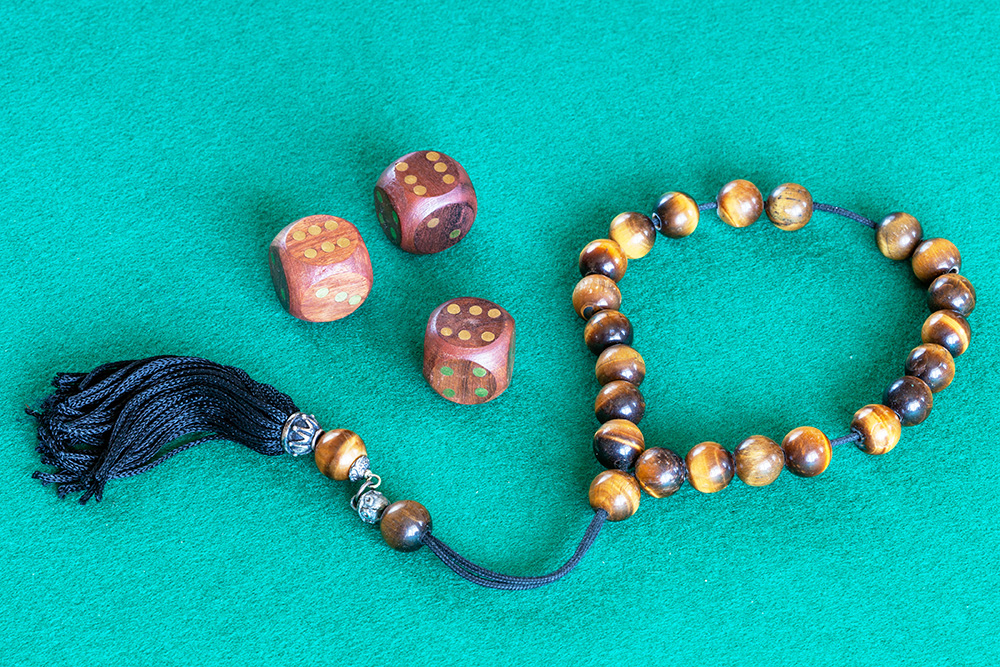
Photo: vvoe / Shutterstock.com
Athens as a “Destination Next” recommendation
Athens in Greece is one of the most consistently recommended alternatives for Eastern Mediterranean and European cultural city-break scenarios. Here’s when Athens appears as a recommendation:
- As an alternative to Rome for European cultural city-break indecision, Athens offers comparable ancient historical depth at a lower overall cost, with the Acropolis and Ancient Agora rivalling the Forum Romanum in historical significance while being typically less crowded.
- As a substitute for Istanbul when clients face routing disruption or geopolitical concerns, Athens offers comparable ancient and Byzantine heritage richness in an EU, Schengen, and eurozone environment.
- As a gateway to the Greek islands, Athens, combined with 2–3 days on a Cycladic island (Santorini, Mykonos, or Naxos by domestic flight or ferry from Piraeus) builds the classic Greece programme that remains one of the most compelling short-haul European itineraries.
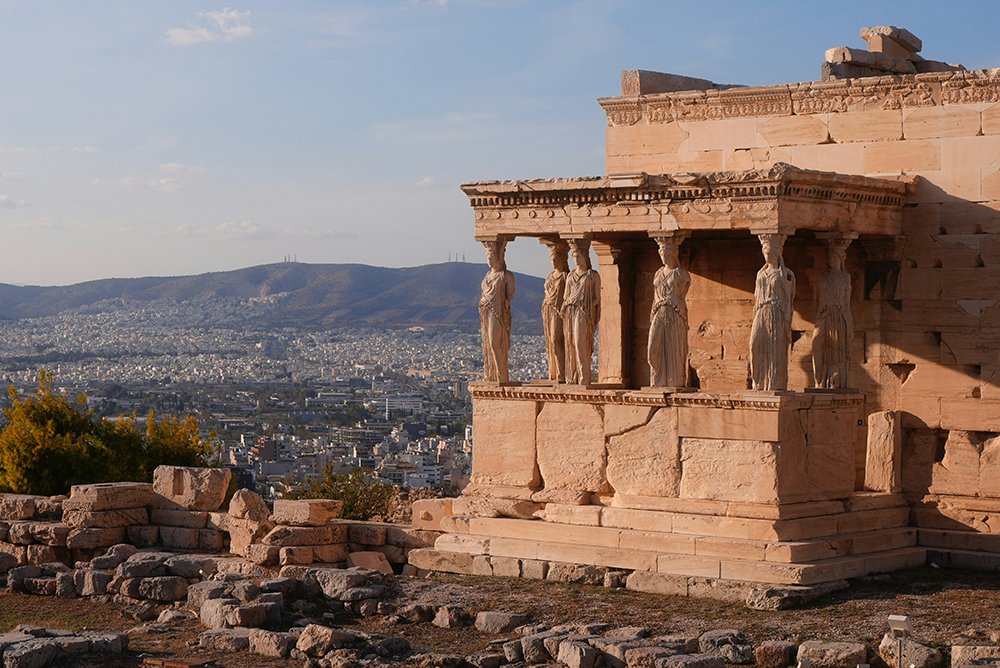
Photo by Laszlo Oveges on Unsplash
Ready to supercharge your Athens proposals?
Explore the full hotel inventory and start building your client’s next Athens or Greece itinerary on RateHawk.
This article is part of the Destination Next initiative by RateHawk — helping travel businesses find stronger destination alternatives when travel plans change.