
 591
591 12 minutes read
Contents
- Why travel agents should be selling Vienna right now
- Practical information for travel agents
- Where to stay in Vienna: Neighbourhoods and hotel options
- Top things to do in Vienna: Must-see attractions
- Vienna activities by travel type
- Nearby destinations: Day trips from Vienna
- Viennese food: What your clients should try
- Insider tips for Vienna
- Vienna as a “Destination Next” recommendation
Why travel agents should be selling Vienna right now
Vienna delivers extraordinary culture, beauty, and comfort at every price point. Here’s why Vienna consistently sells across demographics:
- The rich assortment of world-class art (Belvedere’s Klimt, the Kunsthistorisches Museum) and imperial palace architecture (Schönbrunn, the Hofburg).
- Home to some of Central Europe’s most beautiful Christmas markets.
- Vienna’s unique cultural traditions of coffee houses, its opera heritage, and the Ball season.
- Excellent high-speed rail connectivity, making it one of the most complete city destinations in Europe.
With RateHawk’s hotel supply across the Ringstrasse, the Naschmarkt area, and the creative Neubau district, you have the inventory to curate the right Vienna itinerary for every client.
Practical information for travel agents
Travel guidelines
Weather and best time to visit Vienna
- Spring (April–May): The best time to visit Vienna. Mild temperatures of 12–20°C, Schönbrunn gardens in bloom, and manageable crowds before the summer peak.
- Summer (June–August): Warm temperatures of 22–28°C with the annual Film Festival on Rathausplatz, featuring open-air screenings of opera, concerts, and cultural performances. Book accommodation in advance.
- Autumn (September–October): Comfortable temperatures, the new opera and concert season opening, and the Vienna Wine Hiking Trail through the Heuriger wine village neighbourhoods.
- Winter (November–January): Vienna’s Christmas markets are among the most beautiful in Europe. The Rathaus, Schönbrunn, Belvedere, and Freyung markets each have a distinct character. The Vienna Philharmonic New Year’s Concert on 1 January is one of the world’s most-watched classical broadcasts.
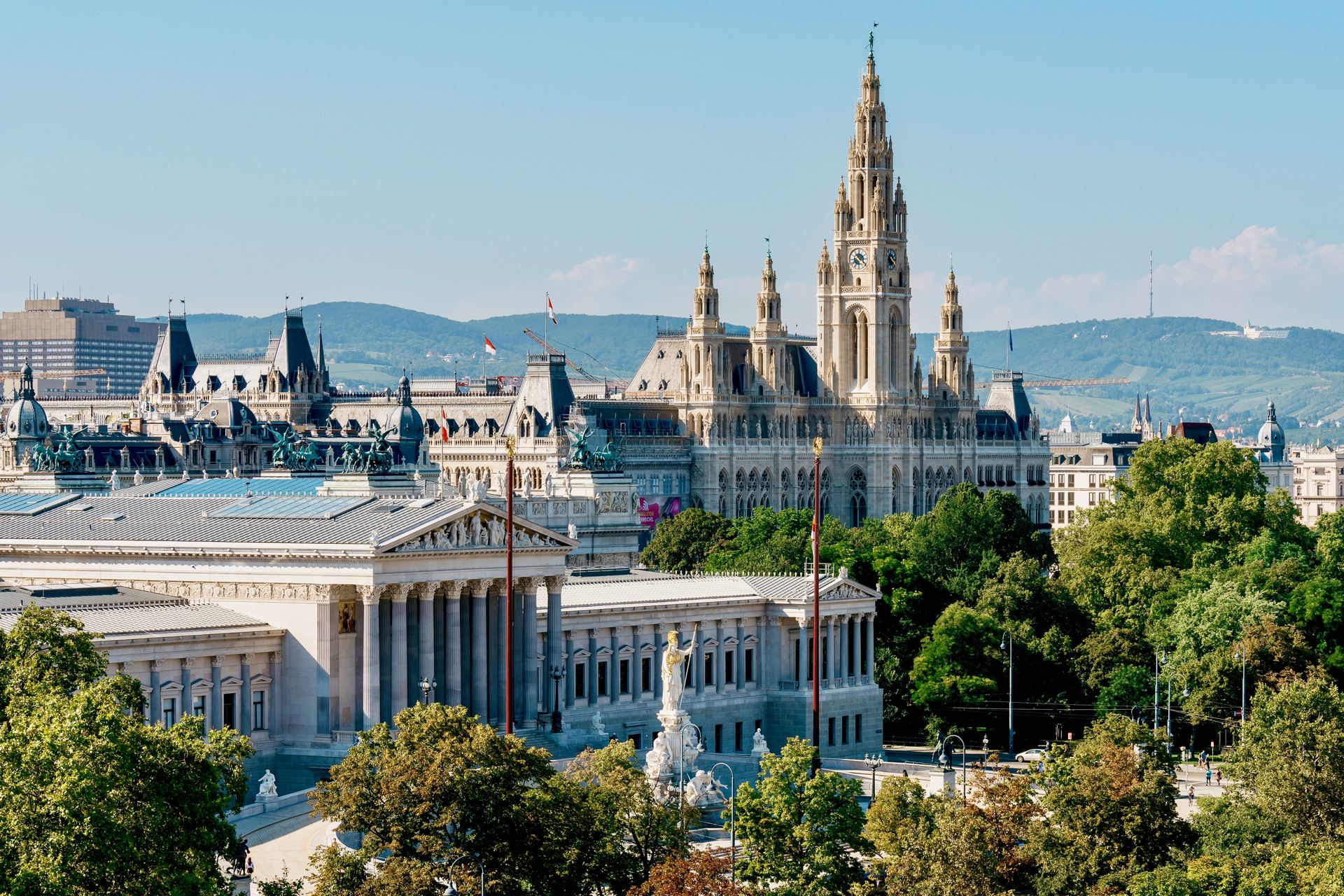
Photo by Travel Smart Seniors on Shutterstock
Vienna fun facts
- Vienna served as the principal residence and political centre of the Habsburg dynasty for centuries and was the capital of the Austrian Empire and later Austro-Hungary until 1918. The city’s palaces, art collections, and cultural institutions are the direct legacy of six centuries of imperial patronage.
- The Viennese coffee house tradition (UNESCO Intangible Cultural Heritage since 2011) is a social institution where clients can sit for hours with a single Melange, read the newspapers, and experience a Vienna that has changed very little since the 19th century.
- Vienna is one of the few world capitals with substantial commercial wine production within its city boundaries. Viennese Grüner Veltliner and Riesling are served at the Heuriger wine taverns of Grinzing, Neustift am Walde, and Kahlenberg on the city’s outer hills.
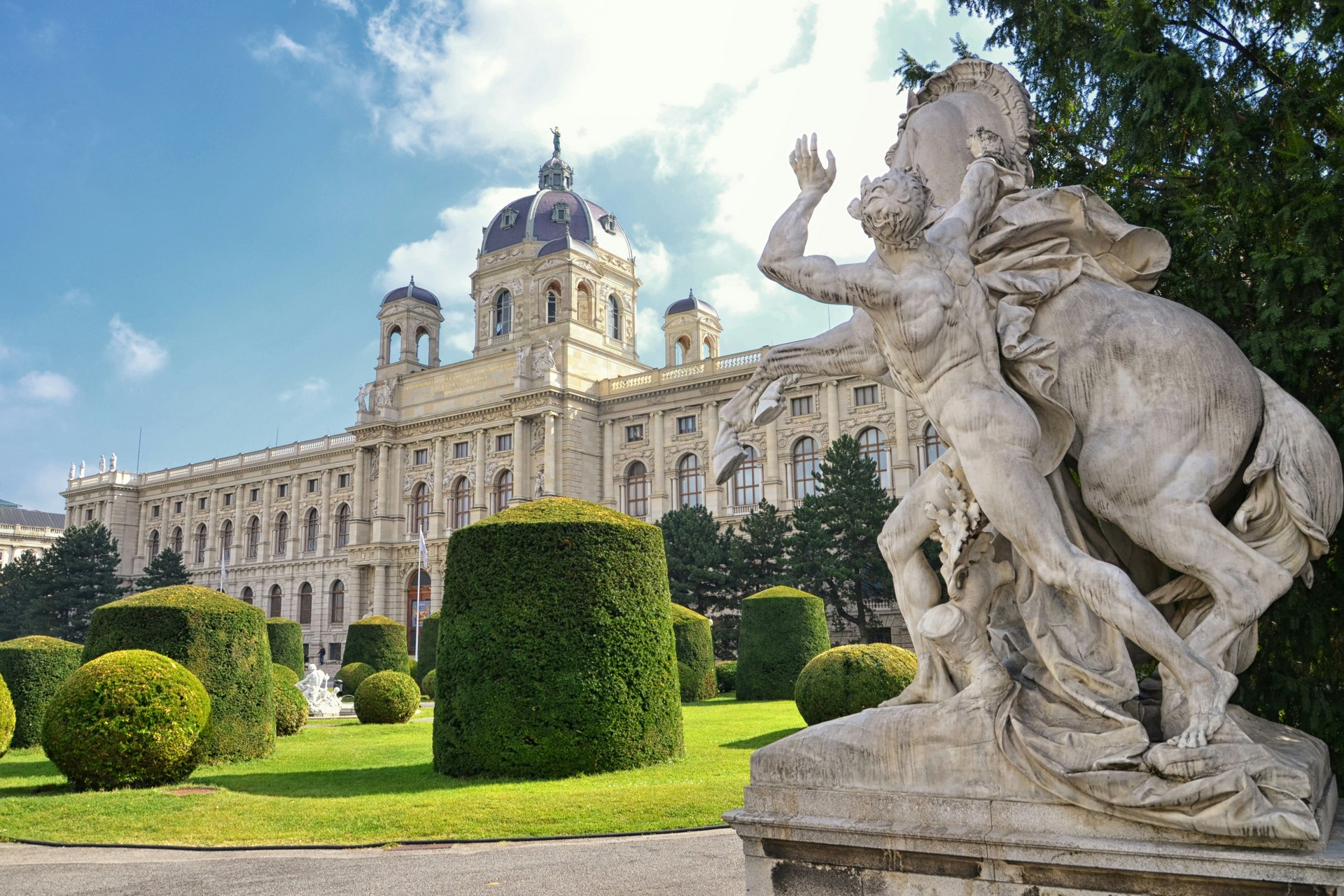
Photo by Vitaliia Ponomarova on Unsplash
Getting around Vienna
Vienna’s U-Bahn, trams, and buses are clean, punctual, and cover the entire city. The Wien mobile app handles journey planning and ticket purchases. The Vienna City Card (24/48/72-hour, covering all transport plus museum discounts) can offer good value for visitors planning extensive use of public transport and multiple attractions.
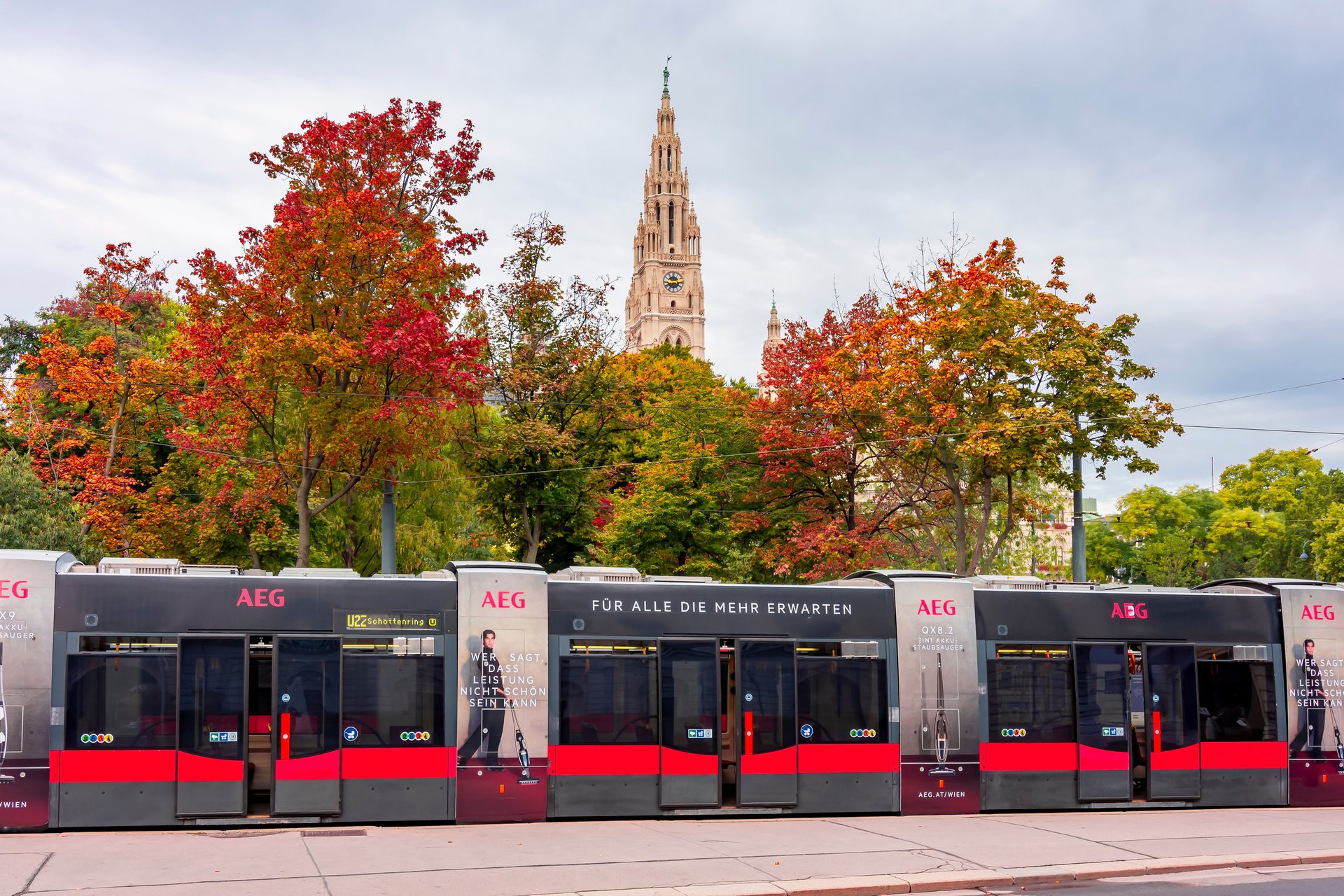
Photo by Mistervlad on Shutterstock
- U-Bahn: The U4 serves Schönbrunn Palace (Schönbrunn station), the U3 passes the Hofburg area, and the U2/U4 covers the Karlsplatz museum district.
- Tram: Tram routes cover large sections of the Ringstrasse. They’re a practical transport option and one of the best ways to see Vienna’s monumental boulevard architecture.
RateHawk insight
Agents can enhance the value of Vienna itineraries by offering transportation alongside accommodation. RateHawk makes it easy to offer (and quote for!) airport transfers and direct train tickets to other city destinations across Europe, including Prague, Salzburg, and Budapest.
Where to stay in Vienna: Neighbourhoods and hotel options
The First District (Innere Stadt)
Best for: First-time visitors and luxury clients.
Vienna’s historic first district, enclosed by the Ringstrasse, is the most prestigious and most central address in the city, within walking distance of the Hofburg, the Kunsthistorisches Museum, St Stephen’s Cathedral, and the State Opera. Hotels range from landmark five-star Grand Hotels on the Ring to boutique properties in the medieval streets. The strongest base for first-time visitors and luxury clients.
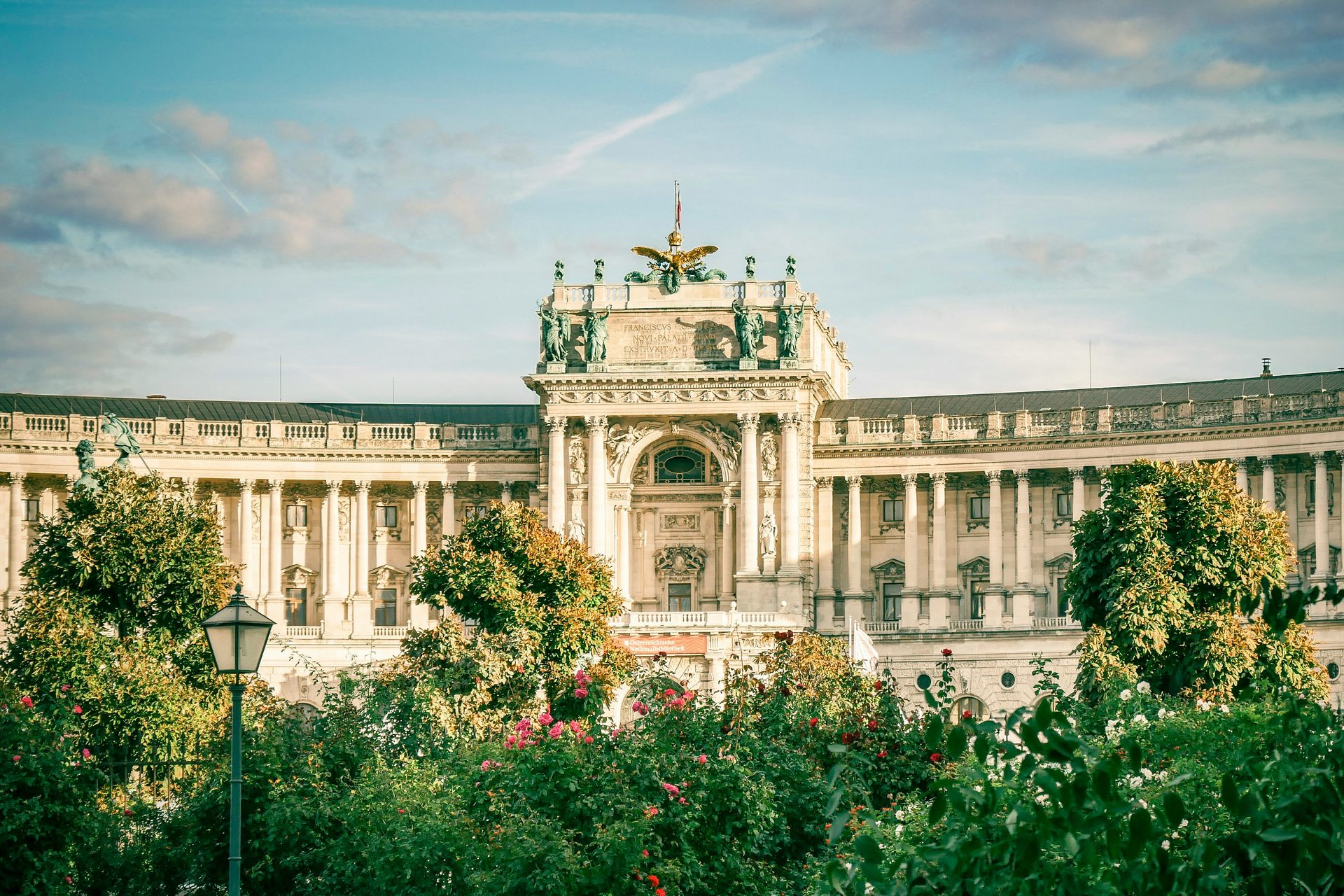
Photo by Andreas ***** on Unsplash
Around the Belvedere and Naschmarkt
Best for: Solo travellers on a budget.
The fourth and fifth districts offer a more residential, slightly more affordable base near the Belvedere gardens and the Naschmarkt — Vienna’s great open-air market (Monday to Saturday), a 1.5 km strip of fresh produce, cheese, fish, and excellent café terraces. Mid-range and boutique hotels make this a strong choice for independent travellers.
The Seventh District (Neubau)
Best for: Design-focused visitors and solo travellers.
Neubau is Vienna’s most creative neighbourhood, known for its independent boutiques, coffee bars, galleries, and the best concentration of independent restaurants in the city. Well-connected by U-Bahn and tram. Design hotels and mid-range properties make it an excellent base for design-focused and independent clients.
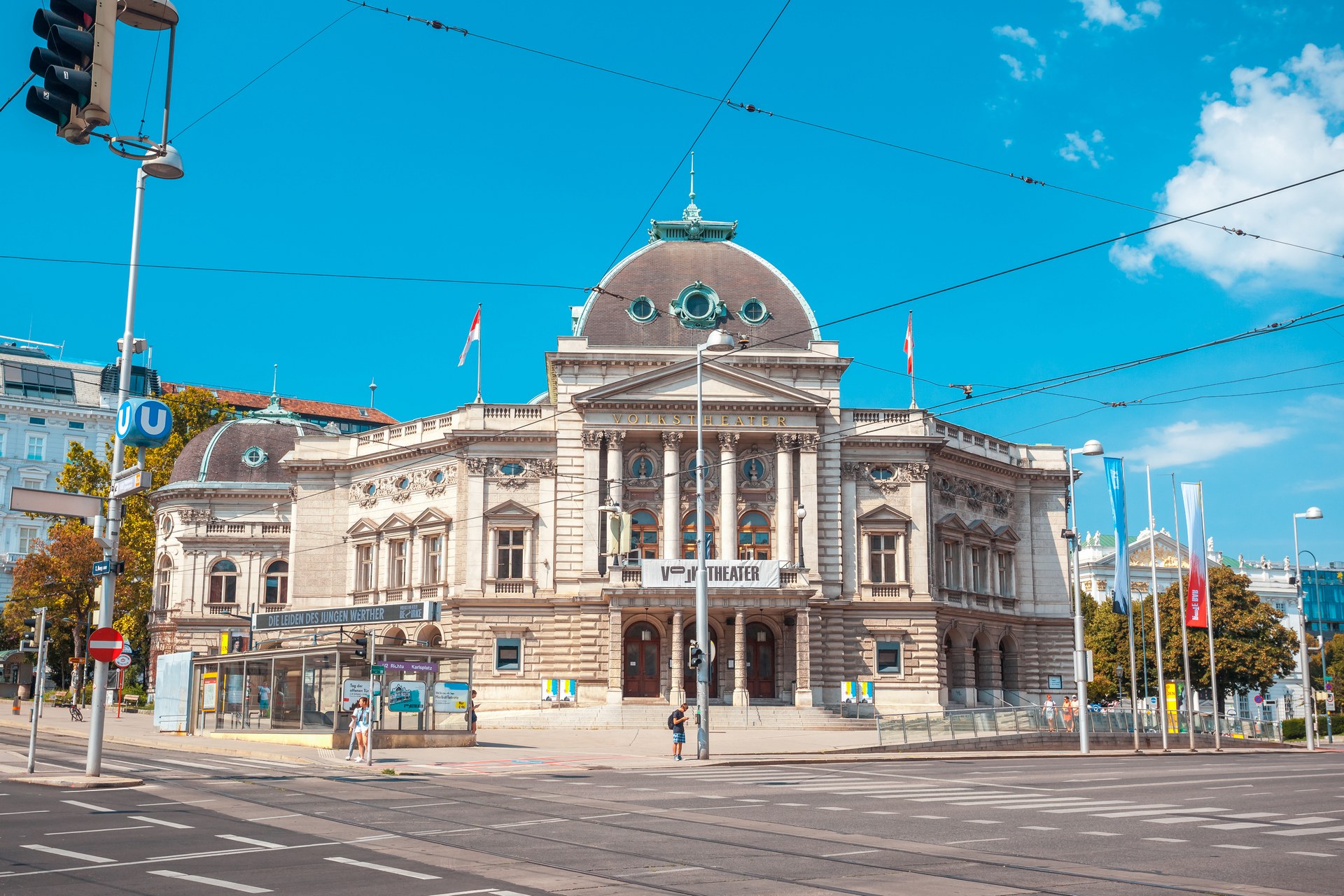
Photo by k_samurkas on Shutterstock
Top things to do in Vienna: Must-see attractions
1. Schönbrunn Palace and Gardens
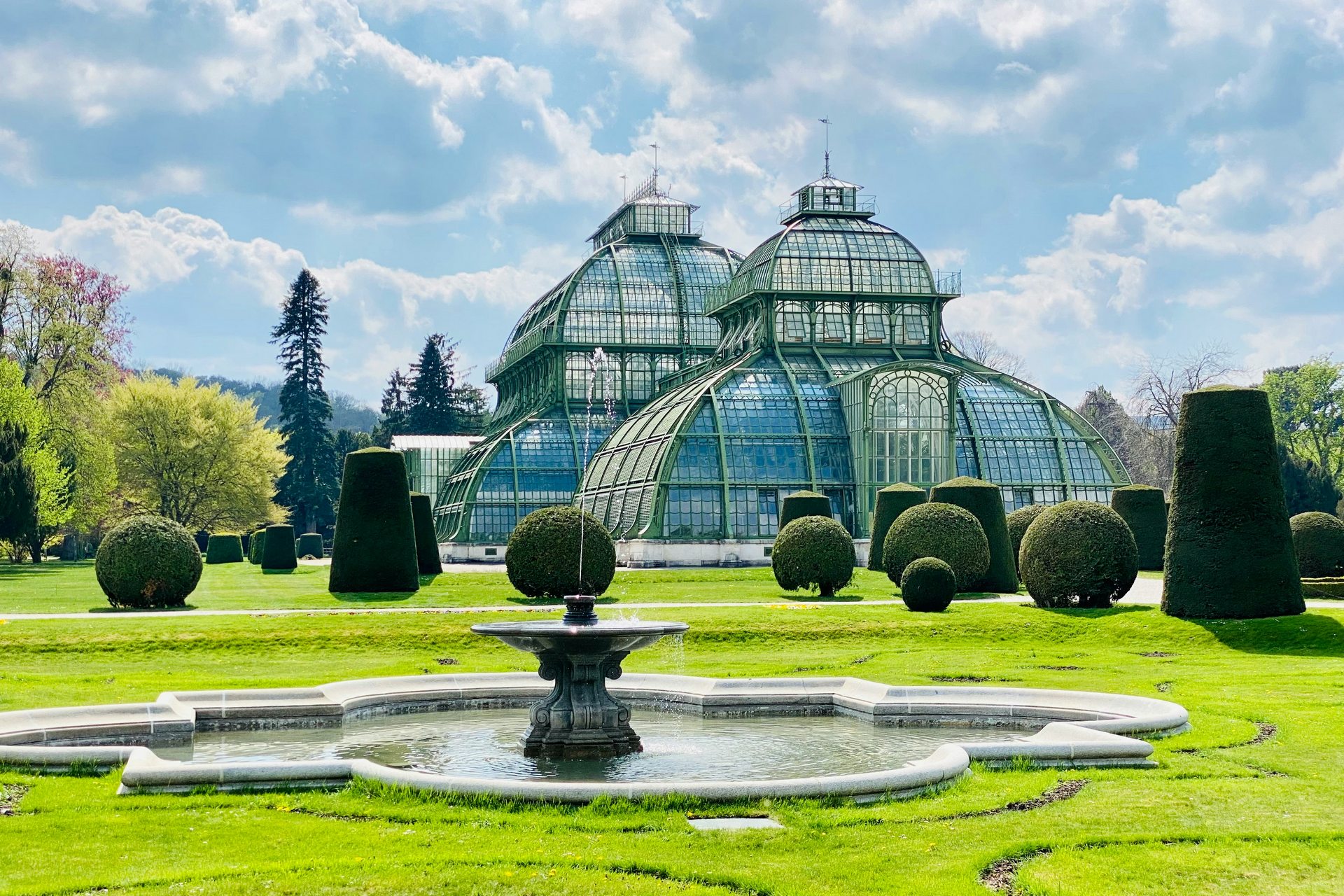
Schönbrunn Palace, an UNESCO World Heritage Site and one of Austria’s most visited attractions, is the finest Baroque palace complex in Central Europe. Of its 1,441 rooms, 40 are open to visitors on the Grand Tour; the 160-hectare formal gardens include the Gloriette hilltop monument with panoramic views over Vienna.
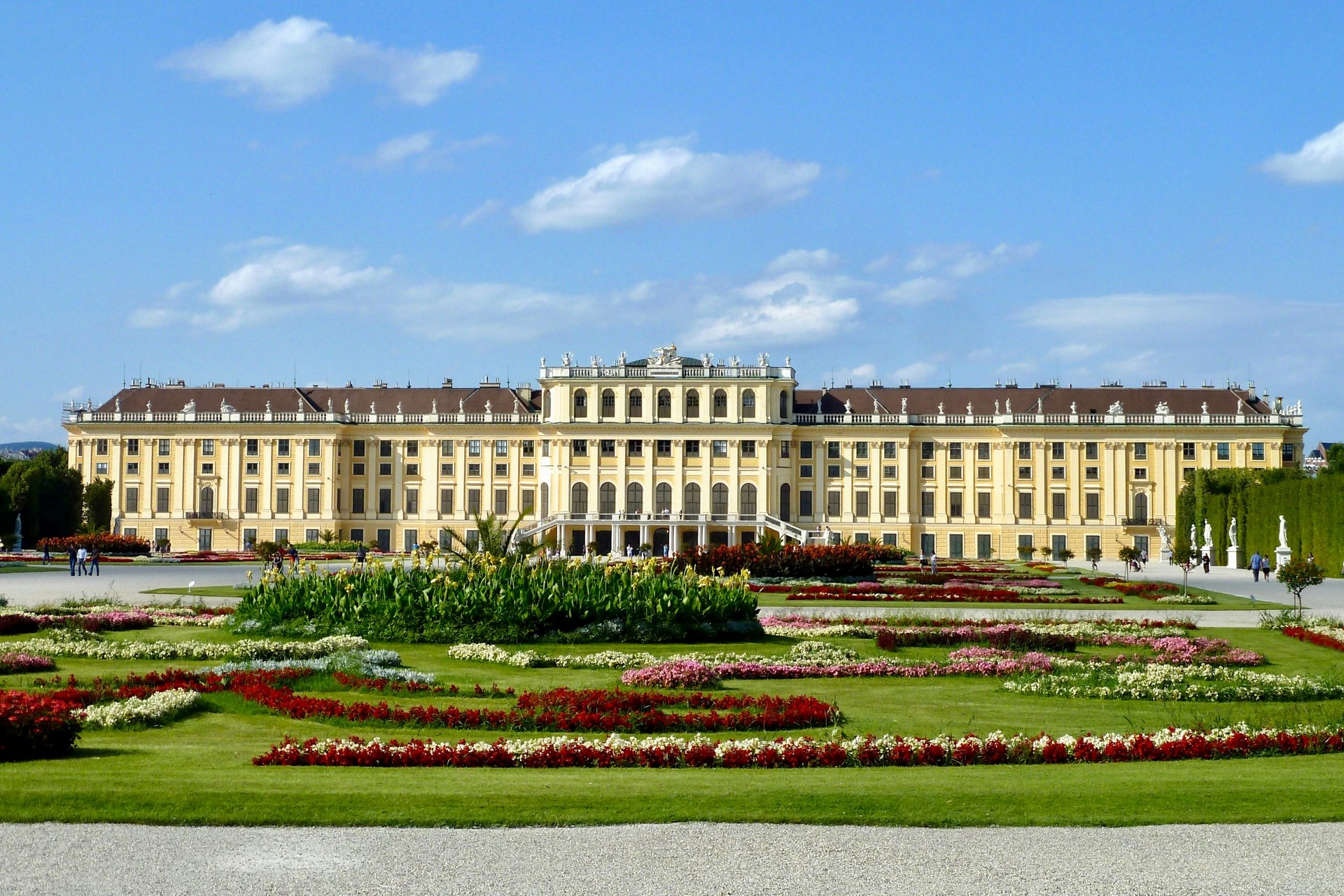
The Schönbrunn Christmas market in the palace forecourt, open from mid-November through early January, is the most atmospheric of Vienna’s many beautiful markets. Book tickets online in advance.
2. The Belvedere: Klimt and Austrian art
The Belvedere, a Baroque palace complex built for Prince Eugene of Savoy and now housing Austria’s national art collection, is the top art visit in Vienna.
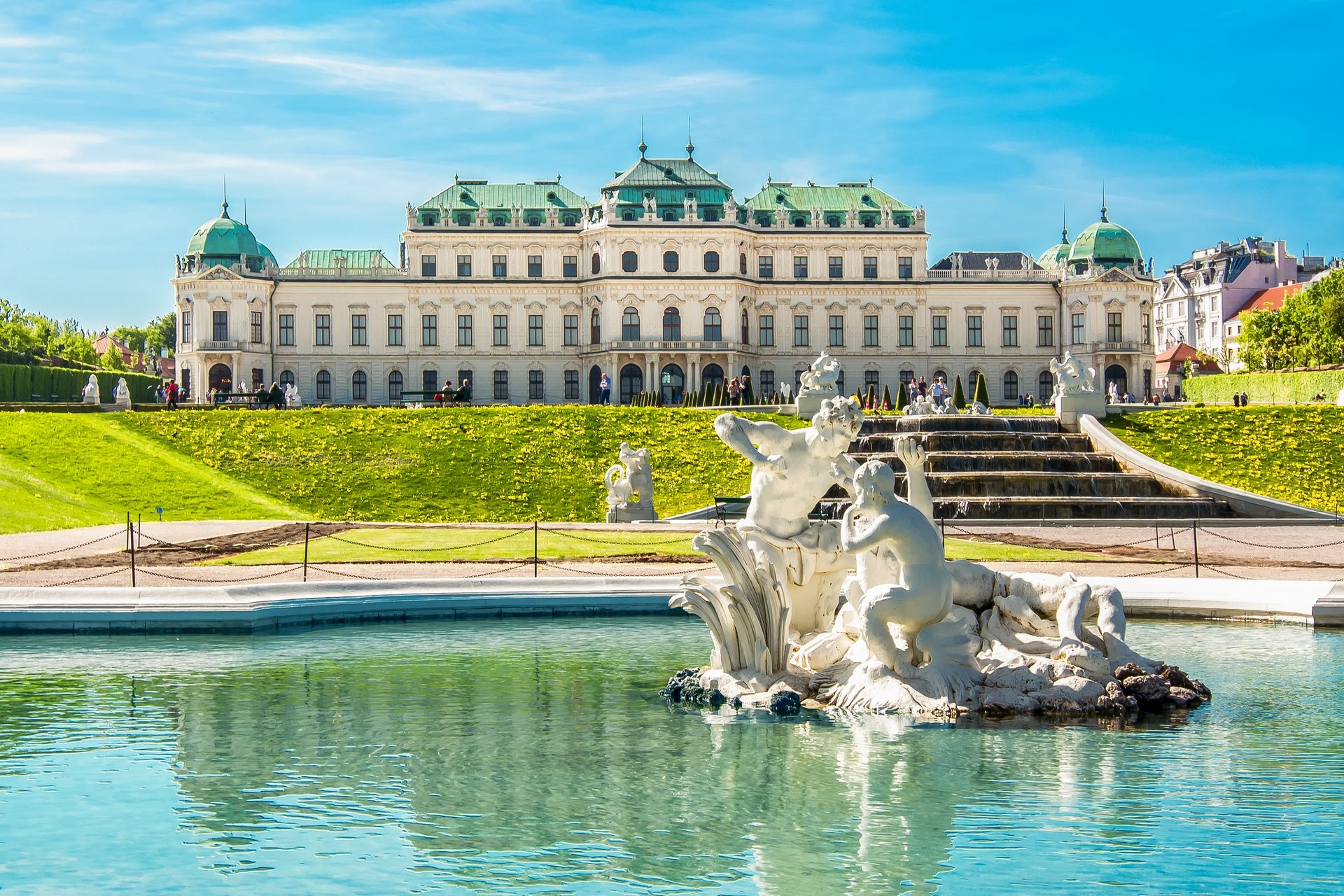
Photo by Mistervlad on Shutterstock
The Upper Belvedere holds Klimt’s The Kiss (1907–08), Egon Schiele’s The Family (1918), and works by Oskar Kokoschka: the three great masters of Viennese art at the height of their influence.
The palace gardens between the Upper and Lower palaces are beautiful in every season. Book tickets online to skip the queue.
3. The Hofburg Palace and Imperial Vienna
The Hofburg, Vienna’s Imperial Palace from the 13th century to 1918, houses the Imperial Apartments, the Imperial Silver Collection, and the Sisi Museum dedicated to Empress Elisabeth. The Spanish Riding School in the Hofburg’s Winter Riding Hall gives performances of the Lipizzan horses throughout the year — one of the most distinctive luxury cultural experiences in Vienna, book well in advance.
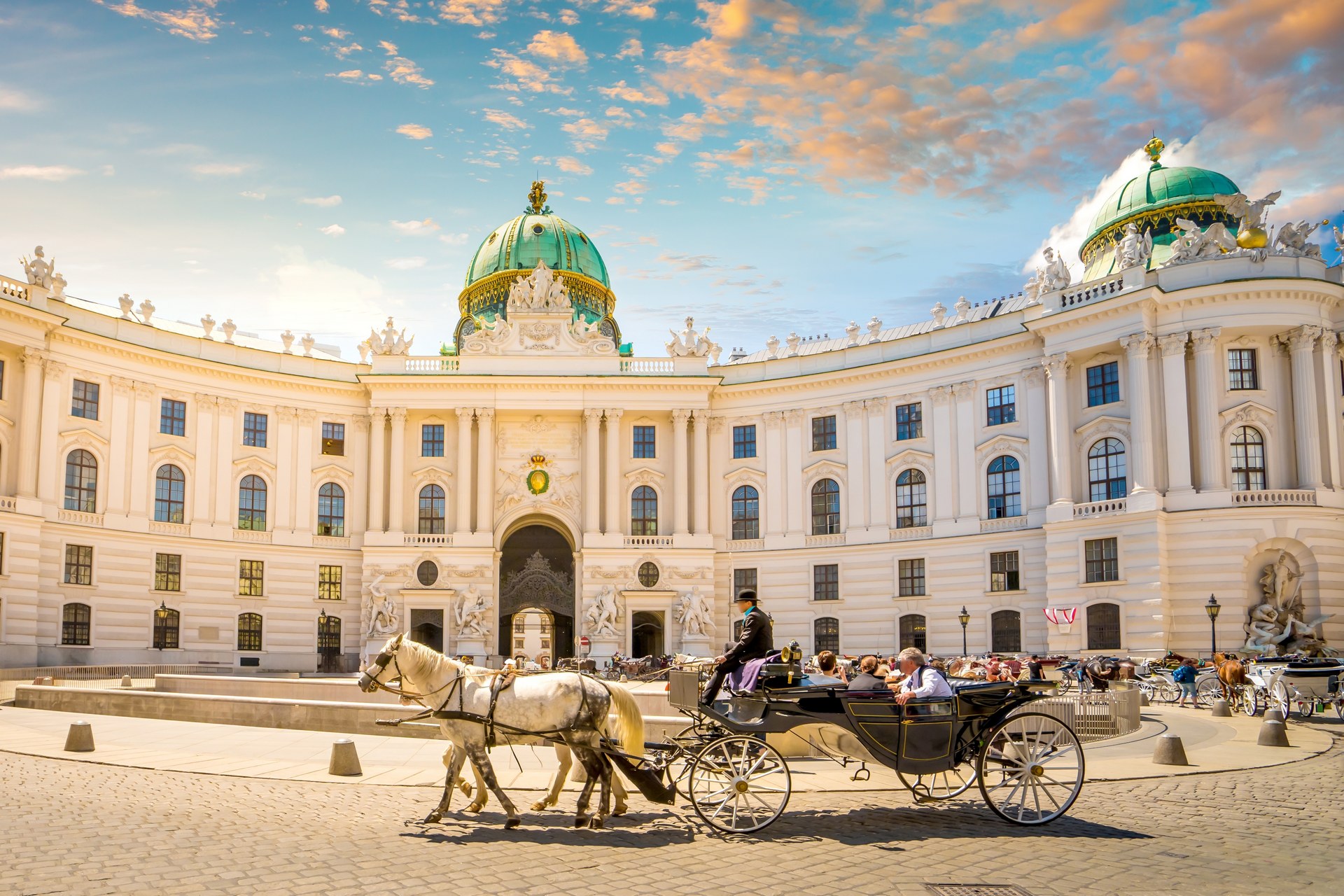
Photo by Sina Ettmer Photography on Shutterstock
4. Vienna’s coffee houses: kaffeehäuser culture
Experiencing a Viennese coffee house is one of the top things to do in Vienna — a form of social life unchanged since the late 17th century. The great kaffeehäuser of central Vienna each have their own character:
- Café Central: Famously frequented by figures including Leon Trotsky and many leading intellectuals of fin-de-siècle Vienna.
- Café Landtmann: Founded in 1873 and one of Vienna’s most famous traditional coffee houses, opposite the Rathaus.
- Café Schwarzenberg: Located on the ring.
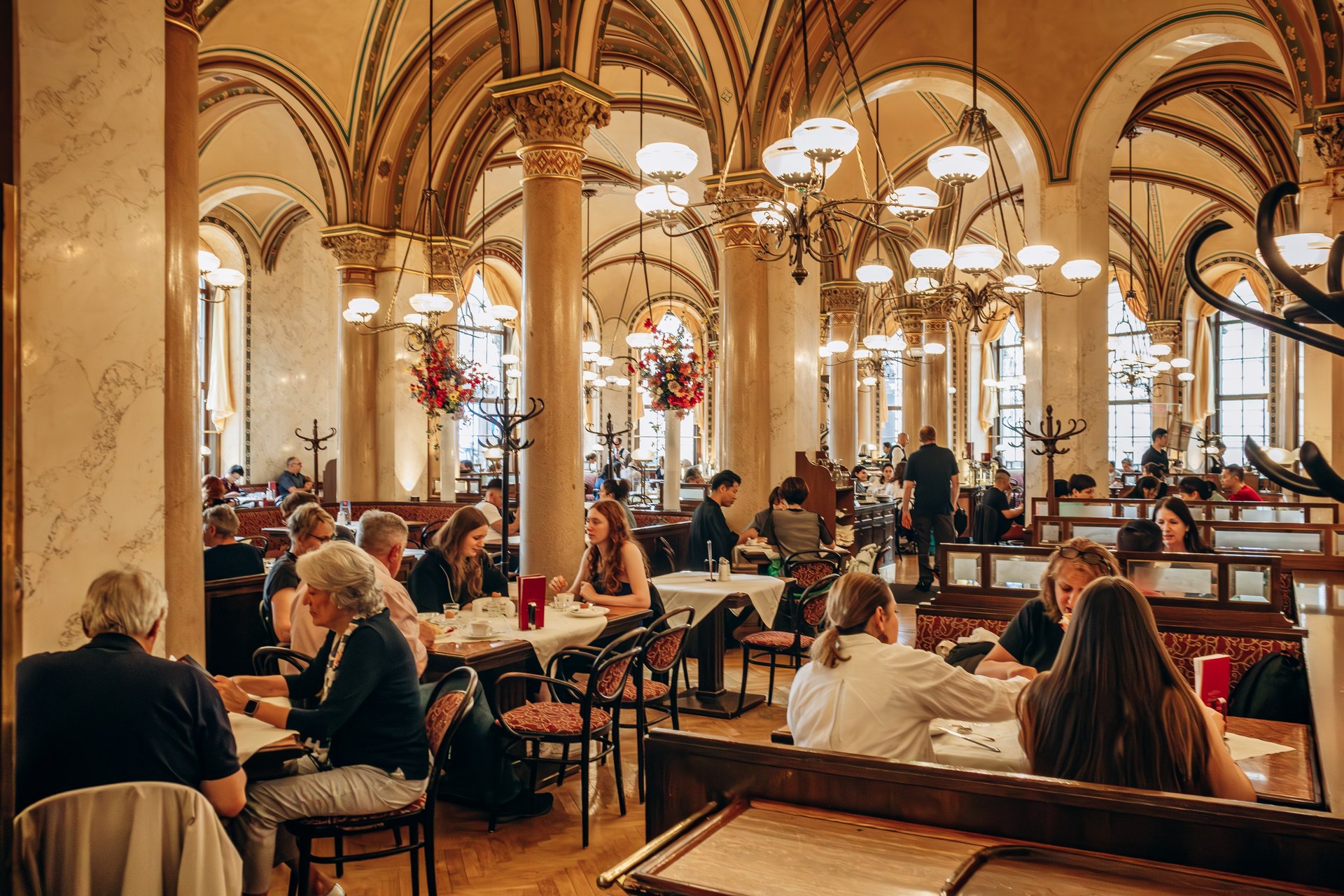
Photo by Andrei Antipov on Shutterstock
Order a Melange (espresso and steamed milk) with a glass of water and Sachertorte or Apfelstrudel, the most authentic Viennese choices.
5. The Prater and the Giant Ferris Wheel
The Prater, Vienna’s great public park since 1766, occupies a large area between the Danube and Danube Canal in Vienna’s Leopoldstadt district. It contains the Riesenrad (Giant Ferris Wheel, built 1897, 65 metres, one of Vienna’s most iconic images) and the extraordinary Hauptallee: a 4.5 km avenue of chestnut trees that is one of the finest urban parks in Europe.
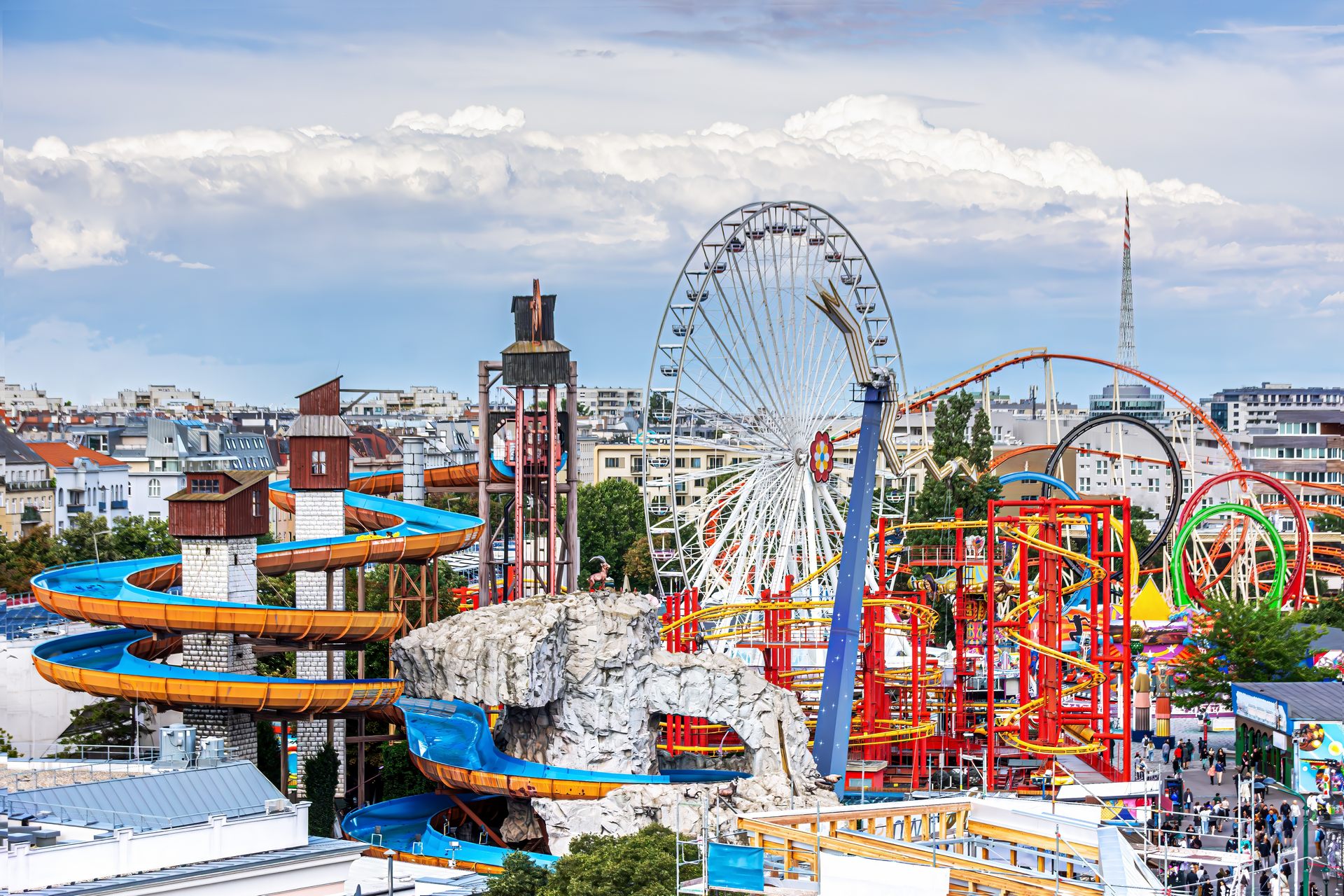
Photo by Cornel Pop on Shutterstock
The Riesenrad features in Orson Welles’ 1949 film The Third Man. Entry to the Prater park is free; the Riesenrad requires a ticket. A morning walk along the Hauptallee followed by coffee at a traditional Prater restaurant is one of the most genuinely Viennese mornings in the city.
Vienna activities by travel type
City breaks and cultural tours
- Kunsthistorisches Museum: The finest art museum in Austria, housing the world’s greatest Pieter Bruegel the Elder collection alongside Egyptian antiquities and an extraordinary Old Masters gallery.
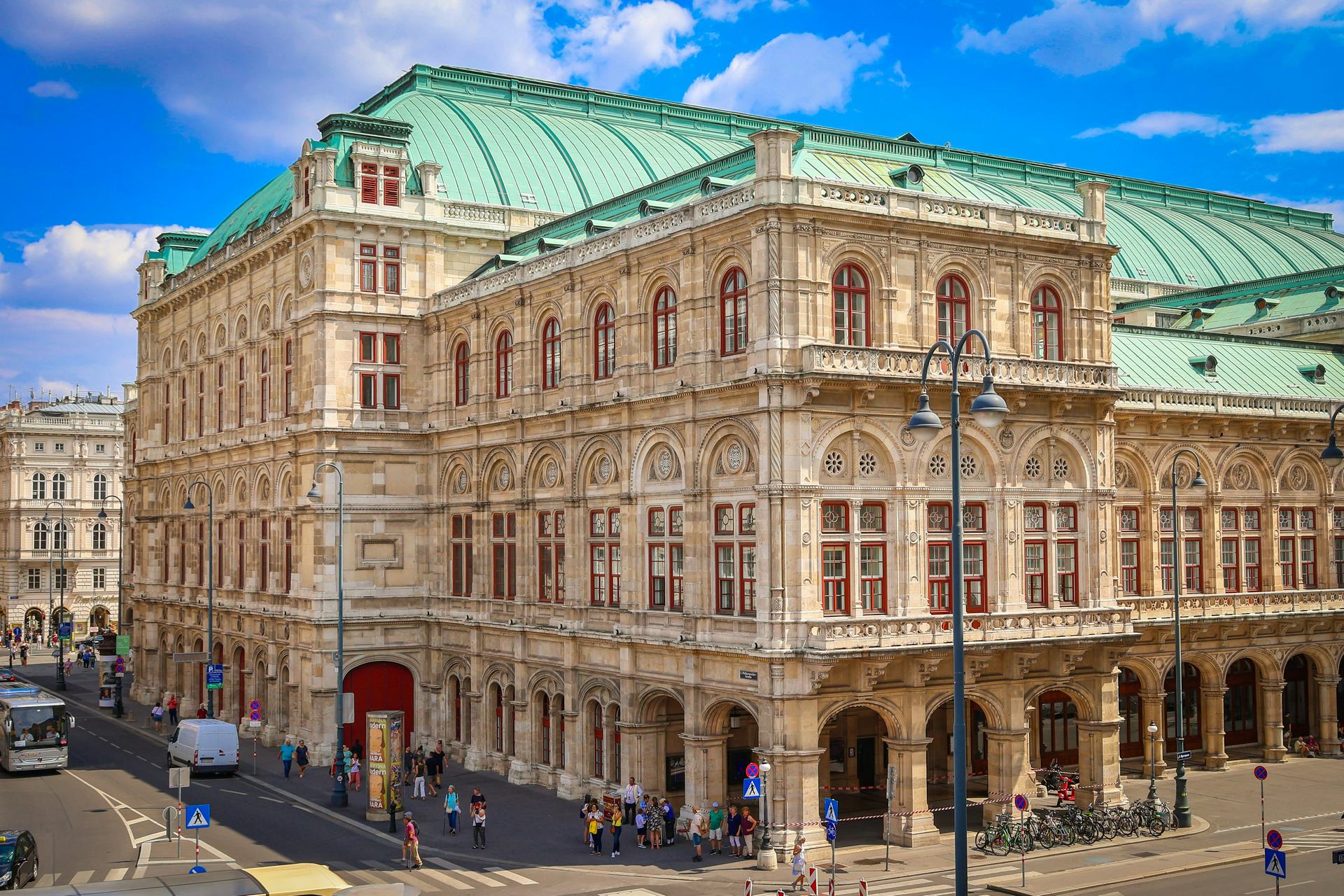
- Vienna State Opera: Attending a performance at the Wiener Staatsoper is the defining Vienna cultural experience. Standing-room tickets remain among the cheapest ways to experience world-class opera, often available from around €5; the full season runs September through June.
- Ringstrasse walking tour: Parliament, the Rathaus, the Burgtheater, and the twin museums on Maria-Theresien-Platz form one of the great planned urban ensembles in the world; self-guided, free, approximately 90 minutes.
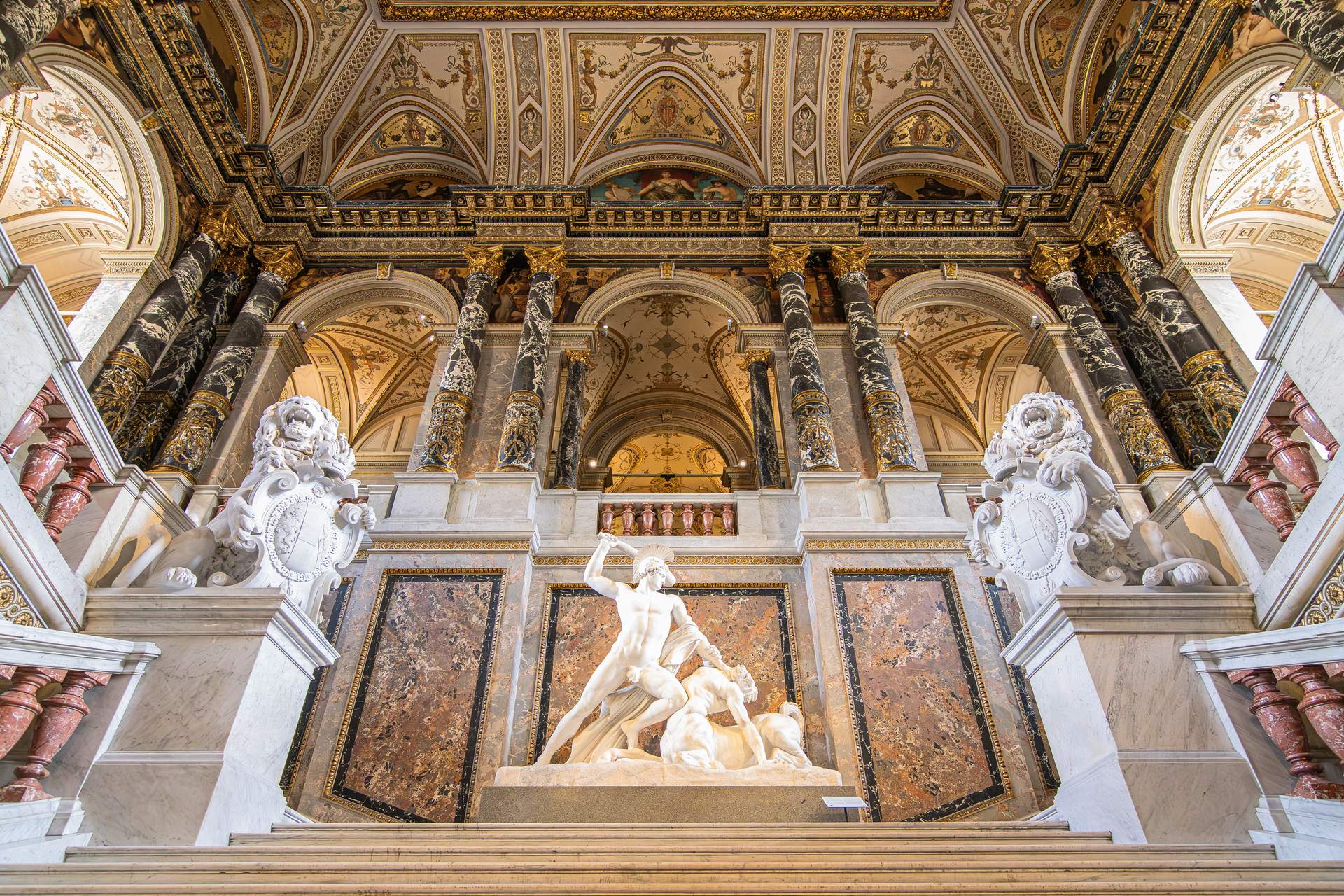
Photo by Vitold Drutel on Shutterstock
Family holidays in Vienna
- Schönbrunn Zoo (Tiergarten Schönbrunn): The world’s oldest zoo (founded 1752), housed in original Baroque enclosures within the Schönbrunn Palace grounds; giant pandas, polar bears, and Siberian tigers.
- Natural History Museum (Naturhistorisches Museum): The twin of the Kunsthistorisches Museum, with dinosaur skeletons, meteorites, and the 29,500-year-old Venus of Willendorf.
- Prater amusement park and Riesenrad: The Wurstelprater’s traditional fairground rides alongside the iconic Giant Ferris Wheel; the Prater park itself is free for cycling and picnics.
Luxury escapes in Vienna
- Spanish Riding School performance: A formal performance of the Lipizzan horses in the Hofburg’s Winter Riding Hall; book weeks in advance; morning training sessions are a more accessible alternative.
- Vienna Ball season (January–March): Hundreds of formal balls between Christmas and Lent, from the Opera Ball at the Wiener Staatsoper (February) to specialist balls; the most immersive luxury cultural experience Vienna offers.
- Heuriger wine village evening: The wine taverns of Grinzing and Neustift am Walde serve new-vintage Viennese Grüner Veltliner alongside cold buffet food in garden settings; the most local and convivial dining experience in the city.
Nearby destinations: Day trips from Vienna
Salzburg
Salzburg, Mozart’s birthplace and The Sound of Music’s setting, is 3 hours from Vienna by Railjet train. Its UNESCO old town, the Hohensalzburg fortress, and the Mirabel Gardens make it a compelling full-day or overnight extension.
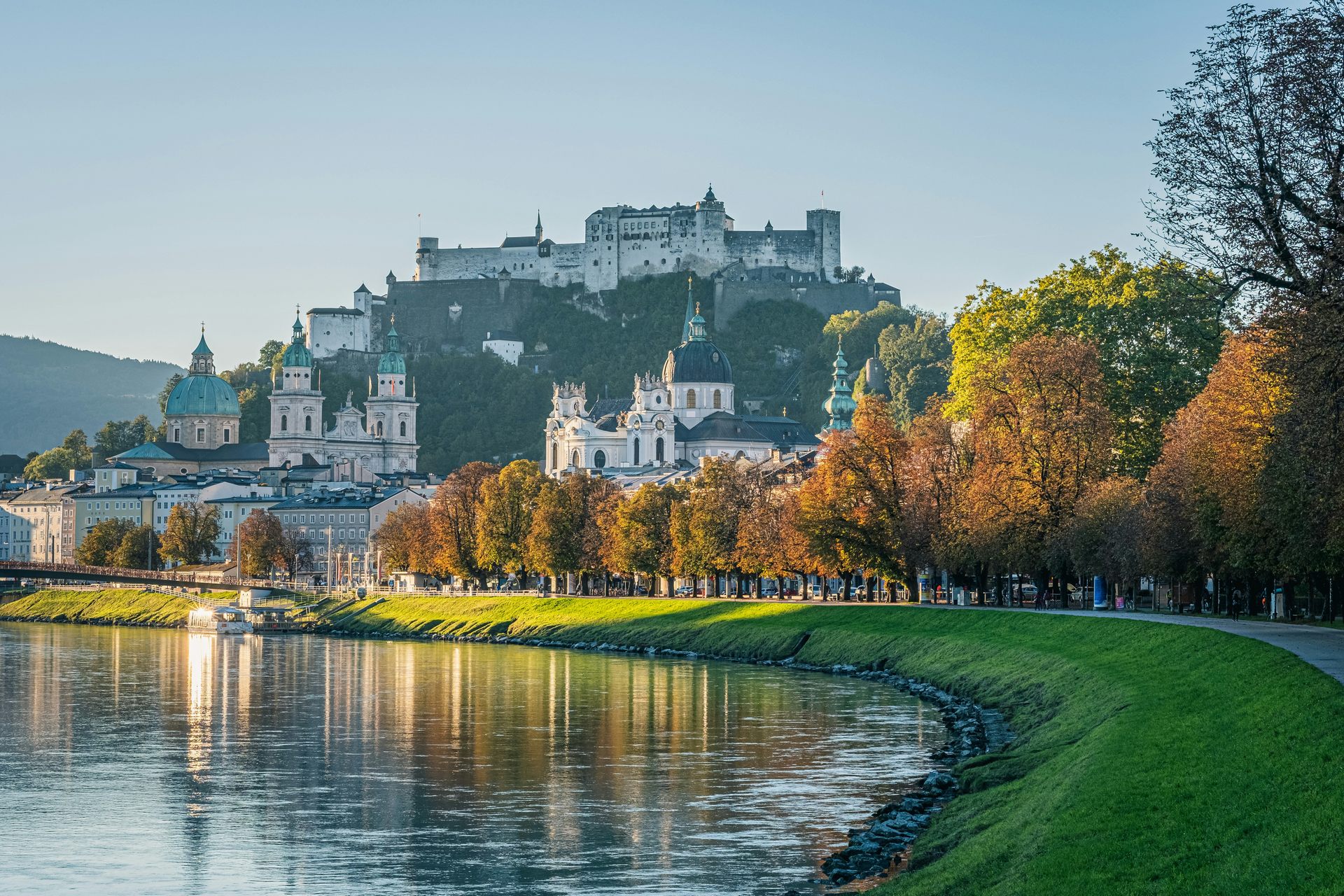
Photo by Free Walking Tour Salzburg on Unsplash
Bratislava, Slovakia
Bratislava, just 65 km from Vienna, is reachable by river cruise (around 75-90 minutes), direct train (1 hour), or coach. The old town’s Baroque architecture, Bratislava Castle, and excellent Slovak restaurants at prices below Vienna make it an easy half-day or full-day trip.
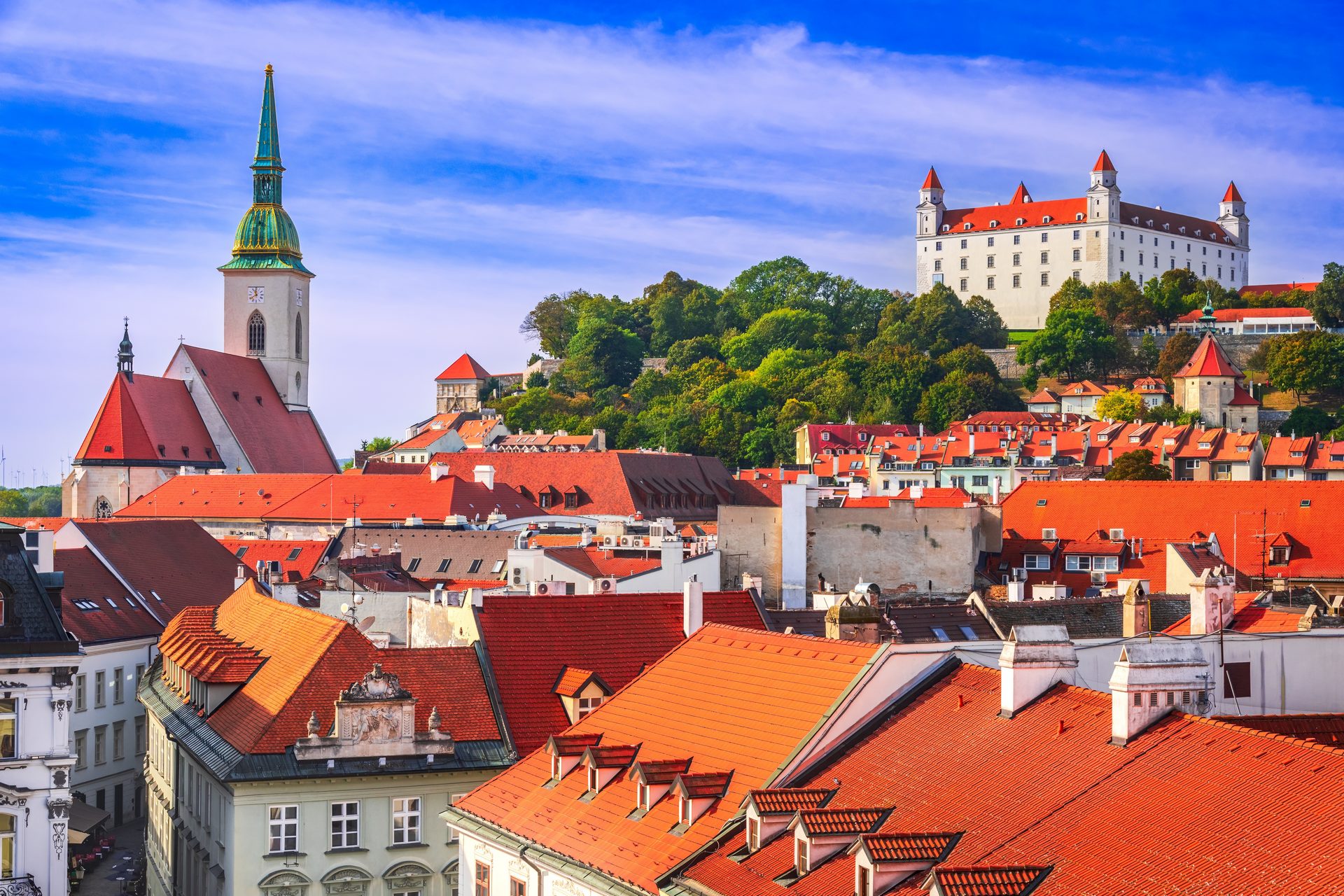
Photo by cgst26 on Shutterstock
Hallstatt and the Salzkammergut
Hallstatt, a UNESCO World Heritage lakeside village approximately 3.5–4.5 hours from Vienna, depending on connections, is one of the most photographed places in the world. The Hallstatt salt mines (among the world’s oldest known salt-mining sites, with a history spanning roughly 7,000 years) and the alpine Salzkammergut scenery make one of the most popular nature excursions from Vienna; arrive before 10 AM in summer.
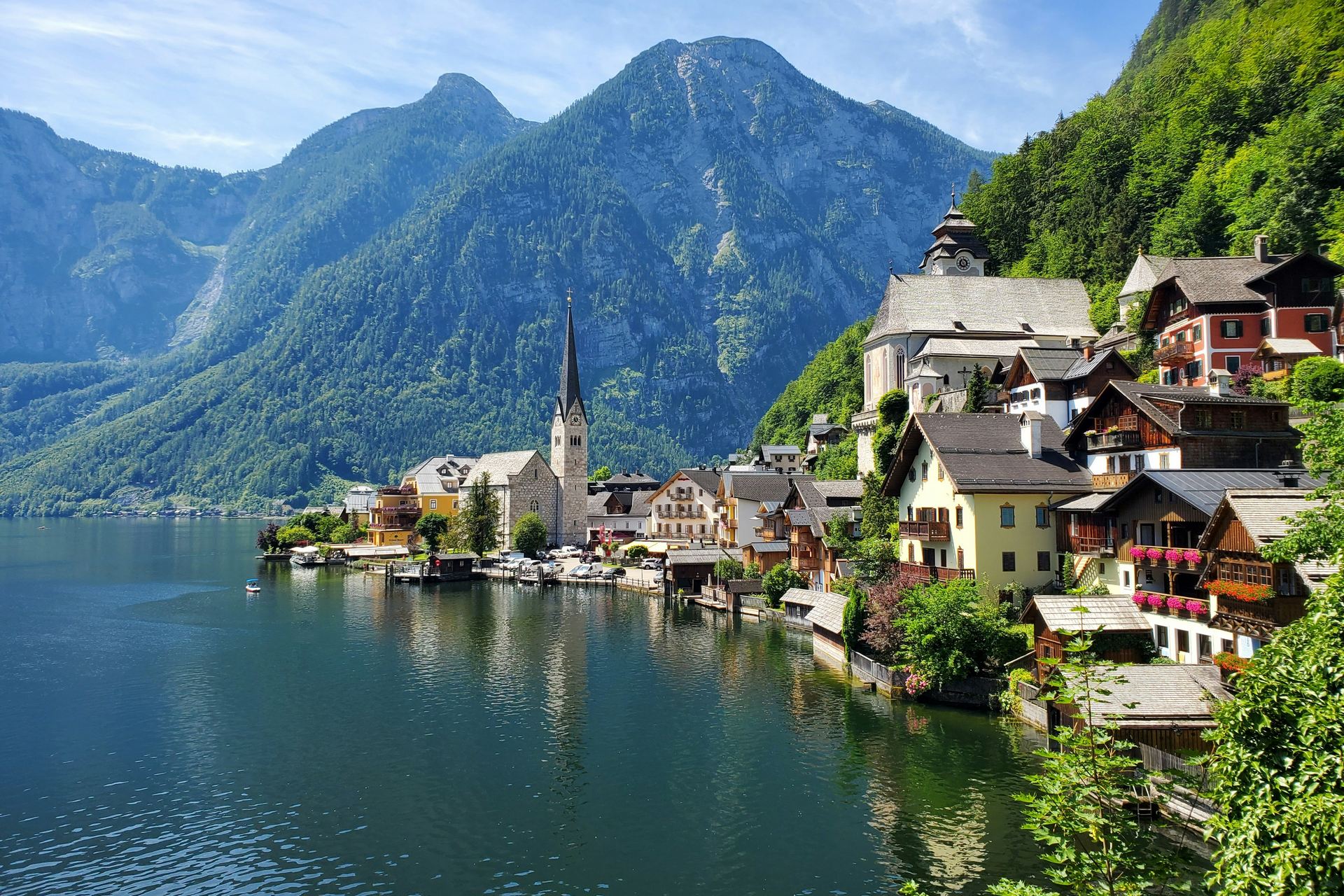
Photo by Hasmik Ghazaryan Olson on Unsplash
Viennese food: What your clients should try
- Wiener Schnitzel: Thin veal cutlet (insist on Kalbsschnitzel for the authentic version), breaded and pan-fried in clarified butter; served with lemon and potato salad. Figlmüller on Bäckerstrasse (in business since 1905) is one of the city’s most famous culinary spots.
- Sachertorte: Two-layer chocolate cake with apricot jam and dark chocolate ganache; the Hotel Sacher and Café Demel both claim the definitive recipe, a Viennese debate that has been running since 1832.
- Apfelstrudel: Flaky pastry with cinnamon-spiced apple, served warm with vanilla sauce; find the best freshly baked versions at Café Central or Café Landtmann.
- Tafelspitz: Boiled prime beef in broth with horseradish and roasted potatoes; the supreme example of Viennese bourgeois cooking; Plachutta is the restaurant most closely associated with Vienna’s classic Tafelspitz tradition.
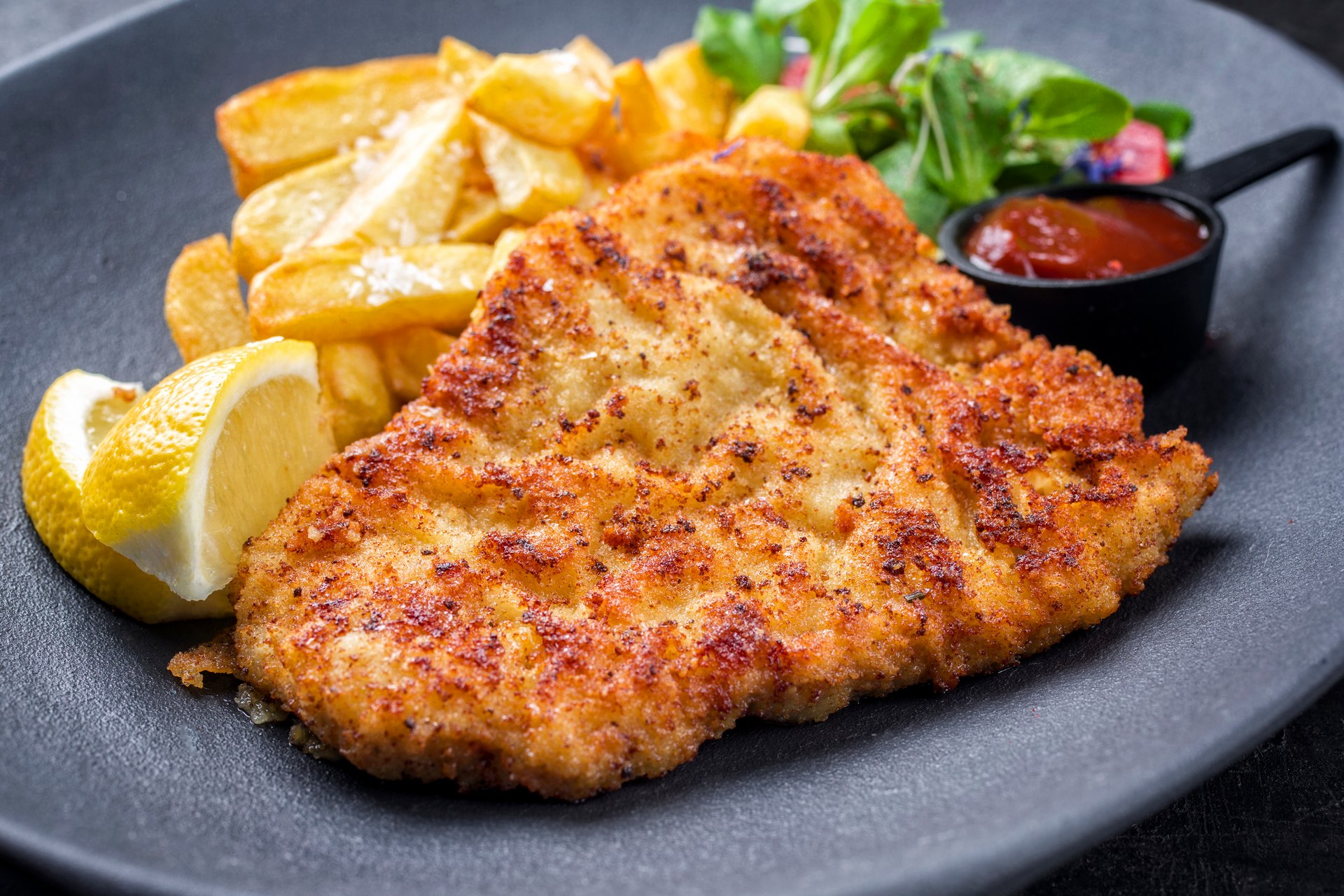
Photo by hlphoto on Shutterstock
Insider tips for Vienna
Souvenirs worth buying
- Mozart Kugeln from Altmann & Kühne: One of Vienna’s finest interpretations of Austria’s famous Mozartkugel confection; Altmann & Kühne on the Graben (Est. 1928) is renowned for its elegant packaging and high-quality marzipan and nougat chocolates.
- Augarten porcelain: Hand-painted Viennese porcelain from the oldest porcelain factory still in operation in Europe (Est. 1718); available at the Augarten shop on Spiegelgasse.
- Vienna Philharmonic recordings: Extraordinary collections of Vienna Philharmonic recordings under legendary conductors at the Arcadia record shop near the State Opera; a genuinely Viennese and culturally meaningful gift.
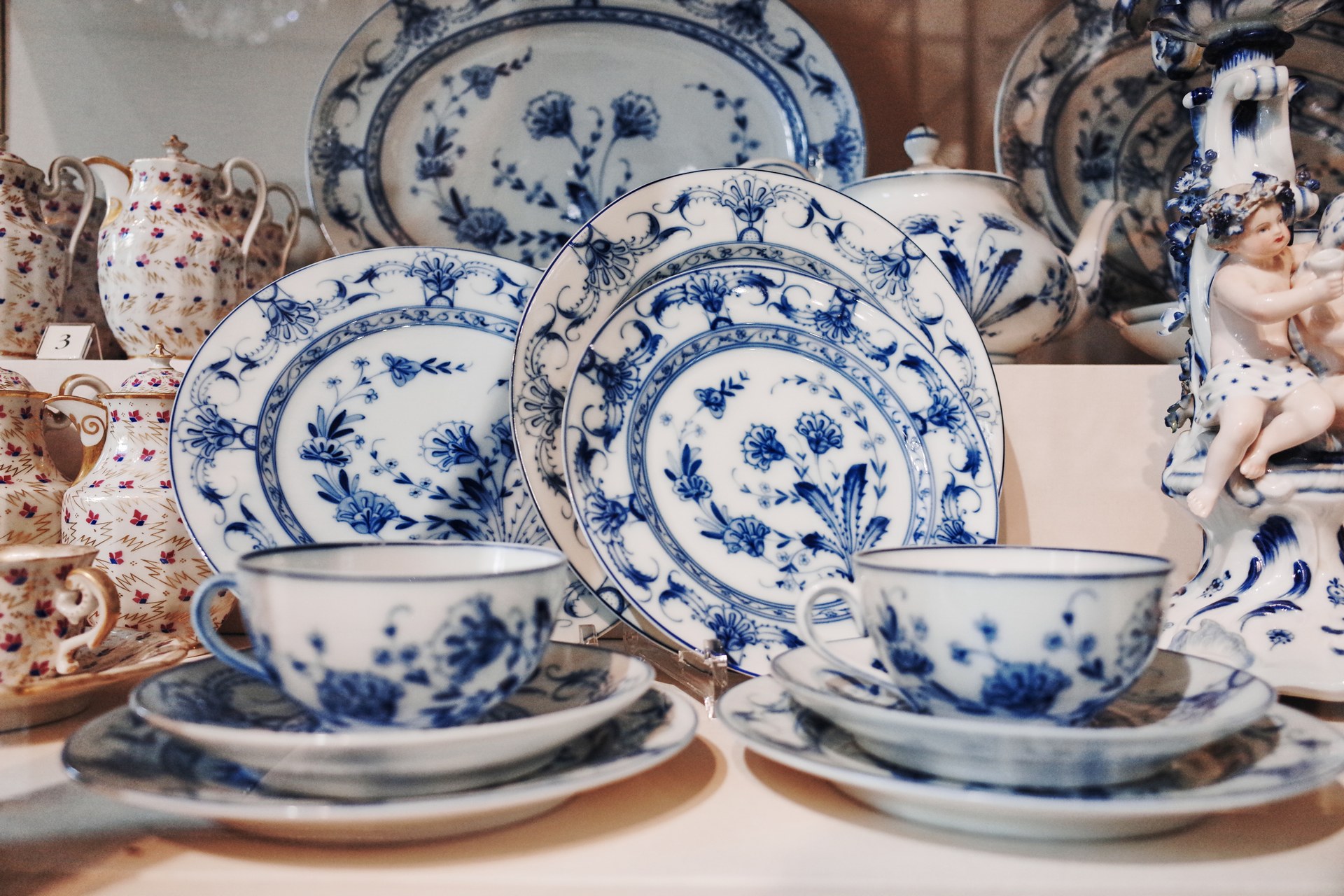
Photo by Julie Mayfeng on Shutterstock
Vienna as a “Destination Next” recommendation
Vienna is one of the most consistently recommended alternatives on the RateHawk Destination Next tool for Central European city-break disruption.
Photo by S.Borisov on Shutterstock
Here’s when Vienna appears as a recommendation:
- As an alternative to Prague or Budapest, Vienna offers comparable grandeur and cultural depth with a more cosmopolitan hotel market and direct rail connections, making it a straightforward swap.
- For Christmas market travel, Vienna’s Weihnachtsmärkte circuit is one of the finest in the world; a strong seasonal product for November–January bookings from Northern and Western European clients.
Ready to supercharge your Vienna proposals?
Explore the full hotel inventory and start building your client’s next Vienna or Austria itinerary on RateHawk.
This article is part of the Destination Next initiative by RateHawk — helping travel businesses find stronger destination alternatives when travel plans change.