

 447
447 22 minutes read
Contents
- Why travel agents should be selling Paris right now
- Practical information for travel agents
- Where to Stay in Paris: Arrondissements and Hotel Options
- Top things to see in Paris: Must-visit landmarks and museums
- Paris activities by travel type
- Day Trips from Paris: The Best Nearby Destinations
- French food in Paris: What your clients should try
- Insider tips
- Paris as a “Destination Next” recommendation
Why travel agents should be selling Paris right now
Paris’s appeal as a travel product is stronger than ever. Here’s why:
- Reopening of Notre-Dame in December 2024 has restored one of the city’s most iconic tourist experiences to its former glory.
- Post-Olympic momentum has widened awareness of Paris across source markets that may not have seen it as a first-choice European destination, particularly for Millennial and Gen Z tourists.
- The city’s hotel inventory, spanning from budget-friendly arrondissement hotels to some of the finest Palace properties in the world, empowers agents to curate compelling proposals at every price point.
Paris rewards educated agents who know it in detail. The difference between a client who does the Eiffel Tower and the Louvre on a generic city-break package and one who visits Sainte-Chapelle, walks Montmartre at sunrise, takes the train to Versailles, and ends with dinner in the Marais showcases the practical difference that an expert agent can make.
Paris is the ultimate destination to showcase your expertise — and deliver a premium service that your clients will continuously come back for.
Practical information for travel agents
Travel Guidelines
Weather and best time to visit Paris
Paris is a year-round destination, and its strength as a travel product comes from the uniqueness of each season, allowing it to offer a genuinely different city experience throughout the year.
- Spring (April–June): Typically considered the best time to visit Paris. Mild temperatures of 15–22°C with the chestnut trees in bloom along the boulevards. Crowds are manageable in the weeks before the summer peak, with tourists being treated to the best golden hours of the year over the Seine. June sees demand spike, so book accommodation early.
- Summer (July–August): The busiest and most expensive period, with long days and warm temperatures (22–28°C). The major landmarks, including the Eiffel Tower, Louvre, and Versailles, see their highest visitor numbers. Timed entry tickets are essential for all major museums. Many Parisians leave the city in August, giving parts of the city a quieter, more local feel.
- Autumn (September–October): A strong second choice for the best time to visit, particularly for cultural clients. The summer crowds thin out, temperatures remain comfortable (13–20°C), and the new museum season brings fresh exhibitions. The light in Paris in October is warm and golden, making it one of the most photogenic times of year to visit.
- Winter (November–March): Low season for tourism, but high season for atmosphere. Christmas markets and festive illuminations across Paris create a strong winter atmosphere, and significantly lower hotel rates make a compelling package. January and February are the quietest and cheapest months to visit Paris.
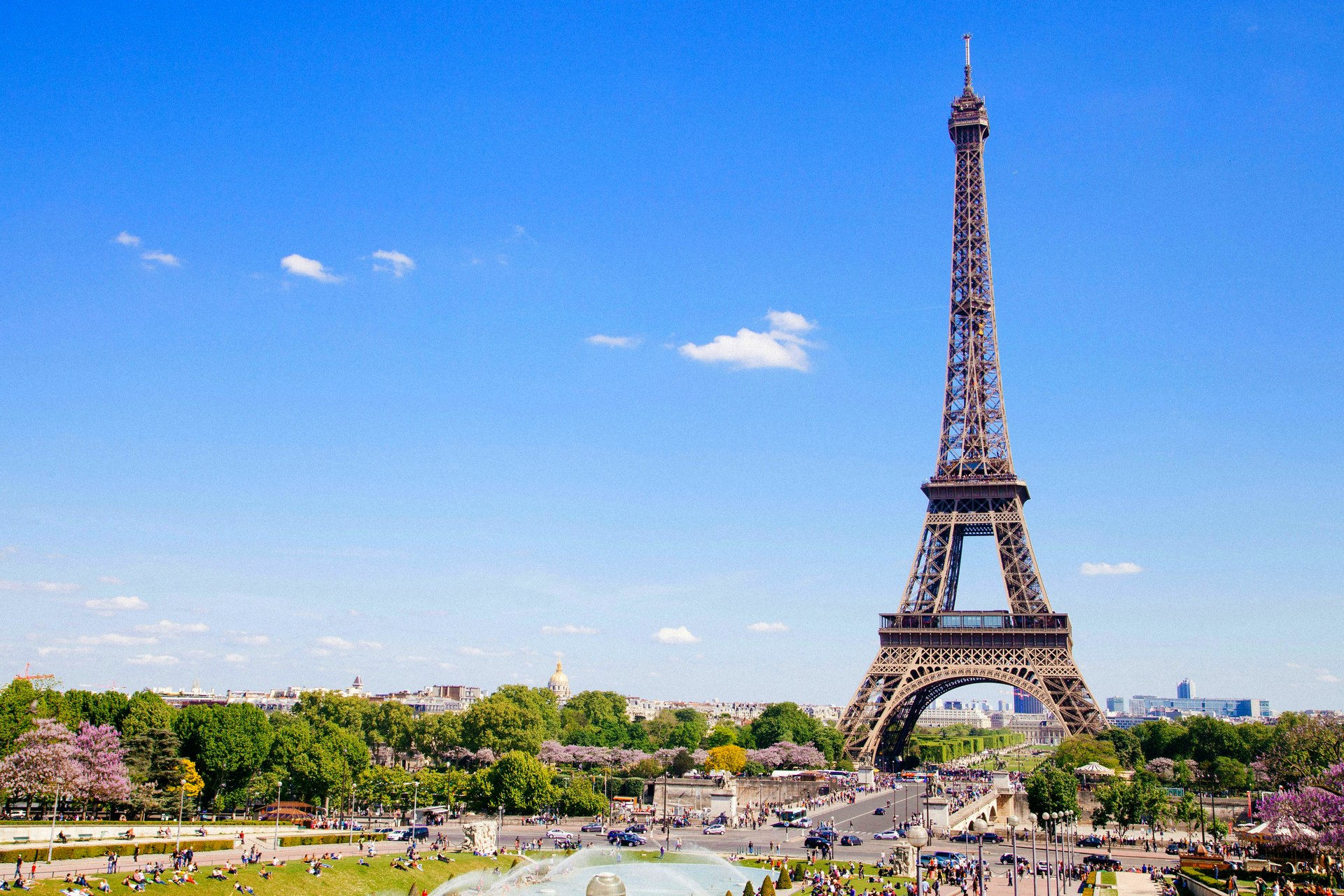
Photo by Anthony DELANOIX on Unsplash
Paris fun facts
- Paris has approximately 450 museums and galleries, more than almost any other city in the world. The city’s arrondissement system means that no matter where a client is staying, they are within walking distance of world-class art.
- The Eiffel Tower was originally built as a temporary structure for the 1889 World’s Fair and was scheduled for demolition in 1909. It was saved because it served as a useful radio transmission tower.
- The Louvre is consistently the world’s most visited museum, attracting millions of visitors annually. It would take an estimated 100 days to see every artwork on display if you spent 30 seconds on each piece.
- Paris is one of the world’s most walkable major capitals, with the vast majority of its top tourist attractions being within a 5 km radius of Notre-Dame Cathedral.
- The Paris Métro carries approximately 4 million passengers per day and has 302 stations across 16 lines, making it one of the densest metro networks in the world.
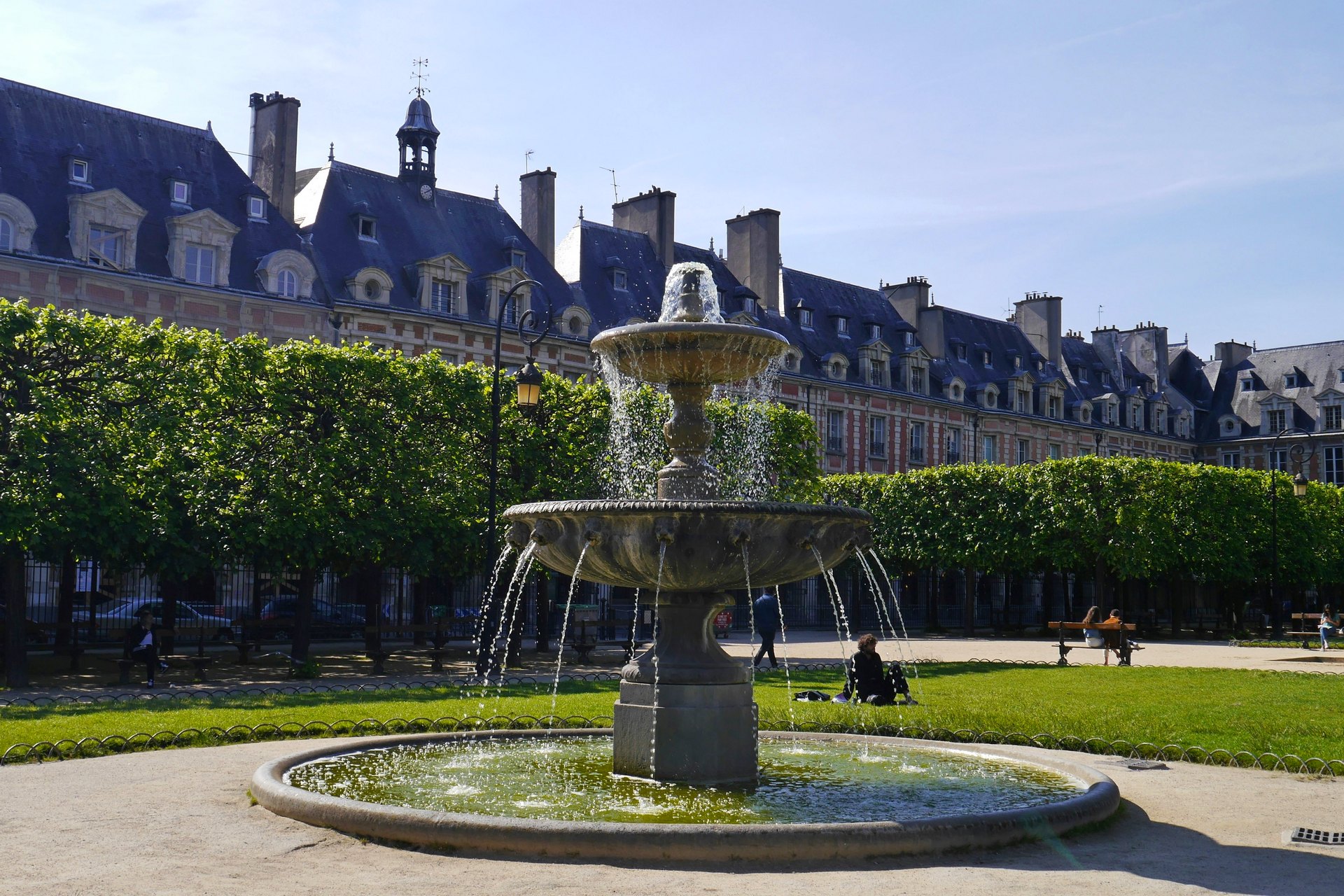
Photo by Jean-François RAFFIN on Unsplash
Getting around Paris
Paris is one of the easiest major capitals to get around, with its metro network, a well-organised bus system, a river, and a city centre compact enough to cover significant distances on foot.
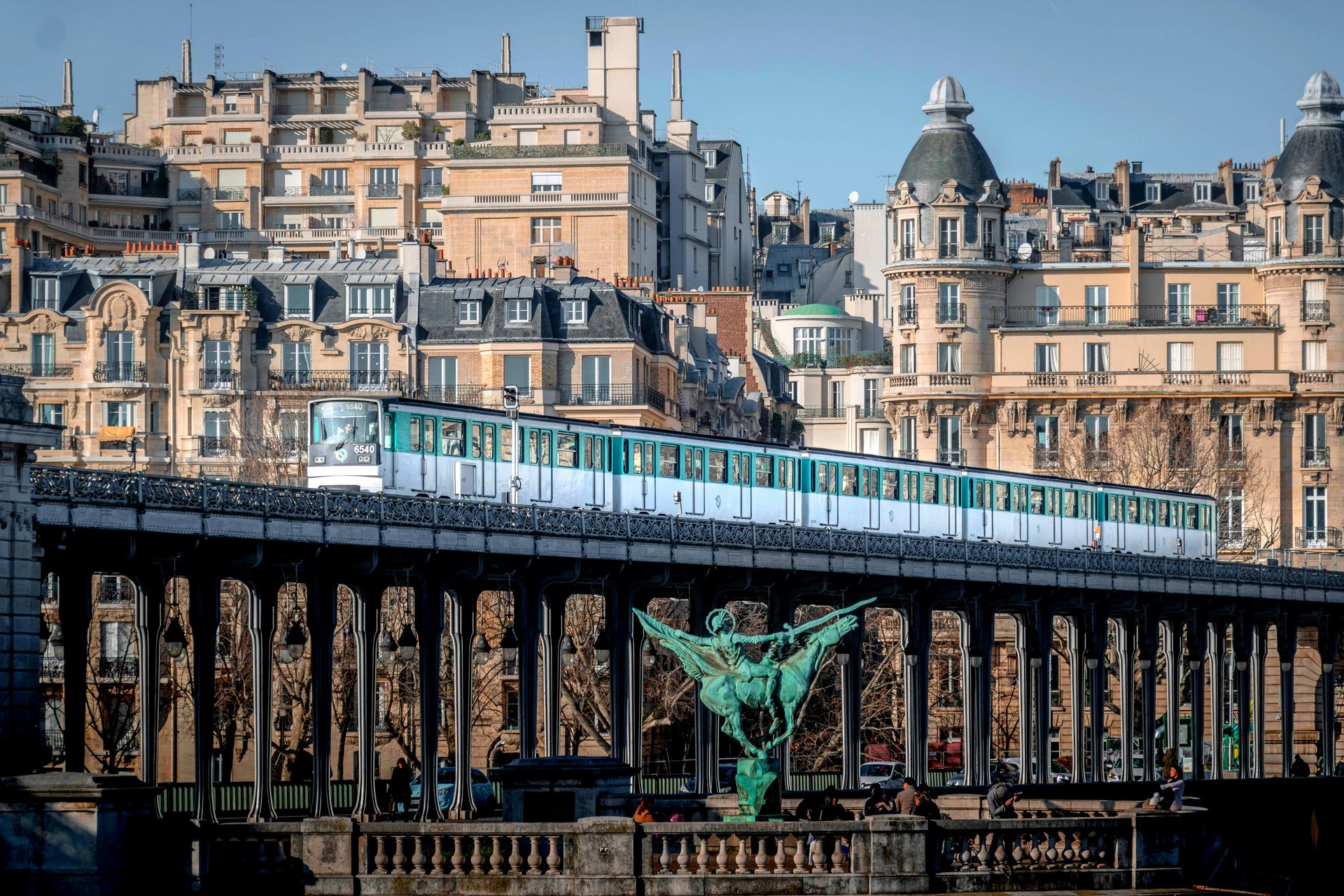
Photo by Louis Paulin on Unsplash
- Métro: The fastest and most convenient way to move between arrondissements. Paris is transitioning toward a simplified Île-de-France Mobilités ticketing system, with Navigo Easy cards and mobile ticketing now the most practical options for visitors. Lines 1, 4, 6, 7, and 14 cover the majority of tourist destinations.
- Walking: The easiest way to experience Paris. The walk from the Louvre to the Eiffel Tower via the Tuileries Garden takes approximately 45 minutes and passes some of the city’s most beautiful architecture. Briefing clients to walk between close attractions — the Marais to Notre-Dame, Montmartre to Pigalle, Saint-Germain-des-Prés to the Musée d’Orsay — adds enormous value to their day and makes it easier to experience multiple attractions in one day.
- RER: The regional express train is essential for reaching Versailles (RER C), Charles de Gaulle Airport (RER B), and Disneyland Paris (RER A). Fast and direct; clients should note that standard metro tickets are not valid on the RER beyond the central zone.
- Vélib’ (Bike Sharing): The city’s extensive bike share scheme is excellent for those comfortable cycling in traffic. Electric and standard bikes are available; a day pass provides a practical and enjoyable way to cover the riverbanks and parks.
- Taxi / Ride-Hailing: Uber and local apps (Bolt, Heetch) operate across Paris and typically offer faster booking and cheaper rates than traditional taxis. Fixed airport rates apply for licensed taxis.
RateHawk insight
RateHawk makes it easy for travel agents to enhance the value of their client bookings by including transport as part of their package. You can add everything from airport transfer to airline tickets (domestic and international) and train tickets to any Paris itinerary, including Eurostar and TGV tickets. These add-ons make a Paris vacation even more stress-free for your clients and showcase the practical value of a travel agent.
Where to Stay in Paris: Arrondissements and Hotel Options
The 20 arrondissements of Paris each have a distinct character, and the neighborhood where a client stays shapes their entire experience of the city. The right neighbourhood match is one of the most valuable recommendations a travel agent can make.
1st and 2nd Arrondissements: The heart of the city
Ideal for: Luxury getaways and tourists who want to walk to the top attractions.
The 1st arrondissement is home to the Louvre, the Tuileries Garden, and the Palais Royal. It’s central, prestigious, and perfectly positioned for first-time visitors who want the freedom to walk to the top tourist attractions.
The 2nd is the city’s historic press and finance district, now known for its covered passages (galeries) and a growing restaurant scene. Hotels here tend toward the four- and five-star bracket, making it one of the most sought-after bases for luxury Paris city breaks.
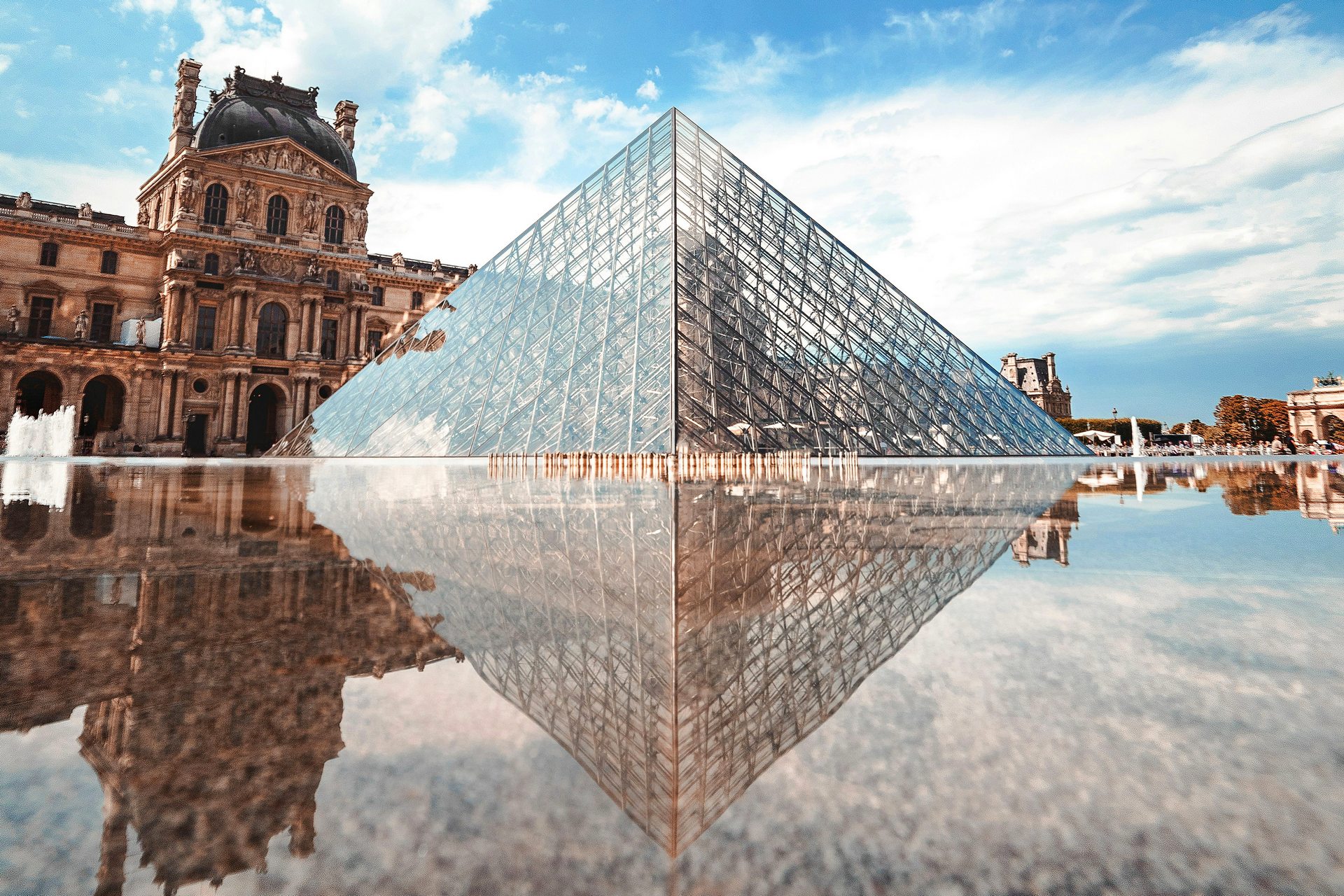
Photo by Guillaume Meurice on Unsplash
3rd and 4th Arrondissements: Le Marais
Ideal for: Art-focused, solo, and style-conscious travellers.
The Marais is Paris’s most fashionable and historically layered neighbourhood. It has an eclectic mix of Jewish heritage, medieval architecture, contemporary art galleries, high-end independent boutiques, and a vibrant LGBTQ+ community.
The Place des Vosges, the Musée Picasso, and the Centre Pompidou can all be found here. Boutique hotels in converted hôtels particuliers (historic mansions) are the signature accommodation type.
5th and 6th Arrondissements: The Latin Quarter and Saint-Germain-des-Prés
Ideal for: Cultural travellers, couples, and cinephiles who want to feel like they’re in a Parisian movie.
These Left Bank neighbourhoods define a certain idea of Paris. The Latin Quarter is famous for the medieval streets around the Sorbonne, the Luxembourg Gardens, and the bookshops of Rue de la Huchette. Saint-Germain-des-Prés is the intellectual and literary heartland of Paris, with its famous cafés (Café de Flore, Les Deux Magots) and the Musée d’Orsay. Mid-range to luxury hotel options are plentiful here.
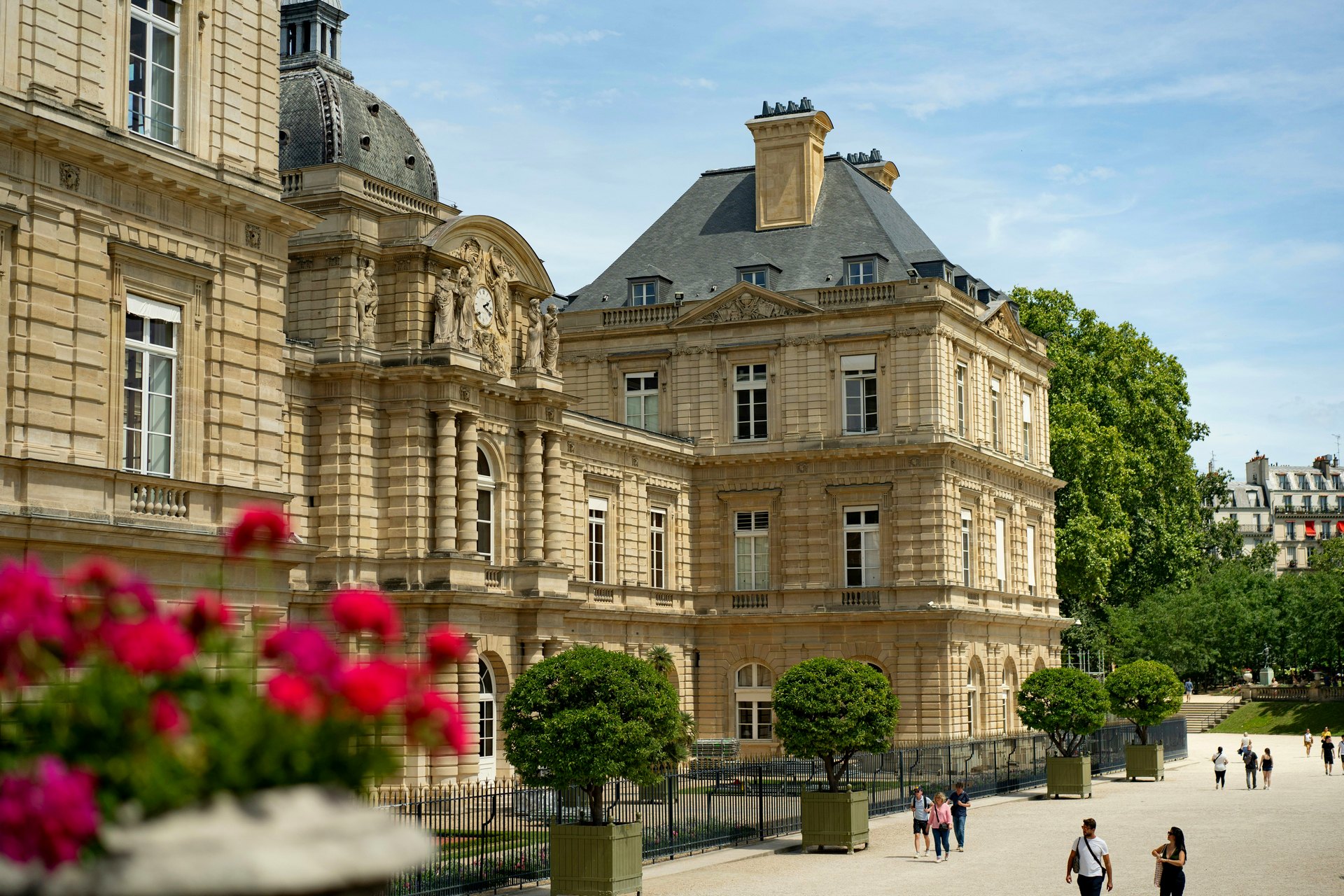
Photo by Alin Andersen on Unsplash
7th Arrondissement: The Eiffel Tower quarter
Ideal for: Families and first-time visitors wanting to be near the landmark.
The 7th is where the Eiffel Tower stands — quiet, residential, and affluent, with wide avenues, embassies, and the Musée d’Orsay and Les Invalides within easy reach. Staying here gives clients the iconic Eiffel Tower views that many of them dream of and a genuinely peaceful neighbourhood that feels unexpected for central Paris. The mix of luxury hotels and well-located mid-range properties makes it ideal for clients who want to pack their itinerary with all the iconic sights.
8th and 16th Arrondissements: The Champs-Élysées and the luxury quarter
Ideal for: Luxury escapes and high-end corporate travel.
The 8th is Paris’s prestigious address and home to the Arc de Triomphe, the Champs-Élysées, the Avenue Montaigne luxury shopping strip, and the Grand Palais. The major international luxury hotel brands, known as Palace hotels under French classification, are concentrated in this area.
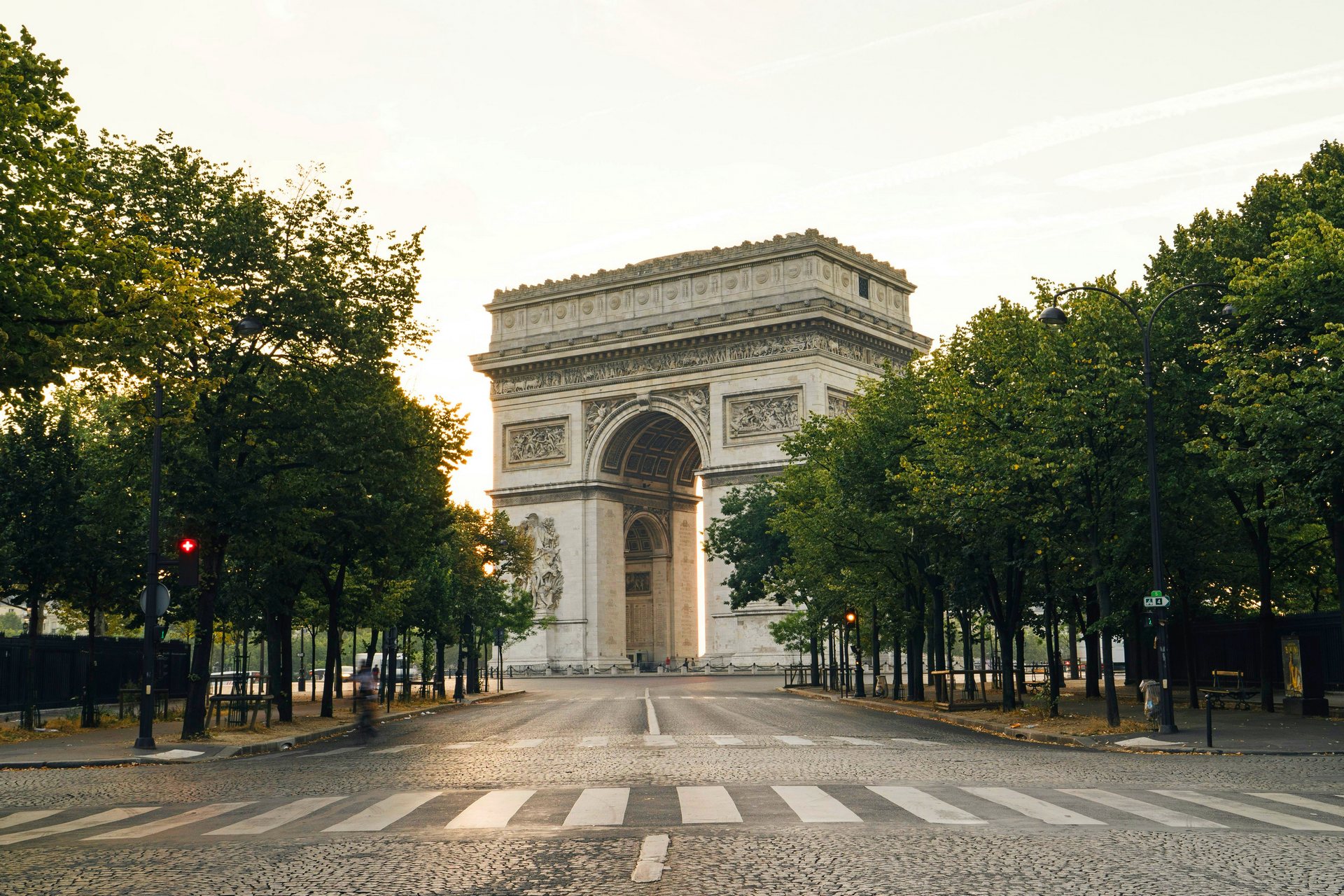
Photo by JOHN TOWNER on Unsplash
18th Arrondissement: Montmartre
Ideal for: First-time visitors who want atmosphere over central convenience.
Montmartre sits above the city on a hill in the north, crowned by the white dome of Sacré-Cœur. Its village-like atmosphere is encapsulated in the cobbled streets, artists’ studios, the Place du Tertre, and the Moulin Rouge. Montmartre is one of the most distinctive neighbourhoods in Paris and a consistently popular base for first-time visitors. Well connected by metro (line 12, Abbesses station). Boutique and mid-range hotels dominate here.
Top things to see in Paris: Must-visit landmarks and museums
1. The Eiffel Tower
The most famous landmark in the world needs little introduction, but agents should know the operational details to curate more informed itineraries. The Eiffel Tower has three levels accessible to visitors: the first and second floors are accessible by stairs or lift, while the summit is accessible by lift only, offering 360-degree views across Paris from 276 metres.
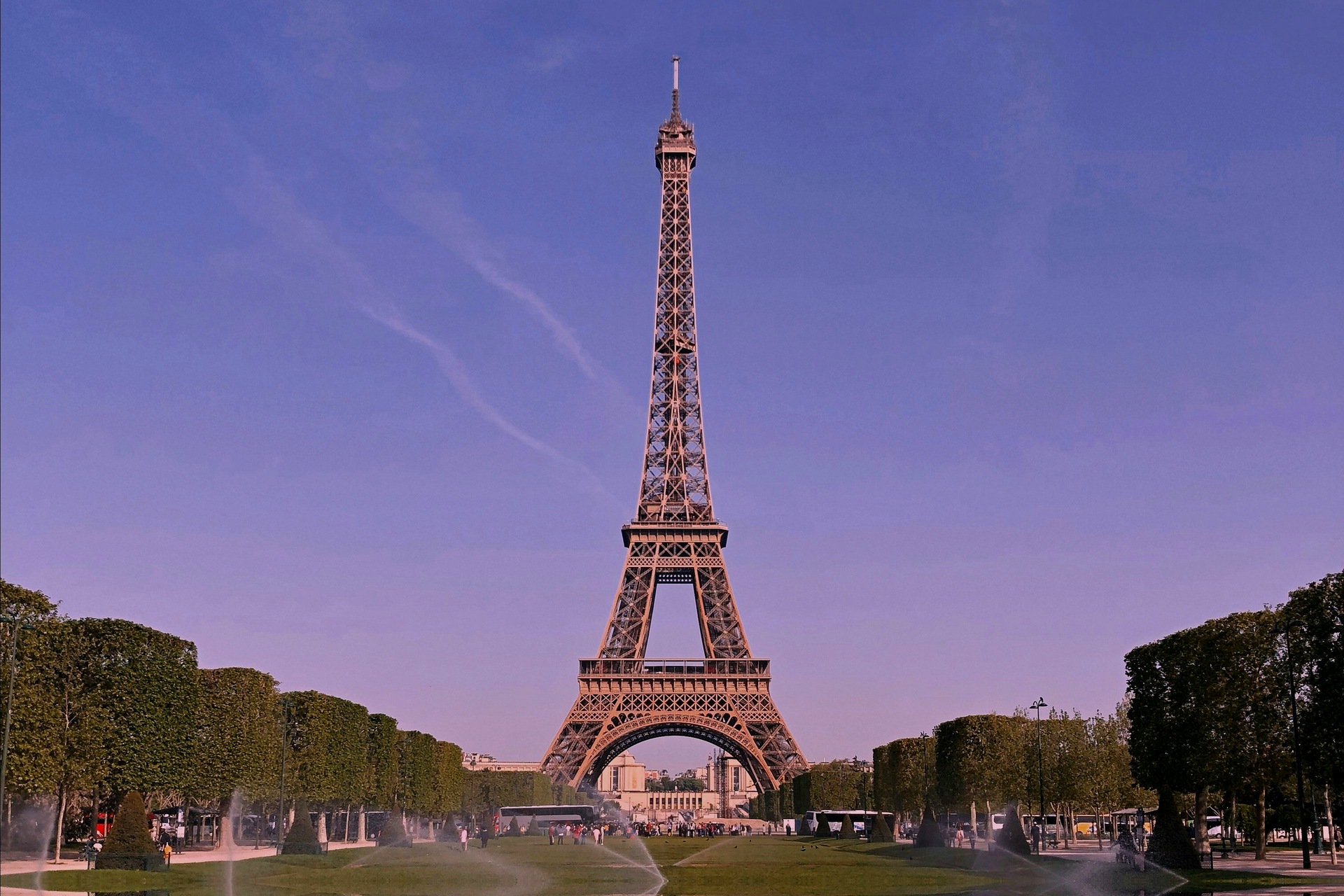
Pre-booking timed entry tickets online is essential from April to October as walk-up queues at peak times can exceed two hours. The tower is illuminated after dark and sparkles for five minutes at the top of each hour after sunset. The best view of the Eiffel Tower sparkling can be seen from the Trocadéro esplanade across the Seine. The summit experience is genuinely worth it for first-time visitors and should be presented as such.
2. The Louvre Museum
The Louvre is the world’s largest art museum and one of the most complex visitor experiences in the world. Housed in a former royal palace on the Right Bank, it holds over 35,000 works on display across three wings – Denon, Sully, and Richelieu. Iconic pieces include the Mona Lisa, the Venus de Milo, the Winged Victory of Samothrace, and the Hammurabi Code.
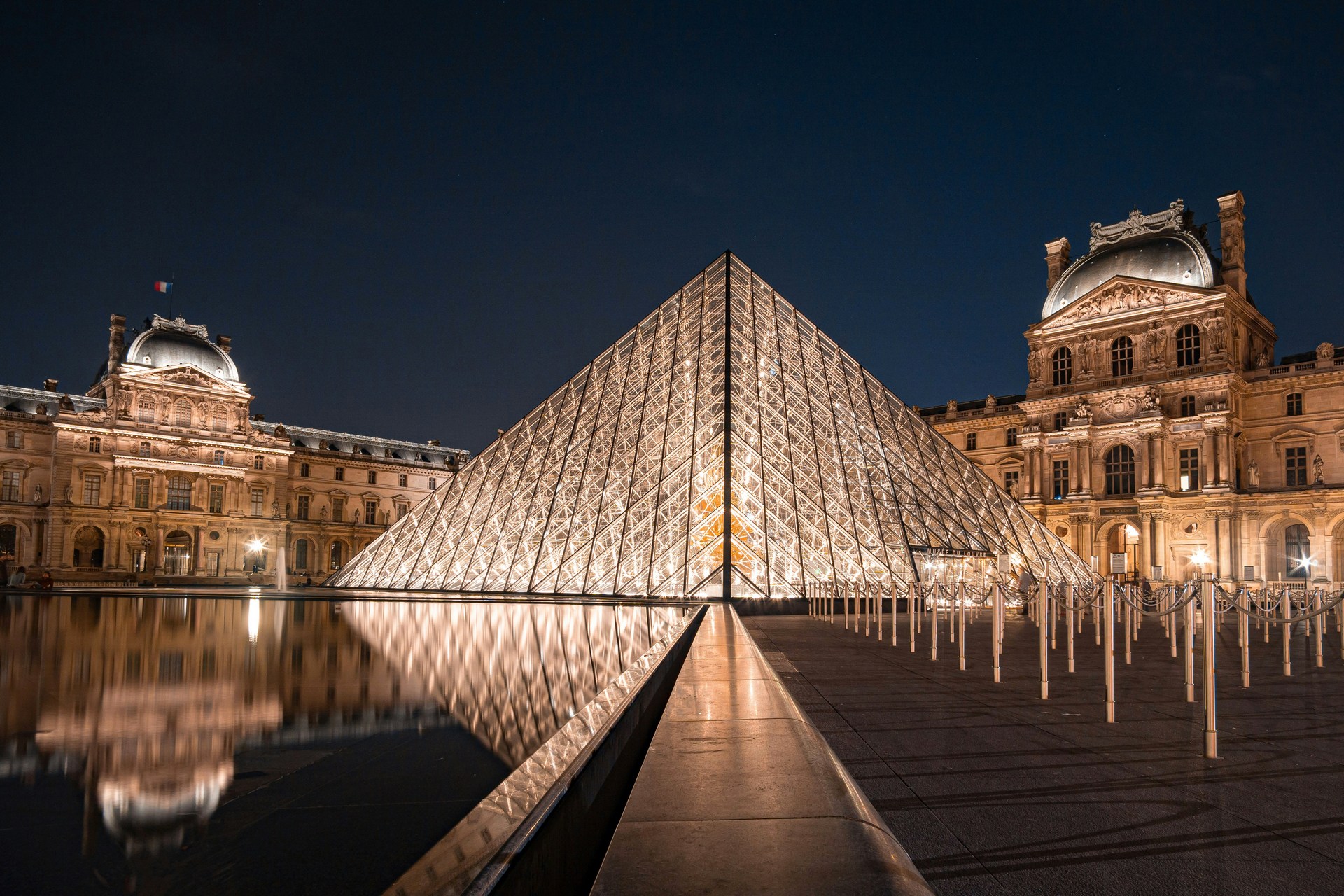
Photo by Michael Fousert on Unsplash
Timed entry tickets must be booked in advance; queuing at the glass pyramid for a walk-up ticket is not a good use of anyone’s time in Paris.
3. Notre-Dame Cathedral
Notre-Dame de Paris reopened in December 2024 following five years of restoration after the devastating fire of April 2019. The restored cathedral is considered by many who have visited to be the most beautiful it has looked in decades. The restoration preserved the Gothic structure while refreshing the interior with new lighting and art installations.
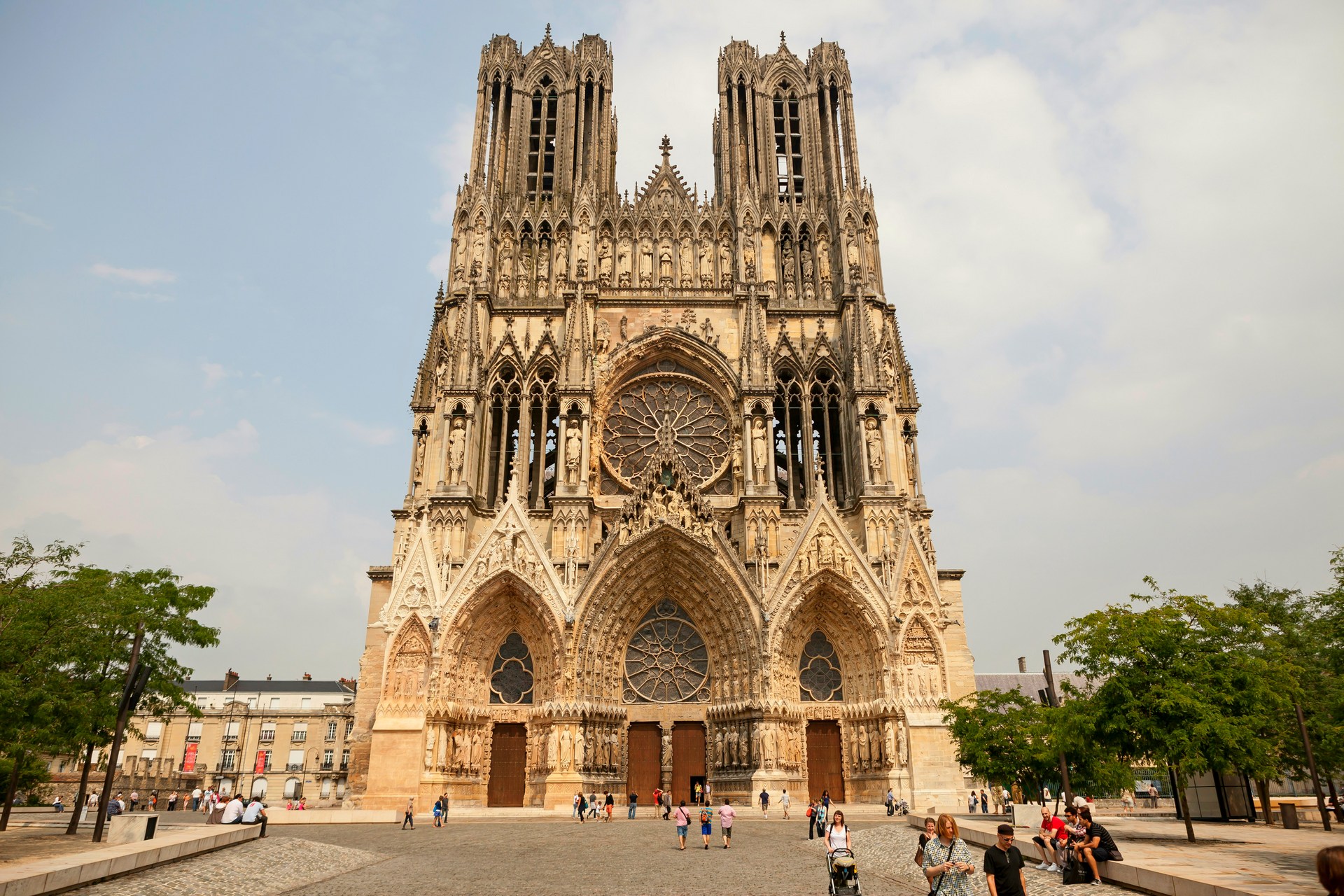
Photo by Reno Laithienne on Unsplash
Entry to Notre-Dame remains free, though timed reservations may be required or strongly recommended during peak periods. The towers offer the famous gargoyle viewpoint over Paris and require a separate ticket. Notre-Dame is now one of the city’s most compelling visits again, and agents should present it as such to clients who may have removed it from their plans post-fire.
4. Montmartre and Sacré-Cœur
Montmartre is simultaneously one of Paris’s most visited tourist areas and one of its most genuinely charming neighbourhoods. The climb to Sacré-Cœur, either via the funicular from Place Saint-Pierre or up the steps, delivers one of the best views over Paris, particularly at sunrise or late afternoon.
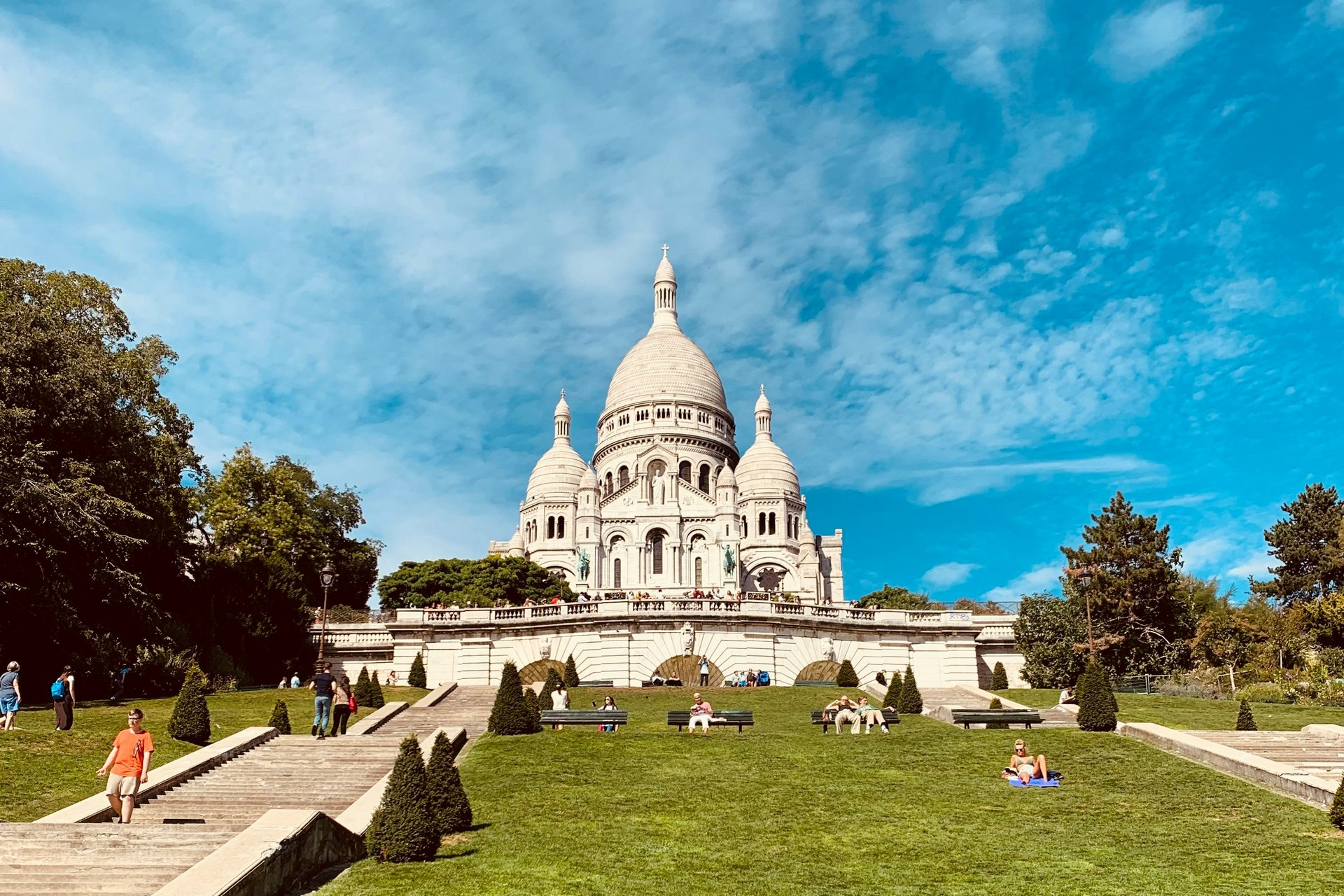
Photo by Jacob Cartwright on Unsplash
The white Romano-Byzantine basilica is worth entering, and admission is free. The interior is quieter and more atmospheric than most visitors expect. The surrounding streets — Rue Lepic, Place du Tertre, Rue des Abbesses — retain a village atmosphere that feels genuinely removed from the city below.
Walking through Montmartre in the early morning, before the day-trip groups arrive, is one of the best Paris walking experiences available to tourists willing to have an early morning wake-up call.
5. Musée d’Orsay
If the Louvre can feel overwhelming, the Musée d’Orsay is the perfect alternative with a world-class collection in a more manageable space. Housed in a stunning converted Belle Époque railway station, this collection focuses on French art from 1848 to 1914.
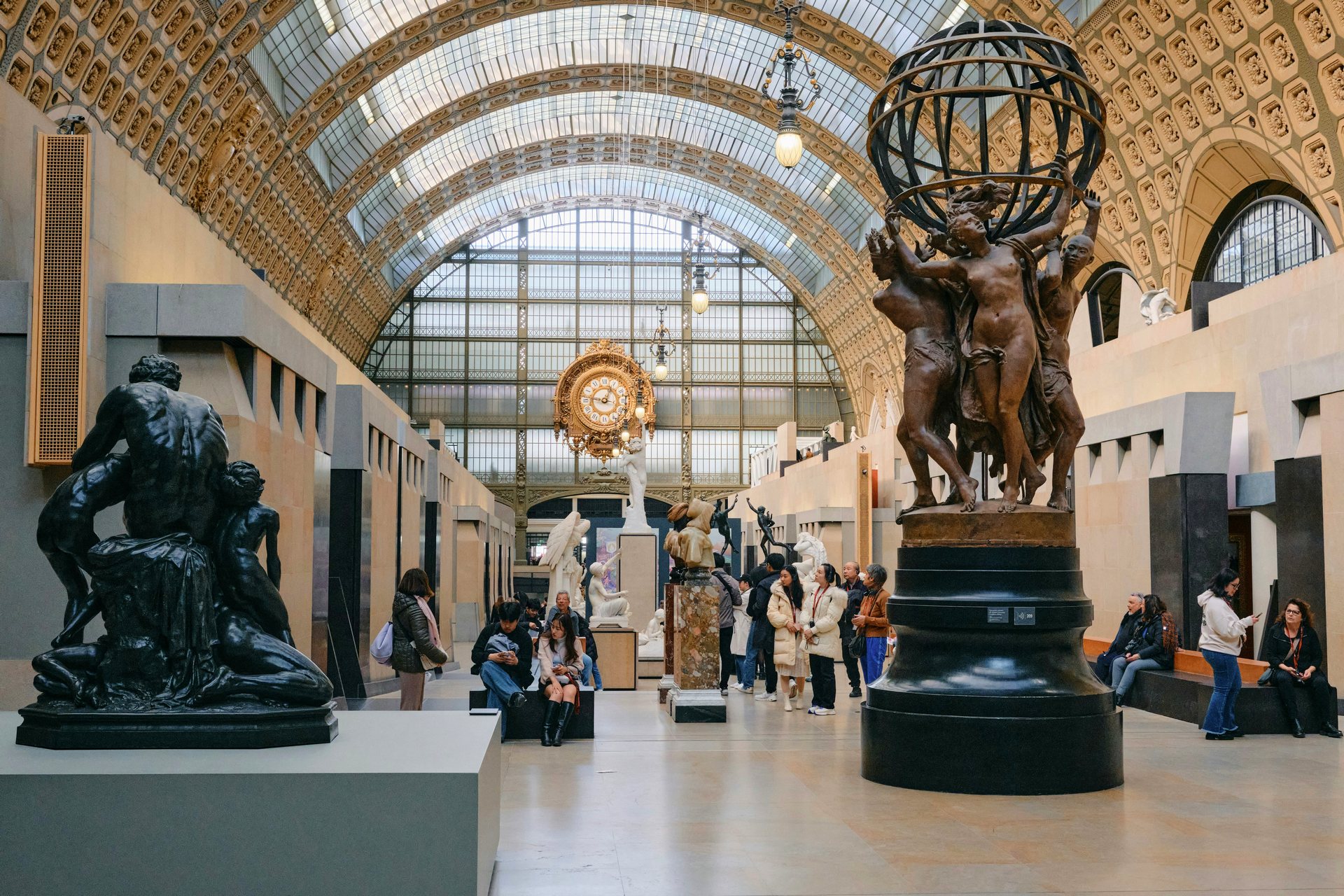
Photo by Alireza Banijani on Unsplash
The artwork here focuses on Impressionism and Post-Impressionism works, including major works by Monet, Manet, Degas, Van Gogh, Cézanne, Renoir, and Gauguin. For clients with any interest in art, the Musée d’Orsay frequently becomes the highlight of their Paris trip.
Tickets must be booked online in advance. Thursday evenings offer extended openings until 9:45 PM, a great way to avoid the daytime crowds.
Paris activities by travel type
City breaks and culture
Paris is primarily a city-break destination. The challenge for travel agents isn’t finding things to do, but rather curating the best combination of activities for each client’s interests without making the itinerary feel rushed.
- Sainte-Chapelle: One of the most beautiful Gothic buildings in the world, set on the Île de la Cité, just a few minutes from Notre-Dame. Its soaring stained-glass windows create one of Europe’s most spectacular Gothic interiors. Far less visited than Notre-Dame and regularly cited by visitors as their most surprising Paris experience. Pre-book tickets.
- Musée de l’Orangerie: A small, perfectly curated museum in the Tuileries Garden housing Monet’s monumental Water Lilies paintings in two purpose-designed oval rooms. Takes approximately 90 minutes and is the best single-room art experience in Paris.
- Le Marais walking tour: The 3rd and 4th arrondissements reward a half-day of walking: Place des Vosges (Paris’s oldest planned square), the Musée Picasso, the Jewish Quarter along Rue des Rosiers, and the contemporary galleries around Rue de Bretagne.
- Seine river cruise: A 1-hour boat tour on the Seine is a great way for first-time visitors to familiarize themselves with the city’s layout. The Bateaux-Mouches and Vedettes du Pont-Neuf are the main operators; evening cruises at sunset are the strongest recommendation, especially for romantic getaways.
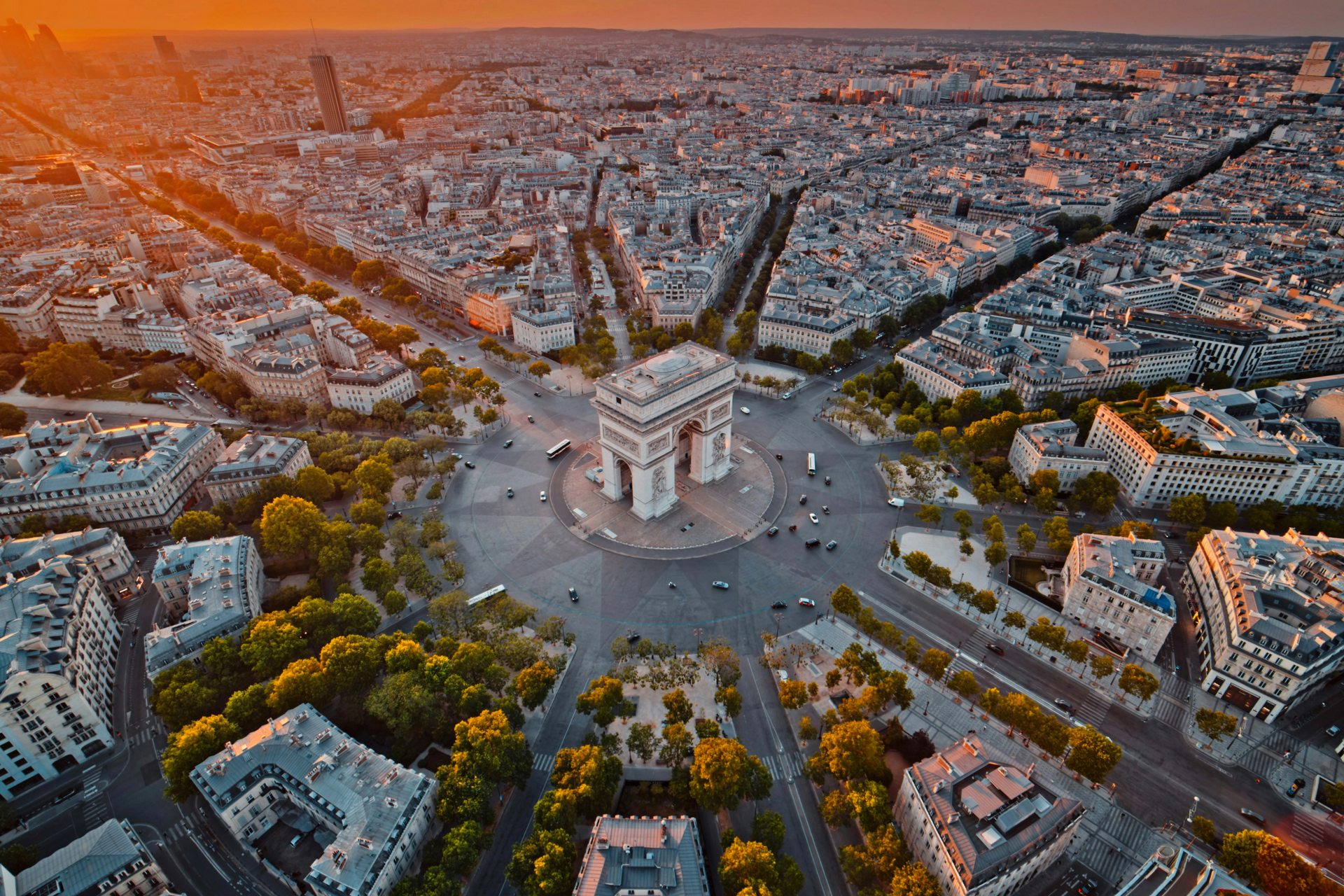
- Champs-Élysées and Arc de Triomphe: The 1.9 km boulevard from the Place de la Concorde to the Arc de Triomphe is one of the world’s most famous streets. The Arc de Triomphe rooftop is accessed by 284 steps and offers a panoramic view of Paris’s 12 radiating avenues, giving arguably a better practical overview of the city than the Eiffel Tower at a lower cost and with shorter queues.
Family Holidays
- Disneyland Paris: Europe’s most visited theme park and one of the most popular Disney Parks outside of North America. It’s located 35 km east of Paris and accessible via RER A in approximately 45 minutes from central Paris. With two parks (Disneyland Park and the newly renamed Disney Adventure World), it is a full one- or two-day commitment; many Paris hotels offer packages that combine city accommodation with park tickets. A new Frozen-inspired area opened in Spring 2026 with further development underway.
- Musée des Arts et Métiers: A museum of science, technology, and invention that is engaging and immersive for children, but often overlooked in standard Paris itineraries. Foucault’s pendulum, early automobiles, flying machines, and Lavoisier’s laboratory equipment are among the exhibits.
- Jardin du Luxembourg: The most beautiful park in Paris for a family afternoon: puppet theatre (Théâtre des Marionnettes), toy sailboat rental on the pond, playgrounds, and pony rides. The park café is a pleasant spot for parents to relax while children explore the green areas.
- Cité des Sciences et de l’Industrie (La Villette): Europe’s largest science museum, in the 19th arrondissement. Excellent for children aged 6–15, with interactive exhibits, a Géode cinema, and the La Villette park surrounding it.
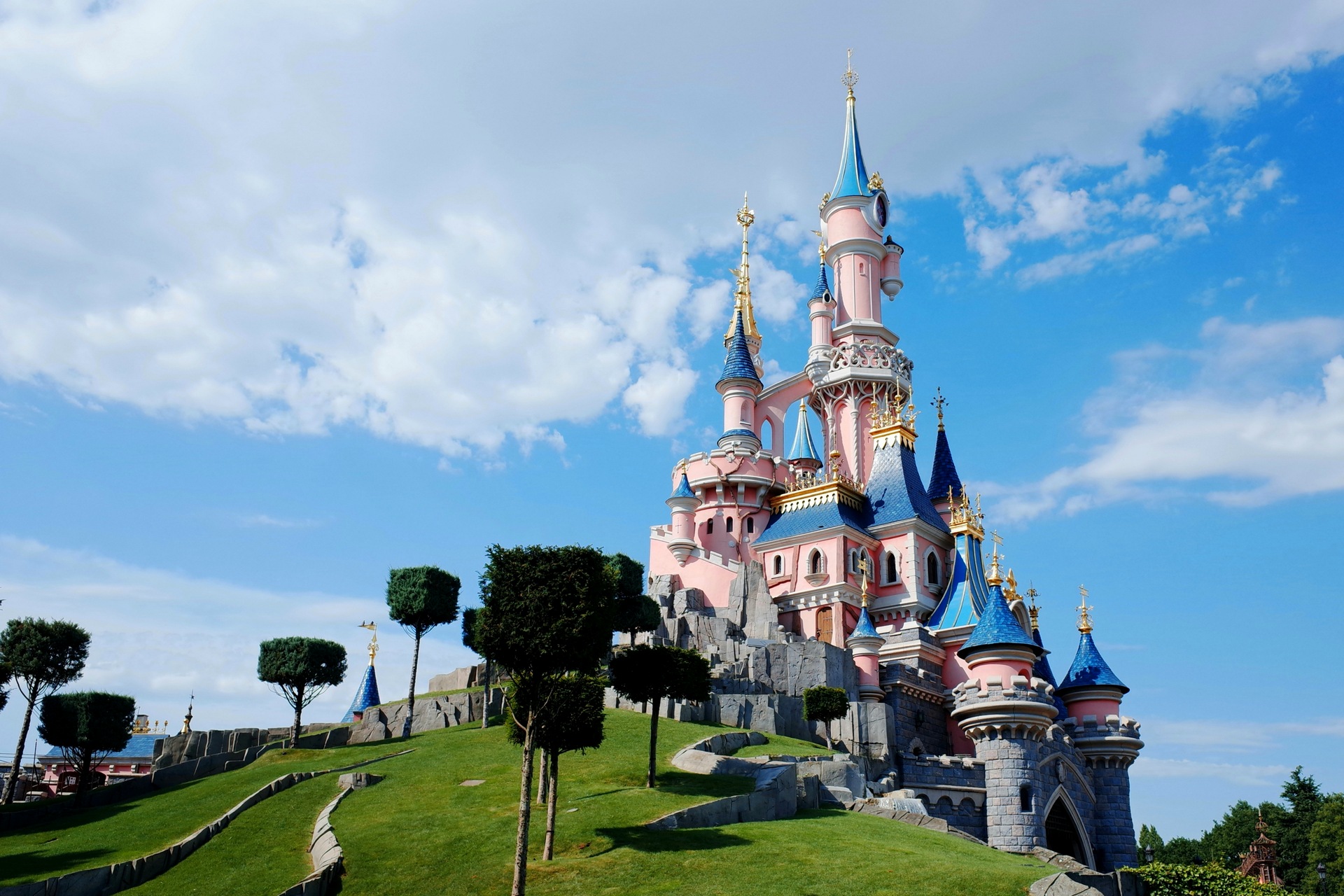
Photo by Soyoung HAN on Unsplash
Luxury Escapes
- Palace hotel stay: The Palace distinction is reserved for a small number of France’s luxury hotels and represents the highest tier of hotel experience in the world. Properties in this category — in the 1st, 7th, and 8th arrondissements — offer service standards and interior design that are genuinely in a class of their own. Pre-booking key hotel restaurants and spa appointments alongside the room is essential.
- Private guided Louvre tour: Skip the crowds entirely with a private after-hours or early-access guided visit to the Louvre. Several specialist operators offer private tours of the Egyptian Antiquities or French Painting galleries with a dedicated art historian.
- Dinner at a Michelin-starred restaurant: Paris remains one of the world’s great Michelin-starred dining capitals, comparable to Tokyo. Booking a table at a one- or two-star restaurant is accessible for most high-end clients, though three-star tables at establishments, like Guy Savoy or Le Grand Véfour, require booking weeks or months in advance.
- Haute couture and luxury shopping: Avenue Montaigne and Rue du Faubourg Saint-Honoré house the ateliers and flagship stores of the major French luxury houses. A personal shopping appointment at Hermès, Cartier, or a Chanel boutique is the perfect bookable experience for ultra-high-net-worth clients, especially those visiting with the goal of acquiring a Birkin or Kelly bag.
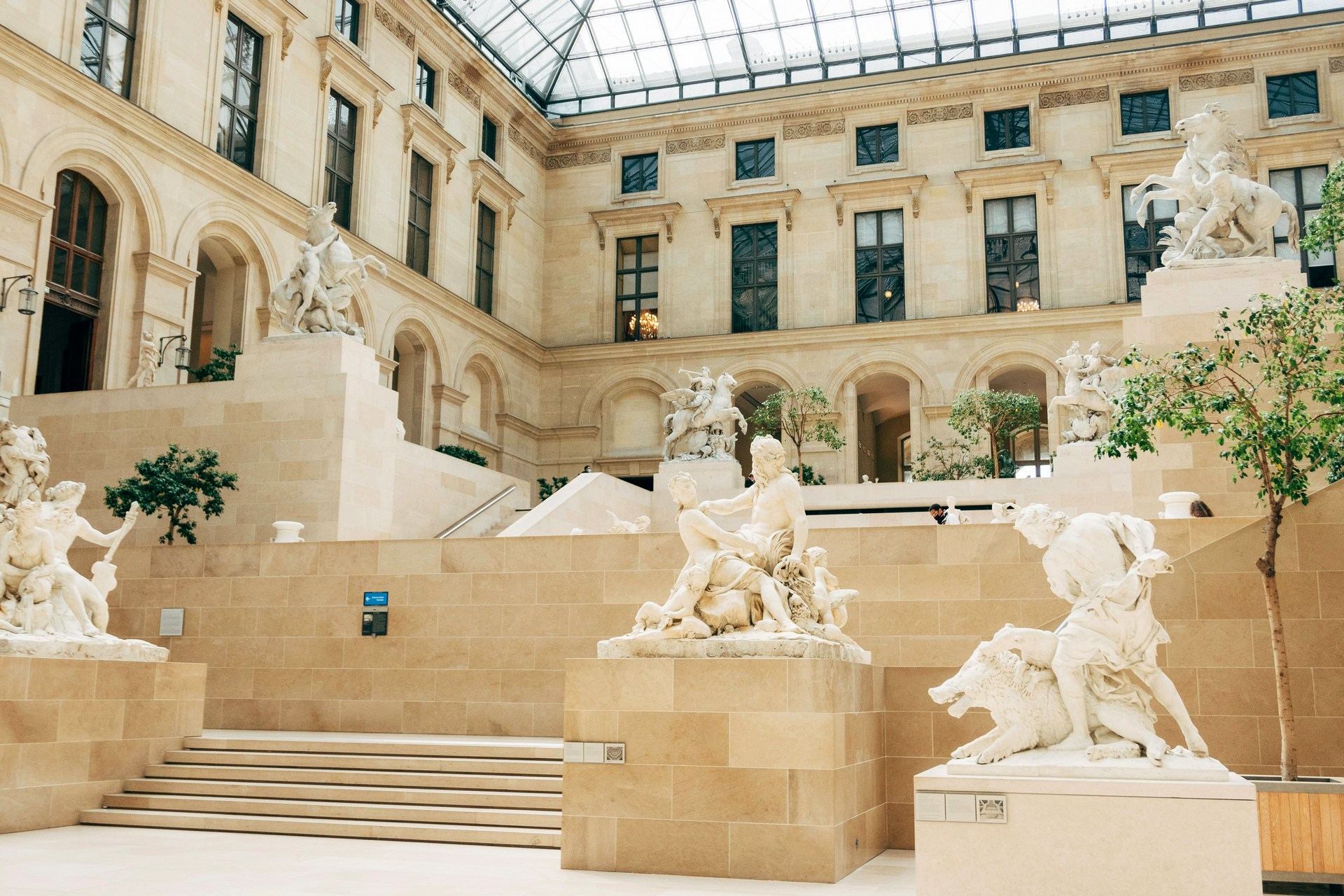
Photo by Alex Harmuth on Unsplash
Nature and Day Trips from Paris
Paris itself is rich in green space — the Tuileries, the Luxembourg Gardens, the Bois de Boulogne, and the Bois de Vincennes are all large and beautiful parks — but the day trips from Paris are where some of the most memorable French experiences happen.
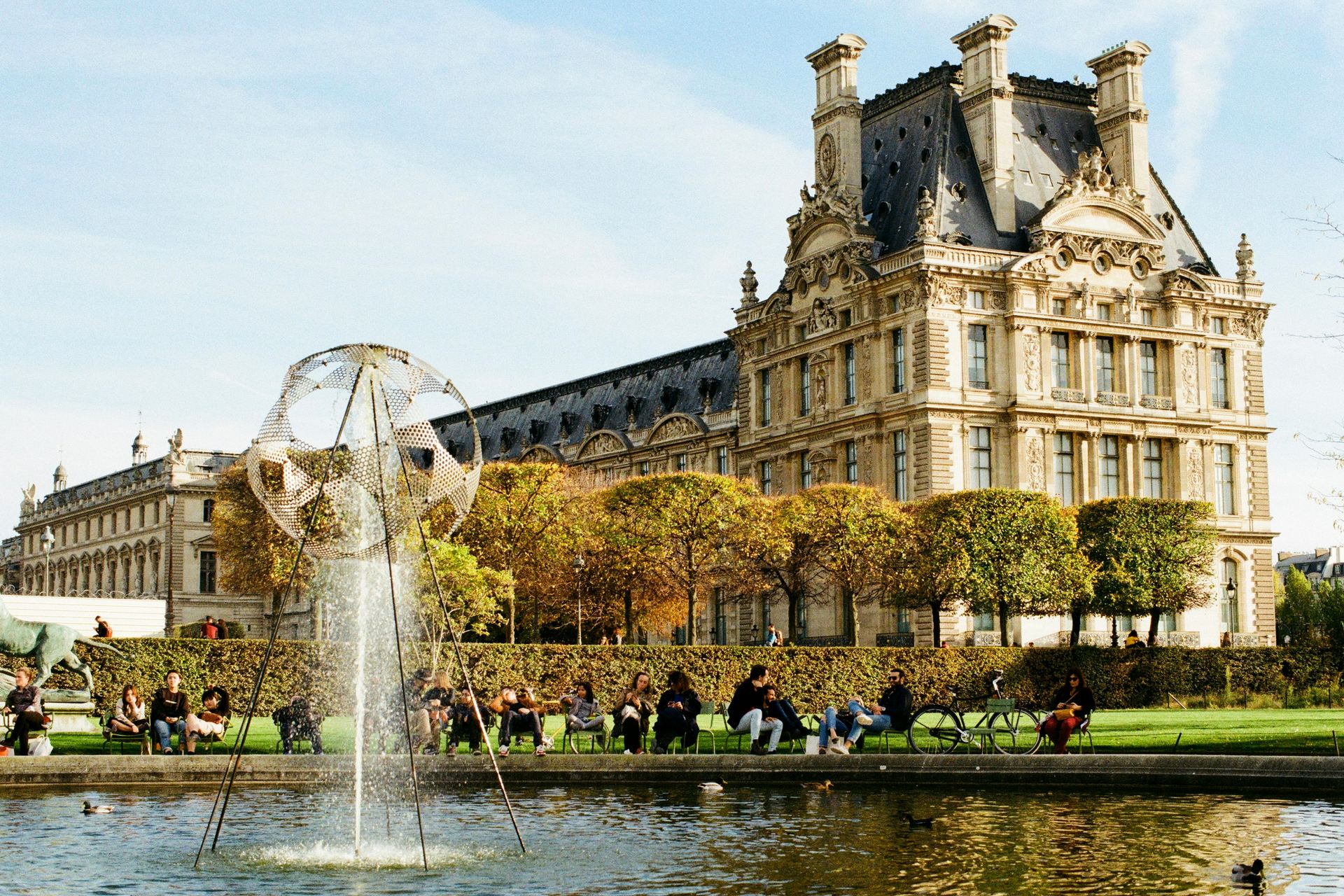
Photo by Rad Pozniakov on Unsplash
Day Trips from Paris: The Best Nearby Destinations
Palace of Versailles
The Palace of Versailles is 37 km southwest of Paris, reachable by RER C in approximately 40 minutes. Louis XIV’s 700-room palace and its 800-hectare gardens represent French royal ambition at its most operatic. It is the single most popular day trip from the French capital and one of the world’s most visited tourist sites.
Advance tickets are essential year-round; queue times without pre-booking can reach three hours in summer. A focused visit covering the State Apartments, the Hall of Mirrors, and a walk through the formal gardens takes a full day. Recommend the Musical Fountains Show on selected weekends (April–October) for clients who want a premium experience.
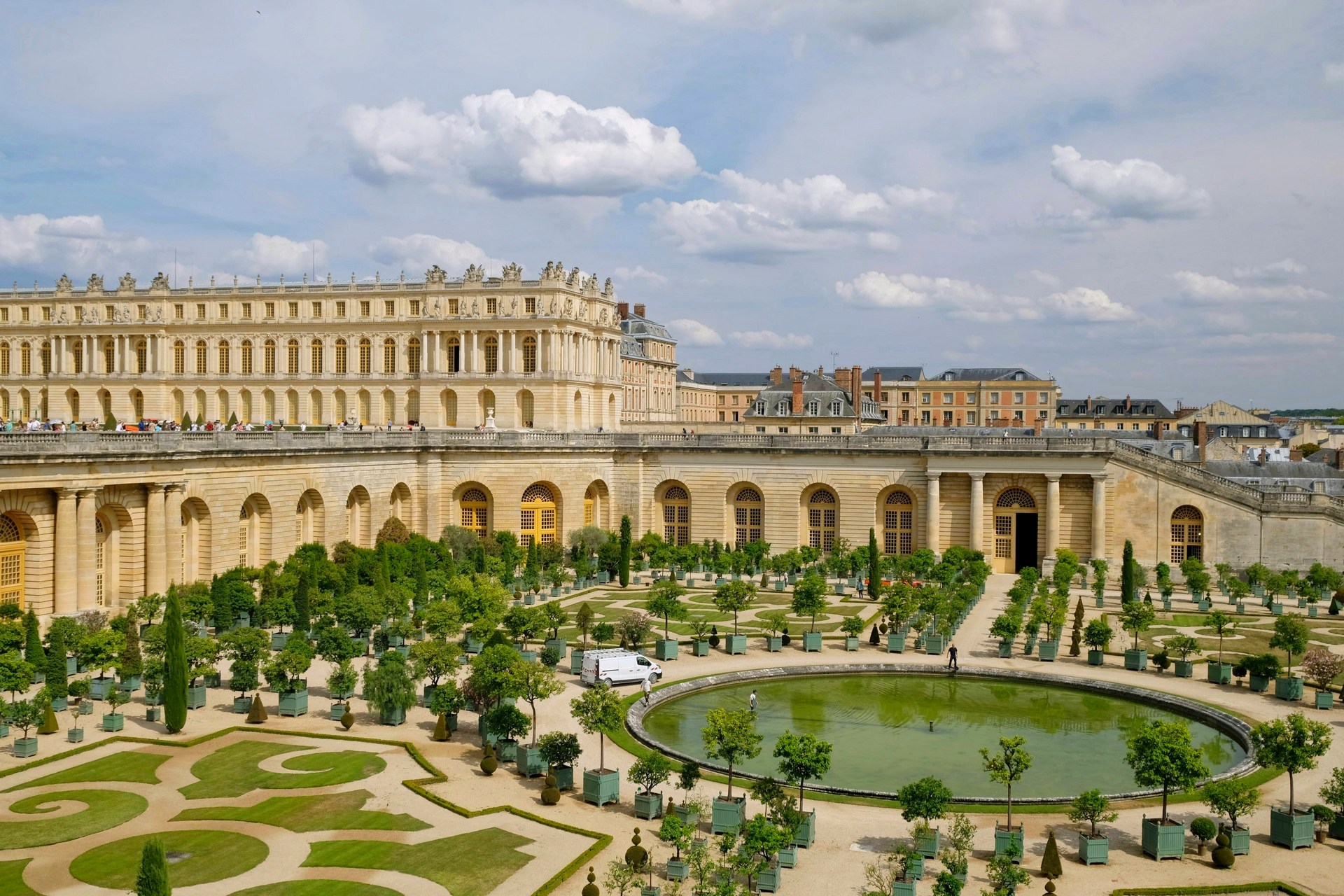
Photo by Howard Walsh on Unsplash
The Grand Trianon and Petit Trianon, Marie Antoinette’s private estate, require separate tickets and are often overlooked, but are well worth it for history enthusiasts.
Mont Saint-Michel
A tidal island crowned by a medieval Benedictine abbey, surrounded by the largest tidal range in continental Europe, is a UNESCO World Heritage Site and 360 km west of Paris. Reachable by TGV to Rennes or Saint-Malo, followed by a coach transfer. Mont Saint-Michel is one of France’s most dramatic natural and architectural landmarks.
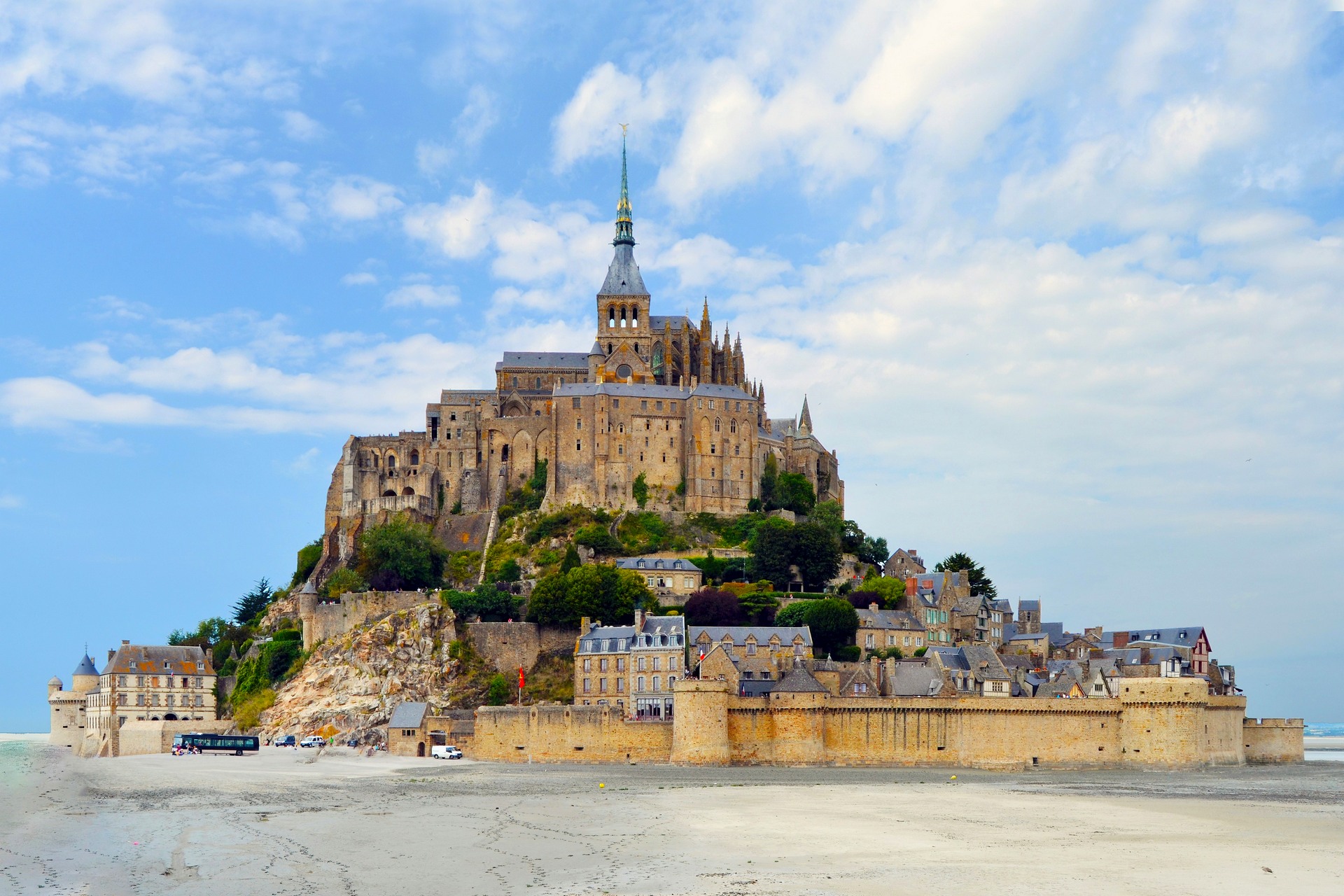
Photo by Gilles DETOT on Unsplash
It is a long day trip that’s best treated as an overnight or two-day extension, but it is consistently one of the most memorable experiences visitors have in France. Best visited outside July and August when crowds are thinner.
Champagne Region (Reims and Épernay)
For wine-focused itineraries and luxury clients, a day trip into the Champagne region is the ultimate add-on to any Paris itinerary. Reims is 45 minutes from Paris by TGV and offers the UNESCO-listed Reims Cathedral, where French kings were crowned for centuries, and champagne house cellar tours, including for household names like Taittinger and Veuve Clicquot.
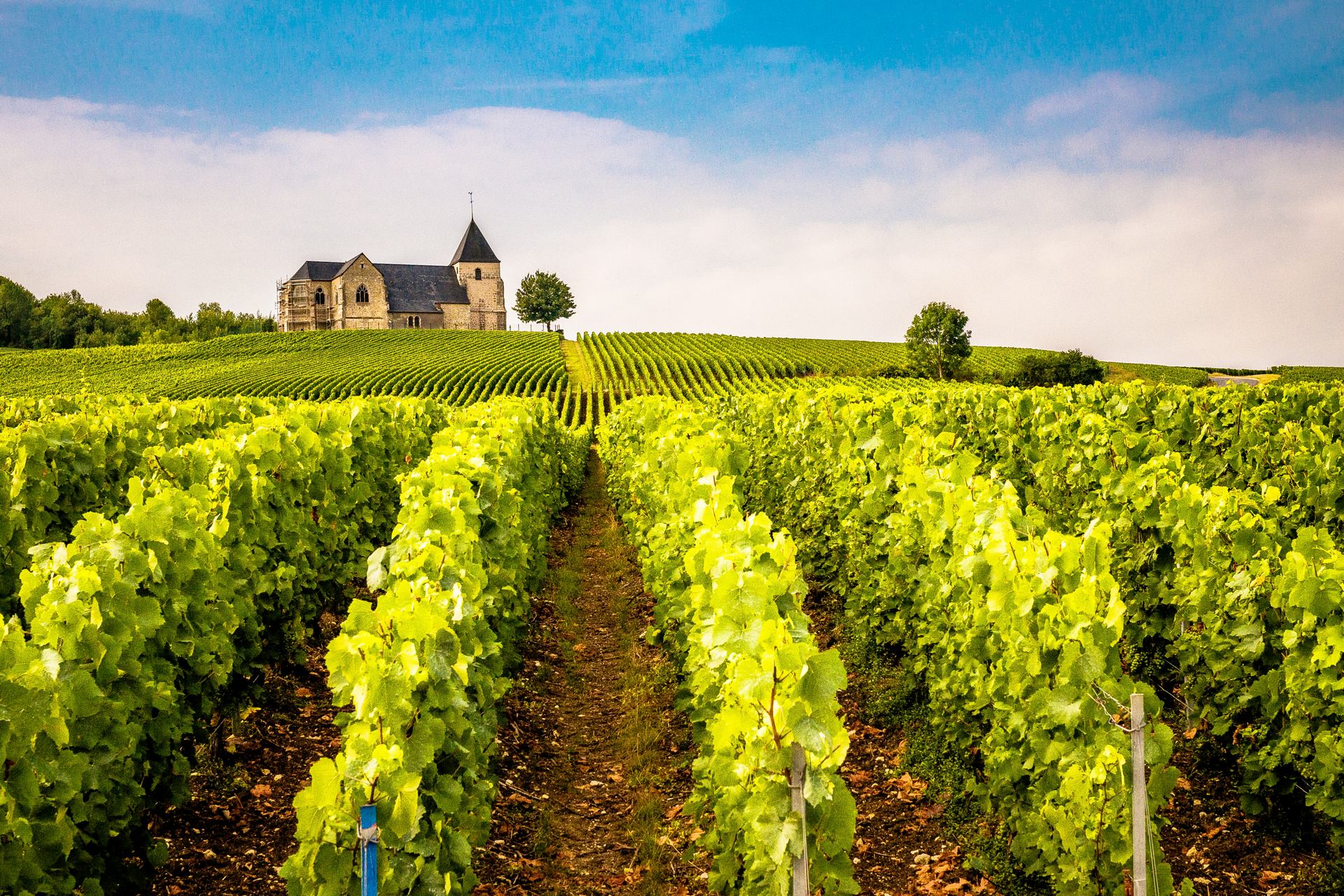
Photo by Sue Winston on Unsplash
Épernay, 30 minutes further east, is home to the Avenue de Champagne, lined with the cellars of Moët & Chandon, Perrier-Jouët, and Pol Roger. Guided champagne tours with transport from Paris are available through multiple specialist operators.
French food in Paris: What your clients should try
Paris’s food culture is as much a reason to visit as any museum or landmark — and briefing clients on what to look for turns their meals from background noise into vacation highlights.
- Croissant and café crème in the morning: A Parisian institution that is best experienced at a neighbourhood boulangerie rather than a tourist-area café. The difference in quality is noticeable from the first bite.
- French onion soup (soupe à l’oignon gratinée): A comforting dish available in traditional brasseries across the city; the Les Halles area near the 1st arrondissement has several historic brasseries that do it well.
- Steak frites: The quintessential Parisian bistro dish; a good entrecôte or bavette with proper frites at a neighbourhood bistro is one of the best-value meals in the city.
- Cheese and wine: France produces over 1,000 cheese varieties, and Paris’s fromageries offer the best of them; pairing a cheese selection with a carafe of Burgundy or Loire wine at a wine bar is one of the simplest and most authentic French dining experiences.
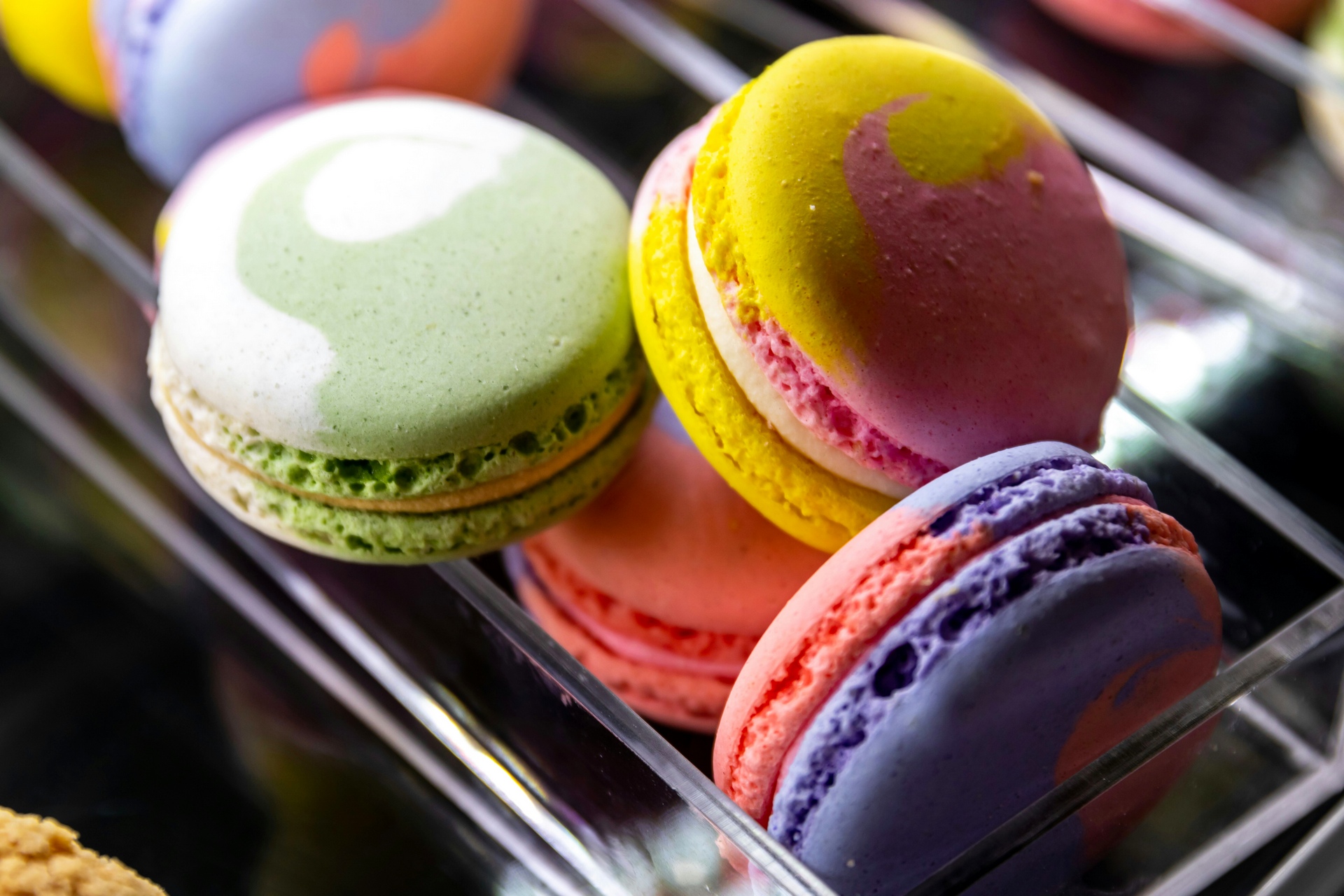
- Macarons and pâtisserie: Ladurée and Pierre Hermé may be the most famous, but many neighbourhood pâtisseries produce macarons, éclairs, and millefeuille of equivalent quality at lower prices; advise clients to explore beyond the famous brands for smaller queues and better selection.
- Crêpes on the street: Thin, buttered crêpes with sugar or Nutella from a street stand near Montmartre or the Latin Quarter are a tasty Parisian snack that seems simple but acts as a mouthwatering indulgence.
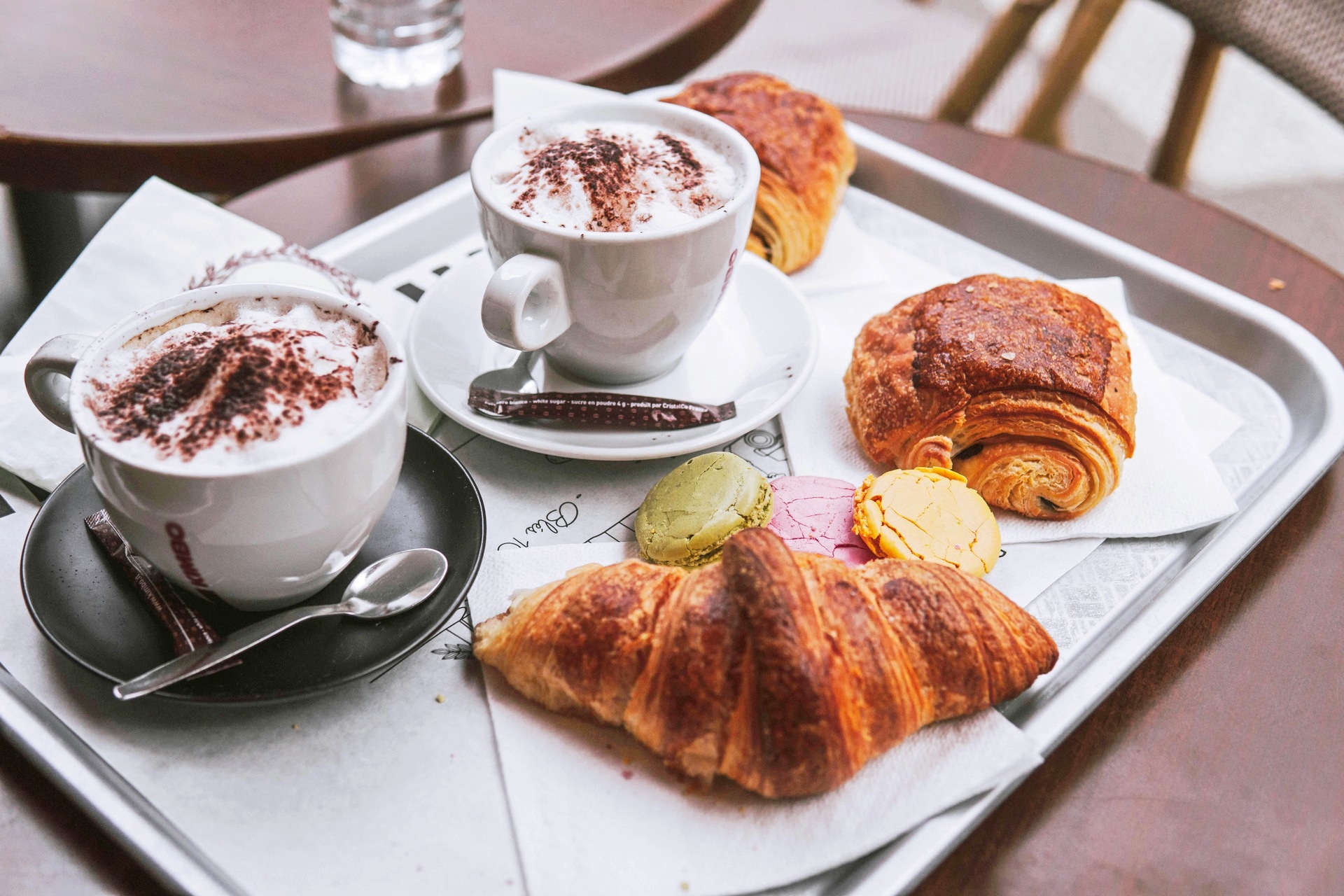
Photo by Julian Dik on Unsplash
Insider tips
Souvenirs worth buying
- French cosmetics and skincare: Pharmacie-brand French skincare (La Roche-Posay, Avène, Caudalie) is significantly cheaper in French pharmacies than abroad, and Paris’s pharmacy culture is a genuine institution. Its popularity is almost on par with Korean skincare.
- Wine from a specialist cave (wine shop): A bottle chosen with advice from a knowledgeable cave à vins is a far better souvenir than airport wine; the staff at good Paris wine shops are excellent at recommending specific regions for different tastes and budgets.
- Books from the bouquinistes: The green stalls of second-hand booksellers along the Seine quays have been a Paris institution since the 16th century; vintage French posters, postcards, and illustrated books make beautiful and genuinely Parisian purchases.
- Scarves from a French brand: Hermès (if budget allows) or one of the many independent French accessory brands in the Marais offer silk scarves that are a more useful and lasting souvenir than most tourist items.
- Artisan chocolate: Paris has a world-class chocolate scene; Patrick Roger, Michel Chaudun, and Jacques Genin (Marais) are among the finest. A selection of bonbons au chocolat is a compact, elegant gift.
- Macarons from a neighbourhood pâtisserie: A box of macarons from a local pâtisserie (rather than a tourist-area chain like Ladurée) is a more personal and often better-quality purchase at a lower price.
Paris as a “Destination Next” recommendation
Paris is one of the broadest and most versatile ‘Destination Next’ recommendations on the RateHawk platform. It’s a city with enough supply depth and cross-category appeal to function as an alternative across multiple disruption scenarios. When clients need a fast, credible plan B for a European city break or a cultural tour, Paris is almost always the strongest contender for where to go next.
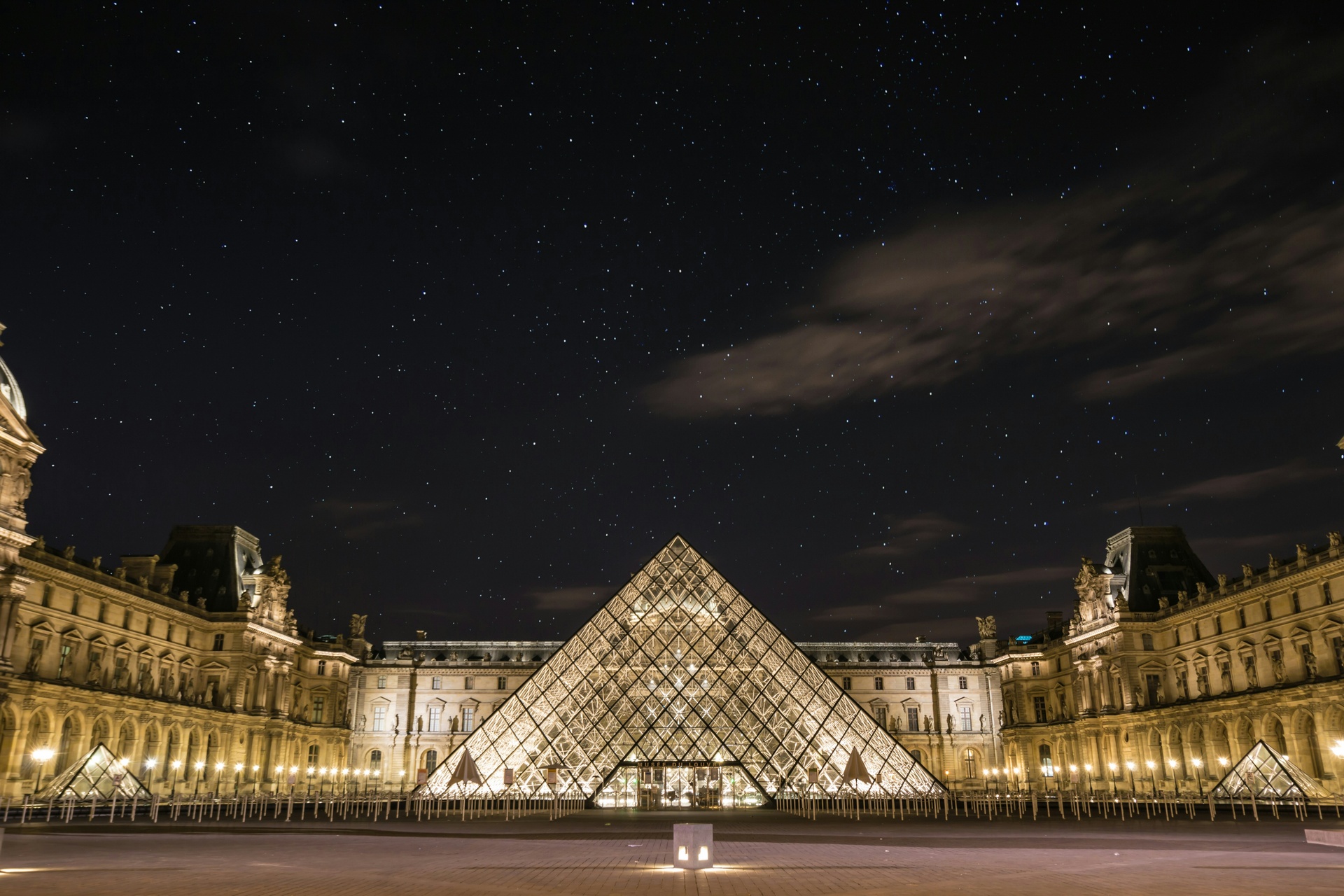
Photo by Uriel Soberanes on Unsplash
Here is when Paris typically surfaces as a recommendation:
- As an alternative to Amsterdam, Rome, or Barcelona when pricing or availability creates pressure, Paris offers comparable cultural depth with stronger luxury accommodation supply and a more complete culinary scene, often at competitive rates outside summer peak.
- As a substitute for London when clients face travel disruption or routing issues, Paris is 2h15 from London St Pancras by Eurostar, making it the most natural and fastest European city swap with near-identical connectivity for most source markets.
- For clients expressing traveller indecision between European city breaks, Paris’s breadth of experience (art, food, architecture, luxury, family attractions, day trips) means it can satisfy more interests within a single trip than almost any European alternative.
- As the anchor of a broader France itinerary, Paris combined with the Loire Valley, Provence, or the Champagne region builds a strong 10 to 14-day programme for clients wanting more than a single-city stay.
- For post-Olympics tourism demand, Paris 2024 helped introduce the city to new traveller segments, with clients who watched the Games being a natural target for follow-up Paris booking in 2026 and beyond.
Ready to supercharge your Paris proposals?
Explore the full hotel inventory and start building your client’s next Paris itinerary on RateHawk.
This article is part of the Destination Next initiative by RateHawk — helping travel businesses find stronger destination alternatives when travel plans change.