
 1454
1454 8 minutes read
Content
- At a glance: Greece by season
- Greece through the year: What each season looks like
- Frequently Asked Questions
At a glance: Greece by season
Use this table to match each time of year with Greece weather, typical temperatures, crowds, and the number of nights best suited to each itinerary.
Greece through the year: What each season looks like
January and February
For mainland-focused trips, January and February work well, with temperatures around 8–13°C (46–55°F). January can bring storms, so checking the forecast is key. Rain is more common at this time of year, and winter weather can affect ferry services.
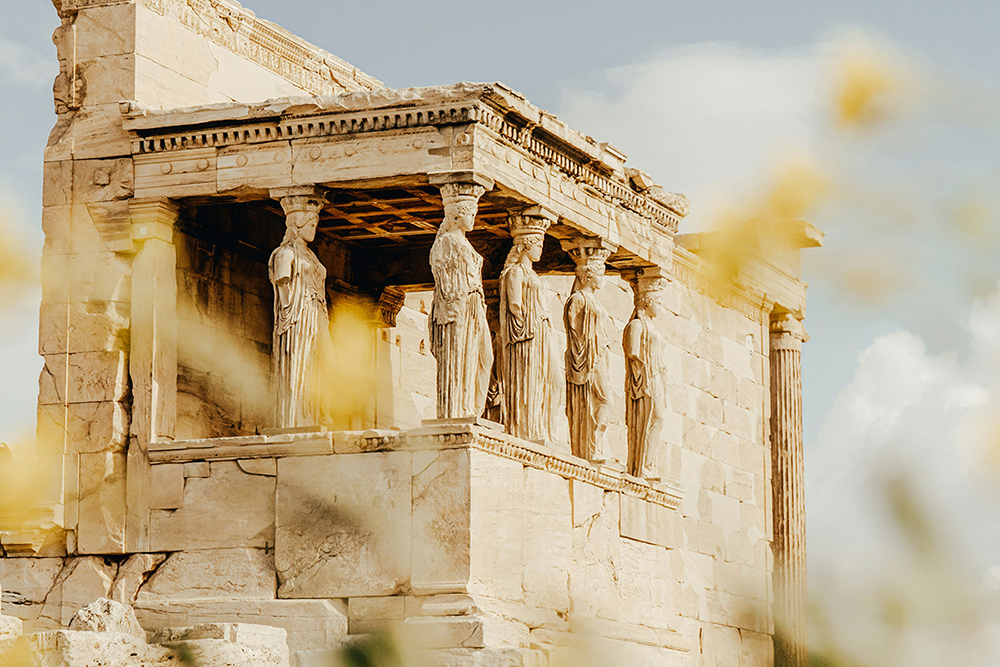
Photo by Dawid Tkocz on Unsplash
Where to go:
- Athens: The legendary Acropolis without high-season crowds
- Kalavrita: Kalavrita Ski Center, a popular ski resort in the Chelmos Mountains
- Patras: Patras Carnival, a vibrant street celebration featuring dancing, parades, and masquerades
RateHawk insight
This is the off-season. Most seasonal properties are closed, and ferry services run on reduced schedules, with frequent delays and cancellations. Agents should check ferry timetables close to departure and be ready to help clients rebook routes if needed.
March
March is when Greece starts warming up. Greece’s historic hub reaches around 12–16°C (54–61°F) by late March. Rain is still possible, but weather becomes more reliable for a mainland trip, with temperatures improving toward the end of the month.
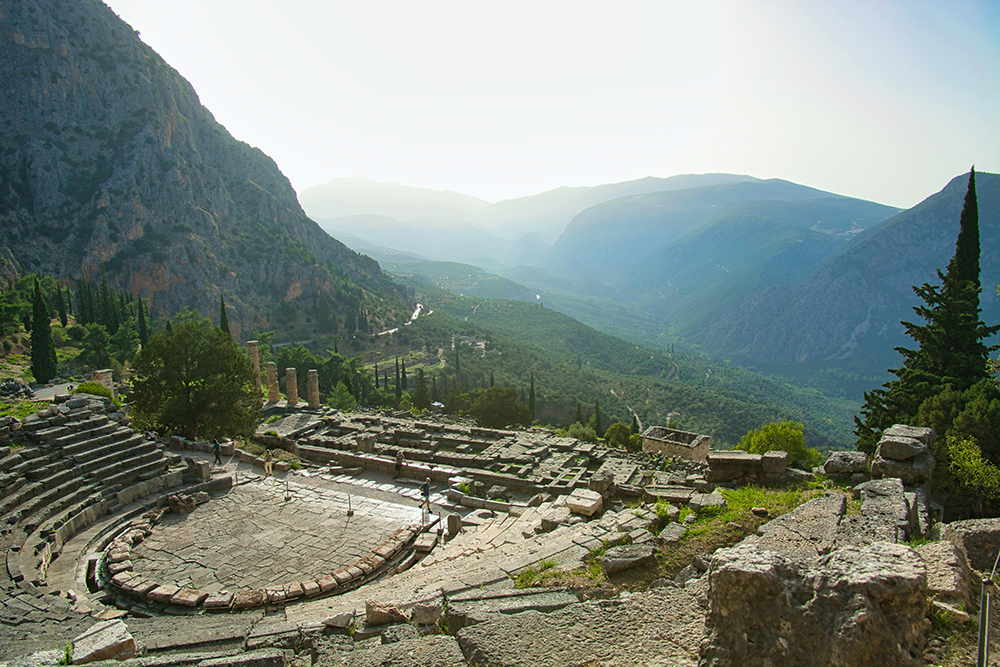
Photo by Saara Sanamo on Unsplash
Where to go:
- Argolis: Archaeological Sites of Mycenae and Tiryns, the ruins of a major center of Greek civilization
- Central Greece: Archaeological Site of Delphi, a UNESCO World Heritage Site offering a glimpse into ancient Greek history
- Paros: Byzantine Road, a 1,000-year-old paved route through olive groves and historic villages
April
April is when Greece starts to wake up. Temperatures climb to around 19°C (66°F), wildflowers bloom, and the shoulder season begins.
April is also a good time for spring landscapes, religious festivals, and outdoor attractions before the hottest season begins.
Travel advisors planning Holy Week trips should book early. Greek Orthodox Easter often falls in April and is the country’s biggest holiday. Candlelight processions, fireworks, and family feasts make it memorable, but ferries and hotels fill quickly with domestic travelers.
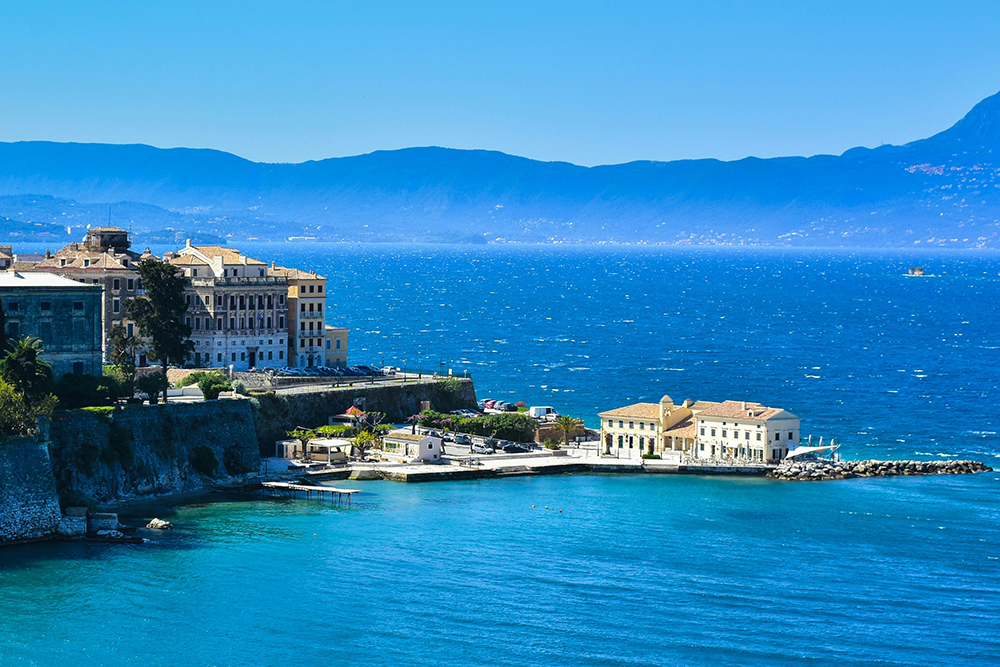
Photo by CALIN STAN on Unsplash
Where to go:
- Corfu: Corfu’s capital, host of one of Greece’s most famous Easter celebration
- Athens: Lake Vouliagmeni, a warm and swimmable lake fed by underground thermal springs
- Northern Greece: Vikos Gorge, a breathtaking route in the Pindus mountains
May
May is a strong choice alongside September because Greece has balanced weather, comfortable temperatures, and enough daylight for two or three nights per stop. Temperatures stay around 23°C (73°F), swimming conditions improve, beach properties and restaurants reopen before the summer rush.
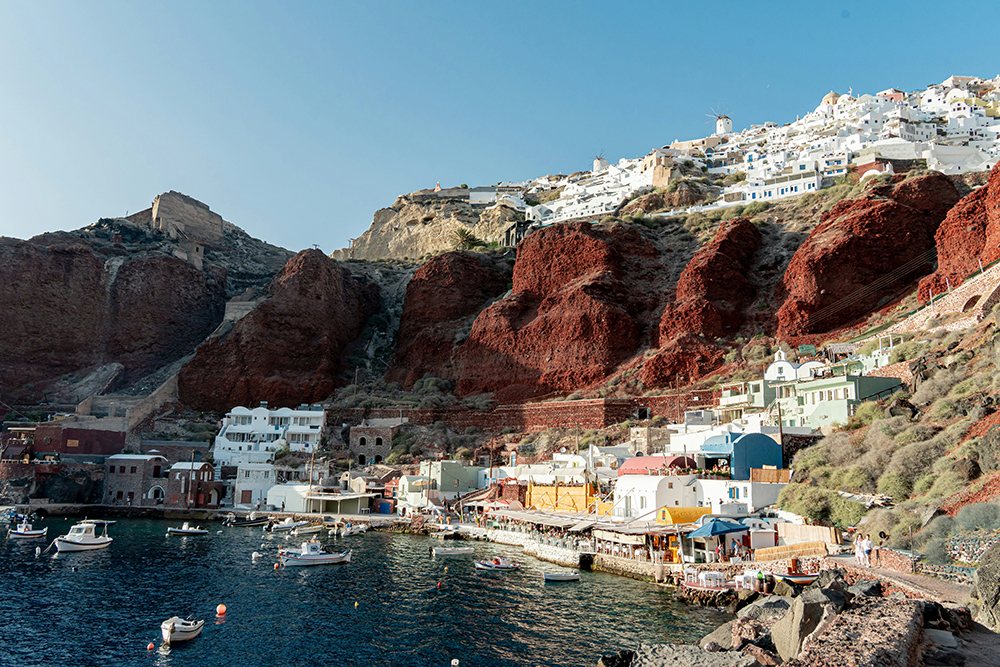
Photo by Albert Canite on Unsplash
Where to go:
- Crete: Samaria Gorge, one of Europe’s longest and most scenic gorge routes
- Santorini: Ammoudi Bay, a tiny, picturesque fishing port nestled at the foot of the volcanic cliffs just below Oia
- Mykonos: Chora, the island’s charming main settlement with traditional blue and white Cycladic architecture
RateHawk insight
Book ferry tickets in May, not at the port. Routes start filling up as summer approaches. Once ferries are confirmed, agents can use RateHawk to book hotels and car rentals for each island stop.
June
June marks the start of the warmest season. Temperatures reach 28°C (82°F) and above, and conditions are ideal for swimming. Early June is the sweet spot before prices and tourist numbers rise. It’s also a good time for coastal landscapes, early music festivals, and beach-focused itineraries before the hottest weeks.
For summer island itineraries, June balances weather, hotel availability, and pricing.
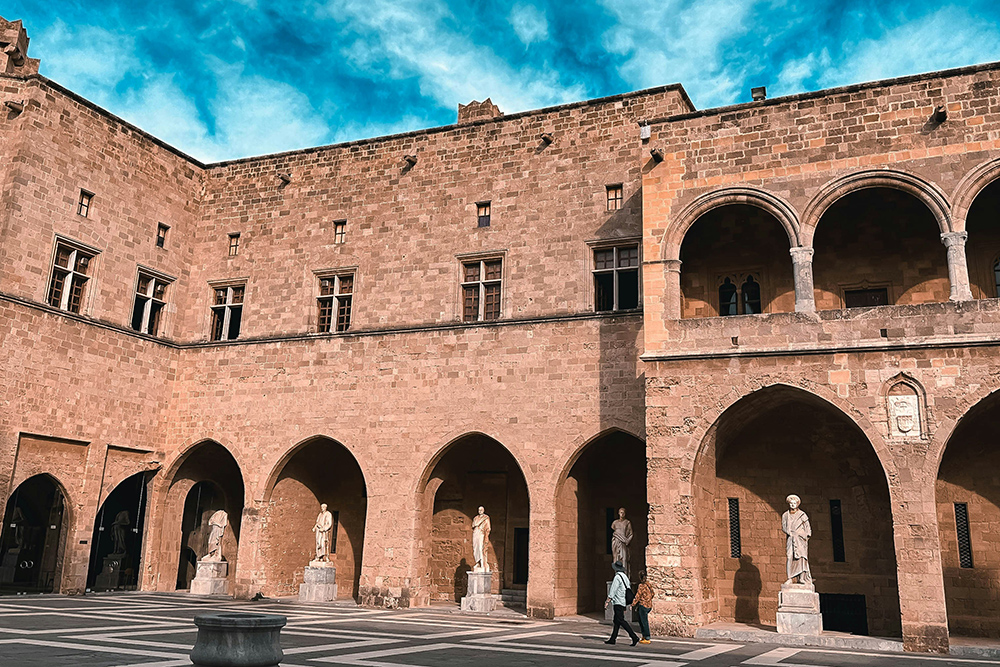
Photo by Ben Morris on Unsplash
Where to go:
- Ios: Homer’s Tomb, a must-see destination for fans of “The Odyssey”
- Rhodes: Medieval City of Rhodes, one of Europe’s largest and most intact medieval cities
- Alonissos: Peristera Wreck, a fascinating underwater archaeological park and museum open to recreational divers
July and August
July and August in Greece are intense. City areas regularly hit 35°C (95°F). The islands are packed and the ferries are crowded. Restaurants need reservations and accommodation rates are at their most expensive.
For agents, these months work well for clients who want peak-season Greece, with activities such as beaches, nightlife, yacht days, music festivals, water parks, cultural workshops, boat trips, sunsets, and autumn wine tasting.
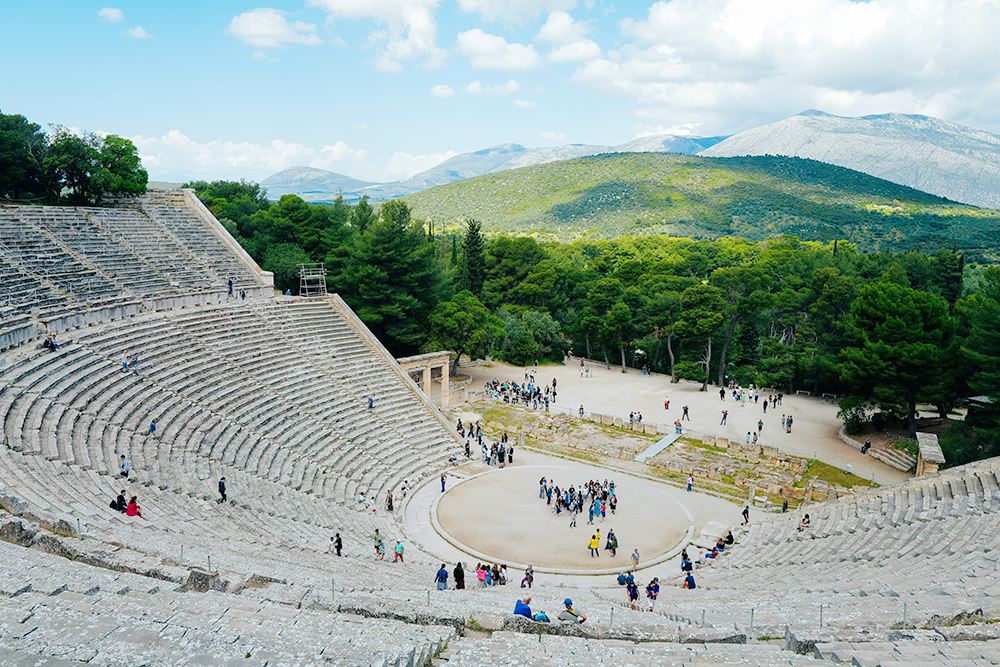
Photo by Adrien Olichon on Unsplash
Where to go:
- Milos: Kleftiko, a secluded beach with stunning sea caves and rock formations
- Zakynthos: Porto Limnionas, a sheltered cove surrounded by dramatic cliffs
- Epidaurus: Ancient Theatre of Epidaurus, an architectural masterpiece in the lush hills of the Peloponnese that holds annual seasonal performances
September
September is arguably the single best time to visit Greece. Weather stays warm, temperatures remain swim-friendly, and autumn pricing starts to appear after August. Earlier sunsets also bring the warm golden light that makes Greece especially scenic.
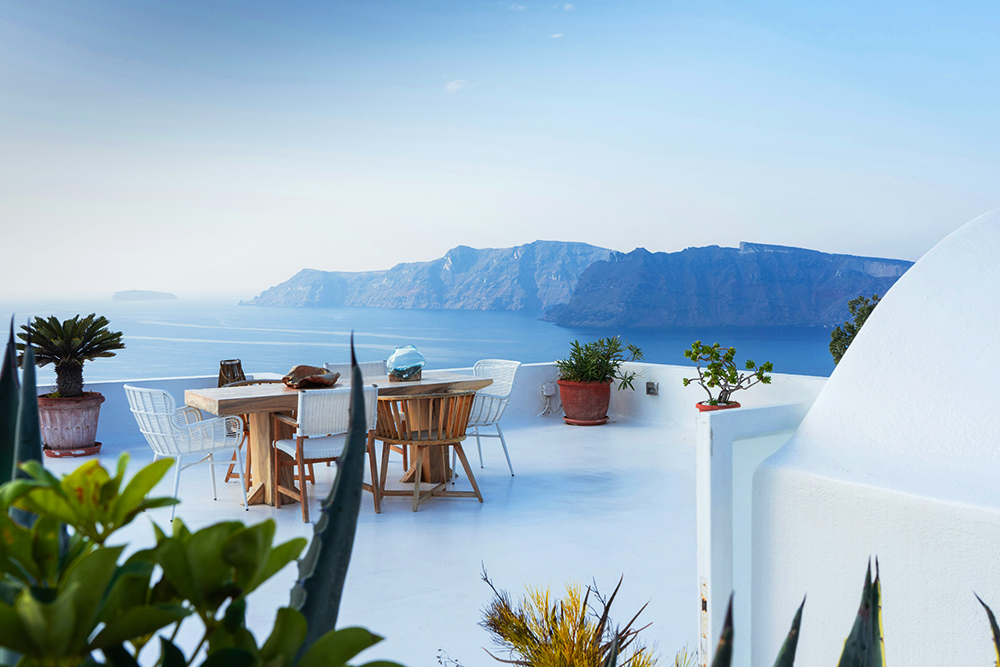
Photo by Philip Jahn on Unsplash
Where to go:
- Paros: Lefkes, an idyllic mountain village originally built as a refuge from pirates
- Lesvos: Molyvos, a seaside village with a Venetian castle, cobblestone streets, and Ottoman-style architecture
- Santorini: Santorini Caldera, a massive volcanic crater stretching along the island’s west coast
October
October is a practical time for autumn itineraries, especially in southern Greece. Crete and Rhodes reach around 24–25°C (75–77°F), swimming is possible through mid-October, and main city spots are ideal for walking around ancient sites.
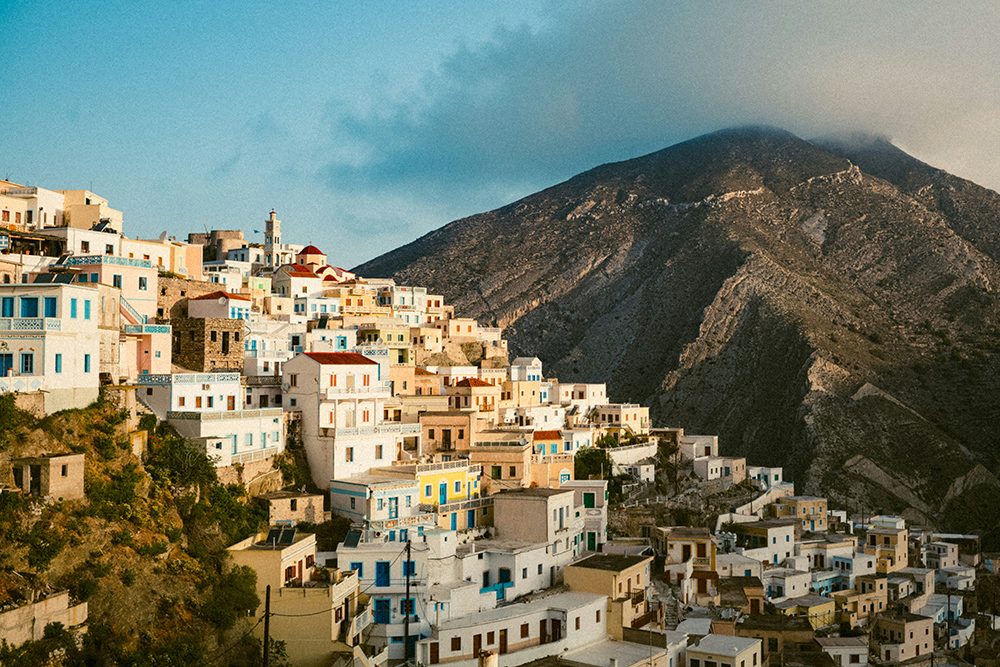
Photo by Zane Winter on Unsplash
Where to go:
- Naxos: Mount Zeus (Zas) hiking trail to the highest point in the Cyclades
- Chalkidiki: Afytos, a traditional village on the Kassandra Peninsula with sweeping Aegean views
- Karpathos: Olympos, a fascinating village that has preserved centuries-old traditions including matriarchal society
RateHawk insight
By late October, some smaller island businesses start closing. Travel agents planning late-season island stays should check hotel availability before booking.
November and December
The rainy season begins. Many islands go quiet, but Athens and Thessaloniki stay active. For agencies and travelers working with tighter budgets, this period can offer substantial savings compared to summer travel. Clients can expect more rain and fewer ferry options, but winter city breaks can work well for an itinerary of three or four nights.
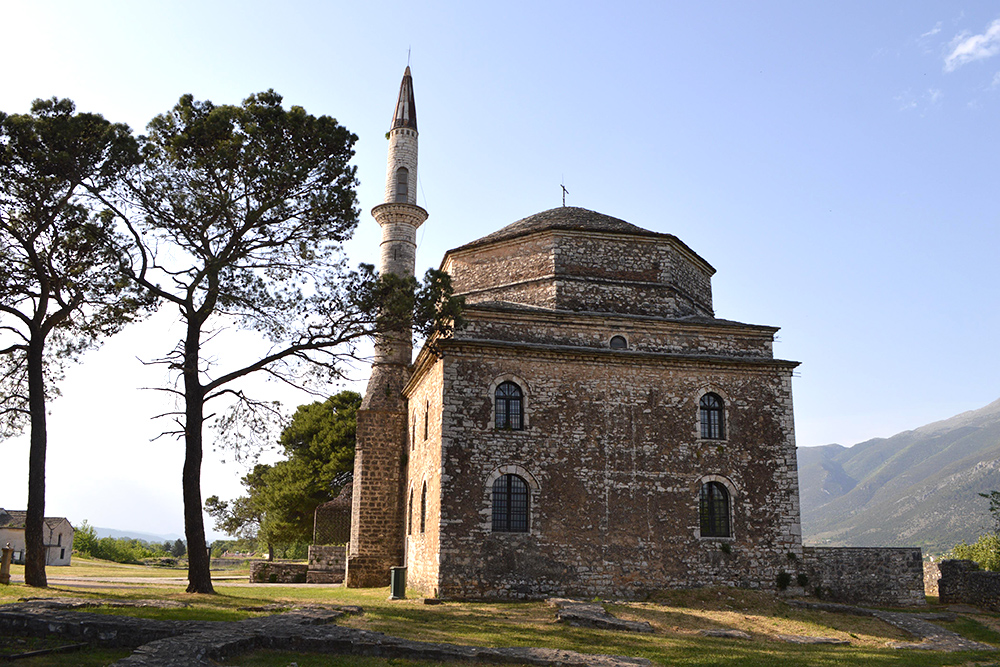
Image by StephanieGiourga from Pixabay
Where to go:
- Crete: Christmas markets in Rethymno’s historic center a seaside district with Venetian and Ottoman architecture
- Ioannina: Ioannina Castle, the oldest continuously inhabited Byzantine castle in Greece
- Peloponnese: Archaeological Site of Olympia, the birthplace of the Olympic Games
Frequently Asked Questions
Plan unforgettable Greece trips with RateHawk
From escapes in the Cyclades to slower cultural trips through northern Greece, the country offers something different in every season. Choosing the right time to visit can make a major difference in hotel availability, ferry connections, pricing, and the overall experience.
RateHawk helps travel professionals plan Greece trips throughout the year, from summer vacations in Santorini and Mykonos to boutique stays in Crete and winter itineraries in Athens or Thessaloniki. Travel agents can book hotels, flights, train tickets, transfers, and car rentals on one platform, with access to over 2.9 million properties from more than 330 suppliers worldwide.
Get started with RateHawk today to create diverse itineraries to suit every type of traveler and budget.
Cover image: Photo by Alexander Mils on Unsplash