
 462
462 18 minutes read
Contents
- Why travel agents should be selling Crete right now
- Practical information for travel agents
- Where to stay in Crete: Areas and hotel options
- Top things to do in Crete: Must-see places
- Crete activities by travel type
- Day trips from Crete’s main towns
- Cretan food: What your clients should try
- Insider tips
- Crete as a “Destination Next” recommendation
Why travel agents should be selling Crete right now
Crete consistently outperforms smaller Greek islands on the metrics that matter most to travel agents. Here’s how:
- Accommodation supply depth, from all-inclusive resorts to budget-friendly hostels.
- Flight connectivity, including with routes supplied by low-cost airlines.
- Shoulder-season viability, making it attractive for winter sun getaways.
- Destination that works for both a first-time Greece visitor and for a repeat traveller who already knows Athens and Santorini.
- Performs well across the full price spectrum, from budget beach holidays to high-end resort stays in Elounda.
For agents expanding their Mediterranean portfolios, Crete’s long season, effectively April to October, gives a more optimized booking window than its seasonal competitors. Agents using RateHawk’s Destination Next tool can confidently recommend Crete as a destination for all travelers with bookable hotel options available immediately, year-round.

Konstantina Zografou,
Junior Account Manager Greece & Cyprus
“Crete continues to show strong demand for 2026, especially from European markets such as Germany, France, Poland, Italy, and the Balkans. We also see growing interest from travelers looking for safe Mediterranean alternatives to destinations perceived as higher risk.
One of the main reasons behind the positive trend is Crete’s combination of beach holidays, gastronomy, culture, and high-quality hospitality infrastructure. Direct flight connectivity and flexible accommodation options also contribute to strong demand.
Families and couples are currently the strongest segments, although the solo traveler segment is also growing, especially for boutique stays and wellness-oriented experiences.”
Practical information for travel agents
Travel guidelines
Weather and best time to visit Crete
Crete enjoys one of the longest warm seasons in Europe, a strong selling point for agents looking to extend the Mediterranean travel window.
- Peak Season (July–August): Hot and dry, with temperatures regularly reaching 32–35°C on the coast. The island’s best beaches are busy, but the weather is reliably pleasant. Book well in advance for this period.
- Shoulder Season (May–June, September–October): The best time to visit Crete for most travellers. Warm temperatures (22–28°C), lower prices, and manageable visitor numbers. May and October are particularly well-suited to cultural itineraries and hiking, as the heat is more moderate.
- Low Season (November–April): Crete sees mild winters compared to northern Europe (10–16°C), making it ideal for cultural visits and walking holidays. Many seasonal coastal resorts close between November and March, but Heraklion, Chania, and Rethymno remain open year-round.
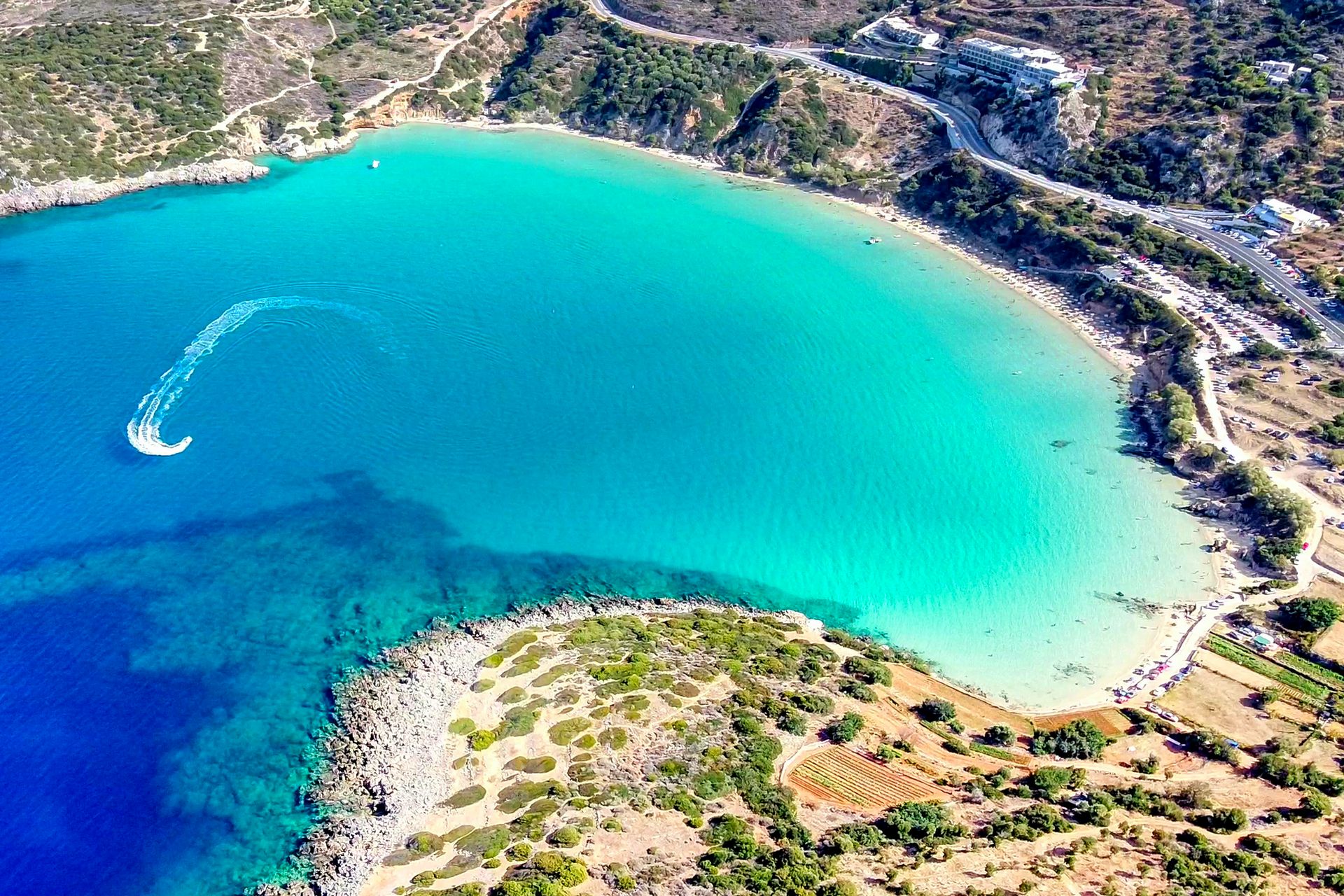
Photo by Evangelos Mpikakis on Unsplash
Crete fun facts
- Crete was the centre of the Minoan civilisation, widely regarded as Europe’s earliest advanced civilisation, which flourished on the island between approximately 2700 and 1450 BC.
- Parts of Crete enjoy over 300 days of sunshine annually, more than almost anywhere else in Europe.
- Crete is one of Greece’s largest olive oil-producing regions. It typically produces approximately 30% of Greece’s olive oil, although this will vary depending on the harvest. Olive oil plays a central role in Cretan food culture.
- The Samaria Gorge in the White Mountains is one of Europe’s longest and most famous gorges, stretching approximately 16 km.
- The Cretan diet is considered one of the healthiest in the world and was a key influence on the development of the Mediterranean diet concept.
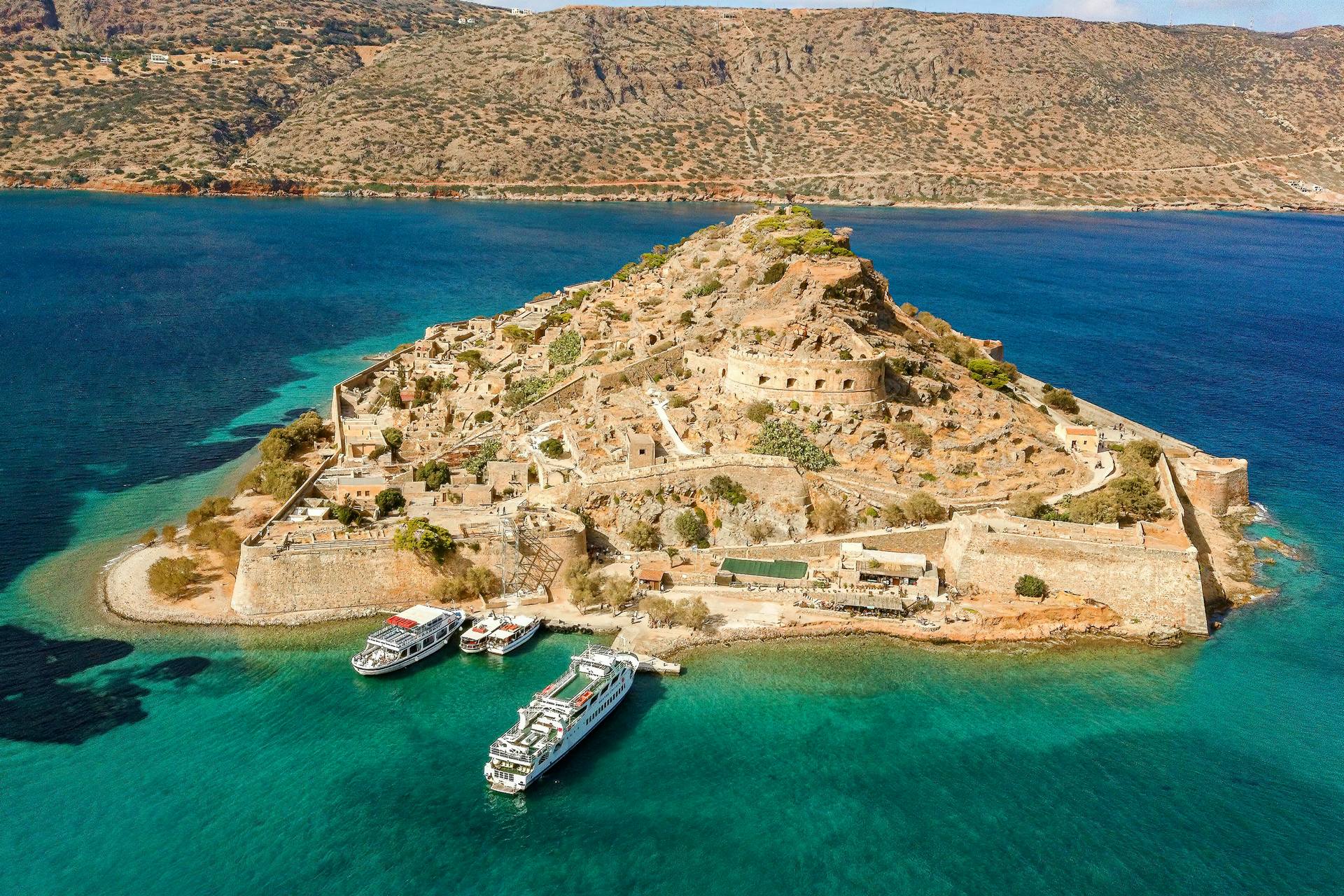
Photo by Joshua Kettle on Unsplash
Getting around Crete
Crete is a large island, and a hire car is the most practical way to explore it. This is one of the most important logistics points to communicate to clients planning an independent trip.
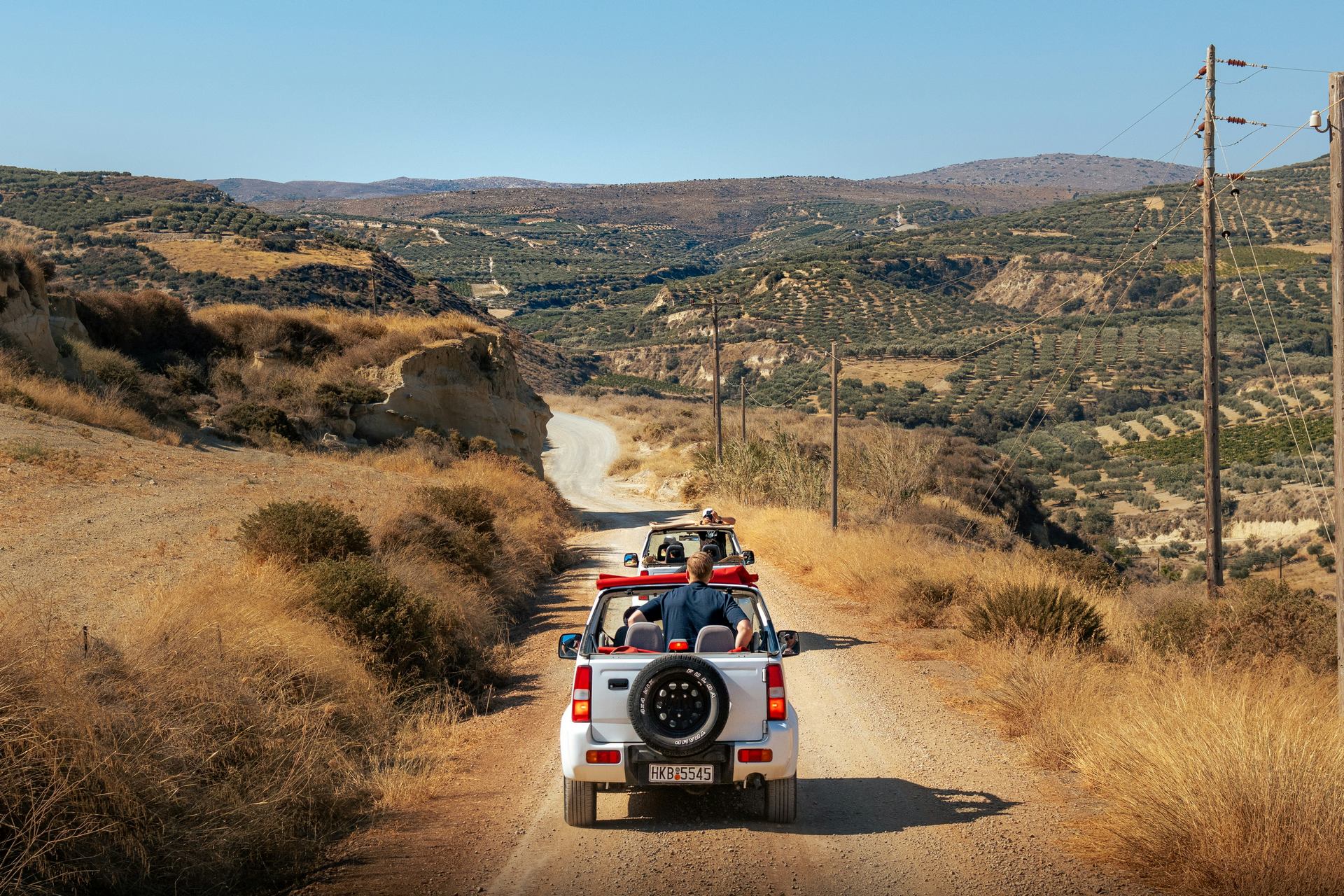
Photo by Daan Sonneveld on Unsplash
- Car Hire: Essential for clients who want to visit beaches, gorges, and mountain villages beyond the main towns. The north coast road (E75) connects Heraklion, Rethymno, and Chania efficiently. Mountain roads in the south require more time and confidence behind the wheel, so a local guide may be a better alternative. An International Driving Permit may be required for non-EU licence holders, depending on nationality.
- Bus (KTEL): Crete has a reliable and affordable intercity KTEL bus network connecting the major north-coast towns, including Heraklion, Rethymno, and Chania. It works well for budget travellers, although services are more limited for beaches and villages in the south.
- Taxi: Available in all main towns; metered within cities, fixed fares for longer journeys. Pre-agree the price for airport transfers and day trips.
- Ferry connections within Crete: Seasonal boat services connect some southern coastal villages (Hora Sfakion, Loutro, Agia Roumeli) that are otherwise inaccessible by road, particularly useful for clients hiking the Samaria Gorge one-way.
RateHawk insight
RateHawk can help you curate a complete door-to-door itinerary for your clients with airport transfers, car rentals, and plane tickets included. Travel agents can streamline the itinerary by booking each leg of the journey ahead of time, maximizing the value of your client package, while giving them the added convenience of pre-booked transport.
Where to stay in Crete: Areas and hotel options
Crete’s accommodation offer is strong across all price categories, and the island’s different areas suit a variety of travel styles. Choosing the right base matters, particularly given the island’s size.
Heraklion
Ideal for: History buffs who want easy access to archaeological sites.
The island’s capital and main arrival point, Heraklion, is the practical choice for clients who want immediate access to the Knossos palace site, the Heraklion Archaeological Museum, and the old Venetian city walls. It is the most urban of Crete’s main towns and well-suited to cultural itineraries and short stays. The harbour area and the streets around Lion Square (Plateia Venizelou) are the most atmospheric parts of the city.
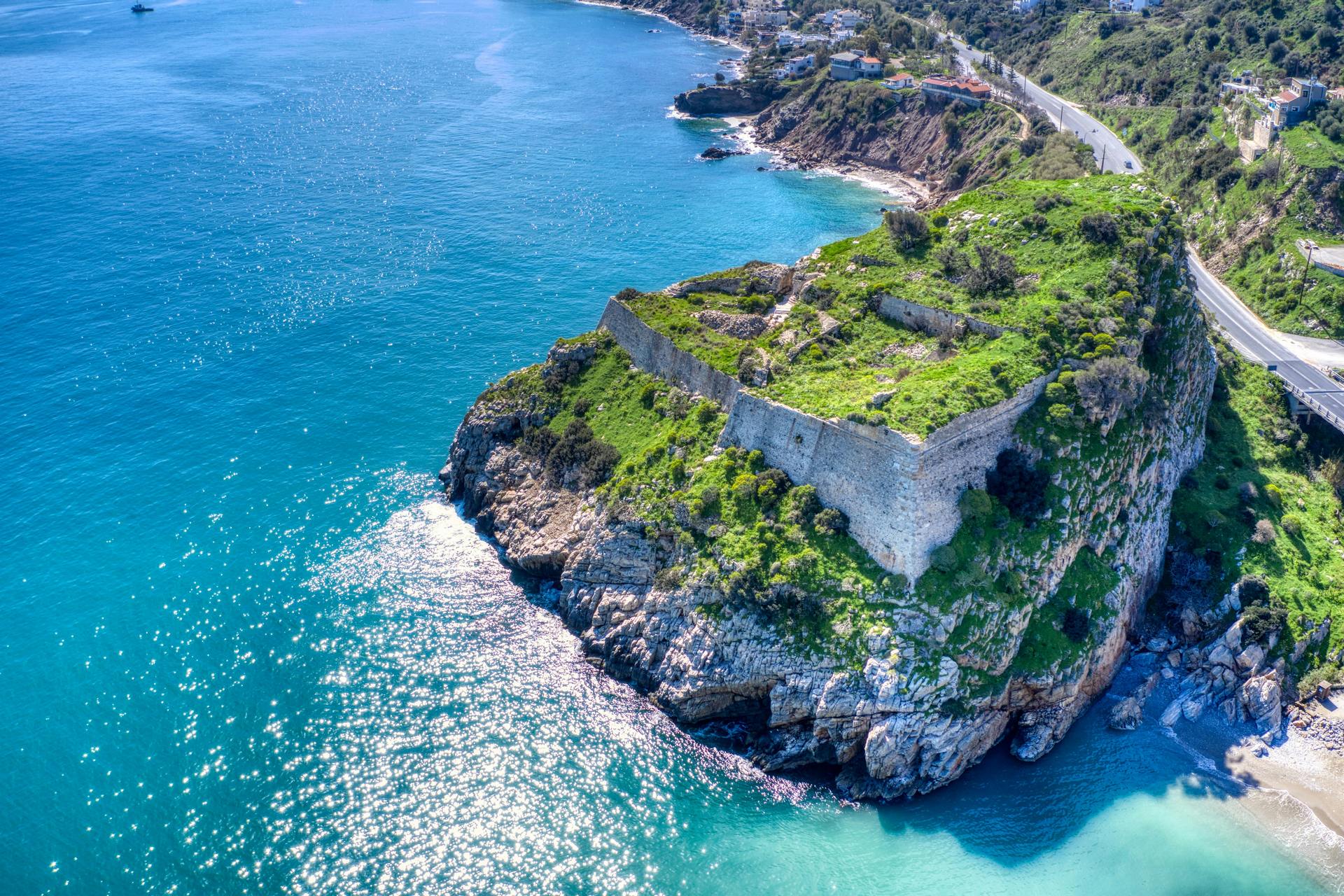
Photo by Evangelos Mpikakis on Unsplash
Chania
Ideal for: Couples and sunworshippers keen to explore the beaches along the Chania coast.
Often considered Crete’s most picturesque city, Chania’s Venetian old town, with its lighthouse, covered market, and winding lanes, is among the most photogenic urban environments in Greece. It is the most popular base for visitors to western Crete and acts as a gateway to beaches along the Chania coast, including Falasarna and Balos lagoon. Well-suited to couples, cultural travellers, and clients who want character accommodation in a historic setting.
Rethymno
Ideal for: Clients who want the immersive experience of a historic Greek town with convenient beach access.
Positioned between Heraklion and Chania on the north coast, Rethymno combines a well-preserved Venetian old town (including a Venetian fortress, the Fortezza) with a long sandy beach, stretching east of the town centre. It is an ideal choice for clients who want the atmosphere of a historic Greek town with the added bonus of easy beach access, a combination that is harder to find in Heraklion or Chania. The town has a good range of mid-range and boutique accommodation.
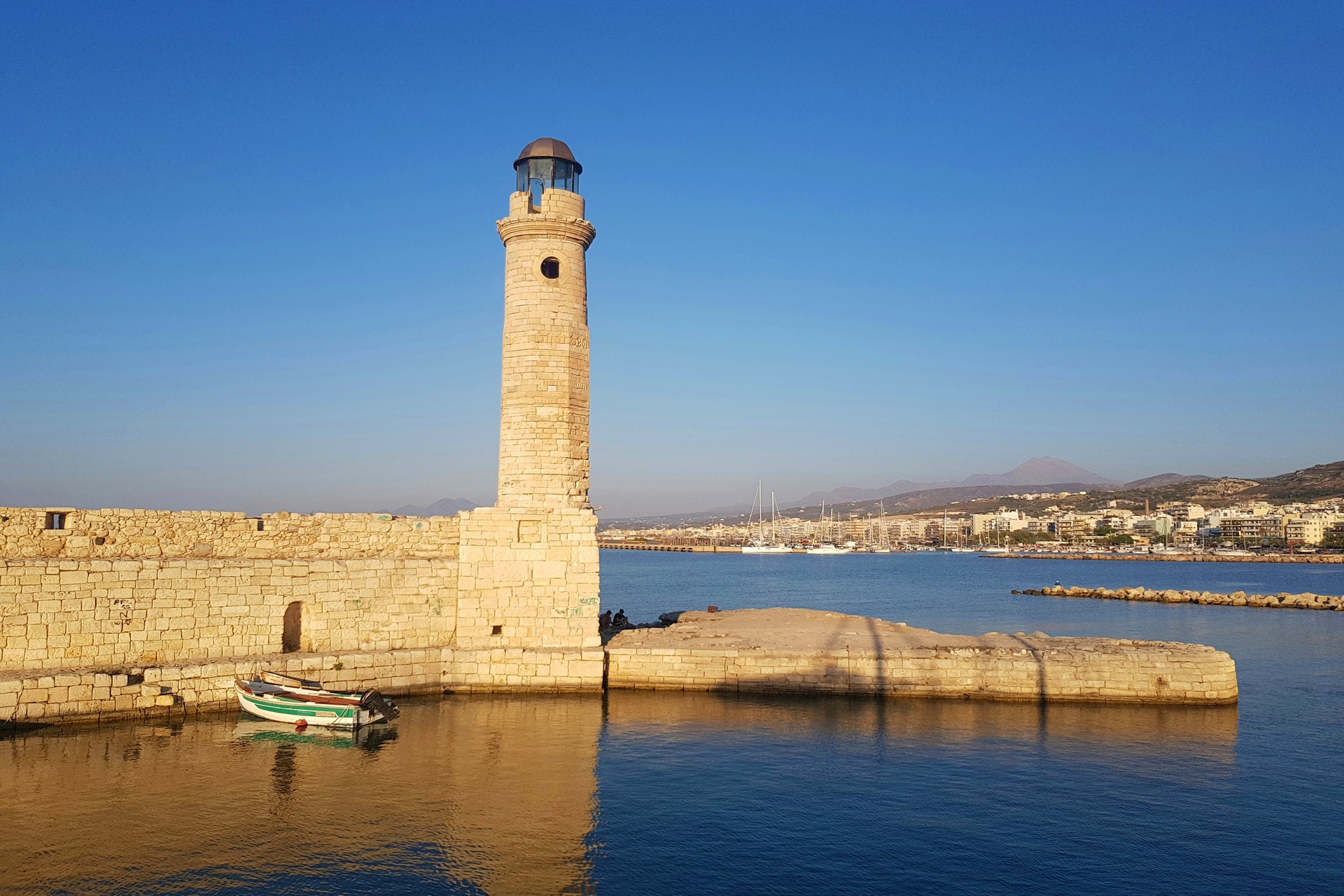
Photo by Branko Besevic on Unsplash
Elounda and the Gulf of Mirabello (East Crete)
Ideal for: Luxury escapes and high-end honeymoon itineraries.
The eastern end of Crete’s north coast is one of the island’s leading luxury resort areas. The Gulf of Mirabello, centred on the village of Elounda, hosts several of Crete’s most celebrated luxury properties, many with private beaches, thalassotherapy spas, and direct views of the Spinalonga island fortress. This is the natural choice for luxury escapes and high-end honeymoon itineraries.
Top things to do in Crete: Must-see places
1. The Palace of Knossos
Knossos is the legendary seat of the Minoan civilisation and the most significant archaeological site in Crete and the largest Bronze Age site in the Aegean. It is also the mythological home of the Labyrinth and the Minotaur.
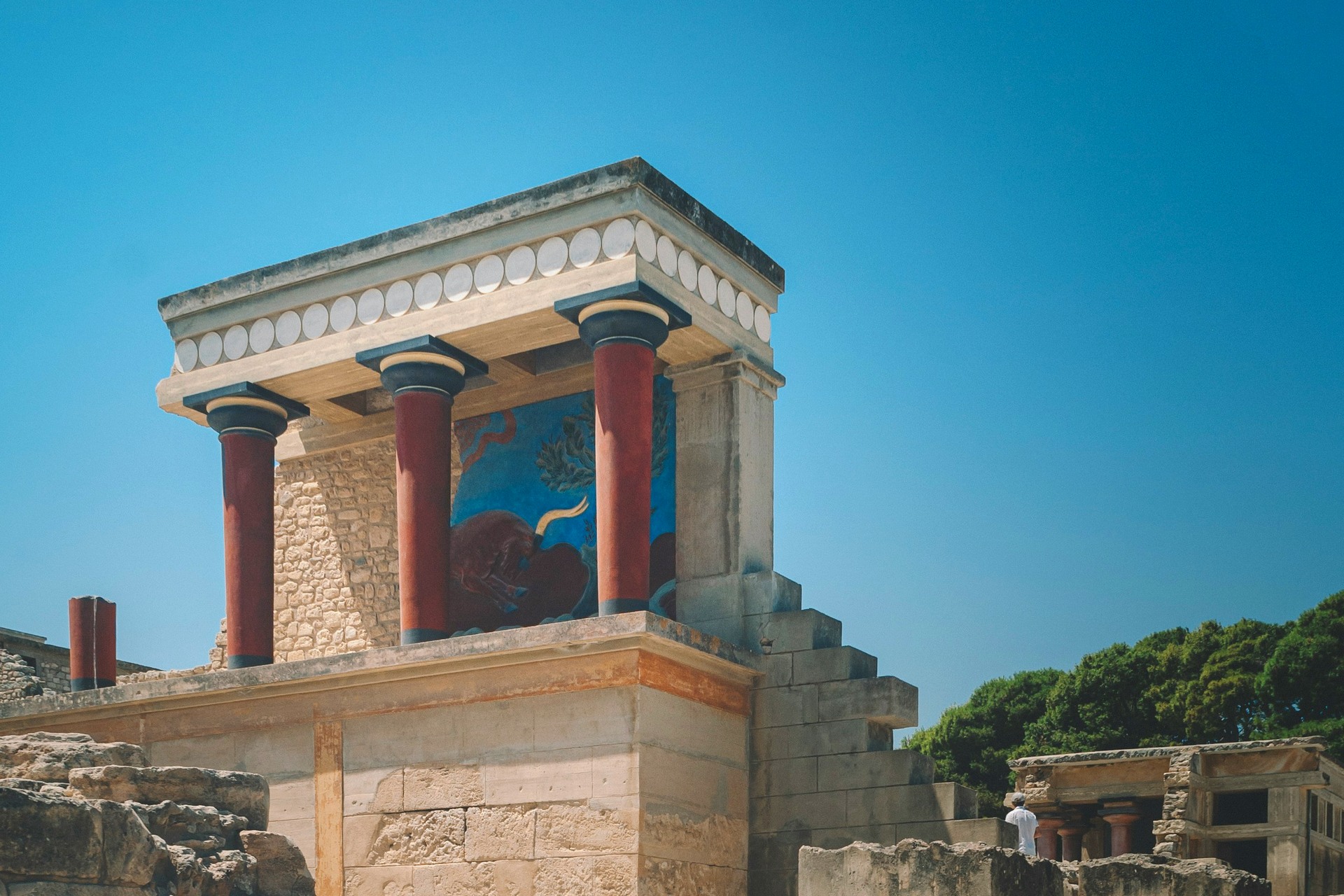
Photo by Egor Myznik on Unsplash
Located just 5 km south of Heraklion, the site was excavated and controversially reconstructed by British archaeologist Sir Arthur Evans from 1900 onwards. The partially reconstructed palace complex gives clients a vivid, if debated, sense of the scale and sophistication of Minoan architecture. Plan at least two hours for a visit; a guided tour is strongly recommended to contextualise the site.
2. Chania Old Town and Venetian Harbour
Chania’s old town is widely regarded as one of Greece’s most atmospheric urban areas. Its Venetian lighthouse reflected in the harbour water, and the waterfront lined with fish restaurants and café tables creates one of the most romantic, tranquil settings in Greece.
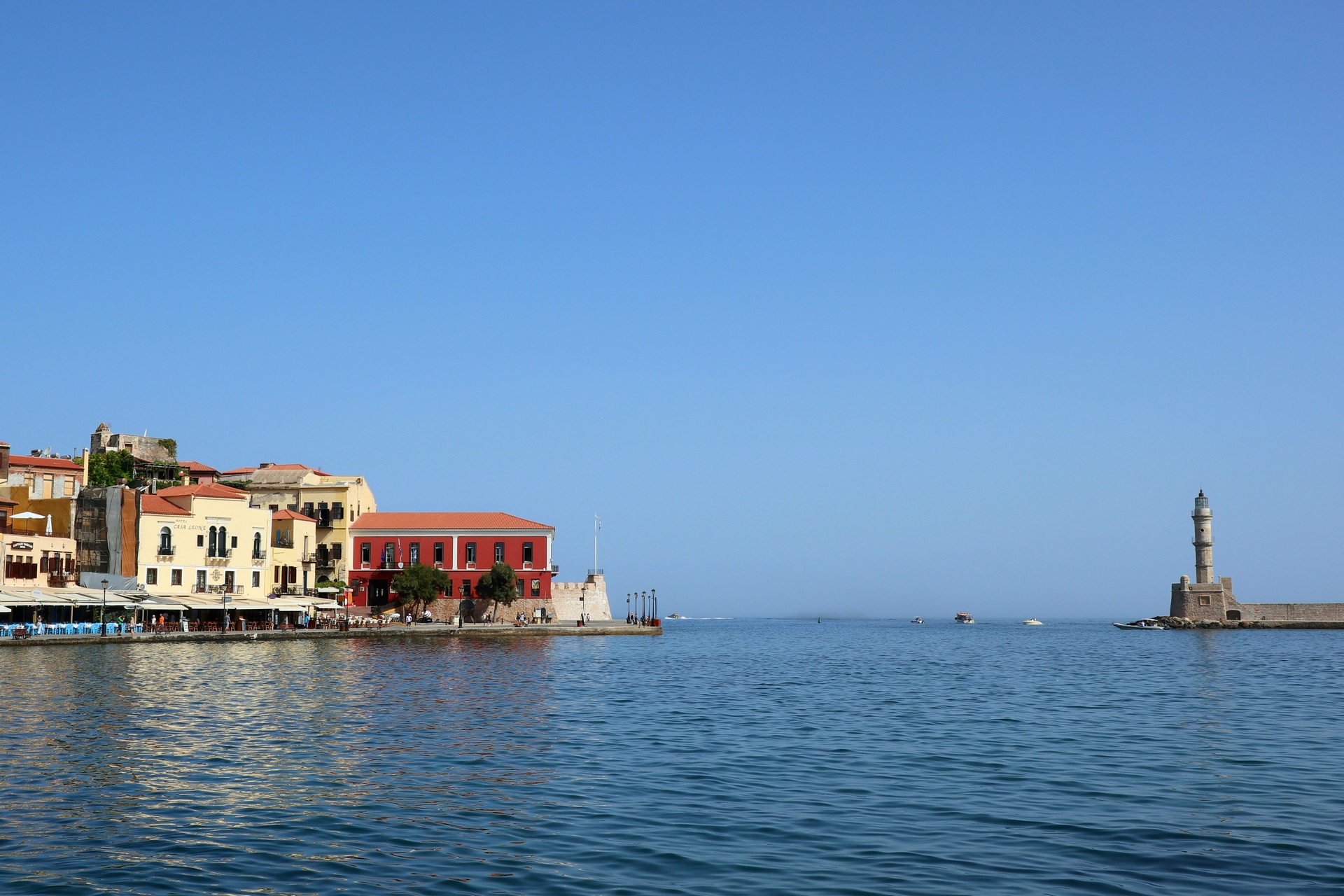
The old town’s layered history is visible in its architecture: Venetian loggia and mosques stand alongside Byzantine churches and Ottoman fountains. The covered market (Agora) is one of the best places on the island to shop for traditional Cretan food products. Chania is worth at least a full-day visit.
3. Samaria Gorge
The Samaria Gorge in the White Mountains of western Crete is one of Europe’s longest gorges and amongst Greece’s most spectacular hiking routes. The standard route descends 16 kilometres from the plateau of Omalos to the coastal village of Agia Roumeli, passing through a gorge that narrows to just 3–4 metres at its tightest point of the Sideroportes (Iron Gates).
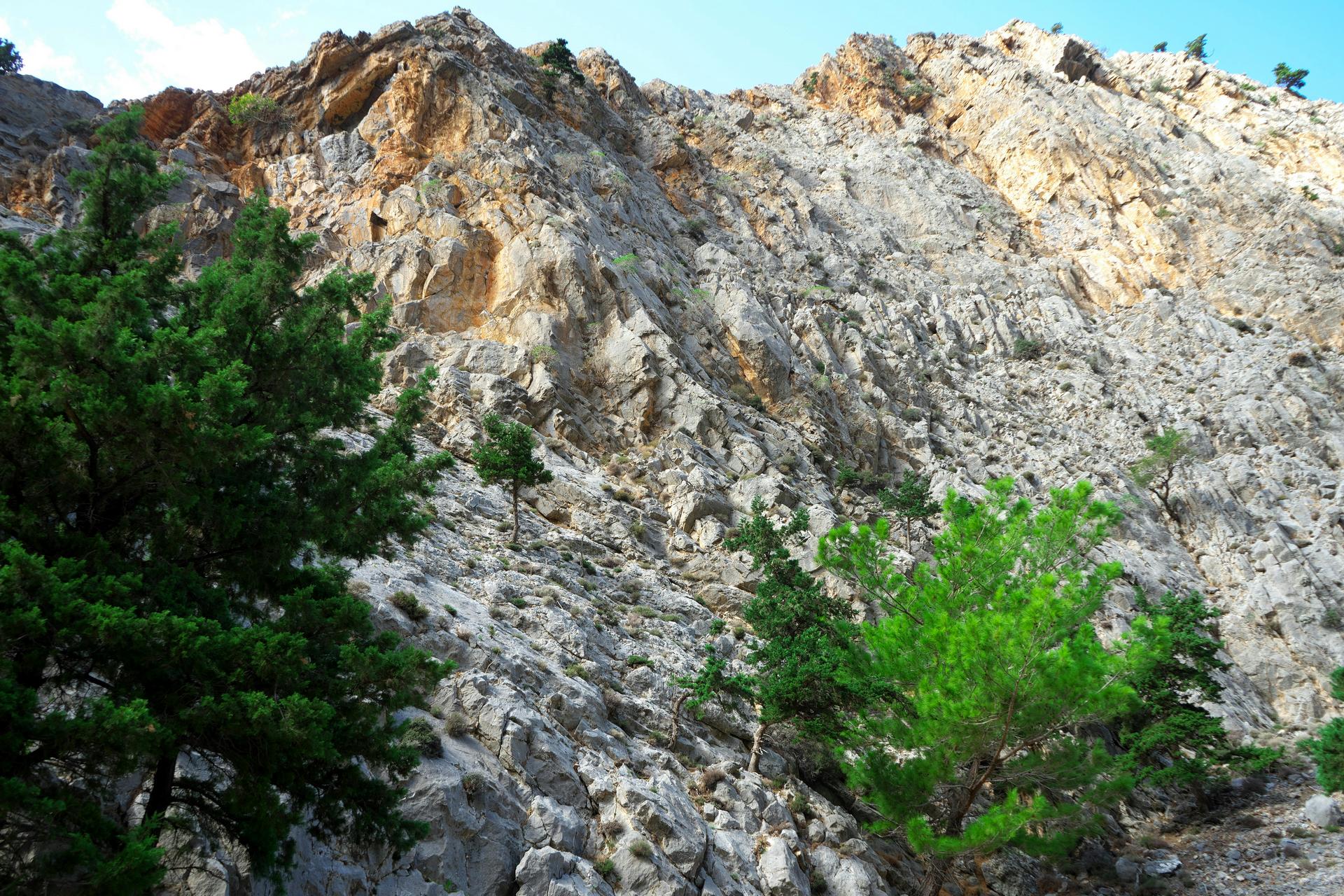
Photo by Tadeusz Zachwieja on Unsplash
The hike takes 4–7 hours depending on fitness level, and is considered moderate, making it suitable for reasonably active adults. The gorge is typically open from May through October, depending on weather and wildfire conditions. The return journey from Agia Roumeli is by boat to Hora Sfakion, followed by a bus or car transfer back to the starting point — a logistical detail to build into client itineraries.
4. Elafonissi Beach
Elafonissi is consistently ranked among the best beaches in Europe and is arguably Crete’s most distinctive coastal experience. Located at the southwestern tip of the island, its shallow lagoon and pink-tinged sand, the colour coming primarily from crushed shells and marine organisms. This landscape creates an almost Caribbean atmosphere that surprises clients expecting a conventional Greek beach.
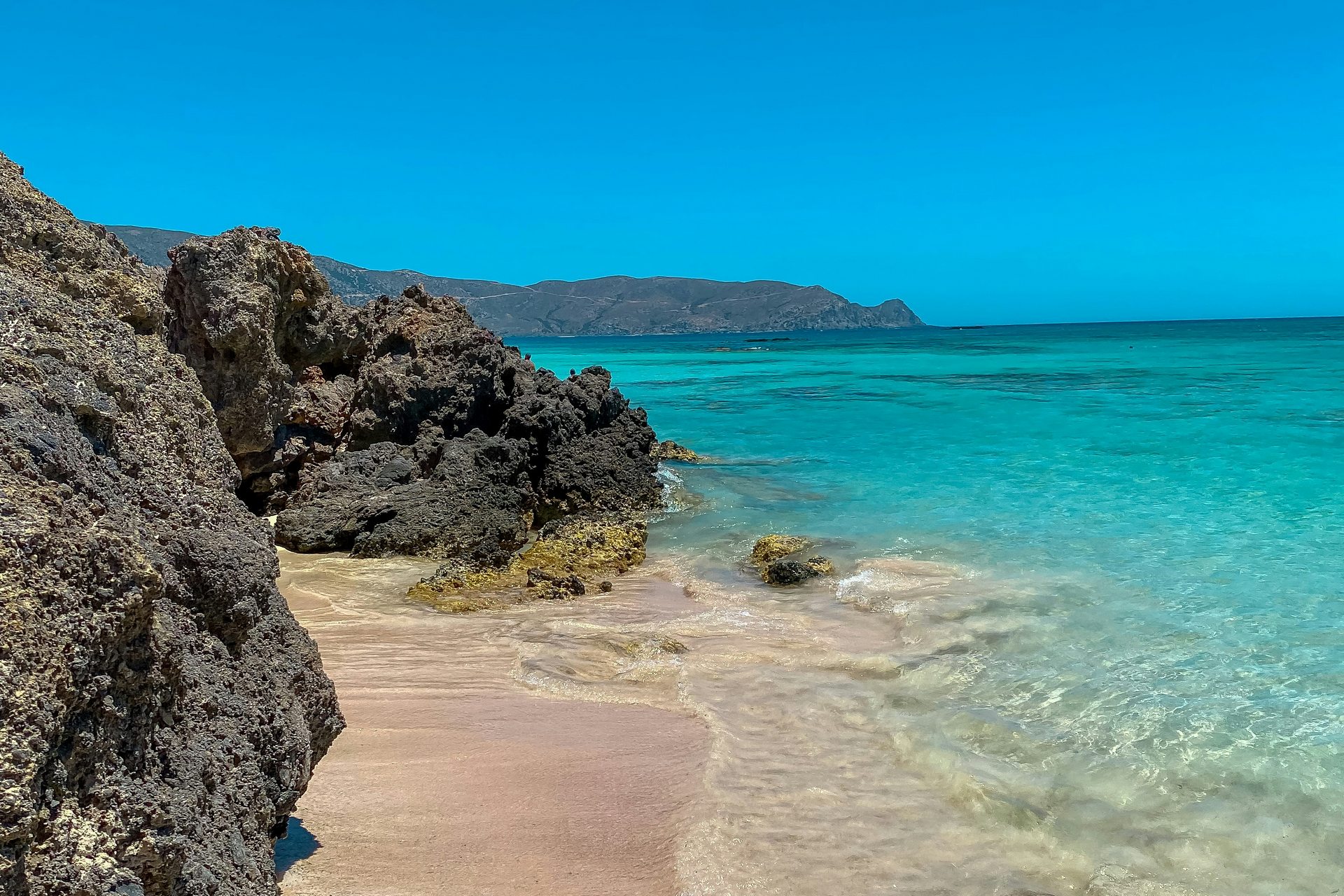
Photo by Manos Chainakis on Unsplash
The water is exceptionally shallow on the lagoon side, making it a strong option for families with young children. It is a 1.5–2 hour drive from Chania, and planning for an early morning arrival is essential in July and August.
5. Balos Lagoon
Another of Crete’s most photogenic natural sites, Balos is a turquoise lagoon at the north-western tip of the island, enclosed by a narrow sand and pebble spit. It is accessible by boat from Kissamos port, which is the most comfortable option, or by a rough 8 km unpaved road, followed by a 20-minute walk down to the beach.
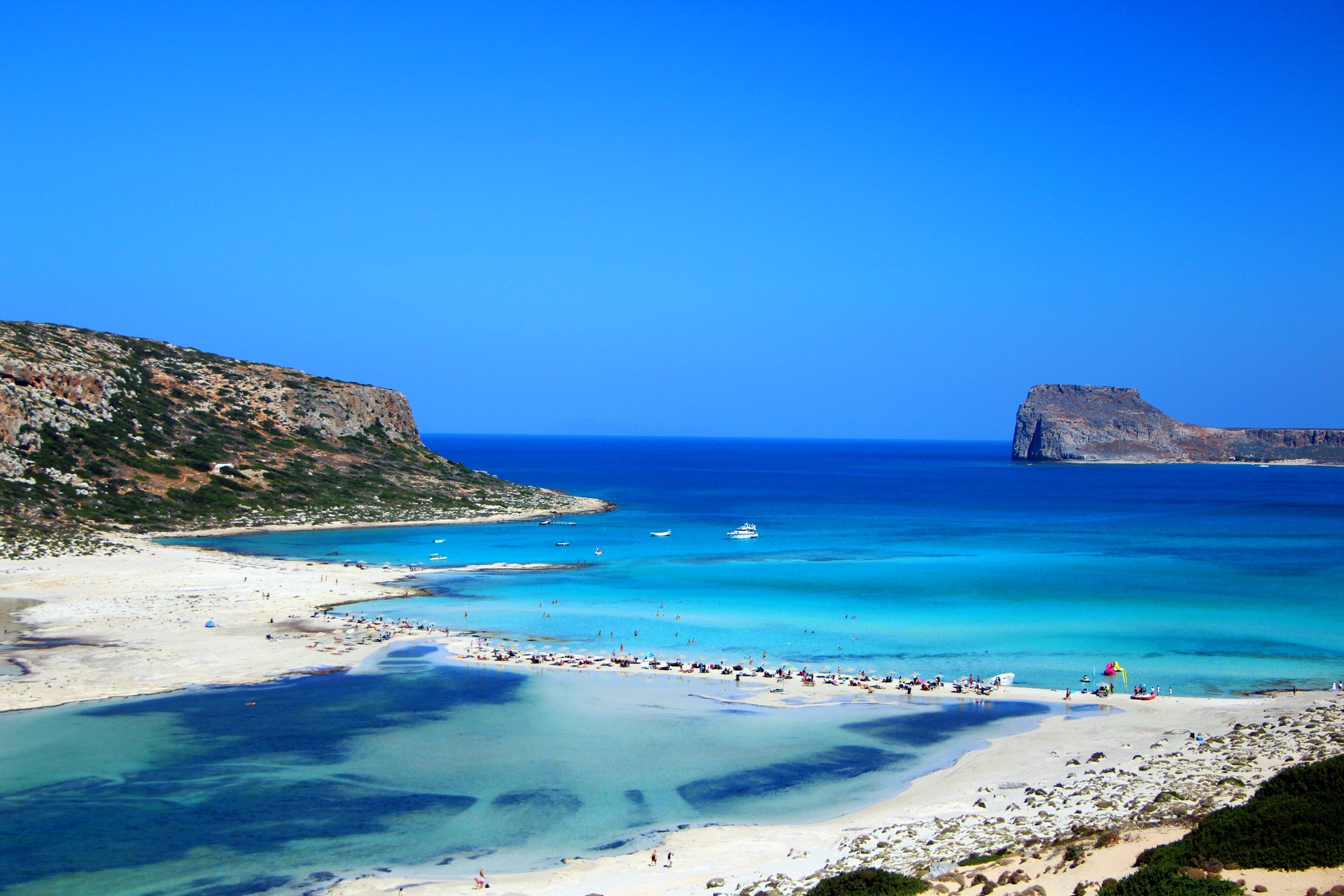
Photo by Eleni Afiontzi on Unsplash
The views from the clifftop above the lagoon are among the best on the island – and worth the journey. Balos is at its most beautiful in May–June and September–October, before and after the peak summer crowd. Pre-booking boat tickets during the high season is advisable.
Crete activities by travel type
Beach holidays
- Elafonissi: The iconic pink-sand lagoon beach in southwest Crete; best for families and photography tours.
- Balos: Spectacular lagoon accessible by boat or 4×4; more effort, more reward. The views from the car park alone are stunning, but be aware that there’s no shade around Balos.
- Falasarna: A long, wide sandy beach on the west coast with excellent swimming and reliable wind for water sports.
- Vai: Home to one of Europe’s largest natural palm forests, bordering a beautiful sandy beach in the far east of the island.
- Matala: Famous for its cave dwellings carved into the cliffs and its hippie heritage, this storied beach offers a relaxed south-coast atmosphere, ideal for solo travelers and couples seeking a screen-free escape.
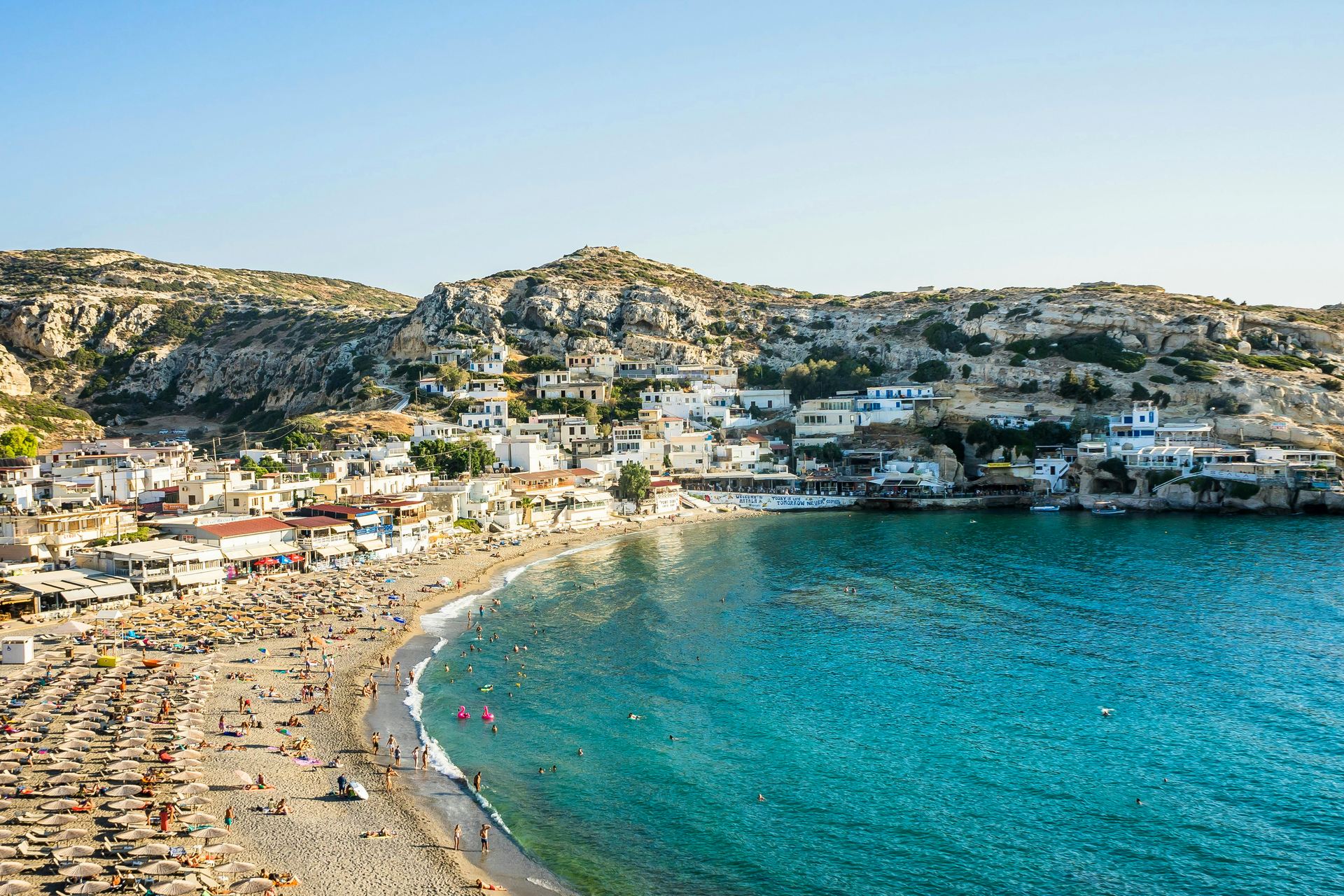
Photo by Leonhard Niederwimmer on Unsplash
City breaks and culture
- Full-day Heraklion cultural circuit: Knossos palace, Heraklion Archaeological Museum (one of the finest in Greece, housing one of the world’s most important collections of Minoan artefacts), Venetian city walls, and the old harbour.
- Chania old town walking tour: Venetian harbour, the Mosque of the Janissaries, the historic covered Agora market area, and the Byzantine and Post-Byzantine Collection.
- Rethymno old town: The Venetian Fortezza fortress, the lighthouse, and the old town’s intact Venetian and Ottoman architecture.
- Village visit: Archanes (south of Heraklion) and Vamos (near Chania) are two of Crete’s most authentic traditional villages, with stone houses and local tavernas, but minimal tourist infrastructure.
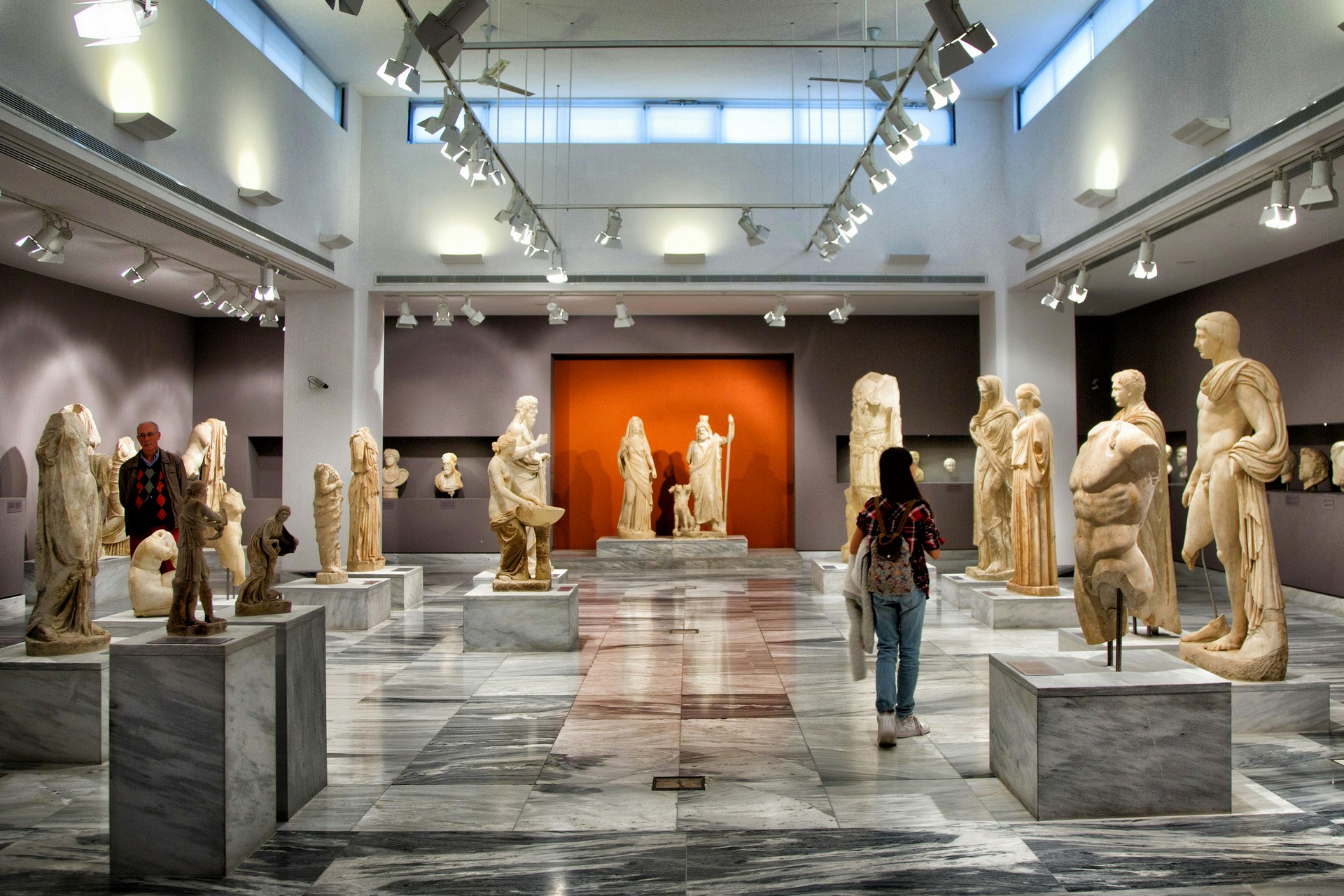
Photo by George Platakis on Unsplash
Nature and adventure trips
- Samaria Gorge Hike: The signature adventure experience in Crete; see the “top things to do in Crete” section for full details.
- Imbros Gorge: A shorter and less crowded alternative to Samaria at approximately 8 km, equally dramatic and accessible without needing to be part of a guided group. This site holds historical significance from WW2, but it’s hard not to be in awe of its natural wonder.
- Cretan mountain villages by car: A self-drive through the White Mountains via Omalos, Askifou, and Hora Sfakion delivers some of the most dramatic inland scenery anywhere in the Mediterranean.
- Sea kayaking along the south coast: Several operators run guided kayak tours along the isolated southern coastline between Loutro and Hora Sfakion.
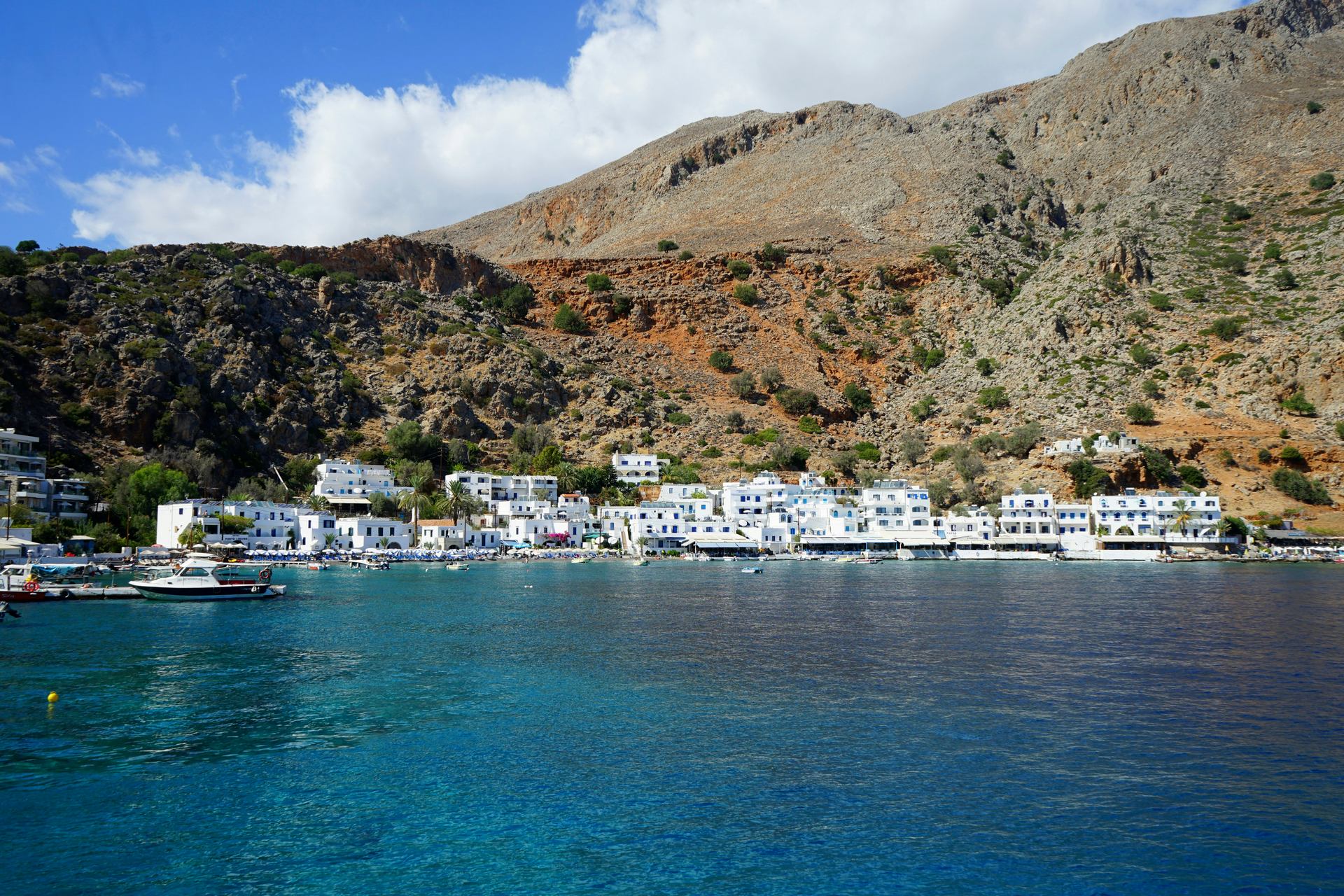
Photo by Tadeusz Zachwieja on Unsplash
Family holidays
- Elafonisi and Balos: Access to Elafonisi is considerably easier with a parking lot close to the sand; it offers shallow water and sand, ideal for young children. Balos is better suited for multi-generation trips or clients with older children, as it has limited facilities but offers a shallow lagoon and hiking routes.
- Cretaquarium (Gournes, near Heraklion): One of the Mediterranean’s largest aquariums, consistently popular with families, with over 2,500 Mediterranean marine organisms.
- Knossos: The largest Bronze Age archaeological site on Crete, the perfect way to explore the mythological stories of the Minotaur and the Labyrinth engages children of all ages; children’s guides and family audio tours are widely available and make the experience more immersive.
- Horse riding through Cretan countryside: Several stables near Rethymno and Chania offer family-friendly guided rides.
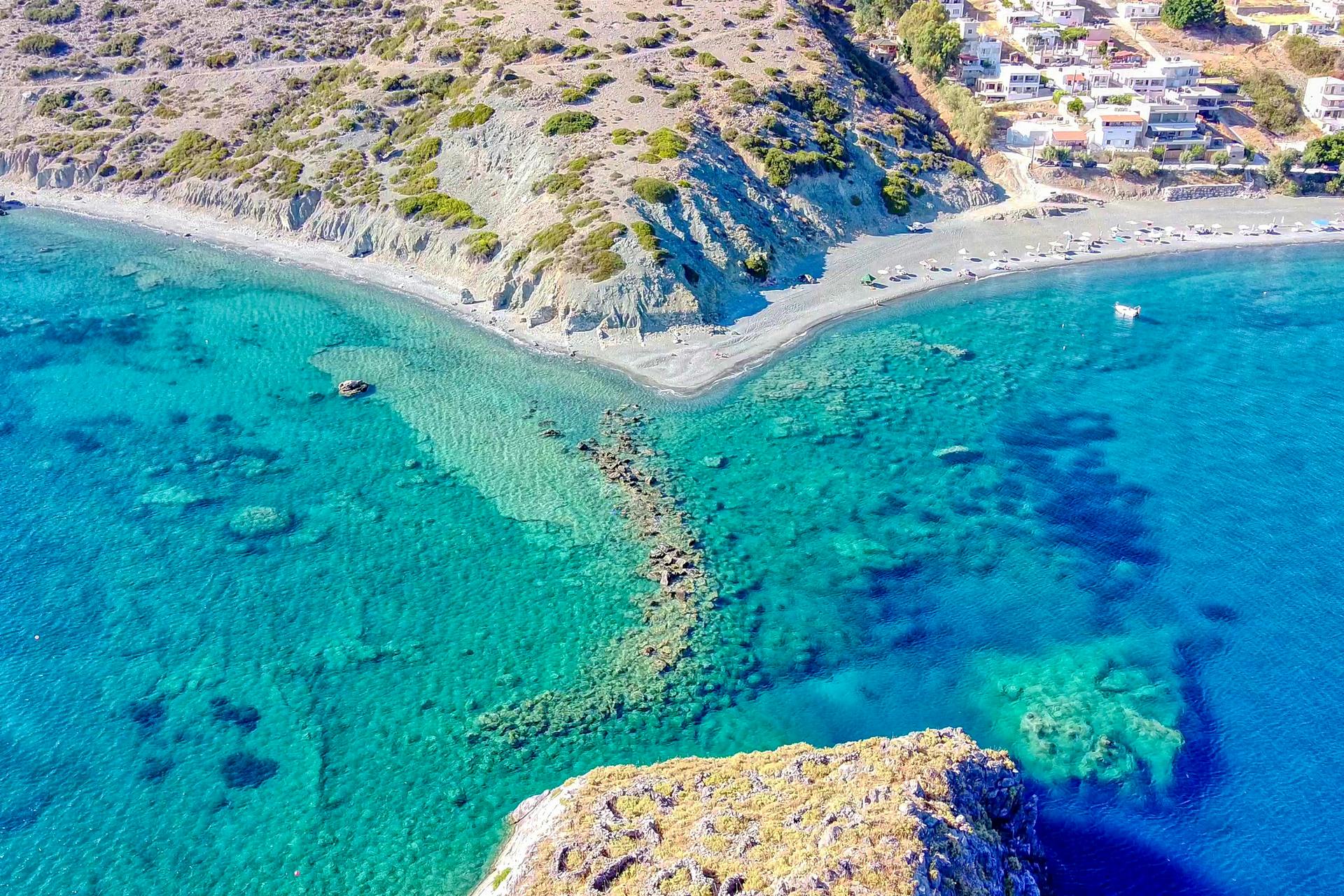
Photo by Evangelos Mpikakis on Unsplash
Luxury escapes
- Elounda resort stay: Crete’s luxury corridor, with several properties delivering high-end spa facilities and private beach access against the backdrop of the Gulf of Mirabello.
- Private boat charter along the south coast or to Spinalonga island: Available through local operators in Elounda and Agios Nikolaos.
- Cretan wine tour: Several estates in the Heraklion wine region, including Peza and Archanes, offer guided tastings of indigenous Cretan varieties, including Vidiano and Kotsifali.
- Traditional Cretan cooking class: Available in Chania and Heraklion; typically includes a morning market visit and preparation of four to six traditional dishes.
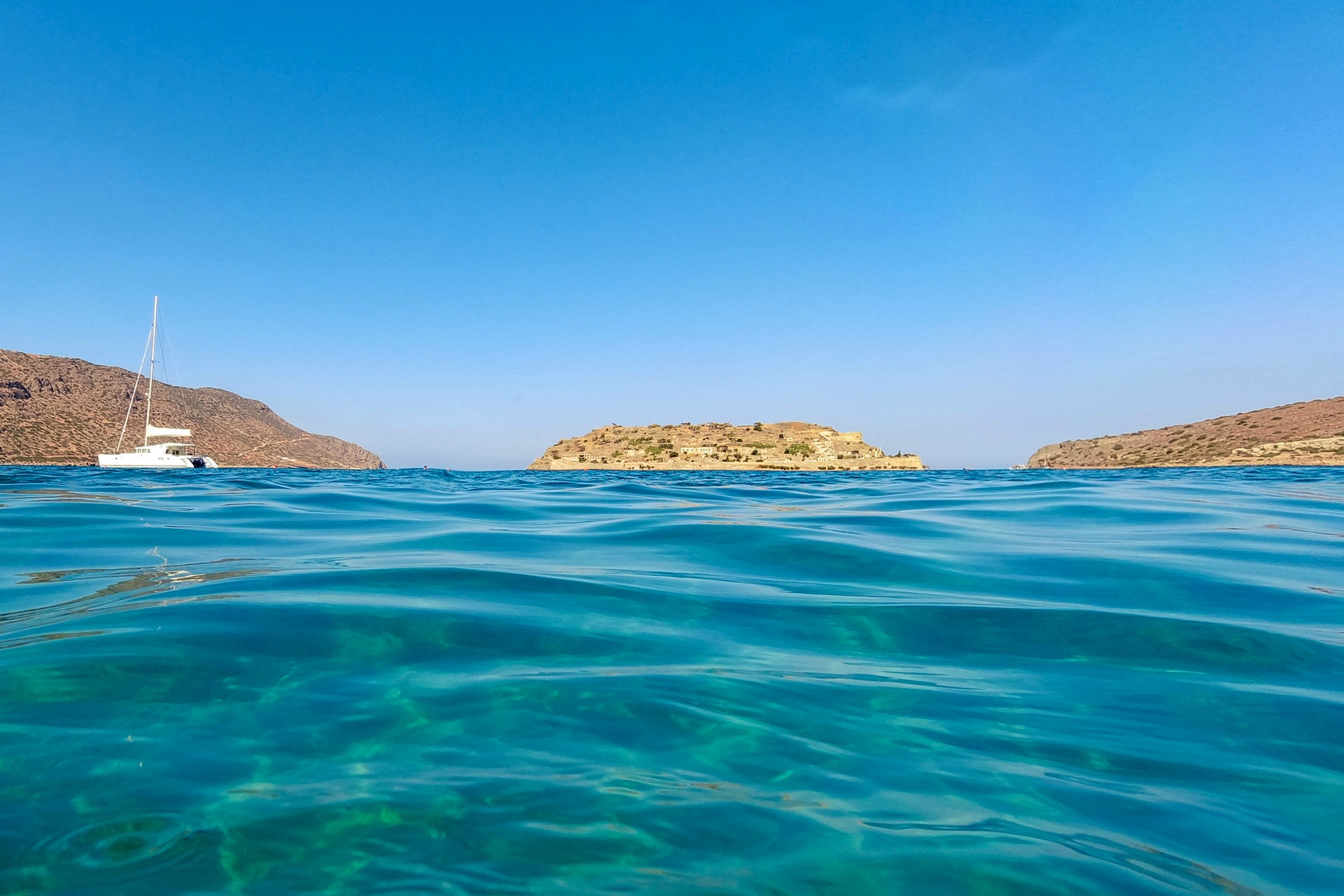
Photo by Evangelos Mpikakis on Unsplash
Day trips from Crete’s main towns
Spinalonga Island
One of Crete’s most visited attractions and an essential addition to any eastern Crete itinerary. Spinalonga is a small, fortified island in the Gulf of Mirabello that served as one of Europe’s last active leprosy colonies, functioning until 1957. The island’s history was documented and made famous by Victoria Hislop’s novel “The Island”.
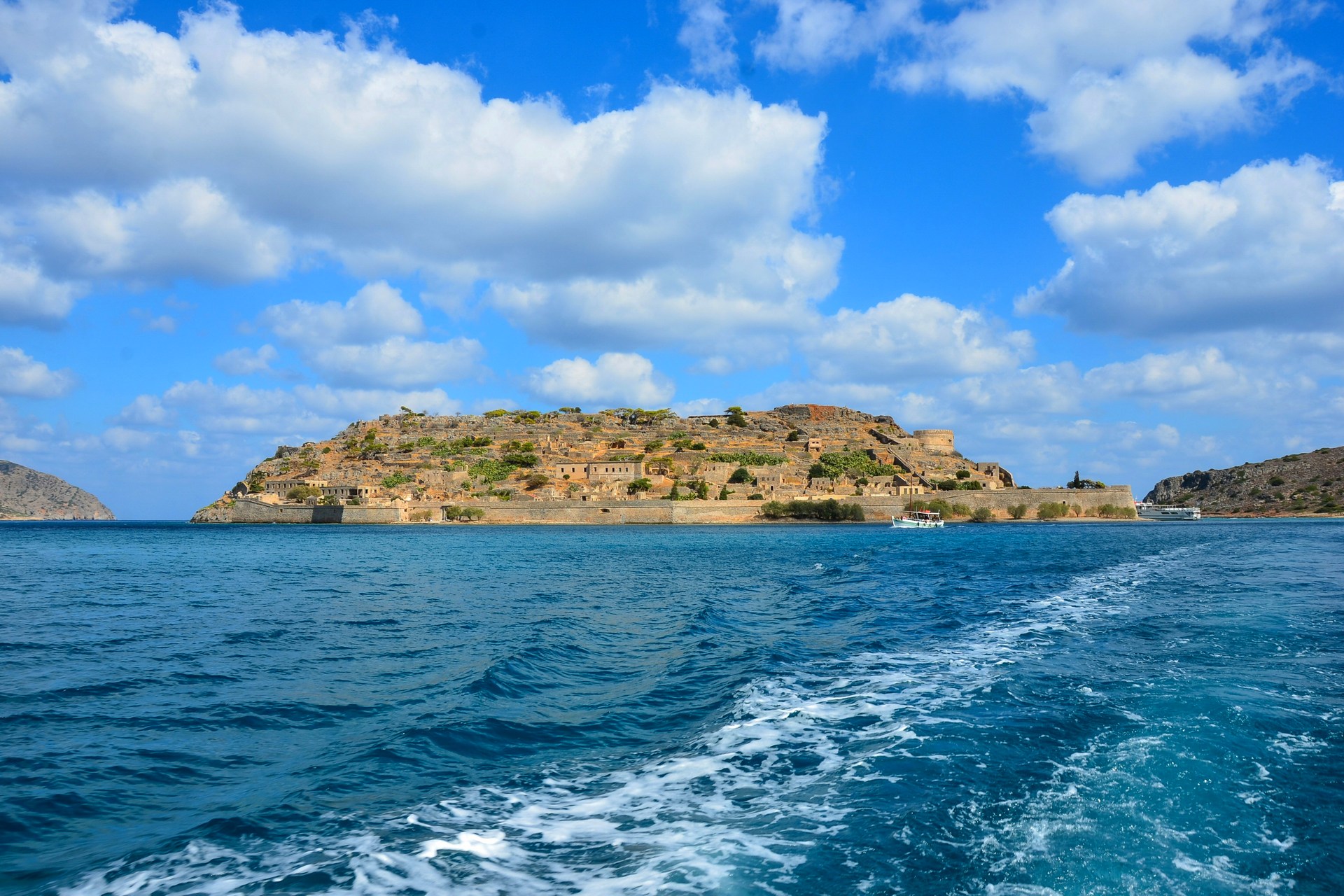
Photo by Nadine Marfurt on Unsplash
Regular boat trips run from Elounda and Agios Nikolaos; the island’s Venetian fortress and the preserved settlement of its former inhabitants make for a deeply affecting visit. Plan two hours on the island.
Agios Nikolaos
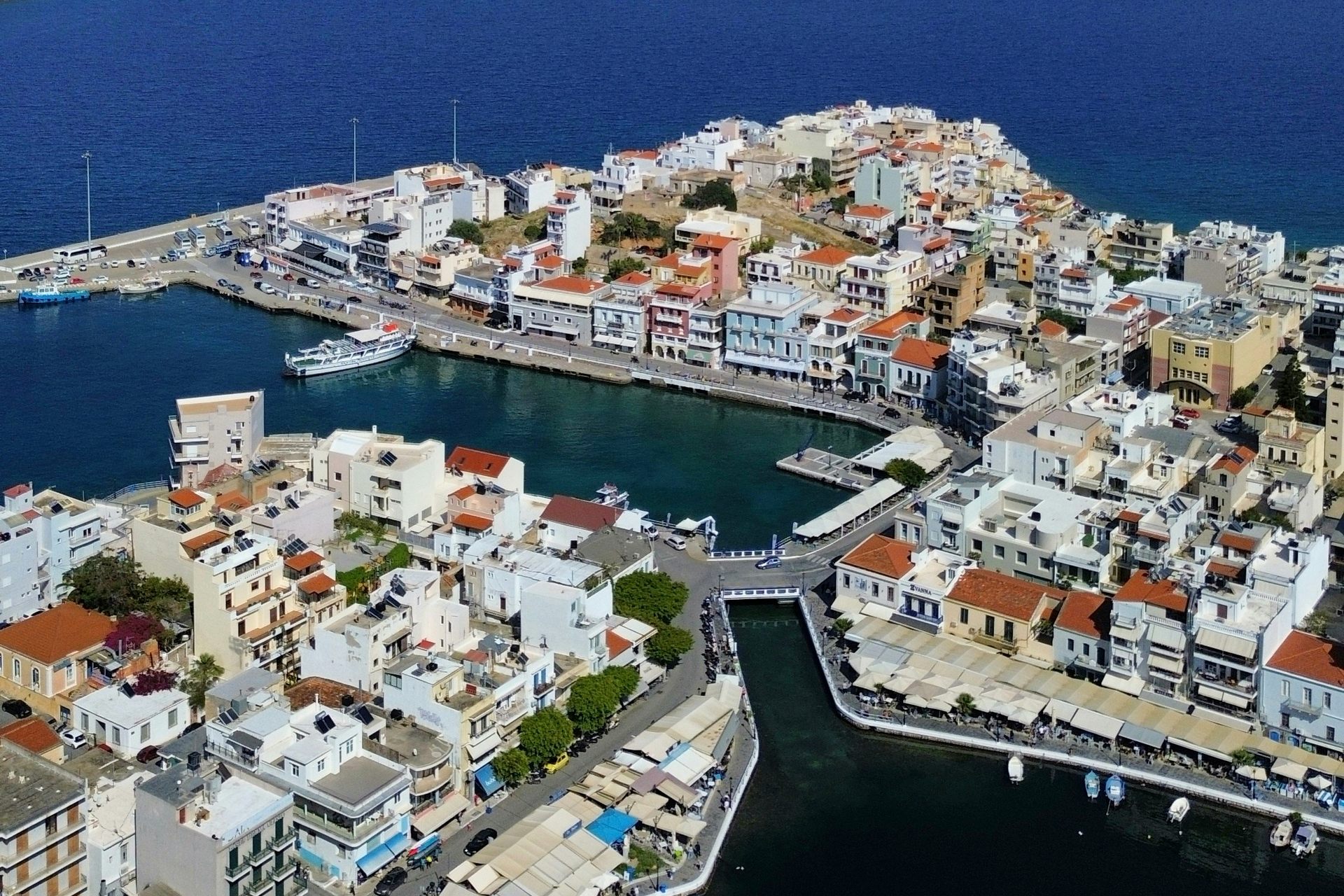
A charming coastal town in eastern Crete built around Lake Voulismeni, a saltwater lake, connected to the sea by a narrow channel. It’s an easy half-day trip from Elounda or a pleasant overnight stop for clients driving east. The town has a strong local restaurant scene around the lakeside and is a good base for exploring the Mirabello Gulf by boat.
Rethymno Old Town (from Heraklion or Chania)
Located midway along the north coast, Rethymno is ideally positioned as a half-day stop for clients driving between Heraklion and Chania. The Venetian Fortezza, the lighthouse, the historic mosque converted to a concert hall, and the old town’s narrow streets make it an ideal way to spend a casual afternoon. The seafront promenade has good tavernas for a relaxed lunch.
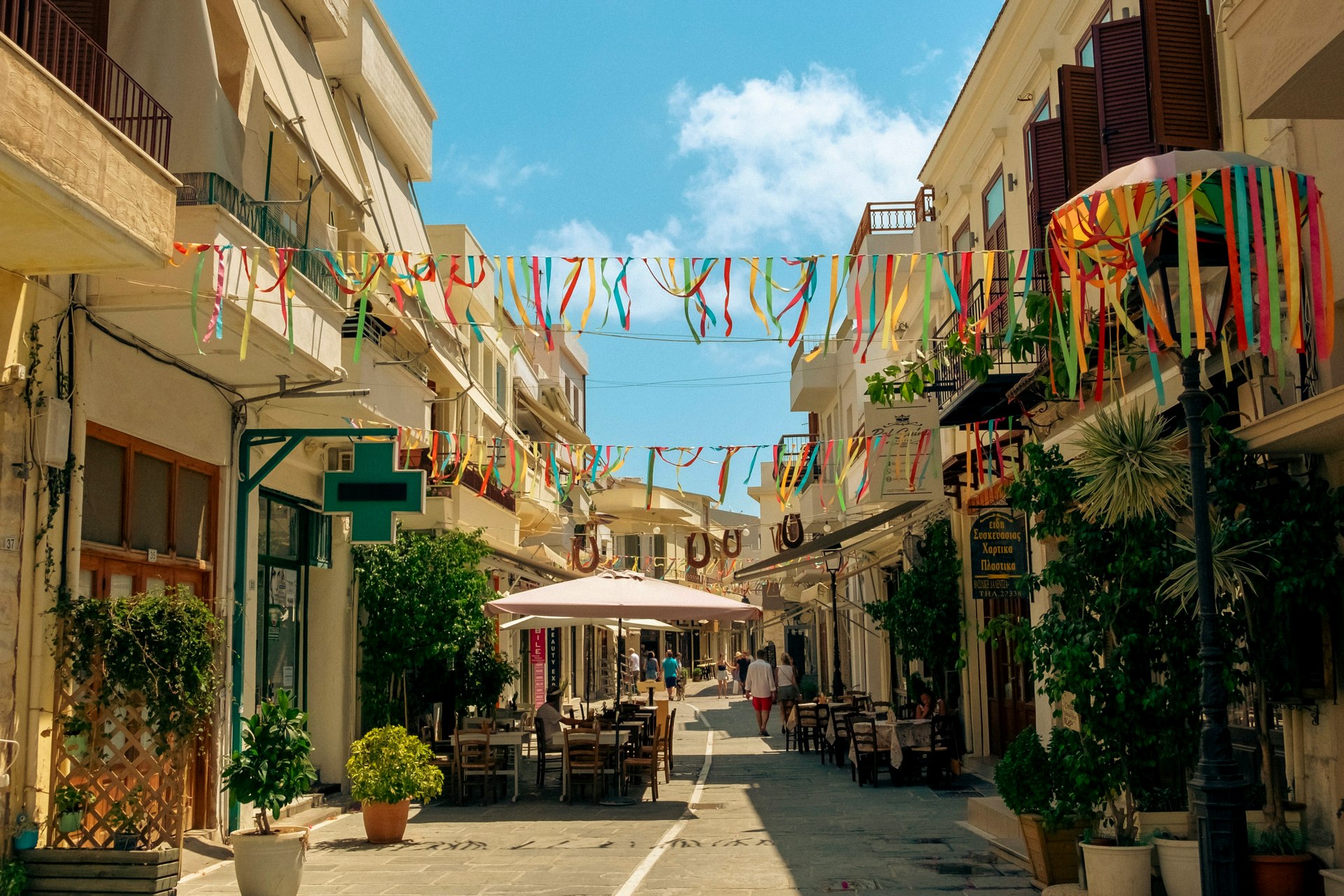
Photo by Thomas Becce on Unsplash
Cretan food: What your clients should try
Cretan cuisine brings millions of visitors to the island every year — and it’s one of the easiest ways to add value to a client conversation. Local Cretan cuisine reflects the ethos of the Mediterranean diet, considered amongst the healthiest diets in the world, and focuses on olive oil, fresh vegetables, legumes, local cheese, and fresh fish.
- Dakos: A Cretan rusk topped with grated tomato, mizithra cheese, and olive oil; the most emblematic starter on any Cretan menu.
- Lamb with stamnagathi (wild Cretan greens): A signature dish of the mountain villages; available at traditional tavernas in the interior.
- Fresh seafood at a harbour taverna: Octopus dried in the sun and grilled over charcoal, fried calamari, and fresh fish sold by the kilo are staples of the harbour restaurants in Chania, Rethymno, and Agios Nikolaos.
- Cretan cheese: Graviera (a hard, slightly sweet sheep’s milk cheese) and mizithra (fresh and soft) are both widely produced on the island.
- Local olive oil: Cretan extra-virgin olive oil is widely recognised for its quality; buying a bottle at a local producer is the most authentic edible souvenir that tourists can take home.
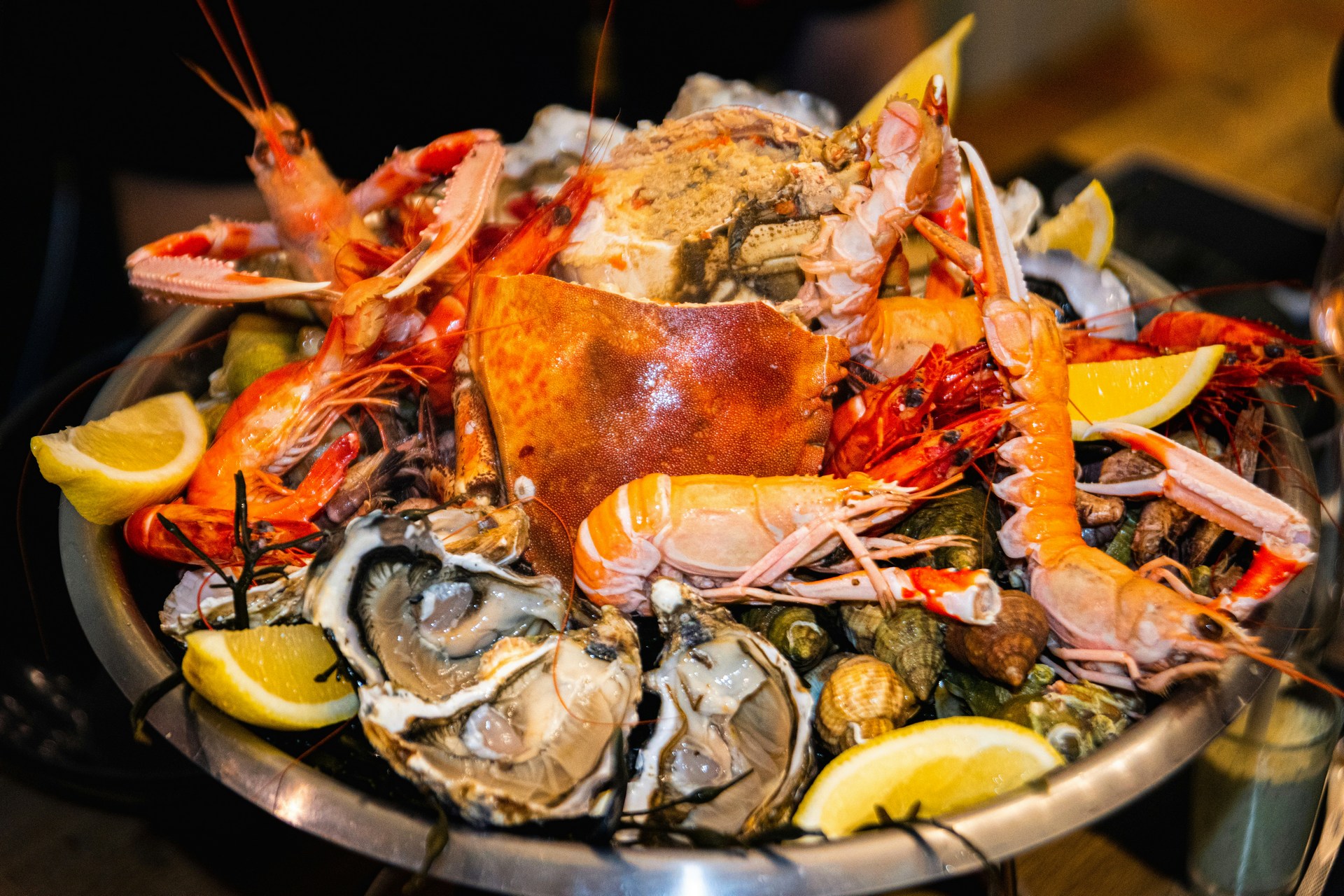
Photo by XAVIER PHOTOGRAPHY on Unsplash
Insider tips
Souvenirs worth buying
- Cretan extra-virgin olive oil: Available from oil mills across the island; far superior to supermarket bottles and easy to travel with.
- Cretan herbal products: Mountain tea (malotira), sage, thyme, and dittany of Crete are unique local herbs with strong culinary and wellness heritage; widely available at the Chania Agora market.
- Handmade leather goods: Crete has a strong tradition of leather craftsmanship; the leather workshops along Odos Skridlof (Leather Lane) in Chania old town are the best place to find handmade sandals and bags.
- Cretan graviera cheese: Often sold in vacuum-sealed packaging for easy travel; a slightly sweet cheese with a buttery but nutty flavour that’s worth recommending to food-focused clients.
- Ceramic and pottery work: Traditional Cretan pottery with Minoan-inspired designs is widely available; quality varies, and clients should look for hand-thrown rather than factory-produced pieces.
Konstantina Zografou,
Junior Account Manager Greece & Cyprus
One of the most memorable things about Crete is the authentic hospitality of local people. Travelers often feel more connected to the destination compared to more heavily touristed Greek islands.
Local traditions such as Cretan music, village festivals (panigiria), traditional cuisine, and the Mediterranean lifestyle offer visitors a genuinely immersive cultural experience.
Crete as a “Destination Next” recommendation
Crete is one of the most reliable alternatives, and commonly recommended by the RateHawk Destination Next tool, when clients face disruption or indecision around Eastern Mediterranean and Greek island itineraries. Its combination of airline connectivity, extensive hotel supply across all pricing categories, and year-round appeal makes it a destination that can absorb last-minute changes without compromising client satisfaction.
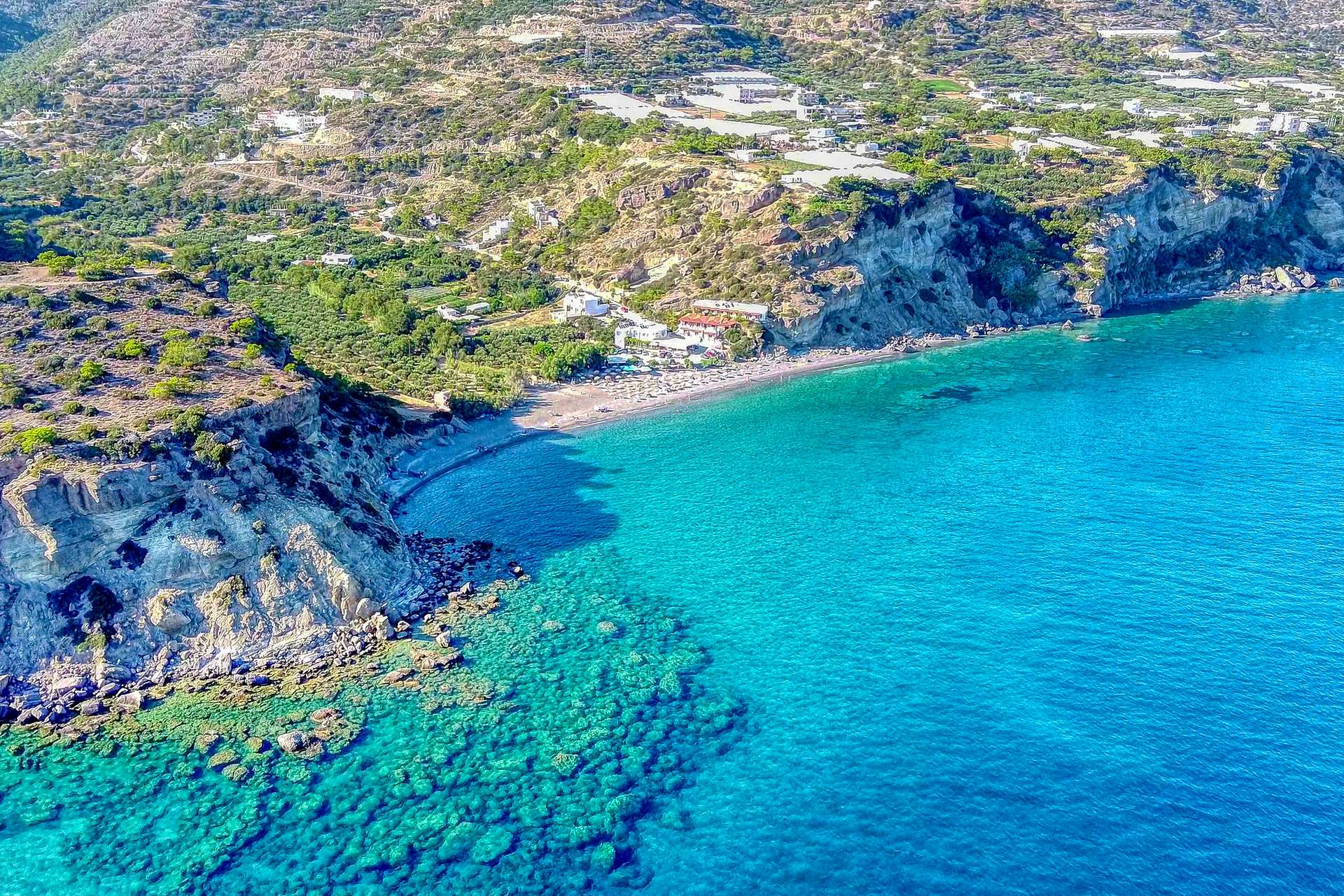
Photo by Evangelos Mpikakis on Unsplash
- As an alternative to Santorini or Mykonos when pricing or availability becomes an issue, Crete delivers a more complete experience at a significantly lower cost, with more accommodation choices and a longer season.
- As a substitute for Turkey’s Aegean coast when clients have geopolitical concerns, Crete offers comparable coastal beauty, ancient history, and Mediterranean cuisine within the EU.
- For clients facing traveller indecision between Greek islands, Crete’s range of experiences (beach, culture, hiking, food) means it covers more client interests than any single smaller island.
- As a gateway for an extended Greece itinerary, Crete, combined with Athens (direct flights) and one or two smaller Cycladic islands, builds a strong two-week programme.
Ready to supercharge your Crete proposals?
Explore the full hotel inventory and start building your client’s next Crete itinerary on RateHawk.
This article is part of the Destination Next initiative by RateHawk — helping travel businesses find stronger destination alternatives when travel plans change.