
 640
640 18 minutes read
Contents
- Best cities to visit in Italy
- The most beautiful places and regions in Italy
- Where to go in Italy by season
- Hidden gems and lesser-known Italian cities
- Practical travel tips for visiting Italy
- FAQs for the best places to visit in Italy
Best cities to visit in Italy
Italy’s cities offer everything from romantic weekend getaways to more in-depth, cultural itineraries. Tourists can discover the “Eternal City,” gaze at da Vinci’s “The Last Supper” in Milan, walk the historic Venetian bridges, and discover the birthplace of the Renaissance in Florence.
These cities have excellent international and domestic travel connectivity, especially with budget airlines. While these historic destinations can be incorporated into a larger vacation package, they work just as well as part of a stand-alone itinerary.
Rome: The ultimate first-time Italian getaway
Ideal for: New visitors, history lovers, and families
Where to stay:
The capital has year-round appeal with its ancient landmarks, lively neighborhoods, and bustling piazzas. While many visitors arrive in Rome to visit Vatican City, Rome has over 3,000 years of history on display. Highlights include the Colosseum, the Roman Forum, and the Pantheon.
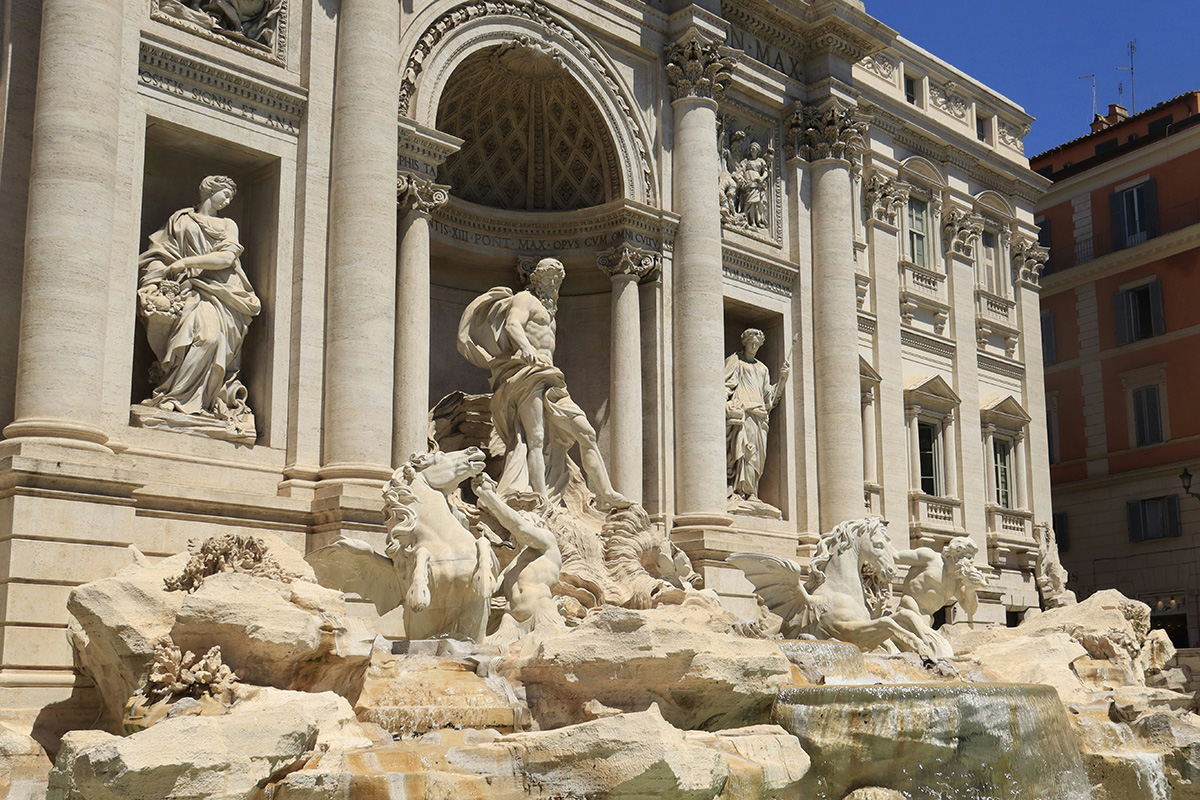
Photo by John Patterson on Unsplash
Best time to visit
March to May and October to November offer optimal conditions, especially for those who want to avoid the heat, with accommodation having more competitive pricing.
Must-dos for first-time visitors
Visitors can manifest good luck and love by throwing a coin into the Trevi Fountain, while history enthusiasts can book sought-after tickets to the basement and attic of the Colosseum. Three to four nights gives visitors a chance to tick off their must-see attractions, leaving an afternoon or two to stop by the authentic trattorias and enjoy the beauty of the skyline views at golden hour.
It has long been one of the most popular alternatives to Paris, with trip packages here generally being cheaper. While flights and accommodation can be comparably priced, Rome’s transport, dining, and attractions are more affordable (with many being free!), making it ideal for group travel and multi-generational trips.
RateHawk insight
Skip the hustle and bustle of the city center and head to Aventine Hill before sunset for unforgettable golden hour views — perfect for novice photographers, couples, and solo travelers alike. Explore accommodation options near Aventine Hill on RateHawk.
Florence: The birthplace of the Renaissance
Ideal for: New visitors, foodies, and culture lovers
Where to stay:
Florence topped our list as the best summer destination for travelers who want to blend a city getaway with immersive cultural experiences. This compact, walkable destination is home to some of the most loved art on the planet with awe-inspiring architecture at every turn.
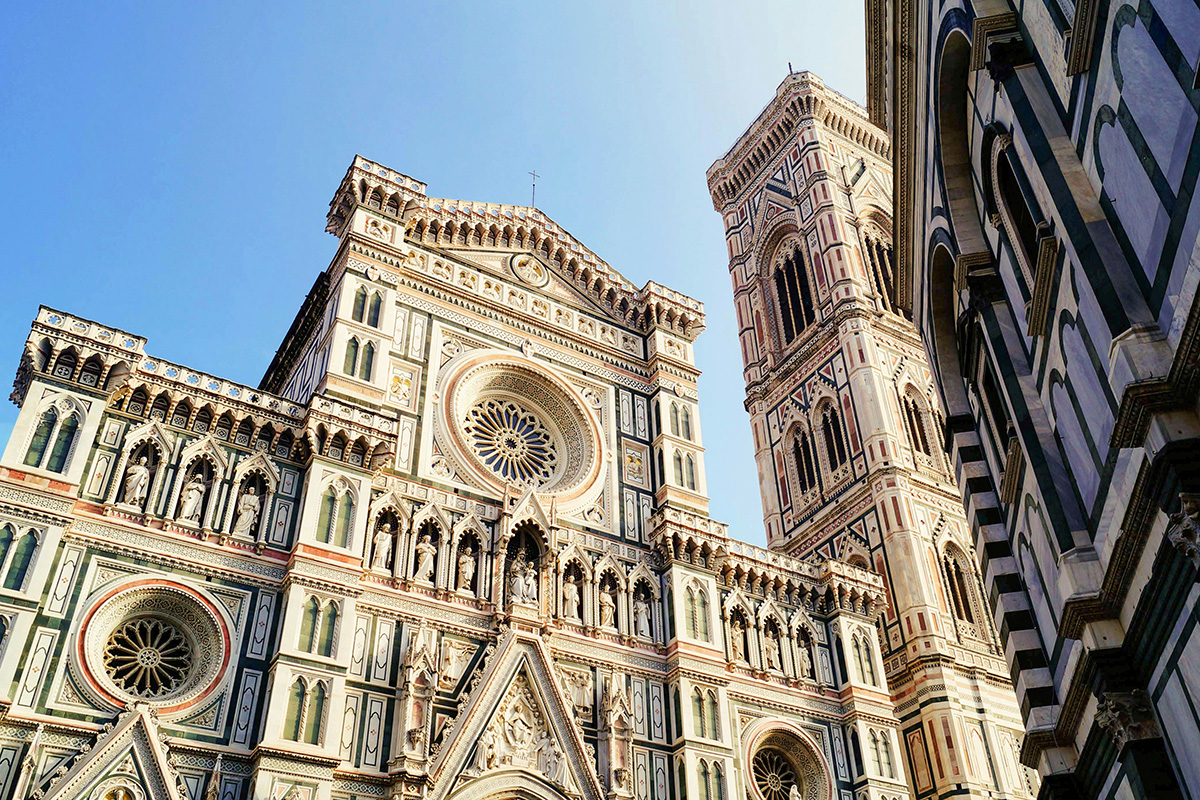
Photo by Anatoly Maltsev on Unsplash
It’s an art lover’s paradise with highlights including Michelangelo’s “David,” the works of Botticelli and Da Vinci at the Uffizi Galleries, Giotto’s bell tower at the Piazza Duomo, and the stunning Duomo Cathedral, an UNESCO World Heritage Site.
Nestled in Tuscany, it feels like a living museum, offering an unforgettable experience for couples, new visitors, and cultural enthusiasts alike. More compact than the capital, it is ideal as a weekend getaway of 2 to 3 nights.
RateHawk insight
It’s worth booking the first morning entry to the Uffizi Gallery to beat the crowds before spending the afternoon and early evening exploring bohemian neighborhoods like Oltrarno after the daytime crowds disperse. With the RateHawk interactive map, you can book accommodation right by the Uffizi Gallery to make sure your clients are always there for early entry.
Venice: Italy’s floating Gothic city
Ideal for: Couples, art historians, and luxury five-star getaways
Where to stay:
Venice feels as though it belongs in the pages of a classic detective novel or a medieval epic poem. There’s nowhere on Earth quite like this floating Gothic city, composed of over 100 islands. Often a day trip for tourists, it offers some of Italy’s most prestigious luxury hotels, making it ideal to recommend for honeymoons, romantic getaways, and repeat visits.
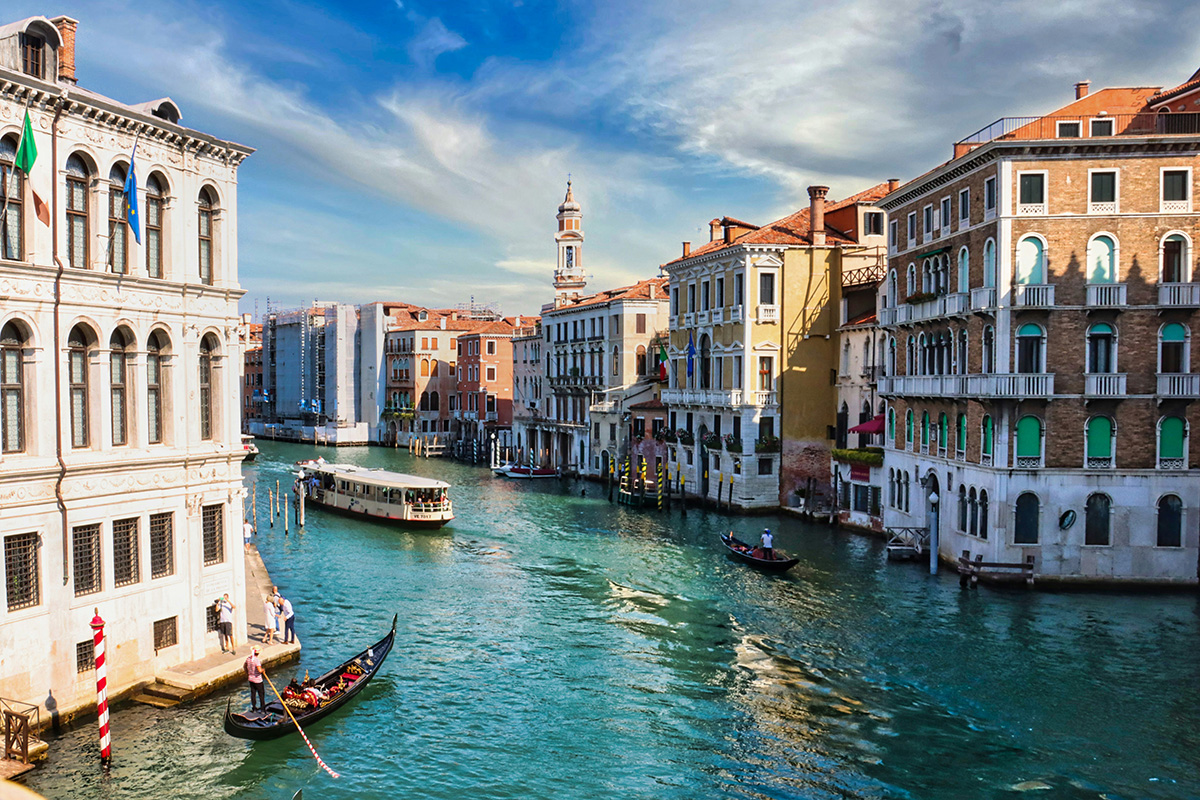
Photo by Angelo Casto on Unsplash
Highlights include the Piazza San Marco with Doge’s Palace, St. Mark’s Basilica, and Burano. Taking a gondola ride through Venice’s Grand Canal is a bucket list experience for culture lovers.
Best months to visit
Two nights are enough for most visitors, making it ideal as the first stop of a wider itinerary with direct trains to Bologna, Lake Garda, and Verona running daily. The shoulder seasons of April to May and September to October offer more manageable temperatures and smaller crowds.
RateHawk insight
The Cannaregio neighborhood offers a more immersive and authentic atmosphere than hotels near St. Mark’s Square, especially for visitors who aren’t looking for a lively nightlife scene. Book accommodation in the Cannaregio neighborhood for an authentic Venetian itinerary on RateHawk.
Milan: Italy’s fashion capital
Ideal for: Weekend breaks, fashion enthusiasts, and nightlife seekers
Where to stay:
Fans of “The Devil Wears Prada 2” will be no strangers to the beauty of Milan. The recent Hollywood blockbuster put this dynamic city center stage and is guaranteed to generate a new wave of interest in the area. Known for its luxury shopping and iconic landmarks, like the Duomo di Milano, its extensive transport links make it easy to add as a stop to any itinerary.
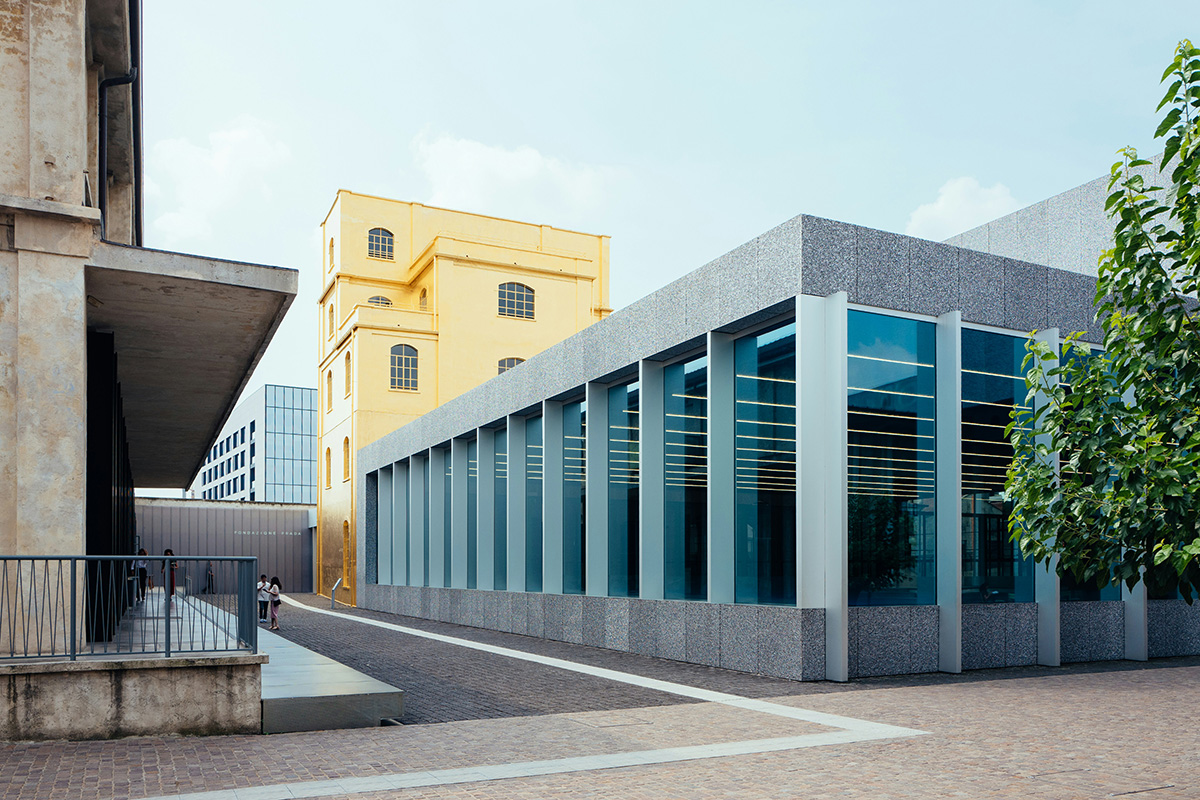
Photo by Tomas Anton Escobar on Unsplash
It is home to some of Italy’s most iconic art, including Leonardo da Vinci’s “The Last Supper” and Michelangelo’s unfinished masterpiece, “Pietá Rondanini.” Other Milan highlights include the city’s avant-garde architecture, with buildings like the Fondazione Prada art complex, and its vibrant Michelin-starred culinary scene. It is popular year-round for city getaways, luxury travel, and corporate trips.
Milan deserves at least 2 nights on any multi-stop itinerary, especially for tourists who want to spend their vacation budget in the Quadrilatero della Moda shopping district.
RateHawk insight
The rooftop terraces around Porta Nuova offer some of the most impactful panoramic views of the modern landscape of Milan.
Naples: From pizza to Pompeii
Ideal for: Those in search of an authentic experience
Where to stay:
Naples is famous for being the birthplace of pizza and a gateway to the ancient city of Pompeii, the preserved city that offers an immersive way to discover the Ancient Roman era. We rated Pompeii as one of 21 unforgettable travel experiences around the world, and it’s easy to experience as a day trip with a 40-minute train ride.
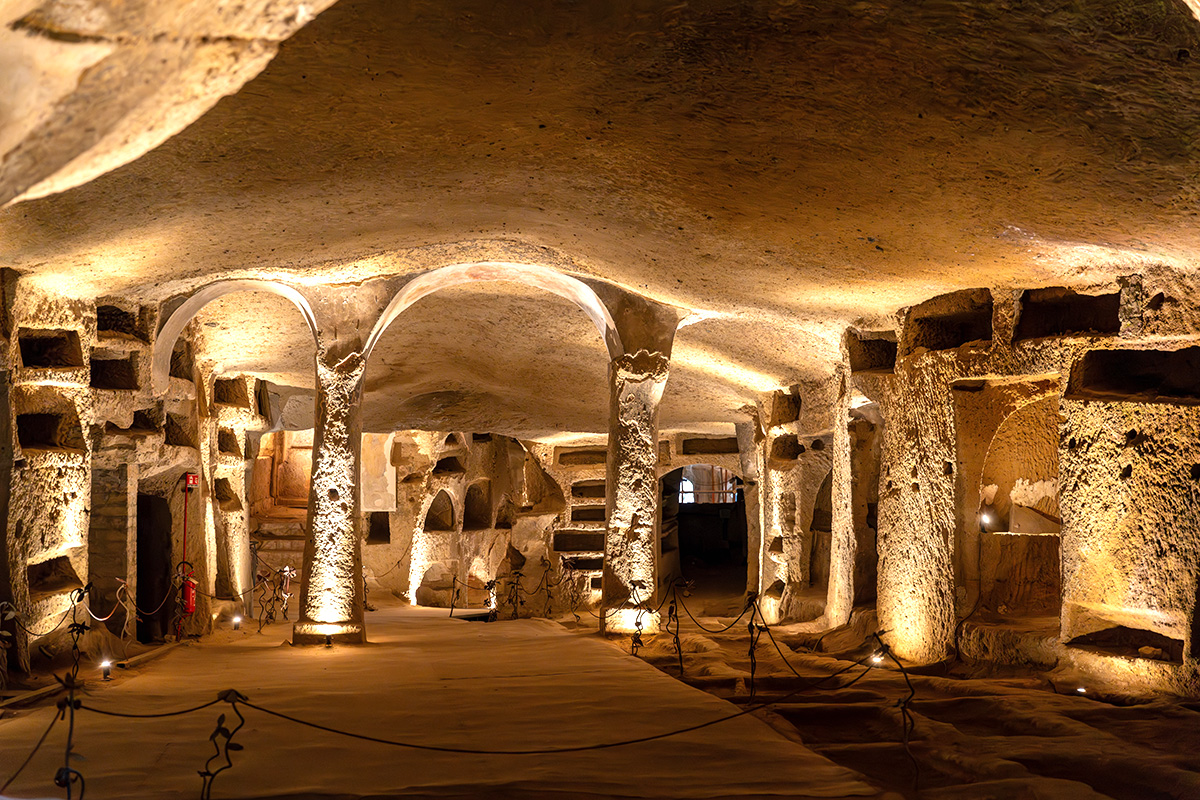
Photo: iacomino FRiMAGES / Shutterstock.com
Naples is high-energy, encapsulating the “La Dolce Vita” lifestyle that Southern Italy is famous for, with its historic center and affordable dining spots. Highlights include the city’s centro storico, an UNESCO World Heritage Site, the Naples Underground, and the artisan workshops of Via San Gregorio Armeno.
Must-dos for first-time visitors
Tourists who want to focus on the Southern coastline will usually choose this as a base or as a launching point for exploring the Amalfi Coast or the islands of Capri and Ischia. It’s ideal for food lovers (with no trip complete without a margherita pizza!) and cultural travelers curating a Southern Italy itinerary. Most of Naples’ highlights can be explored within 2-3 nights.
RateHawk insight
Napoli Sotterranea, the Naples Underground, is a vast network of Greek and Roman tunnels and ancient ruins that lie below the streets. It’s often overlooked by visitors and provides a unique way to experience this region’s layered history.
Bologna: The culinary capital of Italy
Ideal for: Solo travelers and those who want to see a less touristy side of Italy
Where to stay:
There’s more to the culinary scene than just pizza and pasta — with nowhere better to explore the country’s diverse cuisine than Bologna. Considered the region’s culinary capital, it offers a more authentic experience than Rome. It’s the birthplace of classic dishes like tagliatelle al ragu, tortellini, and mortadella.
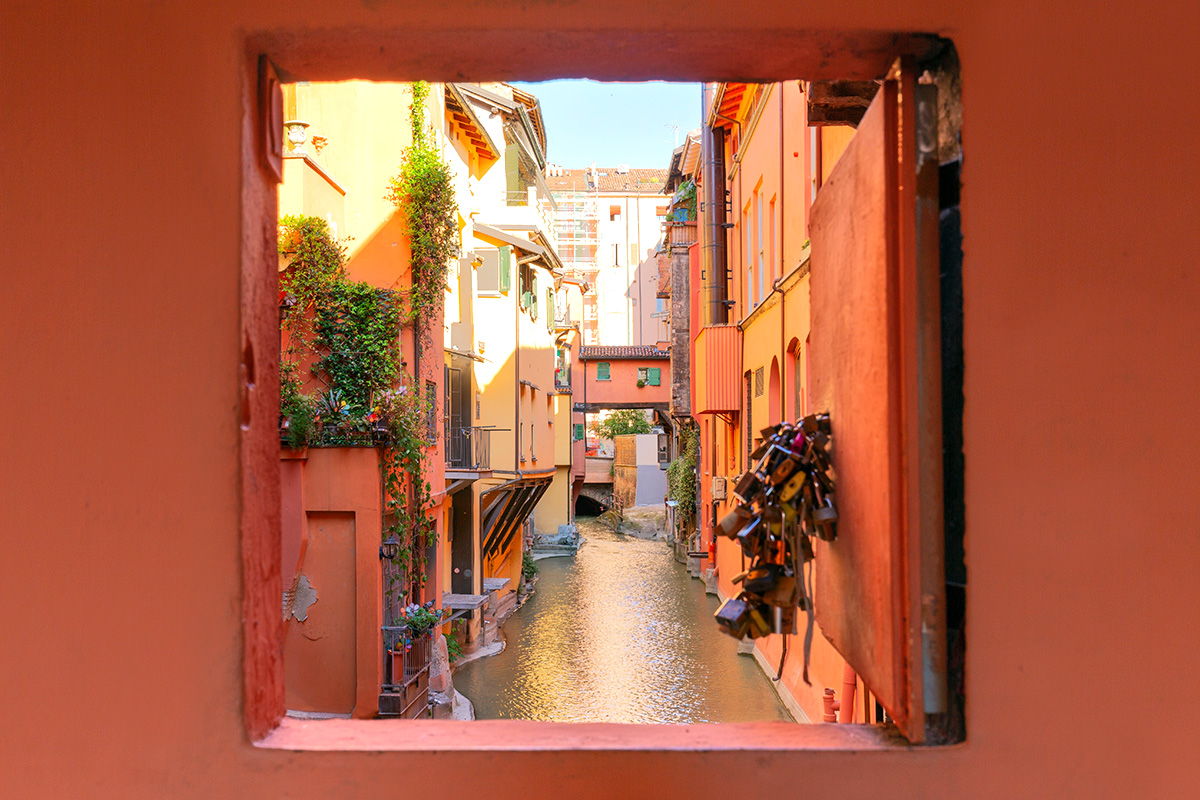
Photo: xamnesiacx84 / Shutterstock.com
Must-dos for first-time visitors
Bologna should be experienced slowly, prioritizing the market stalls at Quadrilatero and Mercato delle Erbe. The terracotta-hued architecture and historic buildings offer the ultimate backdrop for a weekend getaway, making it appealing for returning visitors to the wider area.
While less polished than cities like Florence, Bologna lends itself easily to hyper-local itineraries, including to the wider Emilia-Romagna area, a motorsports heartland.
RateHawk insight
While there are several panoramic viewpoints across Bologna, the Torre dell’Orologio typically provides the shortest lines with the best views. Book accommodation within walking distance to the Torre dell’ Orologio to help your clients avoid lines.
Turin: Italy’s first capital city
Ideal for: Travelers who prefer to take things slow
Where to stay:
Tourists who have already explored more popular areas will appreciate the quiet tranquility of Turin, the original capital. With its Alpine views, beloved museums, and grand architecture, Turin makes it easier for visitors to discover the “La Dolce Vita” lifestyle without wall-to-wall crowds.
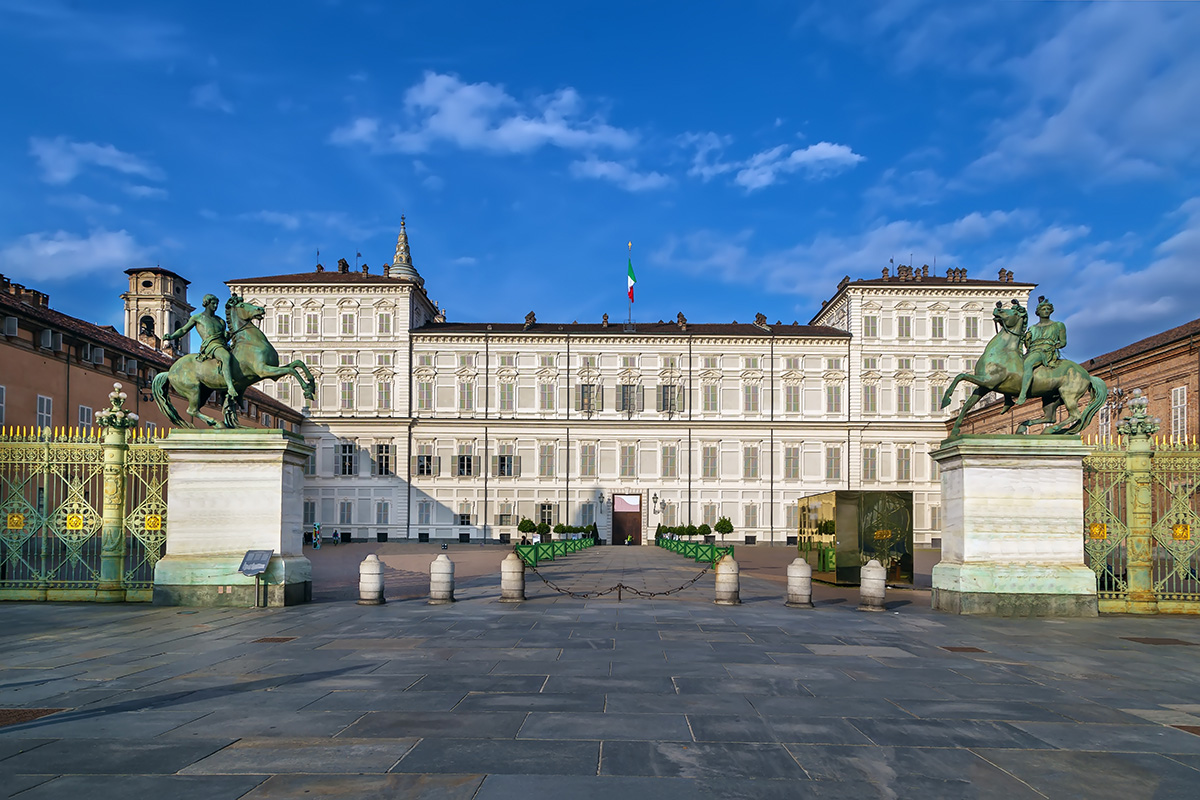
Photo: Borisb17 / Shutterstock.com
Must-dos for first-time visitors
Highlights include the Porta Palazzo Market (one of the largest open-air markets!), the Royal Palace of Turin, and the UNESCO World Heritage estate of Reggia di Venaria. The Museo Nazionale dell’Automobile is a must-see for motorsports enthusiasts, with over 200 vintage and racing cars on display.
RateHawk insight
The café culture in Turin is an unexpected highlight, with bicerin (a chocolate and espresso drink) being the perfect mid-afternoon treat.
Verona: The home of Romeo and Juliet
Ideal for: Couples, history enthusiasts, and opera fans
Where to stay:
While Rome featured on our guide of 18 of the most romantic places to visit, there are other spots that could lay claim to being the “City of Love,” including Verona. The setting for Shakespeare’s iconic masterpiece of the two star-crossed lovers of Romeo and Juliet, Verona, has attracted couples and travelers for generations.
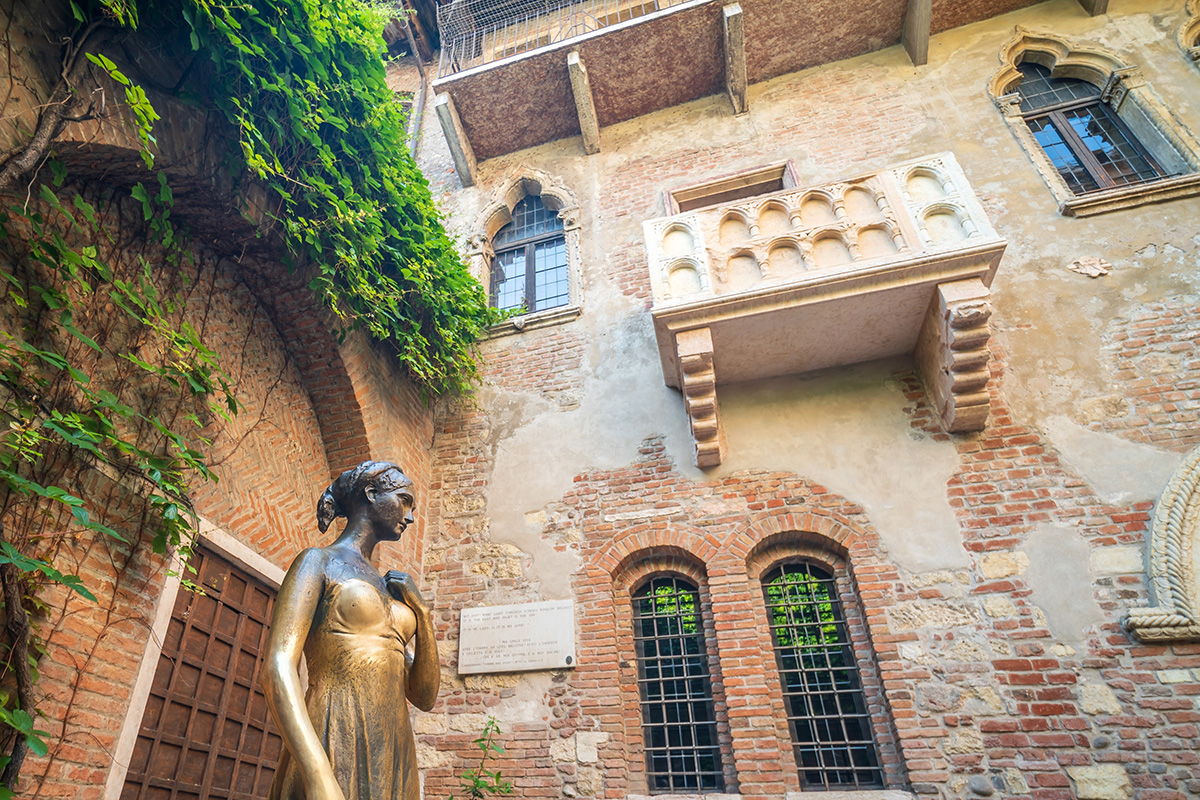
Photo: f11photo / Shutterstock.com
Must-dos for first-time visitors
Highlights of Verona include the well-preserved 1st-century Verona Arena, Juliet’s House, and the Piazza delle Erbe. This historic city is typically more affordable than its mainstream counterparts, with a walkable old town and direct trains to nearby destinations like Venice and Lake Garda. The Verona Opera Festival is held annually inside the Roman Arena, with open-air productions taking over the place during the summer months.
RateHawk insight
Verona’s rich assortment of ancient ruins has earned it the nickname of “Little Rome.” It’s a recommendation for tourists who have already visited (and love!) Rome or who want to escape the typical summer crowds.
The most beautiful places and regions in Italy
Italy is a country that lends itself easily to expansive itineraries, thanks to its affordable and accessible public transport network. Each region offers something different, and clients with a longer 14-day itinerary can often explore up to 3 or 4 distinctive areas of the country.
RateHawk insight
Your clients can choose to take their own “Grand Tour” by train or explore the region behind the wheel of a rental car. RateHawk makes it easy to curate an enhanced vacation package, as you can book accommodation, train tickets, airport transfers, and hired cars all on one platform.
Amalfi Coast: Italy’s most famous coastal escape
Ideal for: Couples, groups, and foodies seeking luxury resort getaways
The Amalfi Coast stretches across the Italian coastline, characterized by stunning UNESCO-recognized buildings, fishing villages, and pastel towns. It’s a Mediterranean paradise with a rich history, offering both luxury appeal and quiet escapes.
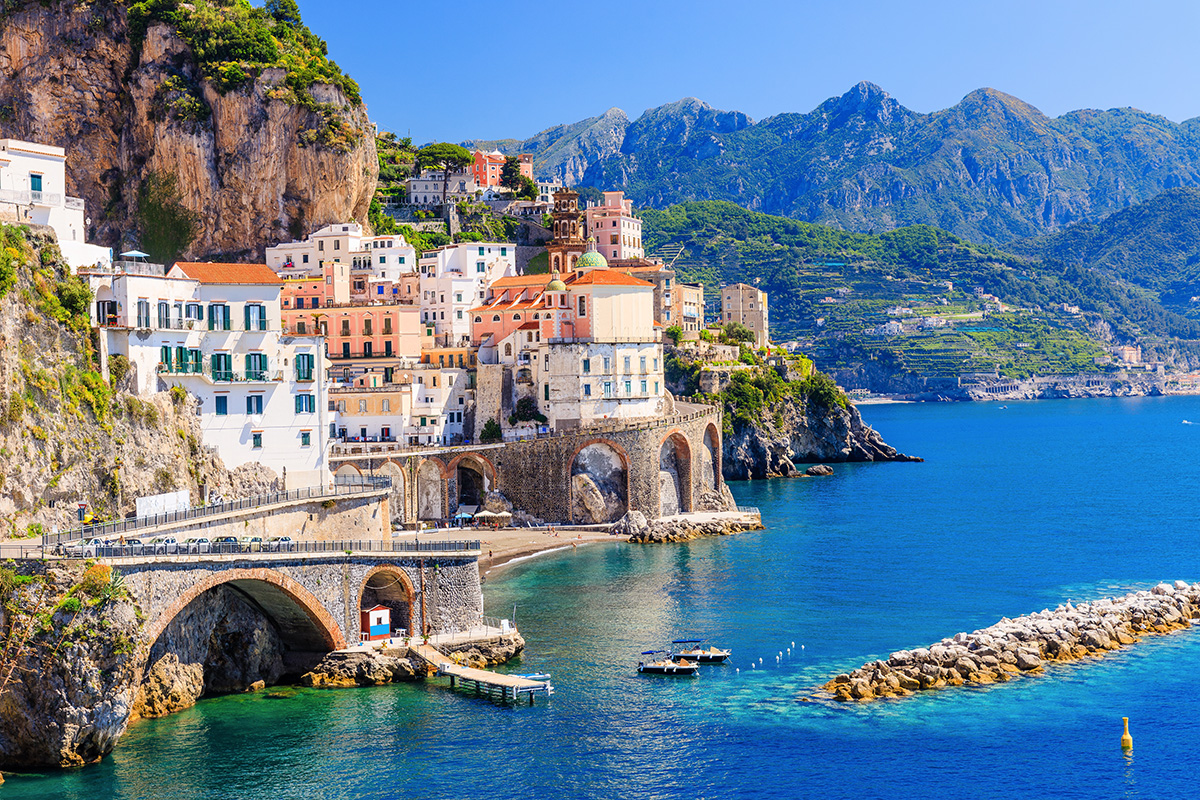
Photo: SCStock / Shutterstock.com
This 50 km coastline includes towns like Positano and hiking routes like the Sentiero degli Dei, known as the “Path of the Gods.” A popular getaway for couples, the Amalfi Coast towers over the Tyrrhenian Sea and is known for its gastronomy. The mountains around the Amalfi Coast create a unique microclimate, with subtropical conditions in the valleys and cooler weather up in the cliffs.
RateHawk insight
Choose accommodation in Praiano or Minori as a more practical town and base for exploring the Amalfi Coast with fewer crowds for rest days.
Cinque Terre: The fishing villages of the Italian Riviera
Ideal for: Hikers and foodies who want a laid-back coastal trip
The Cinque Terre covers the five picturesque fishing villages of Monterosso, Vernazza, Corniglia, Manarola, and Riomaggiore. The Cinque Terre region inspired the Disney Pixar movie, “Luca,” and is the ultimate Italian trip for those who love the outdoors and nature.
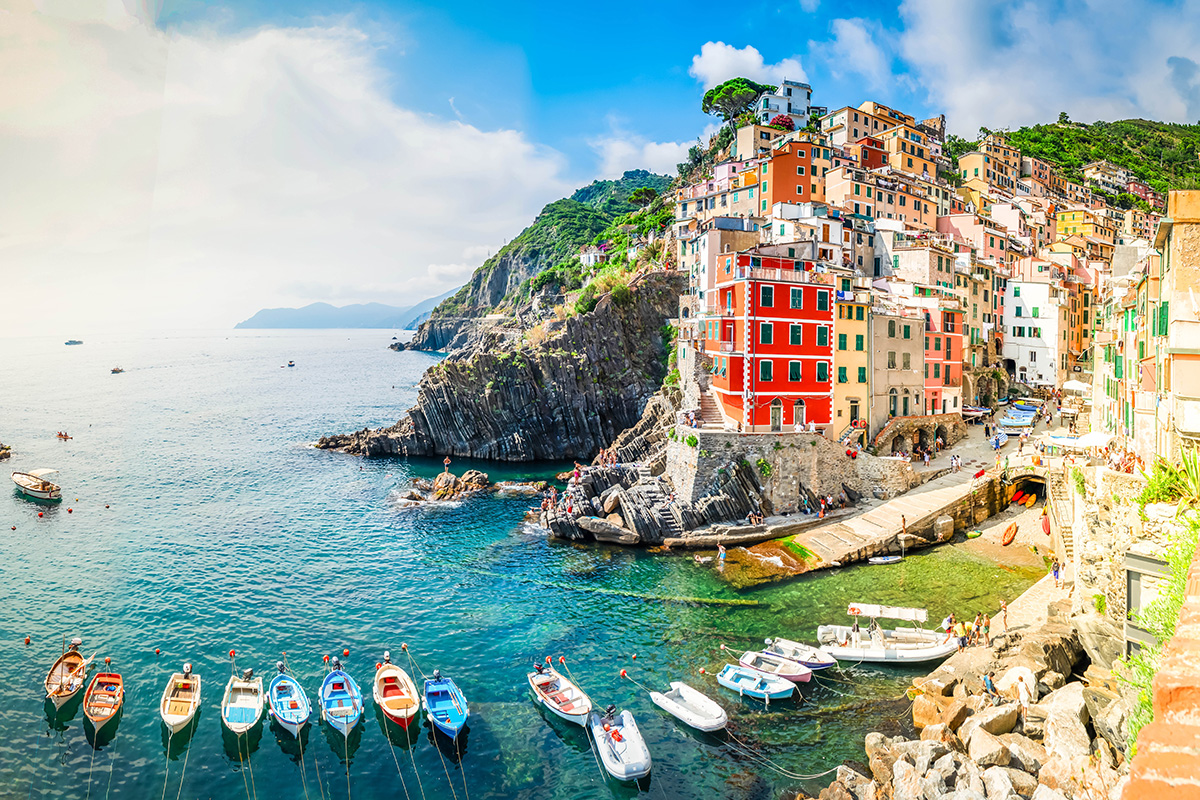
Photo: Neirfy / Shutterstock.com
The iconic “Blue Trail” connects the five villages and is considered one of the most beautiful trails. October brings pleasant weather and lighter crowds, making it the ideal month to visit for tourists who want to walk through the terraced vineyards and ancient olive groves.
The Tuscan countryside: Postcard-perfect vineyards
Ideal for: Families, slow travelers, and wine lovers
Tuscany is one of the most loved regions, known for its medieval architecture and its legacy as the birthplace of the Renaissance. Highlights include Val d’Orcia, Montepulciano, Pienza, and San Gimignano. Tuscany is also home to Chianti, which produces some of the world’s best red wine.
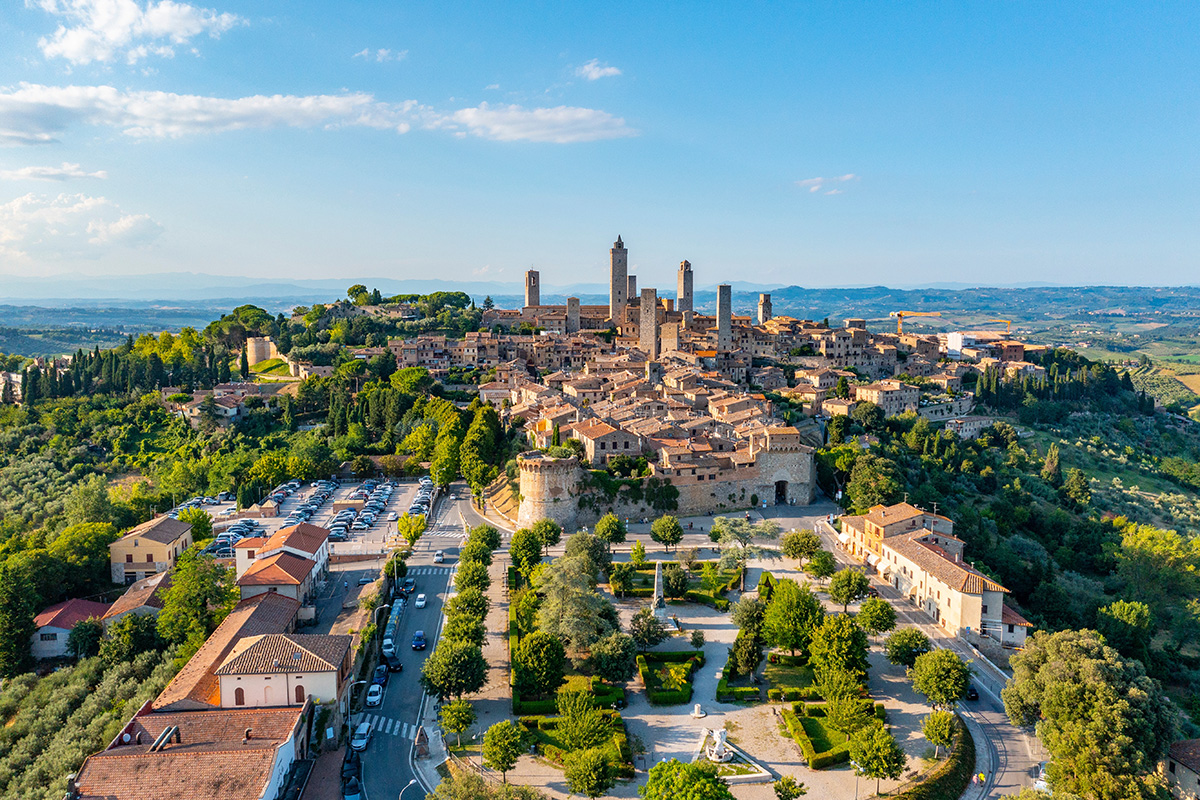
Photo: mislaw / Shutterstock.com
RateHawk insight
Avoid using Florence as a base for the entire duration of a Tuscan itinerary; instead, break it up with at least an overnight stay in one of the region’s iconic hilltop towns, such as Siena or San Gimignano.
Lake Como: Lakeside luxury and alpine scenery
Ideal for: Nature lovers and those seeking a scenic escape
Lake Como is located next to the Italian Alps and has long served as a retreat for the international jet set as a luxury destination. It’s appeared in blockbuster movies like “Casino Royale,” “Ocean’s Twelve,” and the “Star Wars” prequels. Bellagio, Varenna, and Menaggio are historic towns that are ideal for long weekends.
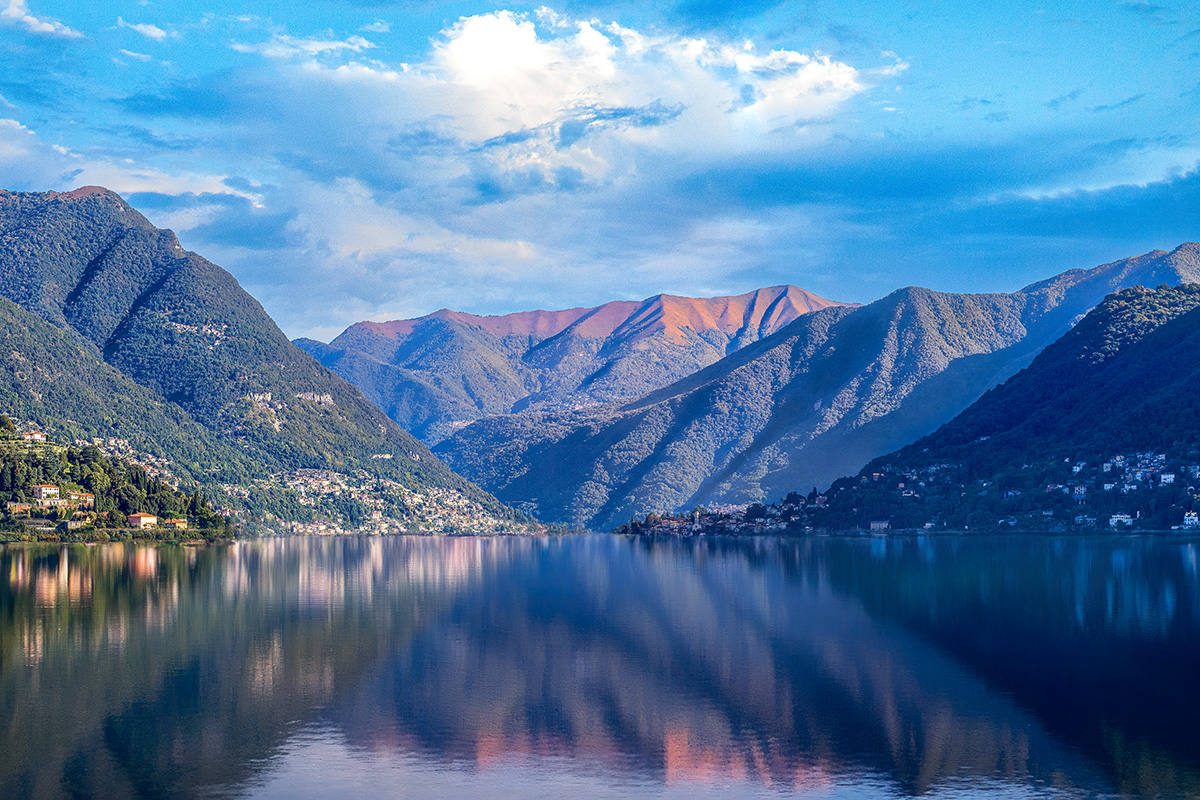
Photo: Wize Pixels / Shutterstock.com
The Dolomites: Year-round alpine hiking and skiing
Ideal for: Intermediate hikers, photographers, and adventure seekers
The Dolomites have become one of the most sought-after tourist destinations, thanks to its hiking trails, winter sports, and scenic drives. September is the ideal month to go to the Dolomites, with more stable weather conditions and fewer visitors than the peak summer weeks. This region shares a border with Austria, making it ideal for travelers who want a multi-country itinerary.
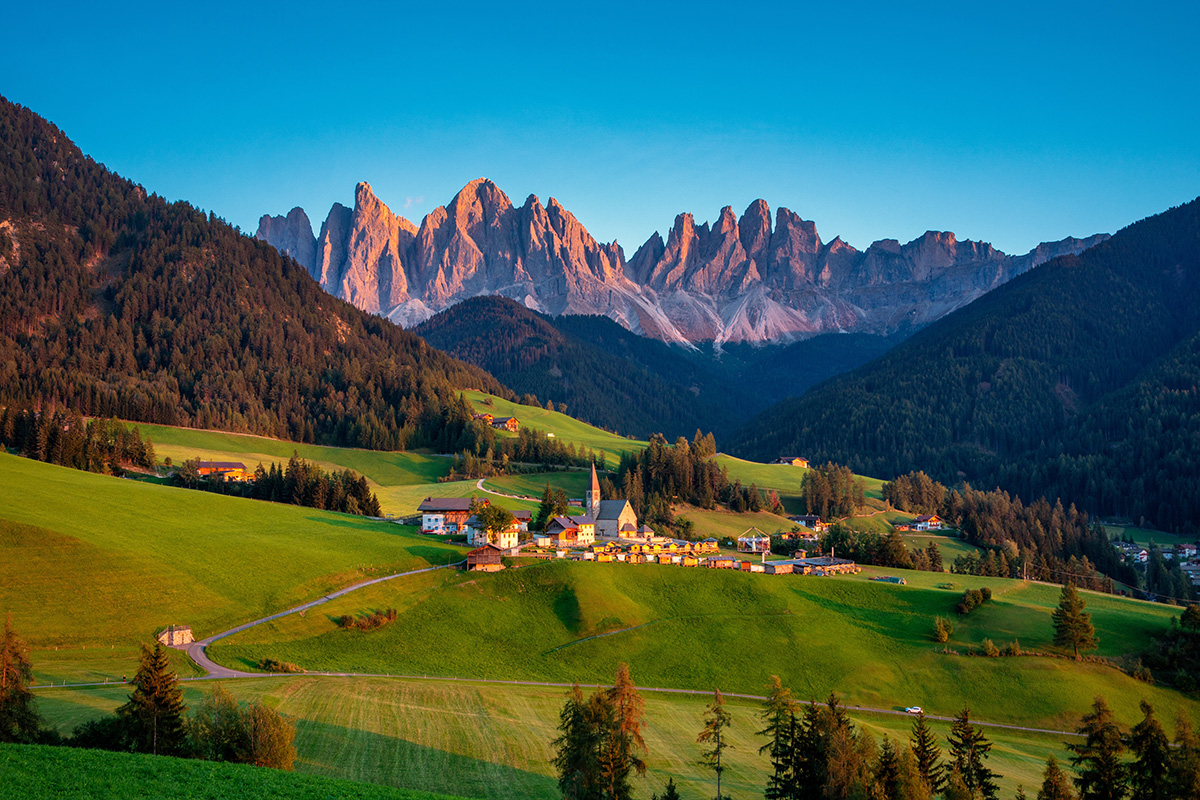
Photo: DaLiu / Shutterstock.com
Sicily: Dramatic landscapes and cultural fusions
Ideal for: Beach holidays, road trips, and solo travelers
Sicily is often treated as an add-on to an Italian getaway, but it’s a destination in its own right. The Mediterranean landscape offers a fusion of Greek, Roman, and Arab-Norman style architecture with ancient ruins, dramatic landscapes, and Baroque towns. Sicilian highlights include Palermo, Taormina, Mount Etna, and Val di Noto.
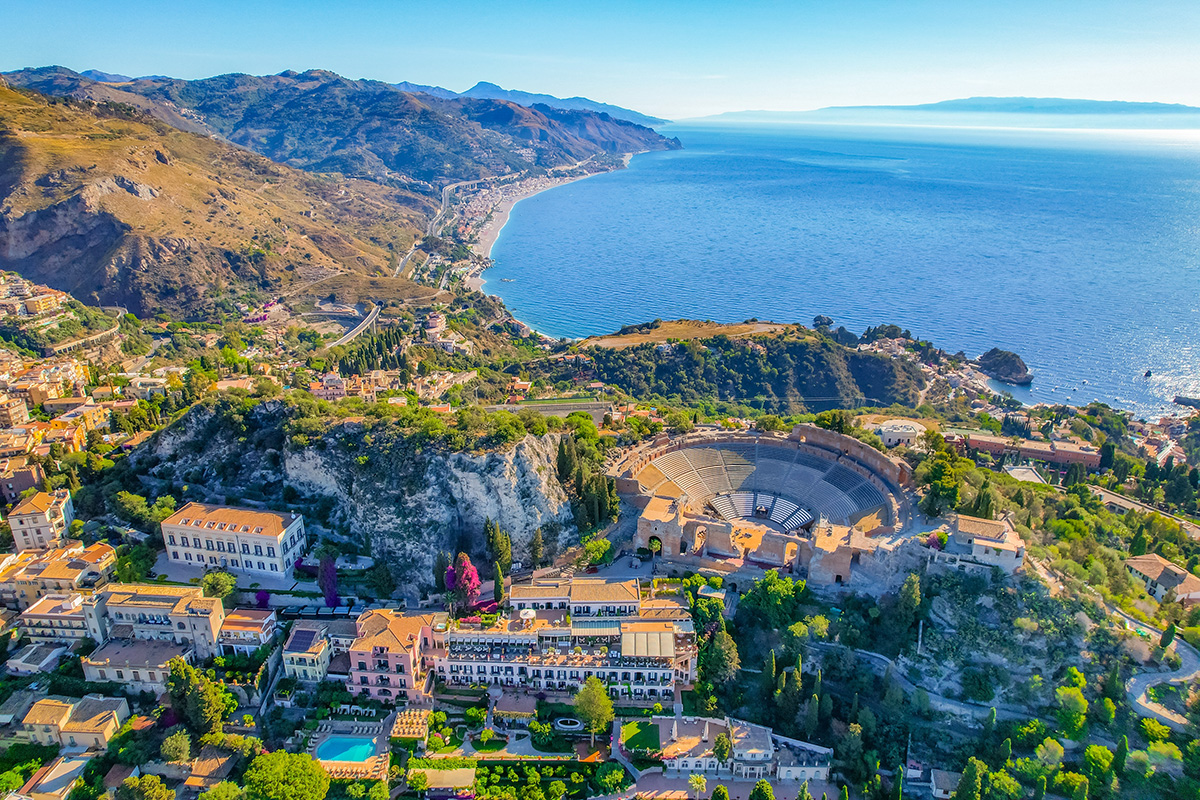
Photo: zedspider / Shutterstock.com
Sardinia: Italy’s Caribbean alternative
Ideal for: Sun worshippers and luxury travelers
Sardinia is Europe’s answer to the Caribbean, with pristine white-sand beaches, stunning blue waters, and dramatic landscapes. The coastline stretches for over 1,000 miles and includes some of the continent’s most popular beaches, from Costa Smeralda, a playground for the rich, to the dramatic cliffs of the Gulf of Orosei.
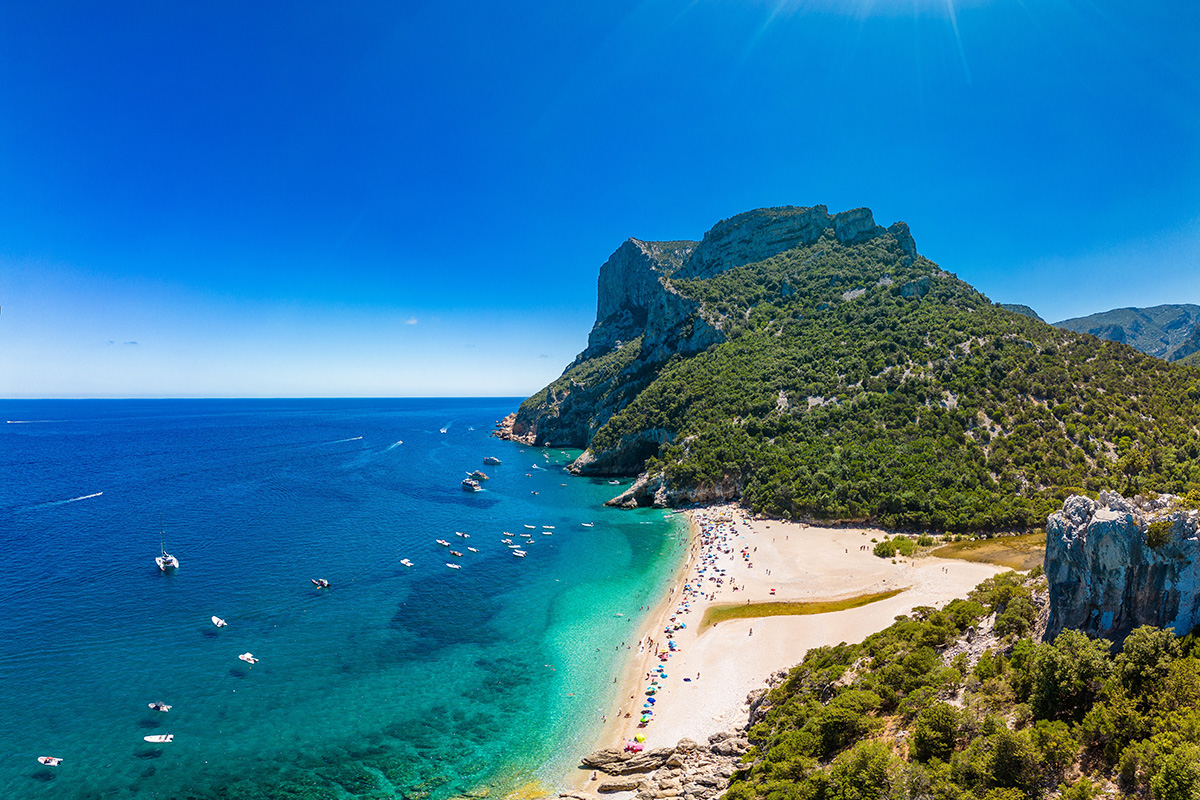
Photo: Martin Valigursky / Shutterstock.com
Puglia: Italy’s rising star
Ideal for: Beach holidays and food-focused road trips
Puglia is a hidden gem that is quickly becoming its rising star. It’s a budget-friendly alternative to the Amalfi Coast, offering an authentic Mediterranean experience with its whitewashed towns and pristine beaches. The shoulder season is when Puglia is at its most appealing, and well worth a visit, especially for those who want to sample the region’s fresh seafood, red wines, and olive oil.
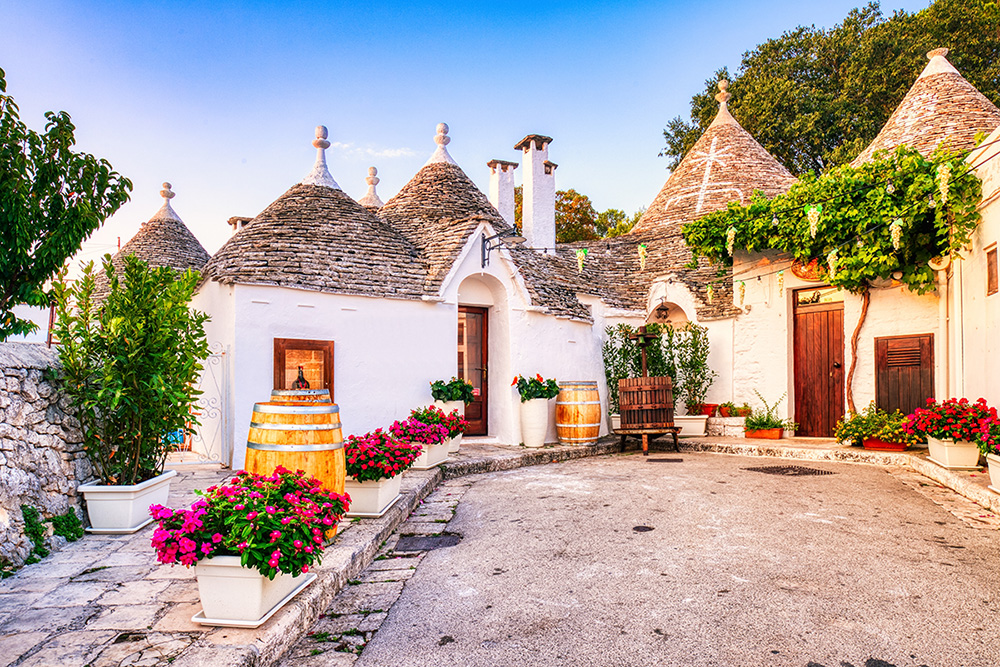
Photo: RomanSlavik.com / Shutterstock.com
Where to go in Italy by season
We predicted that the growing popularity of Europe’s shoulder season would be one of 2026’s biggest travel trends. While talk of “Euro Summer” has dominated social media in recent years, late spring and early autumn are seeing increased demand from budget-savvy travelers and those with more flexible vacation dates.
Although Italy has year-round appeal, some destinations are better experienced during specific seasons. Depending on your client’s travel preferences, one season may be more suitable than the rest.
Photo by carmen dominguez on Unsplash
Here are the best places to visit in Italy by season:
- Spring: Visitors to Florence, Tuscany, and Lake Como will get to see the city in bloom and enjoy lower crowds and milder temperatures. Ideal for families with young children or older travelers.
- Summer: Outdoor-focused itineraries are ideal from June to August, with destinations like Sardinia, the Amalfi Coast, and the Dolomites standing out. Tourists will need to be prepared to pay peak pricing and to make bookings at least 3 months in advance for the best availability.
- Fall: The months of September to November are harvest season and the ideal season to visit Tuscany, Bologna, Piedmont, and Sicily, especially for food festivals and more comfortable temperatures.
- Winter: Milan, Turin, and the Dolomites offer an array of winter itineraries, from some of Europe’s top skiing conditions to Christmas markets that families will love with lower crowds.
Hidden gems and lesser-known Italian cities
If you’re planning a two-week itinerary, it’s a good idea to sprinkle in a few hidden gems onto the list. Here are 5 lesser-known places to add cultural depth to any European getaway:
- Matera is one of the world’s oldest continuously inhabited settlements, ideal for a day trip, and known as the city of caves.
- Parma is a city within the Emilia-Romagna territory, offering culinary treats like the Parmigiano-Reggiano cheese and Prosciutto di Parma. It is the first Italian city to be designated as a UNESCO Creative City for gastronomy.
- Trieste is an underrated seaport destination close to the Slovenian border. Its Austro-Hungarian architecture and coffee culture have earned it the nickname of “Vienna by the Sea.”
- Lucca gives travelers the best of Tuscany without the crowds as a charming, walled Renaissance town.
- Lecce is the Florence of the south and is loved for its ornate Baroque architecture.
Practical travel tips for visiting Italy
There are some surprising — and sometimes weird — Italian laws that tourists should know.
- Most religious sites will require visitors to cover their shoulders and knees.
- Taking a dip in the Trevi Fountain carries a fine of up to €450.
- The high-speed rail network is the easiest way to travel between destinations, although a rental car gives your clients added flexibility when heading into the countryside or exploring the coastline.
- Hotels charge a nightly tourist tax, usually a few euros per person per night, which is typically paid on arrival. Double check when booking.
FAQs for the best places to visit in Italy
Curate bucket list travel itineraries with RateHawk
The key to booking vacation packages is to match your client to the right itinerary and region. Your client’s travel style, budget, and interests will determine which town or place to recommend for their trip.
While new visitors will want to prioritize the holy trinity of Rome, Florence, and Venice, returning travelers will love the chance to get off the beaten track and head to hidden gems like Puglia, Trieste, and Matera.
RateHawk makes it easy to curate customized packages across cities, coastal resorts, and rural towns. Get started with RateHawk today to access our extensive inventory with exclusive rates for accommodation and travel packages.
Cover image: Nadezhda Klimenkova / Shutterstock.com