

 1283
1283 32 minutes read
Contents
What to know for a first-time visit to Copenhagen
Because it’s a small city, first-time visitors can usually explore most of Copenhagen during a long weekend. Many of the major attractions are within short walking distance of each other, and a well-planned itinerary means tourists can tick off most of the city in as little as 3 days.
A longer itinerary gives more time to explore Copenhagen’s “hygge” (cozy) way of life and its culinary scene, including its famous bakeries. Five or more days gives added time for day trips to other nearby cities, including Malmö and Roskilde.
Here are unmissable experiences for first-time visitors:
- Visit the Tivoli Gardens
- Take a canal tour
- Walk around Nyhavn
- Explore Rosenborg Castle
- Eat at Torvehallerne or Reffen
- Visit Christiansborg Palace
- Explore Copenhagen by bicycle
The best things to do in Copenhagen
Copenhagen is the capital of Denmark, and it’s easy to think that visiting this Scandinavian city is like stepping into the pages of a Hans Christian Andersen fairytale. This vibrant destination seamlessly blends contemporary Nordic style with a slower, more relaxed lifestyle and a rich heritage that’s evident in the historic palaces and colorful waterfront houses.
It has something to offer travelers of all ages and interests, from novice photographers who want to capture the golden hour in Nyhavn to history enthusiasts who want to learn about the country’s Viking past at the Nationalmuseet (National Museum of Denmark).
Here are 7 things to add to every Copenhagen itinerary:
1. Nyhavn
Best for: Casual dining and people-watching
- Time needed: 2-3 hours or a long afternoon
- Free or paid: Free to explore
- Book ahead? N/A
- Nearby: Amalienborg Palace and King’s New Square
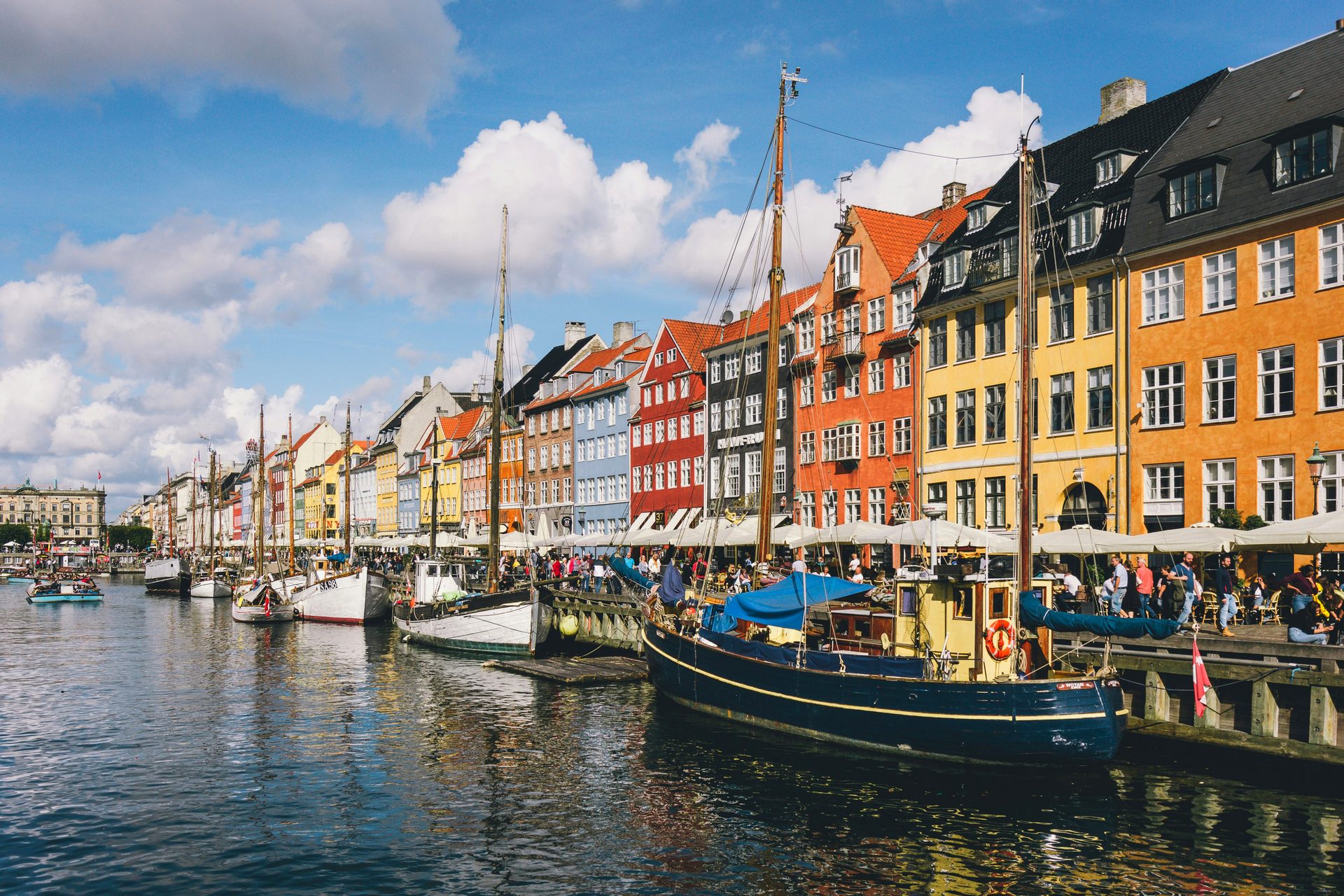
Nyhavn is the city’s entertainment district.
Photo by Kristijan Arsov on Unsplash
Nyhavn is the city’s entertainment district, famous for its 17th-century waterfront properties. It is a must-visit for photographers, with its colorful townhouses, which have become synonymous with the city.
RateHawk insight
Avoid the restaurants that are right along the waterfront and head a few streets back for better value (without compromising on food quality).
Most of the neighborhood can be explored on foot in less than an hour. It’s the perfect way for international tourists to fight off the jet lag with a waterfront walk.
2. Tivoli Gardens
Best for: Families, couples, and solo travelers
- Time needed: At least a few hours or a full evening
- Free or paid: Entrance ticket + ride pass packages start at DKK 389 (approximately $60) for ages 8+
- Book ahead? Yes for busy seasons
- Nearby: Copenhagen Central Station and City Hall Square
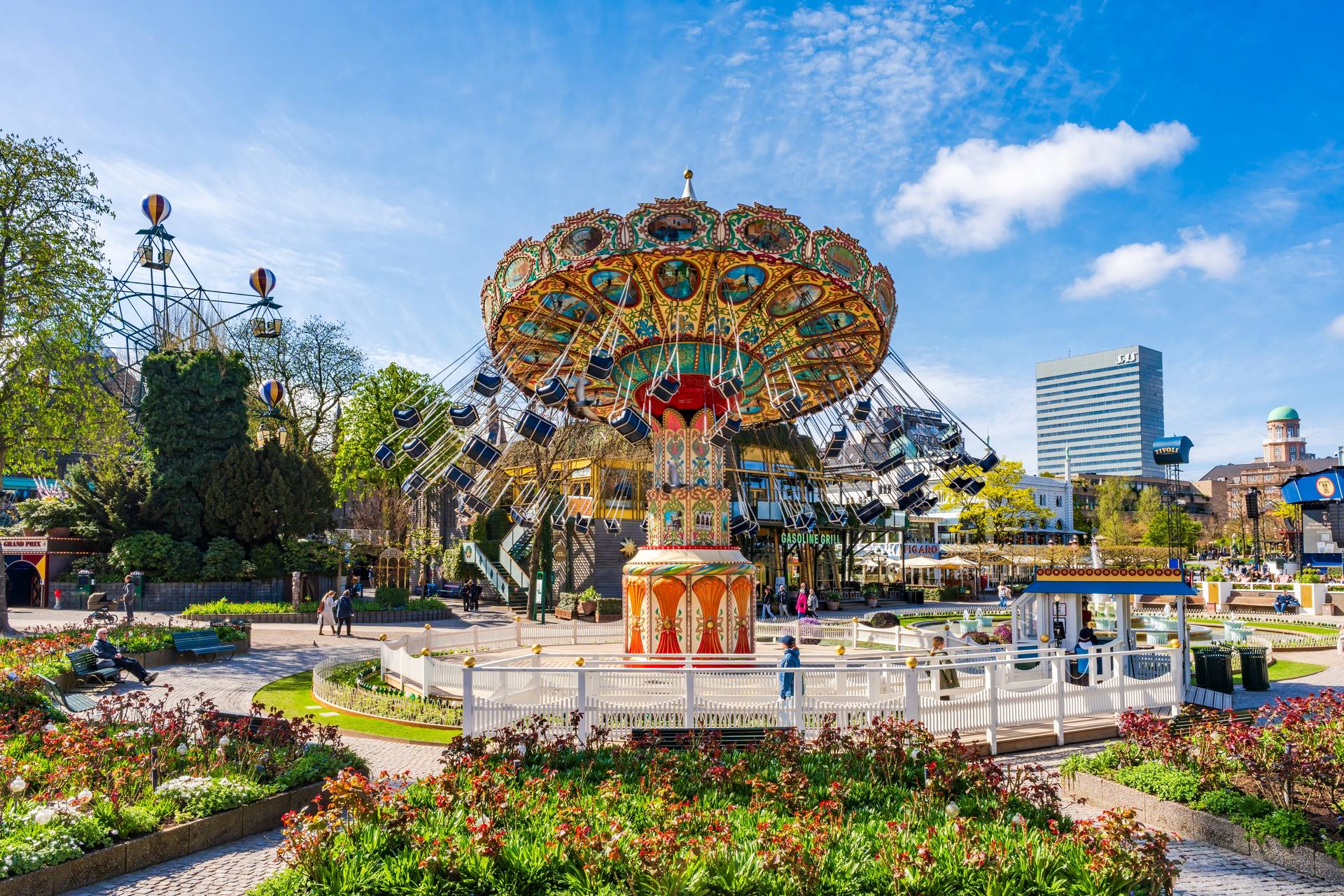
Tivoli Gardens is among the oldest theme parks in the world.
Photo by BBA Photography on Shutterstock
Europe has no shortage of theme parks, including Disneyland Paris and Europa-Park in Germany, but Tivoli Gardens is one of the most unique. It’s among the oldest theme parks in the world. Evening is generally the best time to visit, especially during the golden hour in the summer.
This 19th-century amusement park is open 257 days a year, with the summer season running from early April to mid-September. Nestled within the city center, the Tivoli Gardens has 29 rides with more than 30 dining options and an array of concerts and theater performances.
RateHawk insight
The Tivoli app is a must-have for navigating the park with show times and access to ride souvenir photos.
Entrance and ride passes start from DKK 389 (approximately $60) with add-on options, including access to game stands and guided tours. Tickets can be booked through the official Tivoli website or via the Tivoli app.
3. Take a Copenhagen canal tour
Best for: First-time visitors
- Time needed: 1 hour
- Free or paid: Free with a Copenhagen Card, otherwise paid
- Book ahead? Not necessary due to the frequency of tours
- Nearby: The Amalienborg Palace, Copenhagen Opera House, and the Little Mermaid statue
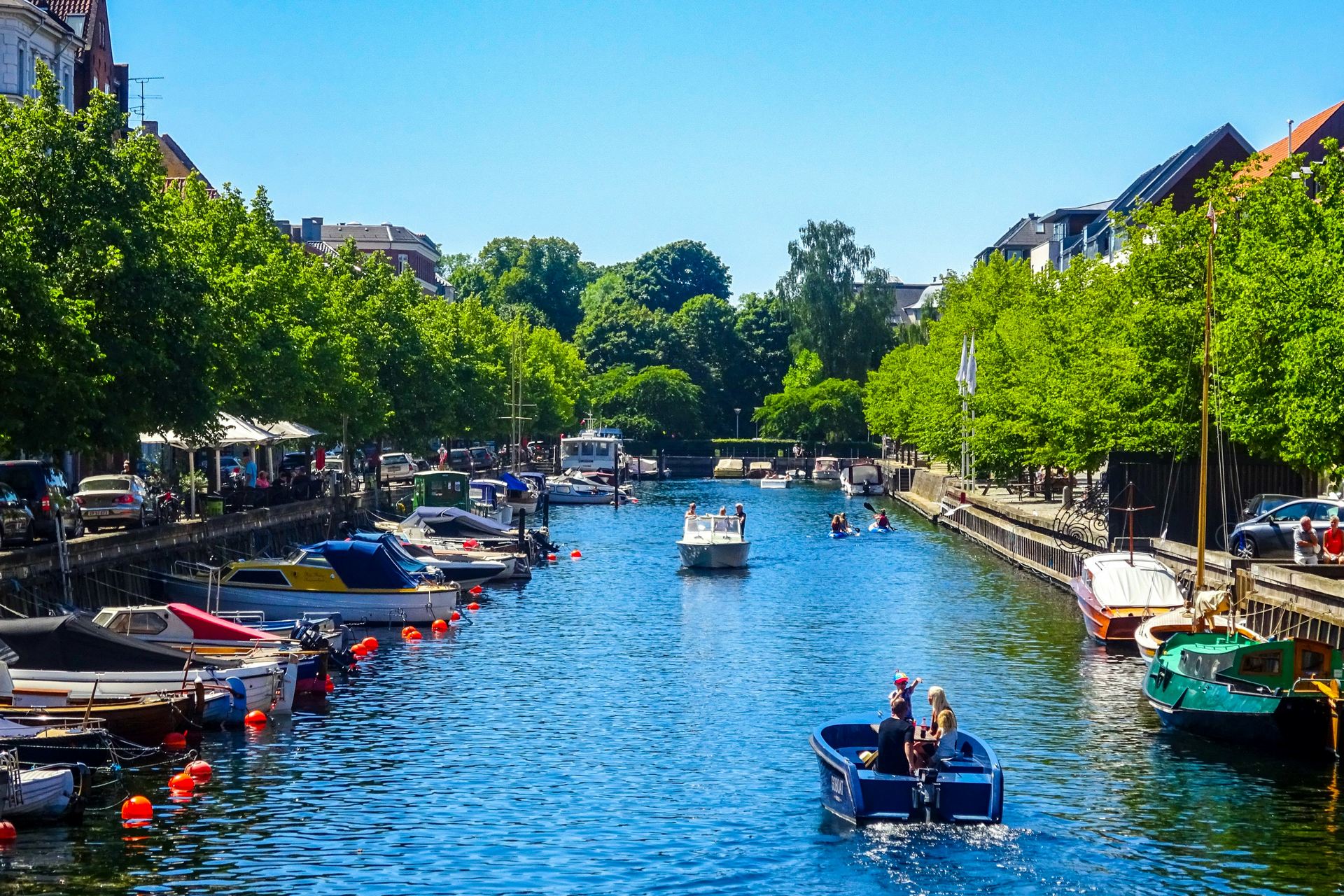
First-time visitors to Copenhagen will want to prioritize taking a canal tour.
Photo by Nikolai Kolosov on Unsplash
First-time visitors to Copenhagen will want to prioritize taking a canal tour. It’s one of the most practical ways to explore the city and understand its layout. Most canal tours take an hour, with morning departures offering better photo opportunities and fewer crowds.
RateHawk insight
Some canal tours are included as part of the Copenhagen Card, including those from Strommas tours, when departing from Ved Stranden 26.
Nyhavn and Ved Stranden are the most popular departure points for these canal tours, which take tourists past many of the city’s famous landmarks. Book a hotel within walking distance to Nyhavn station on RateHawk.
4. Rosenborg Castle
Best for: History enthusiasts and those interested in Danish royalty
- Time needed: 2+ hours
- Free or paid: Adult tickets cost DKK 140 (approximately $22) online
- Book ahead? Booking online is cheaper and advised during peak season
- Nearby: Nørreport Station and the King’s Garden
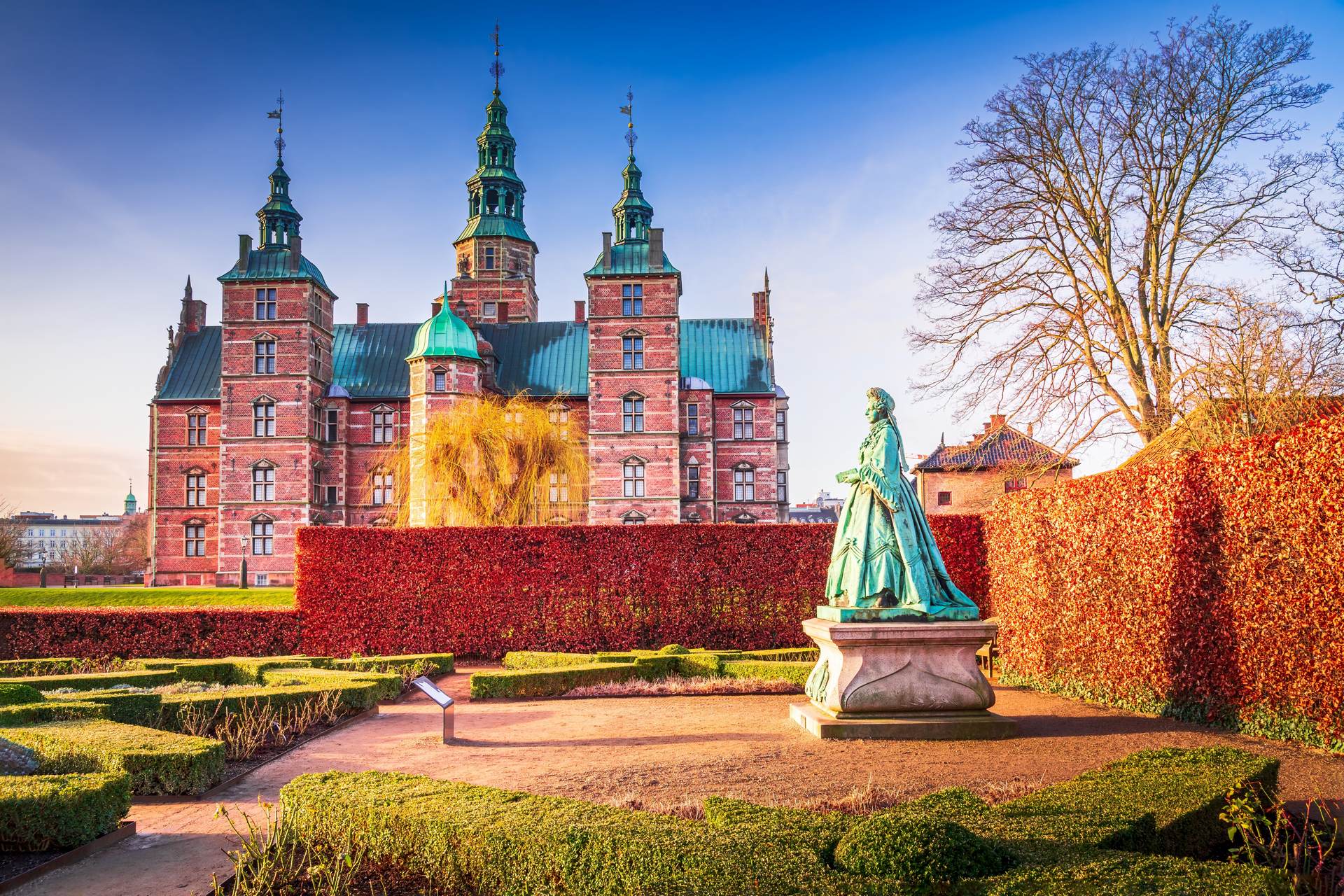
Rosenborg Castle is one of the most stunning Renaissance buildings in Europe.
Photo by cgst26 on Shutterstock
Rosenborg Castle is one of the most stunning Renaissance buildings in Europe. This 400-year-old castle feels like a time capsule of a bygone era of Danish royalty. It’s an unmissable experience for history enthusiasts, who will want to set aside at least 2 hours to explore the three floors and the basement of the castle.
Highlights of Rosenborg Castle include the Crown Jewels, which are still worn by the ruling royals, as well as the basement vaults and the intimate royal rooms. The Knights’ Hall is known for its life-size silver lions, coronation thrones, and narwhal tusk decorations.
RateHawk insight
Use the free digital audio guide, accessible by connecting to the castle’s free Wi-Fi.
Crowd sizes are carefully managed at this historic building, so it’s best to pre-book a timeslot in advance.
5. Round Tower
Best for: First-time visitors who want panoramic views
- Time needed: Less than 1 hour
- Free or paid: Adult tickets cost DKK 60 (around $10)
- Book ahead? Not needed, purchase tickets on-site
- Nearby: Trinitatis Church, Rosenborg Castle, and Strøget
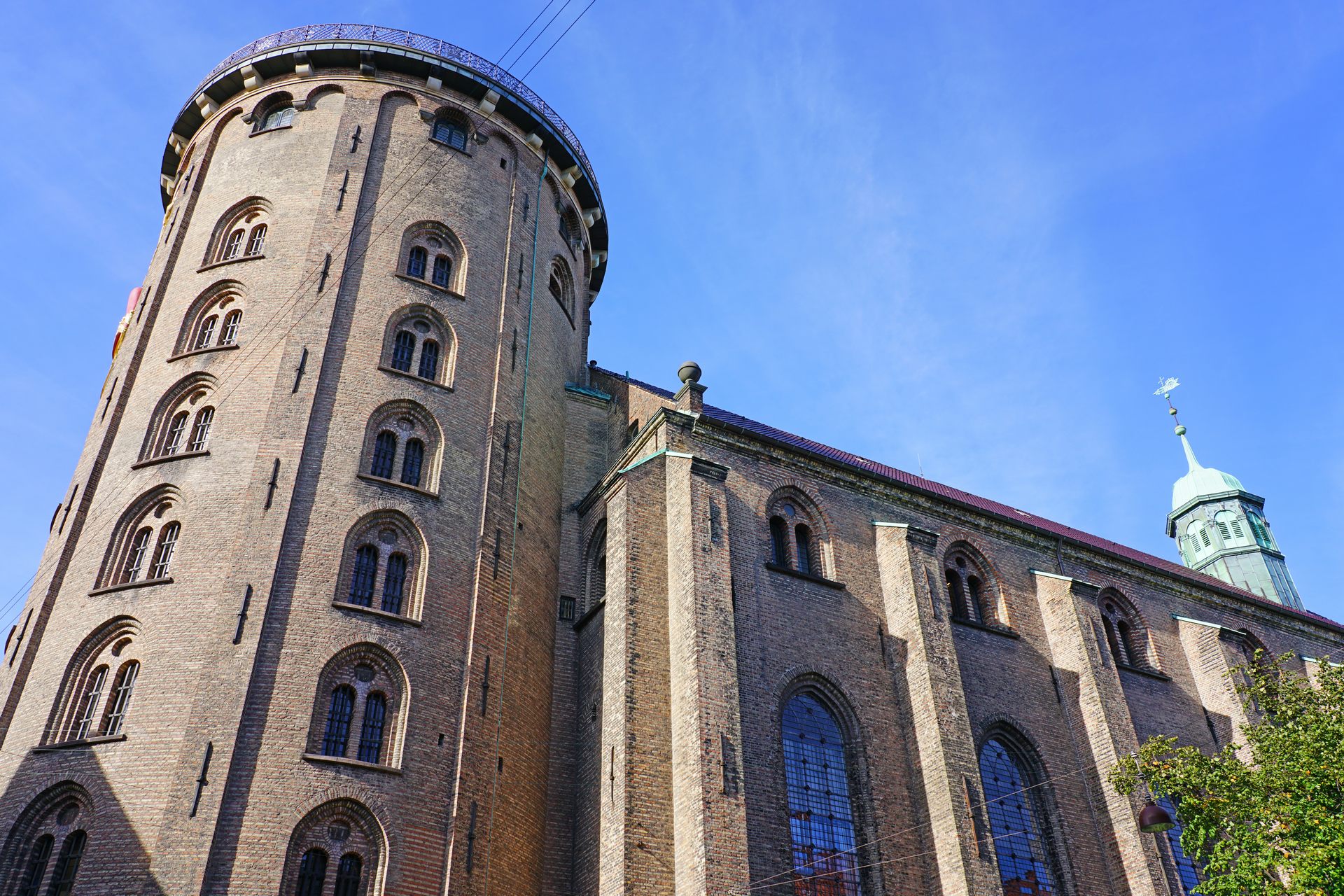
The Round Tower is the best place to visit for panoramic views of Copenhagen.
Photo by EQRoy on Shutterstock
The Round Tower is the best place to visit for panoramic views of Copenhagen. Dating back to 1642, the Round Tower (known as Rundetaarn) requires visitors to walk up a sloping ramp and a narrow staircase to the top.
RateHawk insight
Avoid visits during midday and school holidays as it can become busy and congested.
Originally built as an astronomical observatory tower, it was one of Christian IV’s many architectural projects. Tickets cost DKK 60 (around $10 per person) and are free for kids under 18.
6. Amalienborg Palace
Best for: Visitors with an interest in royal history, including Russian royal history
- Time needed: Best explored over a full afternoon
- Free or paid: Tickets start at DKK 125 (around $20) online; free for kids under 18
- Book ahead? Yes, as tickets are cheaper online
- Nearby: Marble Church and Nyhavn
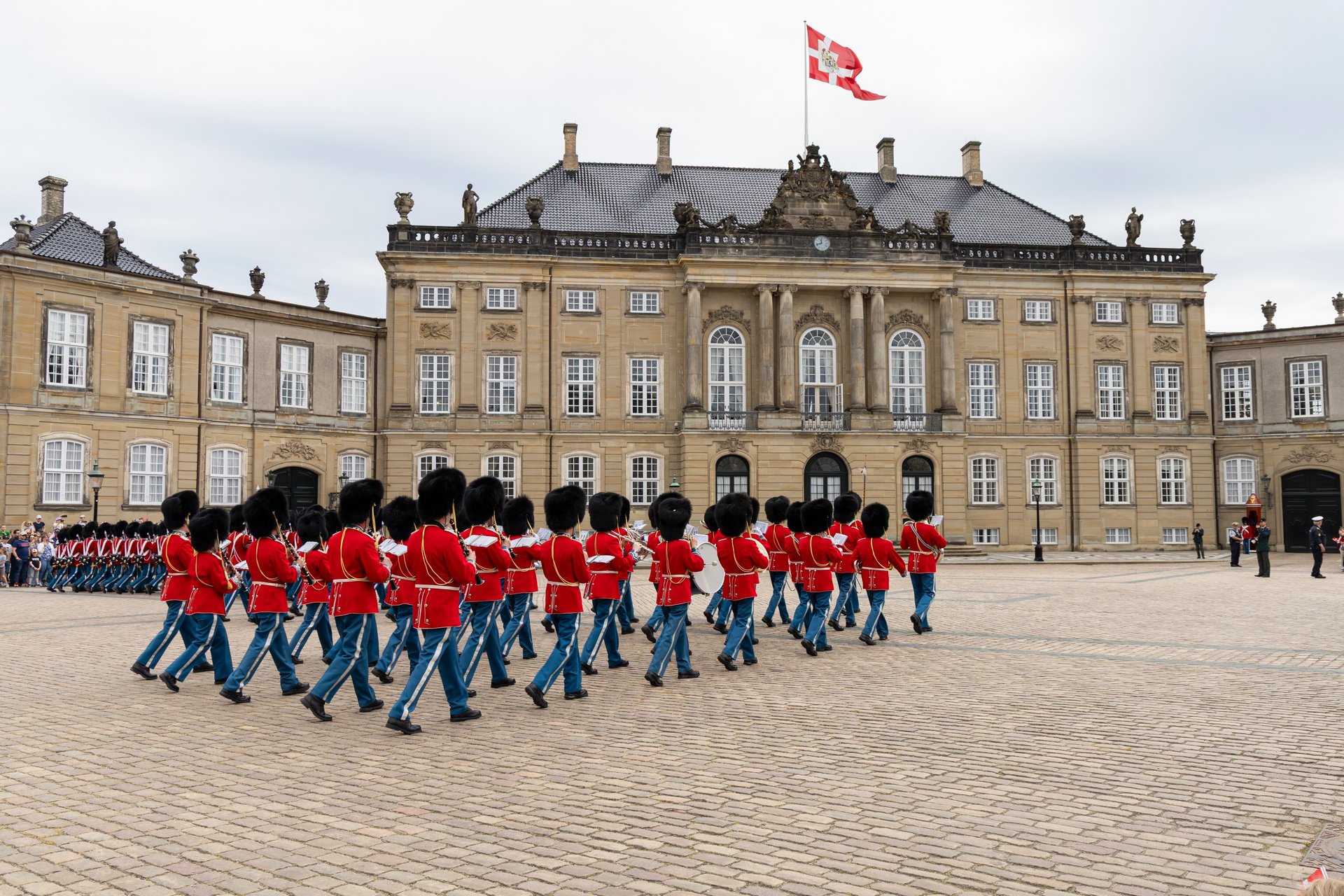
Amalienborg Palace is the official city residence of King Frederik X.
Photo by Caroline Ruda on Shutterstock
Amalienborg Palace is the official city residence of King Frederik X and home to a museum focusing on the Danish monarchy. Just like in London, there’s a Changing of the Guard every day at 12 PM, which visitors can watch for free. Amalienborg consists of four palaces, built around an octagonal courtyard.
RateHawk insight
Visitors can also explore the Gala Hall, still used as a reception room by the Royal Family, on select days.
The museum is a must-visit for history enthusiasts as it showcases the private rooms of the Royal Family, along with one of the world’s most important collections of Russian jewelry located in the museum’s Fabergé Chamber.
7. Marble Church
Best for: Discovering Rococo architecture and the Frederiksstaden district of the city
- Time needed: 1 hour
- Free or paid: The church is free to enter, but guests who want to go into the dome for views of the city will need to pay DKK 50 (around $8) per ticket.
- Book ahead? Dome tickets can only be bought in person.
- Nearby: Amalienborg Palace and the Little Mermaid statue
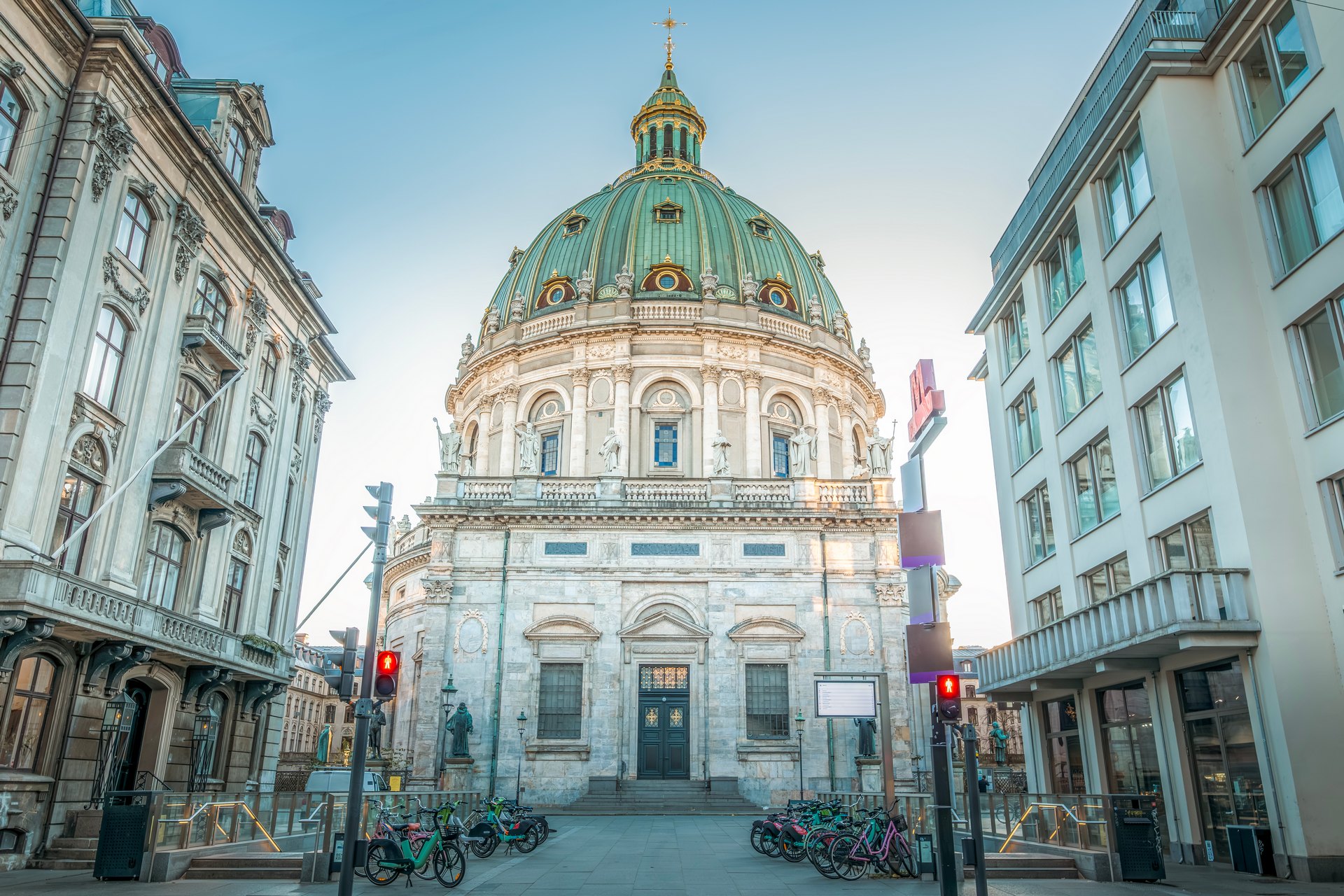
Marble Church — also known as Frederik’s Church — is famous for its Rococo architecture.
Photo by ikumaru on Shutterstock
Marble Church — also known as Frederik’s Church — is open daily to the public and is famous for its Rococo architecture. Nestled in the city’s historic Frederiksstaden district, this church is famous for its dome, which offers stunning views of the city.
RateHawk insight
Tours of the dome are available daily (except Mondays) at 1:30 PM, but are limited to just 15 people.
How to experience Copenhagen like a local
Tourists with a longer itinerary will want to embrace the slower pace of Danish life by experiencing the city like a local. Many of the city’s hidden gems focus on rediscovering the past and simply spending time indulging in good food (and good company!).
The Danish people prioritize being present in the moment, and exploring the quieter neighborhoods and culinary scene is the perfect way to sample a taste of this lifestyle.
Explore Christianshavn
Best for: A relaxed afternoon discovering the “New Nordic” cuisine
- Time needed: At least a few hours
- Free or paid: Varies, depending on itinerary
- Book ahead? N/A
- Nearby: Freetown Christiania and Nyhavn
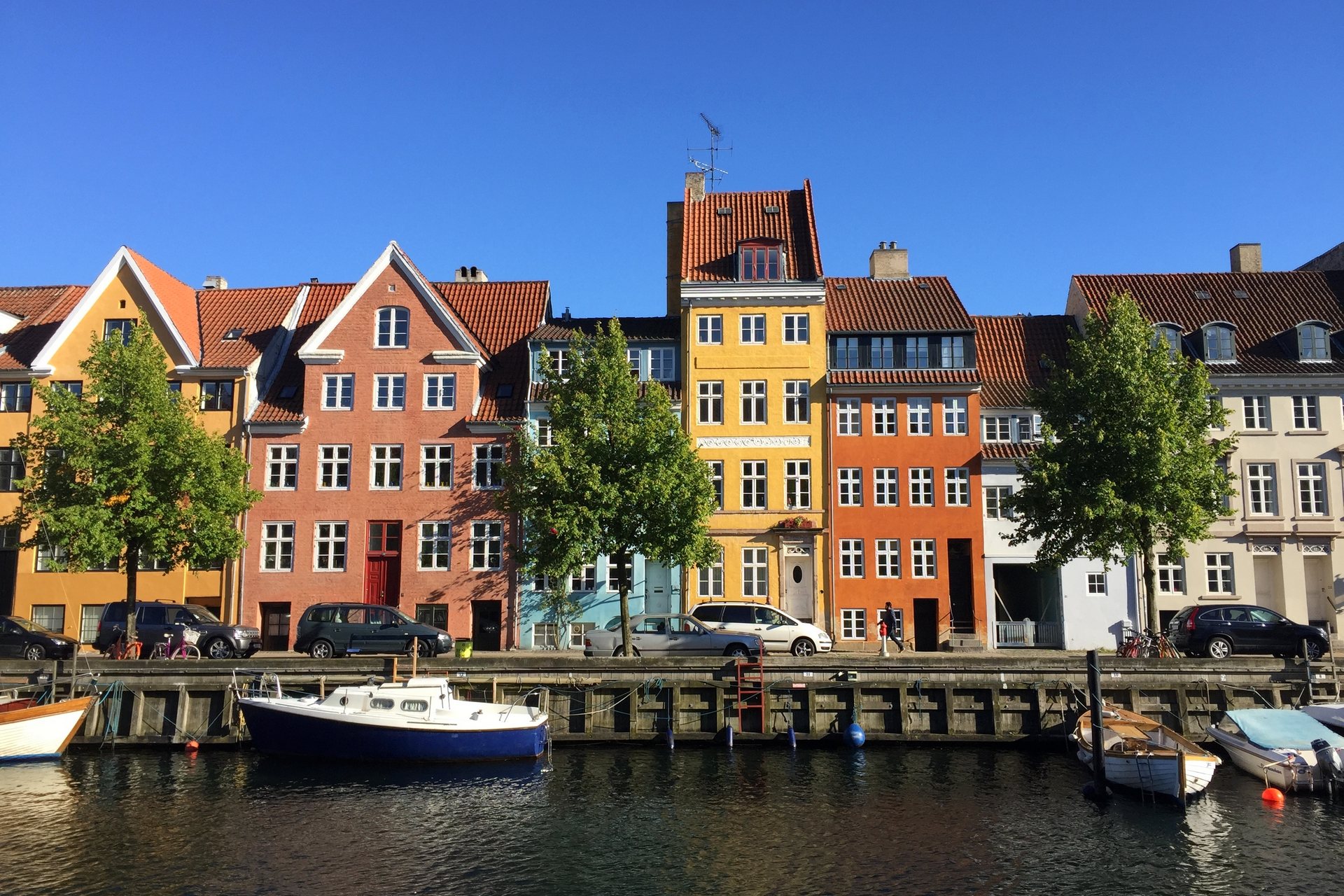
Christianshavn is one of Copenhagen’s most picturesque districts.
Photo by Allan Kristensen on Shutterstock
Christianshavn is one of the more relaxed areas within the city center, with its houseboats and canals. It’s one of Copenhagen’s most picturesque districts, made up of small islands with a rich maritime history. Freetown Christiana feels like a city within the city as a partially self-governing neighborhood in Christianshavn.
RateHawk insight
Noma is one of the best spots for a romantic dinner in Copenhagen; menus start at DKK 4500 (around $690) with add-on wine and juice pairings available.
Canal tours will go through this area, but it’s worth returning to for a relaxed afternoon to visit the waterfront bars or dine at the iconic Noma restaurant. Described as a “gastronomic mecca,” it’s a restaurant and food lab offering 20-course menus. Noma is set to reopen in August 2026.
Climb the Church of Our Saviour
Best for: Panoramic views of the city
- Time needed: 1 hour
- Free or paid: Tickets for the tower cost DKK 70 (around $11)
- Book ahead? Buy tickets in person
- Nearby: The Royal Opera House and Freetown Christiania
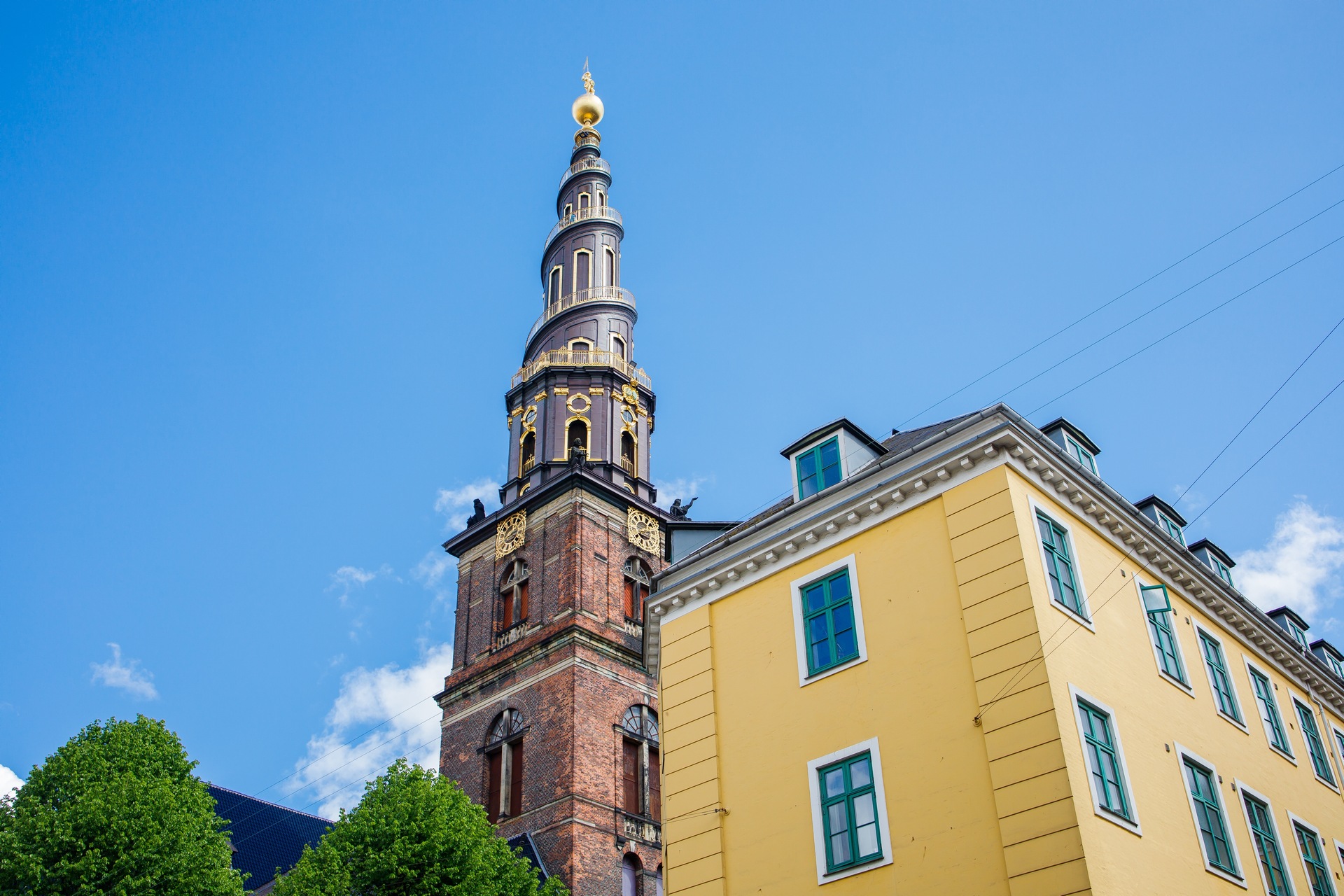
Church of Our Saviour is famous for its external spiral winding staircase.
Photo by elifilm on Shutterstock
Church of Our Saviour is located in the Christianshavn district of Copenhagen and is famous for its external spiral winding staircase that offers some of the best views of the city center. While it’s free to visit the church, visitors will need to book tickets to climb the towers.
RateHawk insight
The exterior staircase means it’s not suitable for all tourists, especially those who have a fear of heights or vertigo. Instead, head to the Round Tower for city views.
Copenhagen’s culinary scene: What food to try
Copenhagen offers food to suit everyone’s taste buds, from avant-garde fine dining for luxury travelers to hyper-local street food served at small bistros and food markets. Food is one of the best ways to experience any culture, and this city’s culinary scene encapsulates the best of Scandinavian cuisine.
Torvehallerne Food Market
Visitors will get the best introduction to Danish food by visiting the Torvehallerne Food Market, which is close to Nørreport Station. Over 60 gourmet food stalls are located across two glass halls, open daily from 10 AM to 7 PM on weekends and 6 PM on weekends. Visitors should arrive before noon to beat the lunchtime rush and keep a little cash on hand.

Visitors will get the best introduction to Danish food by visiting the Torvehallerne Food Market.
Photo by Maridav on Shutterstock
Highlights include:
- Smørrebrød: A traditional open-faced sandwich with meat, seafood, sauces, and spreads. Hallernes Smørrebrød serves the best in the market, with a variety of toppings to choose from, including pickled herring and shrimp.
- Flødeboller: A chocolate-covered marshmallow treat, perfect as a snack or to bring home as a souvenir, available from Summerbird in the market.
- Gourmet porridge: Experience the best of “hygge” food with elevated, gourmet porridge at GRØD. Choose either sweet or savory to suit your taste buds.
- Sourdough pastry: Fuel up for the day with a light-roasted coffee and a fresh sourdough pastry at The Coffee Collective. Cardamom buns and cinnamon rolls are among the most popular pastries with the locals.
Reffen street food market
Tourists who prefer a livelier and more immersive atmosphere will want to head to Reffen Street instead. It’s the largest street food market in the Nordic countries and offers some of the best harbor views with a massive assortment of global cuisine to try.
This food market uses repurposed shipping containers, offering a casual, laid-back atmosphere for an afternoon of sampling Nordic food. Best experienced at summer, or during golden hour, Reffen Street is better described as an urban oasis with an on-site brewery, 35 food stalls, 10 bars, and 4 creative workshops.
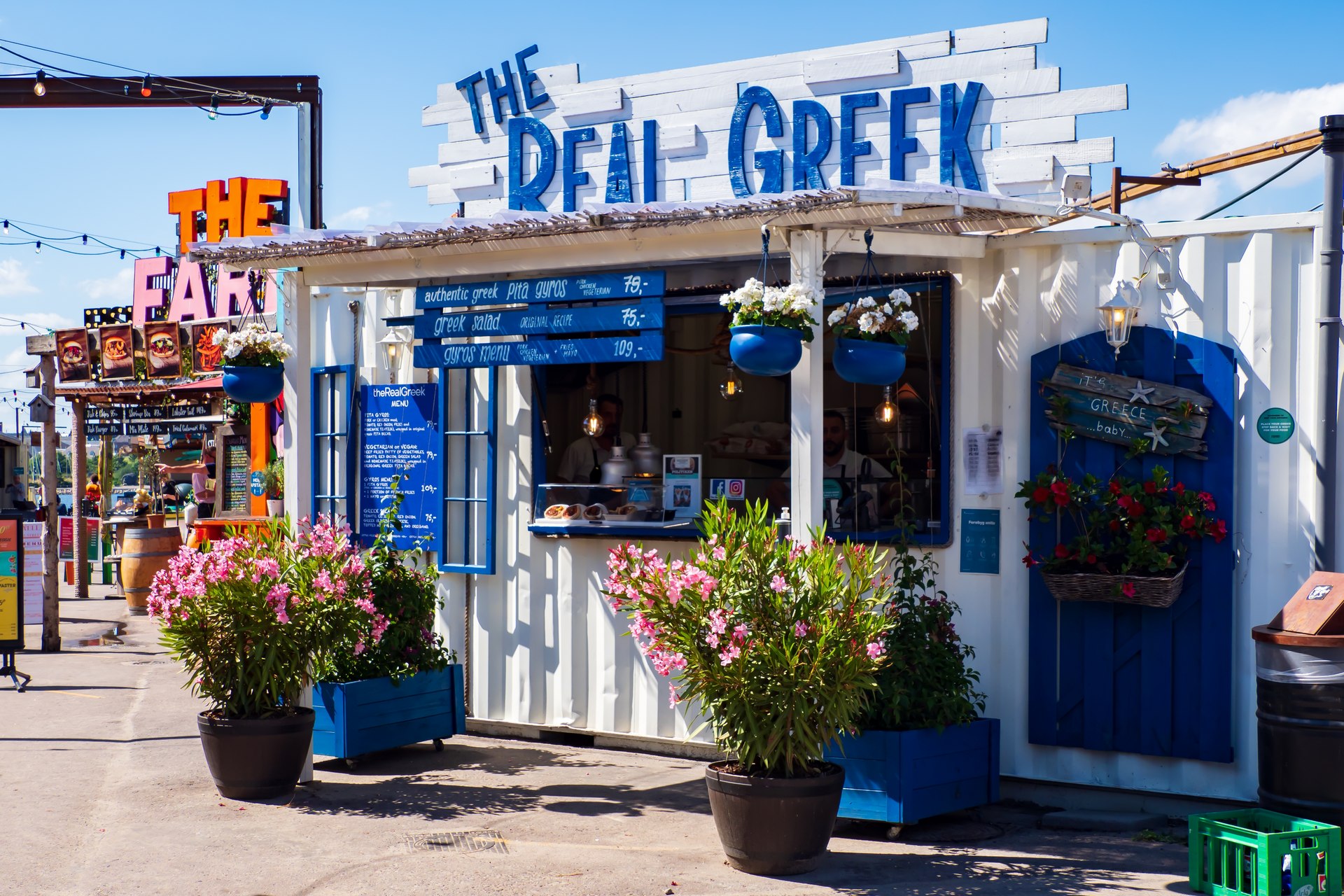
Reffen Street is the largest street food market in the Nordic countries.
Photo by Nowaczyk on Shutterstock
The best museums in Copenhagen
Copenhagen is one of the best alternatives to Paris for tourists who want to fill their itinerary with museums and cultural experiences. Although most museums require admission fees, some offer free entry on specific days, including the Thorvaldsens Museum on Wednesdays.
Here are 3 must-visit museums in Copenhagen:
1. Designmuseum Danmark
Best for: Art lovers, cinephiles, and design enthusiasts
- Time needed: 2 hours
- Free or paid: Access is included with the Copenhagen Card or costs DKK 140 (approximately $21) for adults over 17 years old.
- Book ahead? Yes, during peak season
- Nearby: Amalienborg Palace and The Marble Church
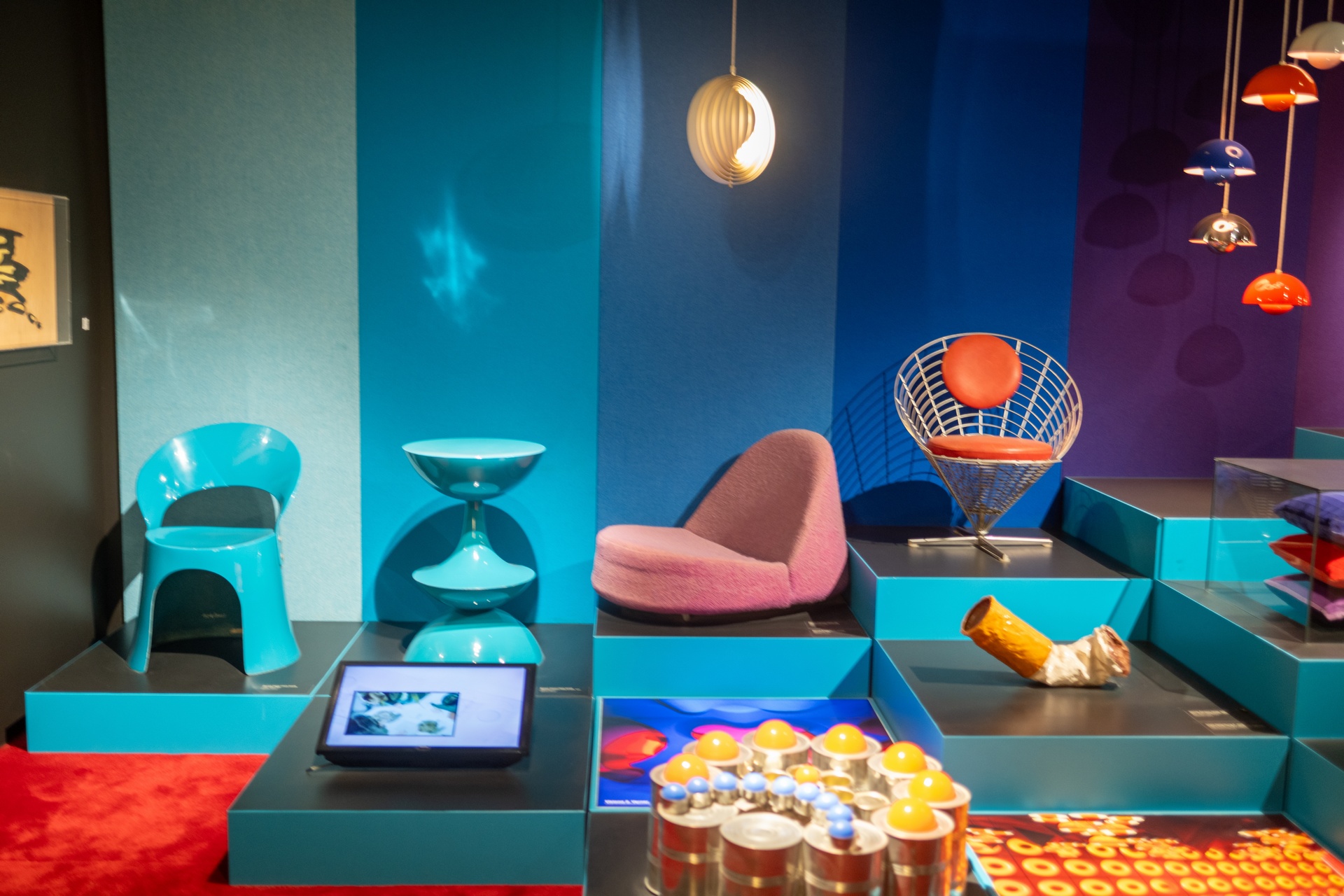
The Designmuseum offers exhibitions, film screenings, talks, workshops, and concerts.
Photo by Michael Gordon on Shutterstock
The Designmuseum offers exhibitions, film screenings, talks, workshops, and concerts as one of Europe’s best modern museums. It showcases exactly why Copenhagen is considered one of the design capitals of the world, spotlighting the works of famous Danish designers.
RateHawk insight
The museum has a quiet green oasis that offers a welcome escape from the hustle and bustle of the city; perfect for relaxing with an iced coffee.
2. National Gallery of Denmark (Statens Museum for Kunst, SMK)
Best for: Art lovers and those interested in Danish history
- Time needed: At least 3 hours
- Free or paid: Free with Copenhagen Card or DKK 95 (approximately $15) for adults
- Book ahead? Yes, to skip queues during peak season
- Nearby: Copenhagen Botanical Garden and the Hirschsprung Collection
This National Gallery is the perfect way for any art lover to spend a relaxing afternoon in Denmark.
Photo by elRoce on Shutterstock
This National Gallery is the perfect way for any art lover to spend a relaxing afternoon in Denmark. It’s the country’s largest art museum, covering Danish and foreign art from the 14th century onwards. Danish Golden Age art is the standout attraction here.
“SMK Fridays,” an after-hours program, is held regularly with changing themes. It offers art, music, art talks, and film screenings with drinks and street food served in a friendly atmosphere.
RateHawk insight
Visitors short on time should prioritize the French and Danish Art section, particularly the works of Matisse and Picasso.
3. Ny Carlsberg Glyptotek
Best for: A rainy day activity or for those interested in antiquities
- Time needed: 2-3 hours
- Free or paid: From DKK 120 (around $19) to DKK 150 (around $23), depending on age, or free with a Copenhagen Card
- Book ahead? Book timed entrance during peak season to skip lines
- Nearby: Tivoli Gardens and City Hall Square

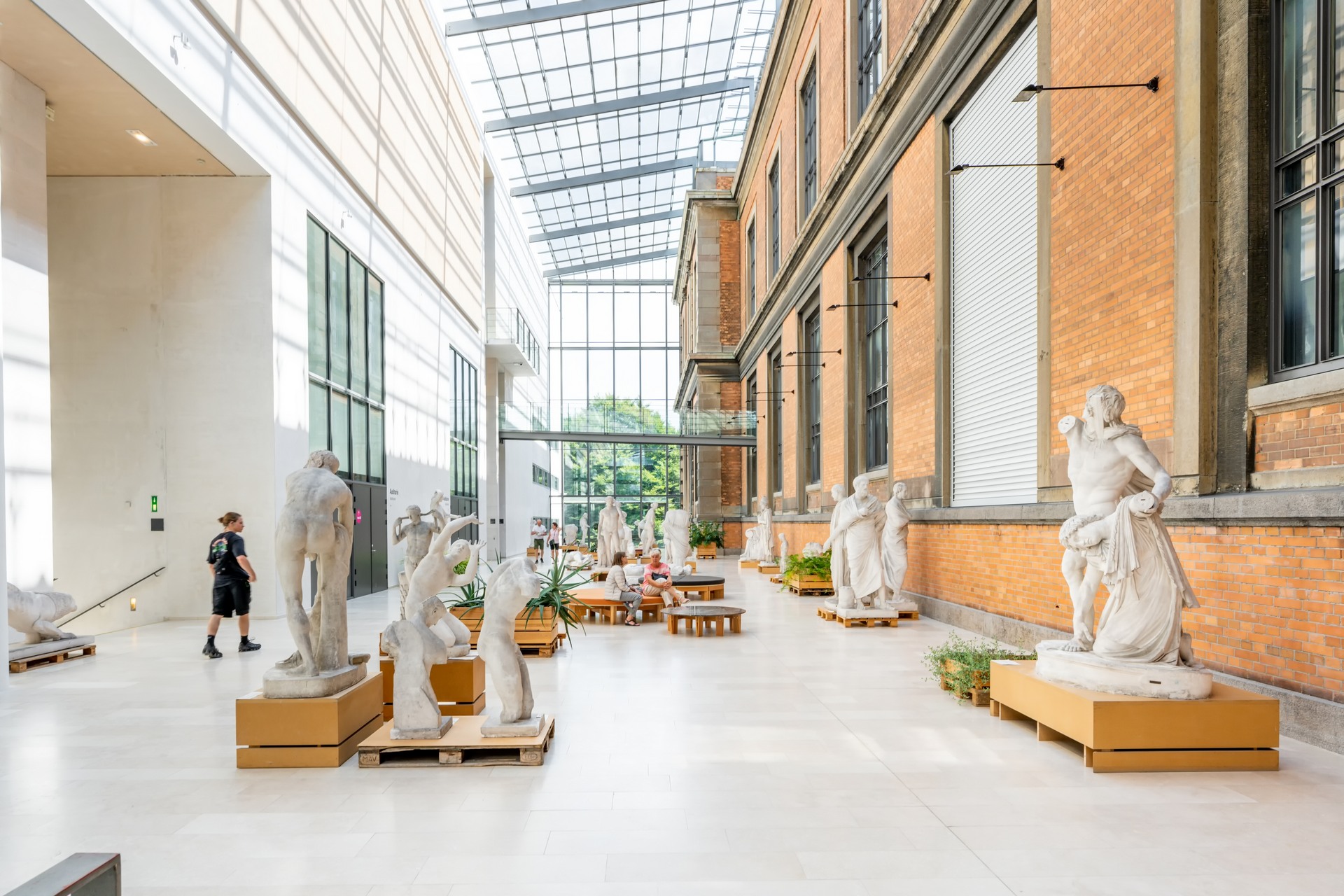
Ny Carlsberg Glyptotek is the leading antiquities museum in the Nordic countries.
Photo by Michael Gordon on Shutterstock
The ideal activity for a rainy day in Copenhagen. It is the leading antiquities museum in the Nordic countries and has one of the finest collections of 19th and early 20th-century French art. This museum is built around the private art collection of Carl Jacobsen, whose father founded the Carlsberg Breweries.
RateHawk insight
This museum is closed on Mondays; open from 10 AM to 5 PM for the rest of the week, except on Thursdays, when it’s open until 9 PM.
Where to stay: The best neighborhoods in Copenhagen
Copenhagen is a walkable city with an excellent public transport system, giving tourists the freedom to stay almost anywhere in the city. Each neighborhood has its own distinctive feel, offering quiet retreats for families, nightlife for groups, and bohemian streets for budget travelers.
Here are 3 of the best neighborhoods in Copenhagen:
1. Vesterbro
Best for: Tourists seeking nightlife in one of Copenhagen’s trendiest neighborhoods
Where to stay:
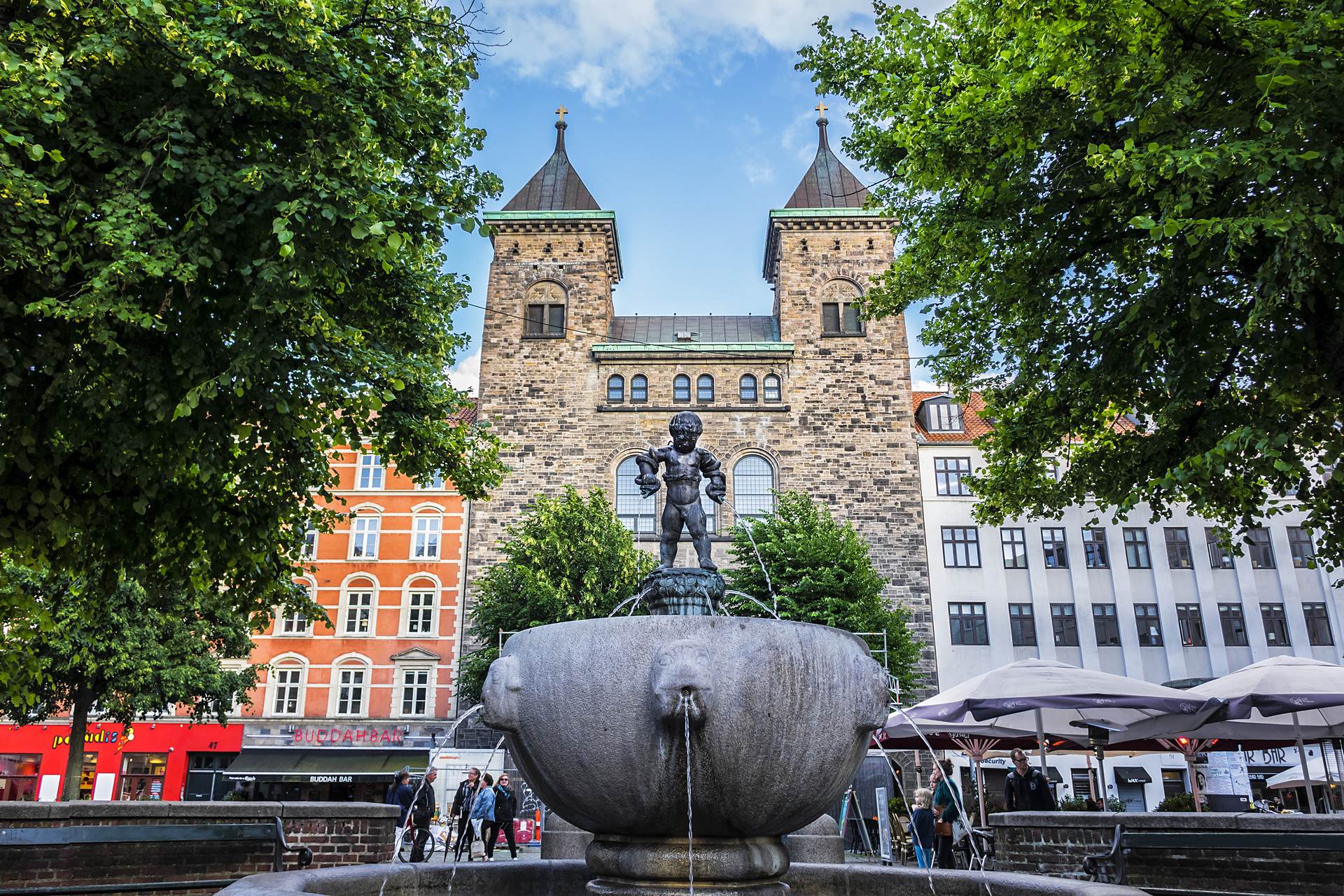
Formerly the red-light district, Vesterbro is close to Copenhagen Central Station.
Photo by Kiev.Victor on Shutterstock
Formerly the red-light district, Vesterbro is close to Copenhagen Central Station, which offers direct transport to the airport, and is highly walkable. The area is now known for its meatpacking district (known as Kødbyen), which is packed with craft beer bars, clubs, and contemporary restaurants.
Istedgade offers an array of vintage shops and independent boutiques, ideal for tourists who feel connected to the city’s bohemian spirit, while Halmtorvet is a lively historic square.
2. Nørrebro
Best for: Budget travelers and those who want a more authentic Copenhagen experience
Where to stay:
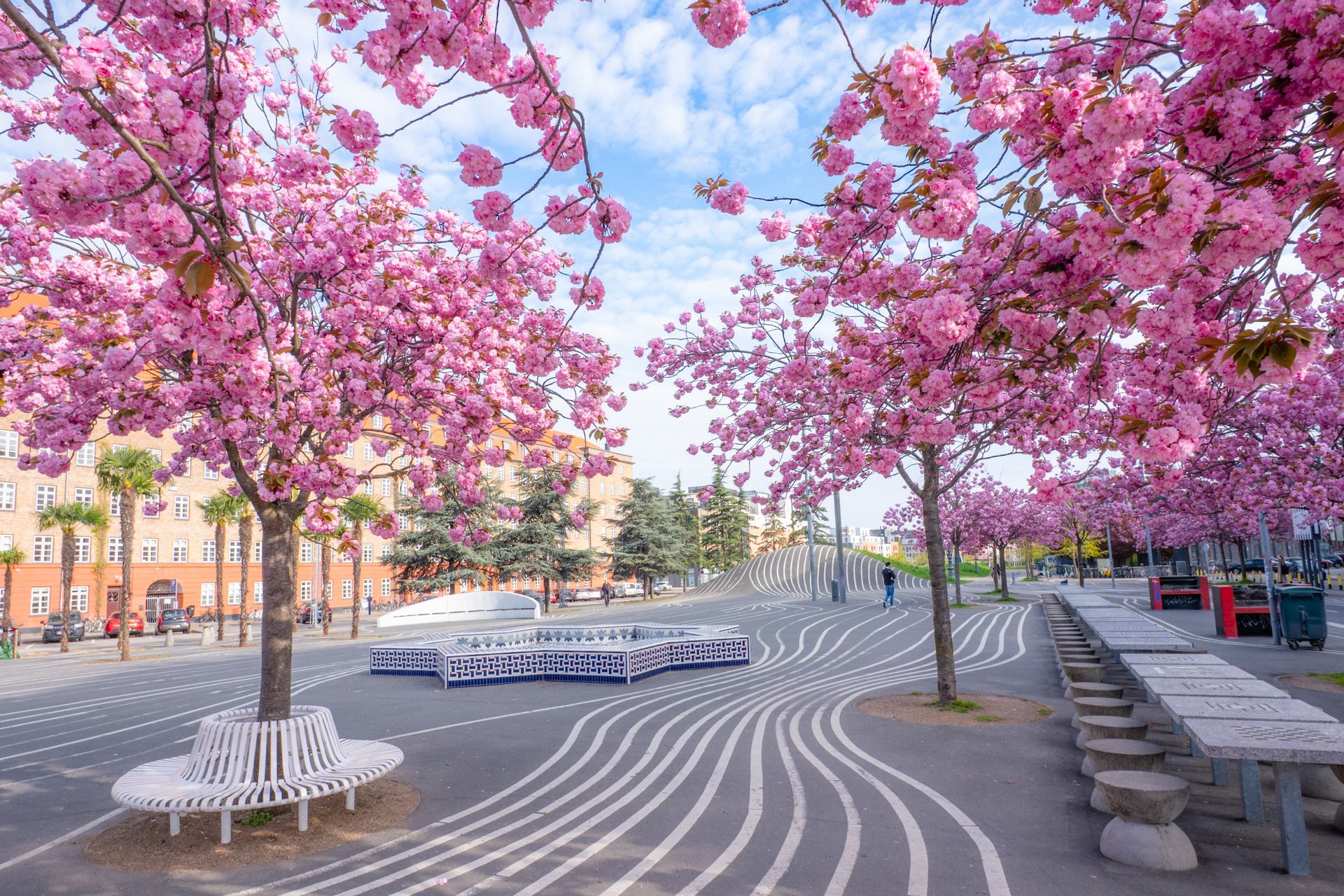
Nørrebro is one of the best recommendations for repeat visitors to Copenhagen.
Photo by Francis Crisostomo on Shutterstock
Once named the “World’s Coolest Neighborhood” by Time Out, Nørrebro has some of Copenhagen’s best budget-friendly accommodation, along with independent galleries and international cuisine. Highlights here include the craft beer bars, local cafes, and Superkilen Park. It’s also one of the best recommendations for repeat visitors to Copenhagen.
3. Østerbro
Best for: Families and those who want a quiet retreat in the evening
Where to stay:
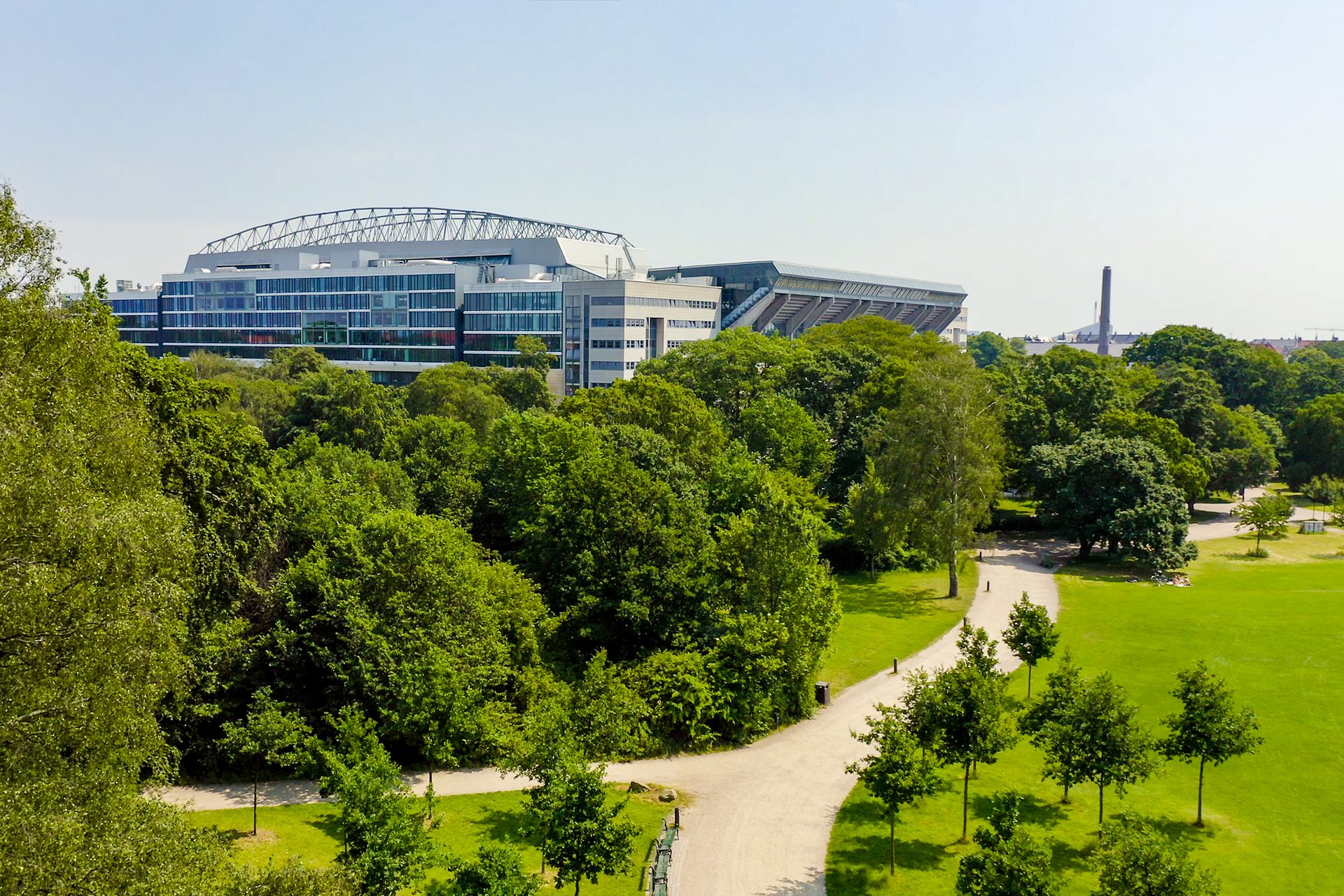
Østerbro is home to Fælleparken, the city’s largest park.
Photo by Collection Maykova on Shutterstock
Østerbro is home to Fælleparken, the city’s largest park. Although centrally located, this upmarket neighborhood has limited nightlife and has plenty of green spaces, giving a quieter base for travelers who prefer to stay in a residential area.
This area has earned the nickname of “Latte District,” and it’s considered one of the greenest areas in the city. Aarhusgade and Østerbrodage are highlights for tourists who want to explore cozy bakeries, eateries, and design stores without the usual crowds.
Free things to do in Copenhagen
The UK Post Office’s “City Costs Barometer” found that Copenhagen is the second most expensive city for tourists in Europe in 2026 — narrowly behind Oslo in Norway — but this city isn’t impossible to do on a budget. It’s easy to fill an entire weekend itinerary with only free activities in Copenhagen. Here are some of our favorite budget-friendly things to do:
Explore King’s Garden
The Danish people love the outdoors, and this culture is built on the ethos of “frilufsliv,” meaning “living in the free air.” So, it’s no surprise that the city is full of green spaces, many of which are free to visit.
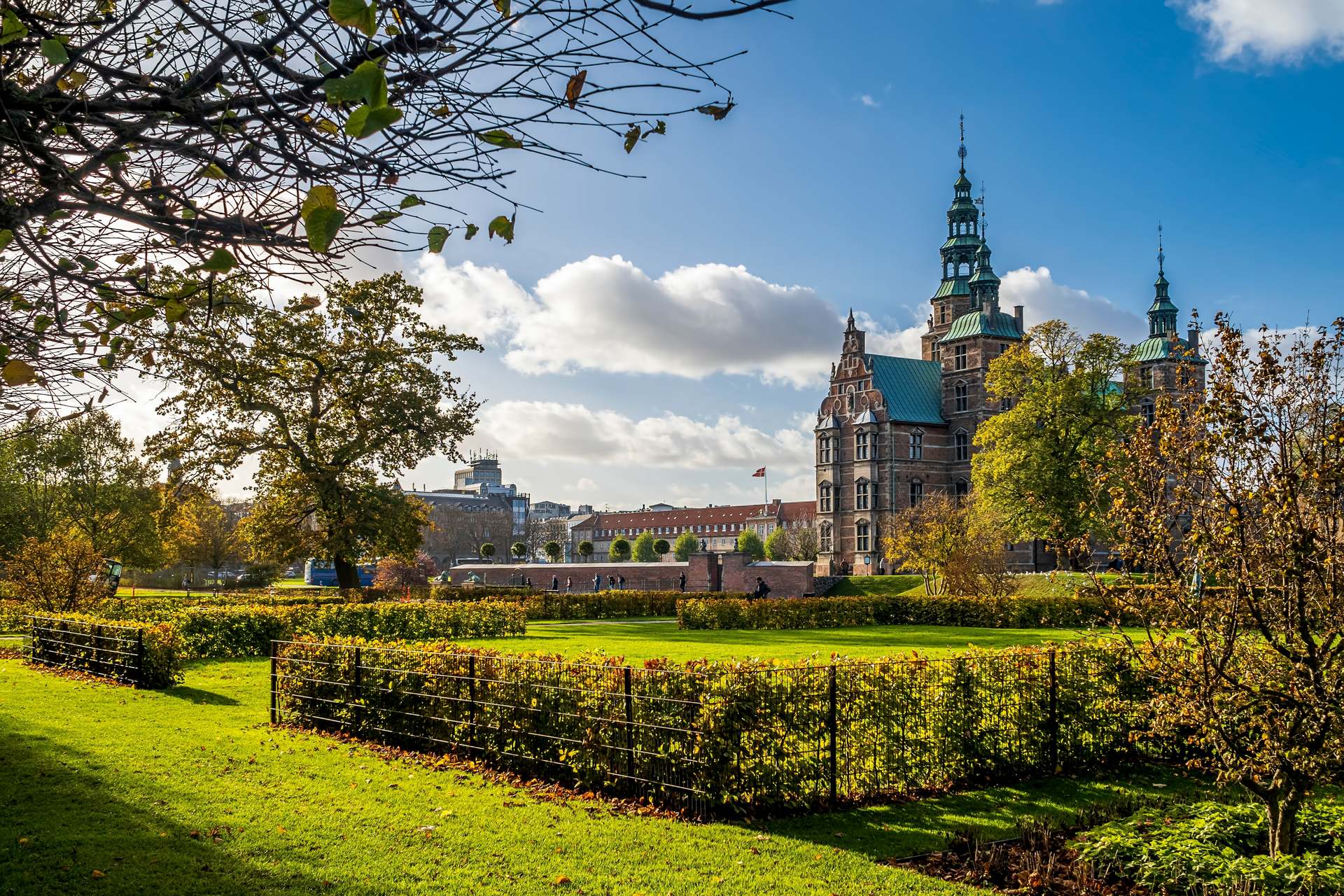
The King’s Garden (Kongens Have) is located on the grounds of Rosenborg Castle.
Photo by Dr. Victor Wong on Shutterstock
The King’s Garden (Kongens Have) is located on the grounds of Rosenborg Castle, a former royal summer residence that became a museum. While the museum charges an entry fee, it’s free to explore the gardens. It’s the perfect picnic spot, and there’s plenty of bakeries nearby to pick up fresh goods, like raspberry slices, seed snappers, or cinnamon snails.
RateHawk insight
The gardens offer free puppet theatre performances in the afternoon for kids during the summer (on Tuesdays to Sundays from 1st June to 1st September). It’s one of the best free things for families to do during the summer in Copenhagen. Book a hotel near King’s Garden on RateHawk.
Take a dip in the harbor
Unlike many European cities, Copenhagen’s harbor is safe to swim in. There are 3 established harbor bath facilities and 14 designated bathing zones along the harbor. These facilities are free to use, with Islands Brygge being the most popular. It has a children’s pool and green area for sunbathing.
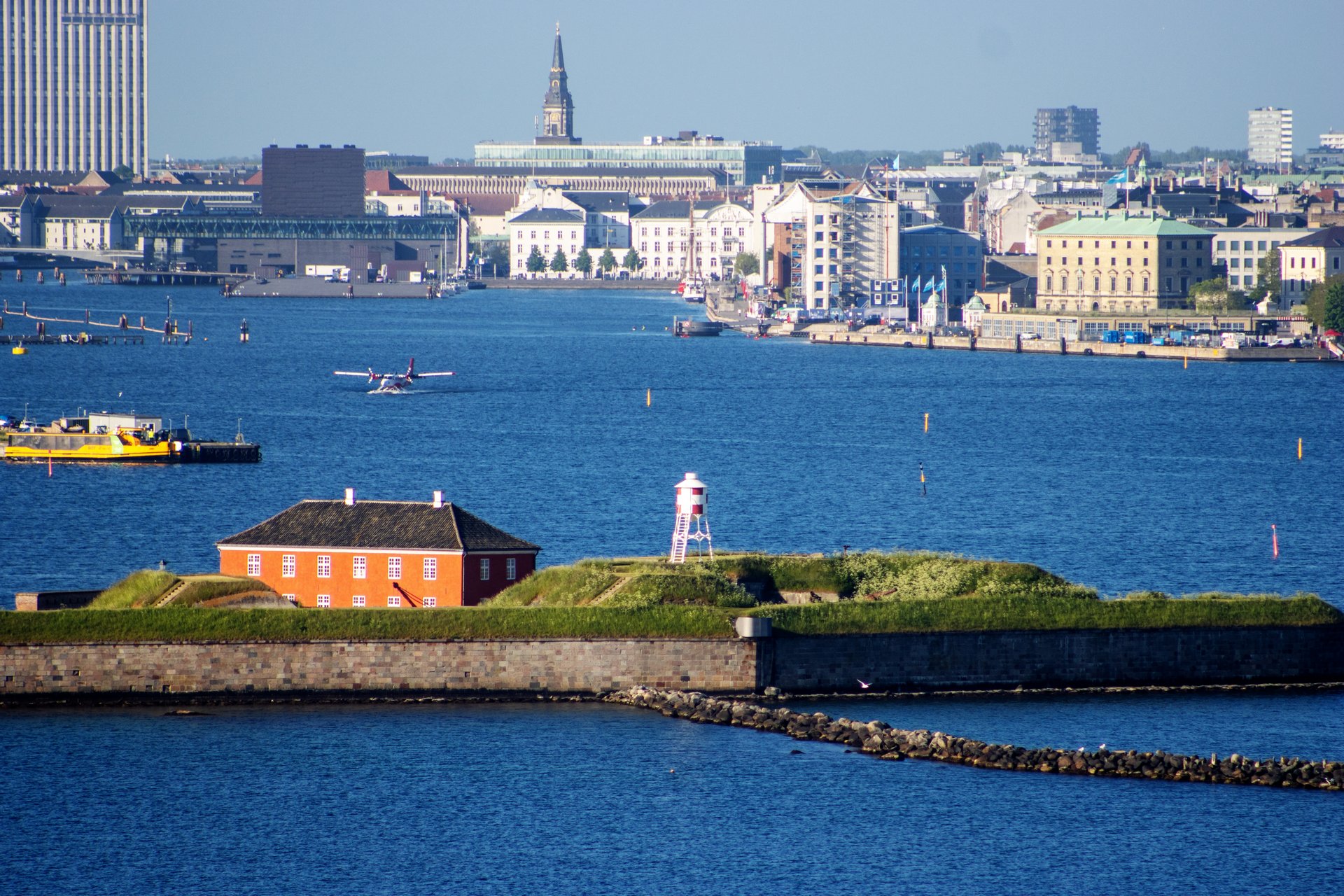
Unlike many European cities, Copenhagen’s harbor is safe to swim in.
Photo by Ian Peter Morton on Shutterstock
Visit the tower at Christiansborg Palace
Christiansborg Palace is the home of the Royal Reception Rooms and the Danish Parliament. While visitors will need to buy a ticket to explore most of the palace, the crowning tower is free to visit. This tower is the highest viewpoint in Copenhagen, offering stunning panoramic views. On clear days, visitors can even follow the Øresund Strait towards Sweden.
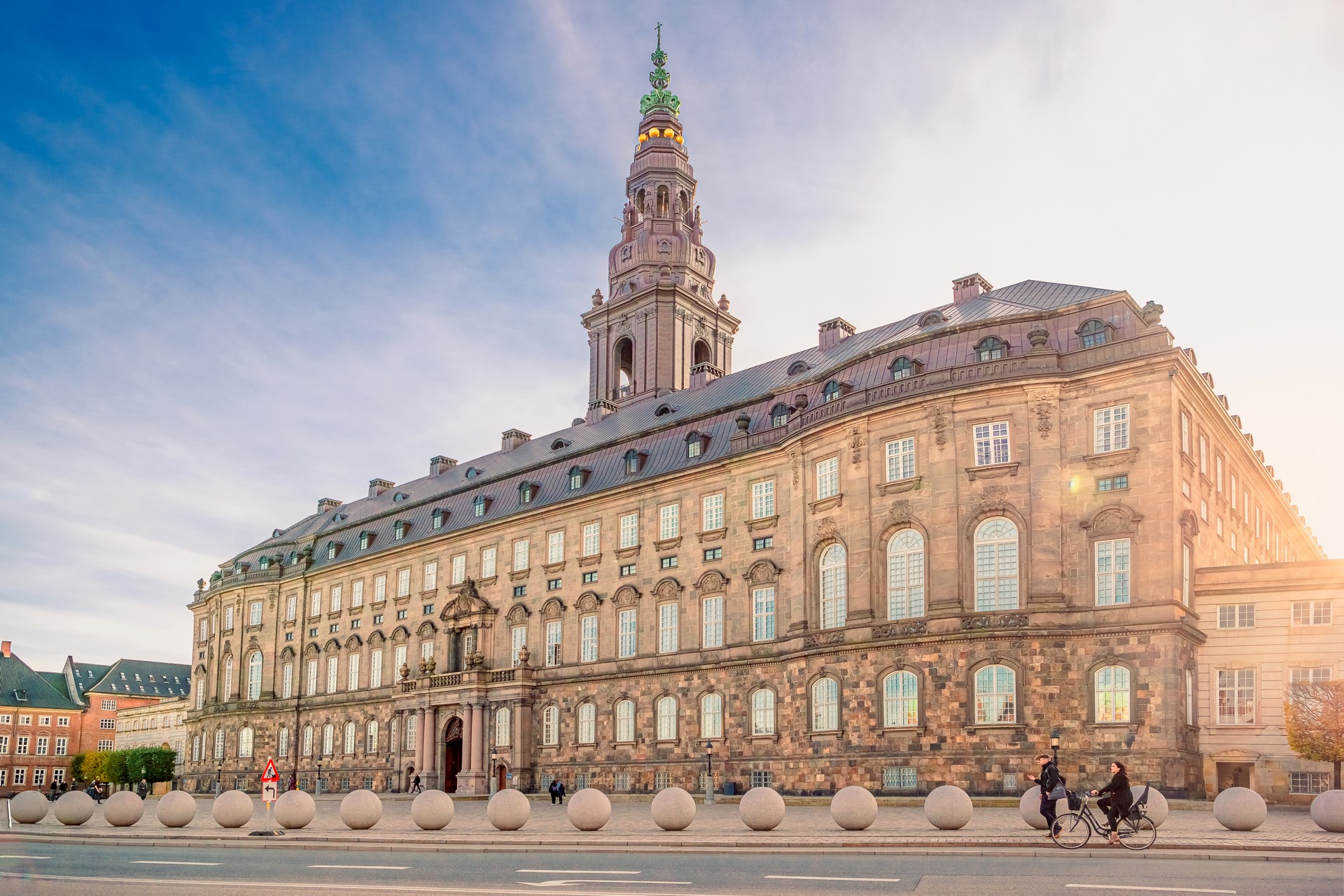
Christiansborg Palace is the home of the Royal Reception Rooms and the Danish Parliament.
Photo by chernobrovin on Shutterstock
Explore the Old Town
The Old Town of any city is the best way to discover its historic routes — and Copenhagen is no exception. Strøget, a car-free shopping area located in the city center, easily fills an entire afternoon with its traditional buildings, independent stores, and street performers. This area has one of the longest pedestrian streets in the world, making it ideal for a few hours of window shopping.
Novice photographers will want to keep their cameras close by when exploring the old town, including the quieter cobblestone streets of Gråbrødretorv.
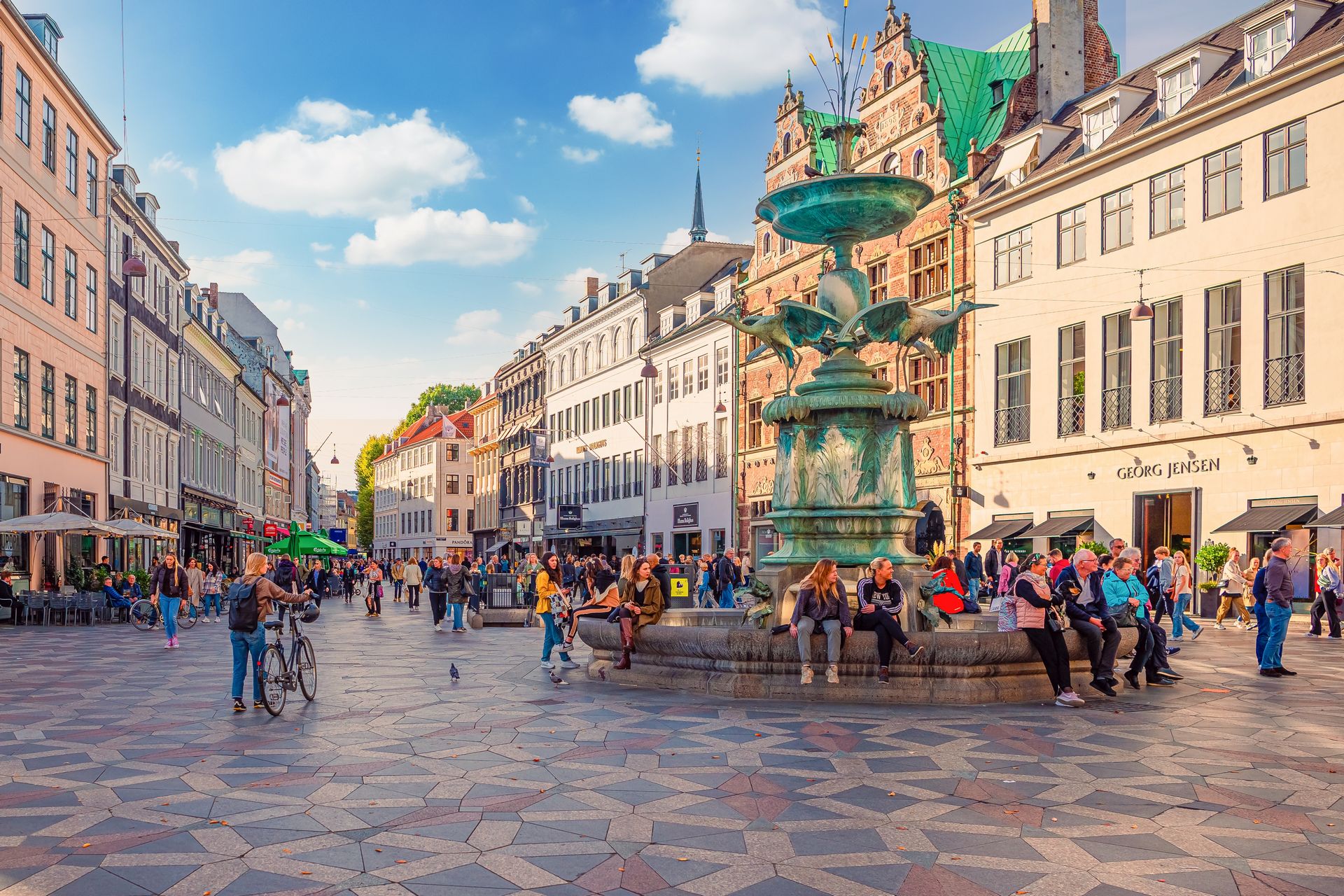
Strøget, a car-free shopping area located in the city center, easily fills an entire afternoon.
Photo by chernobrovin on Shutterstock
Watch the Changing of the Guard at Amalienborg Palace
Visitors with a shorter itinerary — or a smaller budget — can still get a feel for Denmark’s royal history by watching the Changing of the Guard at Amalienborg Palace, the official residence of King Frederik X. This ceremonial changing of the guard happens daily at noon with a marching band accompanying them when the King is in residence.
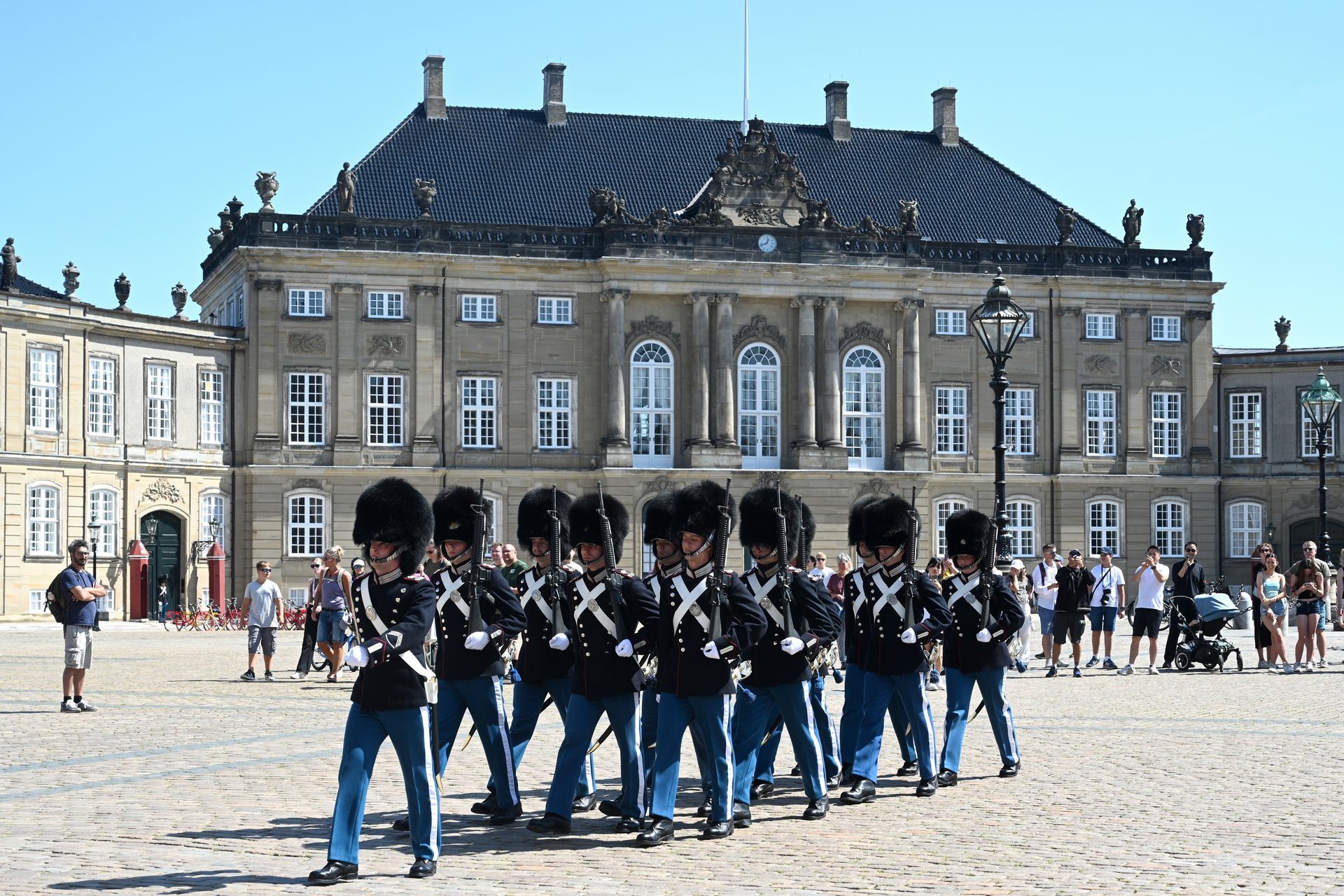
Visitors can still get a feel for Denmark’s royal history by watching the Changing of the Guard at Amalienborg Palace.
Photo by Bumble Dee on Shutterstock
When is the best time of year to visit Copenhagen?
Copenhagen is a year-round destination with each season offering something distinctive for first-time and returning visitors alike. Below, we’re breaking down the pros and cons of visiting Copenhagen by season:
Spring (March-May)
For many visitors, Spring brings the happy medium of pleasant temperatures and lower crowds without the higher accommodation costs of summer. This season is best suited for tourists who want to explore Copenhagen’s green spaces or curate an outdoor-focused itinerary.
April sees the cherry blossoms come into bloom and the Tivoli Gardens open around Easter each year. The amusement park offers a mixture of big thrill rides and family-friendly rides, along with live performances, open-air eateries, and seasonal events. While there’s a ticket to access the park, it’s an additional fee to go on rides (with a multi-ride pass available).
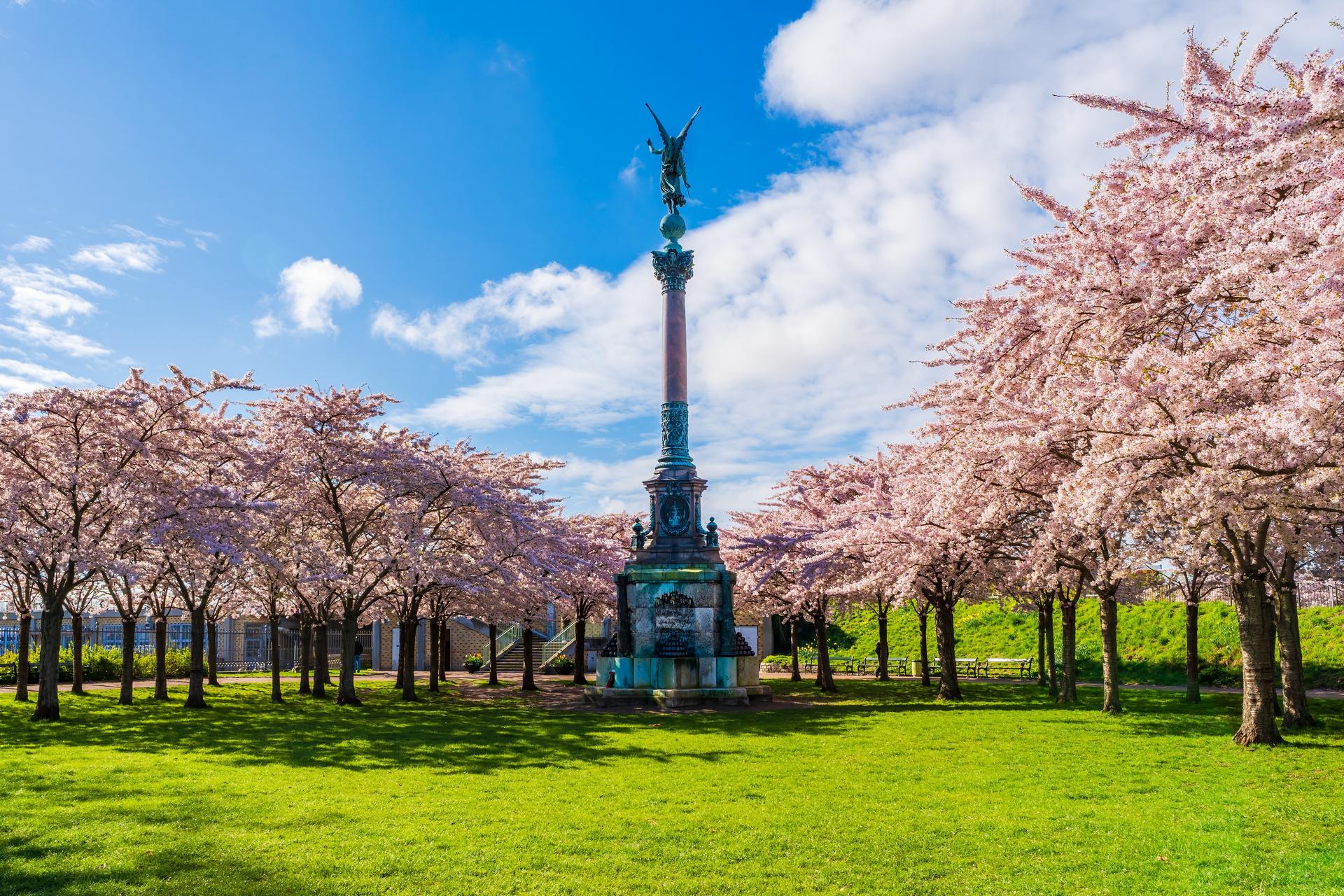
Spring is best suited for tourists who want to explore Copenhagen’s green spaces.
Photo by BBA Photography on Shutterstock
Here are some spring highlights when visiting Copenhagen:
- March: Attractions extend their opening hours for the spring. Major events include the Danish Coffee Festival and CPH: DOX, one of the most prestigious documentary film festivals.
- April: Many of the flea markets reopen across the city, a treasure trove for vintage and antique shoppers.
- May: Begins with Første Maj, the country’s labor day, comparable to 4th July in the United States. It also marks the start of peak season for Copenhagen, with major events like the Copenhagen Marathon.
Summer (June-August)
One of the busiest times to visit Copenhagen, with the longer days making it ideal for foodies who want to explore the city’s culinary scene or channel their inner Dane by cycling through the city.
June to August are considered the high season, with bookings recommended at least a few weeks in advance. June 23rd is the Danish midsummer celebration, while July is typically the warmest month.
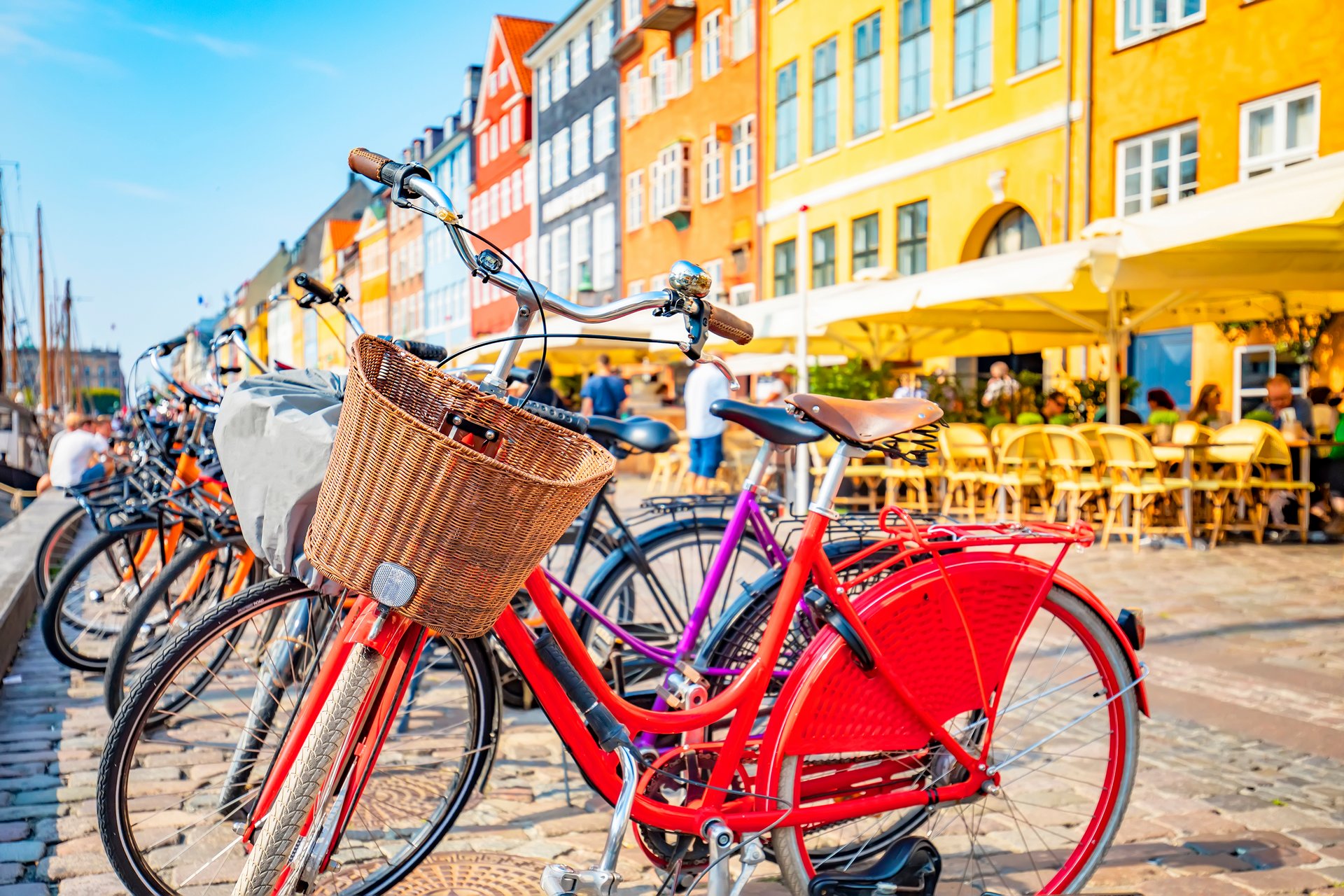
Summer is one of the busiest times to visit Copenhagen.
Photo by Arcady on Shutterstock
Here are some summer highlights when visiting Copenhagen:
- June: Musical events, including Copenhell and Distortion, along with the Three Days of Design exhibition, focusing on Nordic design.
- July: Copenhagen Jazz festival and other smaller musical events.
- August: Copenhagen Fashion Week, Copenhagen Opera Festival, the Ironman competition, PostNord Danmark bike tour, and Pride Week.
Fall (September-October)
We predicted that a rise in popularity of Europe’s “shoulder seasons” would be one of 2026’s biggest travel trends. Copenhagen is one of the best destinations for international visitors who want to immerse themselves in Scandinavian culture without the warmer temperatures or summer crowds.
Fall brings fewer crowds with milder weather, including regular rain showers. This season is worth considering for history enthusiasts.
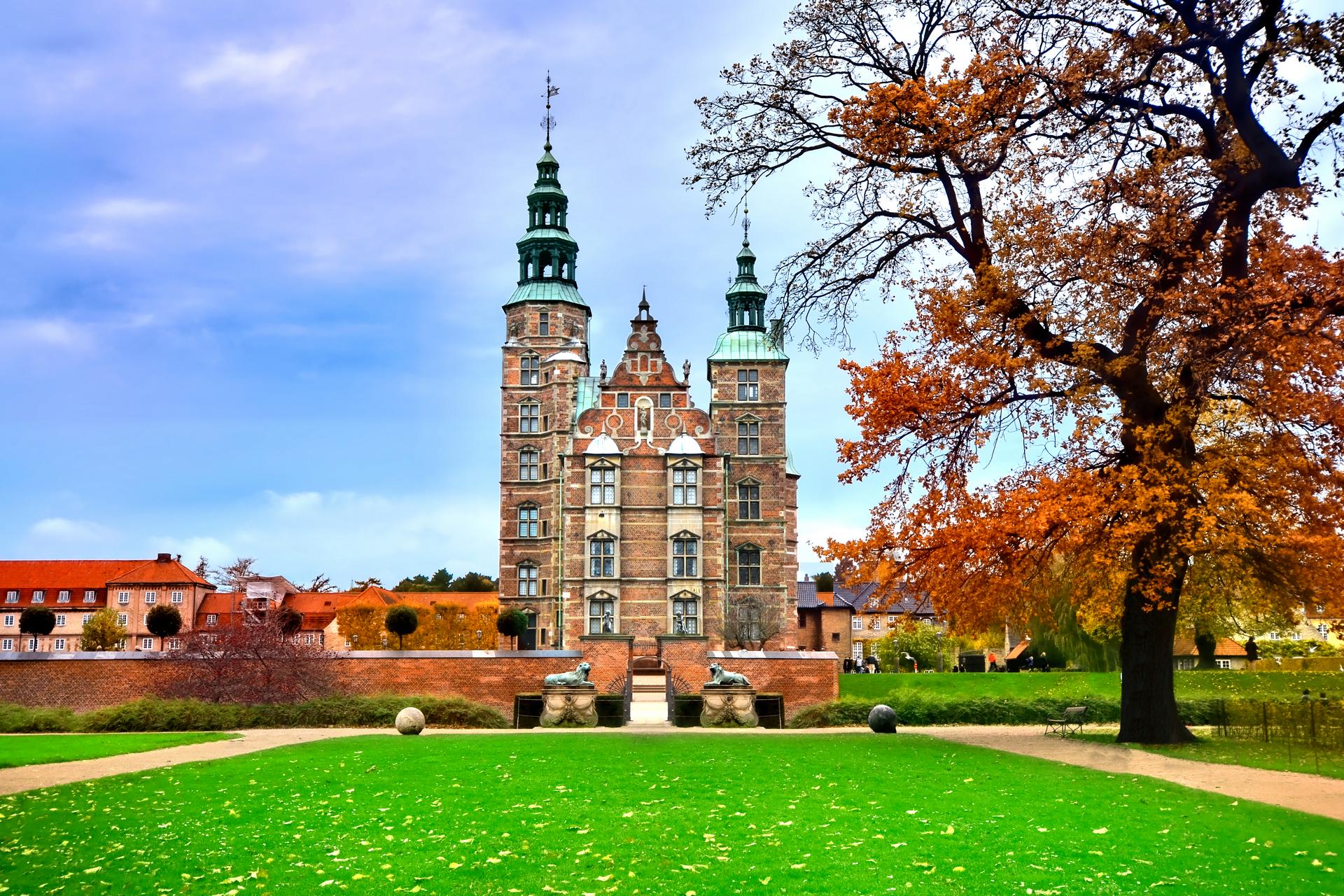
Fall brings fewer crowds with milder weather.
Photo by JeniFoto on Shutterstock
Here are some of the fall highlights in Copenhagen:
- September: Golden Days Festival, which celebrates Denmark’s history. Each year has a specific theme, with the 2026 festival focusing on “Monster.”
- October: Copenhagen Culture Night, with concerts and stage shows, along with Halloween celebrations at the Tivoli Gardens
- November: Christmas celebrations begin with festive markets and ice-skating rinks opening to the public.
Winter (November-February)
It’s no secret that the Danes take Christmas very seriously. Copenhagen is one of the best destinations in Europe for Christmas markets, with the city illuminated with festive decorations from early November. Although the markets are a major attraction, tourist crowds in winter are lower than in the summer months, while this season also sees lower accommodation costs.
Winter is one of the best times to embrace the “hygge” way of life. Temperatures are typically around freezing, with the locals focusing on small moments of coziness, from indulging in a strong filter coffee to going ice skating.
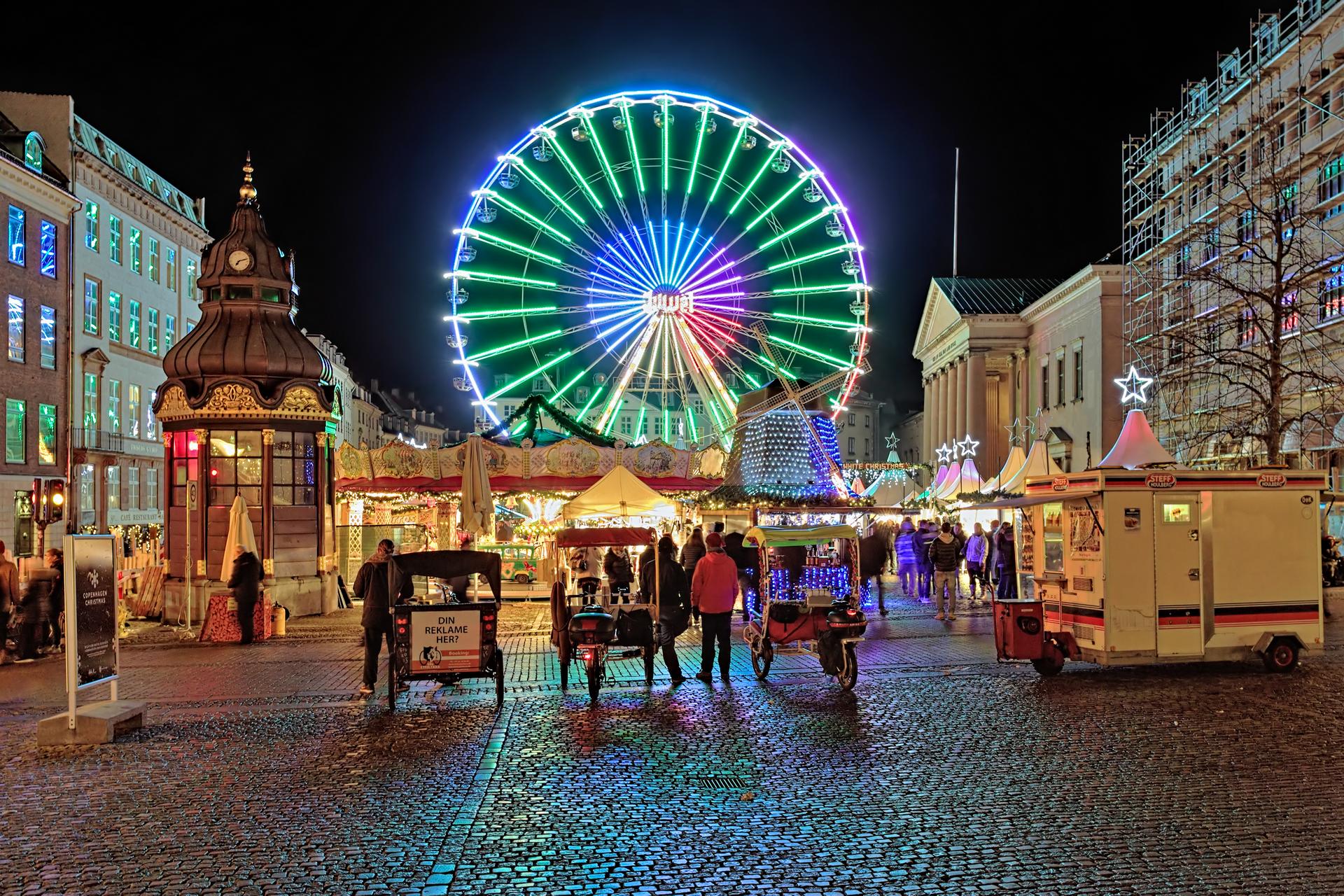
Copenhagen is one of the best destinations in Europe for Christmas markets.
Photo by Mikhail Markovskiy on Shutterstock
Here are some of the winter highlights when visiting Copenhagen:
- Tivoli Gardens becomes a winter wonderland from mid-November to early January with ice skating rinks, festival stalls, and over 800+ decorated trees.
- Some of the most popular festive markets can be found at Christiania, Højbro Plads, and Nyhavn.
- Festivals occur throughout the city during winter, including the Winter Jazz, CPH: DOX film festival, Copenhagen Dining Week, and Copenhagen Light Festival.
The most popular day trips from Copenhagen
Copenhagen is a city that can be explored over a long weekend, so tourists who want a longer vacation will often add a day trip to their itinerary. Beyond its metro lines, Copenhagen also has an extensive regional S-train network, along with bus routes and electric harbor buses that make it easy to reach nearby towns and cities.
Here are the 5 best day trips to take from Copenhagen:
1. Kronborg Castle
How to get there: 45-minute train from Copenhagen Central Station, then a 15-minute walk.
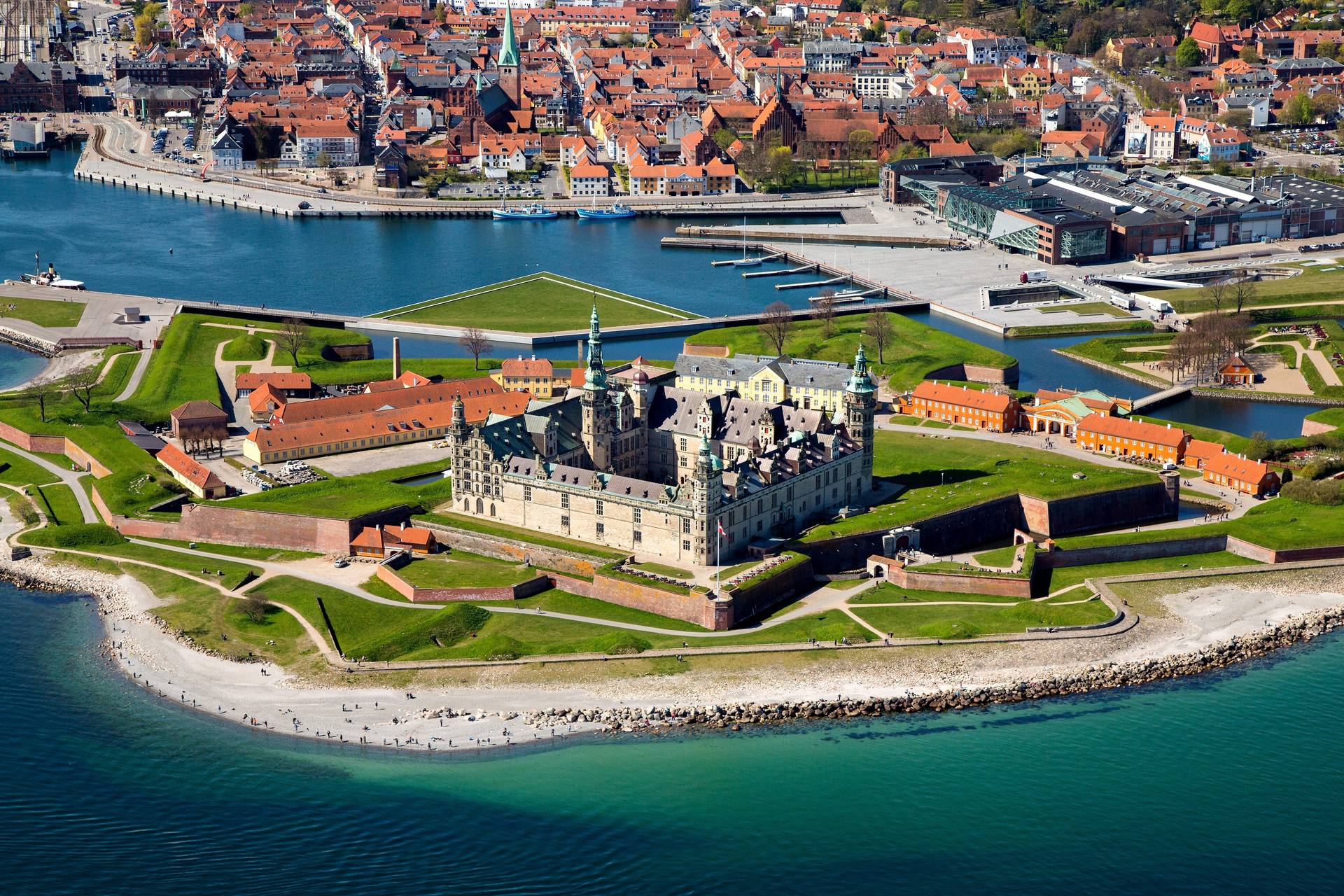
Helsingør is home to Kronborg Castle, famously immortalized as the real-world setting for “Hamlet”.
Photo by Torsox on Shutterstock
Helsingør is a destination that every Shakespeare fan should add to their bucket list. This seaside town is just an hour from the city and is home to Kronborg Castle, famously immortalized as the real-world setting for “Hamlet” (although referred to as “Elsinore” in the play). The lavish feats held in their former military stronghold served as inspiration for the Bard.
Although he never visited Denmark, Shakespeare was inspired by the stories of Prince Amleth. During the summer months, the castle leans into this connection, hosting pop-up performances of the play.
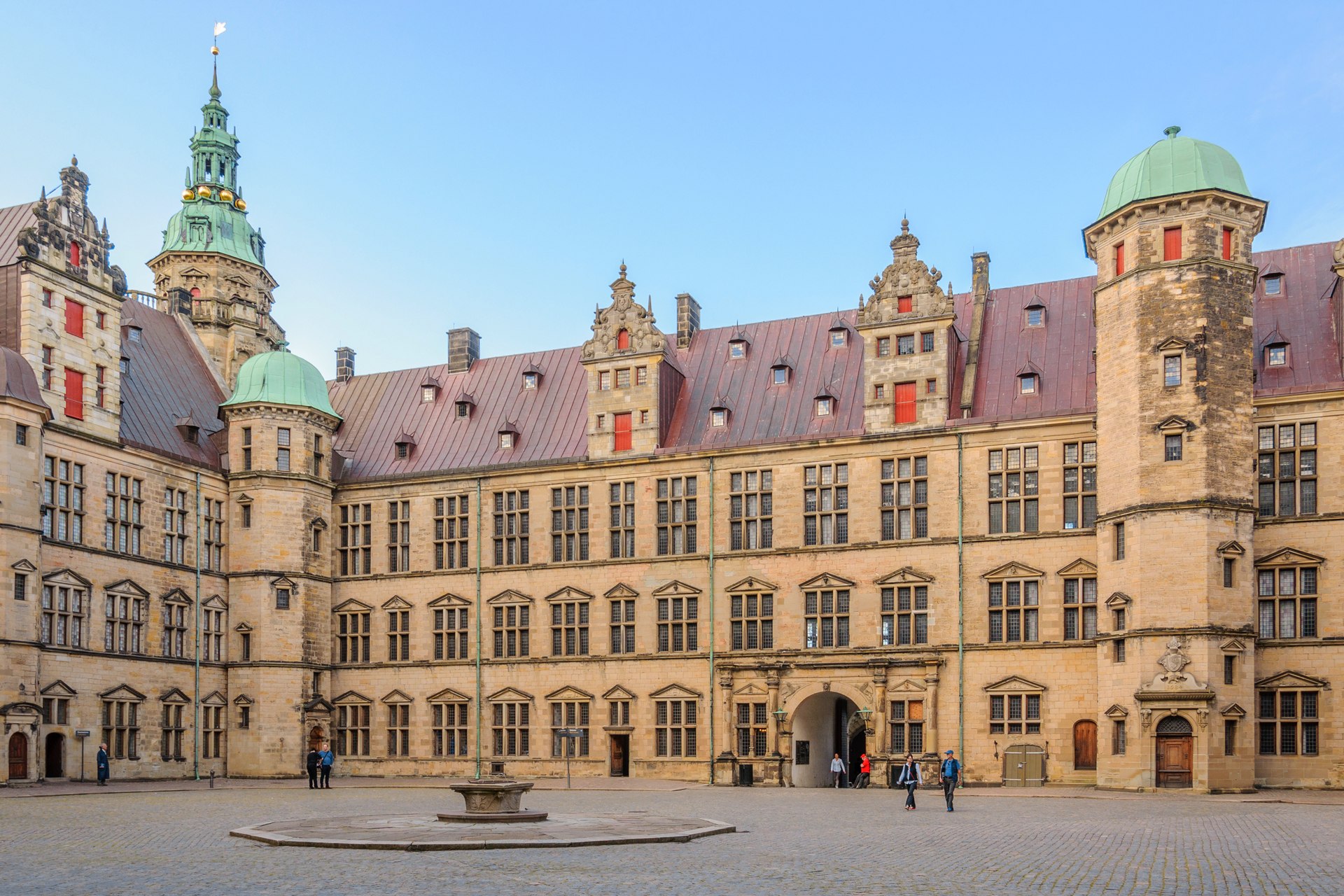
Visitors can tour the casemates under the castle, along with the royal apartments.
Photo by Andrey Shcherbukhin on Shutterstock
Visitors can tour the casemates under the castle, along with the royal apartments. The castle is now a UNESCO World Heritage Site, hosting its own Christmas market each December.
It’s worth spending an hour or two in Helsingør before returning to the city, especially its Sankt Olai Cathedral, and the town’s independent eateries.
2. Frederiksborg Castle
How to get there: Take the S-train line A to Hillerød, which takes 40 minutes, before taking the 15-minute walk from the station to the castle. Alternatively, take bus 301/302, which takes 5 minutes from the station.
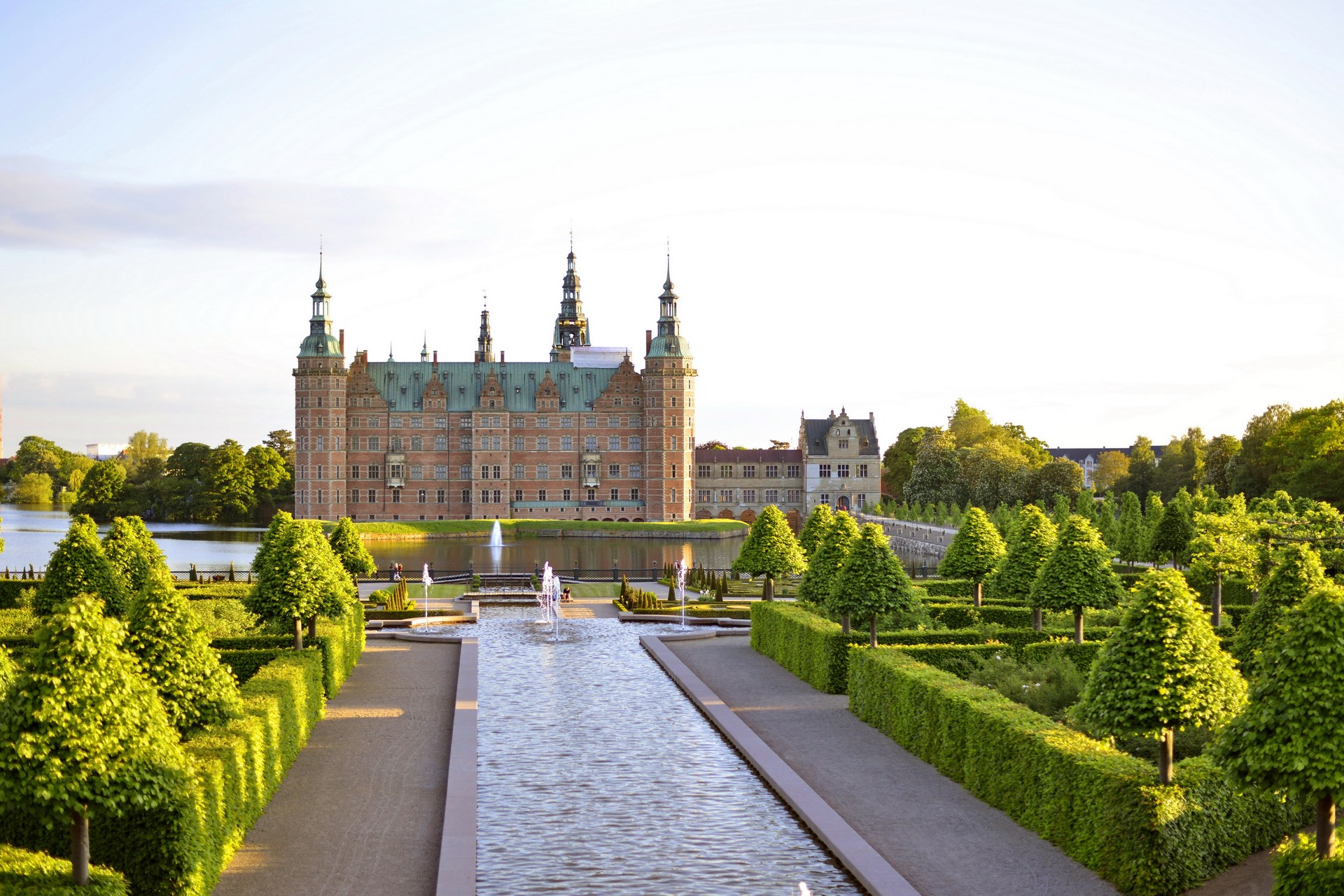
Frederiksborg Castle is a Renaissance-style royal residence.
Photo by Vrezh Gyozalyan on Shutterstock
Frederiksborg Castle is a Renaissance-style royal residence, which has earned a reputation as being the “Nordic Versailles.” It’s been the home of The Museum of National History since 1878, which showcases 500 years of Danish history.
The castle is deserving of a full-day visit with plenty to entertain the entire family, from its special children’s exhibit to the boat trips and gardens. Tickets can be bought in advance, and there is a regular rotation of exhibitions, including the current exhibition on “The Chamber of Orders,” which runs from June 2026.
3. Malmö, Sweden
How to get there: 40-minute train from Copenhagen Central Station to Malmö Central. Regular departures every 20 minutes during peak times.
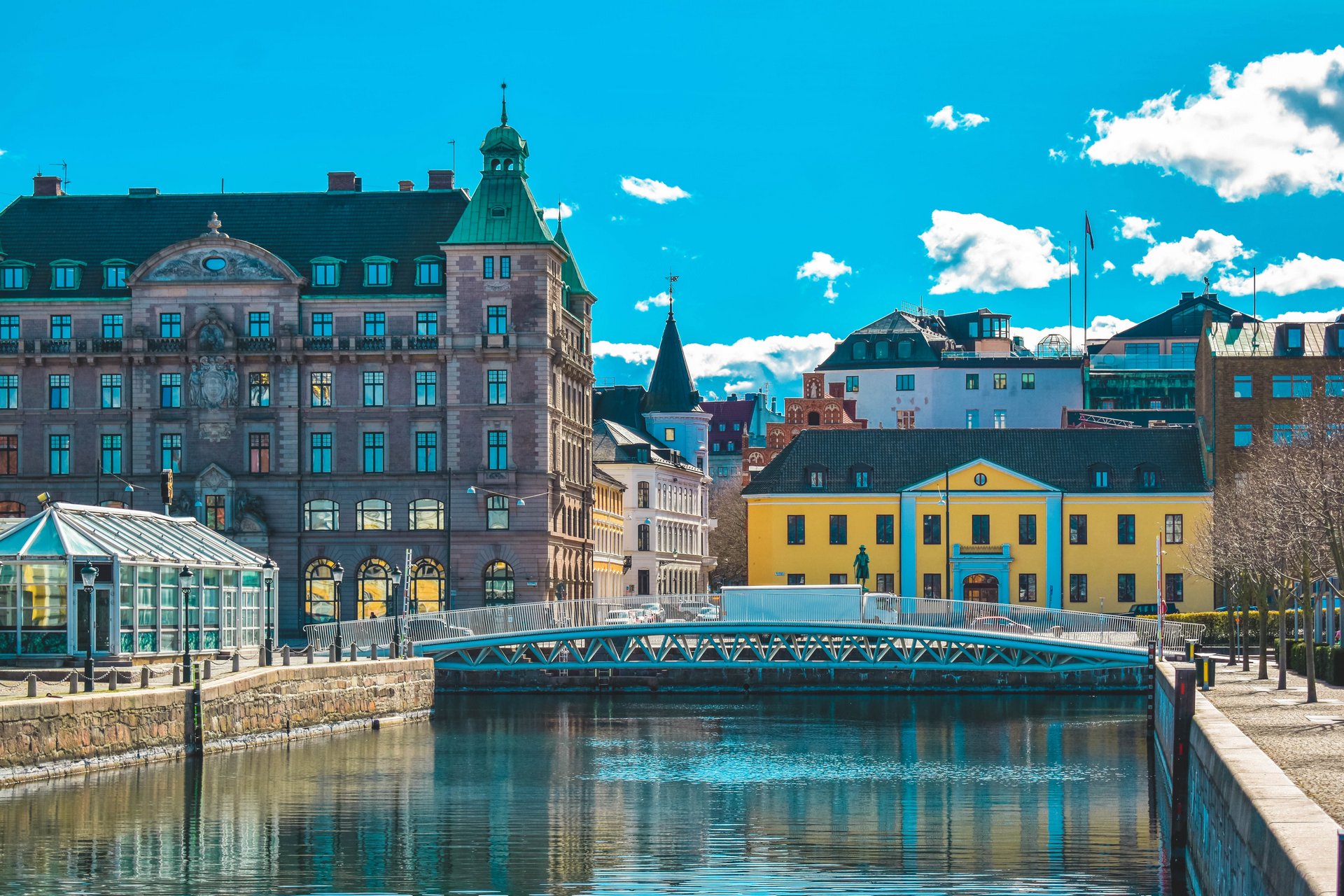
Malmö offers a rich cultural blend.
Photo by Emzzzz on Shutterstock
Tourists who want to tick off more than one country during their trip to Europe can take the 40-minute train to Malmö in Sweden. Malmö is the country’s third-largest city and a great addition as a one or two-night stay as part of a wider Nordic itinerary. The city offers a rich cultural blend of Middle Eastern markets, classic Renaissance architecture, and street food that has earned it the nickname of “Falafel Capital of Sweden.”
Highlights here include the Turning Torso, Scandinavia’s tallest building, the Öresund Bridge, and the open-air cold bathhouse of Ribersborgs Kallbadhus.
4. See the Viking ships in Roskilde
How to get there: 20- to 30-minute train from Copenhagen Central Station to Roskilde.
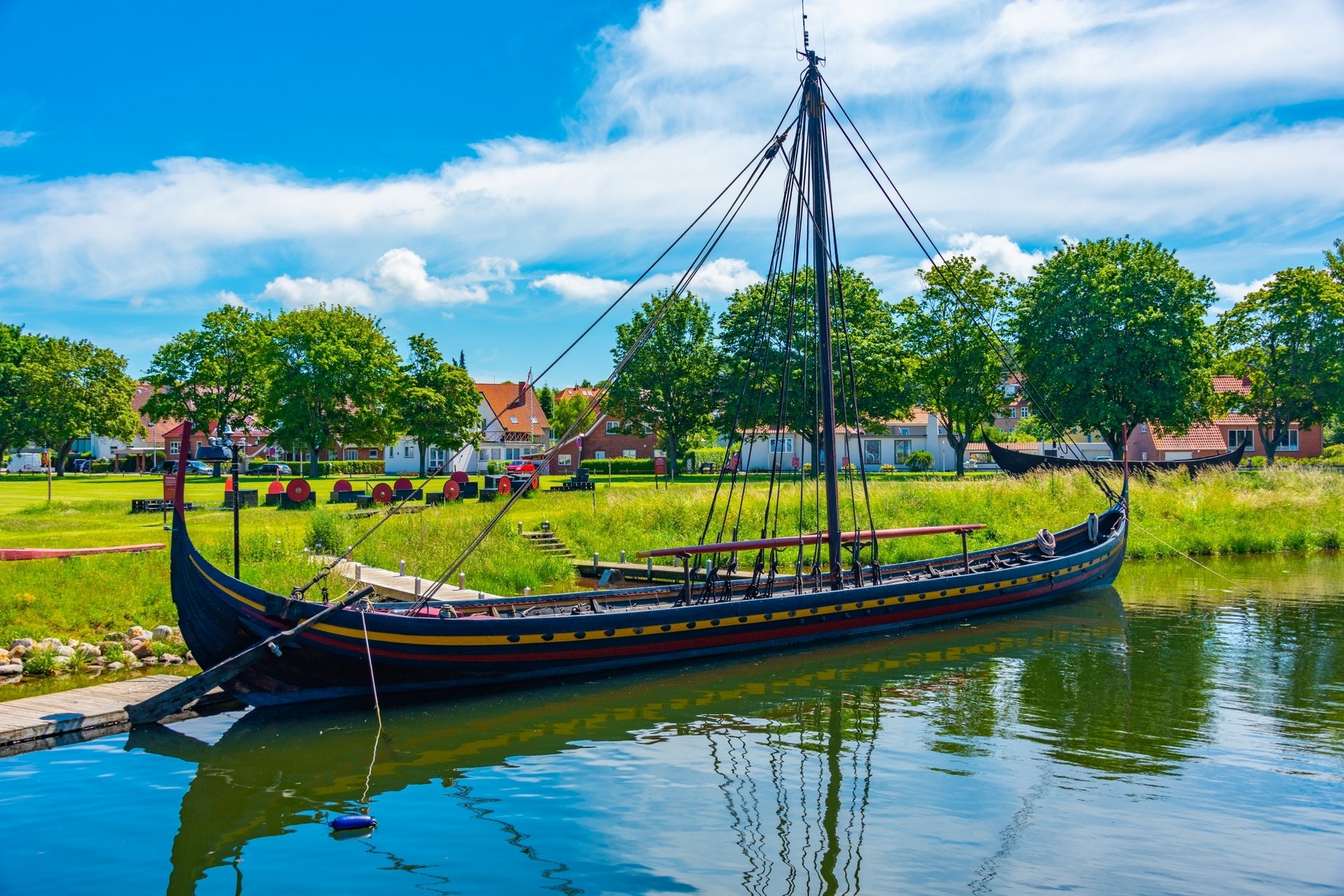
Roskilde is ideal as a full-day excursion.
Photo by trabantos on Shutterstock
No trip to Denmark is complete without exploring the country’s Viking history. Roskilde is just a 20-minute train ride from the city and is ideal as a full-day excursion.
The Viking Ship Museum has a permanent exhibition of the Skuldelev ships, five original Viking ships that were excavated nearby in the early 1960s. The museum offers an array of hands-on and family-friendly activities for tourists who want a more interactive experience.
It’s also worth stopping by Roskilde Cathedral, built in 1275. It’s one of the most important churches in Denmark, as an official royal burial site. Almost 40 Danish kings and queens are buried here.
5. Explore the Dyrehaven nature reserve
How to get there: Take the S-train line C to Klampenborg, approximately 20 minutes from the city.

Dyrehaven is open year-round and is ideal for a long bike ride, nature walk, or a romantic picnic.
Photo by Mats Lindberg on Shutterstock
Nature-focused itineraries can be made even richer by adding a day trip to Dyrehaven, the UNESCO World Heritage nature reserve. This deer park was a former royal hunting ground and is now home to hundreds of deer, who live along its open landscapes, lush forests, and small lakes. The park is open year-round and is ideal for a long bike ride, nature walk, or a romantic picnic.
Dyrehaven can be extended into a full-day excursion by adding on a visit to Bakken, located within the woods. It’s the world’s oldest amusement park, having been founded in 1583, and has over 30 rides, from modern thrill rides to nostalgic, family-friendly coasters. Admission to Bakken is free, with games and ride admission charged separately.
Practical tips before visiting Copenhagen
Copenhagen is different from other European cities, with its more relaxed lifestyle, focus on sustainability, and calmer atmosphere compared to megacities like London and Paris. It’s also considerably more compact, making it walkable and easy to navigate.
Below, we’re sharing practical tips to know before visiting Copenhagen.
Common tourist mistakes to avoid:
- Bike lanes are not footpaths; treat them just like the road. Only hire a bike in the city center if you’re a confident rider and stay within green spaces.
- Always buy and validate your ticket when using public transport, as fare inspectors patrol the Metro and S-trains.
- The restaurants around Nyhavn may look Instagram-worthy, but they’re often overpriced and considered to be tourist traps. Head to Vesterbro or Nørrebro instead.
- Always use a knife and fork while eating, although food like burgers can be eaten with only your hands if you’re not comfortable with cutlery.
- When you toast at dinner, make sure to say “skål” — pronounced “skoal” – when raising your glass, and avoid immediately putting your glass back down. Always take a sip first.
- Don’t be loud in public spaces, including on public transport.
- Avoid bringing too much cash to Copenhagen. While it can be useful in the markets, most of the city is now cashless.
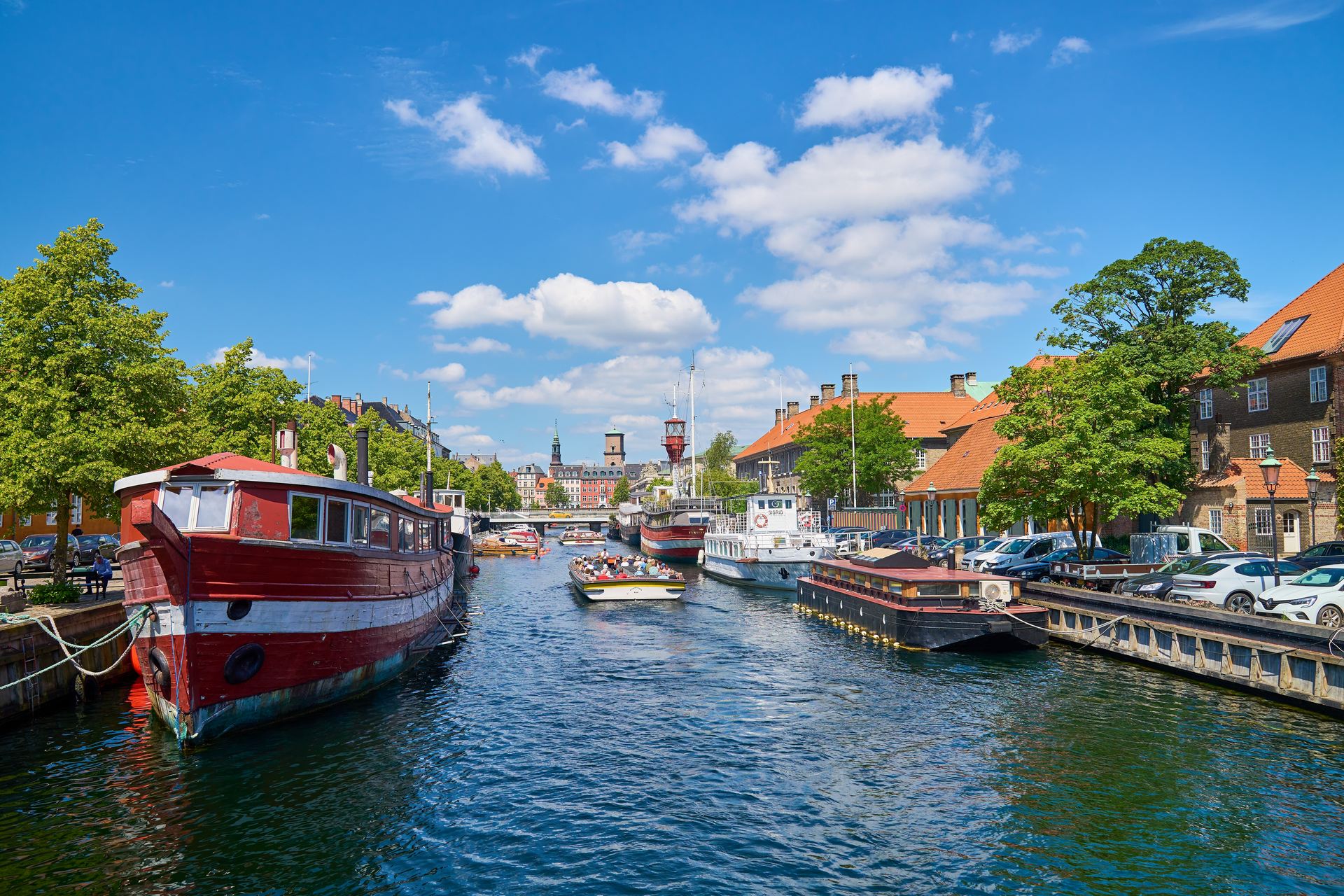
Copenhagen is different from other European cities, with its more relaxed lifestyle.
Photo by Lazy_Bear on Shutterstock
How to get around Copenhagen:
Copenhagen is easy to navigate with its public transport systems, especially the metro, while also being highly walkable.
- Metro: Driverless metro system makes it easy to get from the airport into the center in under 15 minutes. Apps like Citymapper make it easy to plan travel routes with live updates. All metro lines run 24/7 with trains arriving every 2 minutes during rush hour and up to every 6 minutes during weekends.
- Bus: A-buses and 5C buses are the main ones for the city center, operating all day and night. S-buses are more frequent but make fewer stops. N-buses run at night.
- Trains: S-trains are a hybrid urban-suburban rail serving the city’s urban area, except Amager. They run from 5 AM to 12:30 AM and run all night on Friday and Saturday.
- Bike: There are more bikes than cars in Copenhagen, making it one of the best cities for cycling. Novice cyclists should stay out of the bigger bike lanes during rush hour, staying on the far right of the bike lane. Always signal with the left hand in the air before braking and use arms to indicate when turning.
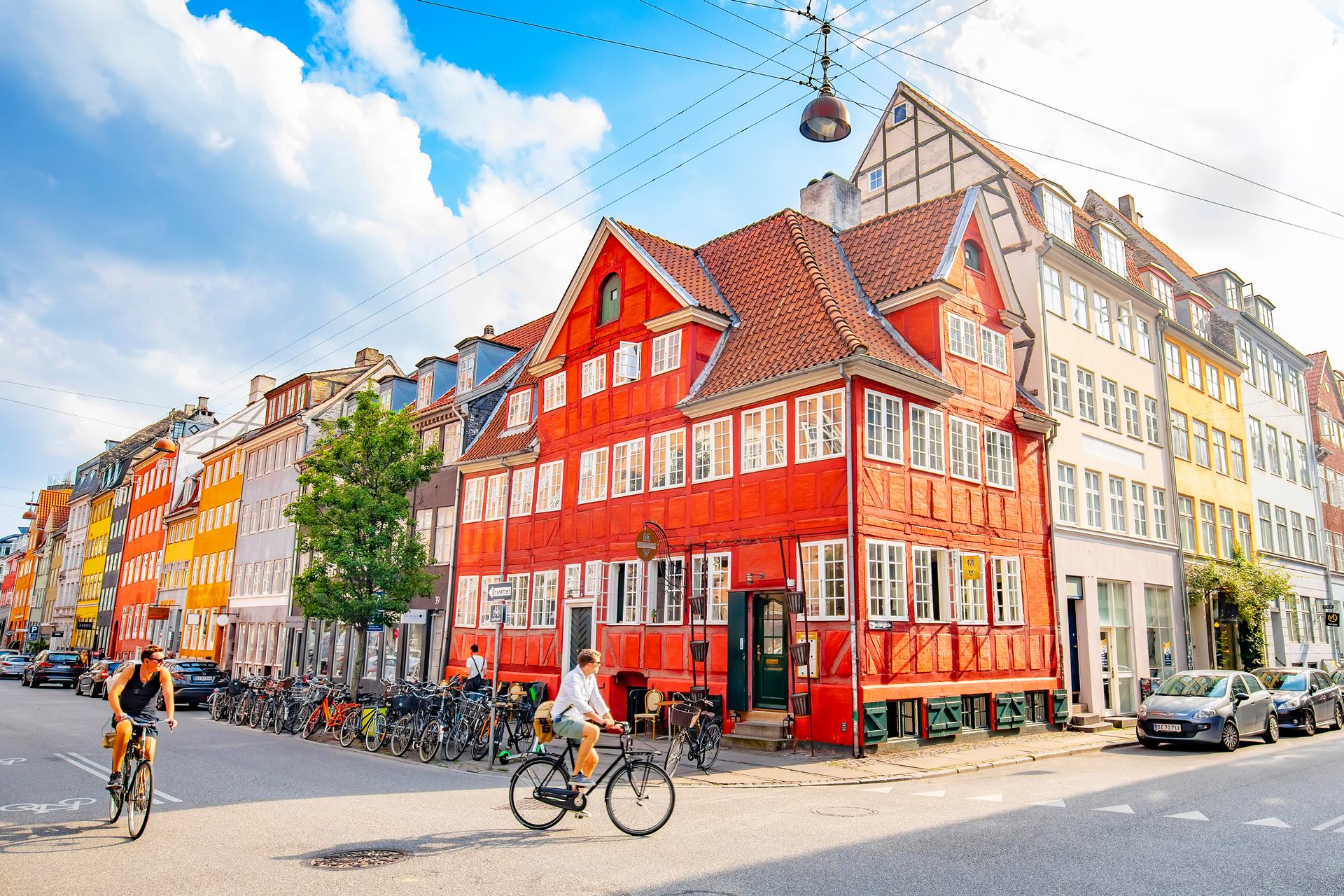
There are more bikes than cars in Copenhagen, making it one of the best cities for cycling.
Photo by Arcady on Shutterstock
Is the Copenhagen Card worth it?
Most tourists visiting the city, especially on a budget, opt for a “Copenhagen Card.” It’s designed for first-time visitors in mind, especially those with a museum-focused itinerary and those who intend to take public transport.
The Copenhagen “Discover” Card is available for up to 5 days with adult, junior, and kids pricing and includes 80+ attractions as well as unlimited public transport. It’s more popular than its limited “Hop” counterpart (which includes 40+ attractions and unlimited access to the Hop On-Hop Off buses, but excludes public transport) and is comparable in price. An adult 24-hour pass costs $90 for the Discover card and $92 for the Hop card.
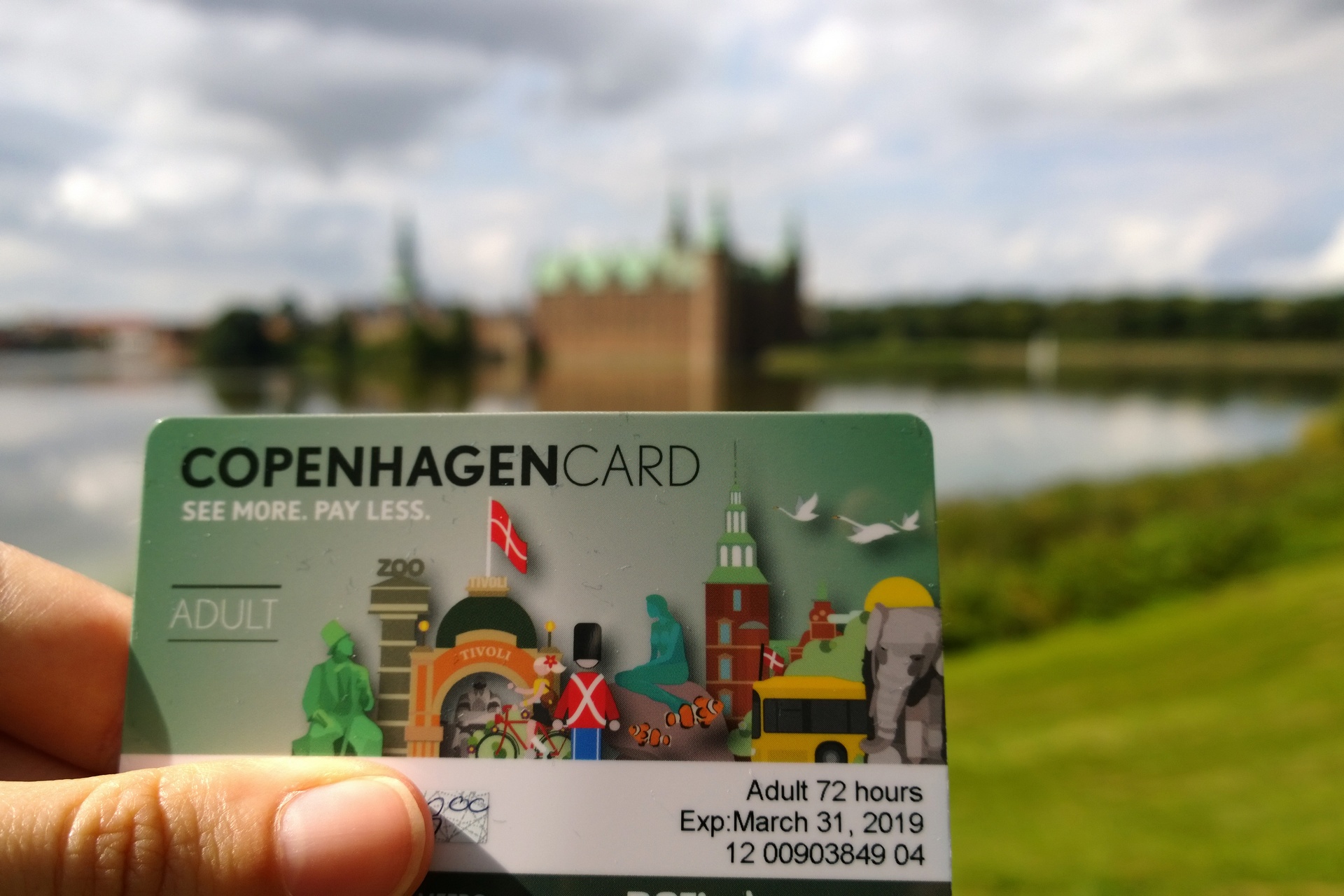
The Copenhagen “Discover” Card includes 80+ attractions as well as unlimited public transport.
Photo by Kroshanosha on Shutterstock
The Copenhagen Discover Card includes:
- Unlimited metro, bus, and train rides across the Capital Region, including to and from the airport.
- Regional trains to day trip destinations, including Kronborg Castle and Roskilde.
- Free access to 80+ popular tourist attractions, including Rosenborg Castle, the Tivoli Gardens, and guided canal tours.
Frequently asked questions about visiting Copenhagen
Plan a customized Copenhagen itinerary with RateHawk
Copenhagen is a city that’s best discovered slowly, embracing the “hygge” ethos of coziness. It’s a destination that lends itself to any type of itinerary, from exploring historic palaces to sunbathing along the harbor. Each season in Copenhagen offers something different, from some of Europe’s best Christmas markets to world-renowned film festivals.
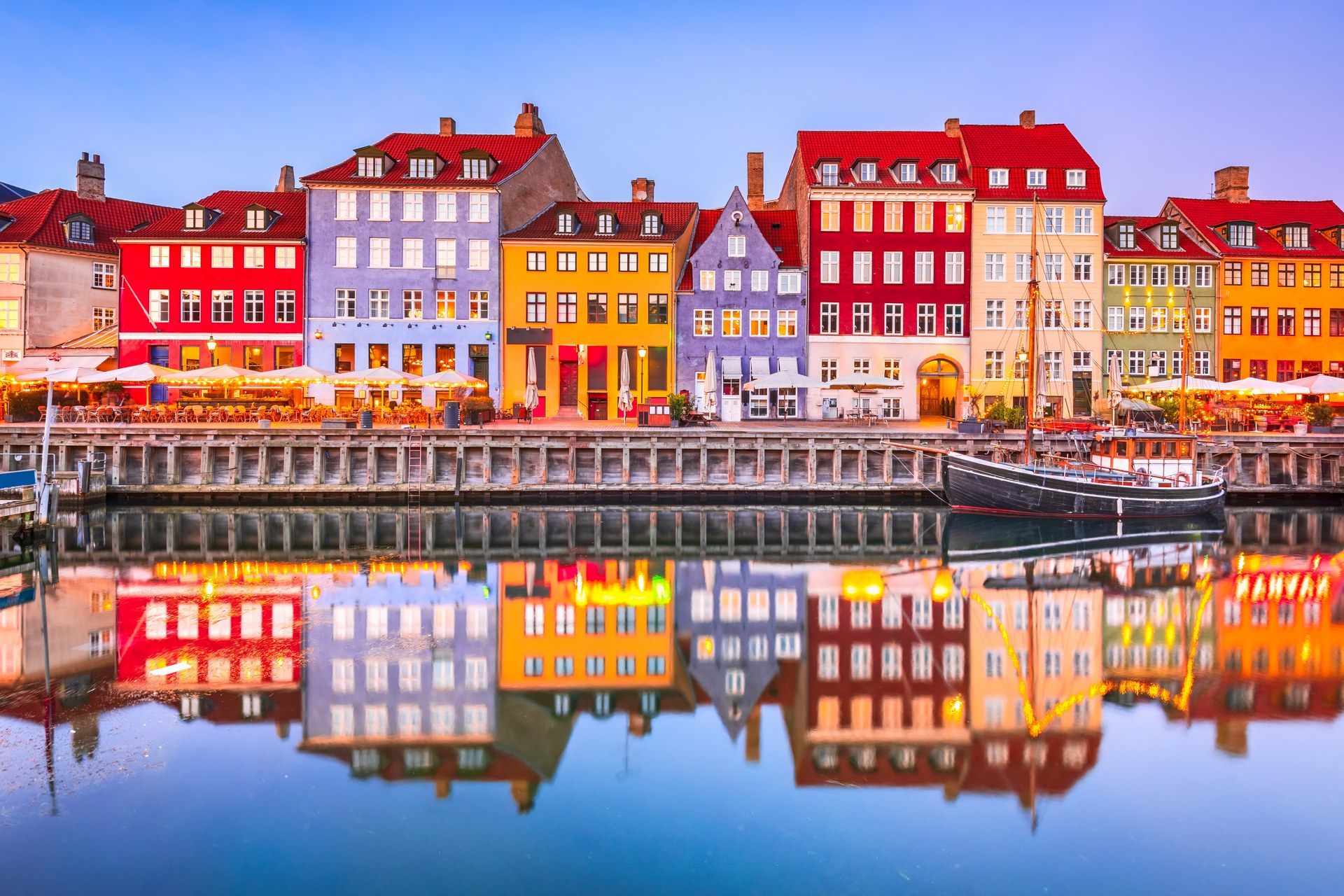
Copenhagen is a city that’s best discovered slowly, embracing the “hygge” ethos of coziness.
Photo by cgst26 on Shutterstock
RateHawk makes it easy to curate a Copenhagen package that aligns with your client’s travel style and interests. Get started with RateHawk to book accommodation, airport transfers, and more on one convenient platform with 24/7 support and instant access to 2.9M+ hotels worldwide from 330+ suppliers.
Cover image: Photo by Jacob Buchhave on Unsplash