
 460
460 20 minutes read
Contents
- Why travel agents should be selling Florence right now
- Practical information for travel agents
- Where to stay in Florence: Neighbourhoods and hotel options
- Top things to do in Florence: Must-see attractions
- Florence activities by travel type
- Day trips from Florence: The best of Tuscany
- Florentine food: What your clients should try in Florence, Italy
- Insider tips for Florence
- Florence as a “Destination Next” recommendation
Why travel agents should be selling Florence right now
Florence is one of the most enduring destinations in the world; a city that has been drawing travellers for five centuries and shows no sign of diminishing. Here’s why:
- Access to the world’s greatest concentration of Renaissance art, with work from da Vinci, Donatello, and Botticelli on display.
- Compact and walkable historic centre, making it easy to cover multiple tourist attractions in one day.
- Outstanding food and wine; the perfect way to sample the Mediterranean diet.
- Superb access to Tuscany, making it a destination that fits almost every travel portfolio and client profile.
For agents building cultural tour programmes, city-break packages, or luxury Italy itineraries, Florence delivers at every price point, from well-positioned mid-range hotels near the Duomo to the finest palazzo properties in the Oltrarno, from a lampredotto from a Mercato Centrale stall to a private dinner at a Chianti wine estate.
The agents who sell Florence best know the difference between the Uffizi and the Accademia, between Brunelleschi’s dome and Giotto’s Campanile, and between a tourist-facing gelateria and a real one. RateHawk’s inventory across the city’s historic neighbourhoods empowers you to build those proposals — and the Destination Next tool gives you the intelligence to tailor them to suit every client.
Practical information for travel agents
Weather and best time to visit Florence
- Spring (March–May): The best time to visit Florence for most clients. Mild temperatures (15–22°C), beautiful light on the Arno, manageable crowds before the summer peak, and competitive hotel pricing. April is the standout month.
- Summer (June–August): Florence in summer is hot (30–35°C), extremely busy, and at its most expensive. Advance booking of timed entry tickets is essential for all top attractions. Early morning visits to key sites are strongly recommended to beat the heat and crowds.
- Autumn (September–October): An excellent alternative to spring — temperatures remain warm (18–25°C), summer crowds thin considerably by mid-September, and the Tuscan harvest season adds excellent food and wine experiences. Golden hour in Florence in October is outstanding and perfect for romantic getaways.
- Winter (November–February): The quietest and most affordable period. Temperatures drop to 5–12°C, but Florence’s museums can be enjoyed at a pace impossible in summer. Ideal for cultural travellers who prioritise historical attractions over weather.
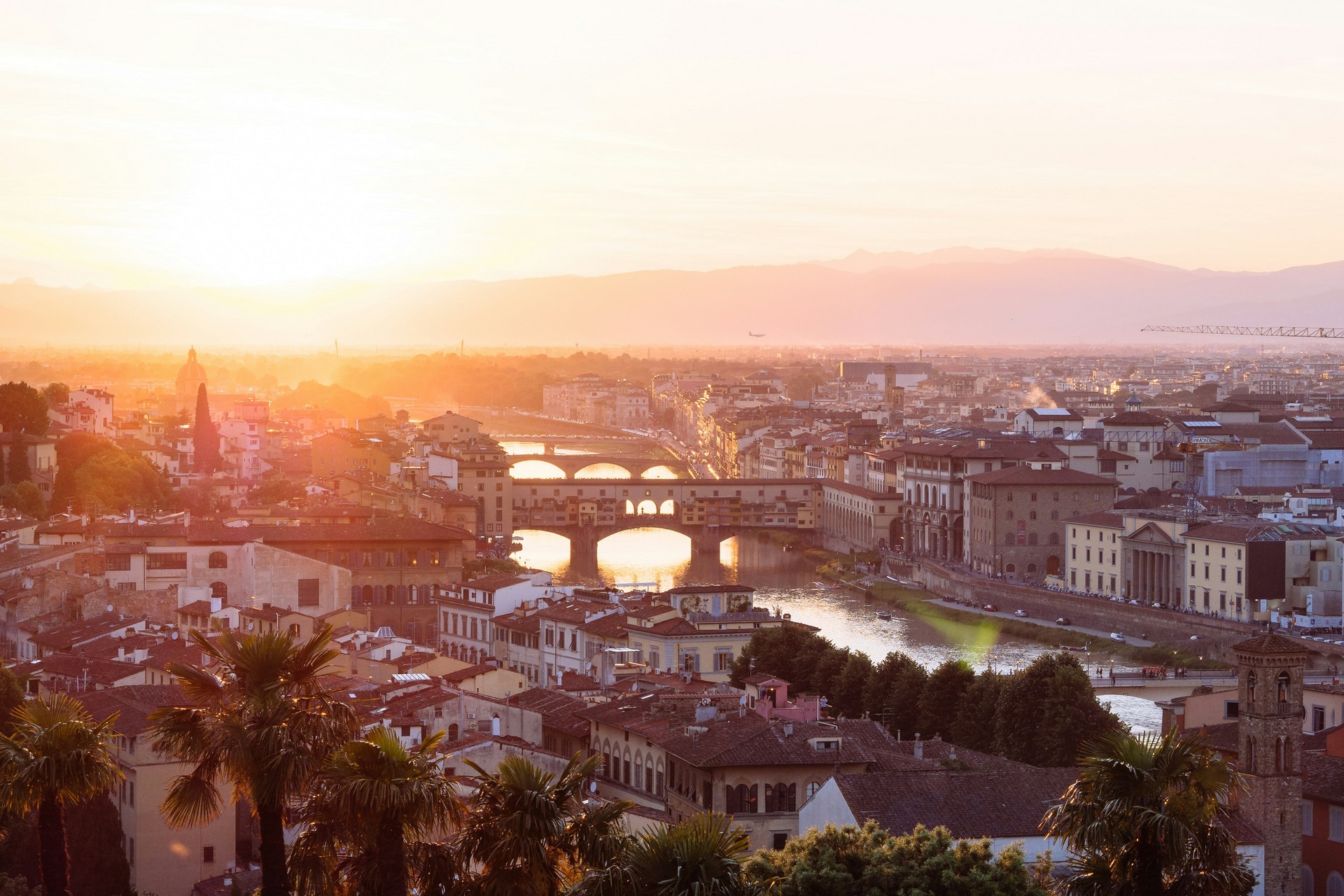
Photo by Mark Tegethoff on Unsplash
Florence fun facts
- Brunelleschi’s dome, completed in 1436, was the largest in the world for over a century and remains the largest brick dome ever constructed. No one believed it could be built without a supporting framework.
- The Tuscan capital is home to more Renaissance art per square kilometre than anywhere else on earth. The Uffizi Gallery alone holds Botticelli, Leonardo, Raphael, Michelangelo, Caravaggio, and Titian — and that is just the beginning of what Florence has to offer.
- The Ponte Vecchio was the only bridge in Florence spared from destruction during World War II, reportedly due to Hitler’s admiration for it.
- Florence is the birthplace of the Italian language as a literary standard. Dante Alighieri wrote the Divine Comedy in the Florentine vernacular in the early 14th century, effectively establishing the foundation of modern Italian.
- Florence is strongly associated with the development of modern gelato. The court of the Medici employed Bernardo Buontalenti, an architect, artist, and chef, who created a frozen cream dessert for Catherine de’ Medici in the 16th century.
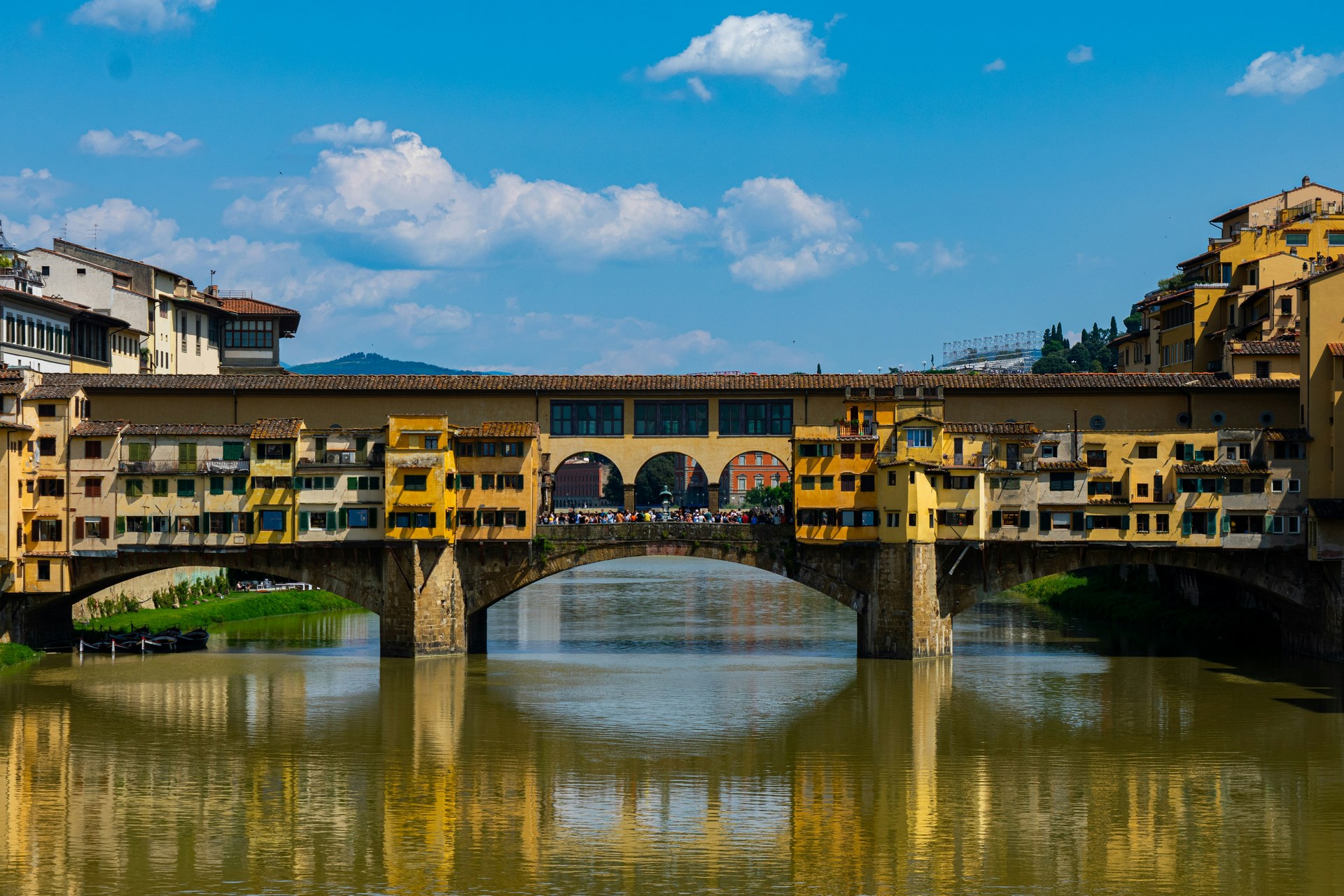
Photo by Joseph Quam on Unsplash
Getting around Florence
Florence is one of the most walkable city centres in Europe. Most top attractions are within a 20-minute walk of each other — the Duomo to the Uffizi takes five minutes on foot; the Uffizi to the Ponte Vecchio, only three more. Comfortable shoes with good grip are essential, because although the city’s stone streets are beautiful, they’re very uneven.
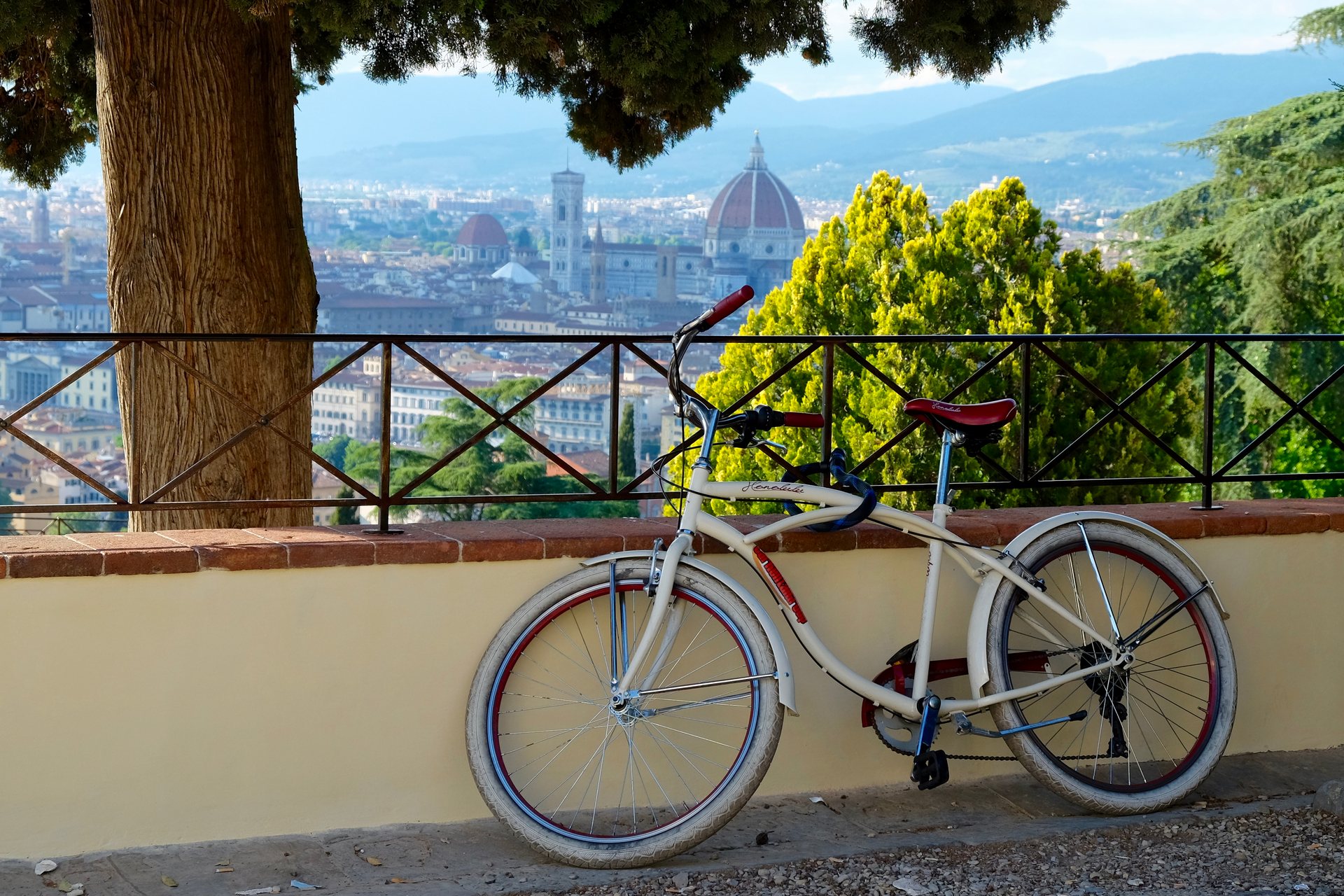
Photo by Bridget Moyer on Shutterstock
- Walking: The best way to experience Florence. The walk from Santa Maria Novella station to the Duomo takes 10 minutes; from the Duomo to Piazza della Signoria is just 5 minutes.
- Taxi and ride-hailing: Taxis are metered; main stands at Santa Maria Novella station, Piazza della Repubblica, and Piazza del Duomo. Taxis and taxi-booking apps such as FREE NOW are the most practical option for journeys beyond walking distance.
- Tram: Florence’s tram network (T1 and T2 lines) connects the suburbs and Peretola Airport to the city centre. Less useful than walking within the historic centre itself.
- Cycling: Bike sharing schemes and e-bike rentals are available throughout the city; the riverside lungarni are the most pleasant routes. Cycling within the historic centre can be challenging due to narrow streets and heavy pedestrian traffic.
RateHawk insight
Agents can deliver first-class customer service by offering travel alongside accommodation for Florence bookings. RateHawk enables you to manage everything on one platform, from booking car rentals for Tuscan day trips to tickets for high-speed trains to Rome or Venice, and airport transfers directly to their hotel. It’s the best way to optimize the value of vacation packages and showcase how a travel agent can streamline every step of the travel process, from booking to check-out.
Where to stay in Florence: Neighbourhoods and hotel options
Florence is a compact city, with most areas of the historic centre being within walking distance of the top attractions. The neighbourhood that your client stays in will shape their entire experience of Florence.
Around the Duomo and Piazza della Repubblica
Ideal for: First-time visitors who want to walk to every major attraction.
The most central location in Florence — just steps from the cathedral, the Baptistery, and Giotto’s Campanile. Hotels here tend toward the four- and five-star bracket as the area is prestigious and superbly positioned. It’s the most popular base in the city for good reason.
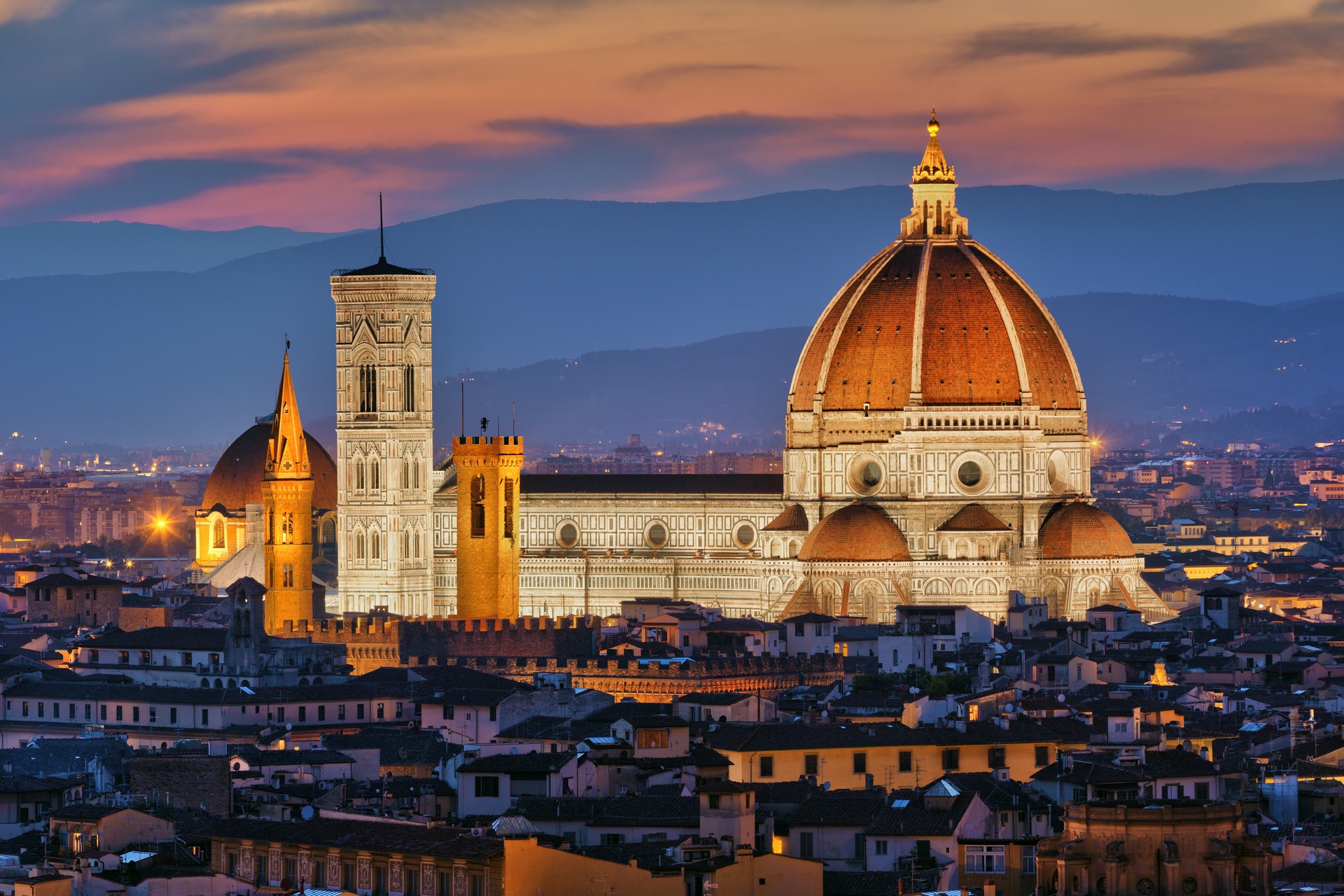
Photo by lukaszmalkiewicz.pl on Shutterstock
Santa Croce and the Eastern Centre
Ideal for: Culturally engaged travellers who want a more local atmosphere.
The neighbourhood around the Basilica di Santa Croce, where Michelangelo, Galileo, and Machiavelli are buried, has a unique personality. Slightly quieter than the Duomo area, it’s known for its excellent independent restaurants, the Mercato di Sant’Ambrogio, and the leather workshops of the Scuola del Cuoio.
Santa Maria Novella and the Station Quarter
Ideal for: Split itineraries with multiple day trips to Tuscany.
The area around Florence Santa Maria Novella station is the city’s main transport hub, making it practical for clients taking day trips to Tuscany by train. The basilica of Santa Maria Novella itself, with its extraordinary facade and Masaccio’s Trinity fresco inside, should be at the top of the itinerary for every tourist. Good range of accommodation at all price levels, including several landmark luxury hotels.
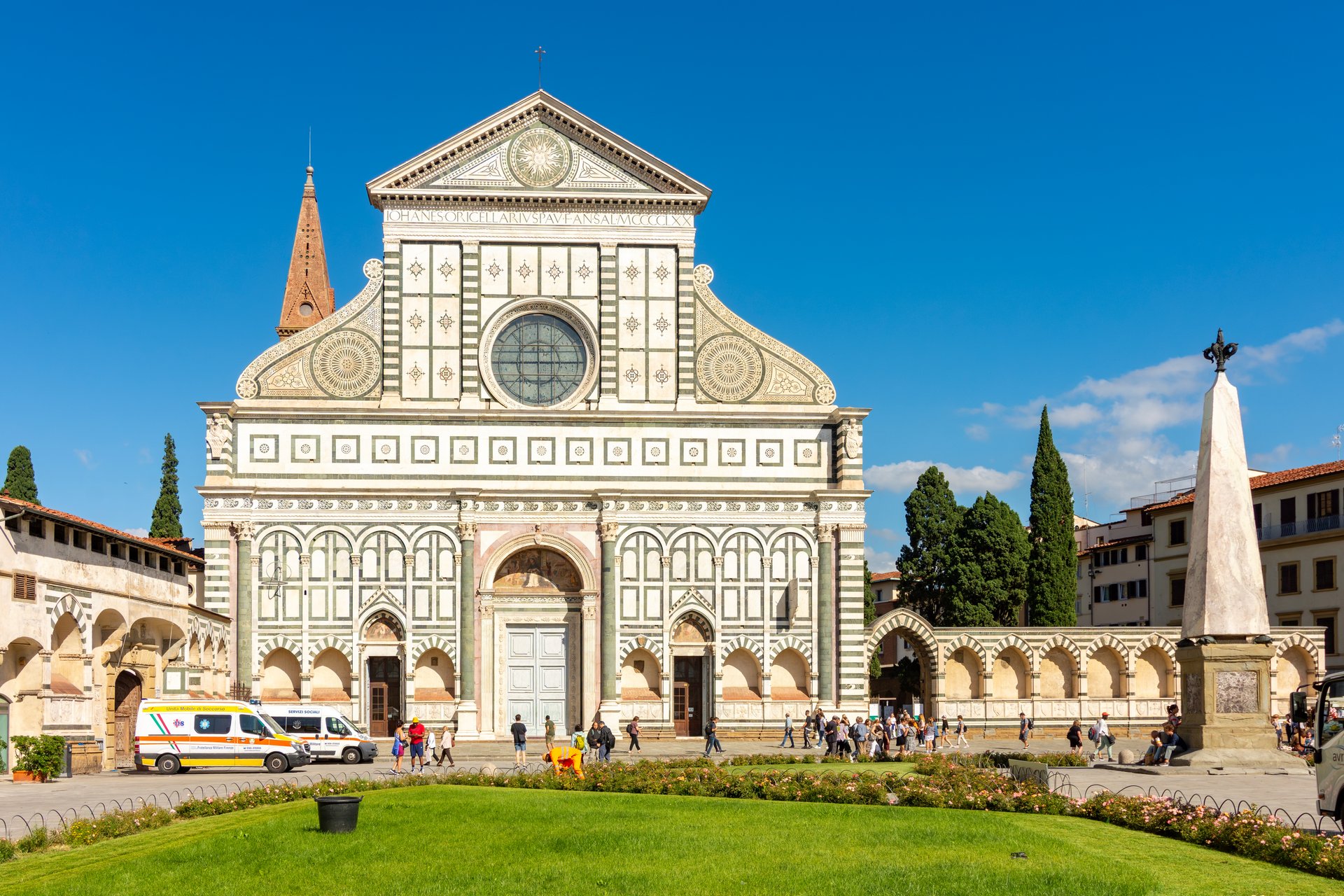
Photo by Mistervlad on Shutterstock
Oltrarno: The South Bank
Ideal for: Returning visitors and those who want to experience the real Florence.
The Oltrarno, known as ‘beyond the Arno’, is Florence’s most atmospheric and least touristy neighbourhood. Home to the Palazzo Pitti and Boboli Gardens, the workshops of the city’s remaining artisans, and the excellent Piazza Santo Spirito restaurant scene.
Slightly less convenient for the main museums north of the river, but richly rewarding for clients who want to experience the more authentic side of the city. The favourite neighbourhood of repeat visitors and those who value atmosphere above convenience.
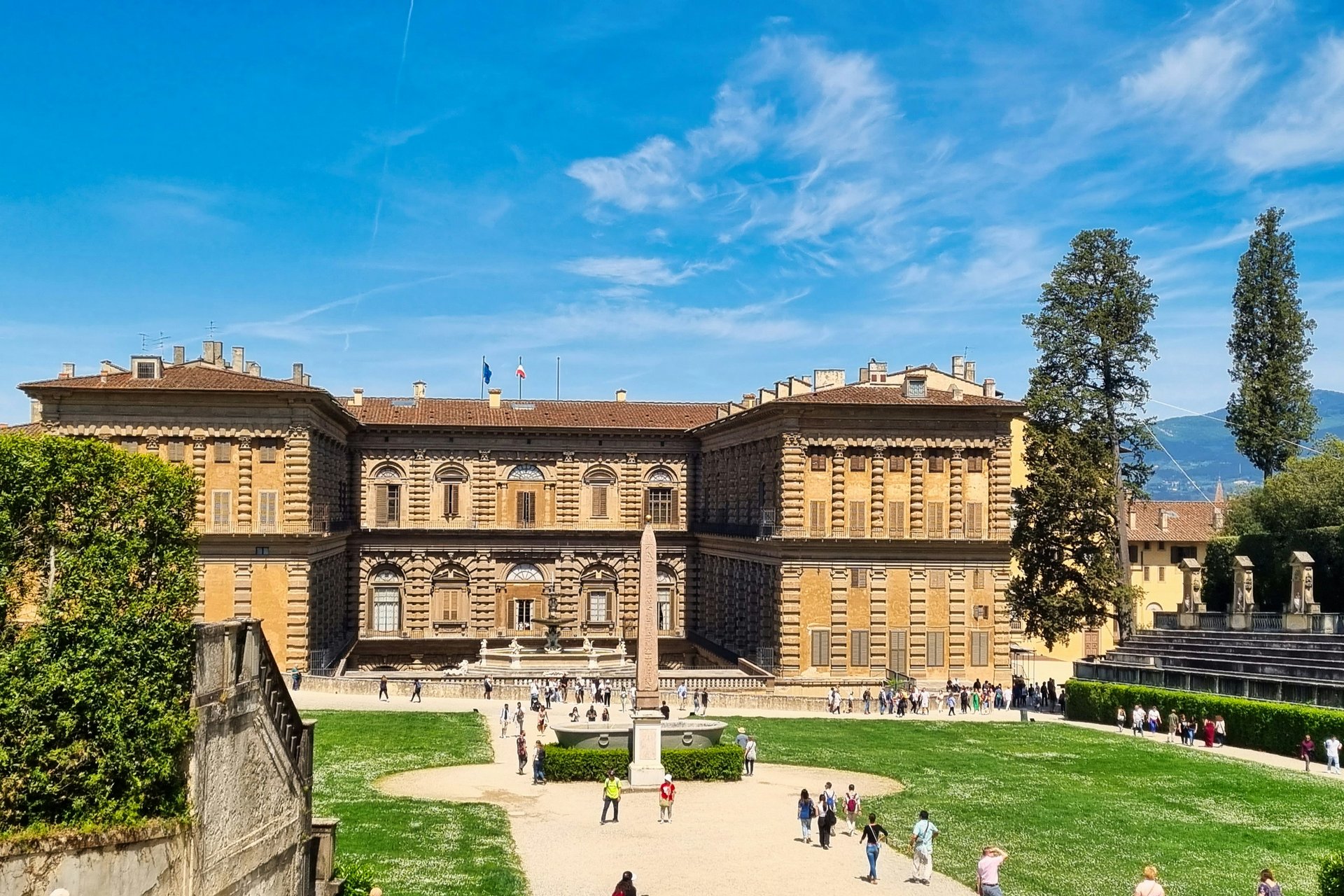
Photo by John Disandolo on Unsplash
Top things to do in Florence: Must-see attractions
1. The Florence Duomo: Cathedral, Dome, and Campanile
The Florence Duomo — formally the Cattedrale di Santa Maria del Fiore — is the defining image of the city. Its marble facade of pink, white, and green is breath-taking up close, while the interior is vast and atmospheric.
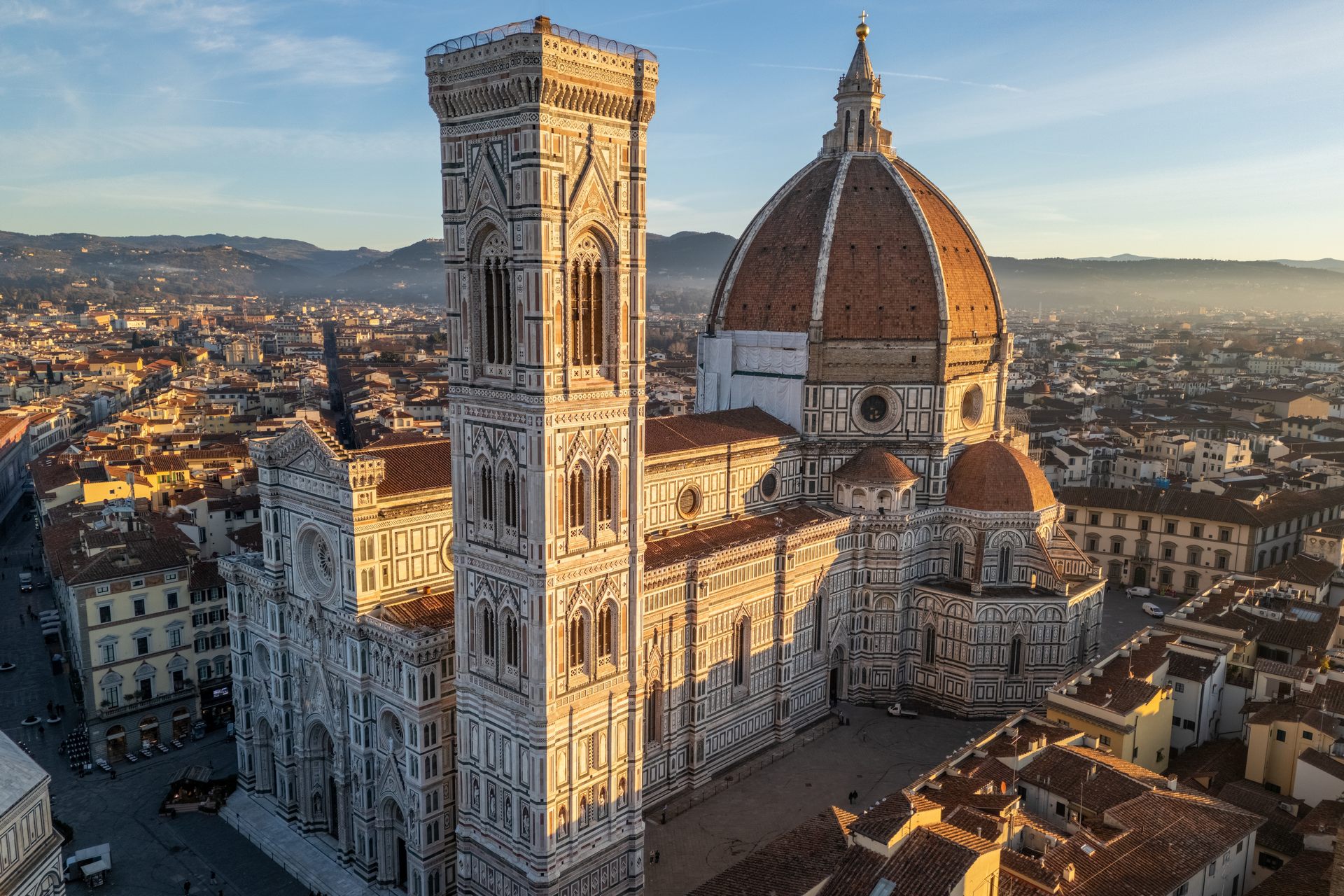
Photo by Robin Dessens on Shutterstock
Adventurous tourists will be rewarded for climbing Brunelleschi’s dome – which takes 463 steps with no lift – by seeing Vasari’s interior frescoes up close before basking in the panoramic views over the Tuscan capital.
Giotto’s Campanile, alongside the cathedral, offers an alternative climb – which is still 414 steps – but that offers an arguably even better view of the dome itself. No visit is complete without stopping by The Baptistery to see Ghiberti’s gilded Gates of Paradise on the east door.
RateHawk insight
Entry to the Duomo interior is free, but climbing the dome or campanile and visiting the Baptistery requires the combined Duomo Pass — book in advance, as dome climb slots sell out days or weeks ahead during peak season. Arriving for the 8:15 AM opening is the best way to beat the crowds and avoid the midday heat.
2. The Uffizi Gallery: the world’s greatest Renaissance collection
Art enthusiasts often visit Florence with the sole intention of going to the Uffizi Gallery. Housed in the palazzo built for Cosimo I de’ Medici, its 45 rooms hold the world’s most comprehensive collection of Italian Renaissance painting.
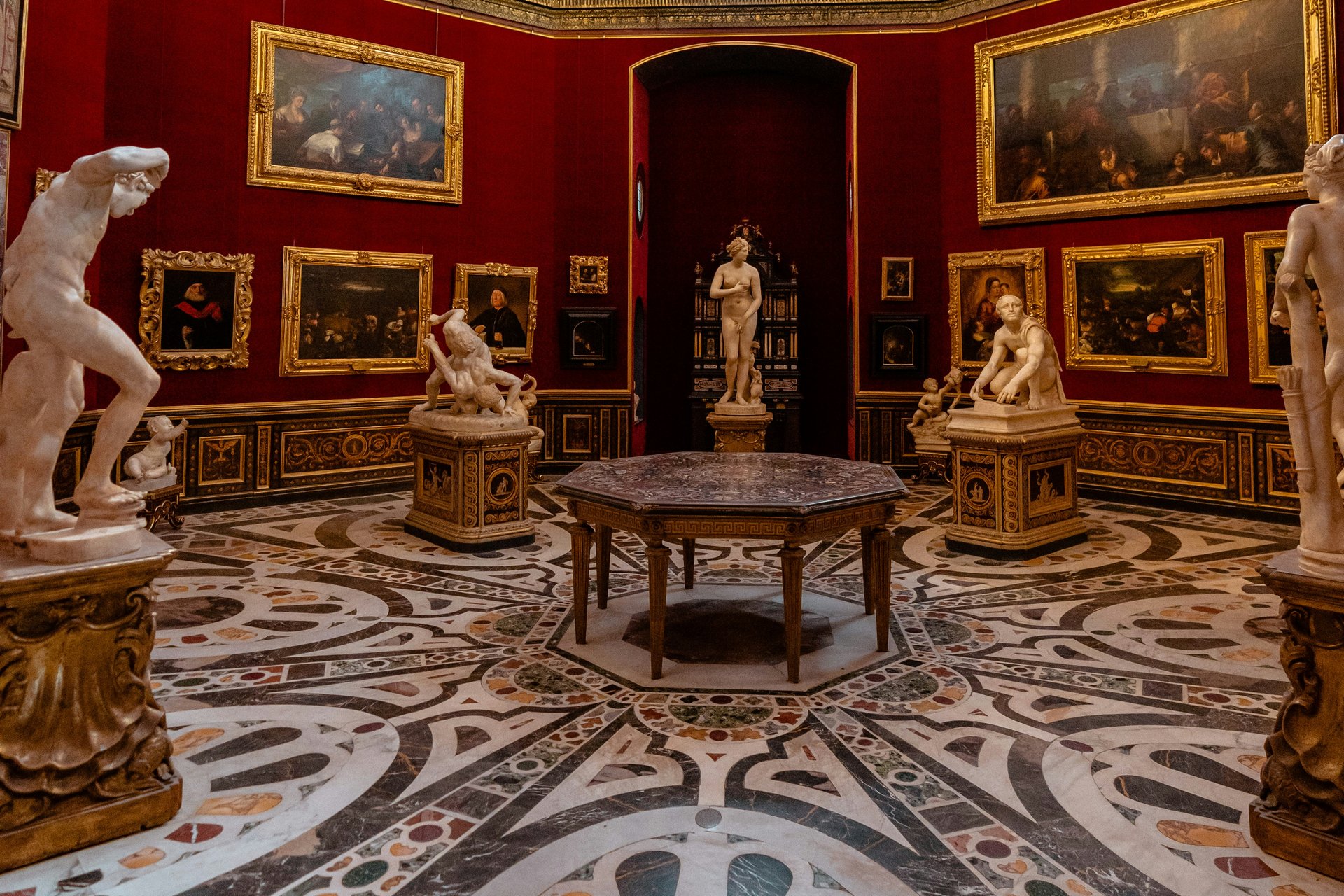
Photo by Harold Wainwright on Unsplash
Botticelli’s Birth of Venus and Primavera, two of the most recognisable paintings in art history, are here. Leonardo da Vinci’s Annunciation, Raphael’s Leo X portraits, Michelangelo’s Doni Tondo, and Titian’s Venus of Urbino are among dozens of masterpieces also on permanent display.
RateHawk insight
Advance booking of timed entry tickets is absolutely essential from April through October as walk-up queues regularly exceed two hours. A skip-the-line guided Uffizi tour is one of the best-value Florence tours available and is especially useful for clients who don’t have prior art knowledge. Allow a minimum of three hours; the Uffizi is closed on Mondays.
3. Michelangelo’s David at the Galleria dell’Accademia
David is the most famous sculpture in the world — and seeing it in person at the Galleria dell’Accademia is a bucket list experience. The original marble statue, completed by Michelangelo in 1504 at age 29, stands 5.17 metres tall in a purpose-built rotunda.
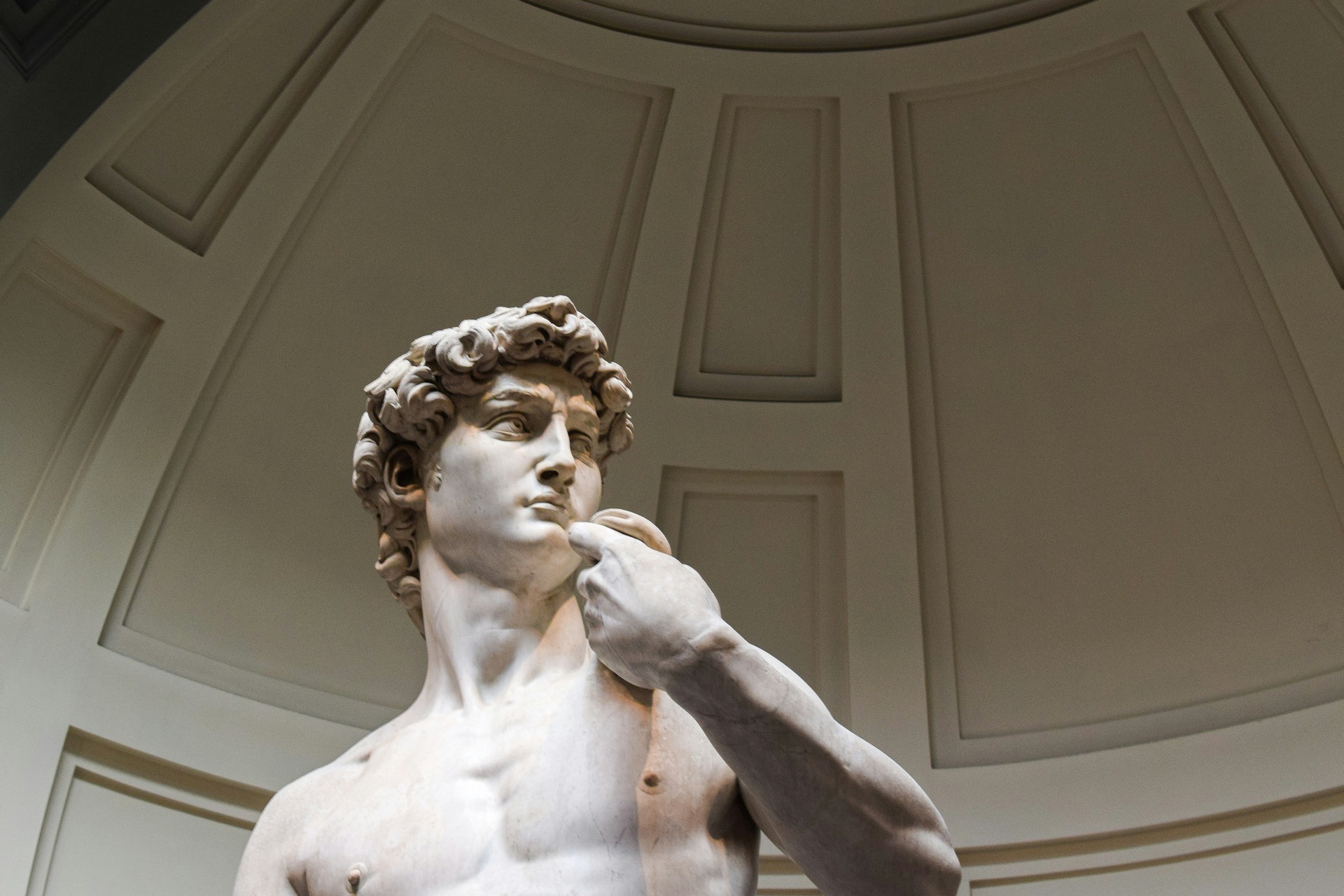
Photo by Mateus Campos Felipe on Unsplash
No photograph will prepare your clients for its scale or extraordinary detail — the tendons of the hands, the veins of the wrist, the tension in the brow. The Accademia also holds four of Michelangelo’s unfinished Prisoners; enormous struggling figures that appear to emerge from or sink into the marble.
RateHawk insight
Advance booking is essential from March to October. The museum is closed on Mondays. A visit takes approximately 90 minutes to two hours. The walk to the Duomo takes five minutes, so the two visits pair naturally as part of a morning itinerary.
4. Ponte Vecchio and the Arno Riverfront
The Ponte Vecchio — Florence’s most beloved bridge — has spanned the Arno at its narrowest point since at least Roman times, though the current structure dates to 1345. The goldsmiths and jewellers who have lined its shops since the 16th century, when the Medici expelled the butchers who originally traded here, can still be found there today.
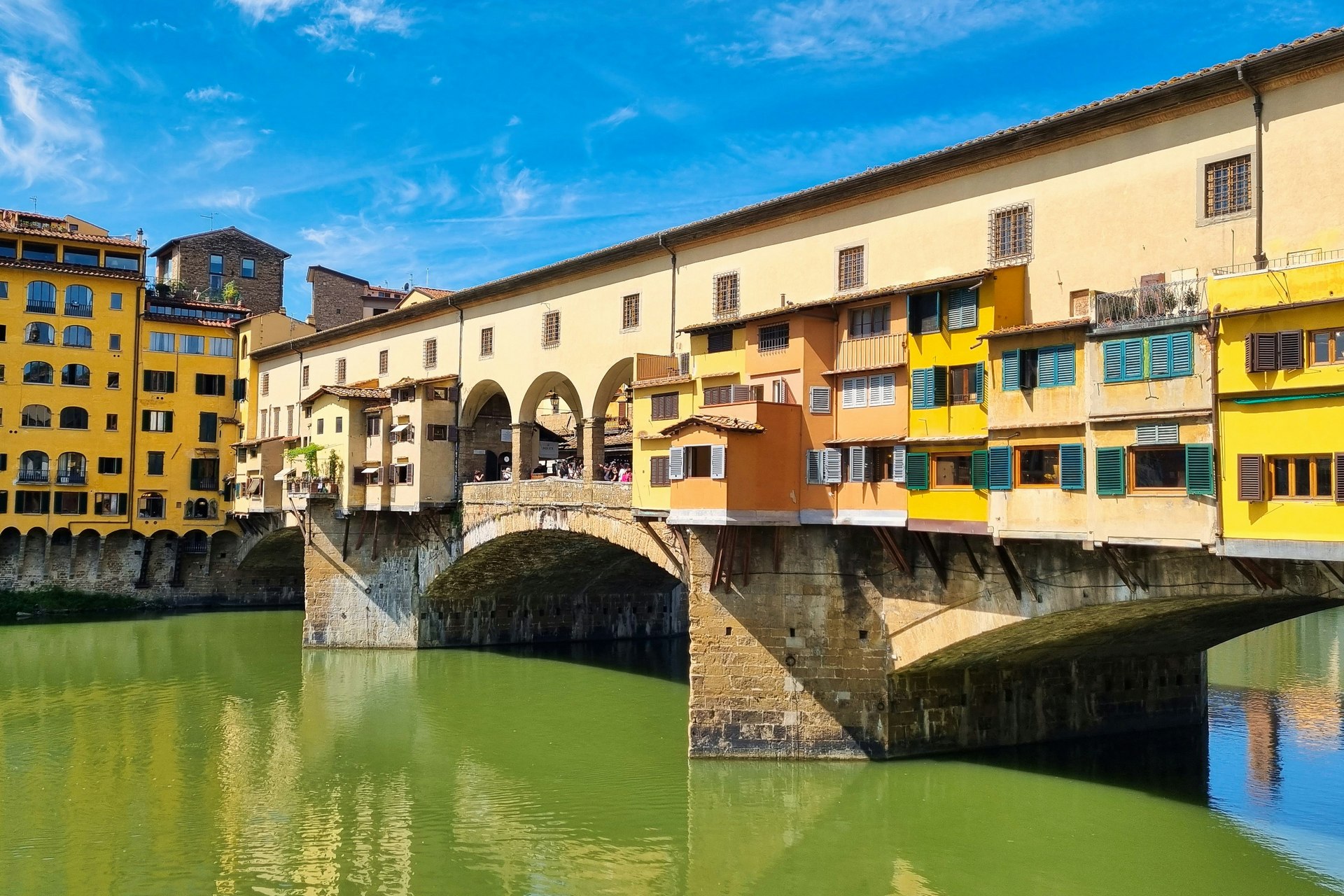
Photo by John Disandolo on Unsplash
Above the shops runs the Vasari Corridor, an elevated private passageway built in 1565 to allow Cosimo I de’ Medici to walk from the Palazzo Vecchio to the Palazzo Pitti without descending to street level. Access to the Vasari Corridor is limited and subject to periodic restoration or special-tour availability.
The bridge offers a different experience throughout the day; it is quiet and easy to explore in the morning, while midday is when the area comes alive, and sunset makes it the most photogenic spot in Florence. The best views of the Ponte Vecchio itself are from the Ponte alle Grazie to the east or the Ponte Santa Trinità to the west.
5. Palazzo Vecchio, Piazza della Signoria, and the Loggia dei Lanzi
Piazza della Signoria is the political and civic heart of Florence. This great public square has been the centre of Florentine power since the Middle Ages.
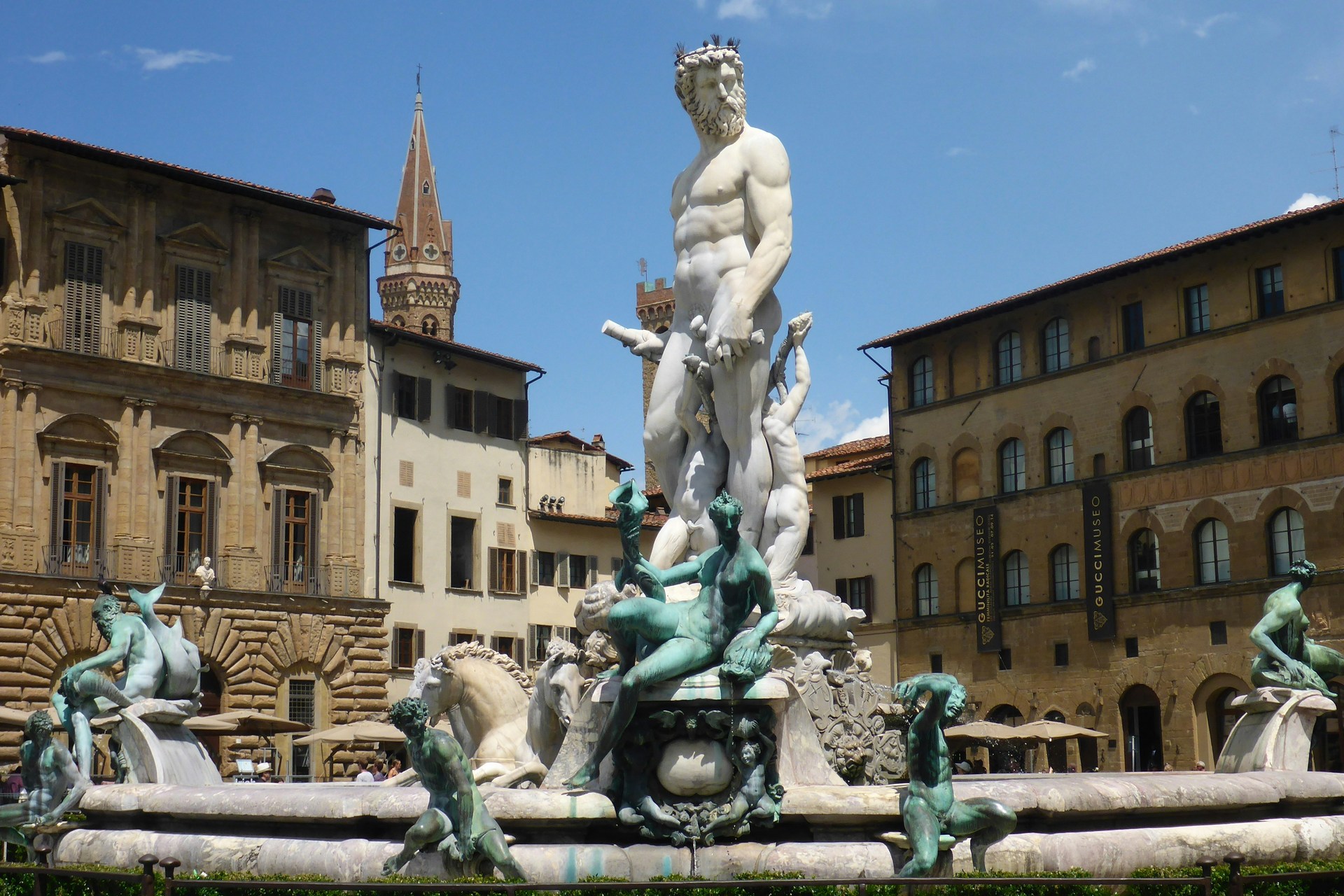
Photo by Jean Giroux on Unsplash
The Palazzo Vecchio, the city’s fortress-like town hall, dominates the square, with its Torre di Arnolfo rising 94 metres above the piazza. The palazzo’s interior is a Medici-era tour de force: the Salone dei Cinquecento, covered in Vasari frescoes, is one of the most spectacular rooms in Renaissance Italy.
The Loggia dei Lanzi at the corner of the piazza displays original masterpieces in the open air, free at any time of day, including Cellini’s bronze Perseus with the Head of Medusa and Giambologna’s Rape of the Sabine Women. A replica of Michelangelo’s David marks the spot where the original stood from 1504 until its move to the Accademia in 1873.
Florence activities by travel type
City breaks and cultural tours
- Guided walking tour of the historic centre: A 2 to 3 hour guided walk covering the Duomo complex, Piazza della Signoria, the Uffizi exterior, and the Ponte Vecchio is the best activity for first-time visitors to help them understand Florence; many operators combine the walk with skip-the-line museum entry.
- Full-day Uffizi Gallery guided tour: A guide who knows the collection can transform the Uffizi from an overwhelming experience into a coherent narrative; strongly recommended for clients without specialist art knowledge.
- Palazzo Vecchio interior visit and tower climb: One of the most underrated experiences in Florence, especially as the torre delivers some of the best views over the city; allow 2–3 hours to visit alongside the piazza and Loggia.
- Boboli Gardens and Palazzo Pitti: 4.5 hectares of terraced Renaissance gardens behind the Palazzo Pitti, with fountains, grottos, open-air sculpture, and views over Florence from the upper terraces. The Palazzo Pitti itself contains seven museums, including the Palatine Gallery’s extraordinary Raphael and Titian collection; allow a full day to explore at a leisurely pace.
- Mercato Centrale food tour: Florence’s best food market: ground floor for meat, fish, and cheese; upper floor for a permanent food court with excellent pasta, Florentine steak, tripe sandwiches, and gelato. Guided tours of the market and San Lorenzo neighbourhood are worth the splurge for clients who have followed their taste buds to Florence.
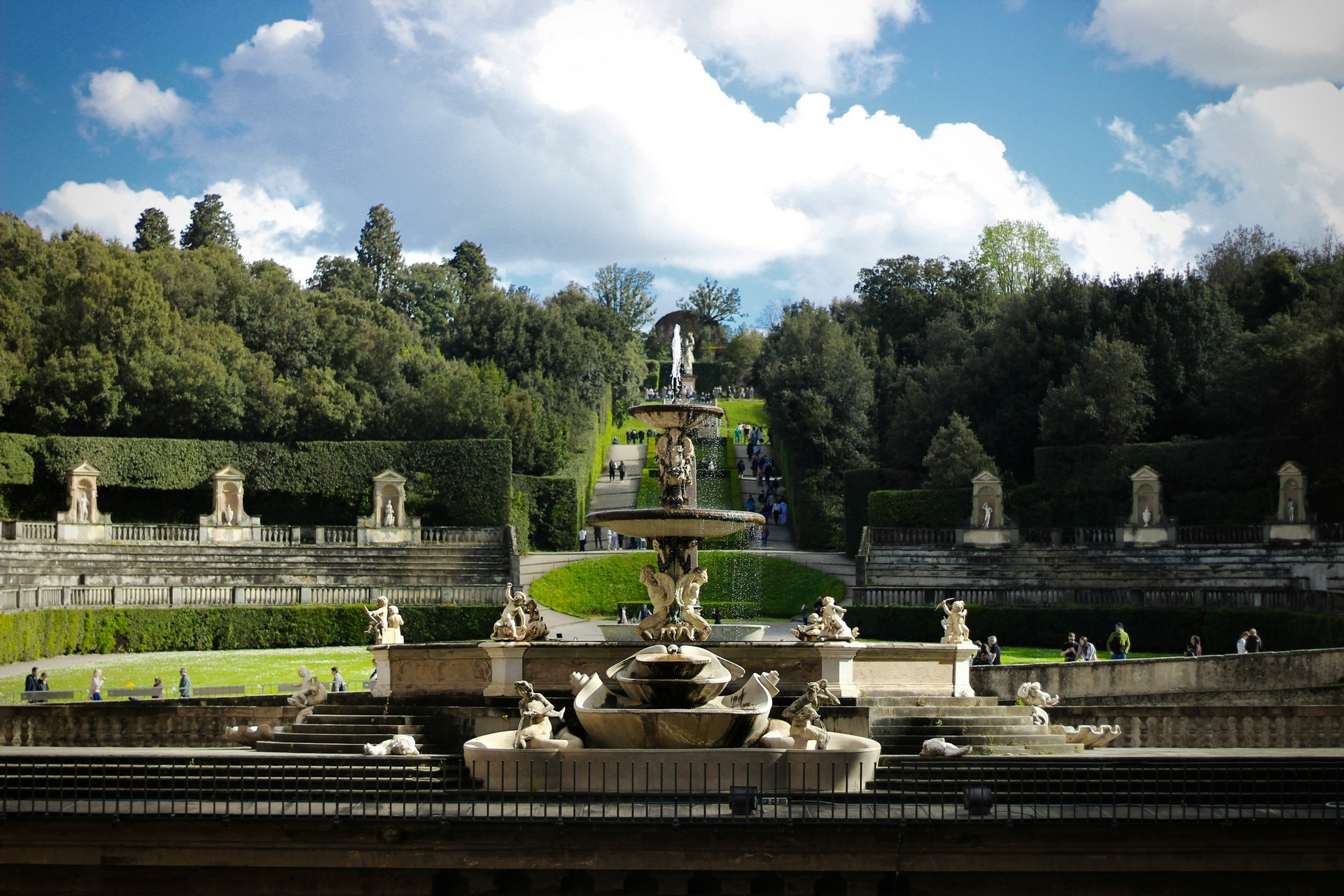
Photo by Lorenzo Turroni on Unsplash
Family holidays in Florence
- Climb Giotto’s Campanile or the Duomo dome: The spiral stair climb, the views through small windows as you ascend, and the panorama at the top, make this one of the most exciting physical experiences in Florence for families; the Campanile (414 steps) is marginally easier and gives a better view of the dome itself.
- Piazzale Michelangelo at sunset: The hilltop piazza south of the Arno, 20 minutes on foot from the Ponte Vecchio, delivers the most famous panoramic view of Florence. The Duomo, the Palazzo Vecchio tower, the Arno, and the Tuscan hills are worth visiting at sunset when the light on the city is at its most beautiful.
- Museo Nazionale del Bargello: The best museum for families interested in sculpture without the overwhelming scale of the Uffizi; Donatello’s bronze David (the first freestanding nude male sculpture since antiquity), works by Michelangelo and Cellini, in Florence’s oldest civic building; smaller, more manageable, and rarely as crowded.
- Florence gelato trail: Visitors can discover the difference between artisan gelato (no artificial colouring, stored in covered steel pozzetti containers) and tourist-facing imitations; top picks include Gelateria dei Neri, Sbrino Gelatificio Contadino, and Il Gelato di Filo.
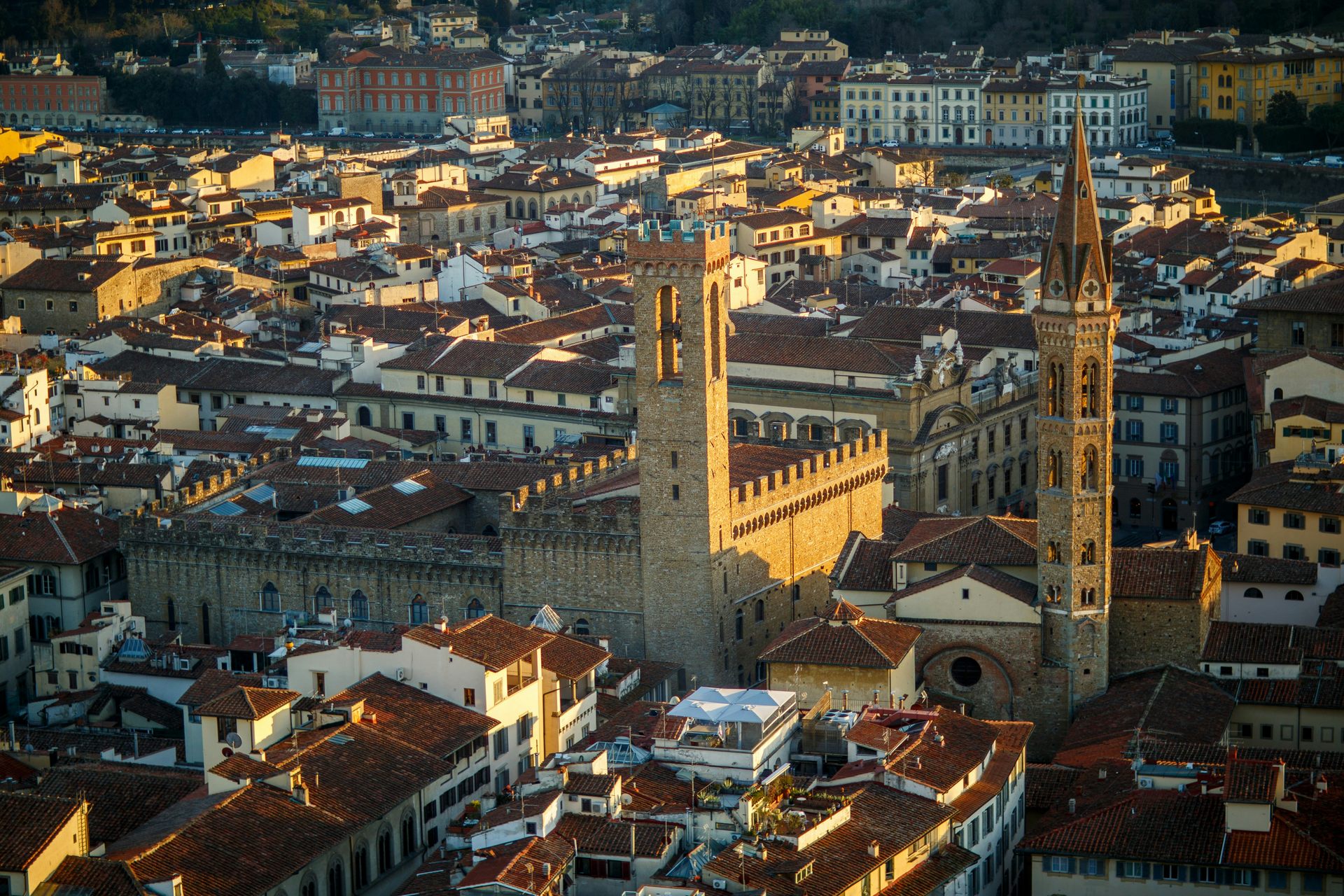
Photo by Anton Volnuhin on Unsplash
Luxury Escapes in Florence
- Private after-hours museum access: Several Florence tour operators offer private after-hours visits to the Uffizi Gallery, the Accademia (a unique chance to see David after closing), and the Vasari Corridor above the Ponte Vecchio. These experiences are the best way to elevate your client’s itinerary with a VIP tour.
- Tuscan wine estate visit and private dinner: A full day in Chianti or Brunello di Montalcino with a private guide and driver, including cellar tour and winemaker lunch, followed by dinner at a Florence restaurant with a sommelier-curated Tuscan wine list.
- Artisan workshop private visits: Florence retains master craftspeople in goldsmithing, leather work, paper marbling, and perfumery; the Officina Profumo-Farmaceutica di Santa Maria Novella (founded 1612) and the Scuola del Cuoio behind Santa Croce are among the most remarkable. Private visits are available through specialist Florence tour operators.
- Rooftop aperitivo with Duomo views: Several Florence hotels offer rooftop terraces with direct views of the cathedral; indulging in an early evening aperitivo while watching the light change on the marble facade is a moment that your clients will never forget.
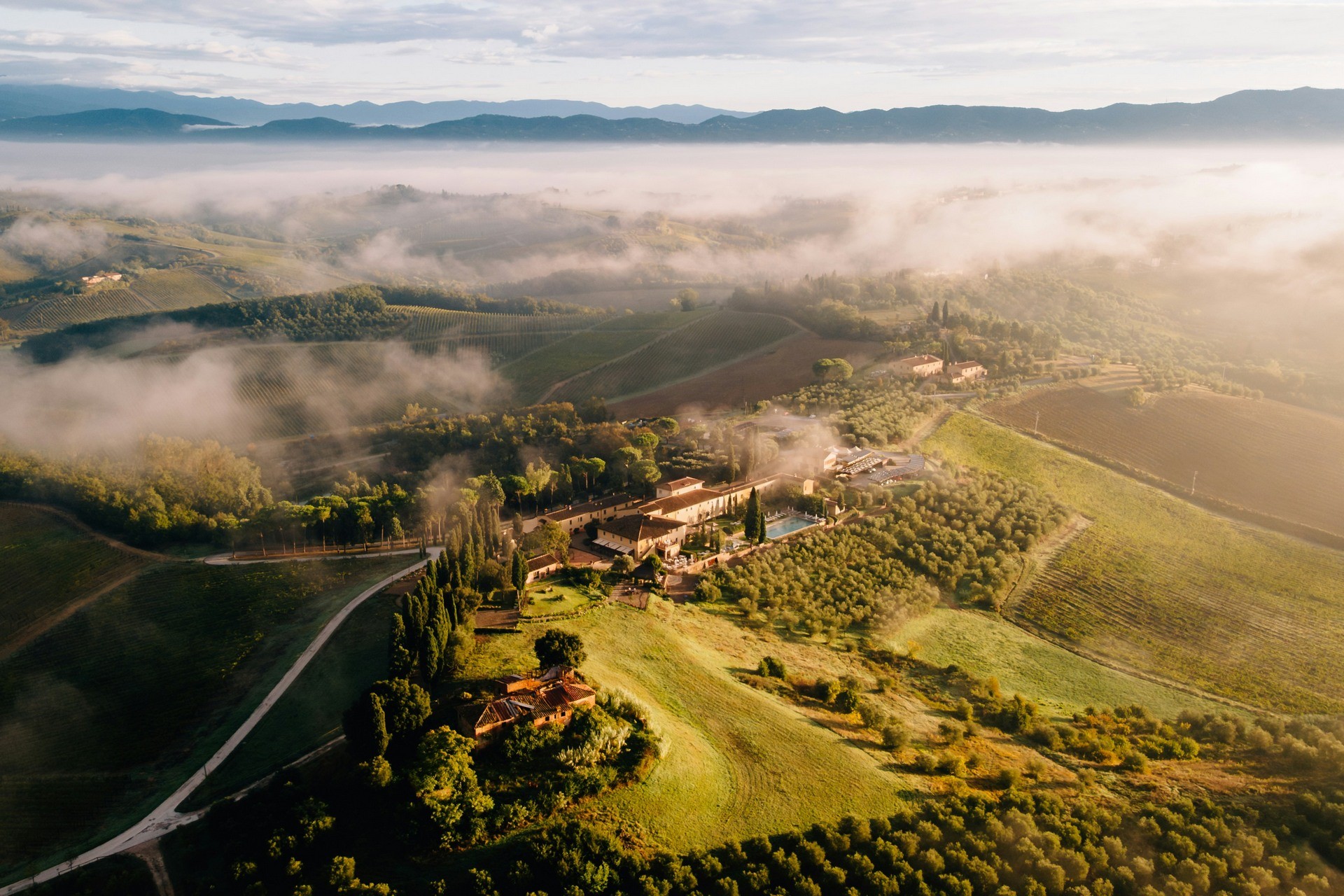
Photo by Peter Thomas on Unsplash
Day trips from Florence: The best of Tuscany
Siena
Siena is the finest medieval city in Italy, just 70 km south of Florence and approximately 90 minutes by bus. Its fan-shaped Piazza del Campo is one of the great public spaces of the medieval world, with the Siena Duomo rivaling Florence’s in ambition and surpassing it in intimacy.
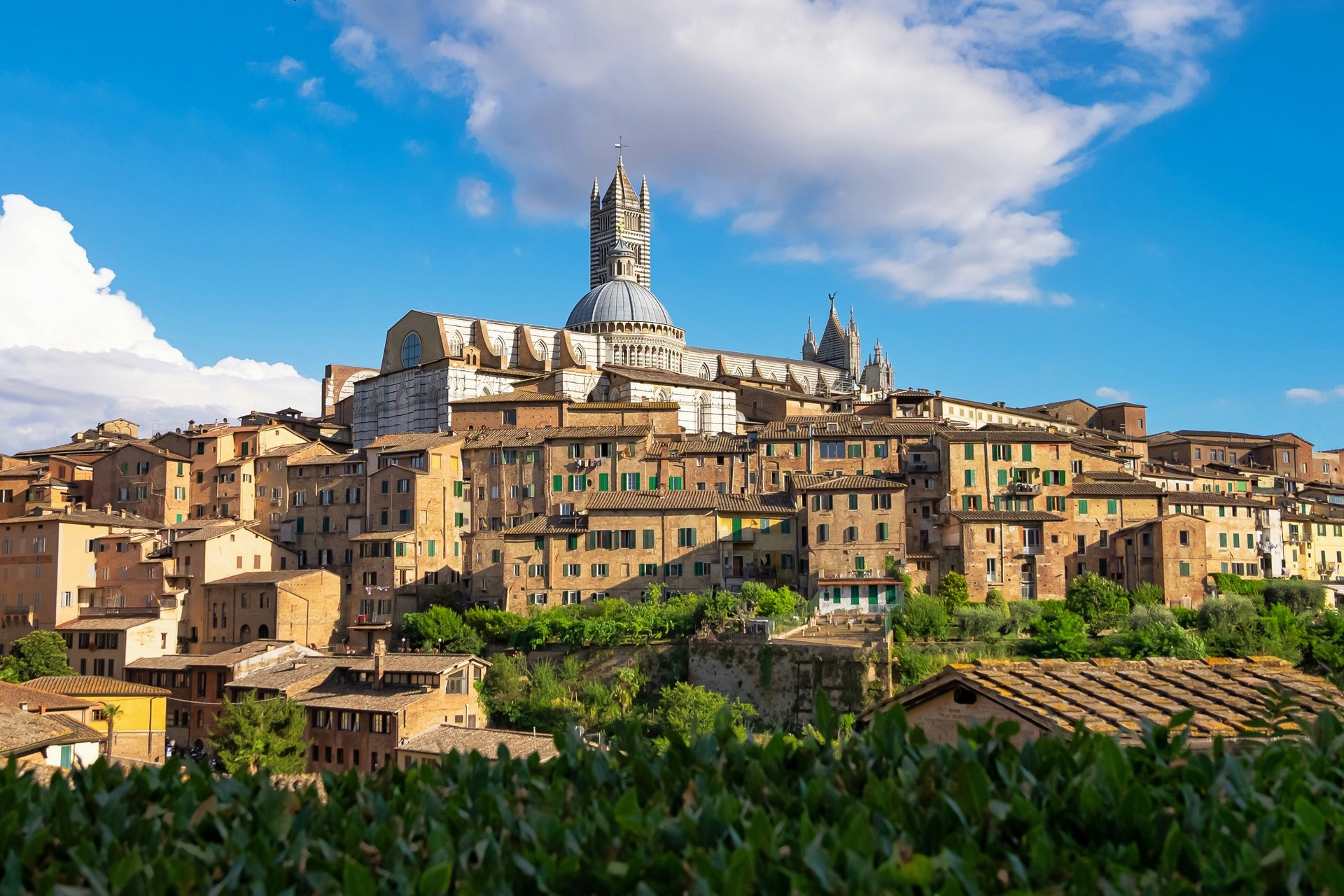
Photo by Alessandro Rossi on Unsplash
The Palio di Siena, the bareback horse race around the Campo, is held on 2 July and 16 August. Clients visiting for the Palio must book accommodation at least 3-4 months in advance to guarantee availability. The Museo dell’Opera del Duomo houses Duccio’s Maestà and Simone Martini’s Annunciation, two of the supreme achievements of Italian Gothic painting.
The Chianti Wine Region
The Chianti wine region between Florence and Siena, with its rolling hills of vines, cypress trees, and medieval towers, is one of the best day trips from Florence for luxury and food-and-wine clients.
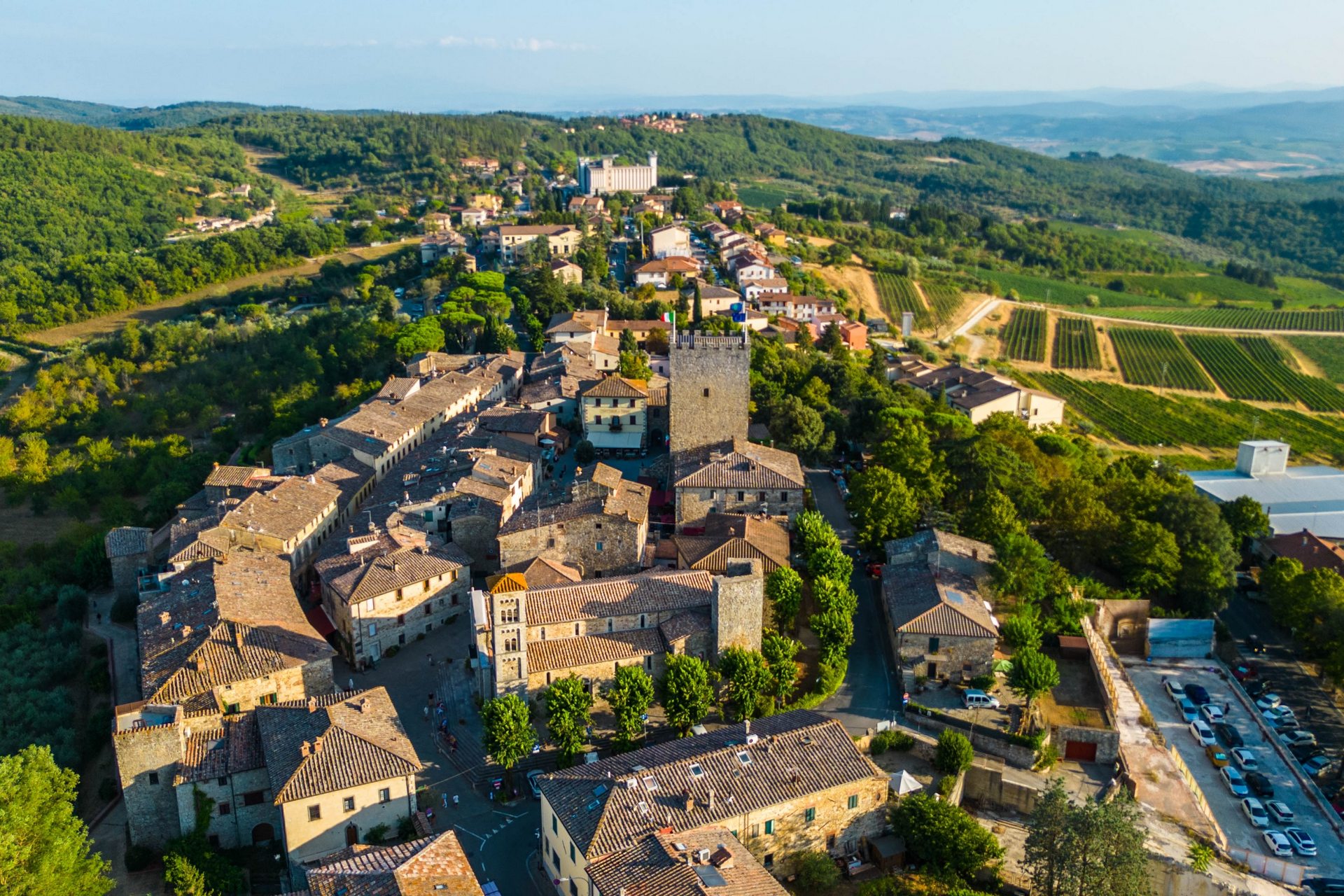
Photo by pymata on Shutterstock
A half- or full-day private tour by car covers the hilltop town of Greve in Chianti, wine estate visits with cellar tours and tastings, and lunch in one of the small hilltop towns (Radda in Chianti, Panzano, Castellina). The Antinori and Frescobaldi estates are among the most celebrated in this region.
Pisa
Pisa is the most popular day trip from Florence and is only 50 minutes away by direct train. The Piazza dei Miracoli (Field of Miracles) is one of Italy’s most extraordinary urban spaces and is home to the Leaning Tower of Pisa, the Cathedral, the Baptistery, and the Camposanto cemetery.
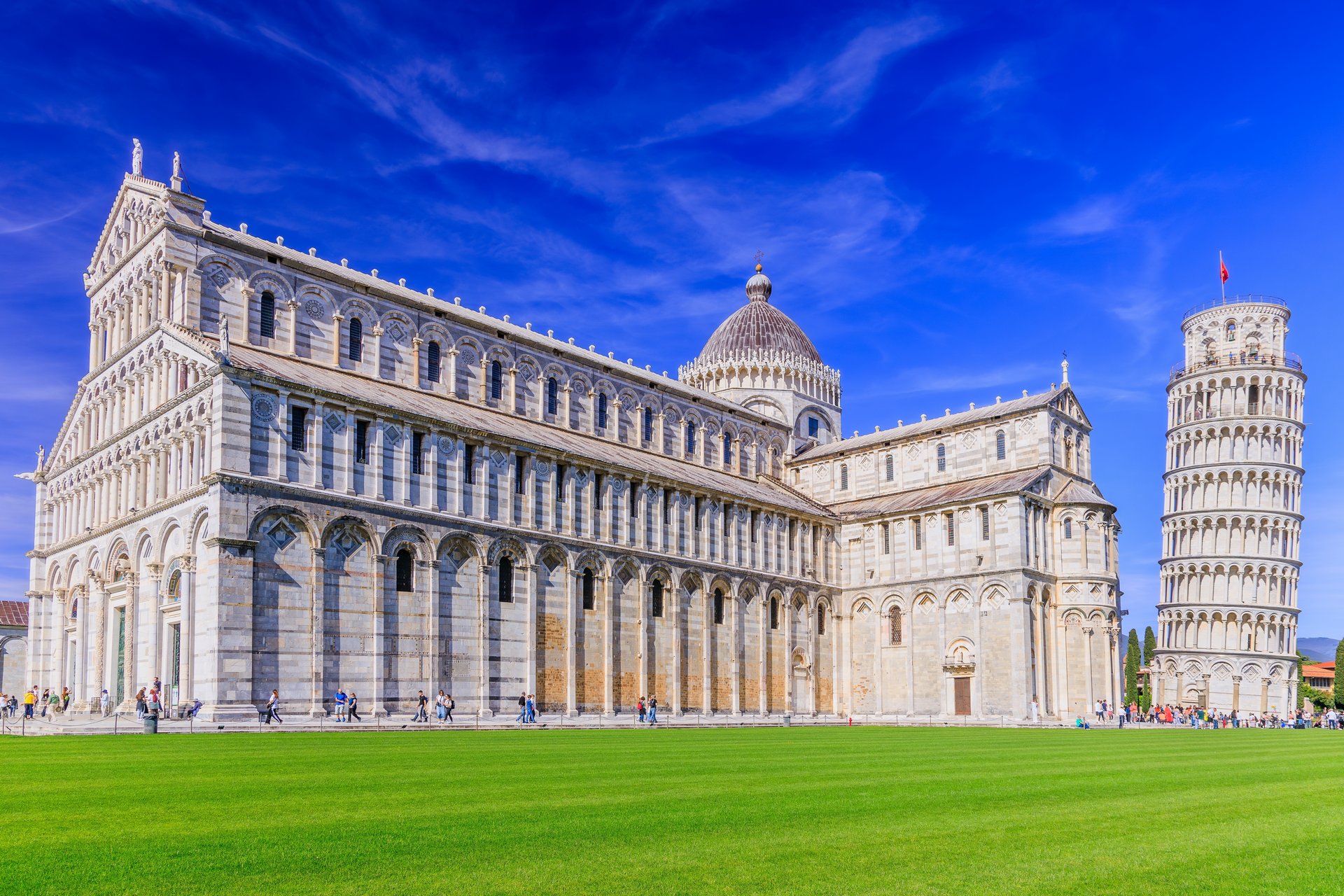
Photo by SCStock on Shutterstock
The lean of the Torre di Pisa (currently 3.99 degrees from vertical) is visible from any angle. Tickets must be pre-booked if your clients want to climb the tour as visitor slots are strictly limited. The tilted stairs can be known to cause vertigo.
Florentine food: What your clients should try in Florence, Italy
Florentine cuisine is robust, unfussy, and built around hyper-local ingredients. Briefing clients properly here turns meals into vacation highlights. Here are the most important dishes to sample:
- Bistecca alla Fiorentina: The Florentine T-bone steak, cut from Chianina cattle and grilled rare over charcoal. Sold by weight (typically 1–2 kg, which is enough for two) and served without sauce. Order it ‘al sangue’ (rare). Find it at Buca Mario, Il Latini, or Trattoria Sostanza.
- Lampredotto: Florence’s signature street food: the fourth stomach of a cow, slow-braised in broth and served in a roll dipped in cooking juices. The Florentines are fiercely proud of it. Find the best at Nerbone in the Mercato Centrale or Tripperia Ferrini, near the Bargello. Adventurous clients will not regret it.
- Ribollita: The great peasant soup of Tuscany, made with cannellini beans, cavolo nero, stale bread, and vegetables; slow-cooked and reboiled the next day. Rich, nourishing, and deeply Florentine. Available at almost every trattoria; best enjoyed in autumn and winter.
- Crostini di fegatini: Small toasted bread rounds with smooth chicken liver pâté flavoured with capers and anchovies. The standard Florentine antipasto can be found at every trattoria. Clients who think they do not like liver are pleasantly surprised.
- Gelato: Gelato stored in covered steel pozzetti containers at counter level, rather than being piled in towering, coloured mounds, is the tell-tale sign of quality. Recommend traditional options like Gelateria dei Neri, Sbrino, or Il Gelato di Filo.
- Cantucci and Vin Santo: The classic Florentine dessert of almond biscotti dipped into a small glass of amber Vin Santo dessert wine. Offered at the end of most traditional restaurant meals, it is a non-negotiable ritual that every tourist should take part in.
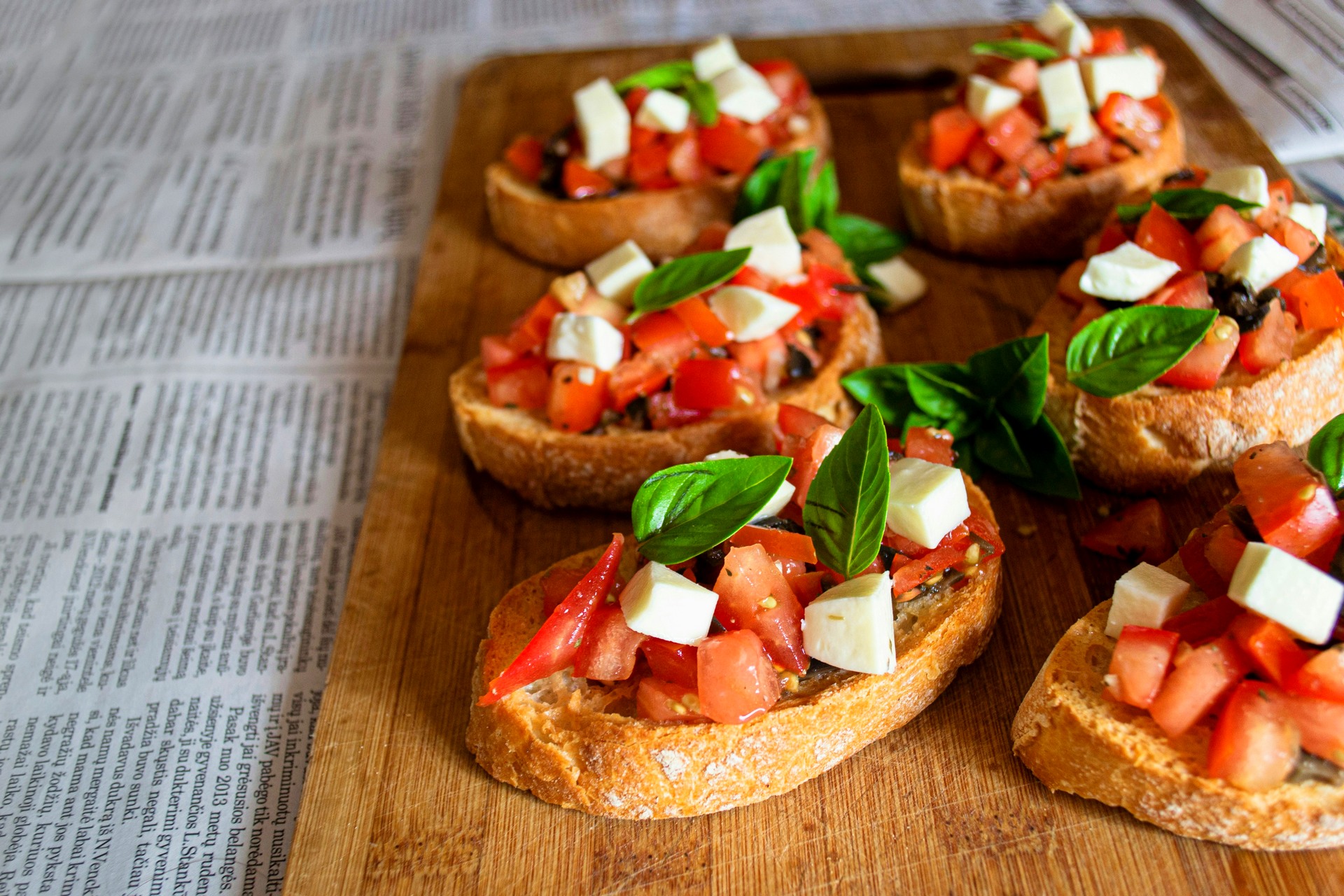
Photo by Konstantinas Ladauskas on Unsplash
Insider tips for Florence
Souvenirs worth buying in Florence
- Leather goods from the Scuola del Cuoio: The Leather School of Florence, behind the Basilica di Santa Croce, is a working workshop that produces bags, wallets, belts, and gloves to a high-quality standard. Avoid the cheap leather stalls around San Lorenzo market, which mostly sell low-quality imported goods.
- Florentine paper (carta fiorentina): The marbled paper of Florence has been produced since the 18th century and is one of the city’s most distinctive craft products. Beautiful notebooks and stationery at Giulio Giannini e Figlio in the Oltrarno, founded in 1856, and Il Torchio near Piazza della Passera.
- Perfume from Santa Maria Novella Pharmacy: The Officina Profumo-Farmaceutica di Santa Maria Novella, founded by Dominican friars in 1612, still operates from its original premises and sells extraordinary perfumes and soaps. One of Florence’s best shopping experiences.
- Gold jewellery from the Ponte Vecchio: Buying a piece from one of the historic goldsmith workshops on the bridge is among the most genuinely Florentine purchases a client can make. The craft tradition on the bridge dates to the 16th century.
- Chianti Classico wine from an enoteca: A bottle of Chianti Classico Riserva from a reputable producer at an Oltrarno enoteca (Enoteca Pitti Gola e Cantina, or simply the Mercato Centrale) makes an excellent, genuinely local souvenir.
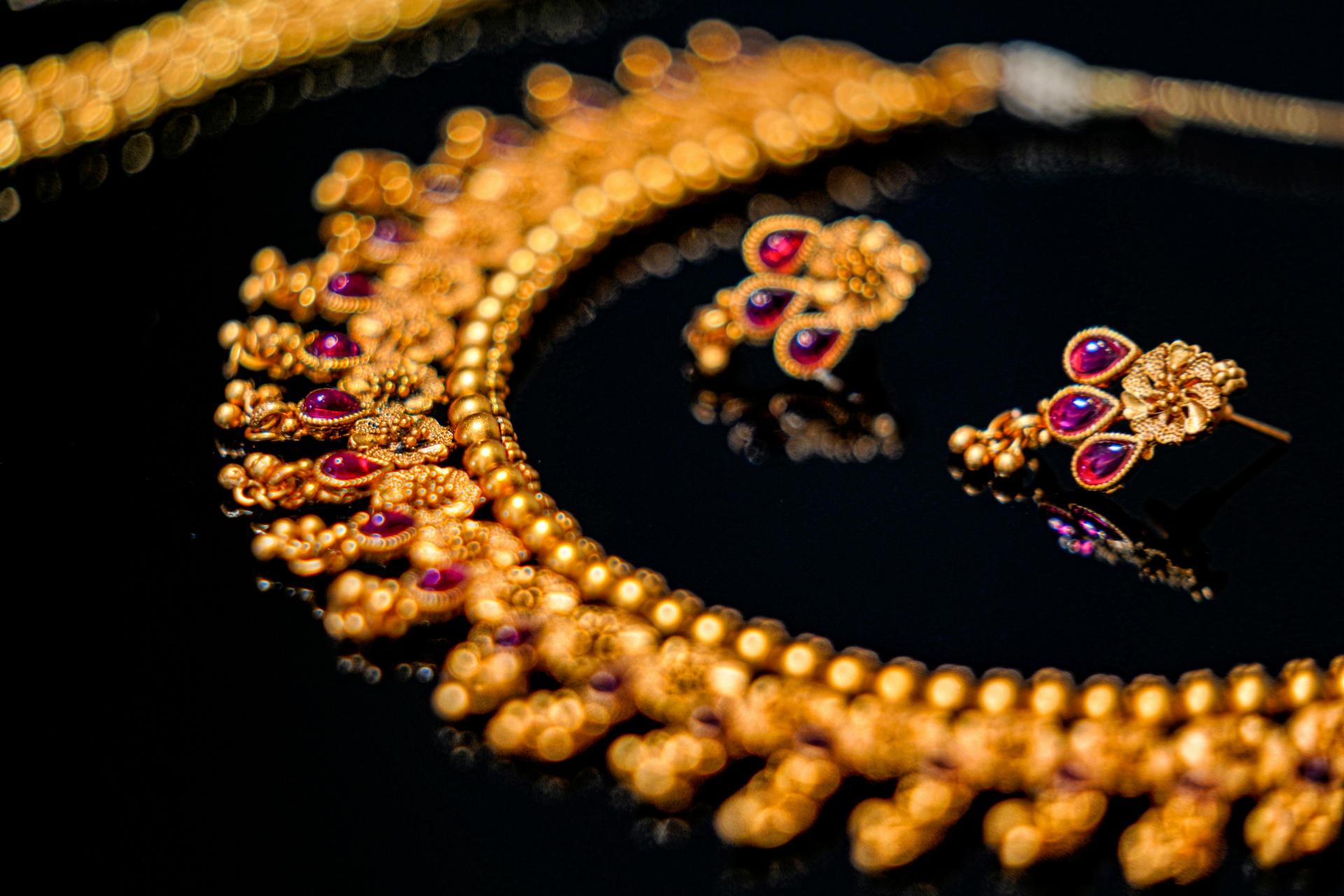
Photo by Vaibhav Nagare on Unsplash
Florence as a “Destination Next” recommendation
Florence is one of the most versatile and consistently reliable Destination Next recommendations on the RateHawk platform for European cultural and city-break itineraries. When clients face disruption or indecision around Italy or broader Mediterranean tour programmes, Florence’s exceptional supply depth, year-round appeal, and unmatched cultural density make it a very strong alternative.
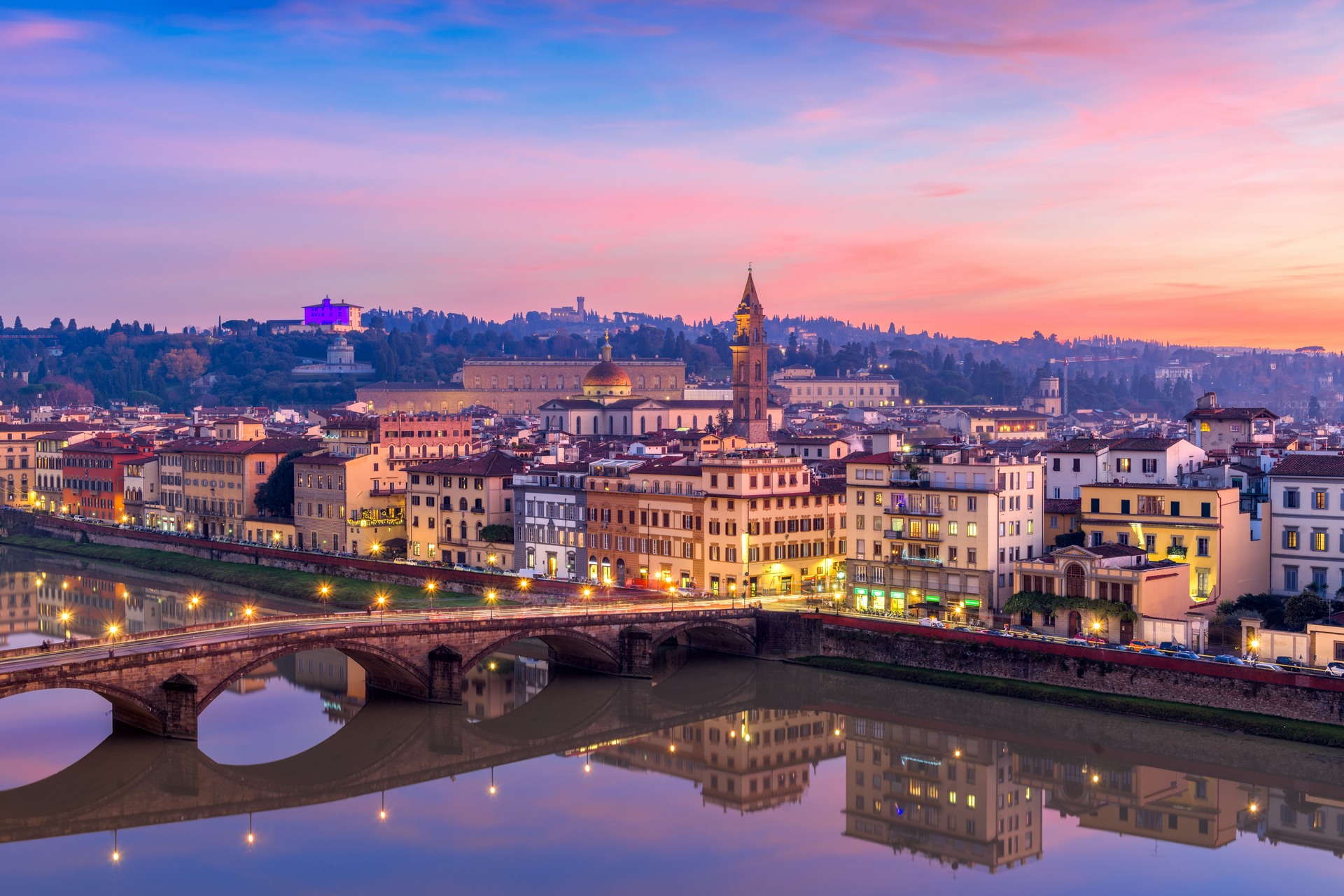
Photo by Sean Pavone on Shutterstock
- As an alternative to Rome, Florence delivers the peak of the Renaissance canon in a city that is entirely walkable, without Rome’s distances between major sites and the logistical complexity of the Vatican.
- As a substitute for Venice when flooding, crowds, or pricing create pressure, Florence offers comparable art and architectural grandeur with better hotel value, easier navigation, and access to the Tuscan countryside that Venice cannot provide,
- For clients in traveller indecision between Italian cities, Florence’s combination of the world’s greatest Renaissance art, exceptional food, beautiful streets, and superb day-trip options to Siena, Chianti, and Pisa makes it the strongest single Italian city-break.
- As the anchor of a Tuscany itinerary, Florence, combined with Siena, San Gimignano, Lucca, and the Chianti wine region, builds one of the best 10 to 14-day Italy getaways for all client profiles.
- For cultural tours from Northern Europe, direct flight connections from the UK, Germany, France, and the Netherlands, combined with excellent English-language tourism infrastructure, make Florence one of the most accessible cultural destinations in Southern Europe.
Ready to supercharge your Florence proposals?
Explore the full hotel inventory and start building your client’s next Florence itinerary on RateHawk.
This article is part of the Destination Next initiative by RateHawk — helping travel businesses find stronger destination alternatives when travel plans change.