
 410
410 22 minutes read
Contents
- Why travel agents should be selling Singapore right now
- Practical information for travel agents
- Where to stay in Singapore: Neighbourhoods and hotel options
- Top things to do in Singapore: Must-see attractions
- Singapore activities by travel type
- Nearby destinations: Day trips from Singapore
- Singaporean food: What your clients should try
- Insider tips for Singapore
- Singapore as a “Destination Next” recommendation
Why travel agents should be selling Singapore right now
Singapore continually defies expectations as a small, dense, affluent city-state. Here’s why:
- The city’s position as the region’s premier aviation hub makes it the natural anchor of any Southeast Asian itinerary.
- The street life of Chinatown, Little India, and Kampong Glam, and the hawker food culture (UNESCO-recognised and Michelin-starred at S$3).
- The Marina Bay waterfront, the Gardens by the Bay supertrees, the forest trails of MacRitchie Reservoir, and the luxury of the Marina Bay Sands and Raffles Hotel all coexist within a city easily explored within a week.
For agents building their Asia-Pacific portfolios, Singapore’s supply depth means it can absorb every type of client without compromise across Marina Bay, Chinatown, Little India, Kampong Glam, Orchard Road, and Sentosa island.
Whether your client needs a luxury hotel overlooking Marina Bay, a boutique shophouse hotel in Chinatown, a family resort on Sentosa, or a practical Orchard Road base for a first Asia trip, the inventory is there — and RateHawk has it.
Practical information for travel agents
Travel guidelines
Weather and best time to visit Singapore
Singapore sits 1.3 degrees north of the equator and has a tropical climate year-round. It’s hot (26–33°C), humid, and prone to short, intense rainfall at any time of year. There is no true dry season, but the inter-monsoon periods offer marginally lower rainfall.
- February–April (inter-monsoon): The closest Singapore comes to a dry season. Lower rainfall, warm temperatures, and high humidity. The best time to visit Singapore for clients who want maximum outdoor time without disruption from rain.
- June–September (southwest monsoon): Afternoon thunderstorms are brief. Singapore Food Festival in July is a strong draw for food-focused clients. National Day on 9 August features spectacular celebrations across the city.
- December–January (northeast monsoon): Heavier rainfall, but the Christmas and New Year light installations along Orchard Road and around Marina Bay are among the most spectacular seasonal displays in Asia.
- October–November: The Deepavali (Diwali) light-up in Little India transforms the district into one of the most beautiful sights in Singapore; amongst the best times to visit if the cultural districts are a priority.
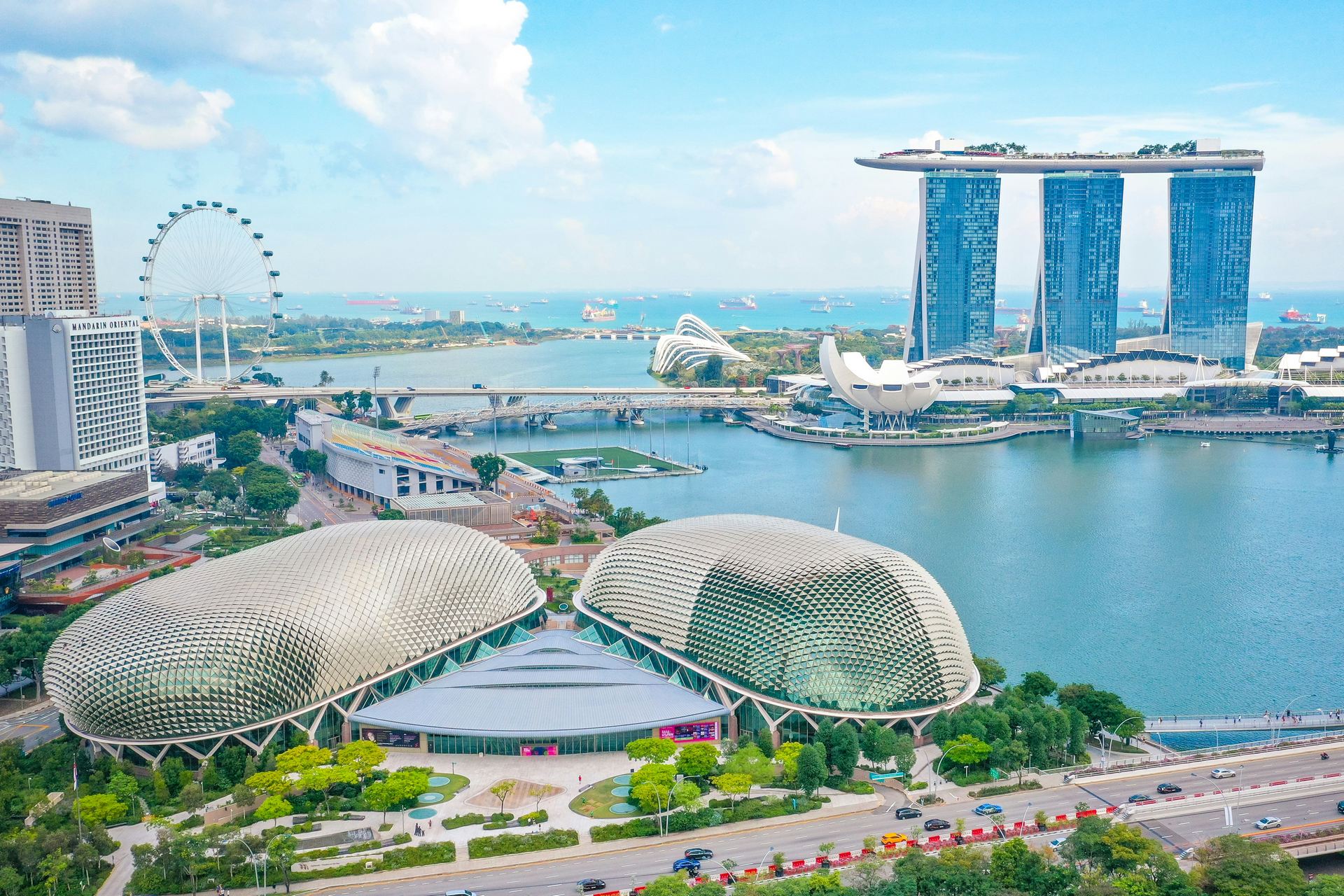
Photo by Meriç Dağlı on Unsplash
Singapore fun facts
- Singapore is one of only three city-states in the world, alongside Vatican City and Monaco, and the only city-state in Southeast Asia. Its population of approximately 5.9 million people makes it one of the most densely populated sovereign states on earth.
- Changi Airport has won the Skytrax World’s Best Airport award more times than any other airport. The Jewel complex opened in 2019 and is itself one of the most visited attractions in Singapore.
- Gardens by the Bay covers 101 hectares of reclaimed Marina Bay waterfront and contains the Flower Dome, the world’s largest glass greenhouse, and the Cloud Forest conservatory. The evening Garden Rhapsody light show across the supertrees is one of the best free attractions in the city.
- Singapore’s hawker culture was inscribed on UNESCO’s Representative List of Intangible Cultural Heritage of Humanity in 2020. Hill Street Tai Hwa Pork Noodle has retained Michelin-star recognition, while several other hawker stalls continue to receive Michelin Bib Gourmand and Michelin Guide recognition.
- Singapore is one of the world’s most accessible destinations for Michelin-recognised dining, with options ranging from fine dining restaurants to Michelin-recognised hawker stalls.
Getting around Singapore
Singapore has one of the finest public transport systems in the world. Clients do not need a car as the MRT, buses, and Grab cover everything efficiently and affordably.
- MRT (Mass Rapid Transit): Six major MRT lines and their extensions connect virtually all visitor districts. The EZ-Link card or a contactless bank card covers trains and buses. Key stops include Chinatown (NE/DT lines), City Hall (NS/EW), Little India (NE), Kampong Glam/Bugis (EW/DT), Orchard (NS), Bayfront (CC/DT for Marina Bay and Gardens by the Bay), and Changi Airport (EW). Trains run from approximately 5:30 AM to midnight.
- Grab: The dominant ride-hailing app in Southeast Asia; transparent fixed prices before booking. Best for door-to-door convenience and reaching attractions without direct MRT access.
- Bus: Covers areas that the MRT does not reach, including parts of Kampong Glam, the east coast, and MacRitchie Reservoir. Google Maps and Citymapper give real-time bus arrival information.
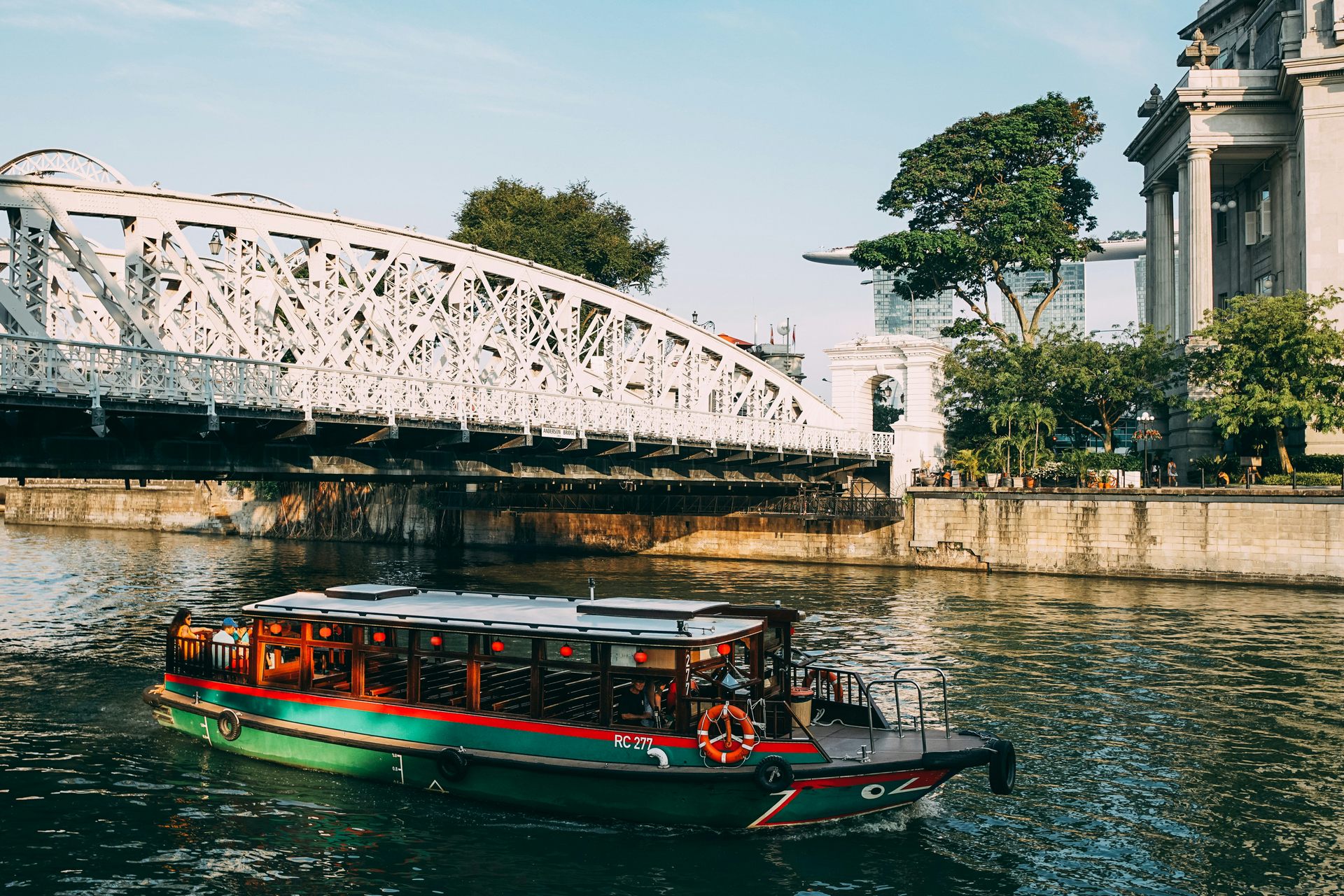
- River taxi and cable car: Bumboat river taxis connect Clarke Quay, Boat Quay, and the Marina Bay area. The cable car from Mount Faber or Harbourfront to Sentosa island is both a transport link and a scenic experience.
RateHawk insight
Travel agents can enhance the value of vacation packages by offering transport bookings alongside accommodation. RateHawk makes it easy to expand packages with airline tickets, airport transfers, and train tickets available to book throughout Asia. These add-ons showcase the added value of using a travel agent and are ideal for first-time visitors to Singapore or those traveling with young children.
Where to stay in Singapore: Neighbourhoods and hotel options
Singapore’s accommodation market covers extraordinary luxury with several of the world’s most famous hotels, a strong mid-range tier, and well-positioned boutique options in the heritage districts. Where your client stays will shape their Singapore experience significantly.
Marina Bay and the city centre
Best for: Luxury clients and bleisure travellers.
Marina Bay is Singapore’s most iconic district. The Marina Bay Sands hotel and its boat-shaped sky park, the ArtScience Museum, the Esplanade Theatres on the Bay, and the nightly Spectra light show define the waterfront.
Staying here puts clients within walking distance of the Gardens by the Bay and the Singapore Flyer. Hotels are predominantly five-star, and the Marina Bay Sands is one of the most famous hotel experiences in Asia. The natural base for luxury clients and business-alongside-leisure travellers.
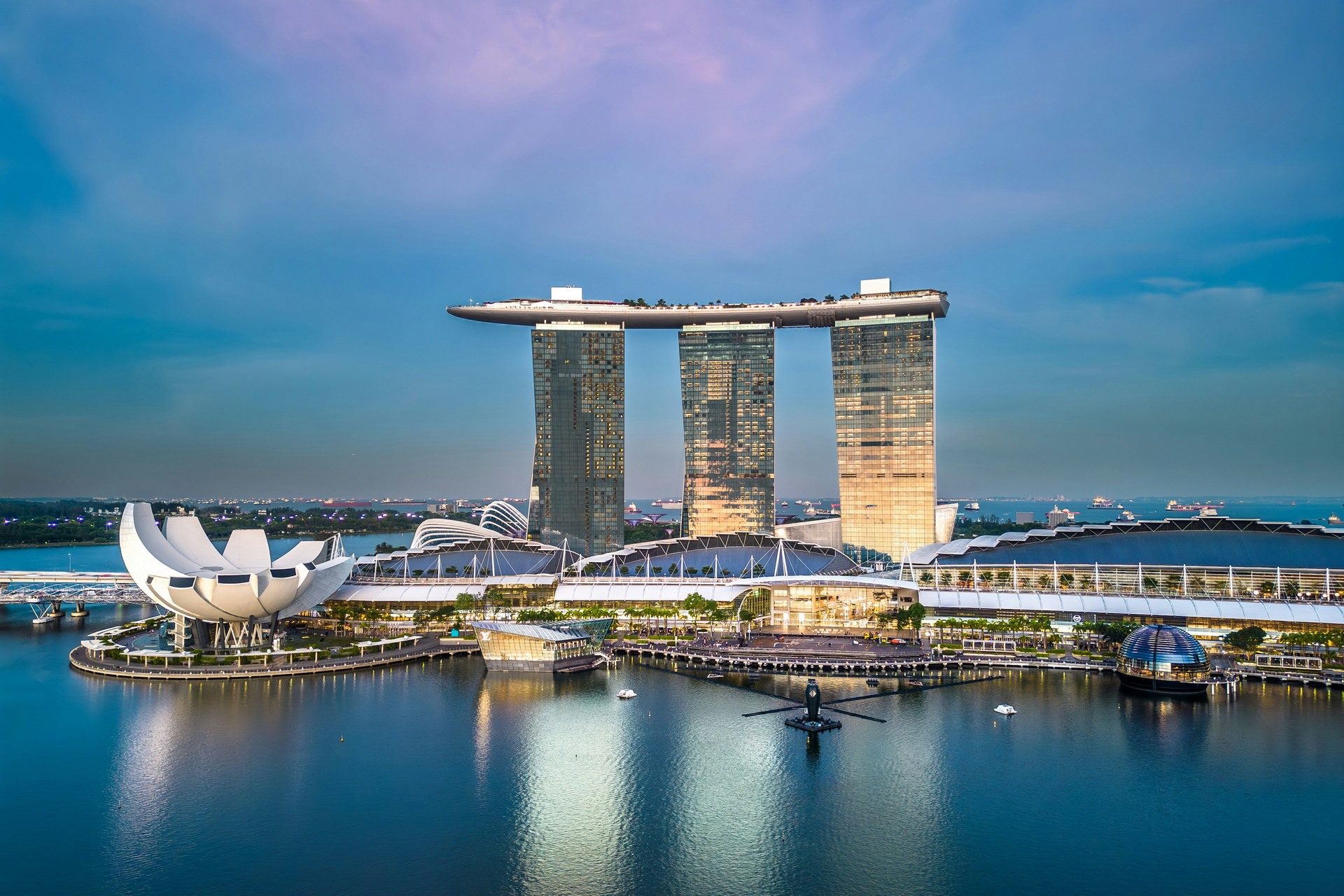
Photo by VacationTravelInsider .com on Unsplash
Chinatown
Best for: Solo travellers and food-focused itineraries.
One of Singapore’s most atmospheric historic districts with temples, hawker centres, traditional shops, and a growing independent restaurant and bar scene in the restored shophouse streets. The MRT Chinatown station (NE/DT lines) connects the district to the rest of the city in minutes. A strong base for independent travellers and food-focused clients who want to explore Singapore’s heritage on foot.
Little India
Best for: Cultural-focused travellers and couples.
The most sensory and exuberantly colourful of Singapore’s historic districts. Jasmine garlands, incense, sari shops, banana leaf restaurants, and 24-hour provision stores line Serangoon Road and its surrounding streets. A growing number of boutique hotels in restored shophouses make Little India an increasingly popular and genuinely atmospheric base for cultural travellers.
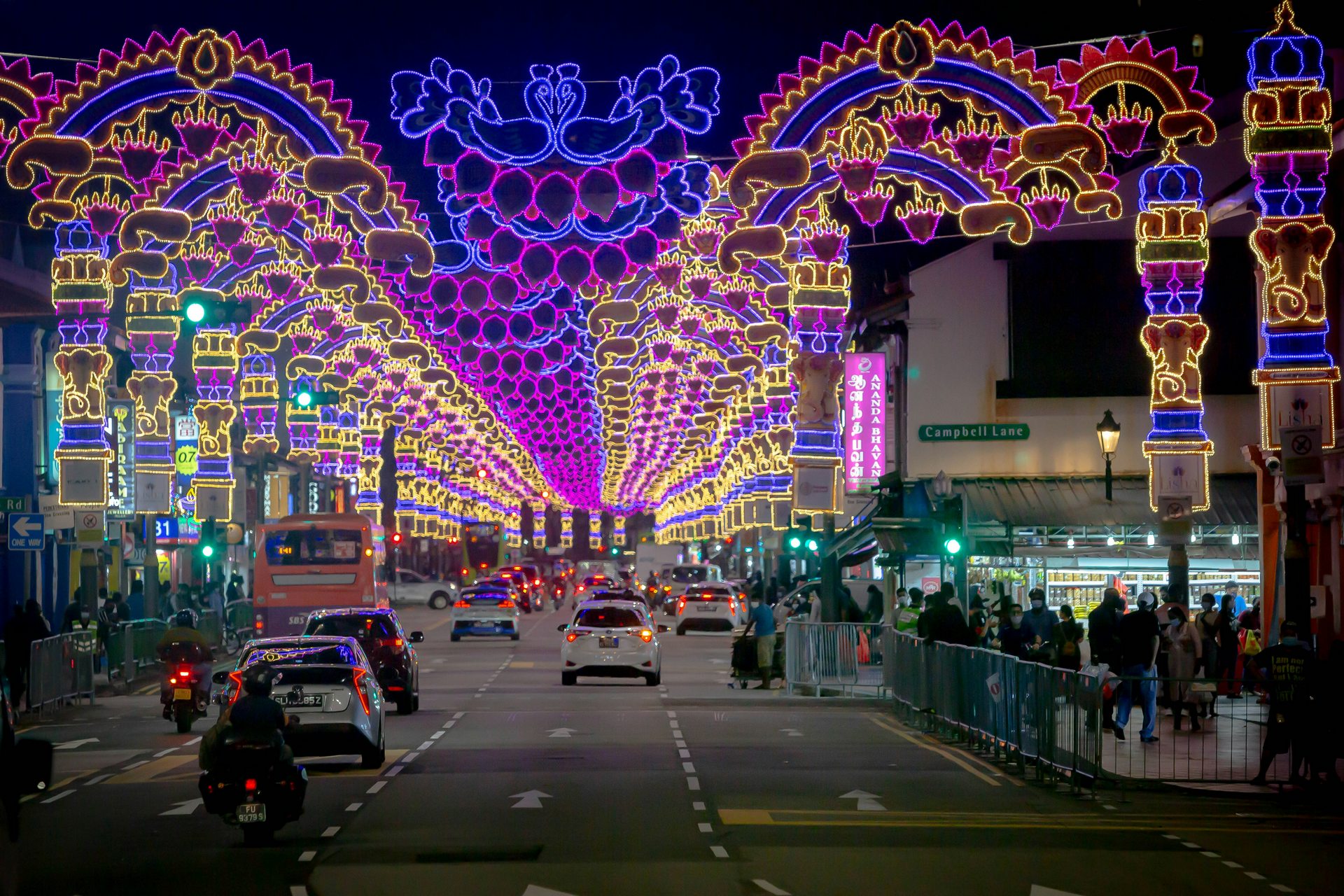
Photo by Happysurd Photography on Unsplash
Kampong Glam
Best for: Returning visitors who want to experience everyday Singapore life.
Singapore’s historic Malay and Arab quarter is centred on Arab Street, Haji Lane, and the golden dome of the Sultan Mosque. Traditional textile shops and perfumeries selling oud now coexist with independent streetwear boutiques, specialty coffee shops, and the street murals of Haji Lane, making it one of the most photographed streets in Singapore. Boutique and design properties are the defining accommodation type here.
Orchard Road
Best for: Business travellers, families, and shopping-focused itineraries.
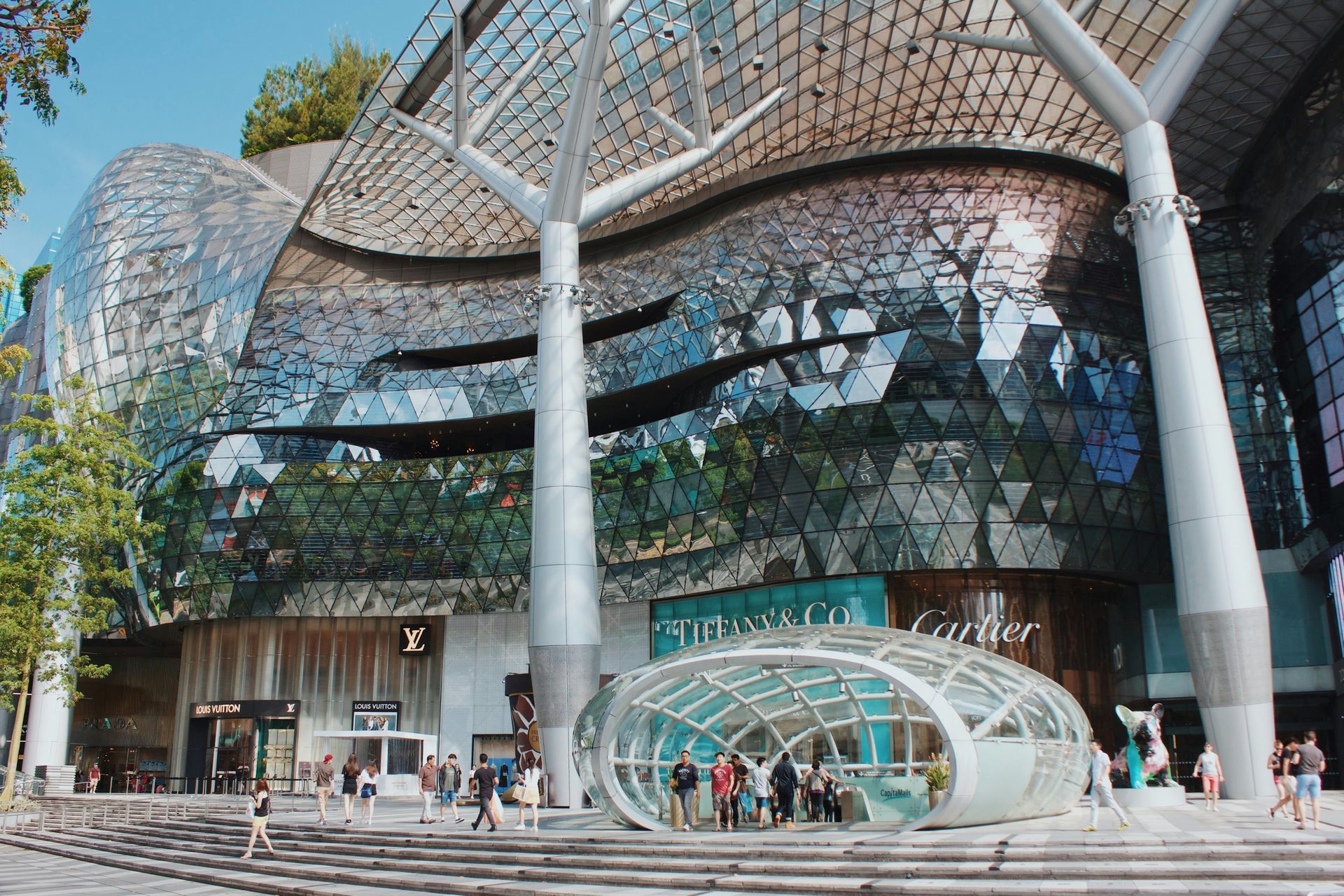
Singapore’s main shopping boulevard has the city’s largest concentration of hotels at all price levels, from major international five-star brands to well-positioned mid-range properties. Practical rather than atmospheric, with excellent MRT connections, proximity to the Botanic Gardens, and the full Singapore retail experience. A strong base for business travellers, families, and clients whose primary interest is shopping and easy city navigation.
Top things to do in Singapore: Must-see attractions
1. Marina Bay Sands and the Marina Bay Waterfront
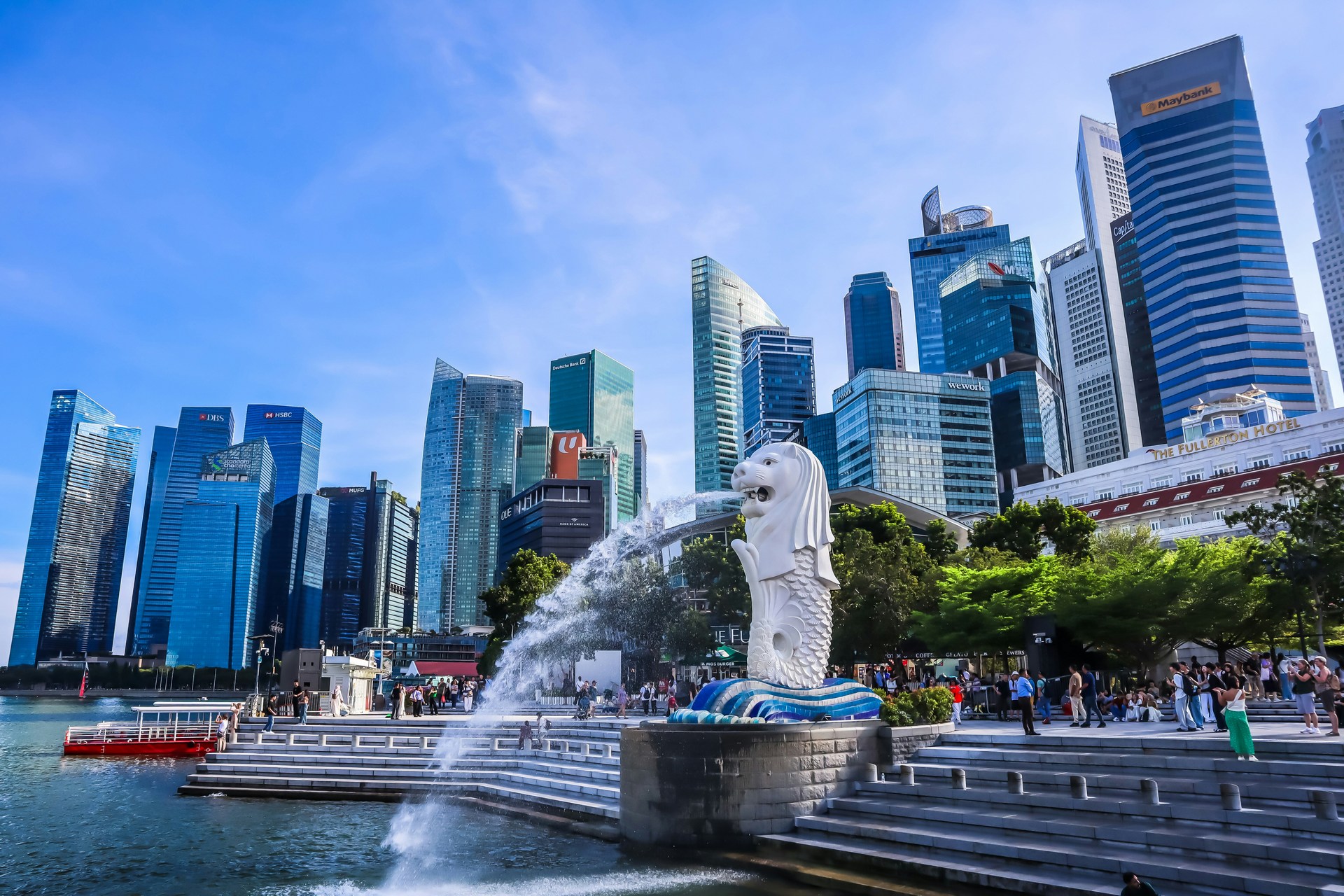
Marina Bay is the visual and experiential heart of modern Singapore. This spectacular waterfront district is famous for its skyline, dominated by the three towers and boat-shaped sky park of the Marina Bay Sands hotel, and has become one of the most recognisable images of modern Asia.
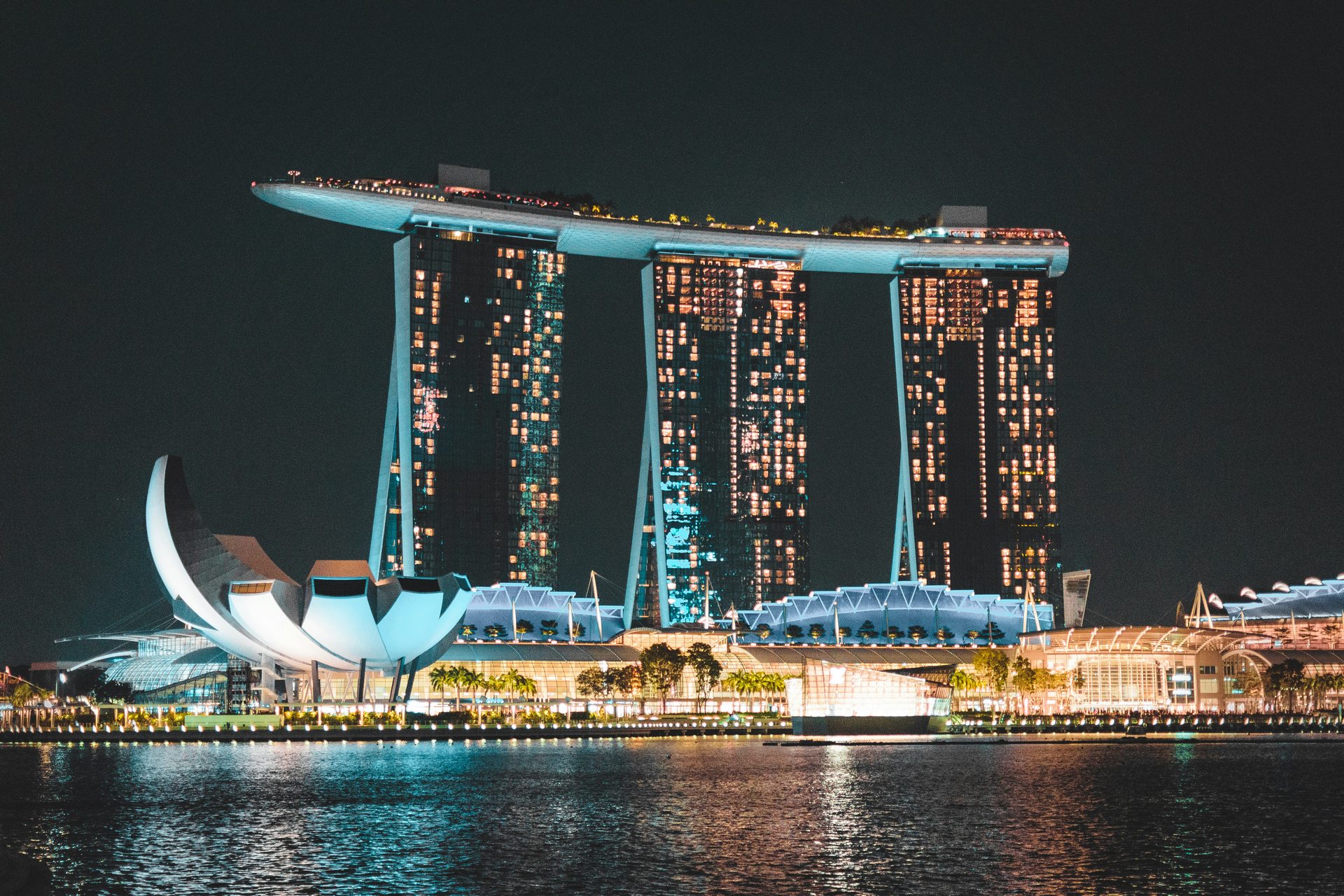
Photo by Job Savelsberg on Unsplash
The area delivers world-class attractions in extraordinary concentration: the lotus-shaped ArtScience Museum, the Esplanade Theatres on the Bay (Singapore’s premier performing arts venue), the Singapore Flyer observation wheel (165 metres, one of the world’s largest), and the nightly Spectra light and water show on the waterfront promenade (free, 8 PM and 9 PM).
The Marina Bay Sands Skypark Observation Deck, accessible to non-guests by ticket, gives 360-degree views over the city at around 57 storeys above the bay. The infinity pool on the same level is for hotel guests only, but it is one of the most famous swimming pools in the world as it’s featured in countless movies and overlooks the Formula 1 track.
At night, the entire bay district transforms into a light show that makes an already extraordinary skyline feel otherworldly.
2. Gardens by the Bay: supertrees, flower dome, and cloud forest
Gardens by the Bay is one of the most extraordinary urban green spaces in the world. It consists of 101 hectares on the Marina Bay waterfront containing two climate-controlled conservatories and 18 supertree structures.
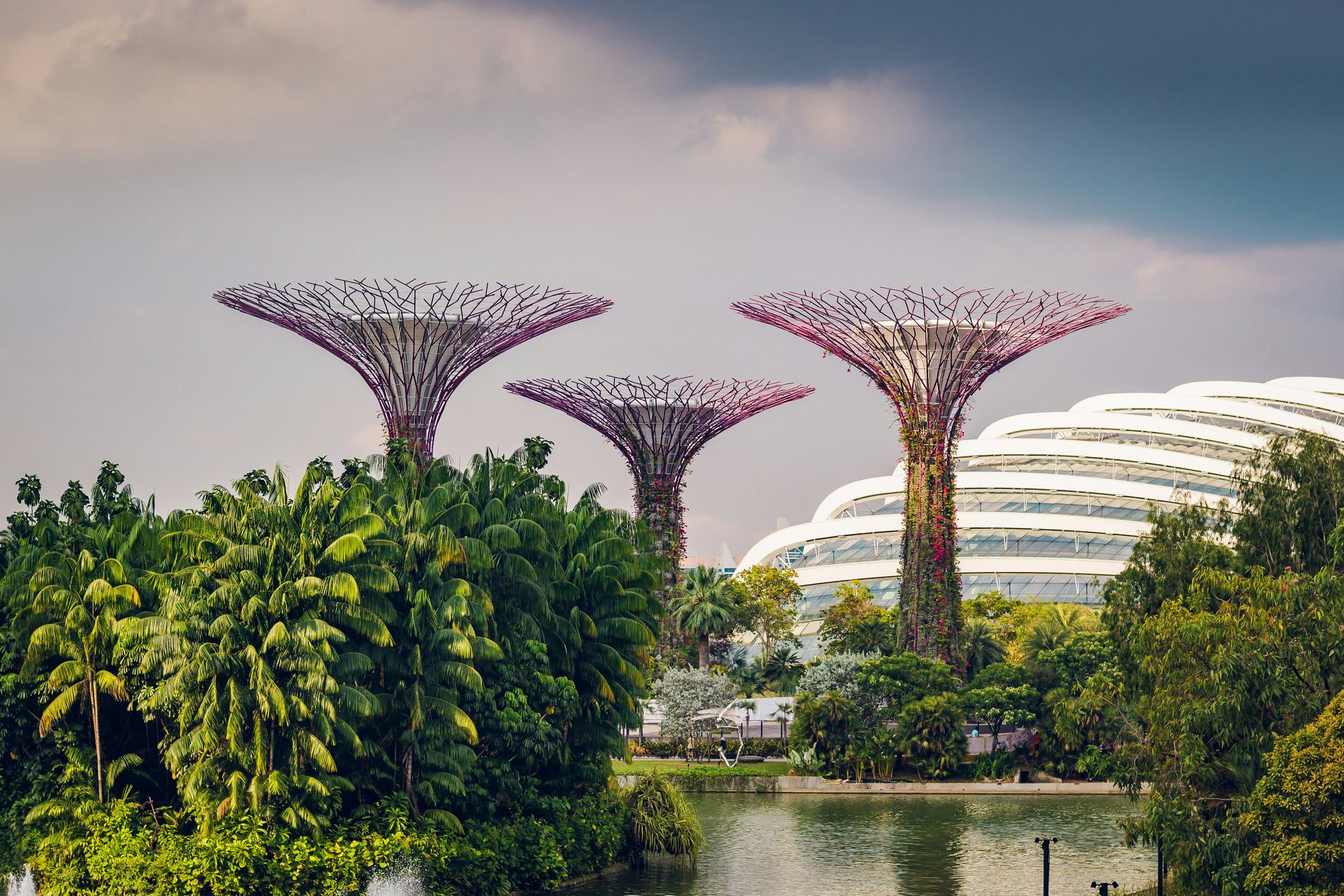
Photo by Daniel Welsh on Unsplash
The Flower Dome is the world’s largest glass greenhouse, cooled to simulate a Mediterranean climate, and houses rotating flower exhibitions and a permanent orchid display. The Cloud Forest is even more dramatic as a 35-metre indoor mountain wrapped in cloud forest plants with a 35-metre waterfall cascading from its peak.
The supertrees, steel and concrete structures that range from 25 to 50 metres in height, are covered in over 200 plant species. They generate solar power and vent exhaust from the conservatories. The evening Garden Rhapsody supertree light show (which is free and runs nightly at 7:45 PM and 8:45 PM) and the OCBC Skyway aerial walkway, connecting two supertrees, make this an essential Singapore experience for first-time and repeat visitors alike.
Plan at least three to four hours or a half-day for clients exploring all sections.
3. Singapore’s historic districts: Chinatown, Little India, and Kampong Glam
Singapore’s three heritage districts represent the most culturally rich experiences the city offers.
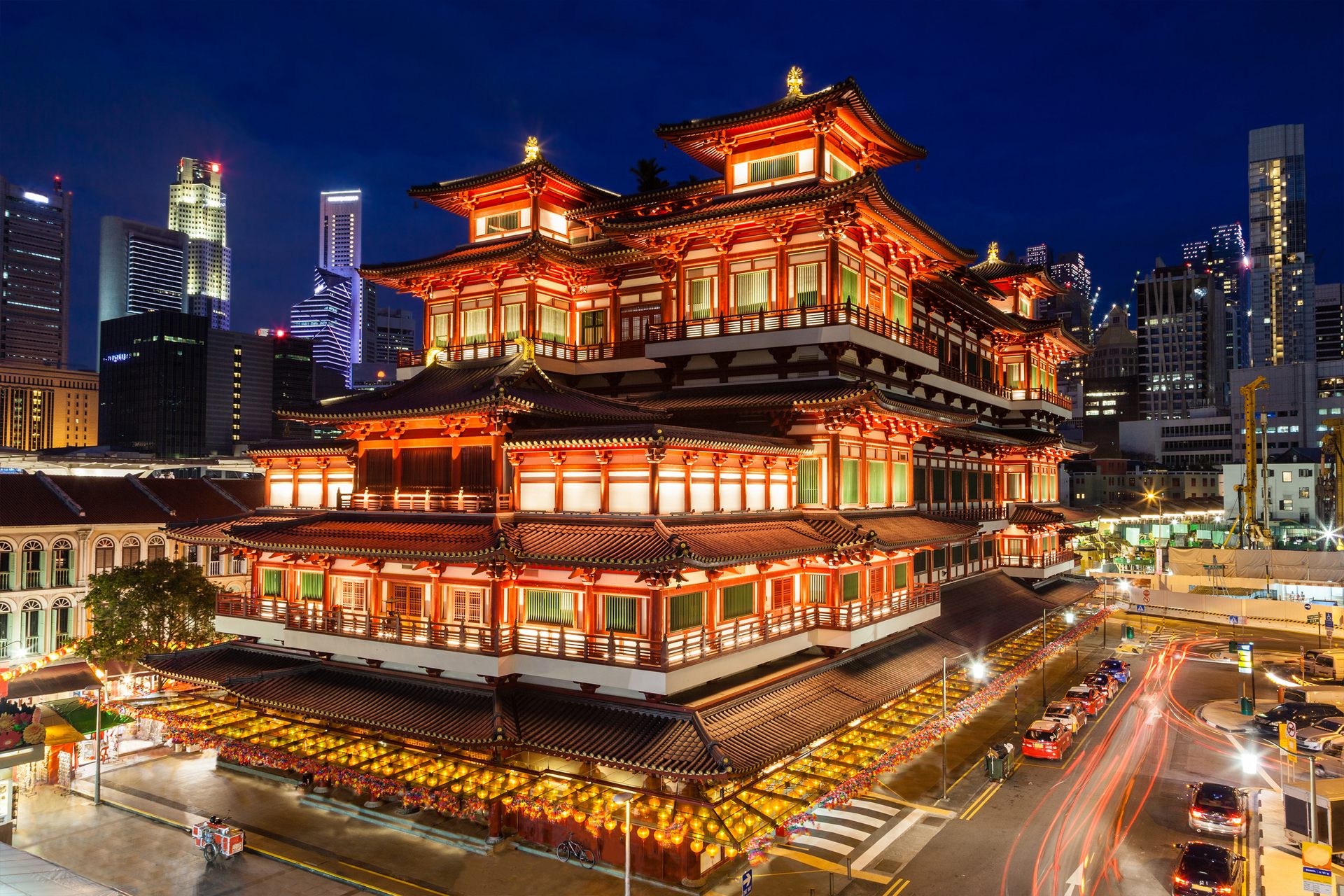
Photo by Ronnie Chua on Shutterstock
In Chinatown, the five-storey Buddha Tooth Relic Temple and Museum on South Bridge Road houses what is believed to be a tooth relic of the Shakyamuni Buddha and is one of Singapore’s most significant Buddhist landmarks. On the same road, the Sri Mariamman Temple (founded in 1827) is the oldest Hindu temple in the city with a gopuram tower covered in hundreds of painted deities. The Maxwell Road Hawker Centre is the food anchor of the district.
In Little India, the Sri Veeramakaliamman Temple on Serangoon Road is dedicated to the fierce goddess Kali and is one of the most visually overwhelming religious buildings in Singapore. The Mustafa Centre, a vast 24-hour department store, and the Tekka Centre hawker market complete the Little India visit.
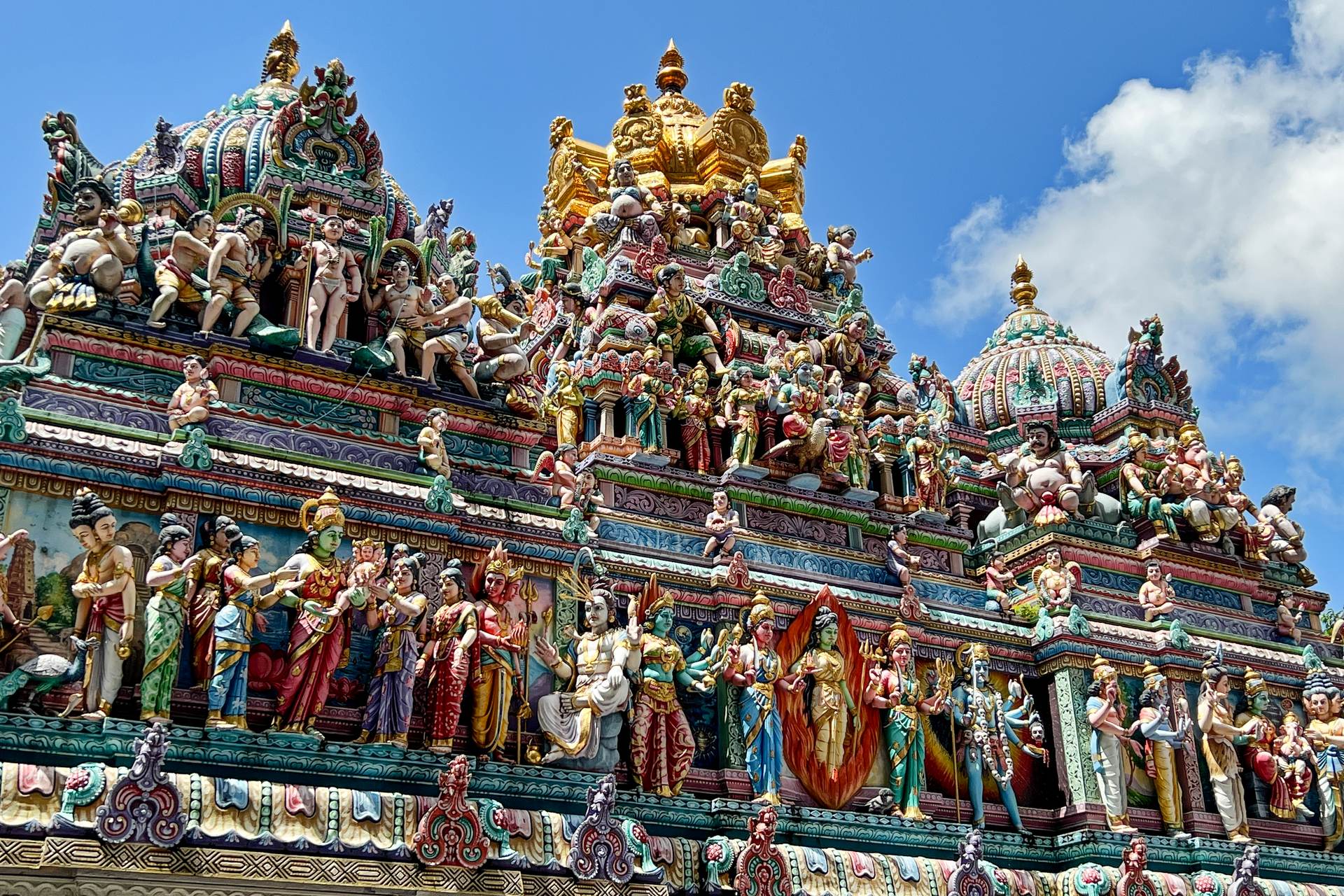
Photo by Matt Ragen on Shutterstock
In Kampong Glam, the Sultan Mosque on North Bridge Road, with its golden dome and capacity for 5,000 worshippers, is one of Singapore’s most important historic mosques. The streets around Arab Street and Haji Lane deserve a slow afternoon of exploration.
Visiting all three districts in sequence makes for a genuinely memorable full-day itinerary.
4. Singapore Botanic Gardens and the National Orchid Garden
The Singapore Botanic Gardens, a UNESCO World Heritage Site since 2015, is one of the oldest and finest tropical botanic gardens in the world, covering 82 hectares of parkland between Orchard Road and the Bukit Timah nature reserve.
Founded by the British colonial government in 1859, the gardens contain over 10,000 plant species, heritage trees, and the extraordinary National Orchid Garden. It houses over 1,000 orchid species and 2,000 hybrids, including the VIP Orchid Collection of named hybrids created for world leaders, including Nelson Mandela and Princess Diana.
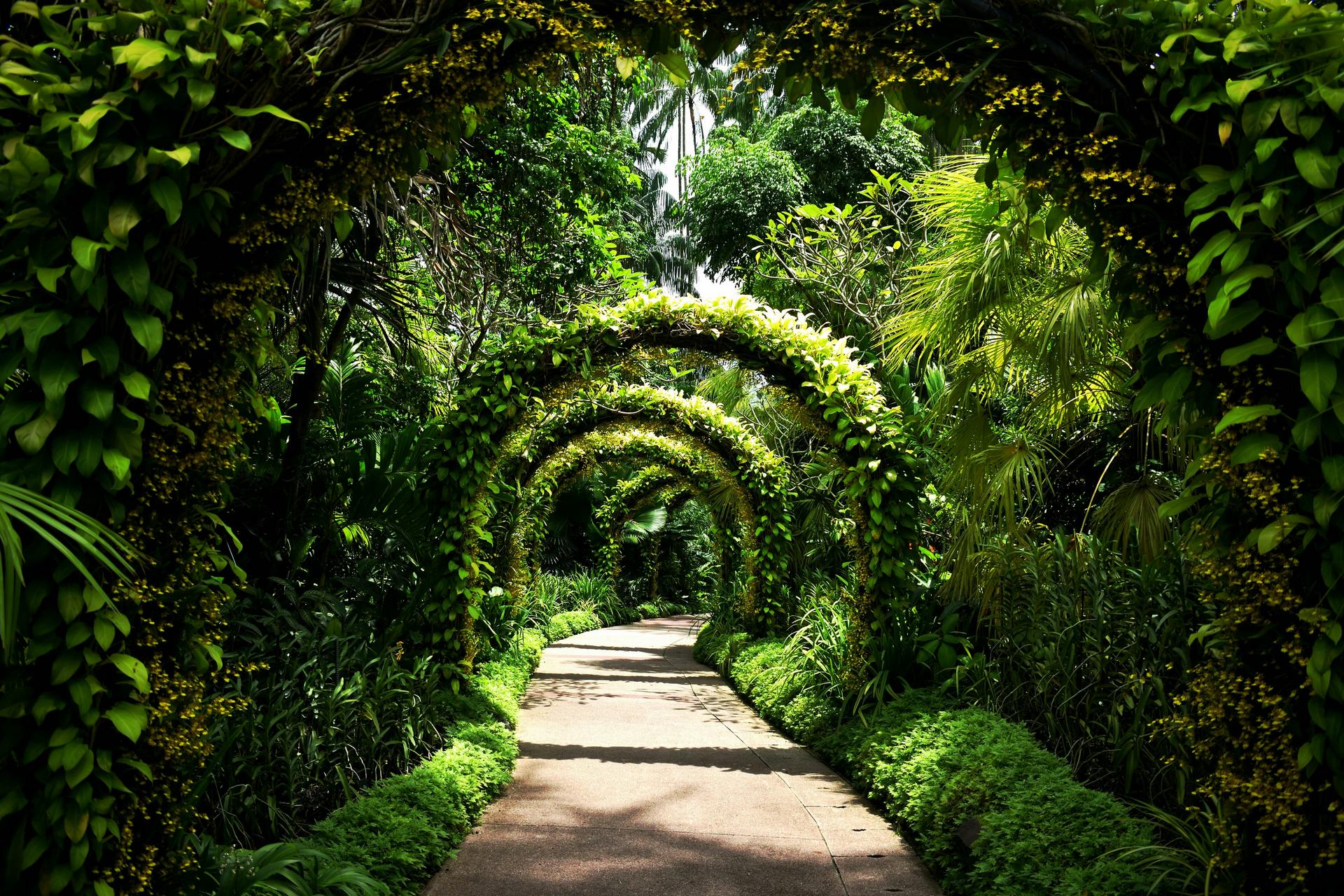
Photo by Simon Wiedensohler on Unsplash
The Botanic Gardens are free to enter and open daily from 5 AM to midnight, making it one of the best free things to do in Singapore and one of the few genuinely peaceful experiences in a city that rarely slows down.
The Botanic Gardens MRT station (CC/DT lines) provides direct access from the city centre in approximately 10 minutes.
5. Sentosa Island: beach, theme parks, and cable car views
Sentosa, the island resort 800 metres south of the main island of Singapore, is the city’s dedicated leisure destination. It offers beaches, theme parks, resort hotels, cable car views, and golf courses in a compact, well-managed environment.
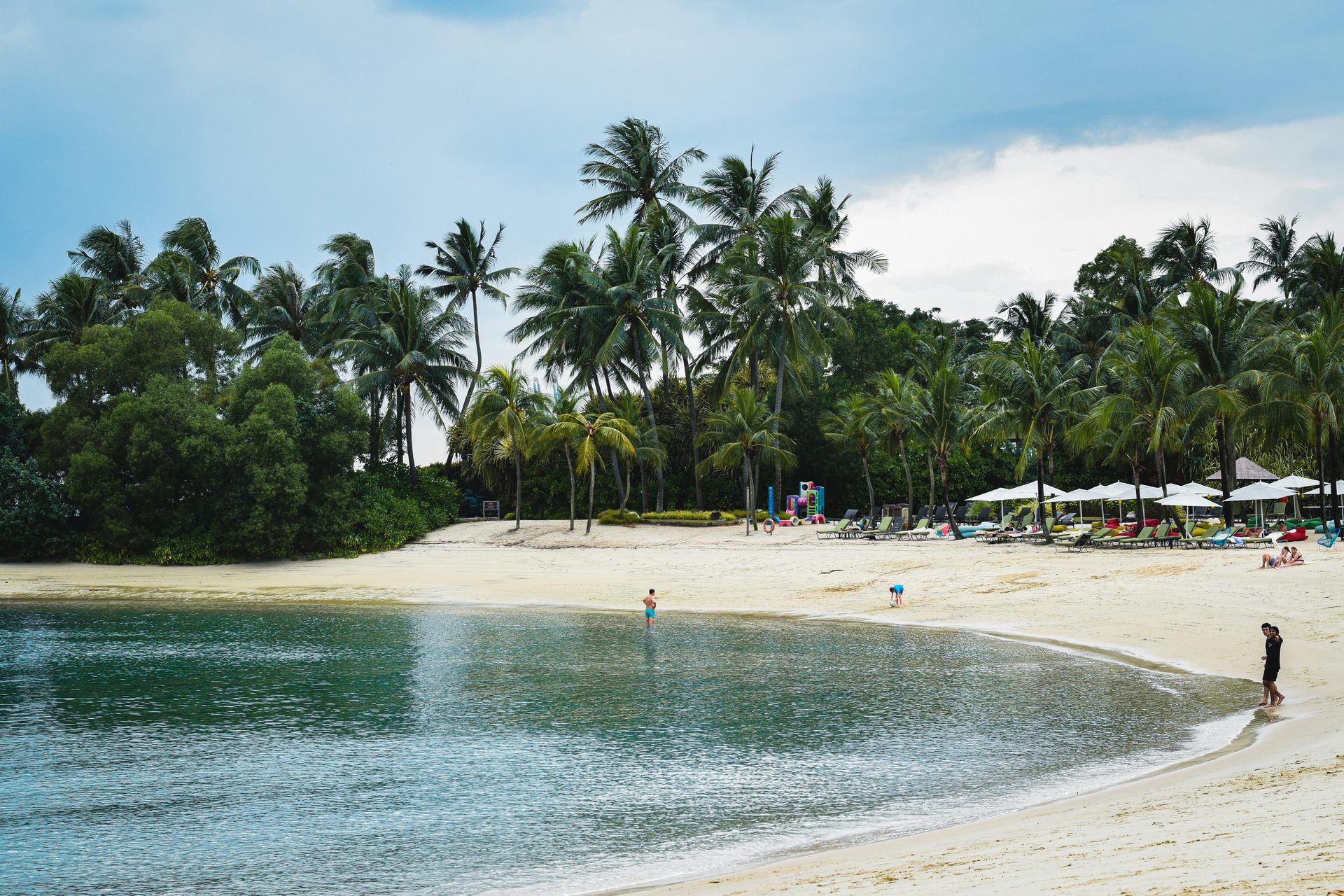
Photo by Sohan Rayguru on Unsplash
Siloso, Palawan, and Tanjong beaches are Singapore’s best urban beach options. They’re clean and well-managed, with excellent beach bar infrastructure. Universal Studios Singapore on Sentosa is the primary family theme park destination and the only Universal Studios theme park in Southeast Asia.
The Singapore cable car from Mount Faber or Harbourfront offers spectacular views over the southern islands, Keppel Harbour, and the city skyline, particularly at dusk when the harbour lights come on.
For luxury clients, Resorts World Sentosa includes five hotel brands, the Universal Studios park, the Singapore Oceanarium (a major marine attraction and successor to the former S.E.A. Aquarium), a casino, and several high-end restaurants.
Singapore activities by travel type
Food and hawker culture
Singaporean food culture is one of the great pleasures of visiting the city; UNESCO-recognised, Michelin-starred at the hawker level, and encompasses Chinese, Malay, Indian, and Peranakan traditions in parallel at every price point.
- Maxwell Road Hawker Centre (Chinatown): Tian Tian Hainanese Chicken Rice (stall #01-10) has been serving what many consider to be the definitive Singapore national dish since 1987; arrive before noon to avoid the queue.
- Lau Pa Sat (Telok Ayer Market): A magnificent Victorian cast-iron market hall in the financial district; the Satay Street stalls on Boon Tat Street set up from 7 PM and are one of the best night food experiences in the city.
- Old Airport Road Food Centre: One of Singapore’s largest and most respected hawker centres, arguably the most comprehensive for a full hawker experience; worth the MRT and bus combination to reach.
- Peranakan food in Katong: The Nyonya (Straits Chinese) cuisine, unique to this region, with laksa, ayam buah keluak, and kueh desserts, is best found in the Katong and Joo Chiat districts in the east.
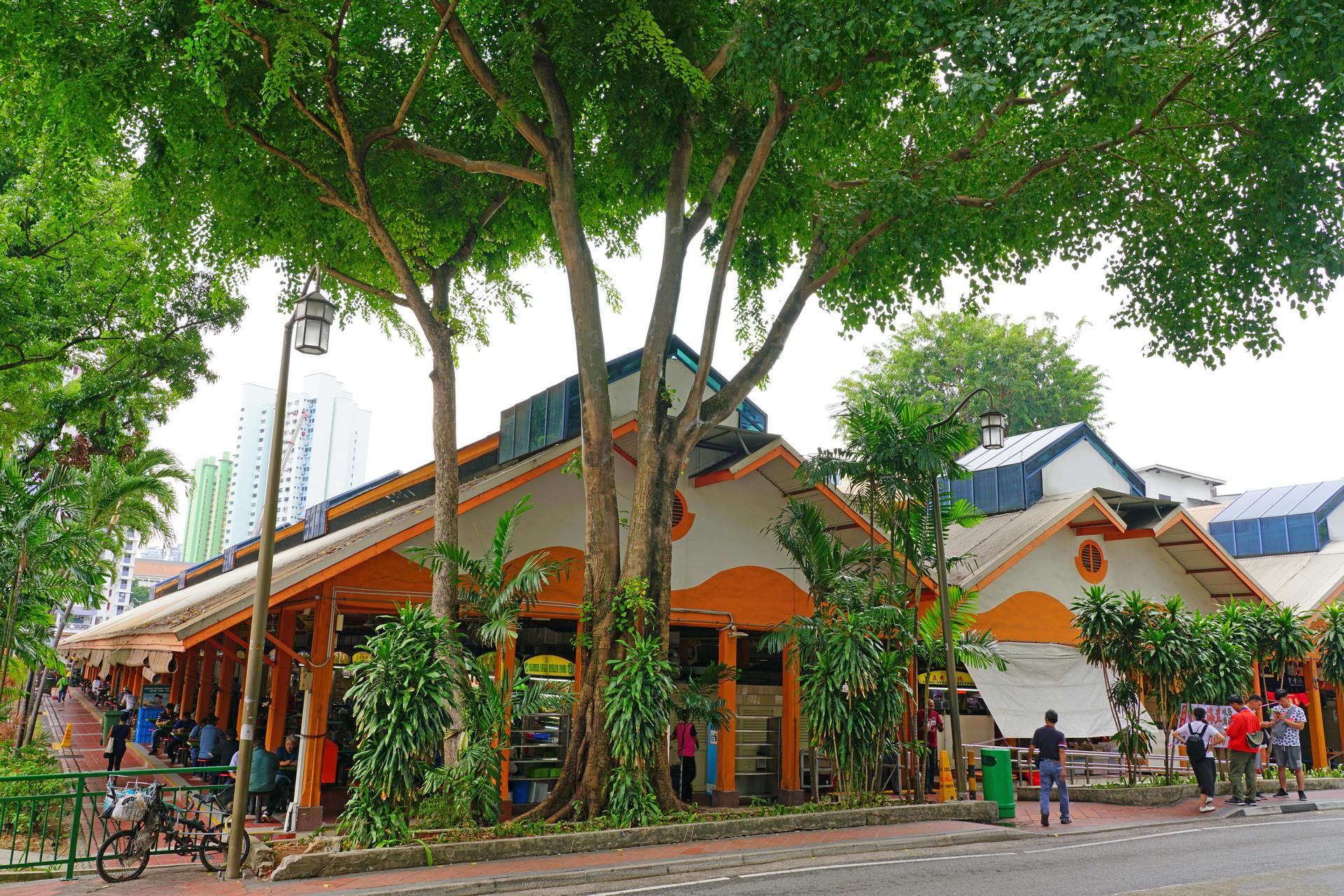
Photo by EQRoy on Shutterstock
City breaks and cultural exploration
- National Museum of Singapore: The oldest museum in Singapore (founded 1887) traces the island’s story from 14th-century trading port to modern city-state; free on selected evenings and one of the best museum experiences in Southeast Asia.
- Kampong Glam walking tour: Arab Street, Haji Lane, the Sultan Mosque, the Malay Heritage Centre, and the street murals of the back lanes; one of the most visually rewarding walks in the city, ideal for photography enthusiasts.
- National Gallery Singapore: The world’s largest public collection of Singapore and Southeast Asian art is housed in the former Supreme Court and City Hall buildings on St Andrew’s Road; the most important art museum visit in Singapore.
- Clarke Quay and Boat Quay riverside evening: The two Singapore River quays for bars, restaurants, and outdoor dining; a bumboat river taxi between them adds a pleasant water-level view of the city. Ideal for groups and couples alike.
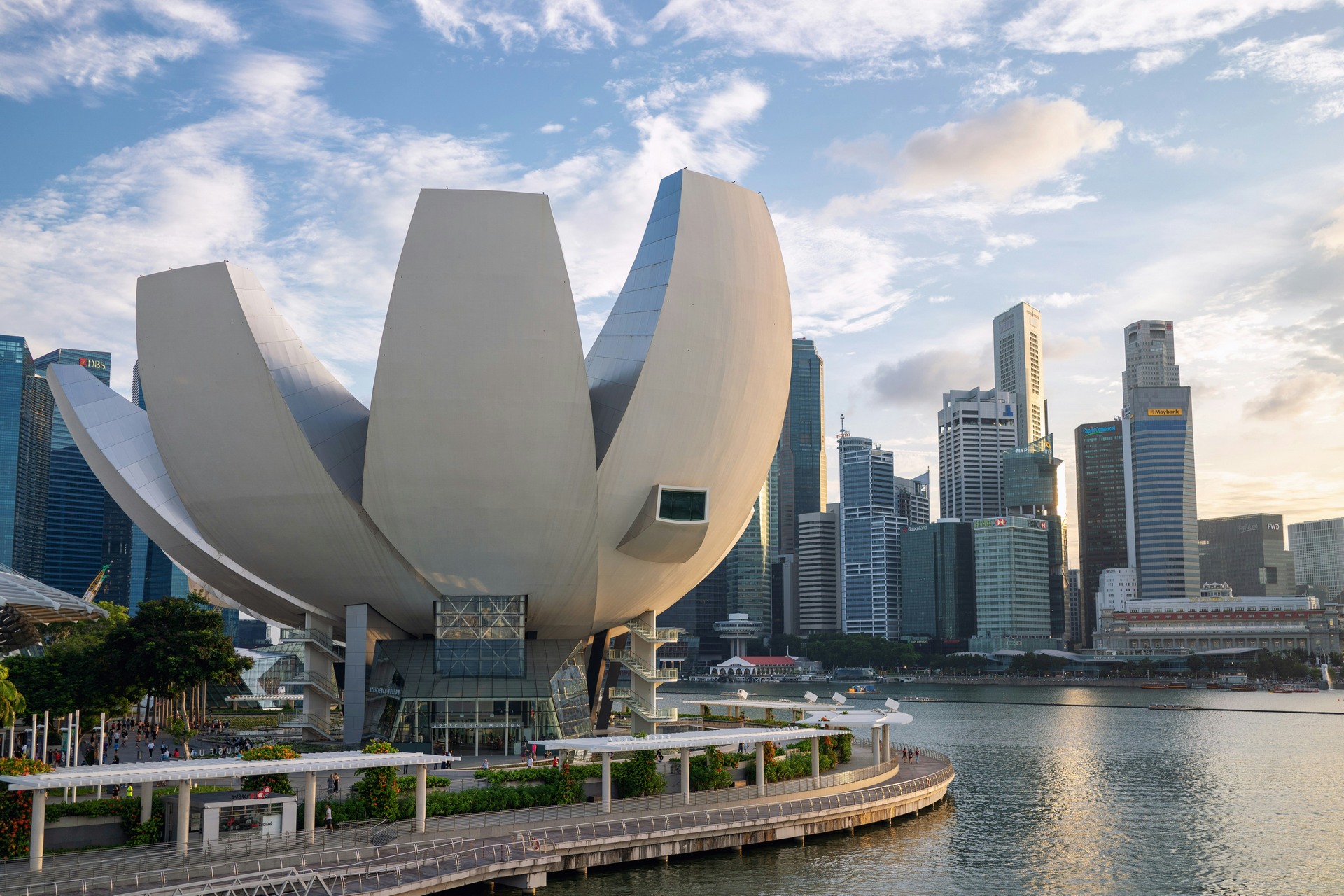
Photo by Jason Rost on Unsplash
Nature and adventure
- MacRitchie Reservoir Treetop Walk: A 250-metre free-standing suspension bridge at 25 metres above the forest floor, reached by a 2–3 hour trail through dense secondary rainforest with macaques and monitor lizards; one of the most surprising natural experiences available in a major city.
- Southern Ridges Park: Mount Faber to Labrador: A 10 km connected walking route through forest, themed gardens, and the architecturally remarkable Henderson Waves bridge (36 metres high) linking Mount Faber, HortPark, and Labrador Nature Reserve.
- Night Safari: The world’s first nocturnal wildlife park (opened 1994), with over 900 animals from 100 species, which can be seen after dark by torchlit tram and on foot; one of the most impressive wildlife experiences in Southeast Asia.
- Pulau Ubin island day trip: 10 minutes by bumboat from Changi Village ferry terminal. It offers jungle cycling, kampong houses, wild boar, and the Chek Jawa wetlands ecosystem, making it a genuinely different Singapore that feels like stepping back into the 1960s.
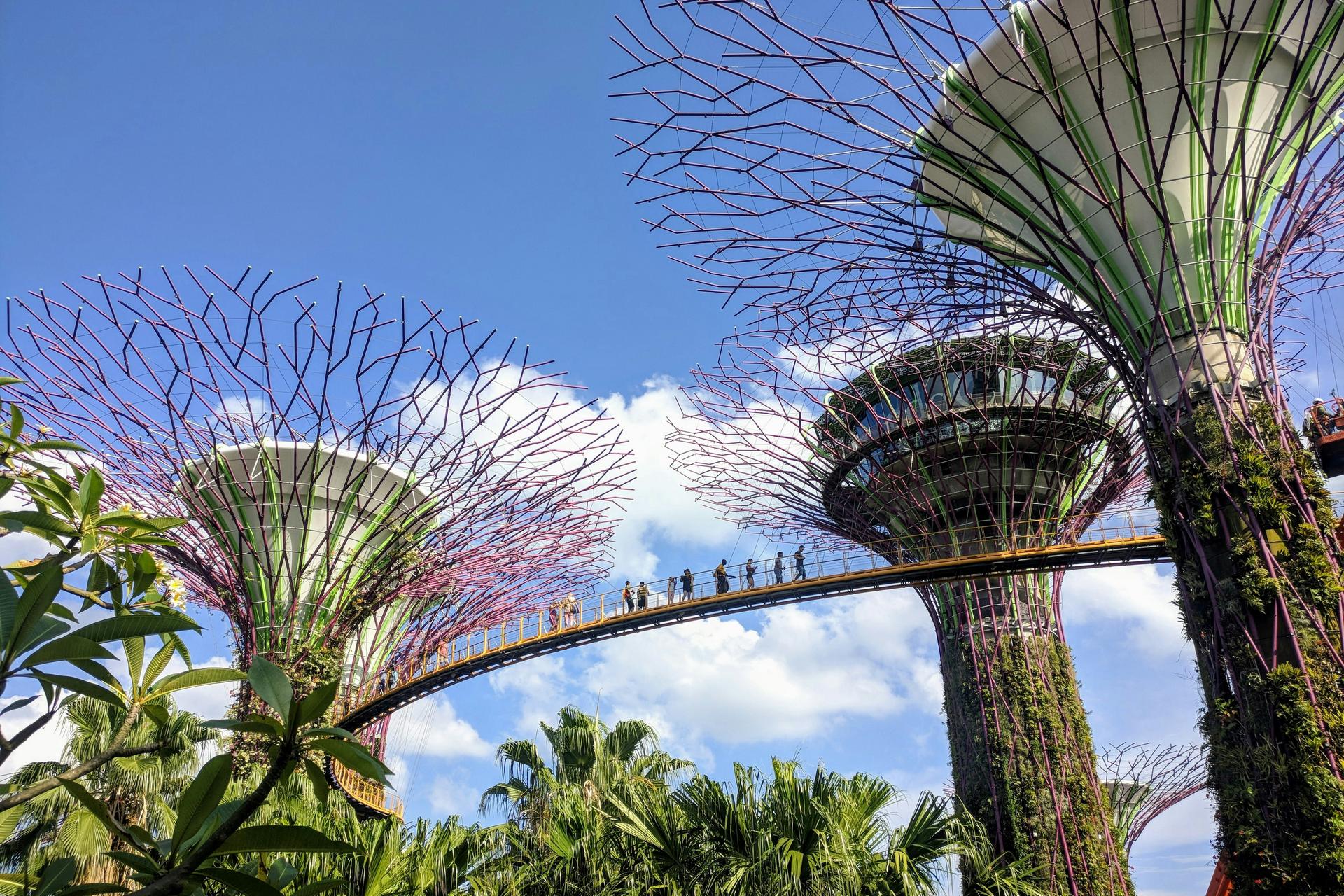
Photo by Dhoomil Sheta on Unsplash
Family holidays
- Universal Studios Singapore (Sentosa): One of five Universal Studios parks globally with Jurassic World, Transformers, Minion Park, and Battlestar Galactica roller coasters. A full-day commitment; buy tickets online to avoid peak queues.
- Singapore Zoo and River Wonders: The open-concept Singapore Zoo with no bars and adjacent River Wonders park (featuring giant pandas and the world’s great rivers) form one of the finest zoo experiences in Asia; combine with the Night Safari for an overnight visit.
- Changi Airport Jewel: The 40-metre HSBC Rain Vortex indoor waterfall, the Canopy Park (hedge mazes, bouncing and walking nets), and the five-storey indoor garden are spectacular for families to explore, even without a flight, as it’s a legitimate attraction in its own right.
- KidZania Singapore (Sentosa): An indoor city where children aged 4–17 can explore more than 70 role-play professions and activities in a child-sized city environment; one of the most popular family attractions in Singapore for children under 12.
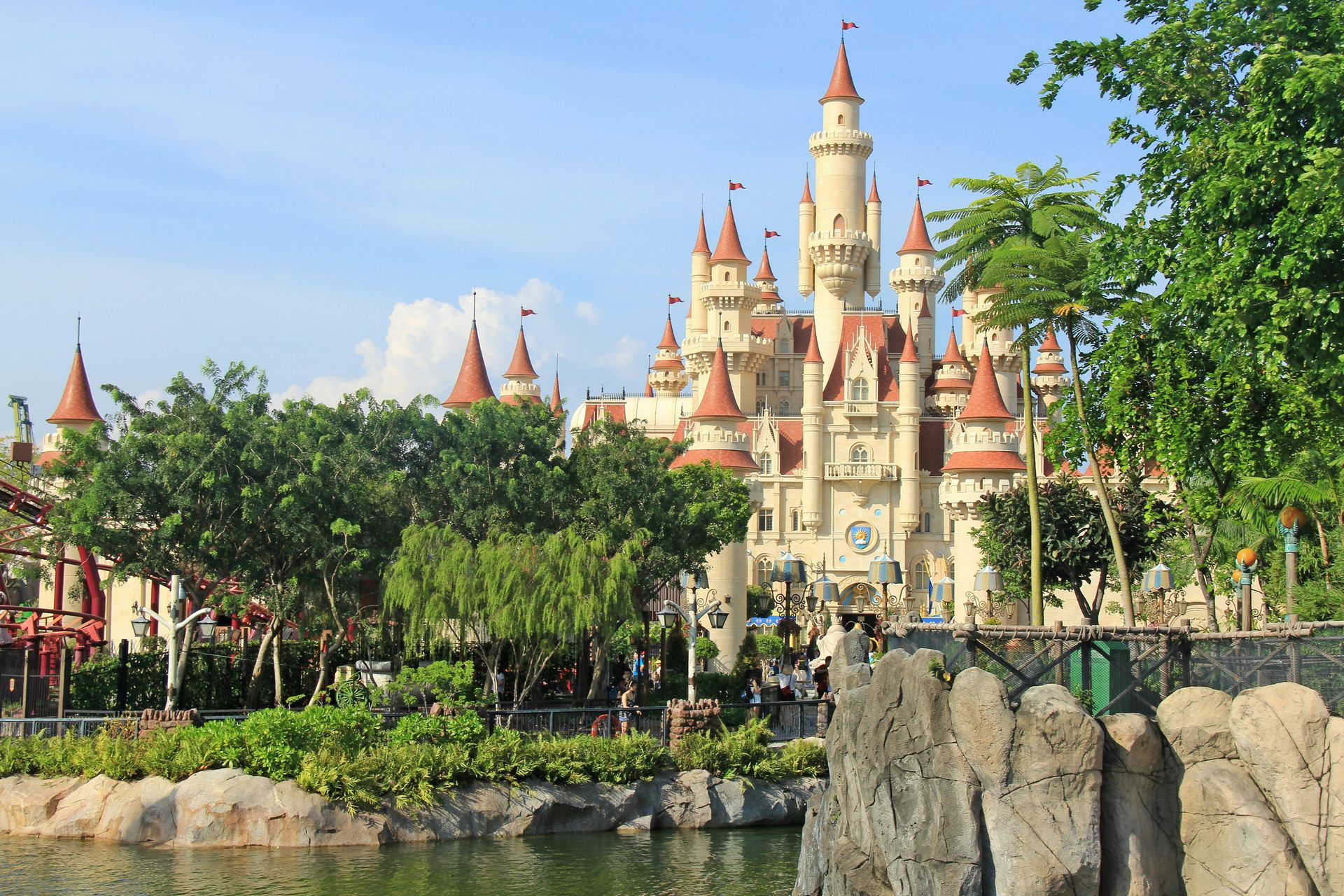
Photo by Mosharraf Hossain on Unsplash
Luxury escapes
- Marina Bay Sands hotel stay: Hotel guests access the Skypark infinity pool at 57 storeys; the celebrity chef restaurant roster includes Wolfgang Puck’s Spago and CUT; the experience of the bay from the pool at dusk is genuinely extraordinary and worthy of a Hollywood blockbuster.
- Raffles Hotel afternoon tea and Singapore Sling: Raffles Hotel (completed 1887, restored 2019) is one of the world’s most legendary hotels; afternoon tea in the Tiffin Room and a Singapore Sling at the Long Bar (where the cocktail was invented in 1915) are quintessential Singapore luxury experiences.
- Fine dining: Odette, Cloudstreet, and Zén consistently hold multiple Michelin stars; a private tasting menu dinner with wine pairing is among the finest dining experiences in Southeast Asia.
- Capella Singapore, Sentosa: A restored colonial building with garden villas and a world-class spa, consistently ranked among the best resort hotels in Asia.
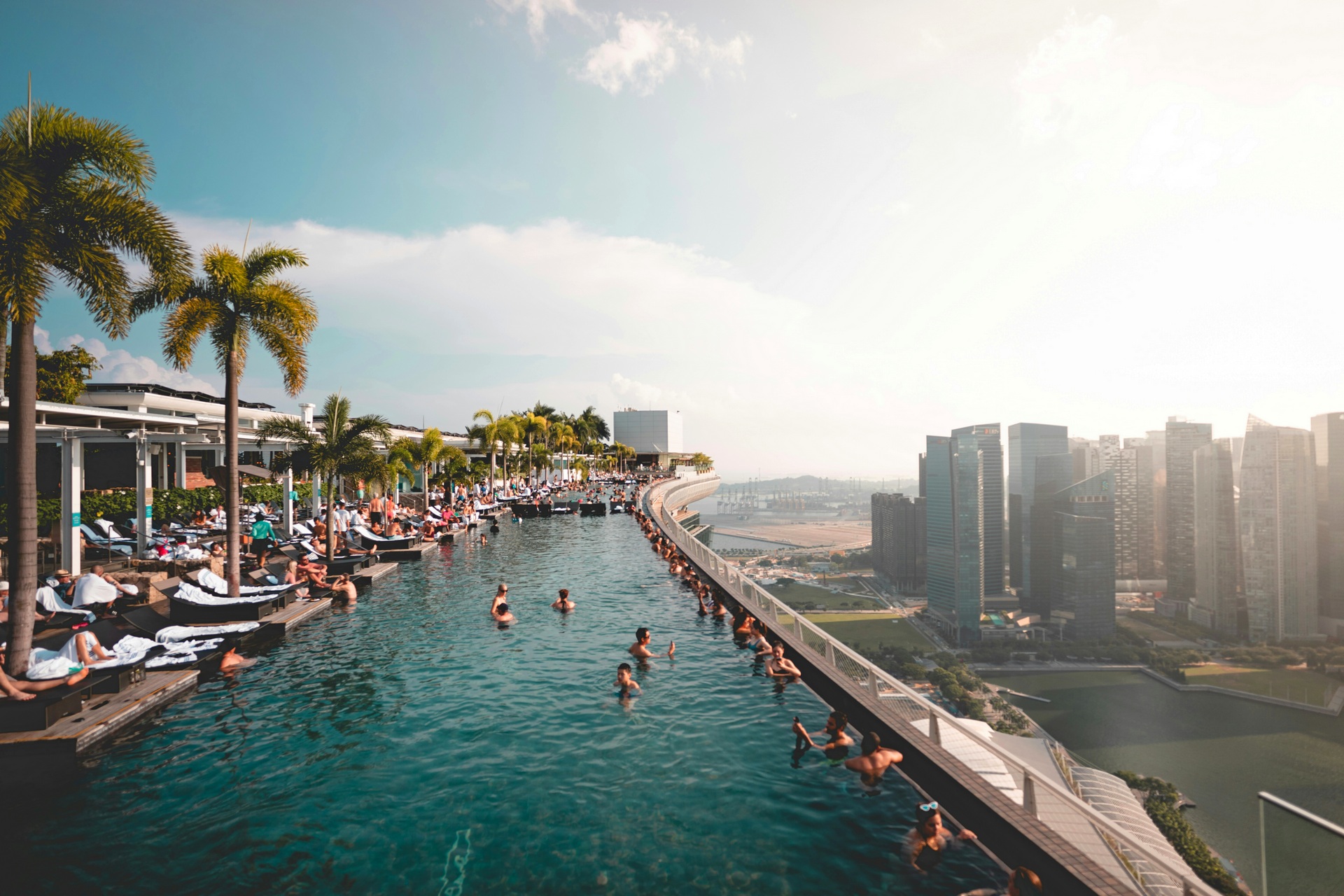
Photo by Will Truettner on Unsplash
Nearby destinations: Day trips from Singapore
Bintan Island, Indonesia
Bintan, approximately 45-60 minutes by high-speed ferry from Tanah Merah Ferry Terminal, is the most popular beach escape from Singapore. The northern resort zone has well-managed beach hotels on largely undeveloped white sand at prices significantly below anything available within Singapore.
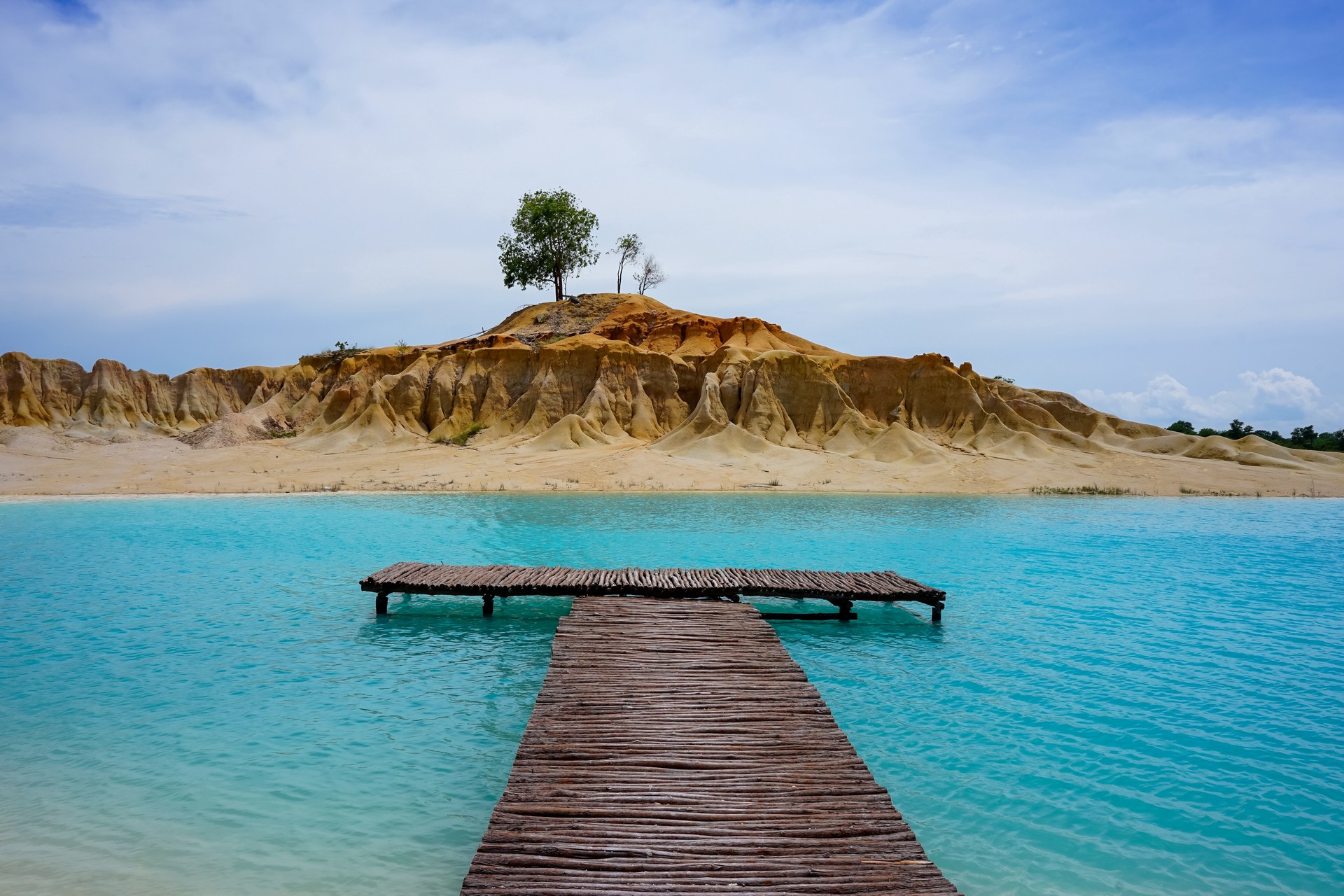
Photo by Adheamir on Shutterstock
An easy overnight or two-night extension for clients who want tropical beach time alongside their city visit. Ferry services run several times daily; Indonesian visa arrangements (visa on arrival for most nationalities) apply.
Johor Bahru, Malaysia
Johor Bahru, the southernmost city of mainland Malaysia, connected to Singapore by the Causeway, is easily reached by bus or taxi and offers dramatically lower prices than Singapore for food, shopping, and accommodation.
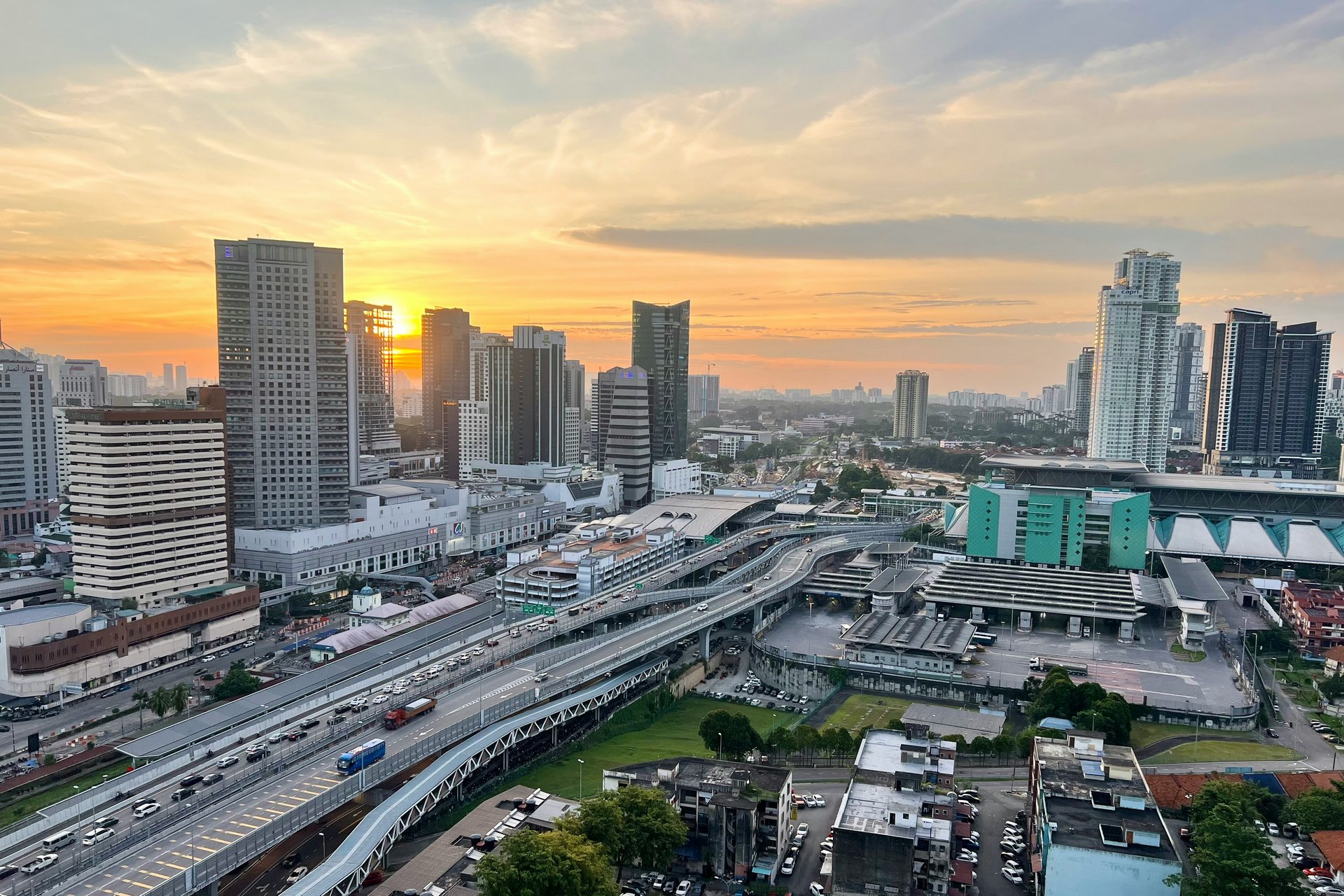
Photo by Ven Jiun (Greg) Chee on Unsplash
Legoland Malaysia, the only one in Southeast Asia, makes it a popular family day trip. Advise clients to carry their passports and to avoid the Causeway at weekend peak hours when queues can be very long.
Malacca (Melaka), Malaysia
Malacca, approximately 220 km north of Singapore and 2.5 to 3 hours by direct bus, is one of the most historically significant cities in Southeast Asia and a UNESCO World Heritage Site.
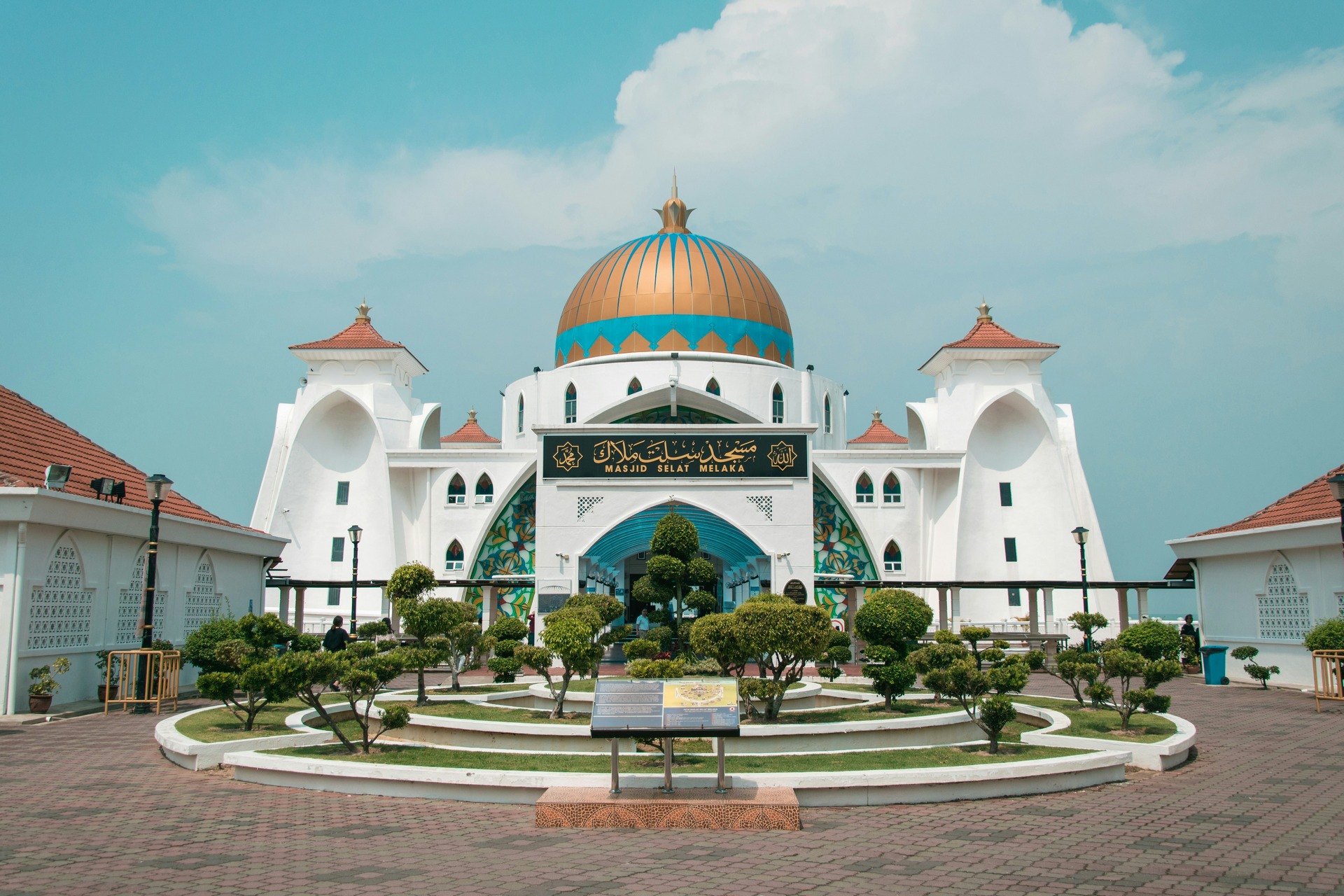
Photo by Job Savelsberg on Unsplash
The Dutch Stadthuys, the ruins of the Portuguese A Famosa fort, the Jonker Street night market, and the Peranakan heritage of the Baba Nyonya community make Malacca a deeply rewarding overnight destination. It’s a natural extension for clients who want to understand Singapore’s Peranakan heritage in its broader historical context.
Singaporean food: What your clients should try
Singapore is one of the world’s great food cities. Clients who do not engage with the hawker food culture are missing what many long-term Singapore residents consider the best thing about the city. Here’s what they should try:
- Hainanese chicken rice: Widely regarded as Singapore’s national dish: poached or roasted chicken served over rice cooked in broth, with ginger sauce, chilli sauce, and dark soy sauce. It is deceptively simple and extraordinarily difficult to execute at the highest level, with Tian Tian at Maxwell Road Hawker Centre serving up the most famous version of the dish.
- Laksa: Spicy coconut curry noodle soup with prawns and fishcakes is the signature Peranakan dish of Singapore and a hawker centre staple. The Katong laksa of the east coast (eaten with a spoon rather than chopsticks) is the most distinctively Singaporean version.
- Chilli crab: Sri Lankan mud crab stir-fried in semi-sweet tomato and chilli sauce, served with mantou buns for dipping; not a hawker dish. Find it at Jumbo Seafood or Long Beach Seafood for the most authentic versions.
- Roti prata: Flaky pan-fried flatbread from the Indian Muslim tradition, served with fish or mutton curry. The essential Singapore breakfast food is available from early morning at Indian Muslim hawker stalls across the city.
- Kaya toast and soft-boiled eggs: Thin toast with coconut-egg kaya jam, served with butter and two soft-boiled eggs seasoned with dark soy sauce and white pepper. Served with kopi (local coffee with condensed milk) as the quintessential Singapore kopitiam breakfast. Yakun Kaya Toast serves this dish at its outlets across the city.
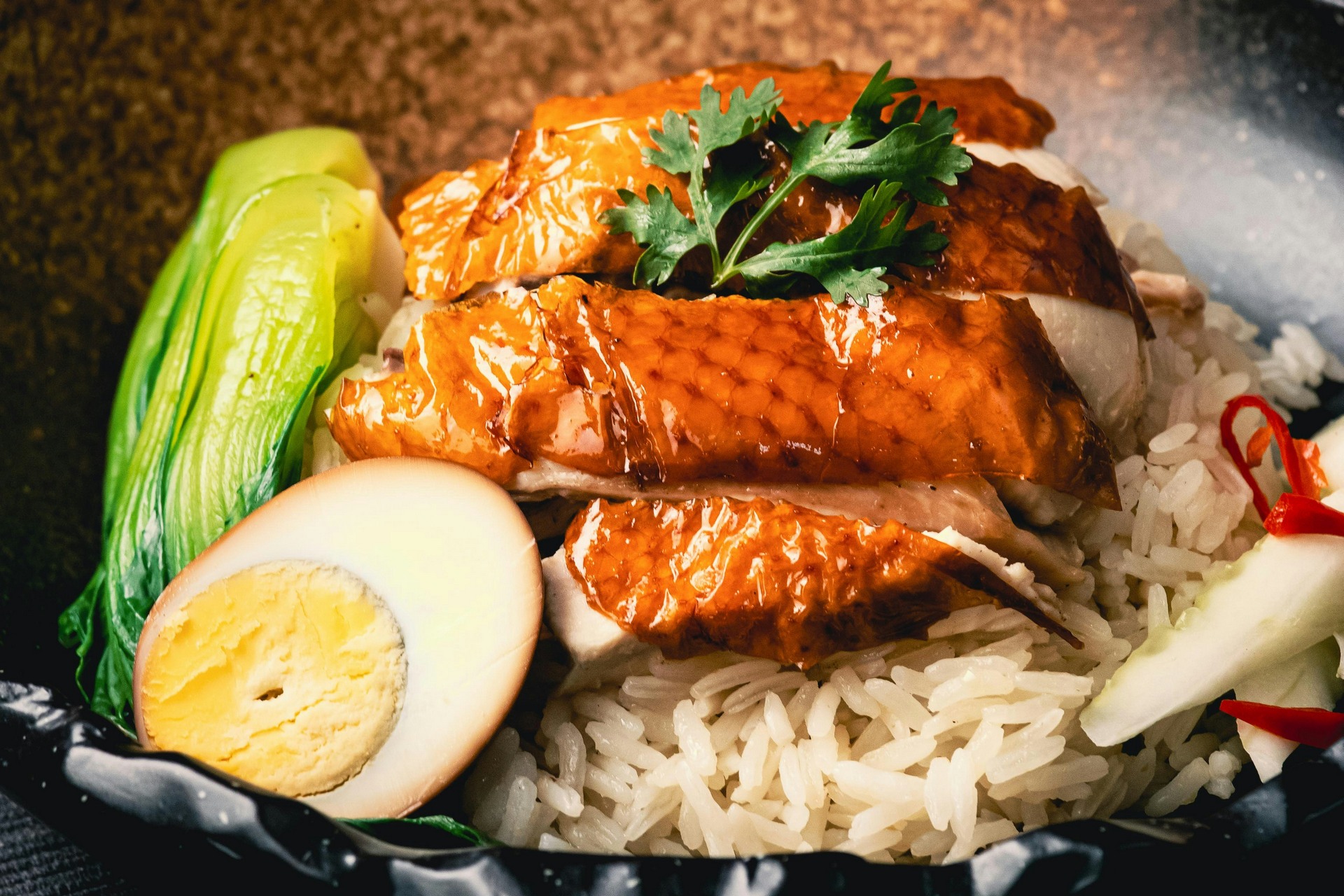
Photo by Yu Jinyang on Unsplash
Insider tips for Singapore
Souvenirs worth buying
- Peranakan porcelain: Hand-painted nonya porcelain in turquoise, pink, and yellow patterns is one of the most beautiful and genuinely local craft products in Singapore. The Peranakan Museum shop and the Katong Antique House are the best sources for quality pieces.
- TWG Tea: Singapore’s luxury tea brand, sold in over 40 countries. Boutiques in Marina Bay Sands, Changi Airport, and Orchard Road carry a full range of single-estate and blended teas in beautifully designed packaging that travels well.
- Bengawan Solo pandan cake and kaya: Pandan is to Singapore what vanilla is to France. Bengawan Solo is the most respected local pâtisserie brand for pandan cake, pandan kaya, and kueh; available at branches across the city and at Changi Airport.
- Singapore Sling cocktail kit: The official Raffles Hotel bottled Singapore Sling and cocktail mix is available in the hotel museum shop and at Changi Airport. A recognisably Singaporean and easily portable gift, referencing the cocktail invented at Raffles Long Bar in 1915.
- Kopitiam coffee products: The traditional Singapore kopitiam coffee culture has produced local brands, including Ya Kun and Killiney, whose coffee sachets and kopi powder are compact, affordable, and hyper-local gifts available at supermarkets and airport shops.
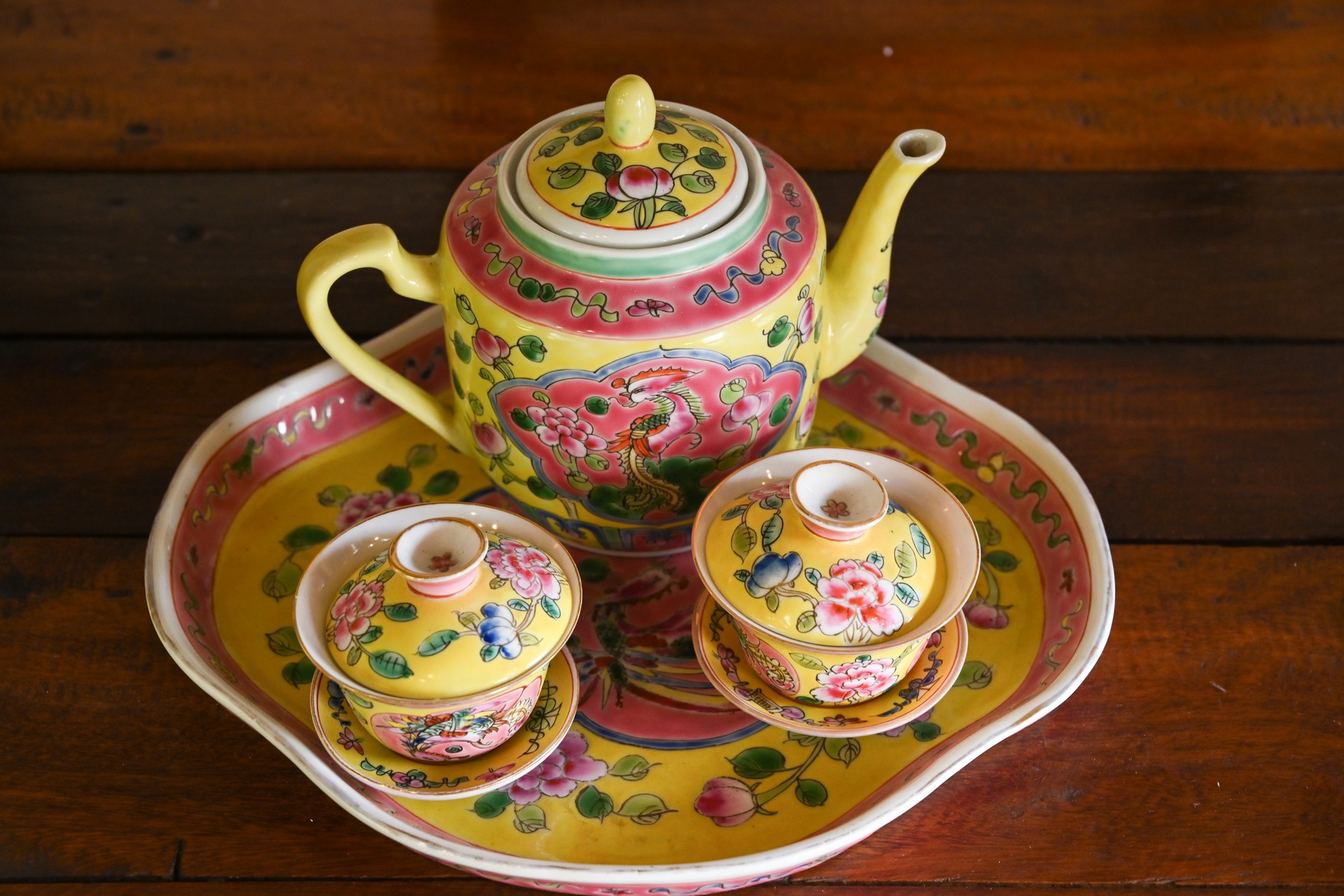
Photo by Niradj on Shutterstock
Singapore as a “Destination Next” recommendation
Singapore is one of the most reliably recommended Destination Next alternatives on the RateHawk platform for clients facing disruption or indecision around Asia-Pacific itineraries. Extraordinary air connectivity with Changi Airport connects Singapore to every major source market. It is one of the most complete city destinations in the world.
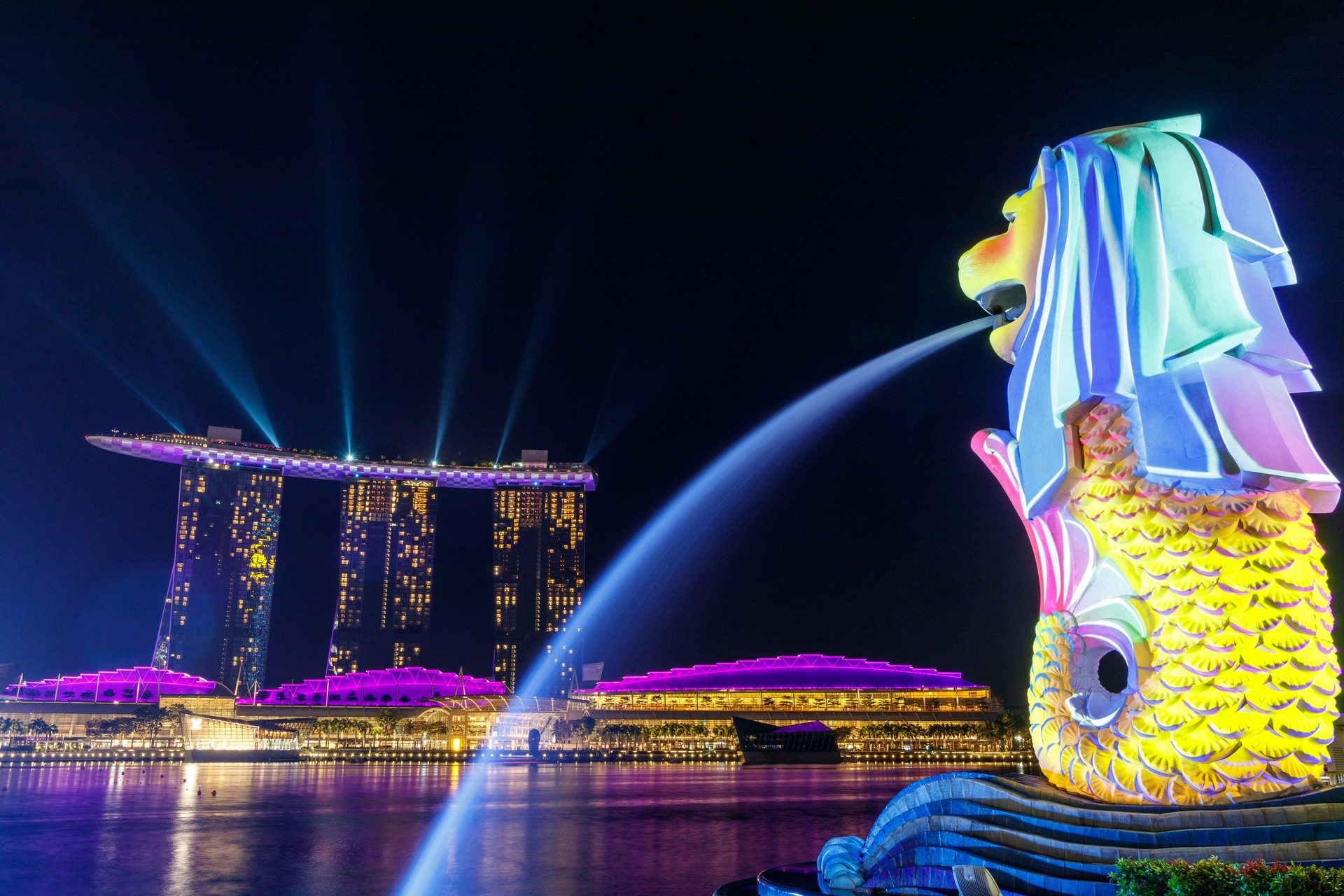
Photo by Joshua Ang on Unsplash
Here is when Singapore typically surfaces as a recommendation:
- As an alternative to Hong Kong when routing or political considerations create disruption, Singapore offers a comparable role as Asia’s premier business-and-luxury city, with a multicultural heritage that is broader and more accessible; the hawker food culture is a strong differentiator that Hong Kong cannot match.
- As a substitute for Bali or Southeast Asian beach destinations when weather or routing creates pressure, Sentosa’s beaches and the easy ferry connection to Bintan’s resort beaches provide a beach option without sacrificing the cultural city experience.
- For clients in traveller indecision about Southeast Asia, Singapore’s combination of the Marina Bay waterfront, Gardens by the Bay, Chinatown, Little India, and Kampong Glam covers more cultural interests in a single compact city than almost any regional competitor.
- As a gateway to a broader Southeast Asia itinerary. Singapore combined with Bali (2h direct), Bangkok (2h30 direct), or Kuala Lumpur (1h flight or 4h train) builds one of the most compelling multi-destination programmes available.
- For transit-extended stays, Changi Airport’s extraordinary facilities and Singapore’s compact efficiency make it the world’s best city for a planned 2–4 night transit extension; agents can add significant value by building a proper Singapore programme around a long-haul connection.
Ready to supercharge your Singapore proposals?
Explore the full hotel inventory and start building your client’s next Singapore itinerary on RateHawk.
This article is part of the Destination Next initiative by RateHawk — helping travel businesses find stronger destination alternatives when travel plans change.