

 772
772 21 minutes read
Content
- Why travel agents should be selling Bali right now
- Practical information for travel agents
- Where to stay in Bali: Areas and hotel options
- Top things to do in Bali: Must-see places and experiences
- Bali activities by travel type
- Day trips from Bali: Nearby islands and destinations
- Balinese food: What your clients should try
- Insider tips for Bali
- Bali as a “Destination Next” recommendation
Why travel agents should be selling Bali right now
Demand for Bali remains as strong as ever. Here’s why:
- International arrivals have rebounded robustly in the post-pandemic period.
- The island’s accommodation product continues to improve across all tiers.
- A growing number of long-haul source markets, particularly from Europe and the Americas, have discovered Bali beyond the traditional Australian and Asian feeder markets.
For travel agents, this broadening demand base means more client profiles to serve, and more opportunities to build differentiated Bali itineraries. Bali rewards agents who know it well.
The difference between a client who books a generic package in Kuta and one who experiences a private pool villa in Seminyak, a sunrise trek on Mount Batur, a sunset Kecak dance at Uluwatu, and a well-chosen restaurant in Ubud is the difference a knowledgeable agent makes. The destination empowers you to deliver genuine expertise that your clients will remember – and come back for.
With RateHawk’s supply across Bali’s diverse areas, from Nusa Dua’s resort corridor to Ubud’s boutique jungle properties and Canggu’s surf-side boutique hotels, you have everything you need to build custom itineraries that match the best of Bali to the right client.

Wayne Lim,
Country Manager Malaysia & Singapore
“Still a strong showing in Bali, driven by its traditional inbound markets, particularly Australia, Southeast Asia, Europe, and a growing Middle East market. In recent years, Bali has seen a significant rise in digital nomads alongside the regular wellness, cultural and surfing experiences.”
Practical information for travel agents
Travel guidelines
Weather and best time to visit Bali
Bali has a tropical climate with two distinct seasons — dry and wet — which significantly affects when clients choose to travel. Understanding the seasonal calendar is one of the most useful things a travel agent can communicate to first-time visitors to Bali.
- Dry Season (April–October): The best time to visit Bali for most travellers. Low humidity, clear skies, and excellent conditions for beach holidays, water sports, hiking, and temple visits. July and August are peak months, which is when accommodation demand is highest, rates are elevated, and Bali’s most popular areas (Seminyak, Ubud, Canggu) can feel busy. April–June and September–October offer a strong combination of good weather and lower prices.
- Wet Season (November–March): Daily rainfall, typically in short, intense bursts rather than all-day downpours. The island remains green and lush, and the atmosphere is more relaxed. This is the low season for international tourism and can be an excellent value proposition for budget-conscious clients or those travelling to Ubud, where cultural activities continue year-round regardless of the rain.
- Shoulder Months (April, May, September, October): The sweet spot for agents building value-driven Bali itineraries. It offers reliable dry-season weather with softer pricing and more accommodation availability than the July–August peak.
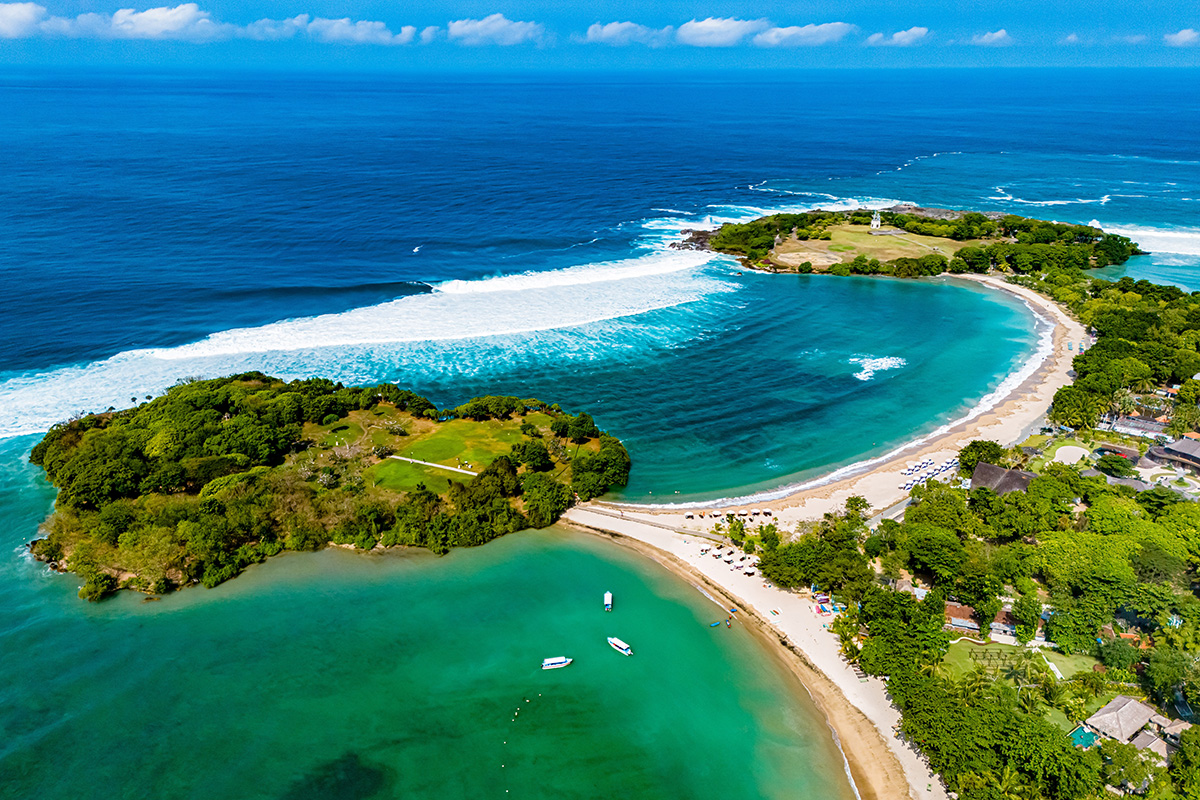
Photo: monticello / Shutterstock.com
Bali fun facts
- Bali is one of over 17,000 islands in the Indonesian archipelago. It is Indonesia’s only Hindu-majority province, with approximately 87% of residents practising Balinese Hinduism.
- The island hosts an estimated 10,000 temples (pura), ranging from small family shrines to the great sea temple of Tanah Lot.
- Bali’s traditional subak irrigation system, including landscapes such as Jatiluwih and areas around Ubud, received UNESCO World Heritage recognition in 2012.
- The island is approximately 5,780 km², roughly the size of Luxembourg, and consistently ranks among Asia’s most popular destinations.
- Bali time is often described as “jam karet” (rubber time), a cultural reference to the island’s relaxed approach to daily life that clients should know before they arrive.
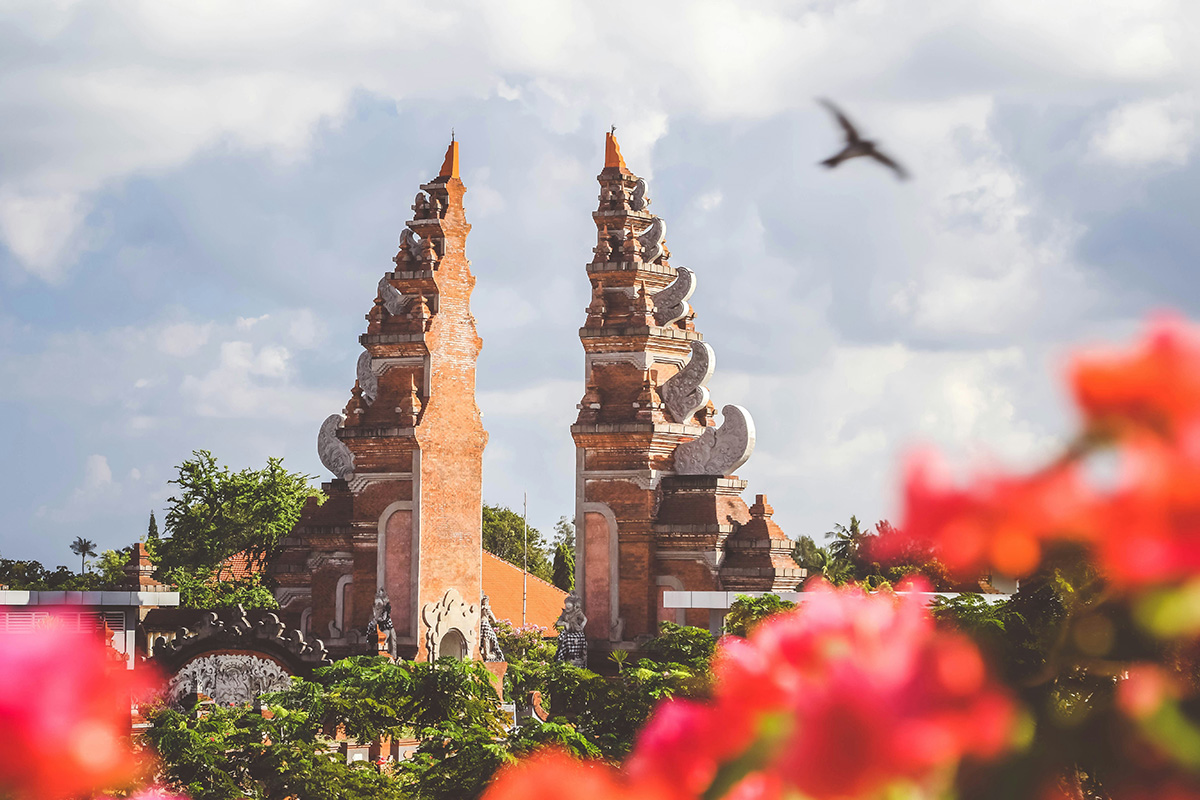
Photo by Jeremy Bishop on Unsplash
Getting around Bali
Bali has very limited public transport infrastructure for tourists, so most visitors rely on private drivers, ride-hailing apps, scooters, or hotel transfers. Getting around the island requires planning, and this is one of the most practical services a travel agent can help with.
- Private Driver (most recommended): Hiring a local driver for the day (typically USD 35–60 for 8–10 hours) is the standard and most flexible way to explore Bali. Drivers double as informal guides and can be arranged through hotels or local agencies. For multi-day itineraries, a safe and time-conscious driver adds significant value.
- Scooter / Motorbike: Widely used by independent travellers and expats. Affordable and practical for short distances within a single area (Canggu, Seminyak, Ubud town), but not recommended for clients unfamiliar with driving on the left in heavy traffic. Advise clients to check whether their travel insurance covers motorbike use.
- Ride-Hailing Apps: Grab and Gojek operate across Bali and offer affordable, transparent pricing for point-to-point trips. Recommended for within-town journeys. Note that apps may not function reliably in some areas due to local taxi regulations.
- Airport Transfer: Private pre-booked transfers are strongly recommended over metered taxis at the airport. Journey times to Seminyak can range from 30 minutes to well over an hour, depending on traffic conditions; to Ubud, 60–90 minutes, depending on traffic.
- Between Regions: Distances in Bali are not great on paper, but congestion can make travel times considerably longer than expected – especially around Canggu, Seminyak, Uluwatu, and Ubud during peak hours. Build realistic transfer times into your clients’ itineraries.
RateHawk insight
Travel agents can leverage RateHawk to curate custom itineraries, offering door-to-door travel with plane tickets, airport transfers, and car rentals. If Bali is part of a multi-stop itinerary, agents can also enhance their offering with domestic and international flights, available through RateHawk.
Where to stay in Bali: Areas and hotel options
Bali’s accommodation landscape is amongst its greatest strengths — and one of the most important things to get right for your clients. The island is large enough that choosing the wrong base can quickly eat into precious vacation time with longer daily transfers. The key is matching the right travel style to the best and most convenient area.
Seminyak and Petitenget
Ideal for: Couples, style-conscious travellers, and short-stay luxury travellers.
Bali’s upscale beach enclave has a strong selection of boutique hotels, luxury beach clubs, independent restaurants, and designer shopping. Seminyak is well-suited to couples, style-conscious travellers, and short-stay luxury clients who want sophisticated beach access without committing to a full resort holiday. The sunset strip along Jalan Kayu Aya is the social heartbeat of this area.
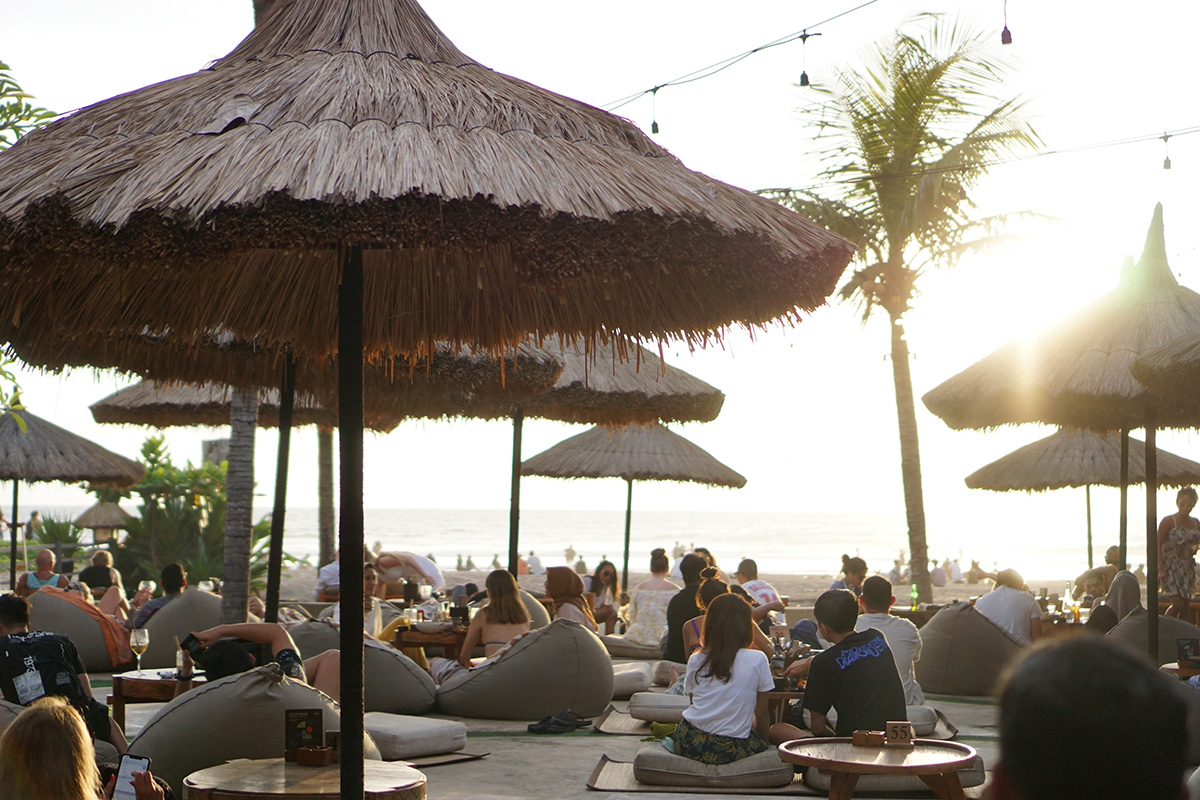
Photo: YoriMeirizan / Shutterstock.com
Canggu
Ideal for: Younger travellers, solo travellers, surf holidays, and extended stays.
Bali’s most dynamic neighbourhood for the past several years. It’s a surf and café culture hub that has attracted a significant digital nomad and long-stay travel community. Canggu’s Echo Beach and Batu Bolong beaches are popular surf breaks, and the area is dense with excellent independent restaurants, beach clubs, and co-working spaces. Ideal for younger travellers, solo travellers, surf holidays, and extended stays. Accommodation ranges from surf guesthouses to stylish boutique hotels and private villas.
Ubud
Ideal for: Adventure and wellness-focused itineraries or families with an interest in Balinese culture.
Bali’s cultural and spiritual centre is set in the forested hills of central Bali. Ubud is a completely different destination from the coastal south. Its appeal is built around rice terraces, temple visits, traditional dance performances, cooking classes, yoga retreats, and some of the most beautiful resort properties on the island.
Ubud is the go-to base for nature, adventure, and wellness-focused itineraries, and a strong choice for families with an interest in Balinese culture. The town itself is walkable; the surrounding area requires a driver.
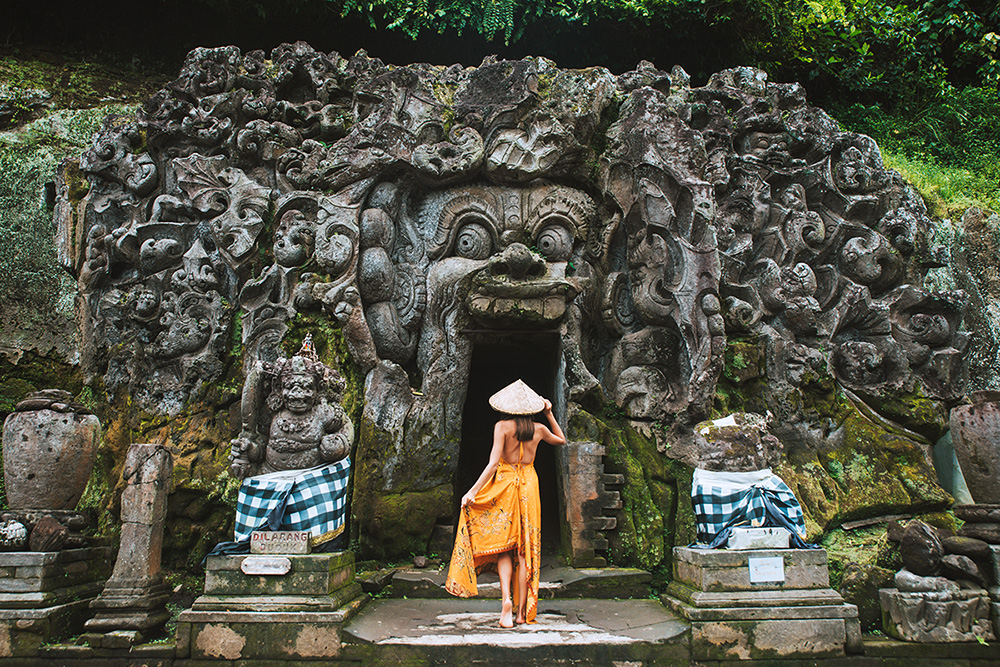
Photo: oneinchpunch / Shutterstock.com
Uluwatu and the Bukit Peninsula
Ideal for: Luxury escapes, honeymoons, and surf-focused itineraries.
The southern tip of Bali is known for dramatic clifftop scenery, world-class surf (particularly Uluwatu, Padang Padang, and Bingin), and a growing luxury accommodation scene.
While development has accelerated in recent years, the Bukit Peninsula still feels more spacious and relaxed than Bali’s busiest southern resort corridors, making it appealing to tourists who are returning to Bali or want to discover its slower side. Clifftop beach clubs and sunset ceremonies at Uluwatu Temple are signature experiences. Well-suited to luxury escapes, honeymoons, and surf-focused trips.
Nusa Dua and Tanjung Benoa
Ideal for: Families with young children and corporate or MICE travel.
Bali’s established resort corridor on the southeastern peninsula is home to large international five-star hotels and a calm, sheltered beach. This area suits families with young children (the beach is safer for swimming than the surf beaches of the west coast) and corporate or MICE travel. Less atmosphere than Seminyak or Ubud, but highly reliable infrastructure and strong hotel supply.
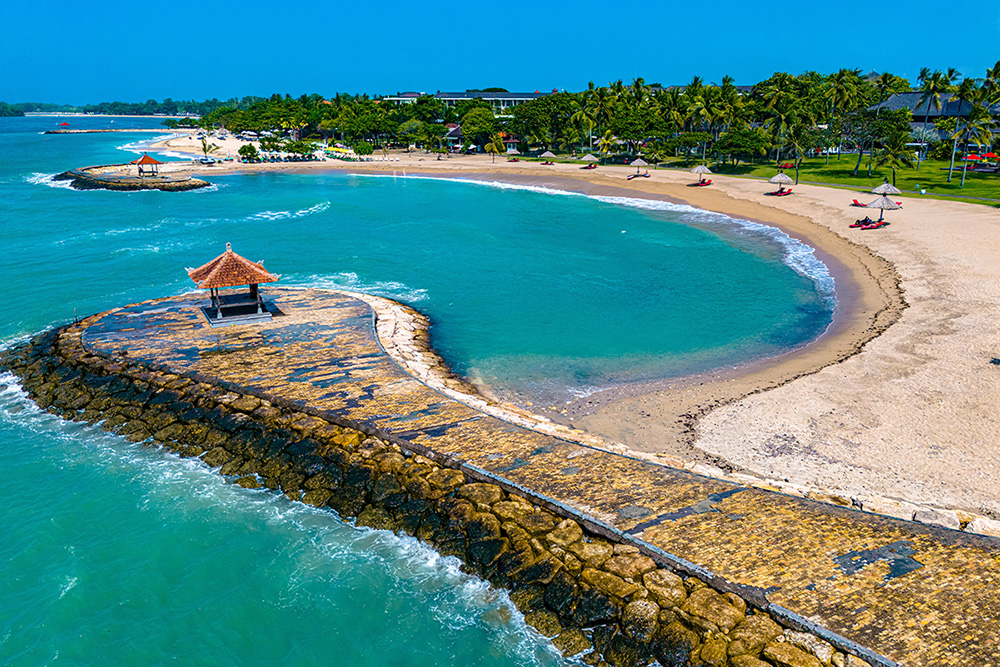
Photo: monticello / Shutterstock.com
Top things to do in Bali: Must-see places and experiences
1. Tegallalang rice terraces
Among the most photographed landscapes in all of Indonesia, the Tegallalang rice terraces just north of Ubud showcase the traditional Balinese subak irrigation system. This cooperative water management method has shaped the island’s agricultural landscape for over a thousand years. It showcases Bali’s traditional subak irrigation system, which received UNESCO World Heritage recognition in 2012.
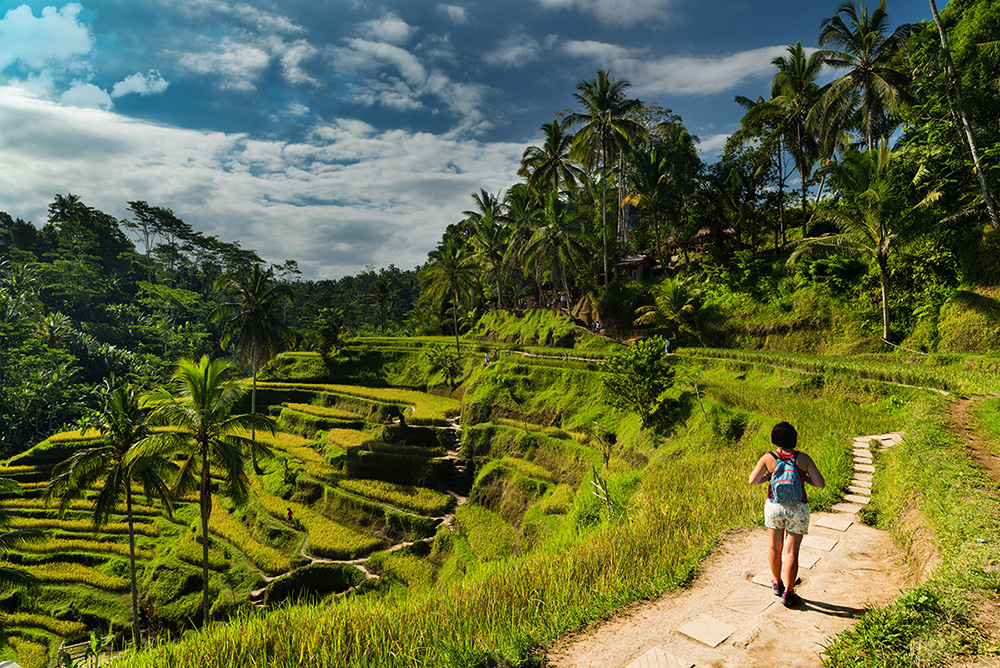
Photo: daphnusia images / Shutterstock.com
The terraces are best visited in the morning before the main tour groups arrive, with the walk through the terraces taking approximately 45–60 minutes. This can be combined with a visit to a local coffee plantation.
Bali is famous for its kopi luwak, though more ethical single-origin Arabica options are now widely available and worth recommending to clients. Tourists should avoid kopi luwak producers that use captive civets, as animal welfare standards vary significantly.
2. Tanah Lot Temple
One of Bali’s most iconic landmarks, Tanah Lot is a sea temple set on a dramatic offshore rock formation on the west coast. The offshore rock base becomes accessible at low tide, although entry into the temple itself is restricted.
Tanah Lot temple dates to the 16th century and is one of seven sea temples positioned around the Balinese coast. Non-Hindu visitors are not permitted inside the temple itself, but the surrounding rock platform and views are entirely accessible.
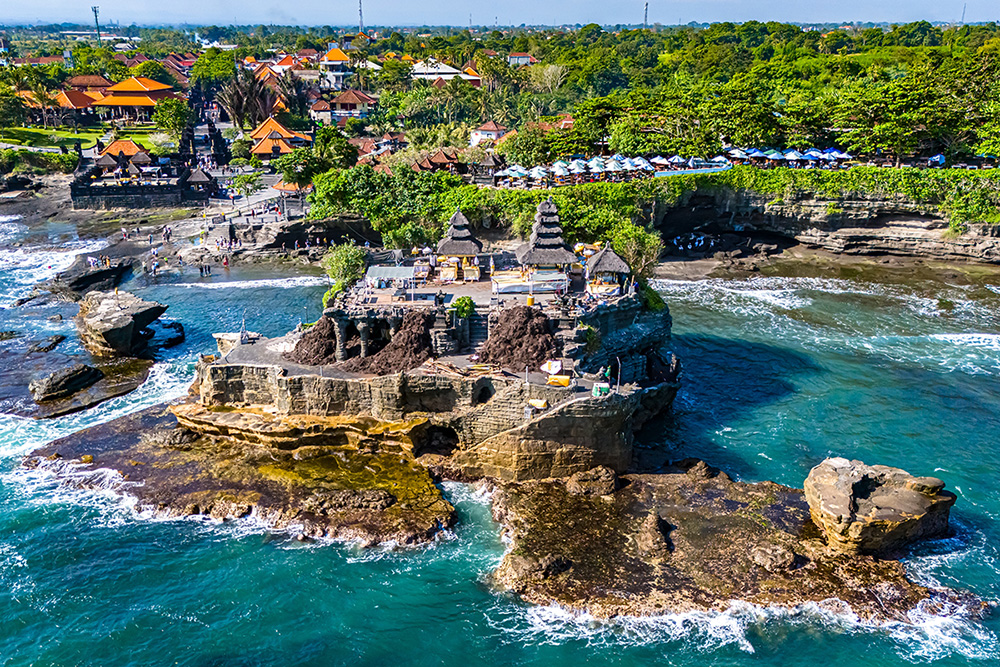
Photo: monticello / Shutterstock.com
Sunset at Tanah Lot is a major draw. Tourists will want to arrive 90 minutes before sunset to secure a good viewing spot for golden hour. Visitors to Balinese temples are generally expected to wear modest clothing and may need to use a sarong and sash, which are often provided at major sites.
The surrounding area has significant tourist infrastructure, including restaurants and craft markets, which means it can feel busy; clients should be briefed to set their expectations accordingly.
3. Uluwatu Temple and kecak fire dance
Perched on a clifftop 70 metres above the Indian Ocean on the Bukit Peninsula, Pura Luhur Uluwatu is both a visually spectacular temple and the setting for Bali’s most famous sunset performance: the Kecak fire dance.

Photo: TY Lim / Shutterstock.com
The traditional Kecak dance, during which a chorus of men chanting ‘cak’ enacts scenes from the Hindu Ramayana epic. It is typically performed at sunset daily, subject to weather and ceremonial schedules, and is one of the most memorable cultural experiences in Bali. These performances book out during peak season, making pre-booking essential.
It’s worth noting that the resident macaque monkeys at Uluwatu are notoriously bold, so advise clients to keep phones, sunglasses, and valuables secured when visiting.
4. Mount Batur sunrise trek
At 1,717 metres, Mount Batur is an active volcano on the northeastern edge of the island and Bali’s most popular trekking destination. The sunrise trek begins at around 2 AM – 3 AM and reaches the summit in approximately two hours, rewarding clients with views over the Batur caldera lake and on clear days across to Mount Agung and the Lombok Strait. The trek is moderate in difficulty and suitable for reasonably fit travellers without technical mountaineering experience.
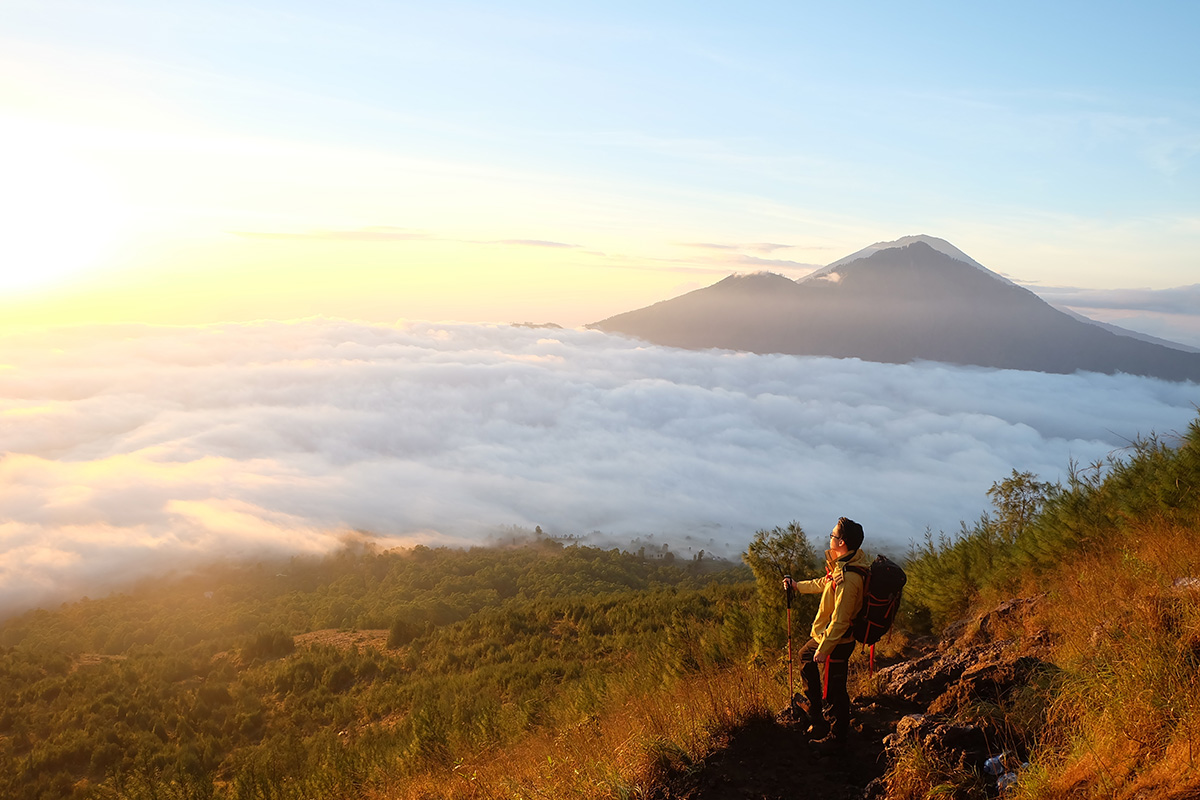
Photo: Joseph Christanto / Shutterstock.com
Most Mount Batur treks are conducted with licensed local guides, and access regulations may change periodically. Guided tours can be arranged through local trekking companies in Kintamani. This experience pairs well with an overnight stay in Ubud.
5. Nusa Penida day trip
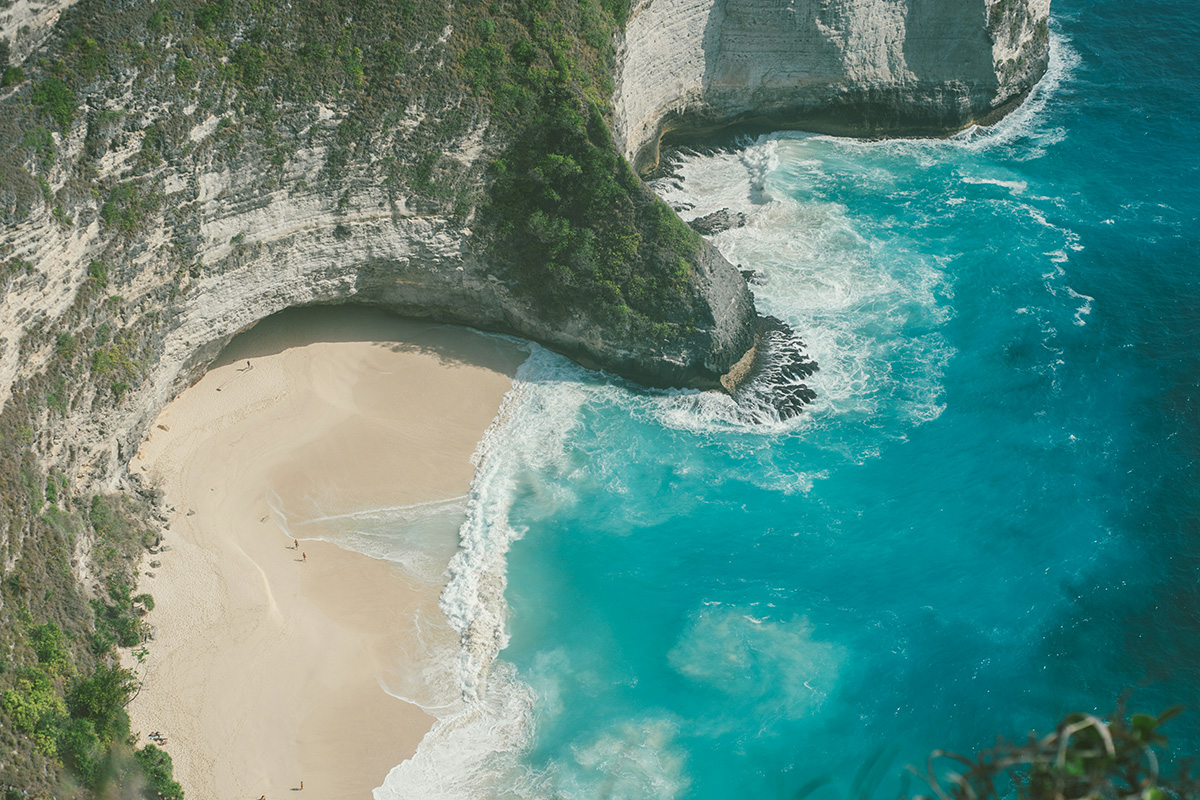
The island of Nusa Penida, a 45-minute fast boat crossing from Sanur, has emerged as one of Bali’s most compelling day trips and short-stay destinations. Its dramatic sea cliffs, pristine beaches, and distinctive landscapes, particularly the T-Rex-shaped Kelingking Beach viewpoint and the natural rock arch at Broken Beach (Pasih Uug), have made it a social media phenomenon that’s translated into higher tourist footfall.
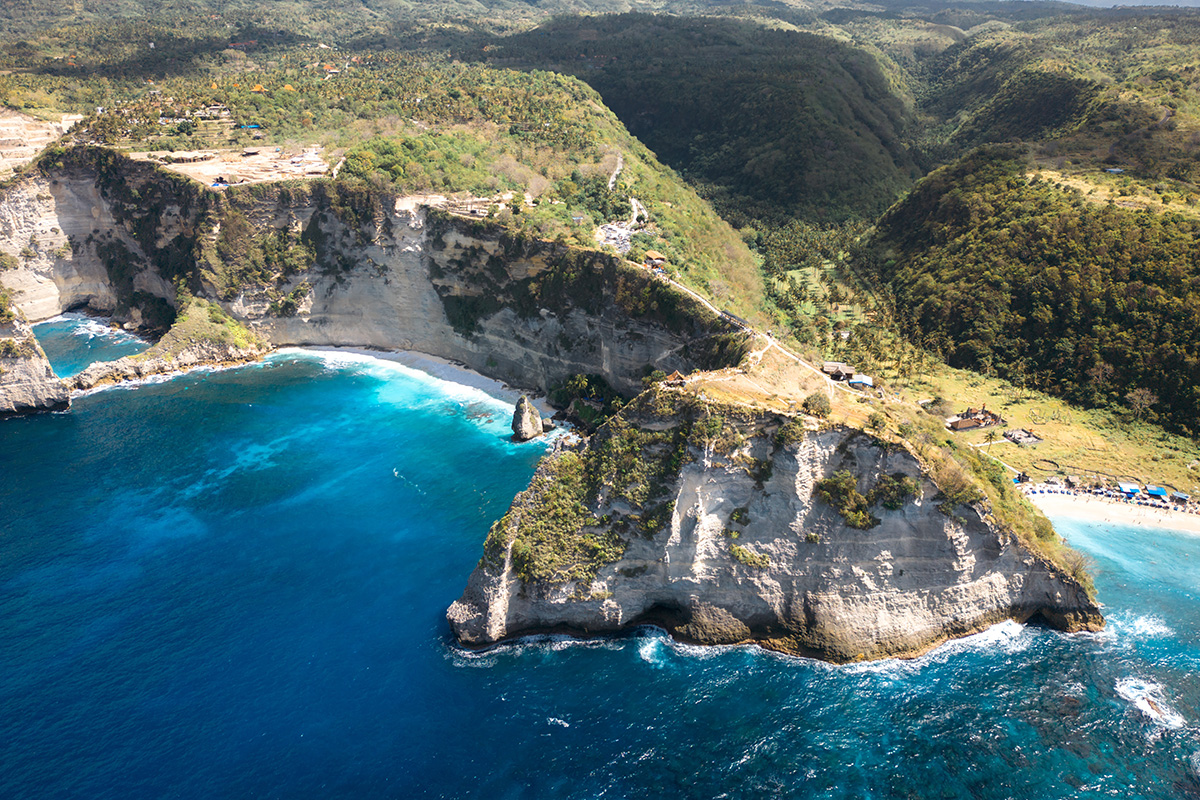
Photo: Tatiana_kashko_photo / Shutterstock.com
Manta ray snorkelling off Crystal Bay is a strong wildlife draw. A full day on Nusa Penida requires a private driver on the island, as the roads are rough. The island also has an expanding accommodation offering for clients who want to stay overnight.
Bali activities by travel type
Beach holidays
Bali’s beaches vary enormously in character, and helping clients choose the right beach for their style is one of the most valuable things an agent can do.
- Seminyak Beach: Wide, golden, and lined with beach clubs and sunbed rental; the social beach of southern Bali
- Nusa Dua: Calm, sheltered, and well-organised; best for families and those wanting guaranteed swimming conditions
- Balangan and Bingin (Bukit Peninsula): Small, dramatic, surf-fronted beaches accessible via steep cliff paths; for clients who want beauty without the crowds
- Amed (East Bali): A quieter alternative to southern Bali, known for black-sand beaches, diving, and snorkelling
- Nusa Penida beaches (Atuh, Diamond, Kelingking): Visually extraordinary clifftop beach viewpoints; swimming conditions vary, and clients should exercise caution
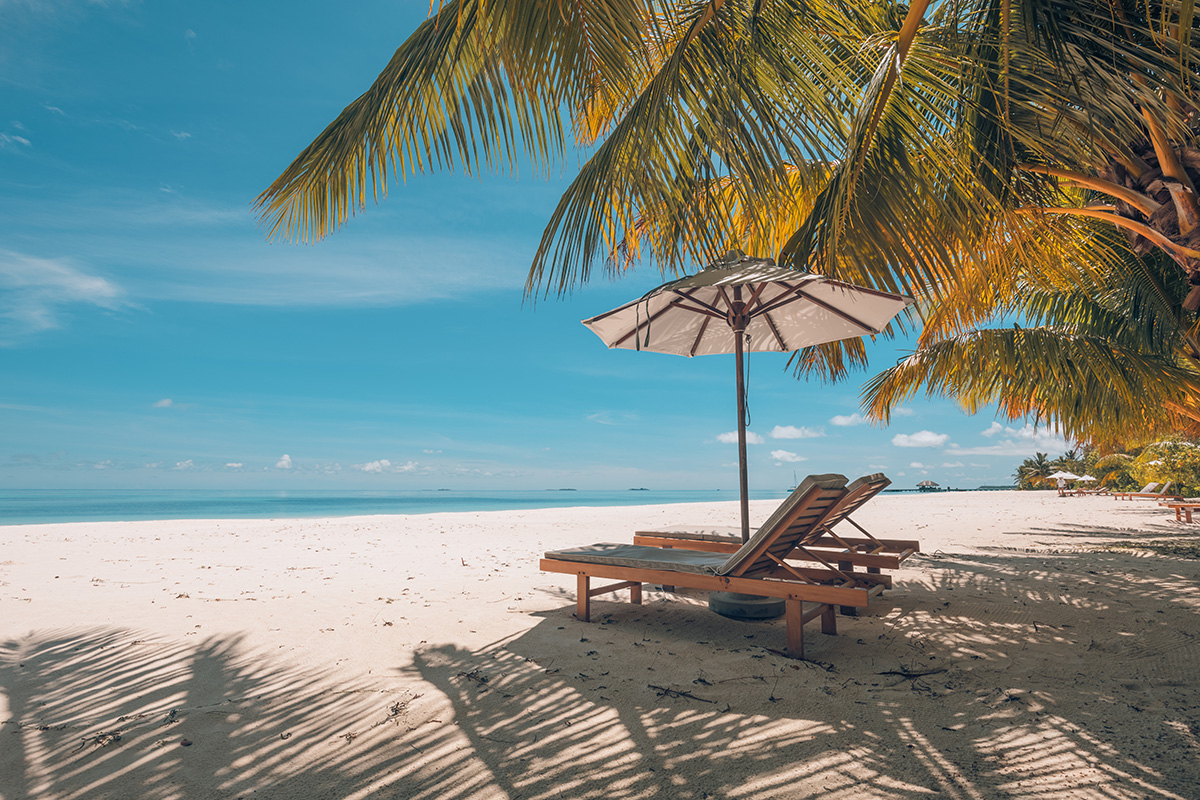
Photo: icemanphotos / Shutterstock.com
City breaks and culture
Ubud is the cultural heart of any Bali trip, but the island’s tradition of ceremony and performance is visible island-wide.
- Traditional Balinese cooking class in Ubud: Morning market visit followed by instructor-led preparation of six to eight dishes; widely available and consistently well-reviewed
- Silver jewellery workshop in Celuk village: Part of the traditional craft corridor south of Ubud, where artisan villages specialise in individual crafts. Specialist artisan hotspots are dotted throughout the island, including woodcarving in Mas, painting in Batuan, and silver in Celuk.
- Balinese dance performance: Legong, Barong, and Kecak dances are performed nightly at various venues in Ubud; the Ubud Palace open-air stage is the most atmospheric setting
- Full-day Ubud cultural circuit: Tegallalang rice terraces, Tirta Empul holy spring temple (where visitors can participate in the melukat purification ritual), Gunung Kawi temple complex, and an Ubud market visit
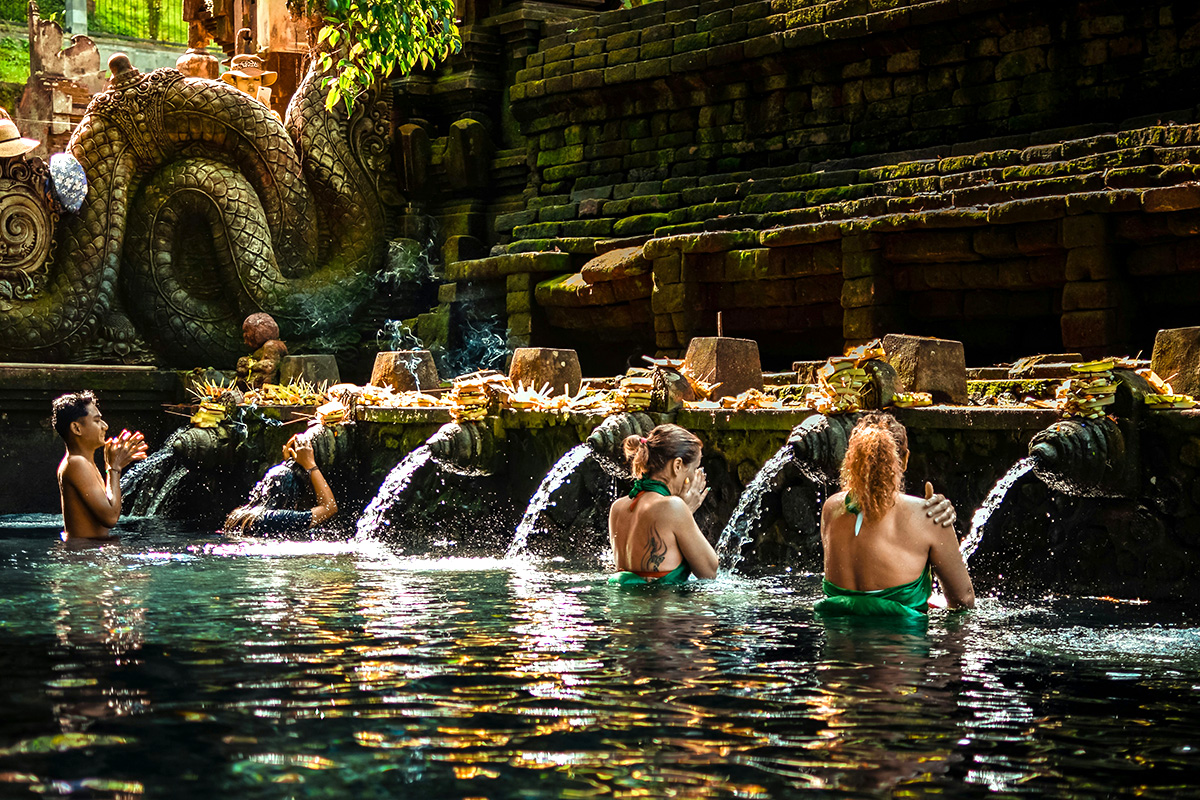
Photo by Ismail Hamzah on Unsplash
Nature and adventure trips
- Mount Batur sunrise trek: The signature adventure experience in Bali; see the “top things to do” section above for full details
- White-water rafting on the Ayung River: The most accessible rafting experience in Bali, running through a forested gorge just outside Ubud; suitable for families and those without prior experience
- Surfing lessons in Kuta, Seminyak, or Canggu: Kuta Beach remains the classic beginner surf spot; Canggu’s Batu Bolong is better for intermediate surfers. Half-day group lessons with board hire are widely available and reasonably priced
- Snorkelling and diving in Amed or Nusa Penida: Amed’s accessible coral reefs and Nusa Penida’s manta ray sites are two of Bali’s best marine experiences
- Campuhan Ridge Walk (Ubud): An easy ridge walk of roughly 2–4 km, depending on route, through jungle and rice field landscapes starting from central Ubud; a beautiful and free morning activity for nature enthusiasts
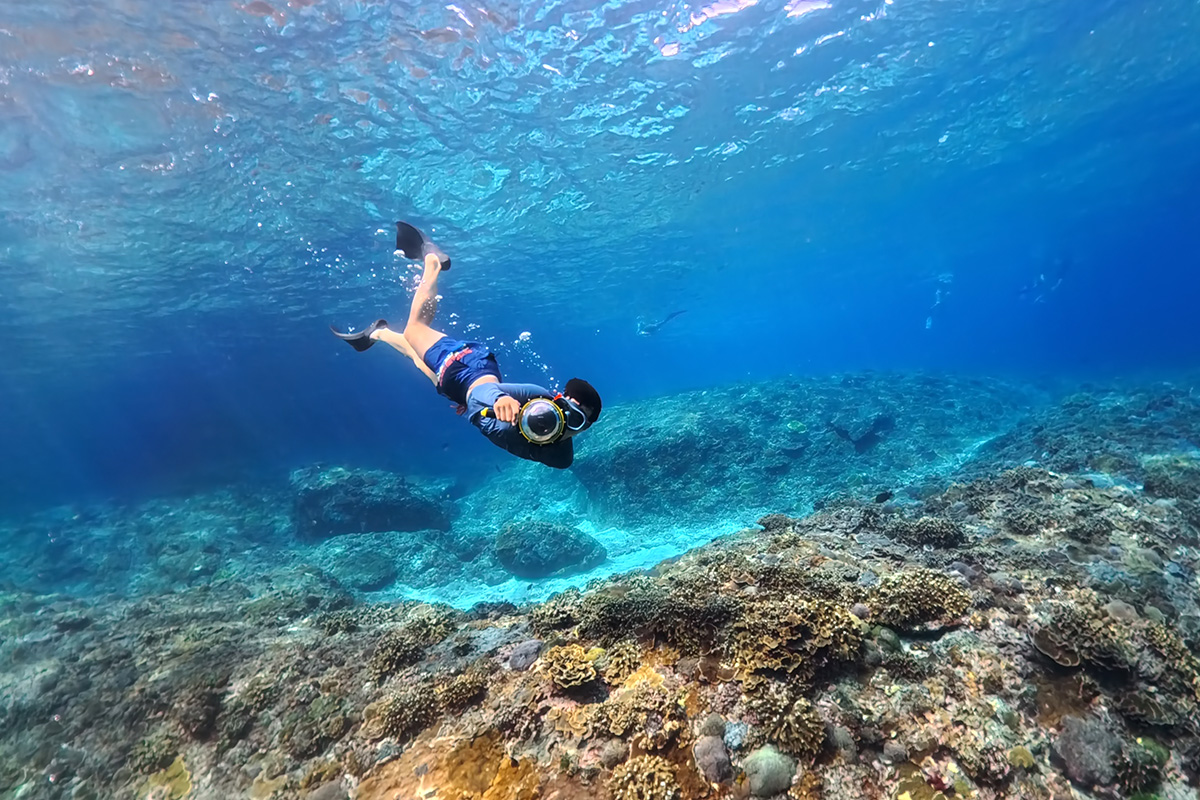
Photo: Arief Adhari / Shutterstock.com
Family holidays
- Waterbom Bali (Kuta): One of Asia’s highest-rated water parks, ideal for families with children of all ages; the central location in Kuta makes it an easy full-day activity
- Bali Zoo or Sacred Monkey Forest Sanctuary (Ubud): The Monkey Forest in central Ubud allows visitors to walk through a forested sanctuary with over 700 Balinese long-tailed macaques; always popular with children and animal lovers.
- Cooking class for families: Several Ubud operators run family-friendly sessions, ideal for young kids and pre-teens, that include a morning market visit
- Nusa Dua beach and resort facilities: The calm, sheltered beaches of Nusa Dua and the resort infrastructure of the area (pools, kids clubs, water sports) make it the most practical base for families with young children
- Tirta Gangga Water Palace (East Bali): A royal water garden with traditional Balinese architecture, fish-filled pools, and stepping stone paths; peaceful and visually distinctive
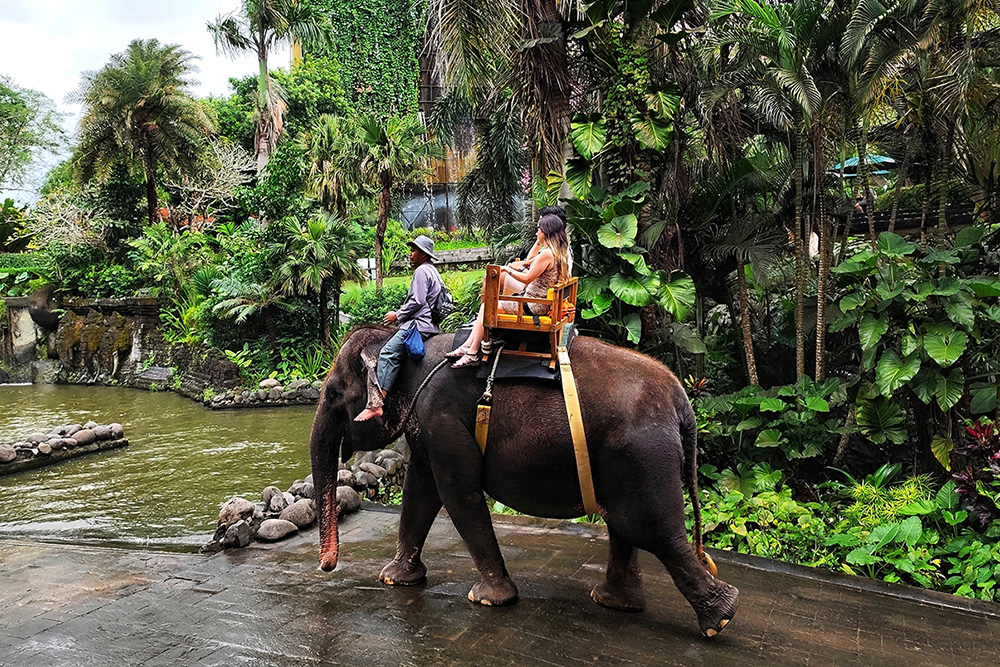
Photo: vrostudio / Shutterstock.com
Luxury escapes
- Private pool villa stay: Bali’s villa market is one of the strongest – and most affordable – in the world. A fully staffed private villa in Seminyak, Canggu, or Ubud typically costs less than a comparable luxury room in Europe while delivering a significantly more personal experience
- Spa and wellness retreat: Bali is one of the world’s premier wellness destinations; the COMO Shambhala Estate near Ubud and similar properties offer multi-day retreat programmes combining Ayurvedic treatments, yoga, and healthy cuisine
- Private villa cooking experience: Several luxury operators offer chef-led in-villa Balinese tasting dinners with local produce and traditional techniques
- Helicopter scenic flight over Mount Agung and the rice terraces: Available through specialist operators in Bali; a premium experience for high-end itineraries
- Sunset dinner at a clifftop restaurant in Uluwatu: Properties like Sundays Beach Club and similar venues deliver genuinely spectacular Indian Ocean sunsets, perfect for a vacation proposal or anniversary dinner
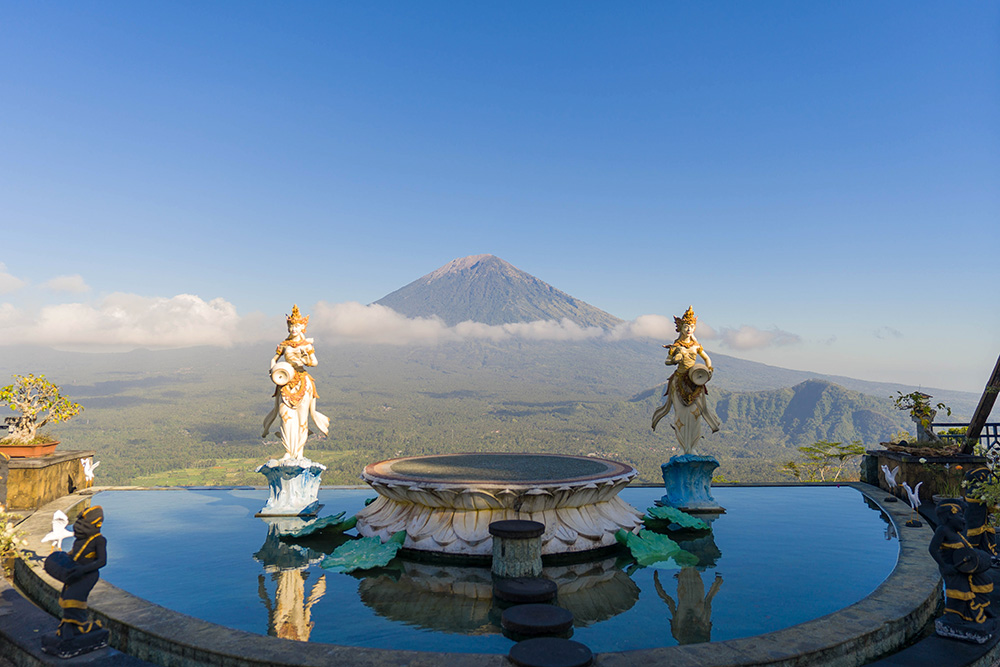
Photo: MUPRODUCTION / Shutterstock.com
Day trips from Bali: Nearby islands and destinations
Nusa Penida
Already one of Bali’s most visited day trip destinations, Nusa Penida is a 45-minute fast boat from Sanur. It rewards visitors with dramatic sea cliffs, extraordinary viewpoints at Kelingking Beach and Angel’s Billabong, and manta ray snorkelling at Crystal Bay. It can be done as a full-day trip from any southern Bali base. Accommodation is available for overnight stays, with the island’s offering expanding annually.
Nusa Lembongan
A smaller, quieter island neighbour to Nusa Penida, Nusa Lembongan is a 30-minute boat ride from Sanur and better suited for clients who want a relaxed overnight stay, rather than a packed day itinerary. Its mangrove forests, snorkelling reefs, and low-key beach club atmosphere make it a restful detour from Bali’s tourist corridor. The island has very limited traffic and a relaxed atmosphere, with most visitors getting around by scooter or small local transport vehicles.
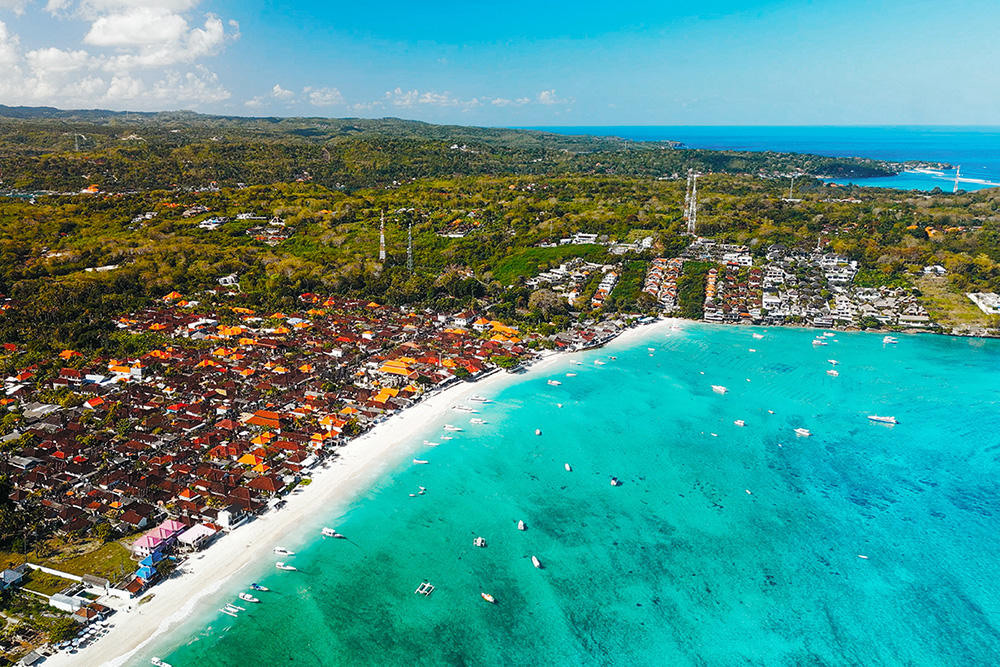
Photo: Dudarev Mikhail / Shutterstock.com
Lombok
For clients with more time and a desire to go beyond Bali, Lombok is the natural next step. Fast boat journeys from Bali to Lombok typically take around 2–4 hours, depending on sea conditions and departure point. Alternatively, tourists can take a 30-minute flight from Bali.
Lombok offers the Gili Islands, a collection of three small car-free islands with excellent snorkelling, diving, and beach conditions, as well as the Mount Rinjani trekking experience at the second-highest volcano in Indonesia. Alternatively, tourists can also head to the quieter beaches of Kuta Lombok on the southern coast. A two-night minimum is recommended to make the journey worthwhile.
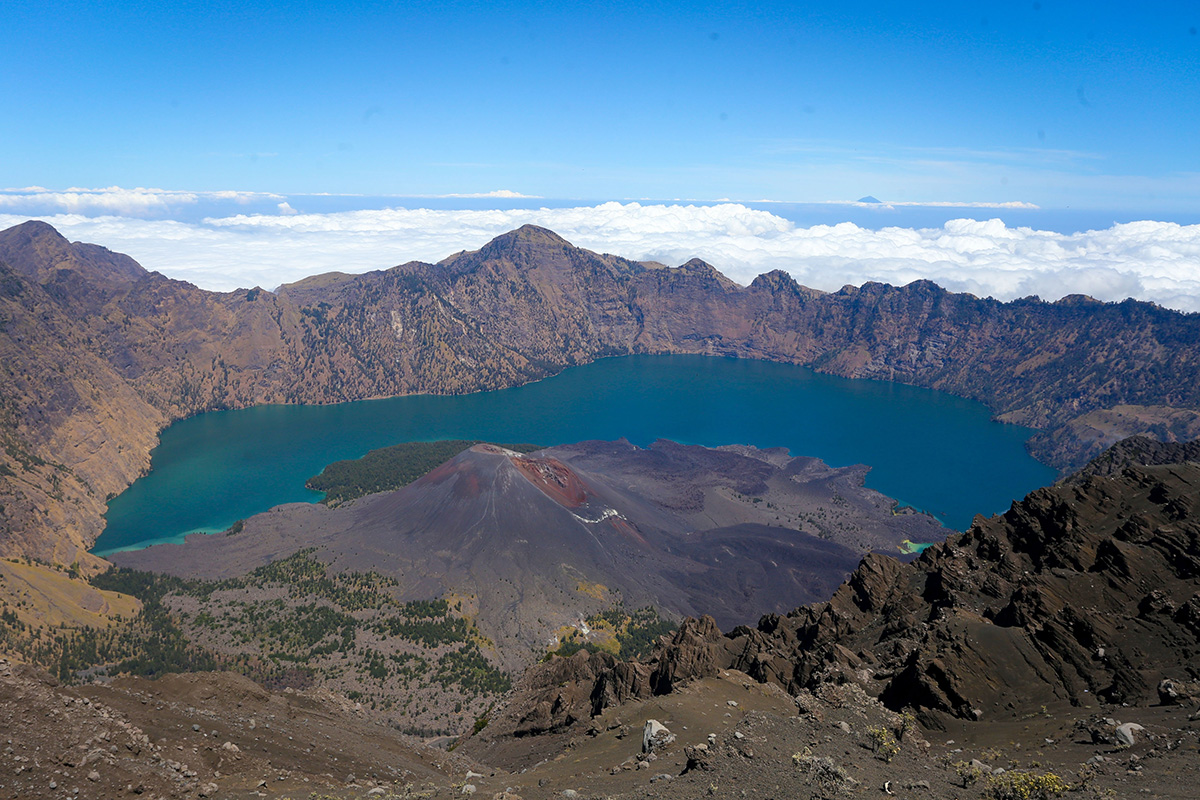
Photo: Akbar stok / Shutterstock.com
Balinese food: What your clients should try
Balinese and Indonesian cuisine is one of the great pleasures of a Bali trip — and one of the easiest things to brief clients on.
- Nasi goreng and mie goreng: Fried rice and fried noodles, respectively; the most readily available dishes in Indonesia, found everywhere from warung to upscale restaurants
- Babi guling: Balinese spit-roast suckling pig, a ceremonial dish that has become a signature Bali food experience. Ibu Oka in Ubud remains the island’s most internationally famous babi guling spot, although many locals have their own preferred warungs
- Bebek betutu: Slow-cooked smoked duck, marinated in a paste of local spices and wrapped in banana leaf; a dish that requires several hours of preparation and is best ordered in advance at specialist restaurants
- Satay (sate): Skewered grilled meat served with peanut sauce; widely available as street food or as part of a sit-down meal in restaurants
- Lawar: A traditional Balinese dish of minced meat or vegetables mixed with fresh coconut, garlic, and chilli; a staple of local cuisine rarely found outside the island
- Fresh juices and smoothie bowls: Bali’s café culture has built a global reputation for prioritizing healthy eating; Canggu and Ubud have the highest concentration of plant-based and health-focused dining options for tourists with dietary requirements
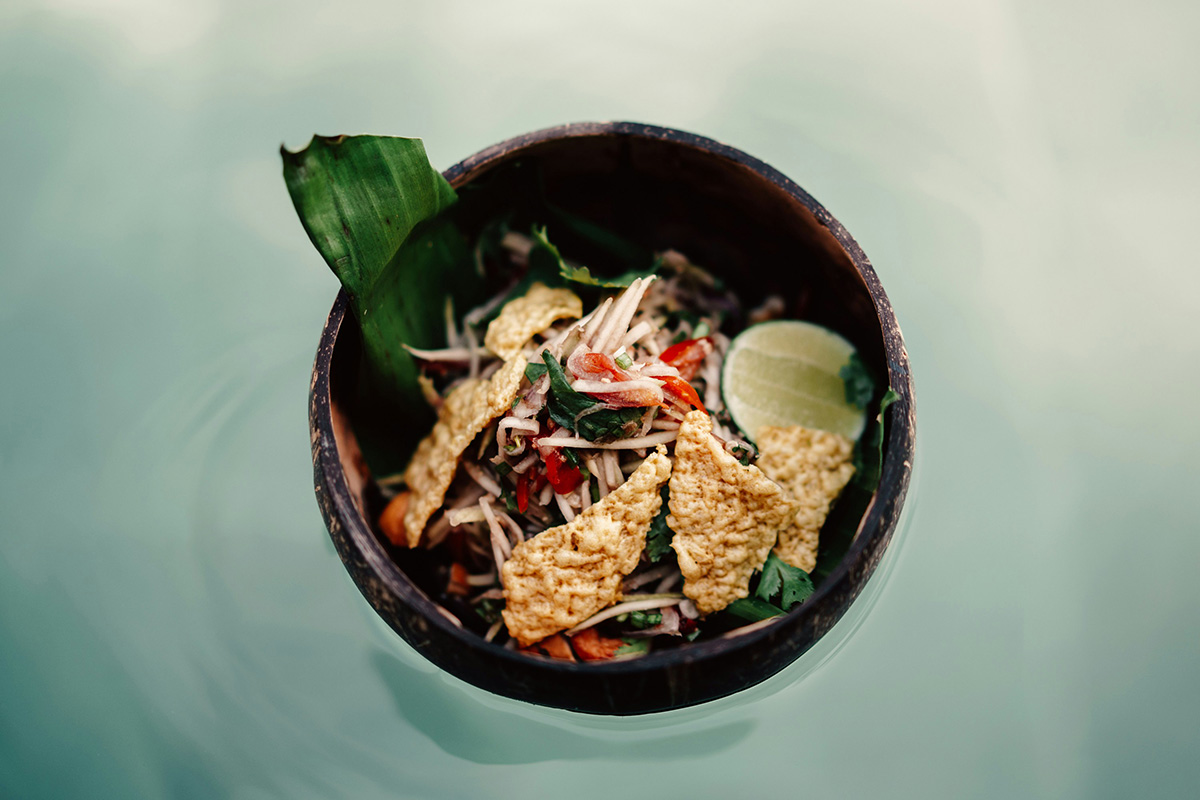
Photo by Sören Funk on Unsplash
For food-focused itineraries, a morning market tour and cooking class in Ubud is the best activity to recommend. It combines cultural immersion with a skill clients can take home as the ultimate souvenir.
Insider tips for Bali
Souvenirs worth buying
Bali is one of the world’s great souvenir destinations — but quality varies significantly, especially in popular tourist areas. Here is what to recommend:
- Hand-carved woodwork: Bali’s woodcarving tradition is centuries old; the craft village of Mas near Ubud is the best place to find quality work in teak and albesia wood
- Silver jewellery from Celuk: Traditional Balinese silver and goldwork from the artisan village just south of Ubud; a more authentic purchase than the generic jewellery sold in tourist shops
- Balinese batik and ikat textiles: Hand-dyed fabrics in traditional patterns; available at markets and specialist shops across Ubud
- Artisan coffee: Single-origin Bali Kintamani Arabica coffee is genuinely excellent; available at estate shops and better cafés across the island. A more ethical and flavourful alternative to the overmarketed kopi luwak
- Hand-painted traditional artwork: The Ubud school of Balinese painting has produced distinctive figurative works since the 1930s; the Blanco Renaissance Museum and local galleries around Ubud are worth visiting even if clients are not purchasing
- Natural spa and beauty products: Bali’s wellness industry has produced a strong market in locally made natural beauty products, essential oils, and bath products, available at boutique shops in Seminyak and Ubud
Wayne Lim,
Country Manager Malaysia & Singapore
“The most captivating local custom is the traditional Balinese dance, such as Kecak, and daily offerings you may see in front of shops, especially the Canang Sari — daily offerings placed in front of homes and shops.”
Bali as a “Destination Next” recommendation
Bali is consistently one of the strongest performers on the RateHawk Destination Next tool. When client travel plans shift, due to flight disruptions, pricing changes, or traveller indecision around popular destinations in Southeast Asia, the Indian Ocean, or the Middle East, Bali emerges as a compelling alternative with the inventory depth and universal appeal to quickly close a booking.
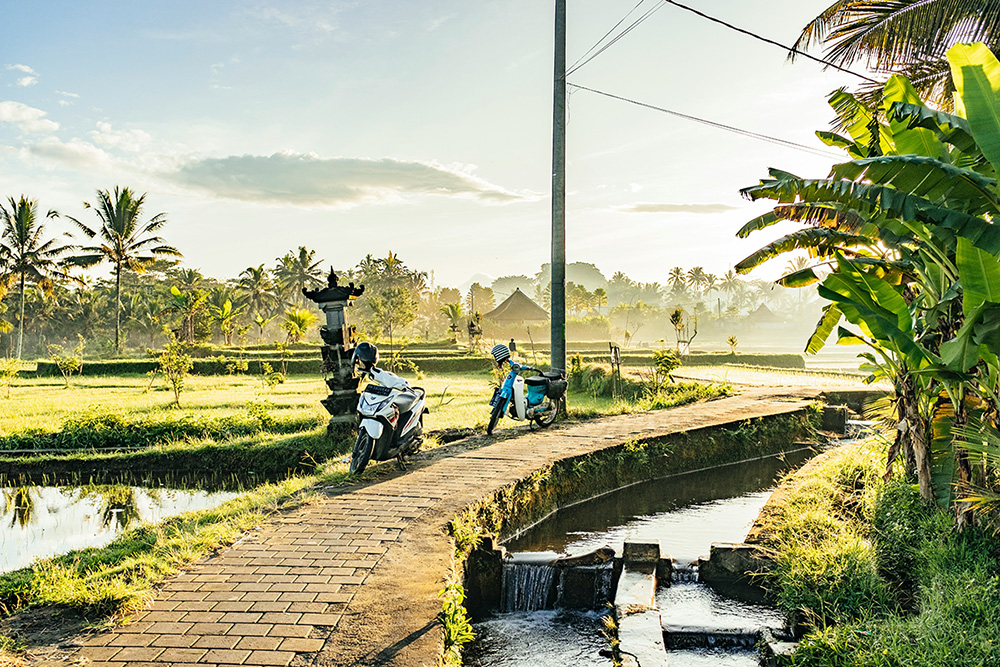
Photo by Bernard Hermant on Unsplash
Here is when Bali typically surfaces as a recommendation:
- As an alternative to the Maldives for clients facing pricing pressure, Bali’s luxury villa market delivers comparable privacy and quality at a significantly lower overall cost, with the added value of cultural and culinary richness that the Maldives cannot offer
- As a substitute for Thailand destinations (Phuket, Koh Samui) when routes or pricing shift, Bali offers a similar tropical beach experience with a more distinctive cultural layer and a stronger villa product
- For clients expressing travel indecision between Southeast Asian destinations, Bali’s combination of beach, culture, wellness, and food covers more client interests than almost any single competitor destination
- As a gateway to a broader Indonesia itinerary, Bali, combined with the Gili Islands, Lombok, or Komodo National Park, makes a compelling two-week programme for adventurous travellers
- As a year-round destination, when European beach alternatives are out of season, Bali’s dry season runs from April to October, covering periods when Mediterranean alternatives are becoming expensive or fully booked
Ready to supercharge your Bali proposals?
Explore the full hotel inventory and start building your client’s next Bali itinerary on RateHawk.
This article is part of the Destination Next initiative by RateHawk — helping travel businesses find stronger destination alternatives when travel plans change.