

 1160
1160 14 minutes read
Contents
- Step 1: Establish the pet travel constraints before you promise anything
- Step 2: Build the document timeline backwards from departure
- Step 3: Flying with a dog or cat
- Step 4: Road, rail, and ferry travel with pets
- Step 5: How to book pet-friendly accommodation
- Step 6: Arrival, the first night, and the trip itself
- Where pet travel plans often fall apart
- Frequently asked questions for traveling with pets
- Book pet-friendly accommodation with RateHawk’s search features
Step 1: Establish the pet travel constraints before you promise anything
Every country has different rules regarding pets, but the route is just as important as the destination itself. You’ll need to check the pet entry requirements throughout every stage of the travel route, including for the departure country, destination country, and any transit countries. The owner will need to have the correct documentation for all these jurisdictions to avoid potential delays or fines.
Start by ensuring you have the correct information about the pet, including their:
- Age
- Breed (including if they are a snub-nosed or brachycephalic breed)
- Weight
- Dimensions when inside a carrier
- Medical or behavioral considerations
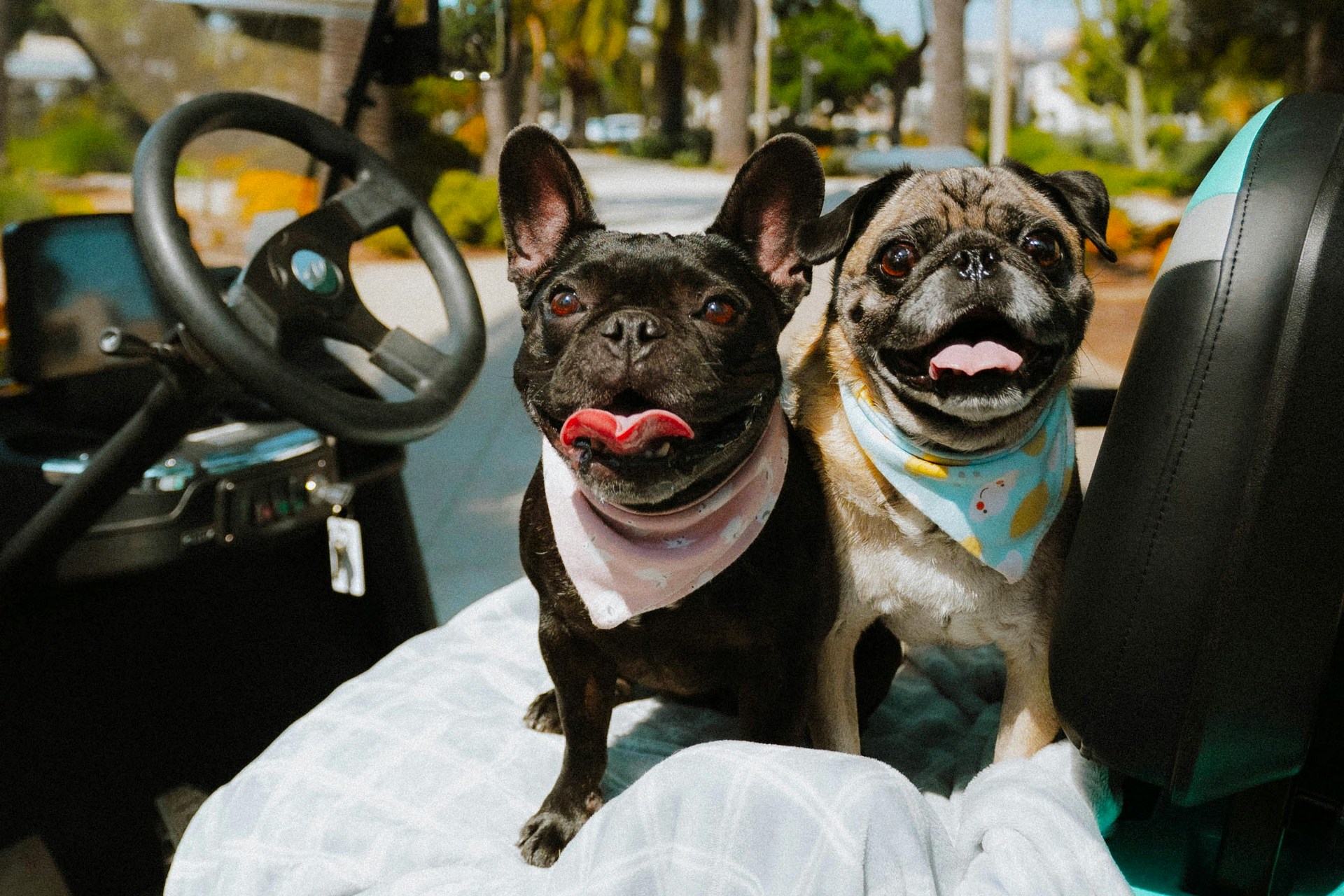
Deciding when it’s best to fly with a pet
Flying can be stressful for both humans and pets alike, but sometimes getting on a plane is the best option. Below, we’re sharing the pros and cons of the four most popular transport options:
Step 2: Build the document timeline backwards from departure
Depending on the itinerary, the pet’s documentation may only need to be arranged shortly before travel, while some destinations may require the pet to be in quarantine before departure or immediately upon arrival. As a travel agent, it’s easiest to work backwards from the documentation that is needed for departure to identify the earliest deadlines for paperwork and vaccinations.
Entry requirements will always vary for pets depending on their breed and the destination, so check the local government website for the latest requirements. Below, we’re breaking down a general timeline for preparing a cat or dog for travel:
Traveling to the USA with a dog in 2026
Generally, there are several requirements that owners need to meet when traveling to the USA with a dog, including:
- Submitting an online CDC Dog Import Form between 2 and 10 days before traveling
- The dog being microchipped with an ISO-compliant microchip (which has a 15-digit code)
- Having a valid rabies vaccination, as this is required by most US states, and must be administered more than 30 days but less than one year before the arrival date
- Getting a “fit to fly” or health certificate that is issued by a vet.
Regulations for traveling to the USA with a dog can change at any time, so it’s important to regularly check government websites and the CDC for the most up-to-date requirements. It’s also crucial to check the individual guidelines for the specific airline that the pet is traveling with, as some may have additional requirements, including size and weight limits for traveling in the cabin.
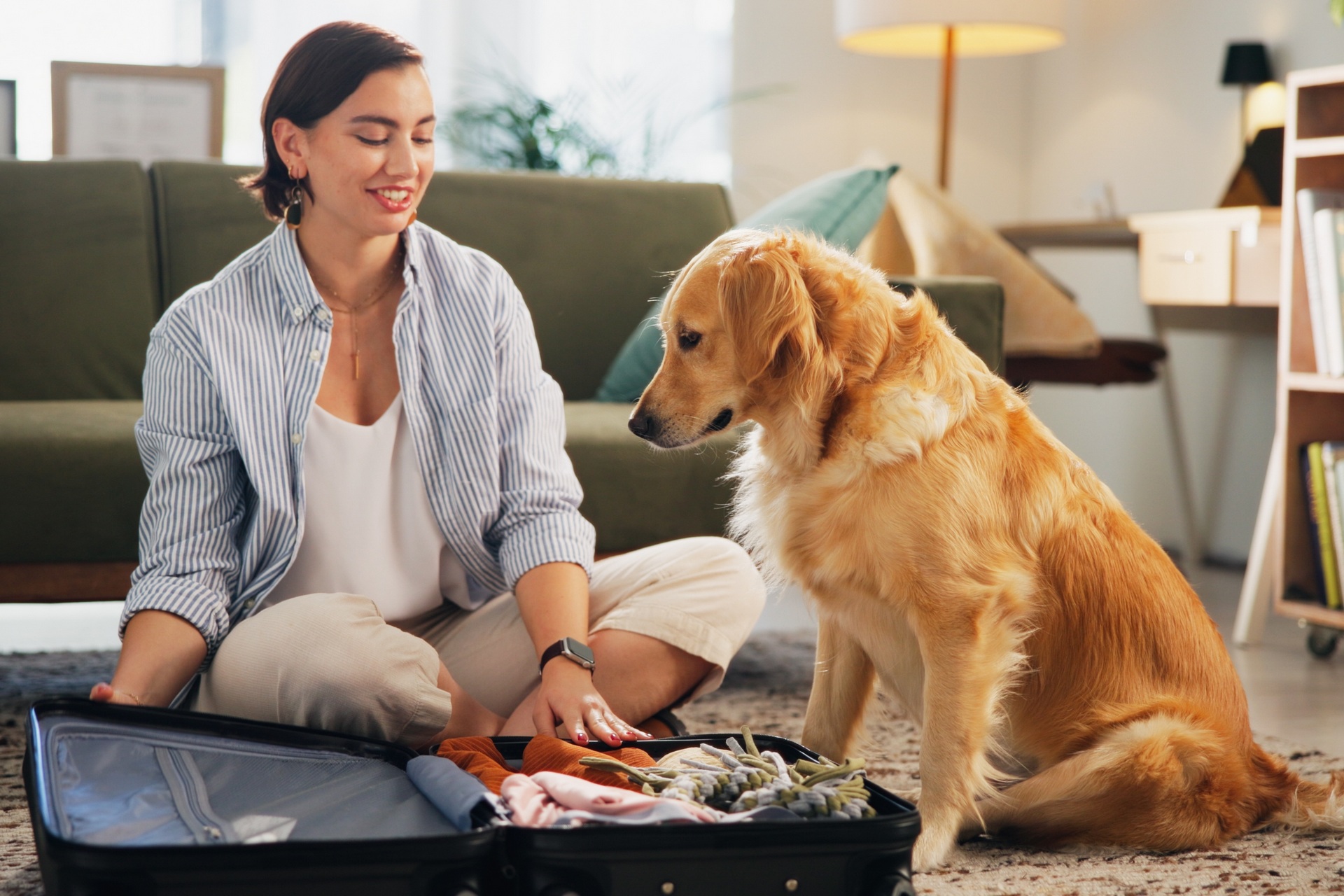
There are several requirements that owners need to meet when traveling to the USA with a dog.
Photo by PeopleImages on Shutterstock
EU pet travel in 2026: Don’t assume a “pet passport” is enough
It’s important to determine whether a traveler and their pet are actually eligible to use an EU pet passport for their specific trip. Only pet owners whose main or primary residence is in an EU member state (or Northern Ireland) are eligible to obtain and use an EU passport. Therefore, travelers from England, Scotland, and Wales cannot use an EU pet passport and must instead use an Animal Health Certificate (AHC) when traveling into the EU.
Returning to or traveling to the UK with a pet
Rules for traveling to and from the UK with a pet are similar to EU rules; however, dogs must be given a tapeworm tablet by a vet within 1 to 5 days before entering the UK.
The importance of a rabies titre test
Depending on the travel route, the pet may also need to have a rabies titre test in line with their rabies shot. A rabies titre test checks the animal’s antibody levels after the shot, and some international destinations require this to be at least 0.5 IU/ml to prove that the pet is protected before travel.
Step 3: Flying with a dog or cat
When flying with a dog or cat, there are three options. The pet can travel in either the cabin, hold, or as cargo. Airline restrictions will determine whether a pet can fly in the cabin, which is usually determined by the animal’s total weight and carrier size.
Many travelers are not comfortable with placing their pet in the hold of an aircraft, but it may be the only option due to their breed or the size of carrier required for the animal. In some scenarios, pets may need to have a separate cargo ticket, although this is typically only done when travelers are relocating internationally.
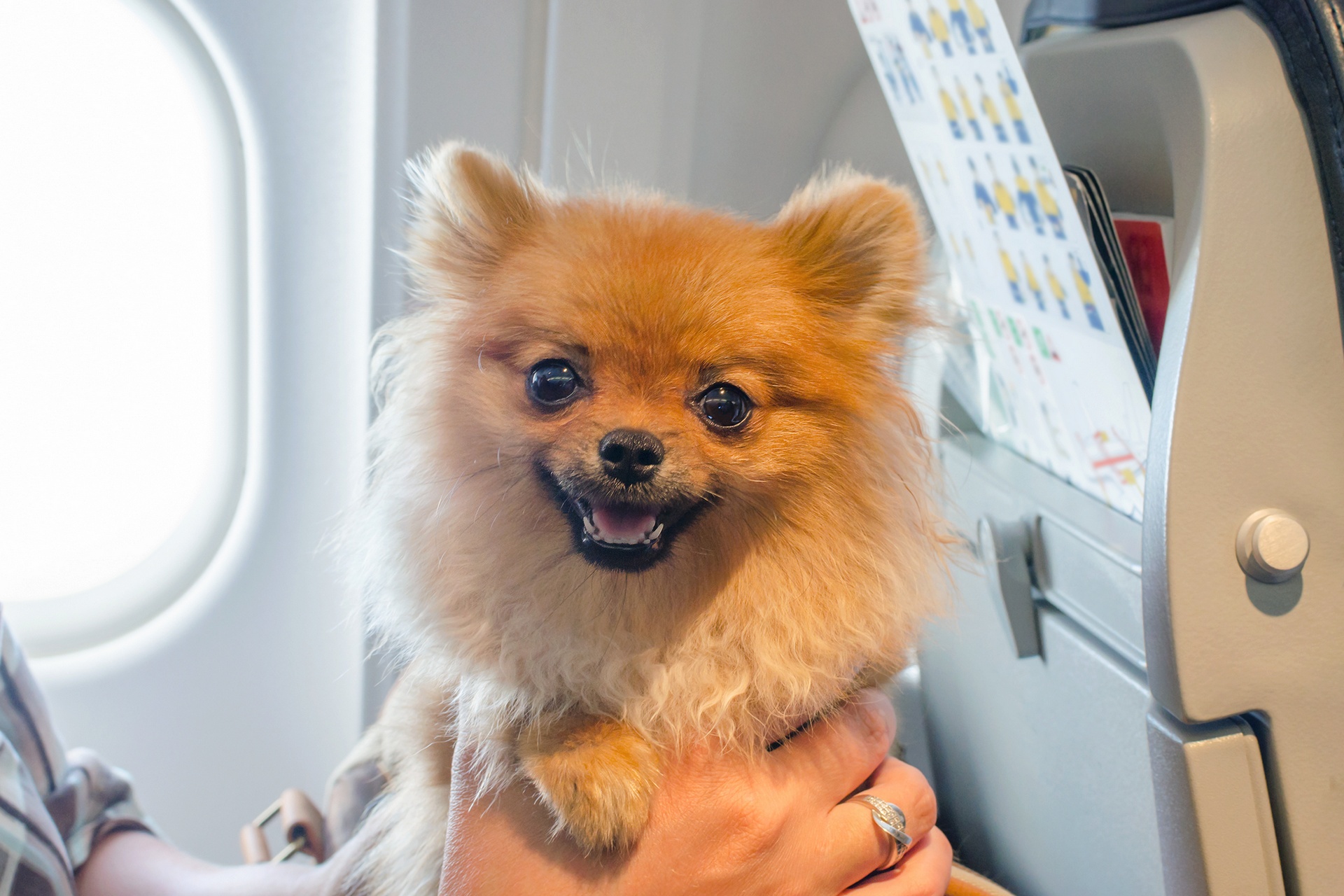
The pet can travel in either the cabin, hold, or as cargo.
Photo by nadisja on Shutterstock
The reality of putting pets under the seat
It’s easy to assume that all small dogs can travel under an airplane seat, but this isn’t true. Flying with a small dog will depend on their weight, including when placed inside the carrier, and whether the carrier meets the airline’s size requirements.
Just like a piece of carry-on luggage, pet carriers must fit within a specific size and weight. Most airlines will also require the pet to remain inside their carrier throughout the duration of the flight.
Flying with a large dog
It’s best to assume that a large dog cannot travel in an airplane cabinunless it is a medical or support dog. When booking any pet on a flight, it’s important to confirm their size and crate/carrier dimensions and compare this to the airline’s current policy, including for the specific route.
How to book a dog on a flight
Pets require their own ticket when flying, and it’s important to book this alongside their owner’s ticket as there are only a limited number of pet spaces available on flights. There are typically separate fees involved, and they must be booked in advance.

Pets require their own ticket when flying.
Photo by Standret on Shutterstock
Step 4: Road, rail, and ferry travel with pets
If a pet isn’t able to fly, it may be a better solution to plan an itinerary that involves road, rail, or ferry travel. Car travel is a great option for large dogs and anxious animals who may be more comfortable in familiar surroundings, or if you’re planning a multi-stop itinerary with destinations that are accessible by land.
There’s lots to consider when planning a long drive with pets, including:
- How to keep the car properly ventilated
- The best way to secure the pet’s carrier and keep them restrained
- Regular rest stops, including for taking the pet out of the car
- Avoiding excessively long drives
- Regular access to clean, fresh water
- Avoiding leaving the pet in a parked vehicle in unsafe temperatures
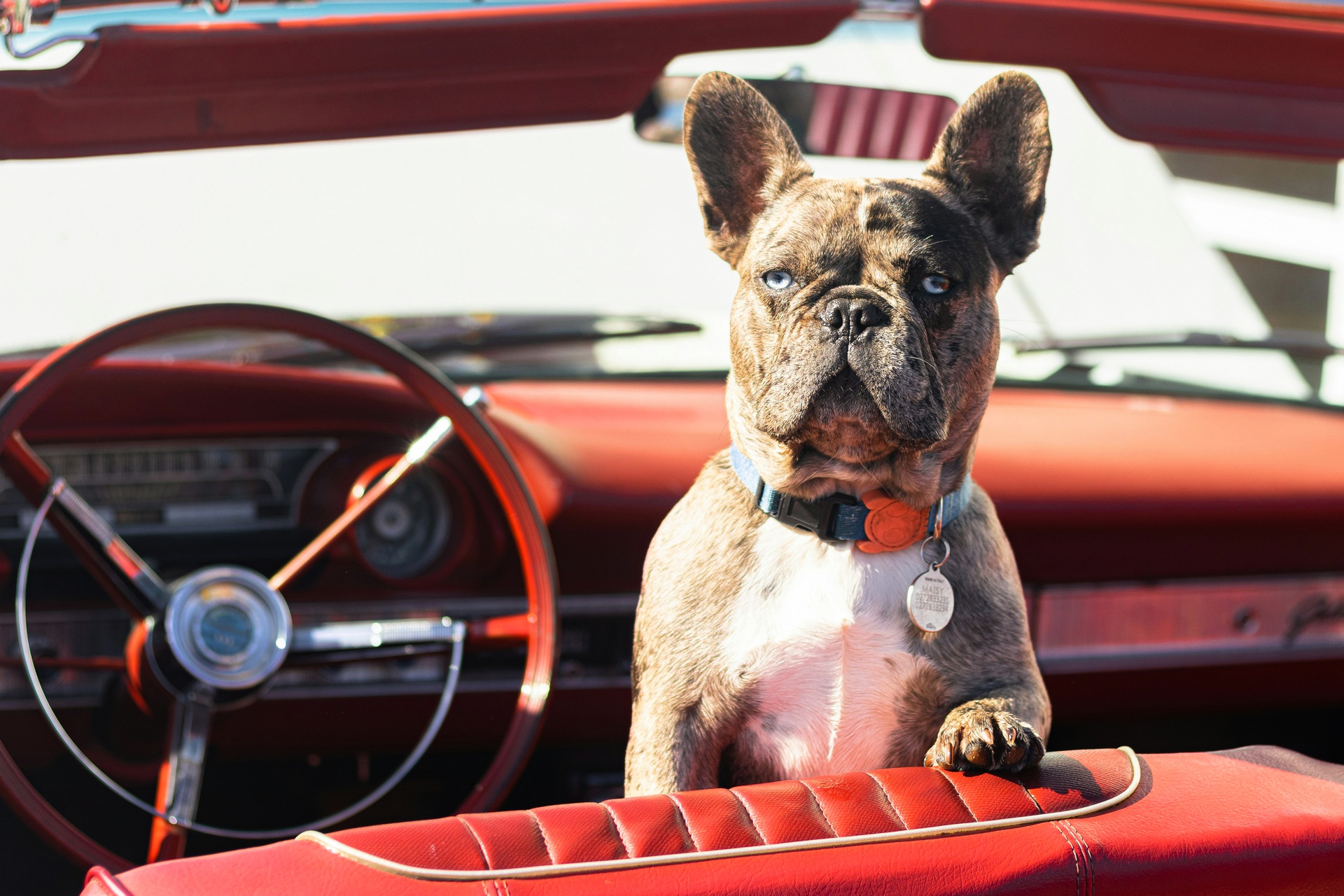
Car travel is a great option for large dogs and anxious animals.
Photo by Callum Hill on Unsplash
Alternatives to flying
Flying and long car journeys aren’t right for every pet, making ferry journeys and trains a great alternative. Many European rail operators allow pets, subject to carrier and size restrictions, although ferry policies will vary between carriers; many do offer pet-friendly cabins and on-board kennels.
Step 5: How to book pet-friendly accommodation
One of the biggest mistakes travel agents make is to assume that a hotel being “pet-friendly” guarantees that a pet can stay in that property without booking it in advance. Even hotels that heavily market themselves as being “pet-friendly” may still have restrictions on the type or size of animal they allow on their property, and they may only be allowed to stay within specific room types.

Even hotels that heavily market themselves as “pet-friendly” may still have restrictions on the type or size of animal.
Photo by Timofei Adrian on Unsplash
Always ensure that the pet is included in the booking and that the accommodation provider is aware of the type and breed of the pet.
Here are a few things to consider when booking a pet-friendly hotel:
- Use the RateHawk map feature to find hotels with nearby green spaces in a walkable location
- Look for accommodation with easy room access or the ability to request a ground floor room, especially if your pet is scared of elevators or unable to walk on stairs themselves
- If taking a road trip, it’s worth choosing a hotel with on-site parking and outdoor access
- Hard flooring is generally a better idea for pets, rather than accommodation with carpets or rugs
- Aparthotels and serviced apartments are a better alternative for longer itineraries and can make pets feel more comfortable.
Step 6: Arrival, the first night, and the trip itself
There are a few easy steps to make travel day and the first night of a trip more comfortable for both a pet and their owner. Here’s how:
- Find a quiet space to help the pet familiarize themselves with their new surroundings
- Bring familiar bedding or a favorite blanket to reduce anxiety
- Keep food and water in an accessible place, using bowls they’re familiar with
- Maintain the pet’s usual routine as much as possible, including daily walks
- Make a note of the contact information for the local veterinary clinic in case of emergency
- Always carry both the original and a copy of all the documentation related to the pet when traveling
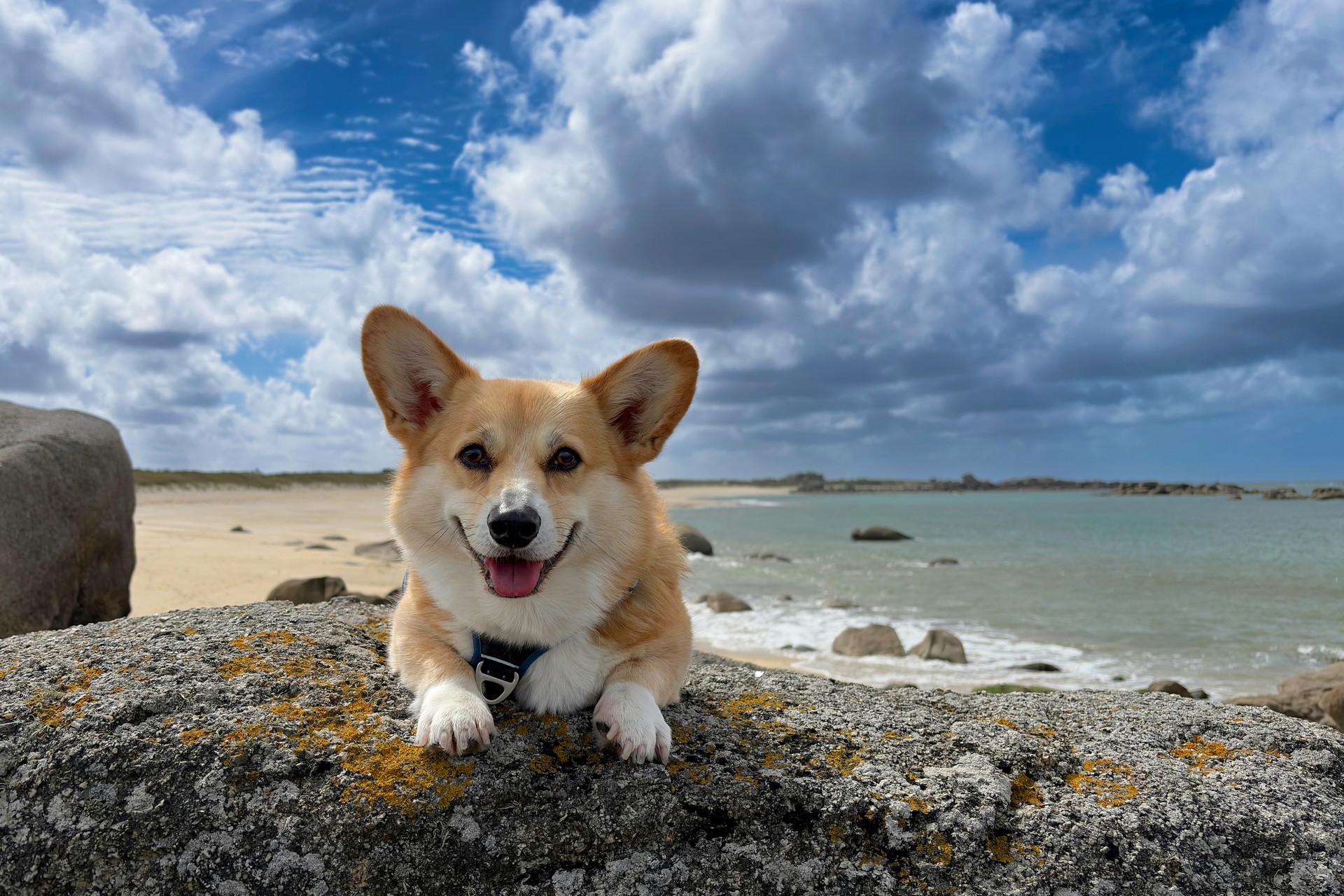
Maintain the pet’s usual routine as much as possible, including daily walks.
Photo by Marine Vec on Unsplash
Where pet travel plans often fall apart
As a travel agent, it’s important to know the most common mistakes that your clients are likely to make and how you can mitigate them.
Here’s why pet travel plans often fail:
- The client books the flight before checking entry requirements
- The pet’s microchip and vaccination sequence is wrong
- The pet’s ticket was never confirmed, or the client assumed they could fly in the cabin without checking size requirements
- The “pet-friendly” hotel operates with size or breed restrictions
- The itinerary contains too many hotel changes, which unsettles the pet
- There are additional property charges for pets that the client wasn’t aware of
- The pet’s titre test is started too late, or they don’t have a health certificate from a vet
As a travel agent, you can avoid most of these common mistakes by following our advice above. Just like checking your client’s entry requirements, always check what documentation the pet needs as well.
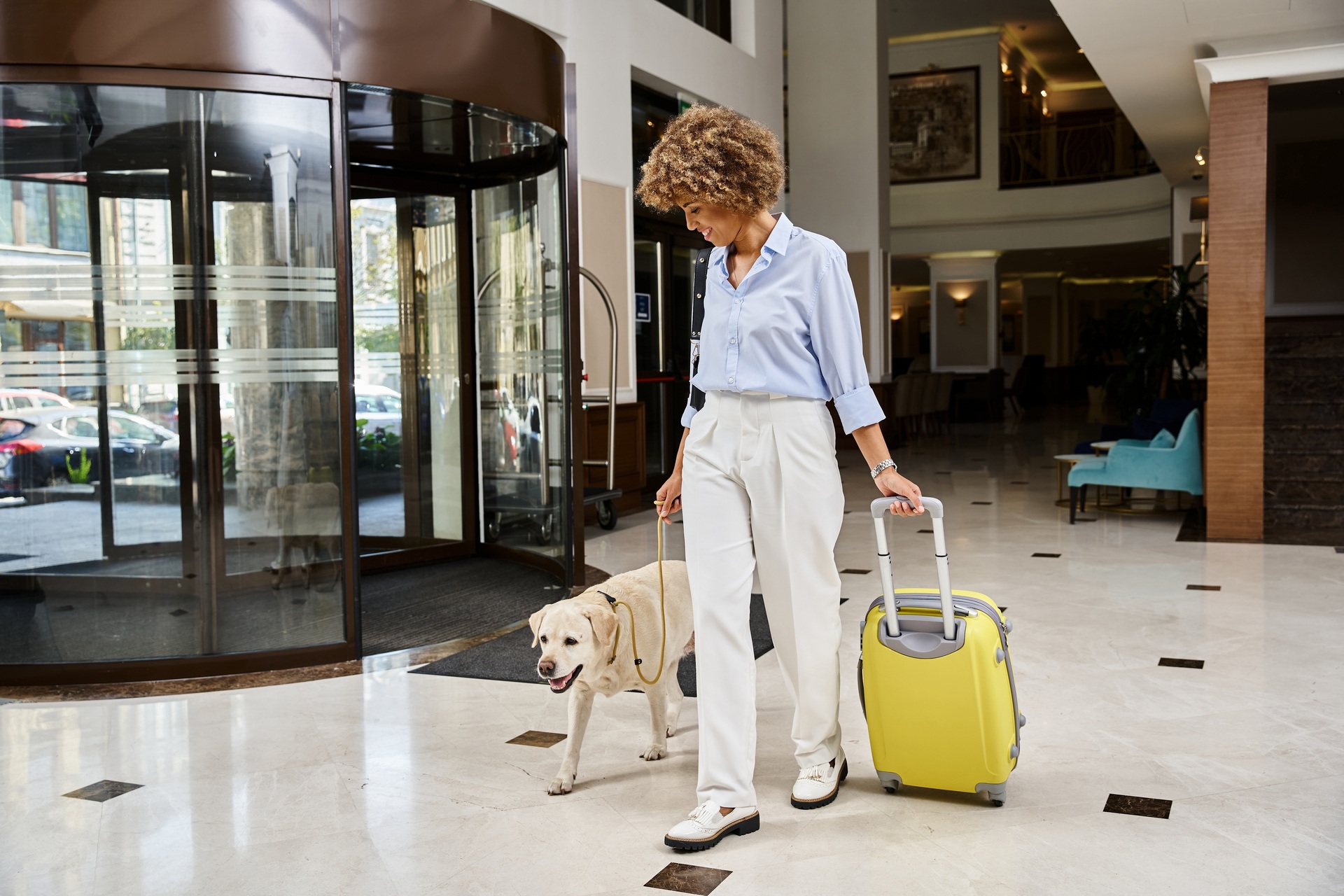
Always check what documentation the pet needs.
Photo by LightField Studios on Shutterstock
Frequently asked questions for traveling with pets
Book pet-friendly accommodation with RateHawk’s search features
Pet travel isn’t necessarily difficult, but it’s a situation that can quickly go wrong if important documents or processes are overlooked. As a travel agent, it’s worth doing your research and familiarizing yourself with the travel requirements for the most popular destinations that your clients visit.
Always verify the information before booking your client’s package and ensure that they’re aware of the documentation they’ll need for their pet.

Pet travel isn’t necessarily difficult.
Photo by Alberto Menendez Cervero on Shutterstock
At RateHawk, we help travel agents streamline their packages by making it easy to search for and compare pet-friendly properties to give your clients added peace of mind. Get started with RateHawk today to get access to extensive inventory with exclusive rates for pet-friendly accommodation and travel packages.
Cover image: Image generated using Google Gemini, October 2026