

 689
689 19 minutes read
Contents
- Why travel agents should be selling Istanbul right now
- Practical information for travel agents
- Where to stay in Istanbul: Neighborhoods and hotel options
- Top Istanbul attractions: Must-see places to visit
- Istanbul activities by travel type
- Nearby destinations: Day trips from Istanbul
- Turkish food in Istanbul: What your clients should eat
- Insider tips
- Istanbul as a “Destination Next” recommendation
Why travel agents should be selling Istanbul right now
Istanbul is one of those destinations that experienced travel agents return to repeatedly in client conversations. Here’s why:
- Combination of world-class attractions, such as The Grand Bazaar.
- Diverse accommodation supply, from budget guesthouses to aparthotels.
- Accessible flight connections from most major markets, including Europe and Asia.
- Sits at a price point that remains competitive against comparable European capitals.
The city’s compact historic center means that first-time visitors can cover the main attractions in just three to four days, leaving room to incorporate Bosphorus experiences, day trips, and culinary exploration. For repeat visitors, the Asian side — Kadıköy, Moda, Üsküdar — offers an entirely different city to discover from Istanbul’s European side.
With RateHawk’s inventory encompassing all price tiers and neighborhoods, you have everything you need to build compelling, bookable Istanbul itineraries for your clients — from quick city break packages for couples to multi-week Turkey itineraries for solo travels with Istanbul as the gateway to discovering Turkey.
Capture demand with a curated hotel selection
View the full collection of recommended Istanbul accommodations with discounts of up to 15% available until July 20, 2026 booking window.

Betul Culhacilar,
Head of Business Development Turkey, Egypt & Jordan
“Turkey continues to show strong demand this year, especially for Istanbul and Antalya, driven by their accessibility, value for money, and diverse travel experiences. Istanbul remains popular for city breaks, shopping, gastronomy, and cultural tourism, while Antalya continues to attract travelers looking for beach holidays, luxury resorts, and family-friendly stays.
One of the key reasons behind this positive trend is that Turkey offers a combination of short flight durations, visa accessibility for many nationalities, and competitive pricing compared to many European destinations.
Istanbul is highly popular among couples, solo travelers, and short-stay leisure visitors.”
Practical information for travel agents
Travel guidelines
Weather and best time to visit Istanbul
Istanbul has a distinct four-season climate, which means the “best” time to visit Istanbul will depend on your client’s priorities and itinerary preferences.
- Spring (April – May): Considered the best time to visit Istanbul for most travellers. Mild temperatures (15–20°C) with manageable crowds, making it an ideal time for city breaks while the tulips are in bloom. The Istanbul Tulip Festival in April draws significant interest from domestic and international visitors.
- Summer (June – August): Hot and humid (up to 30°C), with the highest tourist volumes. Ideal for Bosphorus cruises and rooftop experiences, but booking well in advance is crucial for accommodation and popular tourist attractions. Itineraries should be curated with a focus on early morning starts to visit major attractions before temperatures become uncomfortable from midday.
- Autumn (September–October): A close second to spring. Temperatures remain pleasant without the summer crowds. Autumn is one of the best times for catching golden hour over the Bosphorus, making it ideal for photography tours. This season sees the local harvest with the Spice Bazaar and historic markets like Kadıköy Market bustling with life and the best local produce in Turkey.
- Winter (November – March): Considered the low season across Turkey, winter occasionally brings snowfall to Istanbul, creating dramatic views across the city skyline. Ideal for budget-conscious clients and those seeking a quieter Istanbul experience.
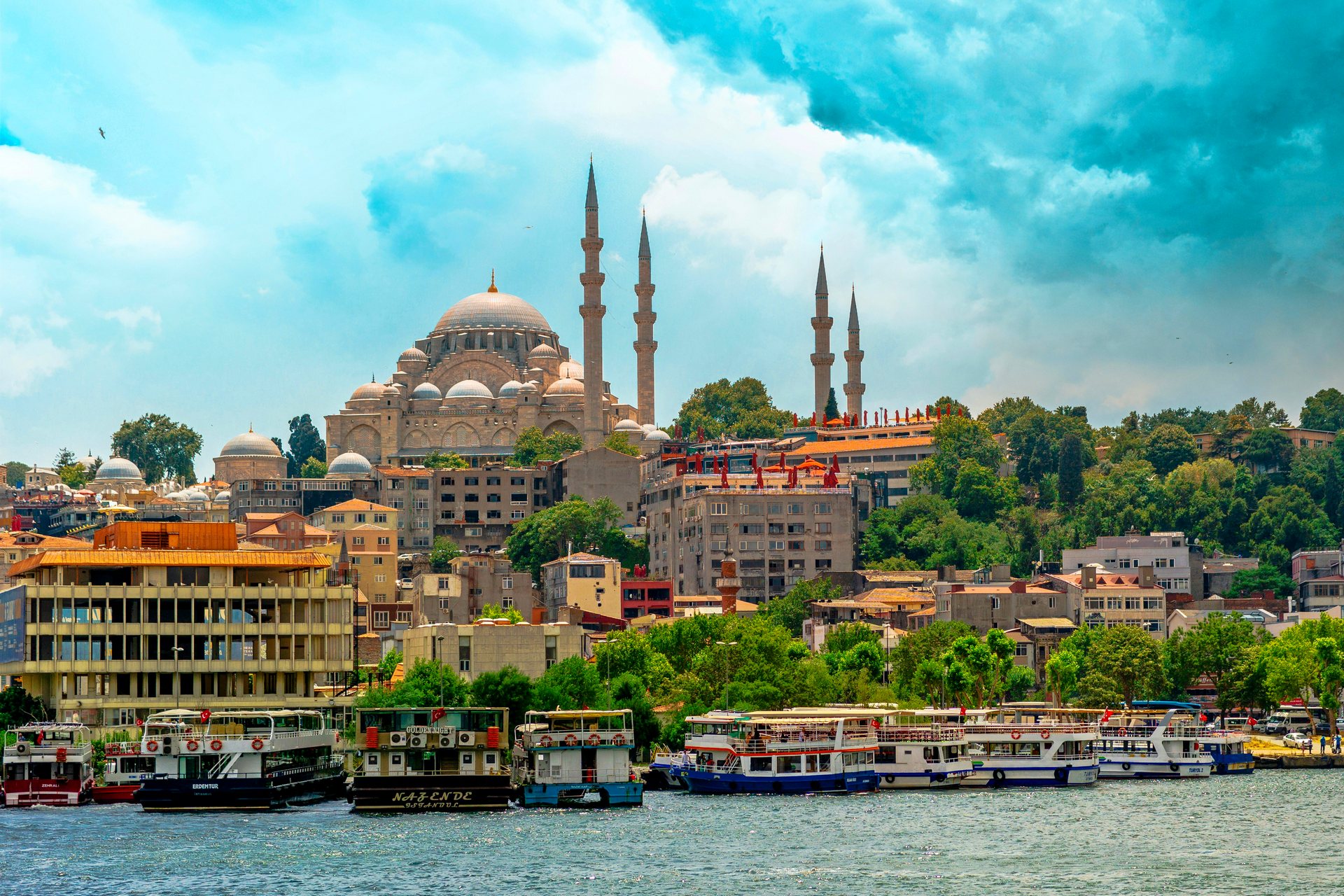
Photo by Ibrahim Uzun on Unsplash
Istanbul fun facts
- Istanbul is one of the world’s most famous transcontinental cities, spanning both Europe and Asia across the Bosphorus Strait.
- The city has been the capital of three major empires: the Roman (as Constantinople), Byzantine, and Ottoman.
- The Grand Bazaar (Kapalıçarşı) is one of the world’s oldest and largest covered markets, with over 4,000 shops across 61 covered streets.
- Istanbul is home to more than 3,100 mosques, including some of the most architecturally significant in the world, such as the Sultan Ahmed Mosque (The Blue Mosque) and the Süleymaniye Mosque.
- The Bosphorus Strait connects the Black Sea to the Sea of Marmara, with approximately 48,000 ships passing through it annually, making it one of the busiest waterways in the world.
- Istanbul is consistently ranked among the world’s most visited cities, regularly attracting over 20 million international visitors. In 2024, it ranked second with 23 million visitors, behind Bangkok and ahead of London.
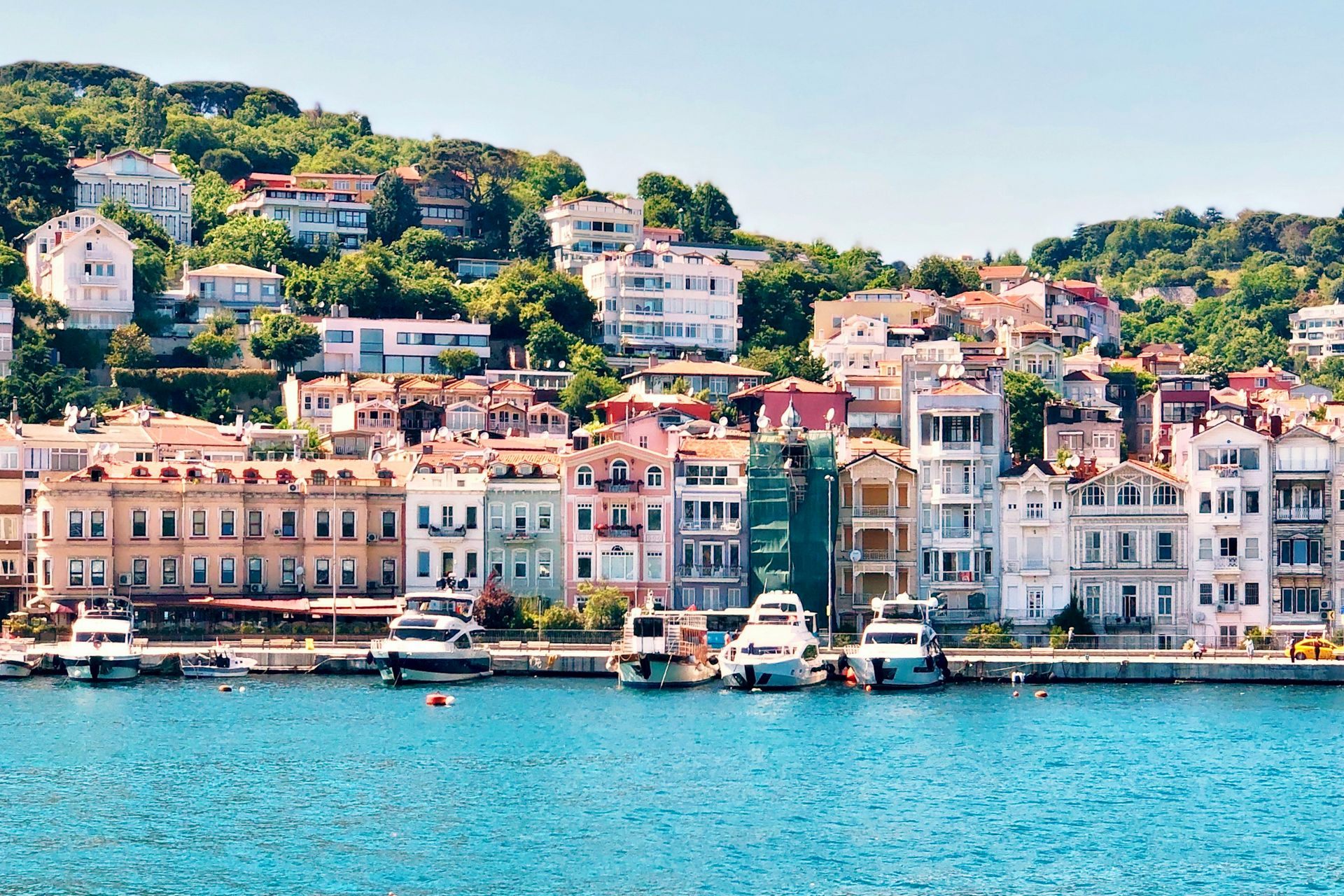
Photo by Despina Galani on Unsplash
Getting around Istanbul
Istanbul has an extensive and affordable public transport network that most travellers can use comfortably. The Istanbulkart (rechargeable travel card) covers metro, tram, ferry, and bus lines — an easy tip to help your clients plan their trip budget.
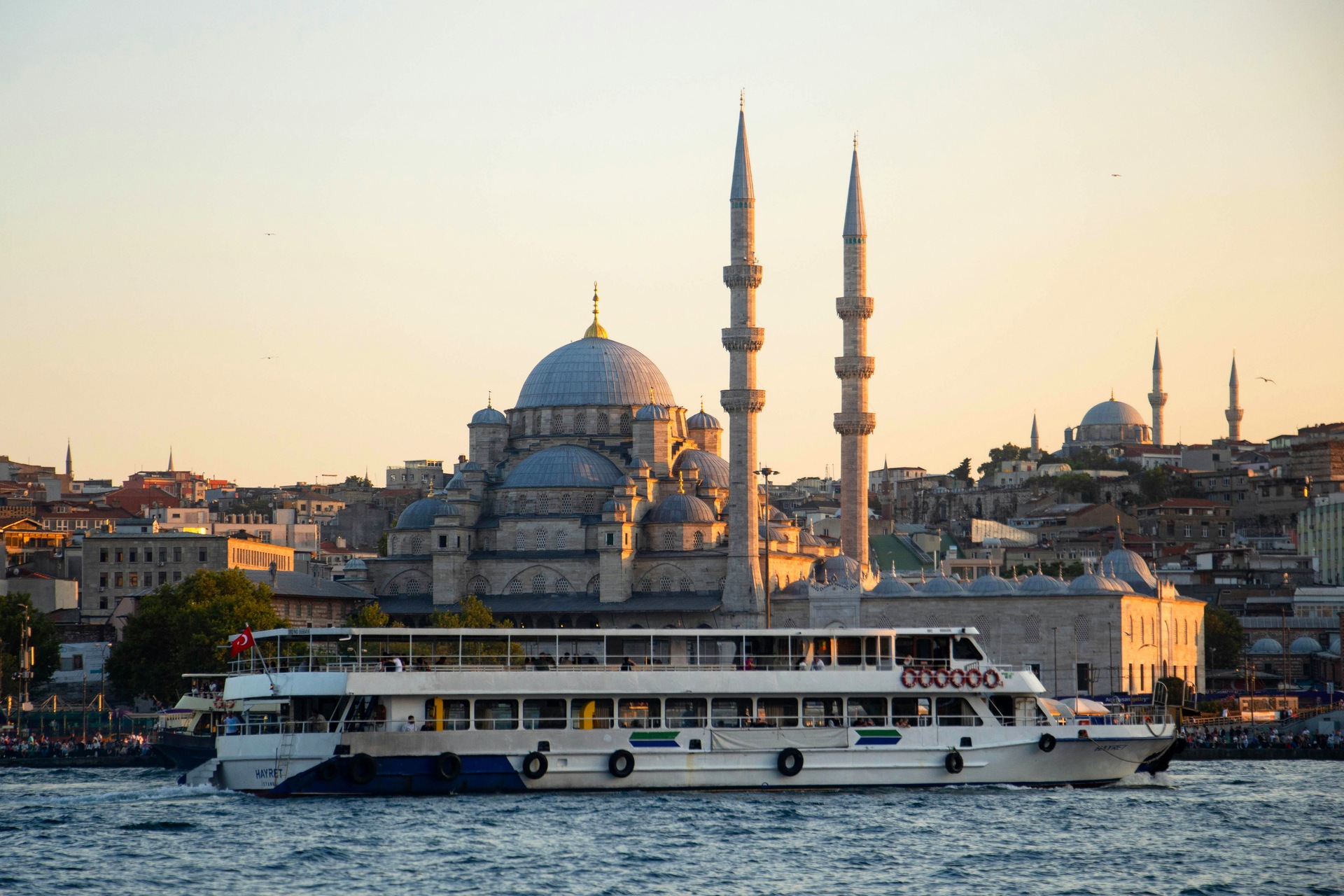
- Metro and tram: The T1 tram line runs from Kabataş to Bağcılar through Sultanahmet, Eminönü, and other major historic districts. Taksim is accessed via the F1 funicular from Kabataş or the M2 metro. The metro network is expanding and now covers large portions of both the European and Asian sides.
- Ferry (Vapur): The public ferries crossing the Bosphorus are both a practical transport option and an experience in themselves. The Kadıköy–Eminönü and Beşiktaş–Kadıköy routes are particularly popular.
- Taxi and ride-hailing: Taxis are widely available; ride-hailing apps (BiTaksi, Uber) offer more transparent pricing. It’s always best to confirm metered pricing before getting into traditional taxis.
- Walking: Sultanahmet and the historic peninsula are best explored on foot. Beyoğlu, Karaköy, and Kadıköy are similarly pedestrian-friendly neighborhoods.
- Airport transfer: The M11 metro line connects Istanbul Airport to Gayrettepe in roughly 40–50 minutes, with onward metro connections to districts such as Taksim and the Historic Peninsula. Transfers by private vehicle remain popular for group bookings.
RateHawk insight
You can take care of transport for your clients by booking car rentals, airport transfers, and train tickets through RateHawk. These add-ons make the city easier to navigate, especially for first-time visitors to Turkey. If Istanbul is the first stop of a multi-destination itinerary, you can also book domestic and international flights through RateHawk.
Where to stay in Istanbul: Neighborhoods and hotel options
Istanbul’s accommodation landscape is diverse, from landmark luxury properties in Sultanahmet overlooking the Blue Mosque to boutique hotels in Beyoğlu’s atmospheric backstreets and contemporary business hotels in Levent. Helping your clients choose the right neighborhood is just as important as choosing the right accommodation.
Sultanahmet and the historic peninsula
Ideal for: First-time visitors, history-focused city breaks, and travelers with limited time.
The heart of Istanbul tourism. Clients staying here are within walking distance of Hagia Sophia, the Blue Mosque, the Grand Bazaar, and Topkapı Palace. Hotel options range from affordable guesthouses with private rooms to elegant boutique properties in restored Ottoman buildings.
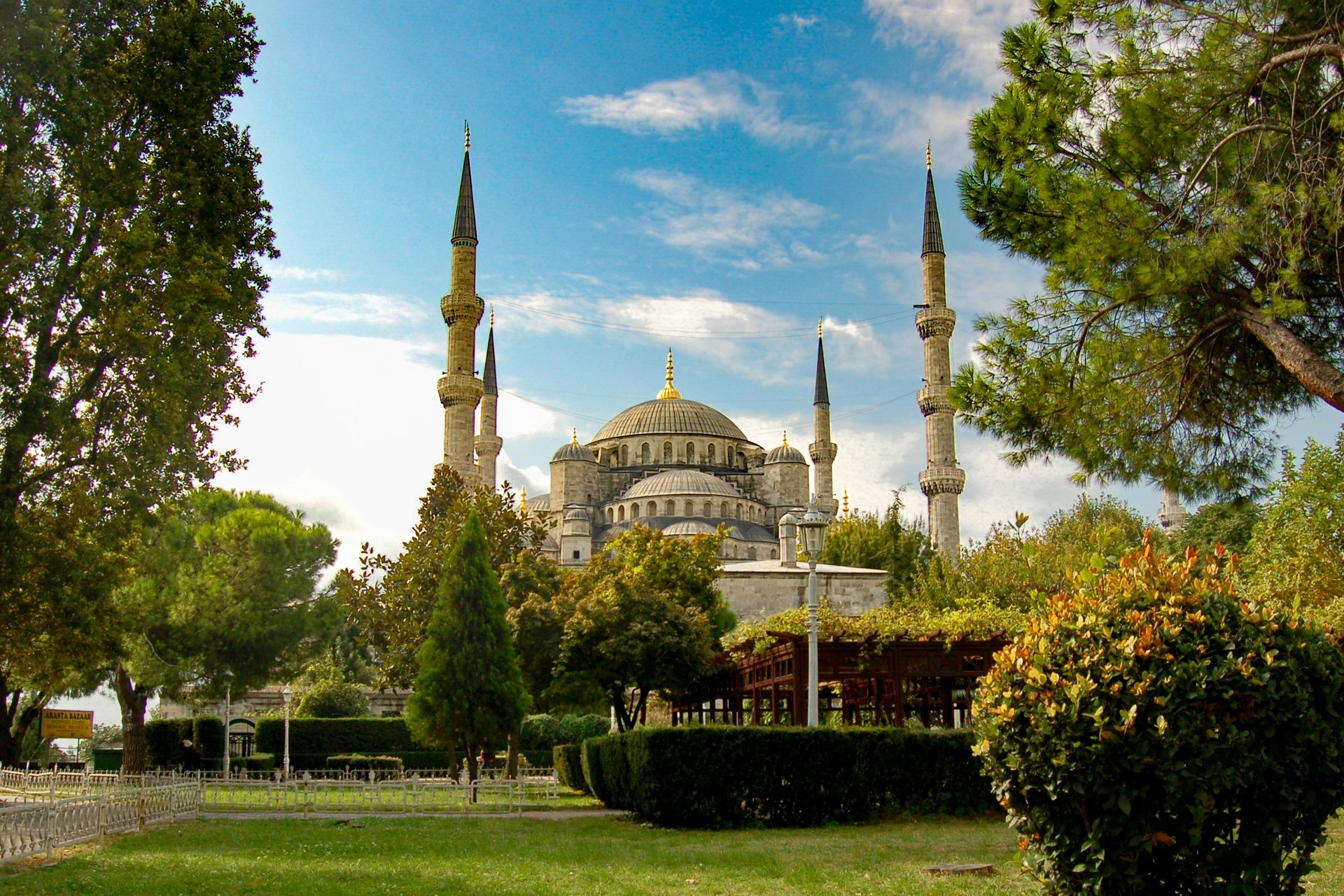
Photo by Hans-Jürgen Weinhardt on Unsplash
Beyoğlu, Galata and Karaköy
Ideal for: Style-conscious travelers, couples, and repeat visitors wanting a different perspective on Istanbul.
The European side’s contemporary hub. Beyoğlu is centred on the pedestrianised İstiklal Avenue, which leads up from the iconic Galata Tower through some of the city’s best shopping, dining, and nightlife. Karaköy, just below, has transformed into a design-forward neighborhood with independent cafés, galleries, and boutique accommodation.
Beşiktaş and Nişantaşı
Ideal for: Luxury escapes and travelers who want to experience a more authentic side of life in Istanbul.
Istanbul’s upmarket residential and commercial districts on the European Bosphorus shore. Nişantaşı is the city’s luxury shopping district, offering an array of both international and Turkish designer brands. Beşiktaş has a lively, local feel with excellent seafood restaurants and easy ferry access.
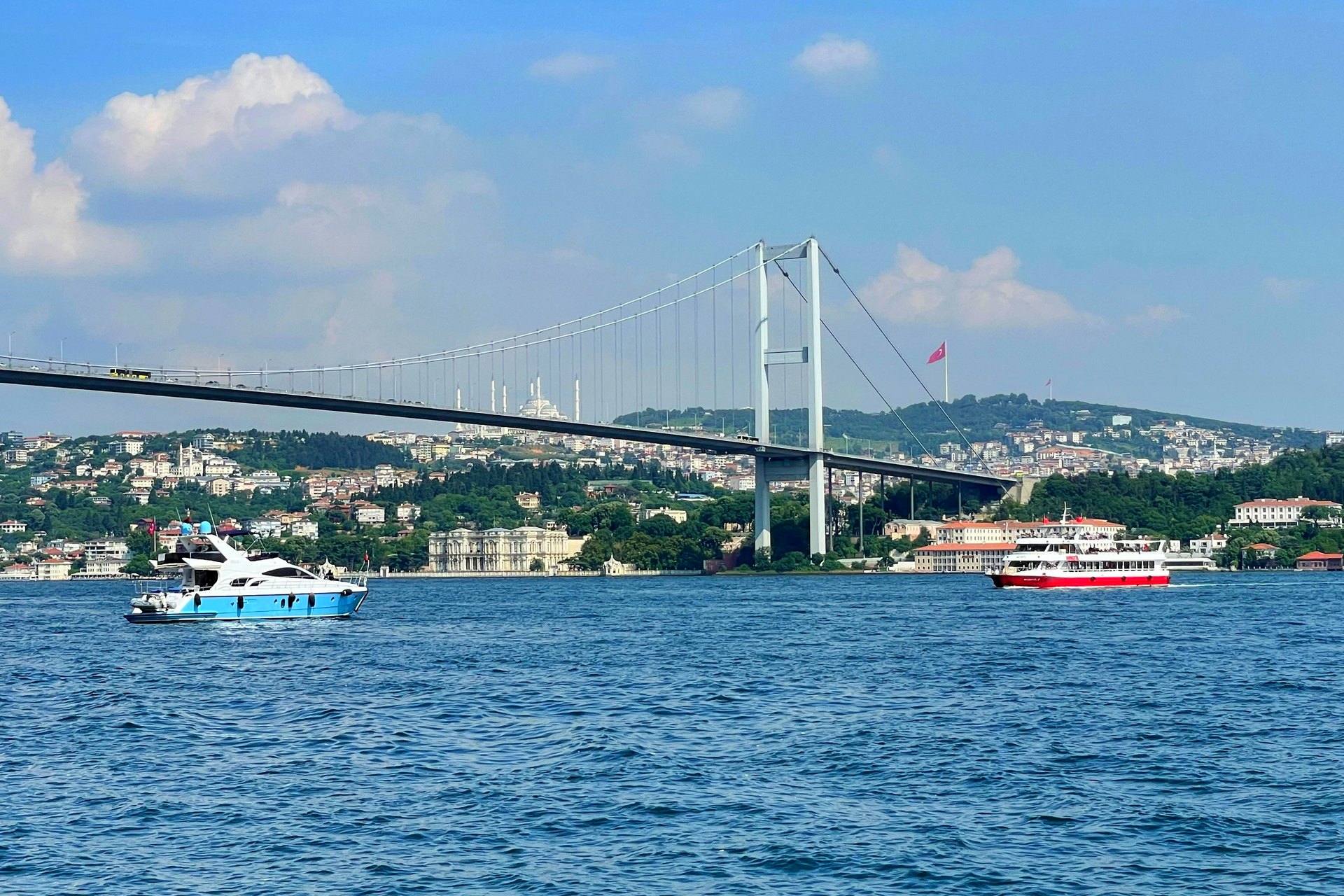
Photo by Adnan Uludag on Unsplash
Kadıköy: The Asian Side
Ideal for: Solo travelers.
Kadıköy is one of Istanbul’s most vibrant neighborhoods and is increasingly popular with solo travelers. Its food market, alternative arts scene, and café culture make it an ideal base for those who want to experience the city like a local. A short ferry ride from the European side makes it easy to navigate across the city. Accommodation supply is steadily growing, with a mix of boutique hotels and apart-hotels for travelers who prefer extra flexibility.
Top Istanbul attractions: Must-see places to visit
1. Hagia Sophia (Ayasofya)
Few buildings in the world carry the weight of history that Hagia Sophia does. Originally built as a cathedral in 537 AD by the Byzantine Emperor Justinian I, it served as the largest cathedral in the world for nearly a thousand years before being converted into a mosque following the Ottoman conquest of Constantinople in 1453.
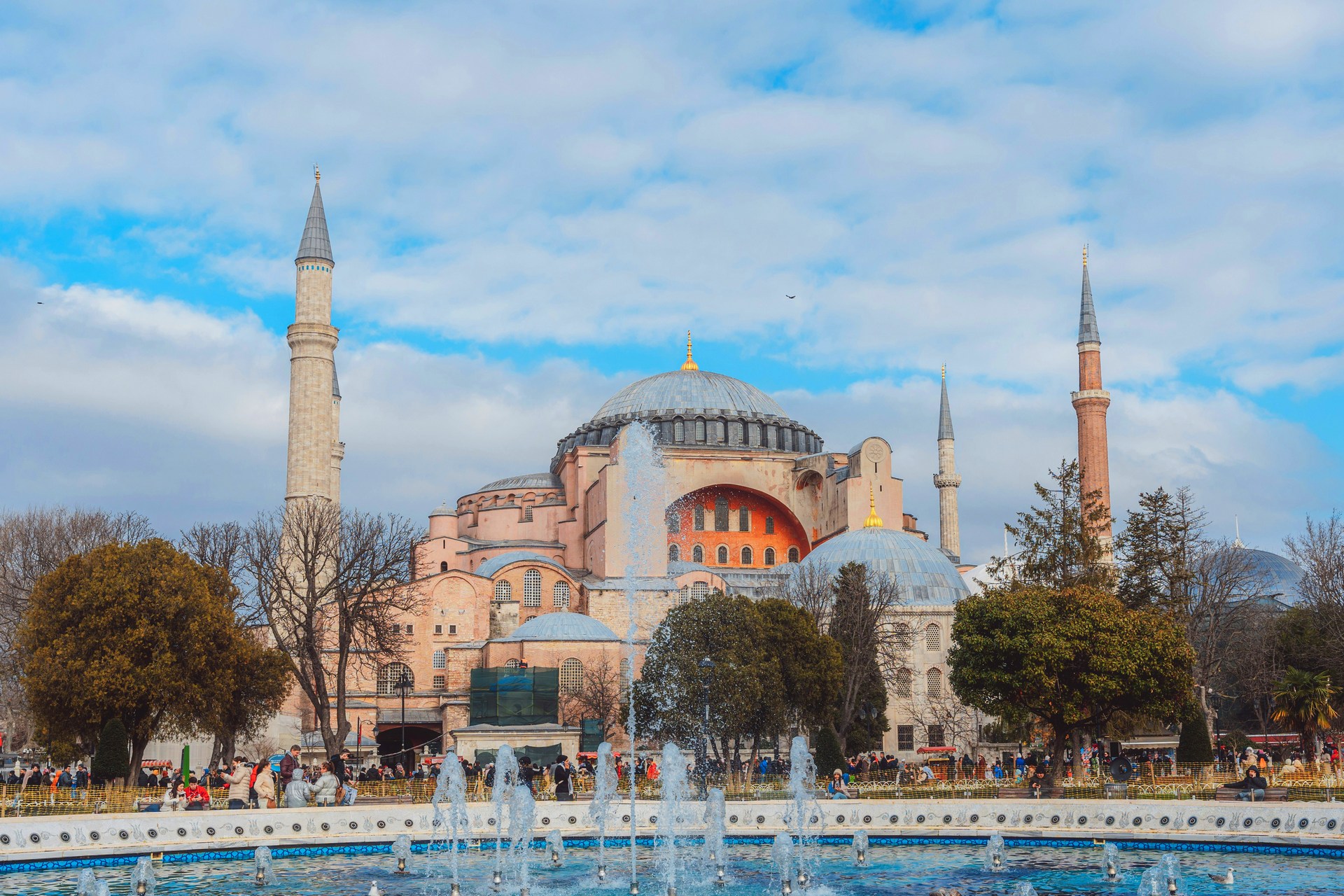
Photo by Hafizul Hafiz on Unsplash
As an active mosque, Hagia Sophia operates under changing visitor regulations. Non-Muslim visitors typically access designated gallery areas, and queues can be substantial during peak periods, so it’s best to book in advance. Travel agents should check the latest access rules before travel. It’s also worth noting that visitors are required to remove their shoes, and women should cover their hair.
The interior, with its vast dome, gilded mosaics, and Byzantine marble columns, is genuinely breathtaking. It’s the perfect way to start any Istanbul travel guide or itinerary.
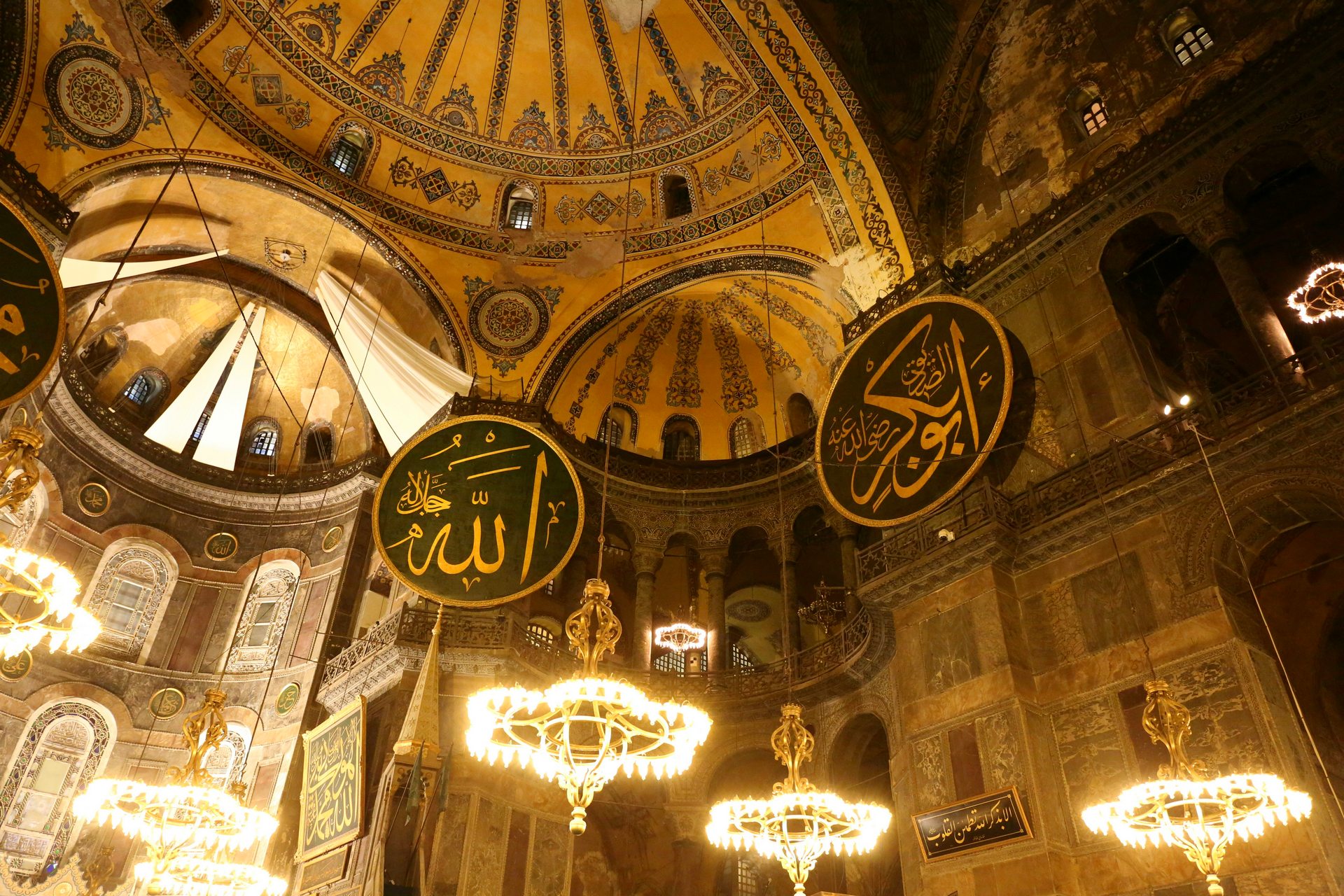
Photo by nour kanaa on Unsplash
2. The Blue Mosque (Sultanahmet Camii)
Directly across the Sultanahmet Square from Hagia Sophia is the Blue Mosque. It’s one of the world’s most recognizable buildings. Completed in 1616 during the reign of Sultan Ahmed I, it is distinguished by its six minarets, a remarkable number at the time, and the 20,000 hand-painted blue Iznik tiles that give the building its nickname.
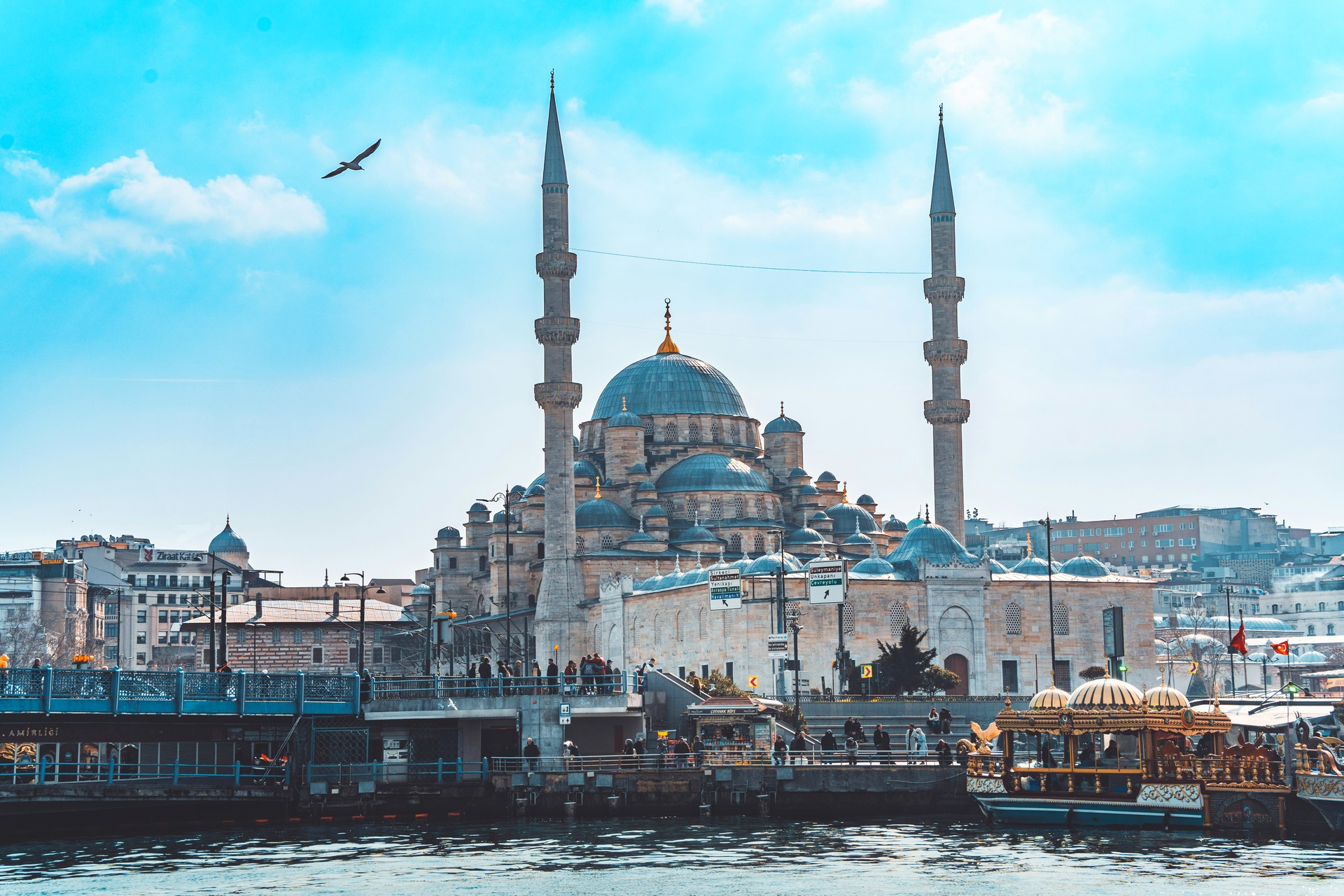
Photo by Amo Journey on Unsplash
Unlike Hagia Sophia, the Blue Mosque remains open to non-Muslim visitors free of charge, although entry is paused during the five daily prayer times.
3. Topkapı Palace
For over four centuries, Topkapı Palace was the administrative and residential centre of the Ottoman Empire. Set on a promontory overlooking the junction of the Bosphorus and the Golden Horn, it now houses one of Istanbul’s most significant museum collections of imperial robes, weapons, the Spoonmaker’s Diamond, and sacred Islamic relics. The Harem section requires a separate ticket and is strongly recommended. Visitors should allow at least three hours for a meaningful visit.
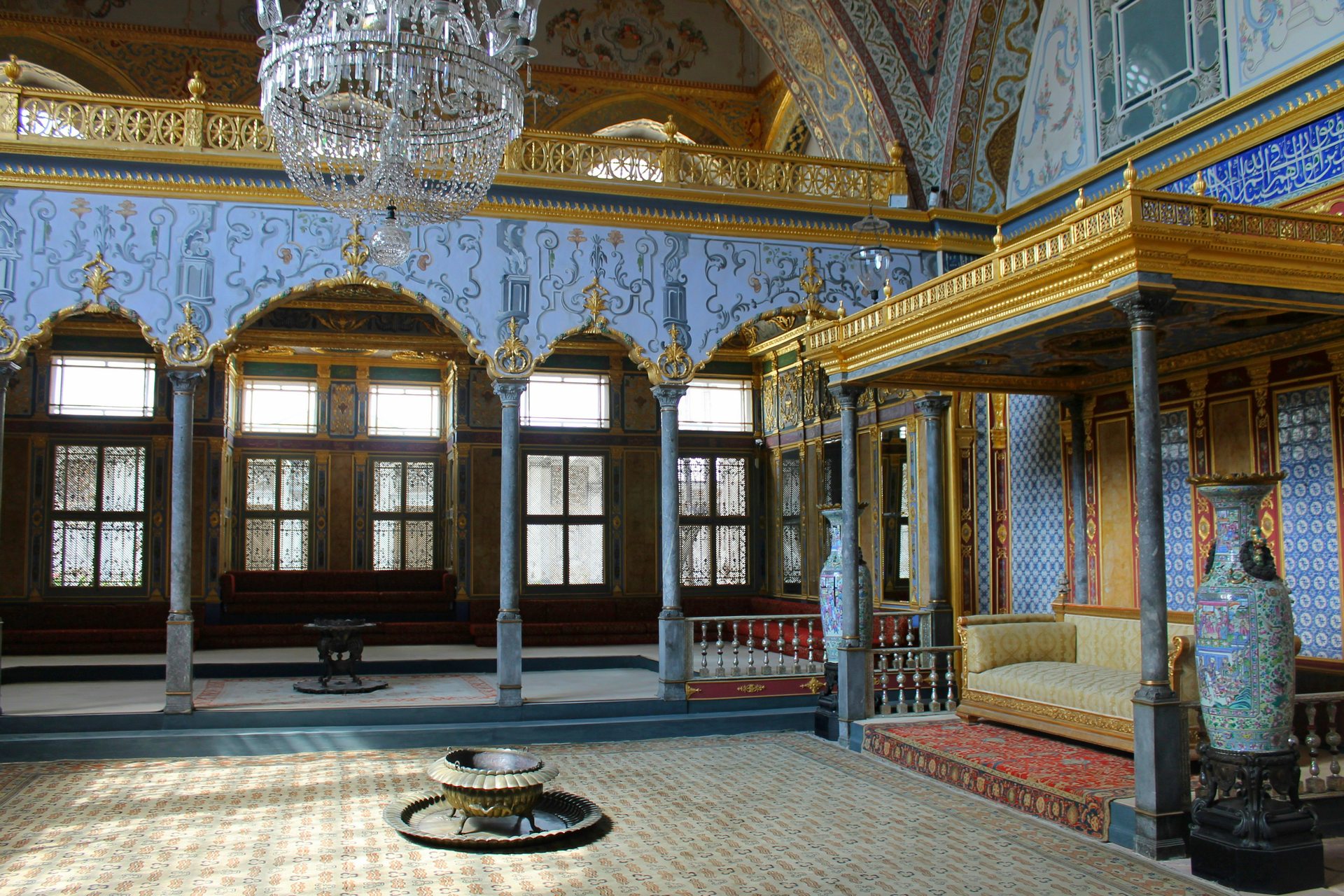
Photo by The Witch’s House on Unsplash
4. The Grand Bazaar (Kapalıçarşı)
The Grand Bazaar is one of the world’s oldest and largest covered markets, dating back to 1455. Stretched across 61 covered streets, more than 4,000 shops sell everything from Turkish carpets and ceramics to jewelry, spices, and leather goods. The quieter side streets are where local trade still thrives.
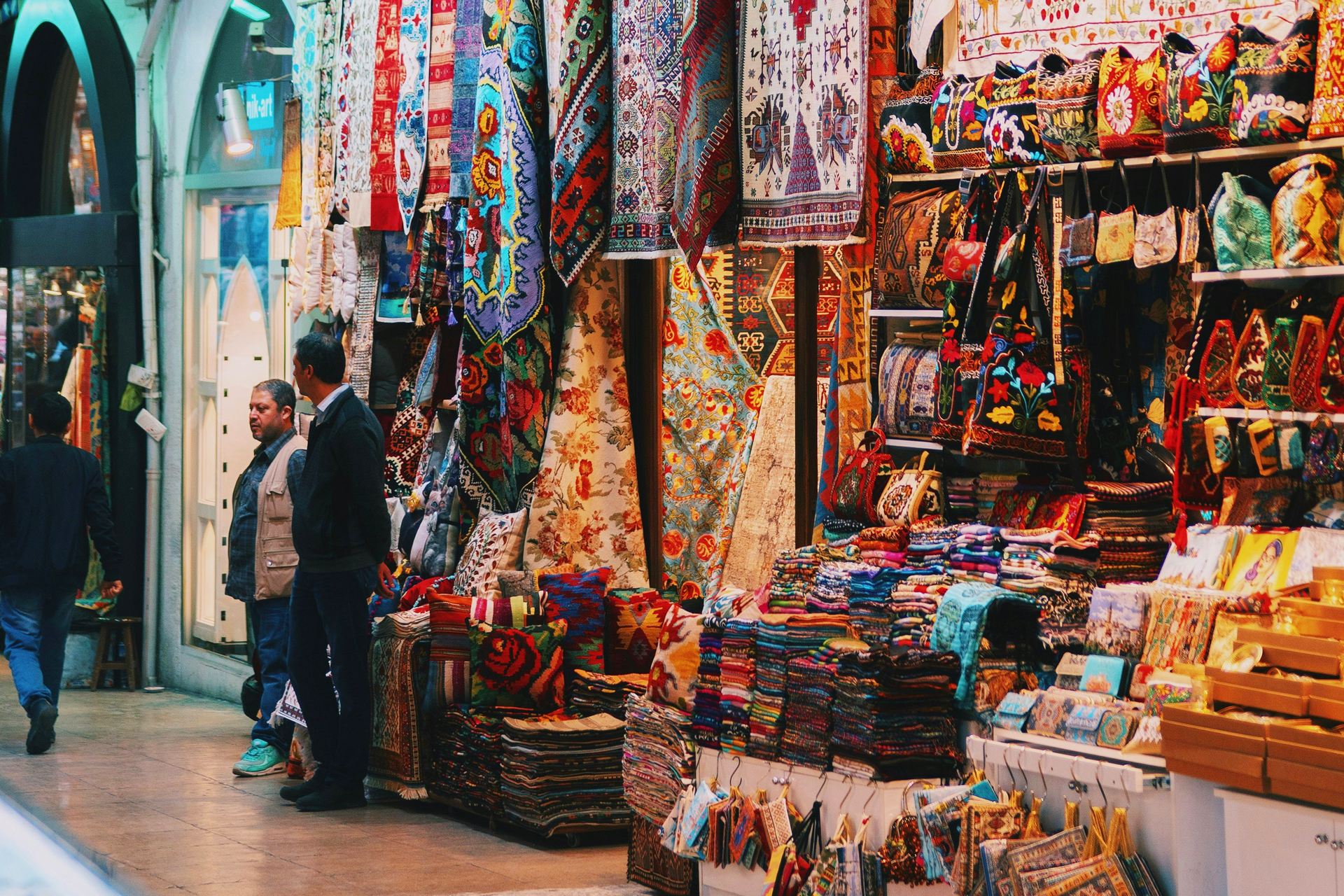
Photo by Linus Mimietz on Unsplash
The Grand Bazaar is as much an experience as a shopping destination with its labyrinthine layout, vaulted ceilings, and sensory intensity. Advise clients to give themselves plenty of time to explore (at least an hour or two) and to practice polite bargaining.
5. The Basilica Cistern (Yerebatan Sarnıcı)
One of Istanbul’s most atmospheric attractions, the Basilica Cistern is a vast underground reservoir built in the 6th century to supply water to the Great Palace of Constantinople. Supported by 336 ancient columns, many repurposed from earlier Roman structures, its dimly lit interior and shallow water create an otherworldly atmosphere.
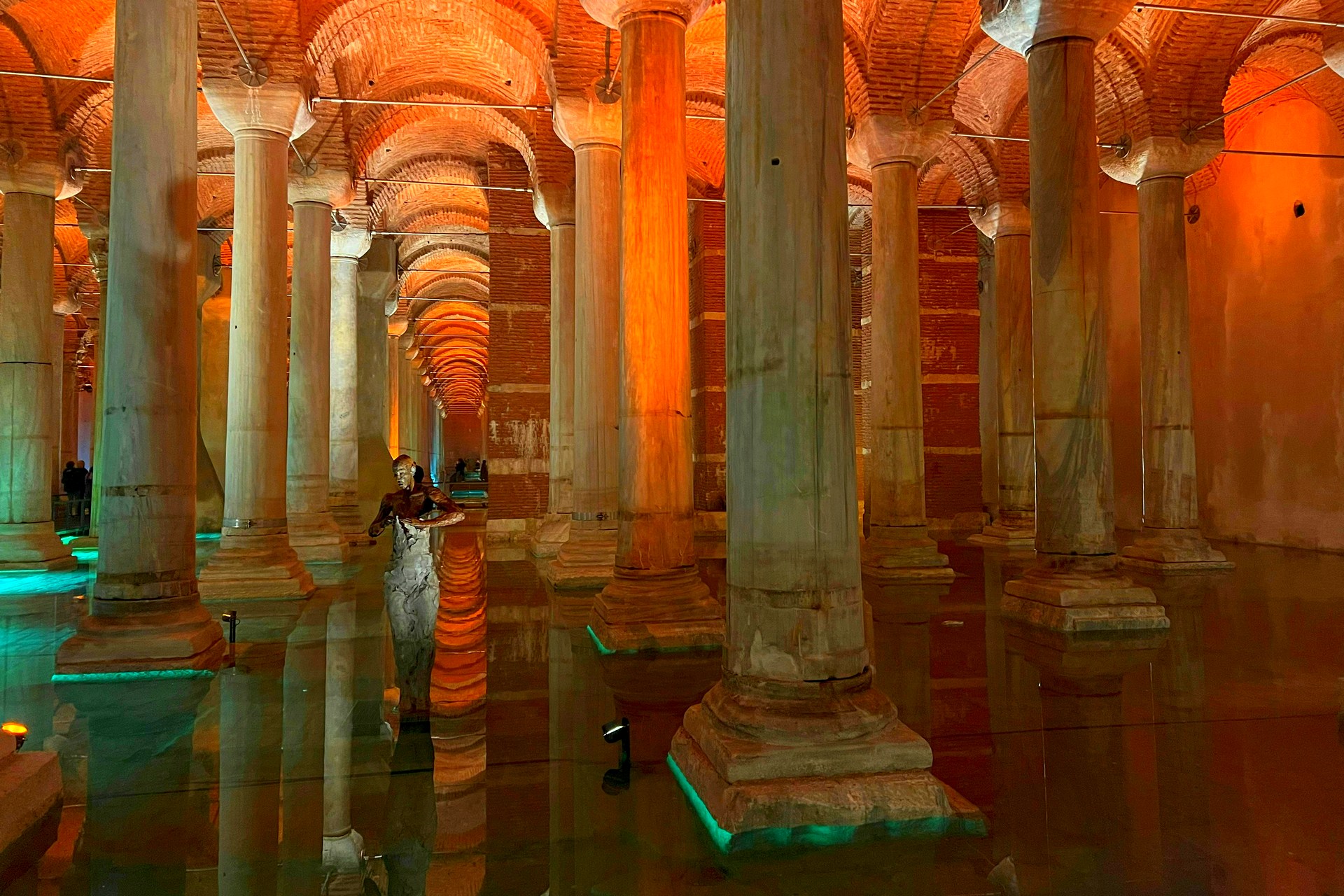
Photo by Martin Casagrand on Unsplash
The famous Medusa head column bases are among the most-photographed objects in Istanbul. The cistern underwent major restoration and seismic reinforcement works before reopening to visitors in 2022 with upgraded visitor facilities. Entry tickets should be booked online in advance during peak season.
Istanbul activities by travel type
City breaks
Istanbul is one of Europe’s most popular city break destinations, consistently ranking in the top five locations for weekend getaways from European cities. The number of world-class attractions within walking distance of Sultanahmet makes even a two-night stay doable for getting a taste of Istanbul’s culture and heritage.
- Guided walking tour of the historic peninsula (Sultanahmet, Hippodrome, Hagia Sophia).
- Sunset Bosphorus cruise from Eminönü or Beşiktaş — a non-negotiable for first-time visitors.
- Afternoon in the Grand Bazaar followed by the Spice Bazaar (Mısır Çarşısı) in Eminönü.
- Coffee and Galata Tower views in the Galata district.
- Evening in Karaköy or Beyoğlu for a meyhane dinner with meze and rakı.
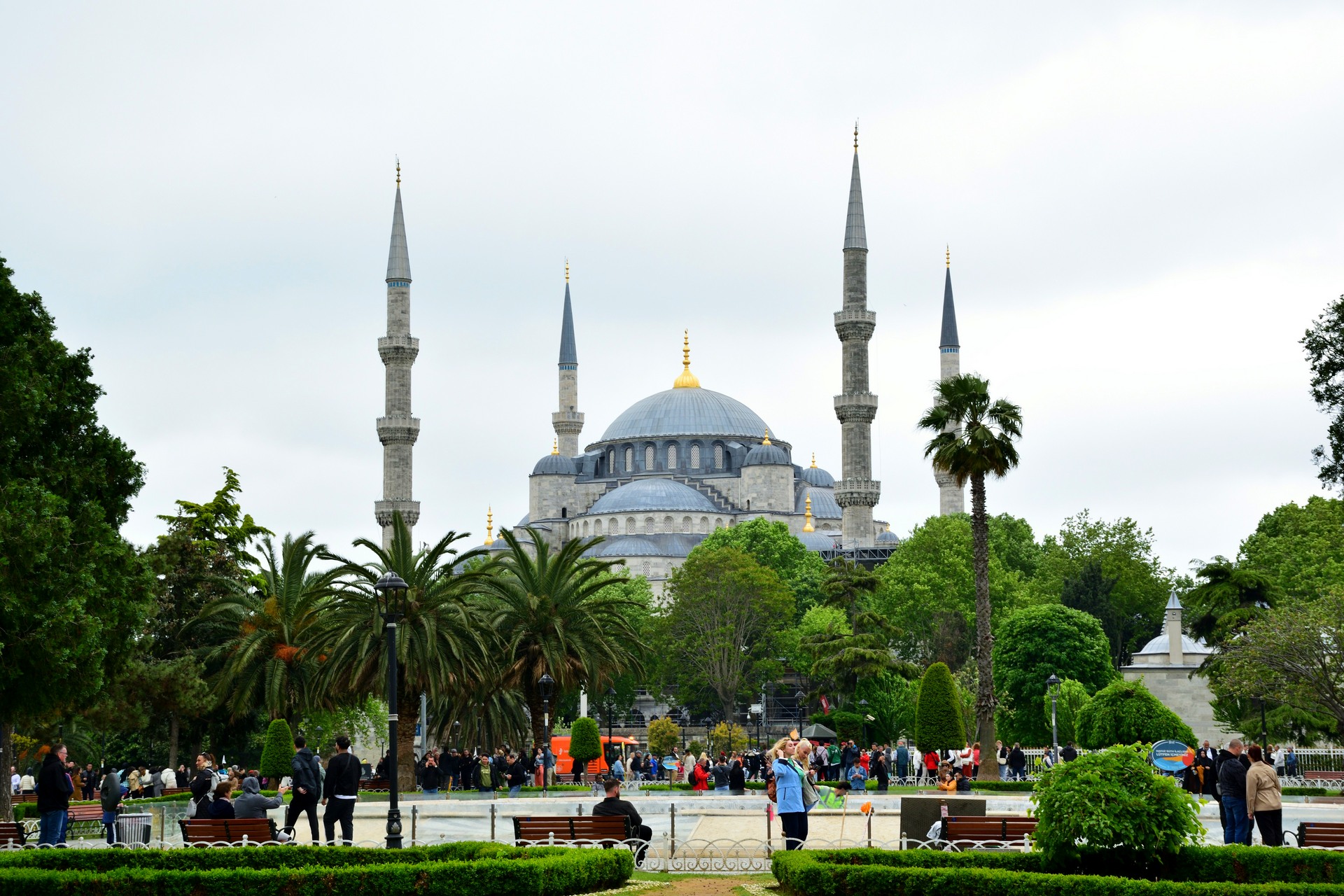
Photo by reza hoque on Unsplash
Family holidays
Istanbul is well-suited to family travel, with a mix of hands-on history, open spaces, and food that tends to appeal to younger travelers. The city’s ferry network is stroller-friendly and adds an element of adventure. The city’s Asian side, particularly Kadıköy, offers a relaxed, local neighborhood feel away from the busiest tourist areas.
- Rahmi M. Koç Museum is often compared to London’s Transport Museum with its extensive eclectic car collection. This museum is highly interactive, and kids can even go inside a real WW2 submarine.
- Vialand is a shopping center meets theme park experience with rollercoasters, thrill-rides, and a 360-degree entertainment station for visitors of all ages.
- Gülhane Park is an urban park that offers a chance for kids to burn off their energy or relax in the shady areas while adults sip on Turkish tea (çay) and admire the tulips.
- Istanbul Aquarium opened in 2011 with over 15,000 creatures across 17 unique zones. It’s ideal for families who want to avoid the higher temperatures during summer with an all-day indoor activity.
- Sightseeing cruises along the Bosphorus are the best way for families to see the main tourist sites, including Beylerbeyi Palace and Dolmabahce Palace, with young children, as it’s easier to cover a wider area without the pressure of exploring on foot.
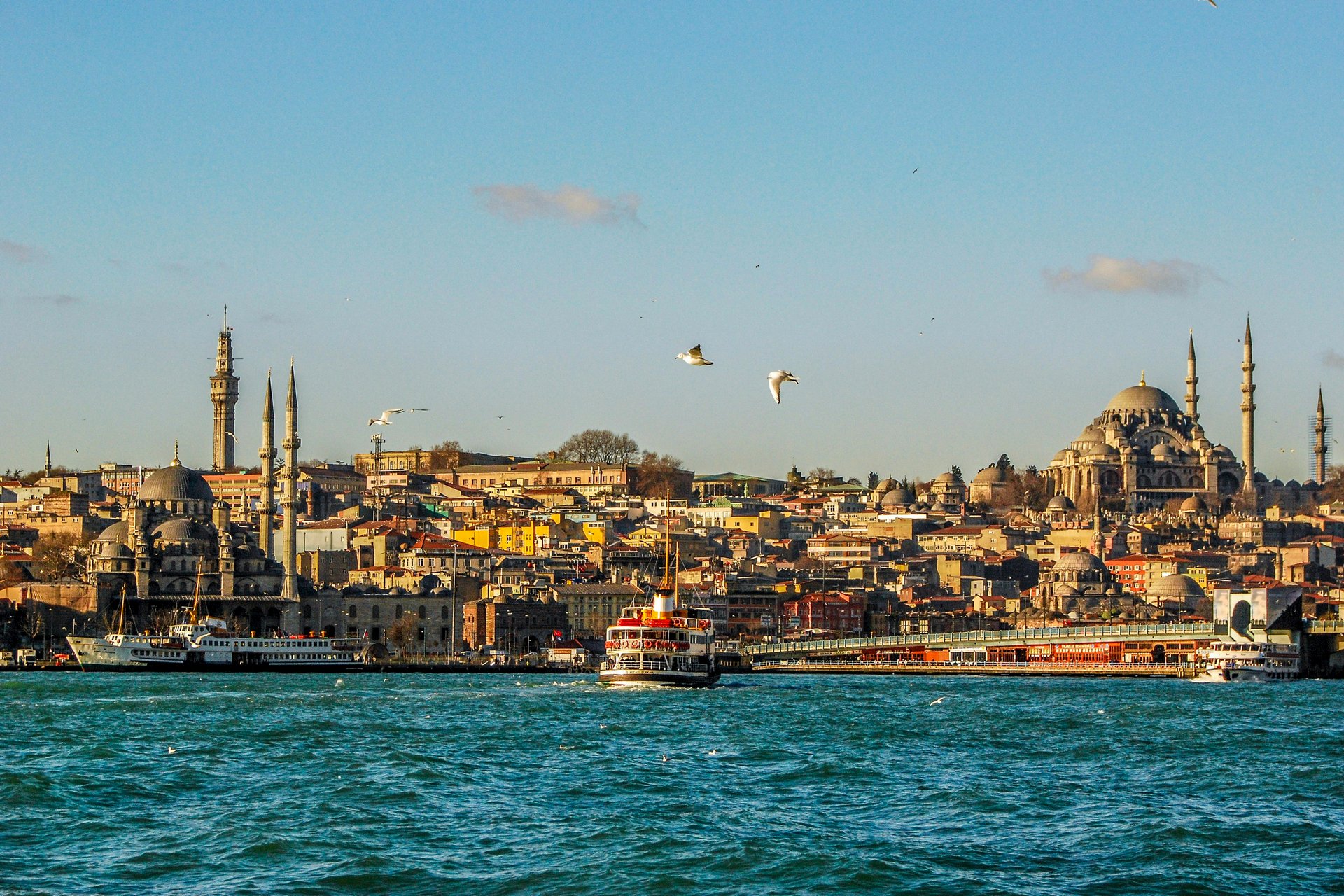
Photo by Engin Yapici on Unsplash
Luxury escapes
Istanbul’s luxury hospitality scene has matured considerably in recent years. Major international brands have joined a strong selection of independent five-star properties, offering Bosphorus views, hammam facilities, and rooftop dining. The best luxury Istanbul experiences further elevate their high-end accommodation with private cultural access and tailored dining.
- Private guided tour of the Historical Peninsula (Old City) to discover the Roman, Byzantine, and Ottoman history of the city, including the Basilica Cistern.
- Sunset dinner at a rooftop restaurant overlooking the Bosphorus in Beşiktaş or Arnavutköy, such as Banyan or the Summit Bar and Terrace at the Conrad.
- Traditional hammam experience at Çemberlitaş Hamamı (1584) or Çağaloğlu Hamamı (1741).
- Private Bosphorus yacht charter — popular for small groups, anniversary trips, and incentive travel.
- Shopping in Nişantaşı, Turkey’s leading luxury retail district, with flagship stores and local designer boutiques.
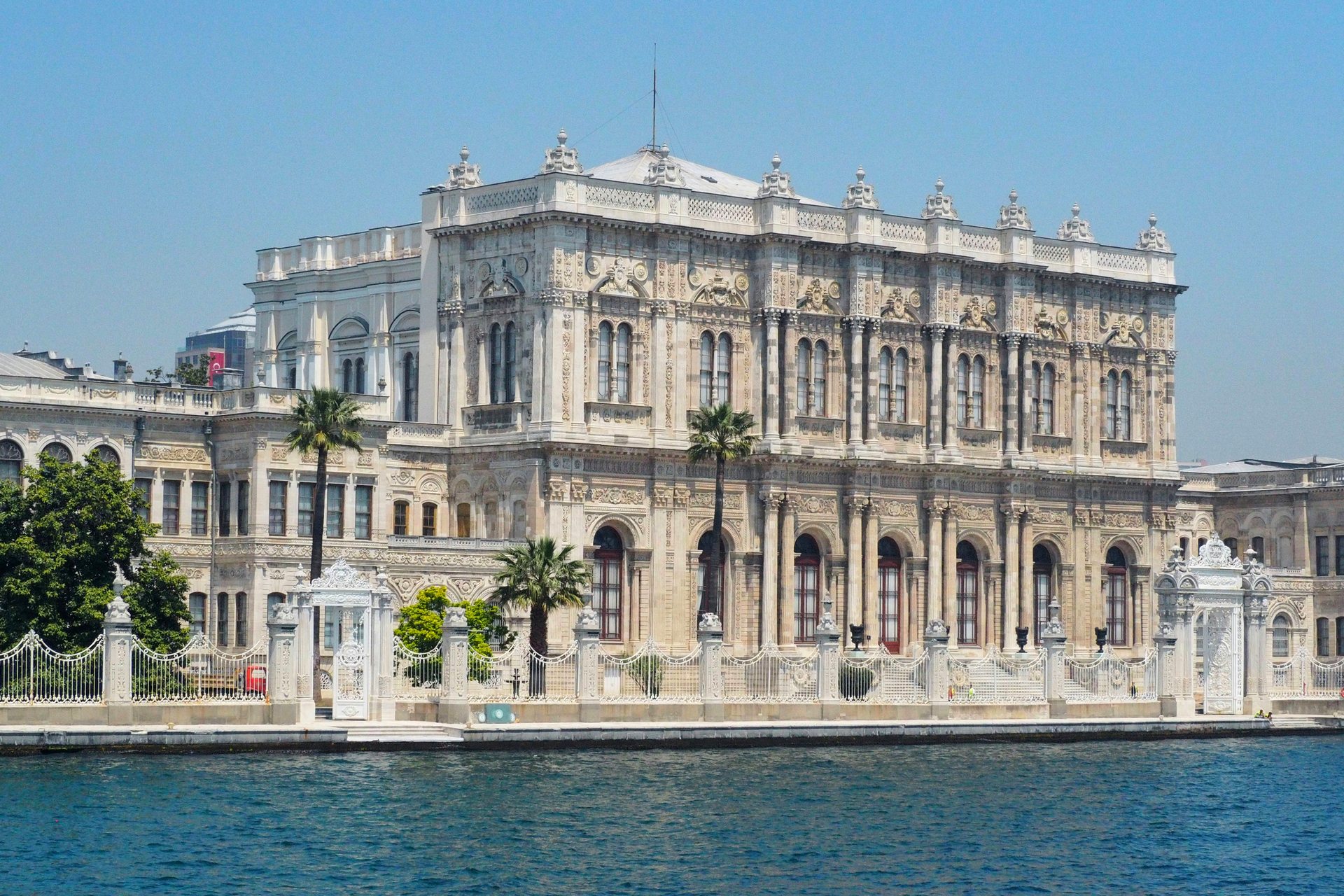
Nature and adventure trips
While Istanbul is primarily an urban destination, it offers more green space and outdoor access than most comparable European and Asian cities of its size. The Bosphorus waterfront, the Belgrad Forest, and the Princes’ Islands are the main draws for tourists who want to balance city sightseeing with open-air exploring.
- Hiking in the Belgrade Forest (Belgrad Ormanı), a large, forested area north of the city, is popular with locals for jogging and walking trails.
- Kayaking or stand-up paddleboarding on the Bosphorus. Several operators run sessions along the Strait’s European shore, suitable for all abilities.
- Cycling on the Princes’ Islands. The car-free Büyükada is the most popular island in the region for bike hire and coastal cycling.
- Bosphorus and Golden Horn kayak tour. These guided paddling tours offer a water-level perspective on the city’s historic waterfront.
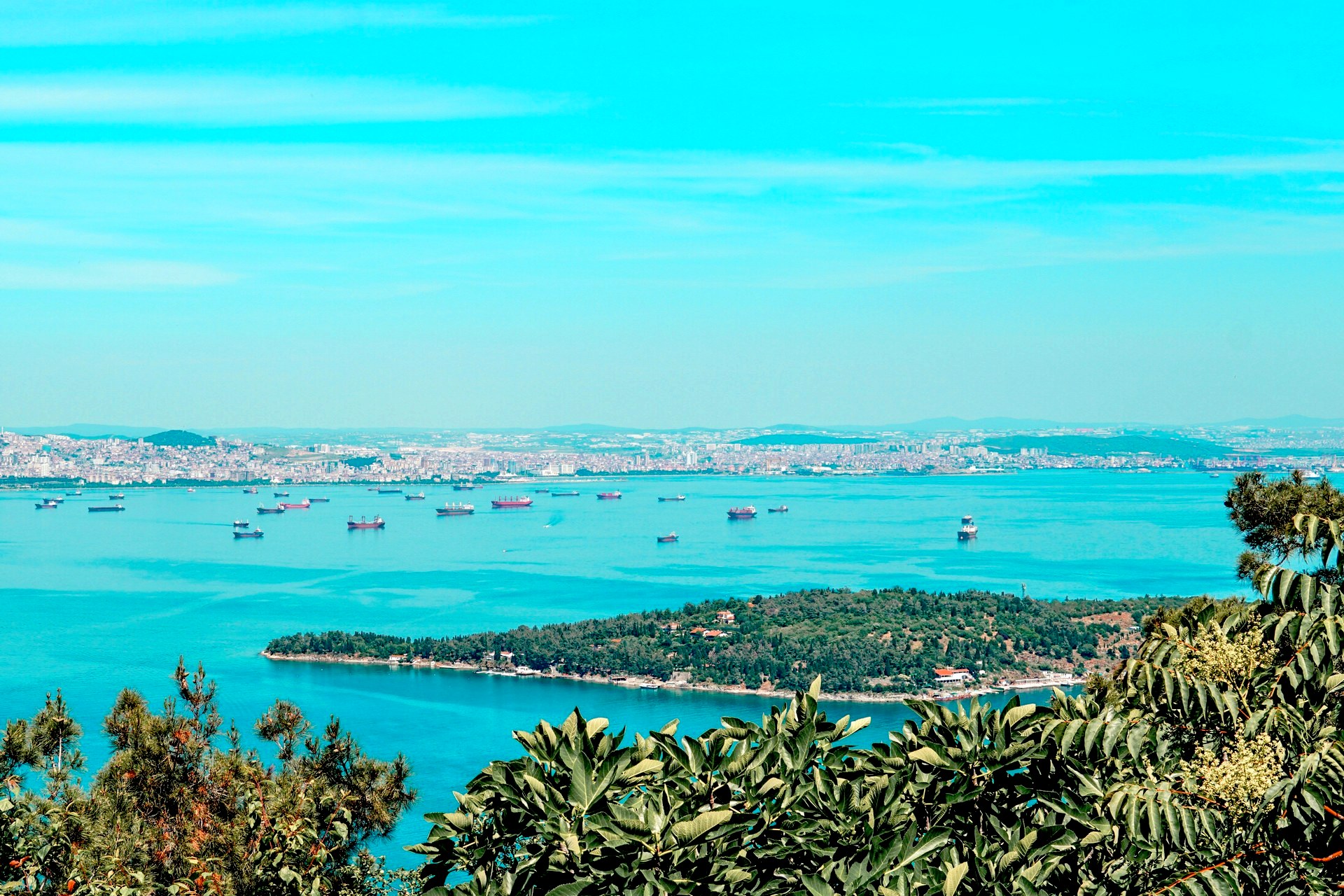
Photo by Mert Kahveci on Unsplash
Beach holidays
Istanbul itself is not a beach destination, but it serves as an excellent gateway to Turkey’s coastal regions. For clients who want to combine a city stay with beach time, the following itineraries work well.
- Istanbul + Çeşme (short flight): one of Turkey’s most fashionable beach towns, with crystal-clear Aegean water and a growing luxury resort scene.
- Istanbul + Bodrum (short flight): Turkey’s most internationally recognized beach destination, with strong villa and boutique hotel supply.
- Istanbul + Antalya (short flight): for clients wanting all-inclusive resort options alongside historical sightseeing.
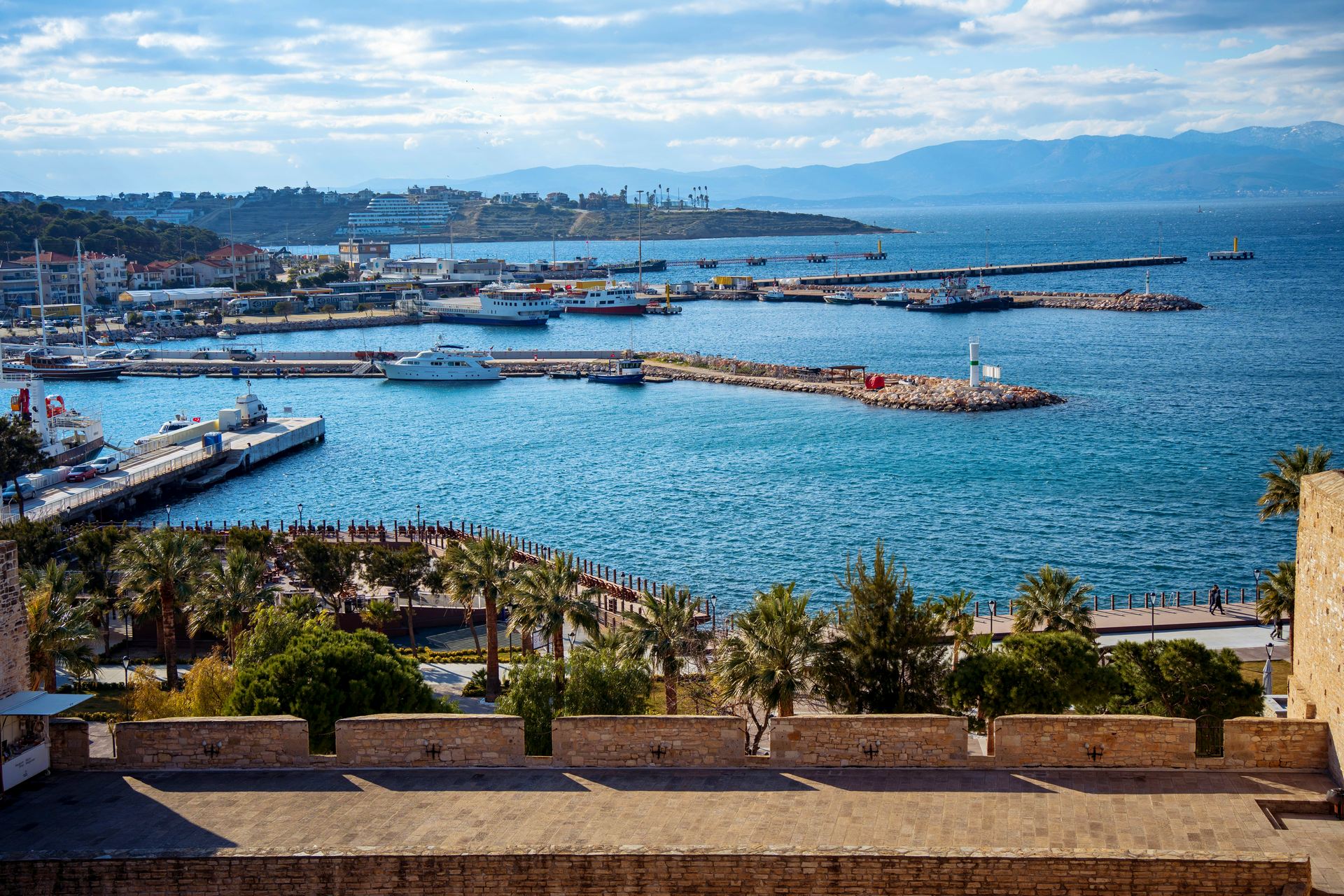
Photo by Amo Journey on Unsplash
Nearby destinations: Day trips from Istanbul
Bursa
The first Ottoman capital, located approximately 150 km from Istanbul and reachable by taking a ferry to Yalova and a short bus ride, or by direct bus service from Istanbul. Bursa is known for its historic mosques and tombs. There’s plenty to do during a day trip, including taking the cable car up Mount Uludağ (a ski resort in winter, hiking destination in summer), and exploring the local cuisine, including the famous İskender kebab.
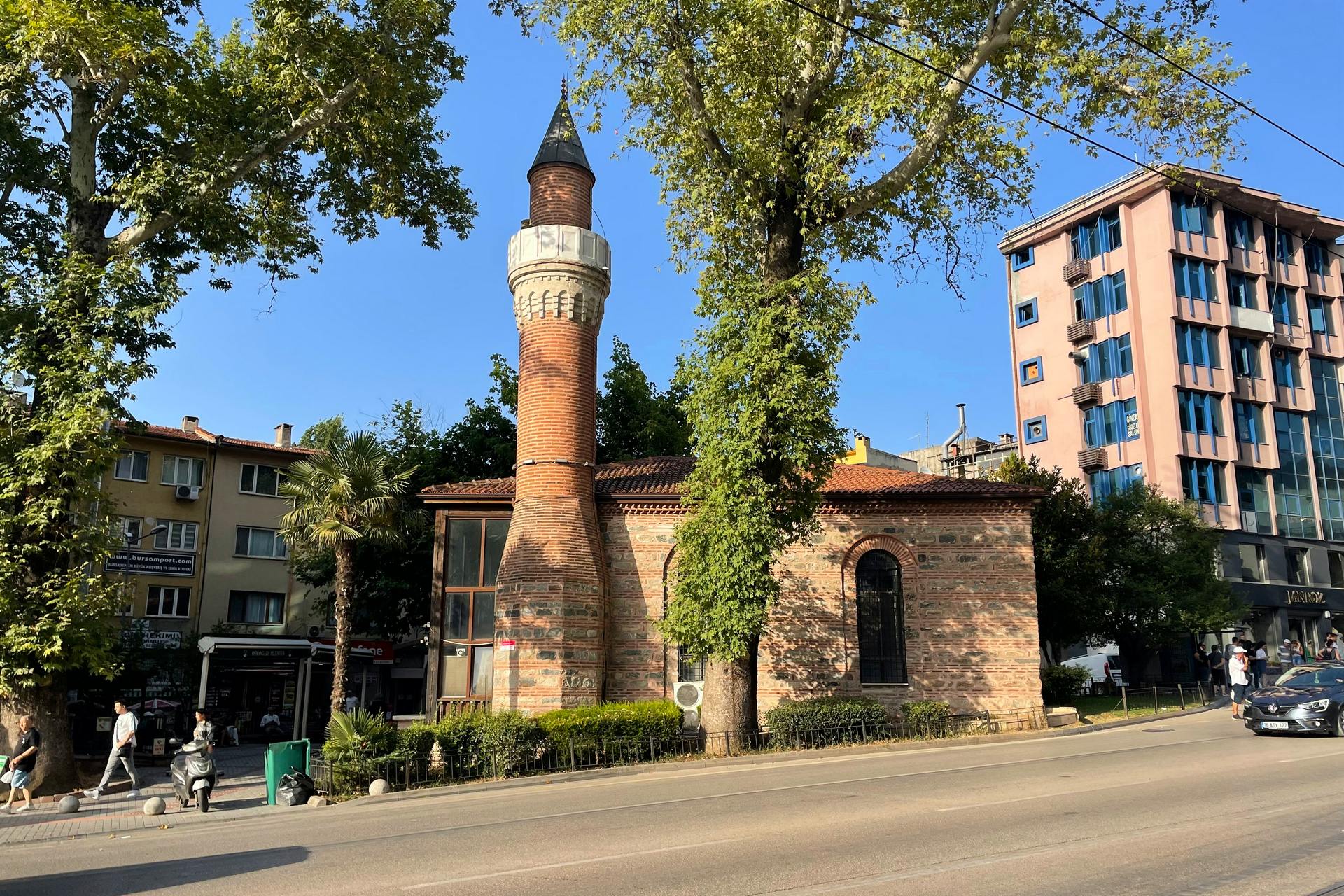
Photo by Tamerlan Mammadov on Unsplash
Edirne
Turkey’s westernmost major city, approximately 230 km from Istanbul, near the Greek and Bulgarian borders. Edirne is home to the Selimiye Mosque, commissioned by the great Ottoman architect Mimar Sinan in the 16th century, and a UNESCO World Heritage Site. It’s a comfortable day trip by coach or car from Istanbul with the Kırkpınar Oil Wrestling Festival in June and July, bringing in both domestic and international tourists.
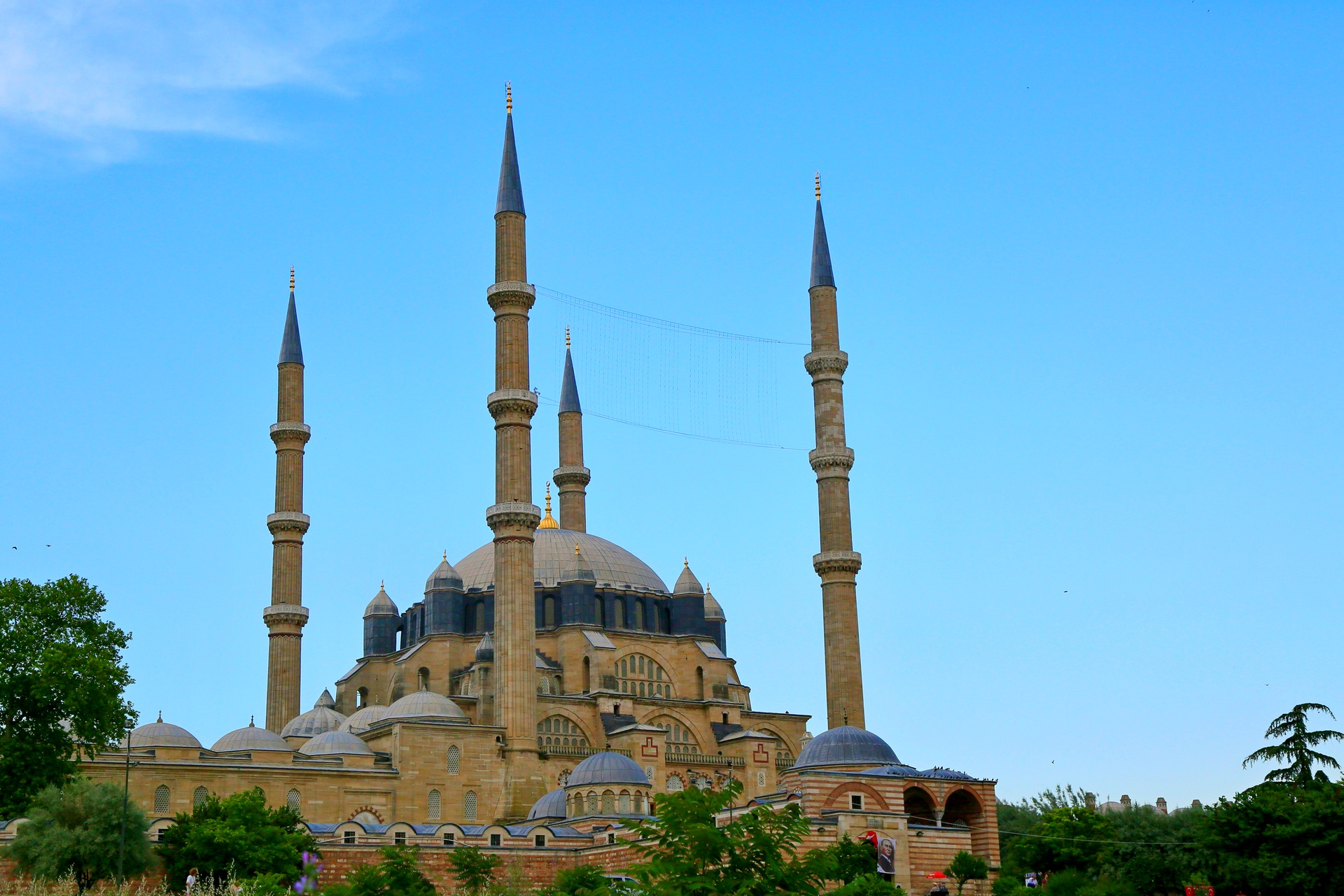
Photo by ekrem osmanoglu on Unsplash
Princes’ Islands (Adalar)
Nine islands in the Sea of Marmara, the closest of which (Kınalıada) is less than 30 minutes by fast ferry from Kabataş. Büyükada, the largest island, is known for its Victorian-era architecture, pedestrian-friendly streets, cycling routes, and electric shuttle vehicles that make it feel like a genuine step away from the hustle and bustle of the city. The islands are an easy half-day or full-day excursion, suitable for families and couples, with ferries operated frequently throughout the day.
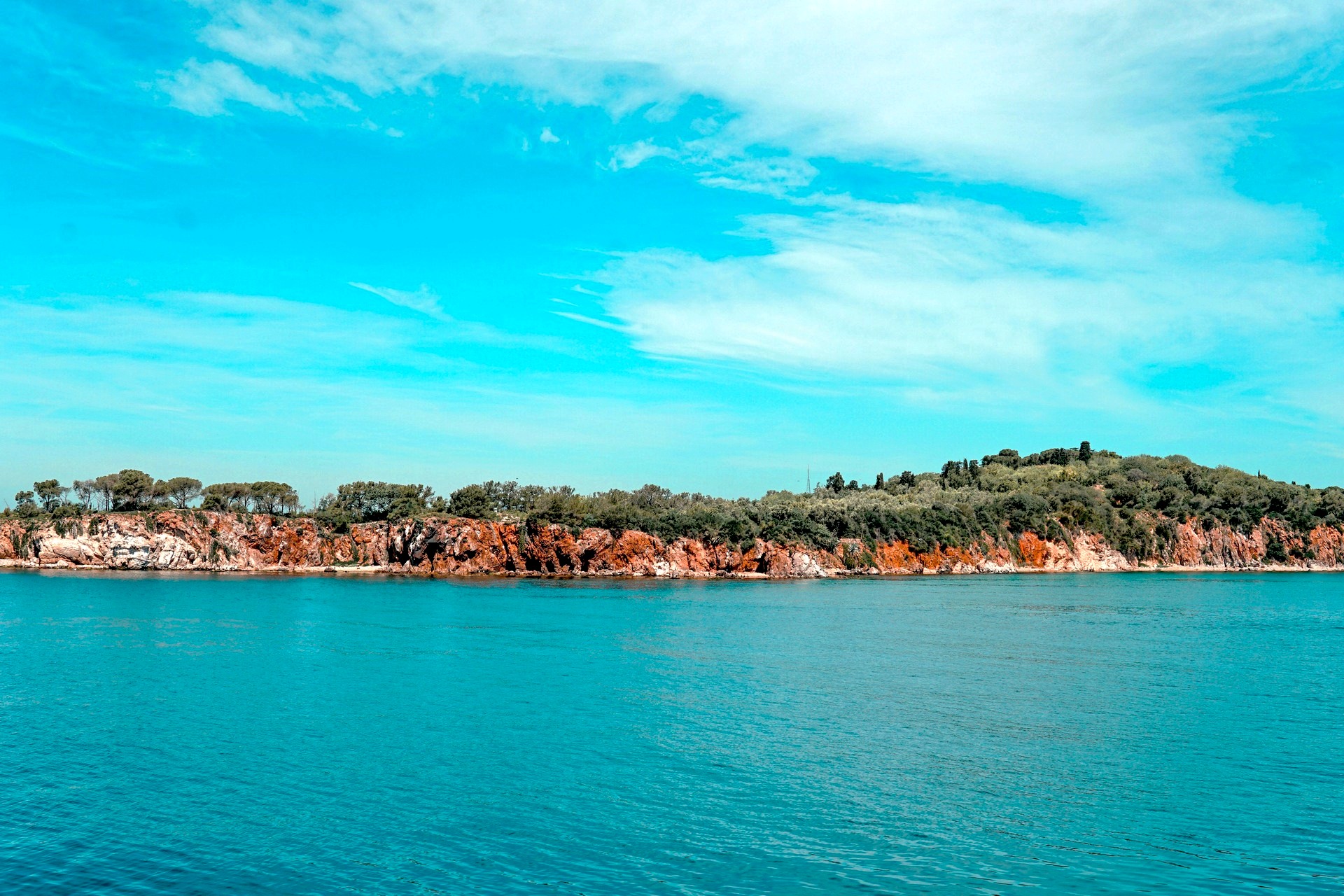
Photo by Mert Kahveci on Unsplash
Turkish food in Istanbul: What your clients should eat
Turkish cuisine has been the driving force behind the turbo-charged growth in tourism over the last decade. Istanbul is the best possible introduction to traditional Turkish cuisine, even for tourists who aren’t guided by their taste buds. A few key dishes and experiences to share with your clients include:
- Simit: the ubiquitous sesame-crusted bread ring, best eaten fresh from a street cart in the morning.
- Balık ekmek: grilled fish sandwiches served from boats moored at the Galata Bridge in Eminönü; a quintessential Istanbul street food experience.
- Meze and rakı at a meyhane: the traditional Turkish tavern meal, where small dishes arrive over a long, sociable evening.
- Köfte: Turkish meatballs, found everywhere from street stalls to sit-down restaurants; the lokanta (workers’ cafeteria) version is often the best value.
- Turkish breakfast (kahvaltı): a spread of olives, white cheese, tomatoes, eggs, honey, and bread; the Istanbul brunch culture around Kadıköy and Karaköy is particularly strong.
- Sweets: baklava from Karaköy Güllüoğlu, Turkish delight (lokum) from the Spice Bazaar, and künefe (a cheese-filled shredded wheat pastry soaked in syrup) from specialist shops in the Grand Bazaar area.
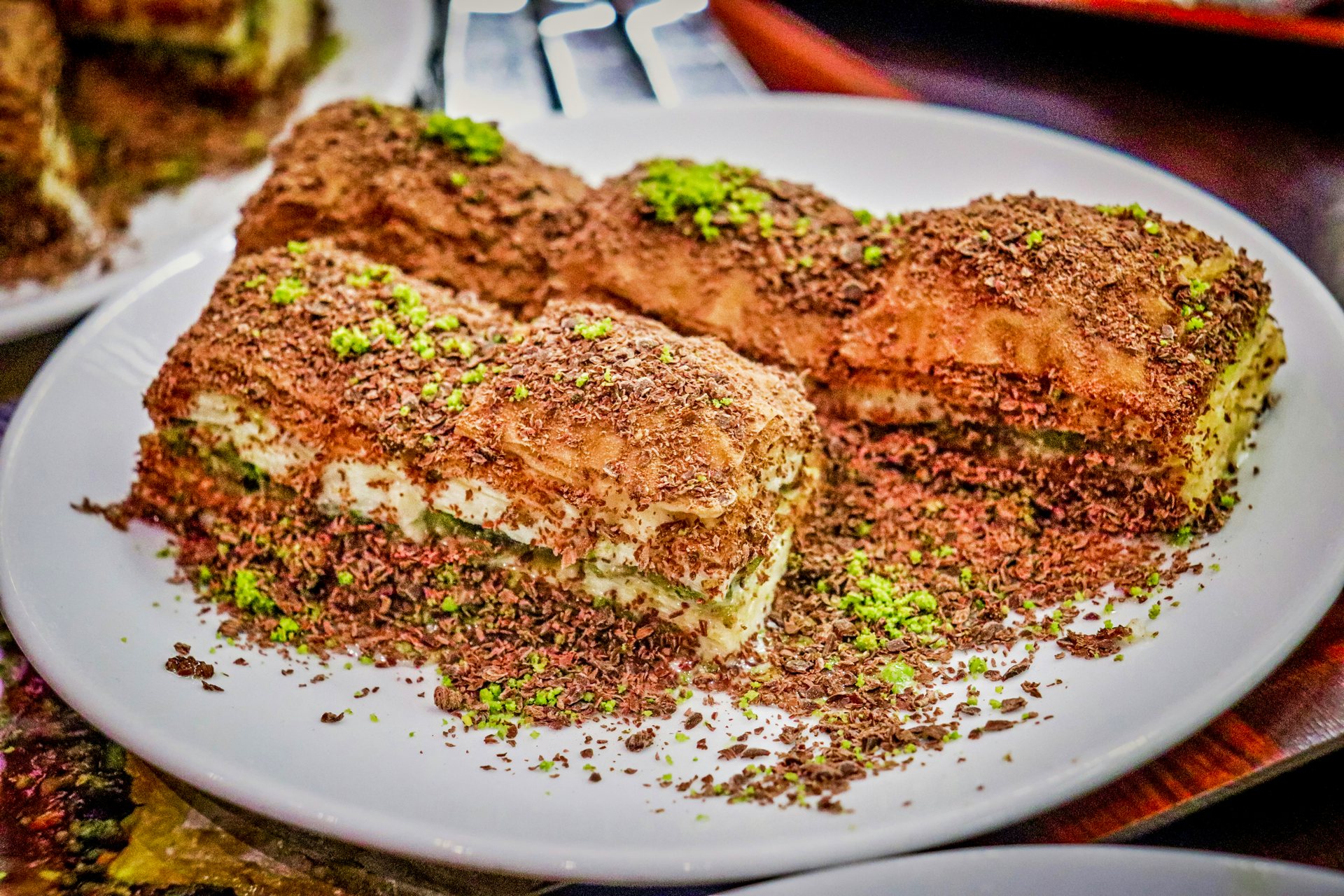
Photo by Thomas George on Unsplash
For food-focused itineraries, a morning food tour of the Kadıköy market or a guided visit to the Spice Bazaar and its surroundings is a bucket list experience that most Istanbul tour operators offer.
Insider tips
Souvenirs worth buying in Istanbul
Help your clients spend or budget wisely. The best souvenirs from Istanbul are the ones that are genuinely local and made by artisans:
- Handmade ceramics and Iznik-style tiles: Best found in the Grand Bazaar or specialist shops in Sultanahmet. Quality varies significantly, so it’s best to look for hand-painted ceramics and tiles rather than mass-produced or printed designs.
- Turkish tea glasses (ince belli) and çaydanlık tea sets: Practical, elegant, and very Turkish, the ultimate souvenir or gift for friends.
- Spices and dried fruits from the Spice Bazaar: High-quality sumac, dried apricots, and Turkish saffron make excellent gifts.
- Handwoven kilim cushion covers or small rugs: A more portable version of a classic Turkish carpet.
- Evil eye (nazar boncuğu): The iconic blue glass amulet is Istanbul’s most recognizable souvenir. Quality varies from mass-produced to beautifully handmade ornaments, jewelry, and tapestries.
- Turkish coffee and copper cezve pot: Widely available across the bazaars, and a genuinely useful set.
Betul Culhacilar,
Head of Business Development Turkey, Egypt & Jordan
“One of my best personal memories in Istanbul is experiencing the contrast between the old and modern sides of the city in a single day — having breakfast by the Bosphorus, visiting historical sites such as Hagia Sophia and the Grand Bazaar, and then ending the evening at modern rooftop restaurants overlooking the city.
What I find most captivating about Turkish culture is its hospitality. Visitors often feel genuinely welcomed, which creates a warm and memorable travel experience. Turkish cuisine, tea culture, local markets, and the balance between Eastern and Western influences also make the destination unique and unforgettable.”
Istanbul as a “Destination Next” recommendation
Istanbul is one of the strongest performing destinations on the RateHawk Destination Next tool. When clients face flight disruptions, pricing changes, or last-minute indecision around popular European or Middle Eastern itineraries, Istanbul regularly emerges as a compelling alternative — offering high supply, competitive rates, and universal appeal.
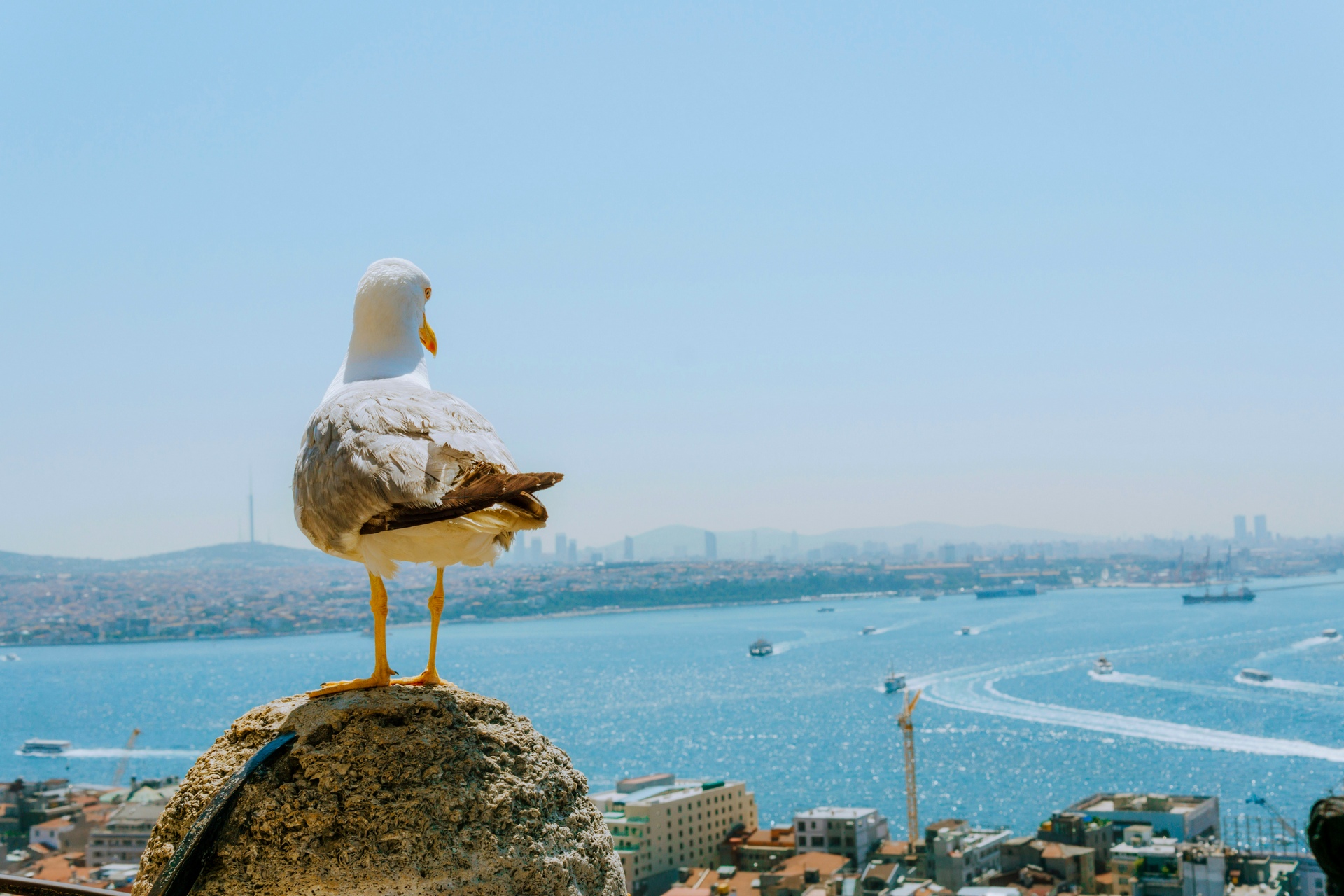
Photo by Meriç Dağlı on Unsplash
Here is when Istanbul typically surfaces as a recommendation:
- As an alternative to Rome or Athens for history-focused European city breaks. Istanbul offers a comparable depth of cultural heritage with a more distinctive, less saturated experience.
- As a substitute for Dubai or Amman when clients are reconsidering Middle Eastern itineraries due to pricing or routing changes. Istanbul offers similar accessibility, strong luxury supply, and a familiar international travel infrastructure.
- For clients expressing traveler indecision about where to go in the Eastern Mediterranean, Istanbul’s diversity of experience (cross-continental food, ancient history, the Bosphorus, luxury shopping) makes it an easy recommendation to move forward with.
- As a gateway destination for clients considering a wider itinerary for visiting Turkey. Istanbul combines well with Cappadocia (short domestic flight or overnight bus), Ephesus and the Aegean coast, and Antalya.
Ready to supercharge your Istanbul proposals?
Explore the full hotel inventory and start building your client’s next Istanbul itinerary on RateHawk.
This article is part of the Destination Next initiative by RateHawk — helping travel businesses find stronger destination alternatives when travel plans change.