
 1061
1061 18 minutes read
Content
- Why travel agents should be selling Mallorca right now
- Practical information for travel agents
- Where to stay in Mallorca: Areas and hotel options
- Top things to do in Mallorca: Must-see places
- Mallorca activities by travel type
- The best day trips within Mallorca
- Mallorcan food: What your clients should try
- Insider tips for Mallorca
- Mallorca as a “Destination Next” recommendation
Why travel agents should be selling Mallorca right now
Mallorca is one of the most enduring and versatile destinations in the European travel portfolio, an island that genuinely delivers for every type of client. Here’s how:
- The beautiful cala coves of the east and south coast with turquoise waters; a staple for nature-lovers and adventure seekers alike.
- The dramatic mountain scenery of the UNESCO Serra de Tramuntana with long-distance and day hiking opportunities.
- The increasingly sophisticated city of Palma de Mallorca is the ultimate weekend getaway for Europeans or to incorporate into a multi-city itinerary.
- A food culture that has grown well beyond the island’s package-holiday origins.
For agents using RateHawk’s Destination Next tool, Mallorca’s supply depth across Palma, the north coast, the east coast, and the mountain range means it can absorb a wide range of client profiles without compromising the recommendation. Whether your client needs a luxury boutique hotel in Deià, a family beach resort in Alcúdia, a city hotel in Palma for a long weekend, or a finca in the hills for a cycling trip, the inventory is there to deliver an unforgettable experience.

Dragos Stan,
Sales Manager Spain
“Mallorca is having a strong year. What’s changed is the seasonality — shoulder season (April–May, September–October) is meaningfully growing , not just as overflow from summer but as a preferred choice for many travellers.
Families fill it up in July and August — school holidays, beach, done. But the more interesting growth is coming from French and German travellers, Nordic visitors, hikers and cyclists who come specifically for the Tramuntana, and groups who want something more than just a sun holiday. Couples aged 30–55 dominate the shoulder season bookings.”
Practical information for travel agents
Travel guidelines
Weather and best time to visit Mallorca
- Peak Season (June–August): Hot and sunny (28–33°C), the island is at maximum visitor numbers. The best beaches and cala coves are busy and beautiful. Hotels at peak rates; advance booking essential. June offers good weather with slightly lower prices and crowds than July and August.
- Shoulder Season (May, September–October): The best time to visit Mallorca for most clients. Comfortable temperatures (20–27°C), warm sea, manageable crowds, and meaningfully better hotel value. September is particularly strong as the sea remains warm, visitor numbers thin, and the island is at its most pleasant.
- Low Season (November–April): Quieter, cooler (12–18°C), and significantly cheaper. Many seasonal coastal resorts reduce operations or close between November and March, though Palma and a growing number of luxury, wellness, and cycling-focused properties operate year-round. February through April is now one of Mallorca’s busiest cycling periods, particularly around Port de Pollença, Alcúdia, and Playa de Muro.
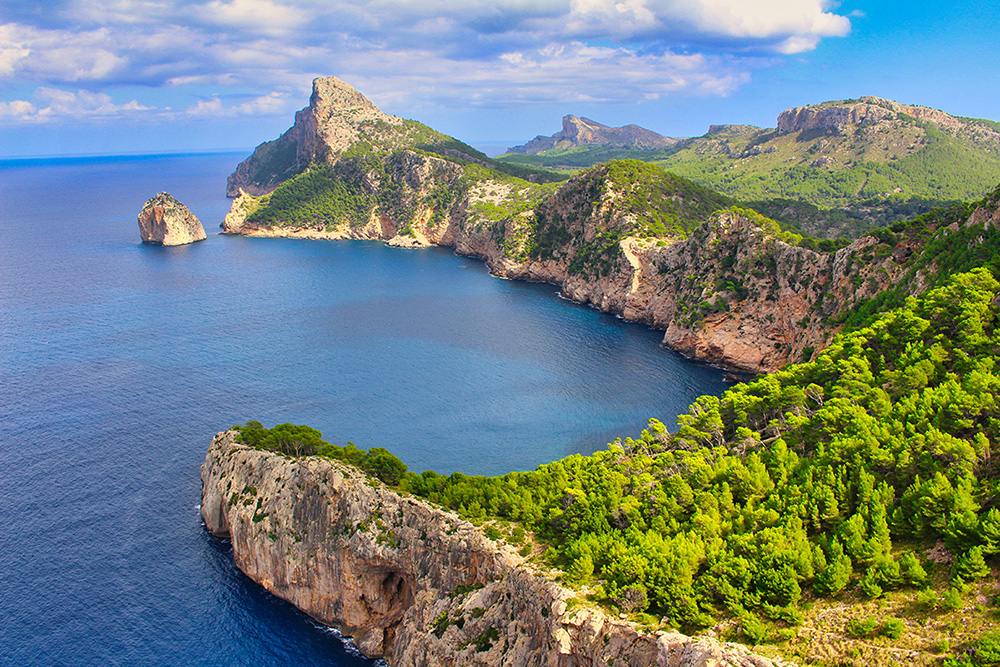
Photo by DJ Nick Otronic on Unsplash
Mallorca fun facts
- Mallorca is the largest Balearic island at approximately 3,640 km² with over 200 beaches and cala coves, from broad sandy resort beaches to hidden limestone coves accessible only by boat.
- The Serra de Tramuntana, along Mallorca’s northwest coast, is a UNESCO World Heritage Cultural Landscape, recognised for its centuries-old system of dry-stone walls, terraces, and water channels.
- Construction of Palma de Mallorca’s cathedral, La Seu, began in 1229 and took nearly 400 years to complete. Antoni Gaudí was commissioned to redesign the interior in 1904, and his modifications continue to be debated by Mallorcan art historians to this day.
- Chopin and George Sand spent the winter of 1838–39 in the monastery of Valldemossa. Sand’s memoir ‘A Winter in Majorca’ documents the stay, and the village remains one of the most visited stops on the island.
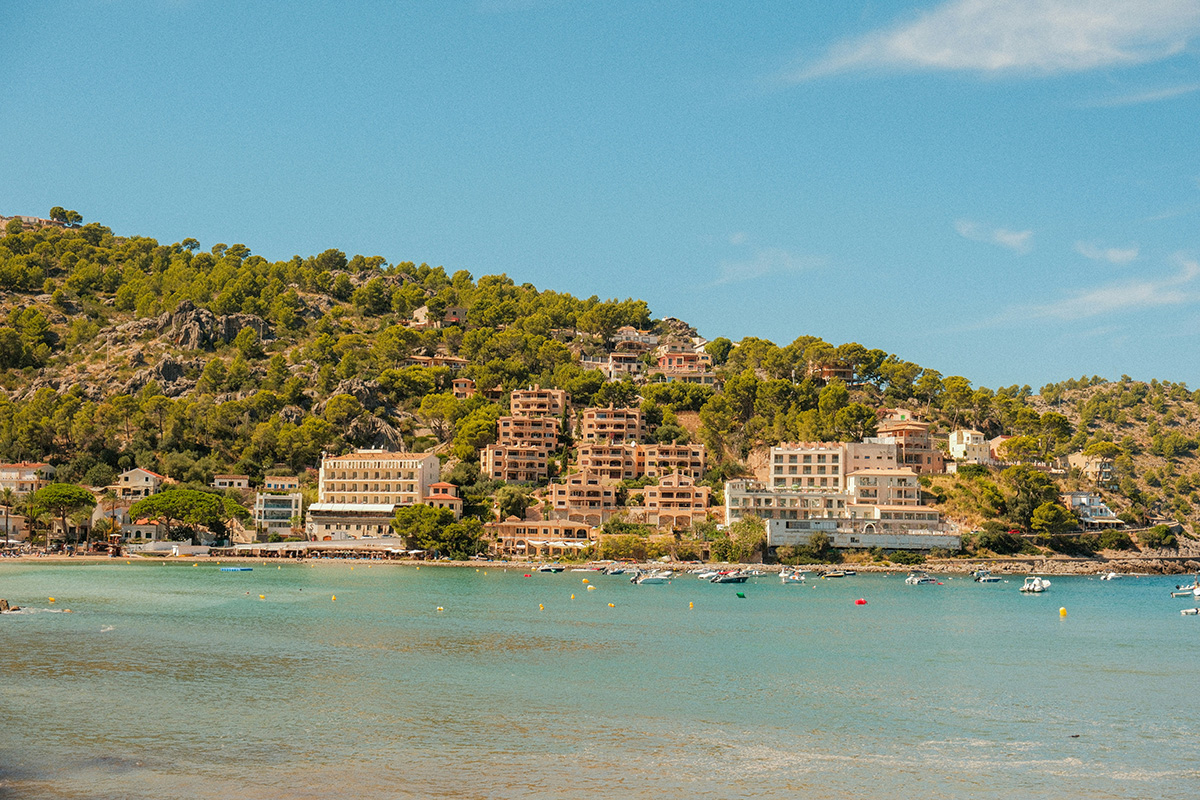
Photo by Alexis Presa on Unsplash
Getting around Mallorca
A hire car is the most liberating way to explore Mallorca and essential for reaching the cala coves of the east coast, the mountain villages of the Serra de Tramuntana, and the quieter rural interior. The alternatives are useful but limited:
- Car hire: Roads are generally well-maintained; mountain roads in the northwest require more care. Parking in central Palma is challenging, so advise clients to use a car park and explore the city on foot.
- Bus: TIB (Transport de les Illes Balears) connects Palma with major towns, including Sóller, Alcúdia, Manacor, and Pollença. A practical option for individual day trips from Palma without a car.
- Heritage train and tram: The railway from Palma to Sóller (running since 1912) and the connecting orange tram to Port de Sóller are both a transport option and one of the most enjoyable experiences in Mallorca. The scenic mountain journey takes approximately one hour.
- Taxi and ride-hailing: Taxis are available in Palma and major resort areas. Cabify operates in Palma. Pre-booked private transfers are the most convenient airport option.
RateHawk insight
Transport is the easiest way to showcase your expertise as a travel agent and optimize the value of your packages. RateHawk makes it easy to offer airline tickets, airport transfers, and car rentals as part of your Mallorca bookings. These add-ons demonstrate the practical support you can give clients, especially those who are visiting Spain for the first time.
Where to stay in Mallorca: Areas and hotel options
Palma de Mallorca: The capital city
Ideal for: City-break travellers, food lovers, and clients who want beach access without leaving an urban base.
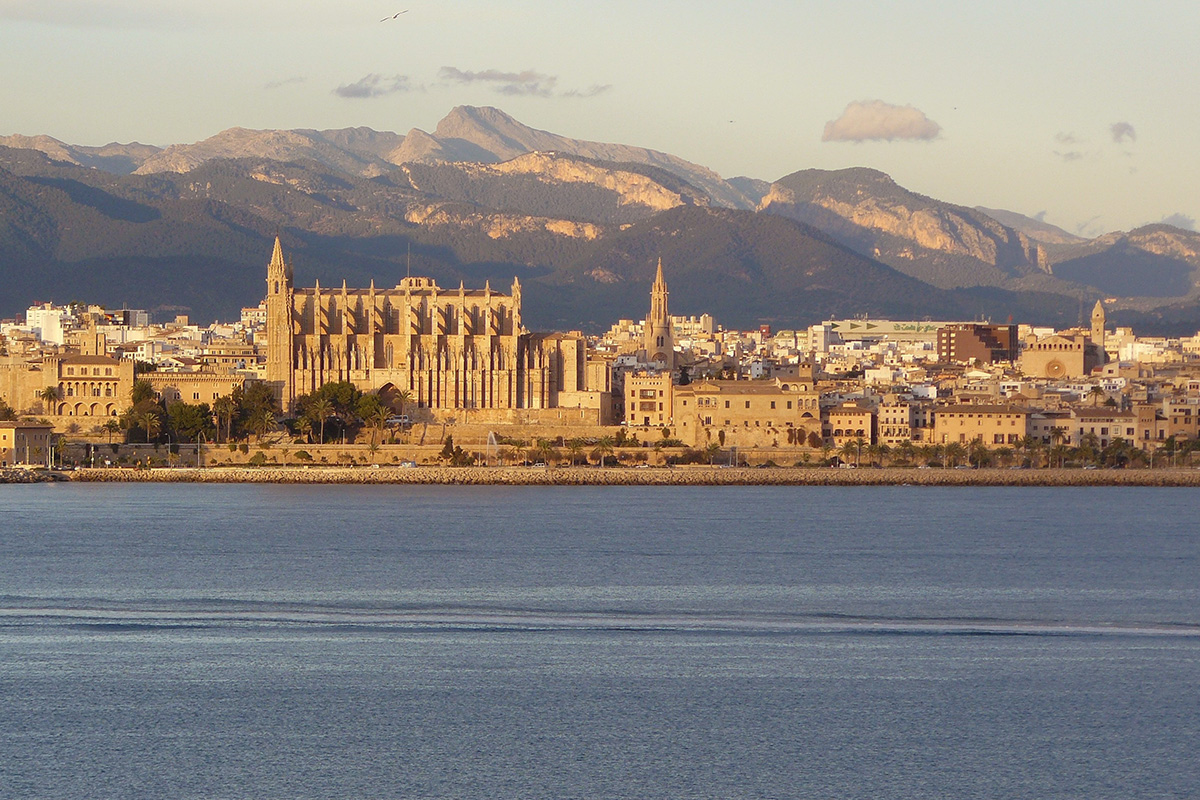
Palma is Mallorca’s most sophisticated base and one of the Mediterranean’s strongest short-break city destinations. The old town, centred on the Gothic cathedral La Seu and the Almudaina Palace, is highly walkable.
The Passeig des Born boulevard and the Born district are lined with boutiques and café terraces. Palma’s restaurant scene, anchored by Michelin-starred restaurants, is world-class. Hotels range from boutique properties in restored city mansions to the island’s finest five-star hotels overlooking the bay.
The Southwest Coast: Portals Nous, Illetes, and Camp de Mar
Ideal for: Luxury clients who want Palma’s sophisticated amenities with immediate beach access.
The southwest coast, within 20–30 minutes of Palma, is home to some of the island’s most exclusive beach clubs, yacht marinas, and upscale resort accommodation. Illetes — a calm, clear cala just south of Palma — is widely regarded as one of the finest urban beaches in the Mediterranean.
The North: Alcúdia, Pollença, and Port de Pollença
Ideal for: Solo travellers and families who want a quieter, more local feel.
The north of Mallorca offers a less developed, beautiful alternative. It’s home to the best family beaches at Alcúdia Bay, the medieval walled town of Alcúdia inland, and the atmospheric town of Pollença with its Sunday market and Calvary Steps. Port de Pollença is a charming low-rise resort on a beautiful bay.
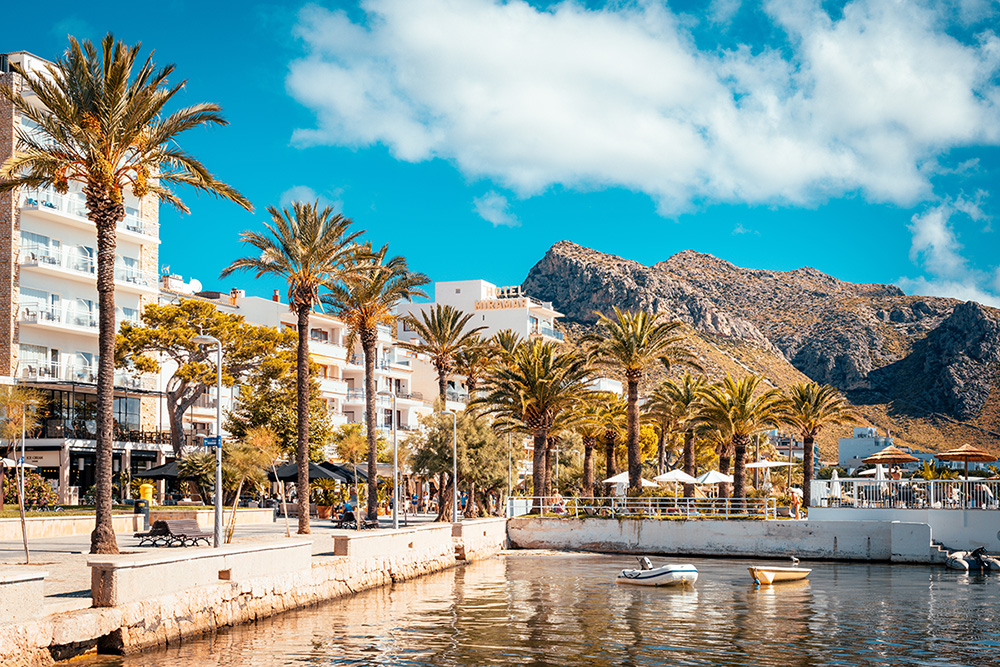
Photo: Photosbypatrik / Shutterstock.com
The Serra de Tramuntana: mountain village hotels
Ideal for: Sophisticated travellers seeking seclusion and beauty over beach access.
The mountain villages of the northwest — Deià, Sóller, Valldemossa, and Fornalutx — offer a completely different Mallorca from the coast. Stone-built finca hotels and boutique guesthouses with mountain views and olive grove gardens are the defining accommodation type. Deià, in particular, with its cluster of high-quality restaurants and artistic heritage, has developed a mature luxury hospitality market centred on boutique finca hotels and destination dining.
Top things to do in Mallorca: Must-see places
1. Palma de Mallorca: Cathedral, Old Town, and Waterfront
Palma de Mallorca is one of the Mediterranean’s finest city destinations and far more than just a transit point. La Seu, the Gothic cathedral dominating the waterfront, is known for its vast Gothic interior and enormous rose window, among the largest in Gothic architecture; Antoni Gaudí modified the interior in the early 20th century.
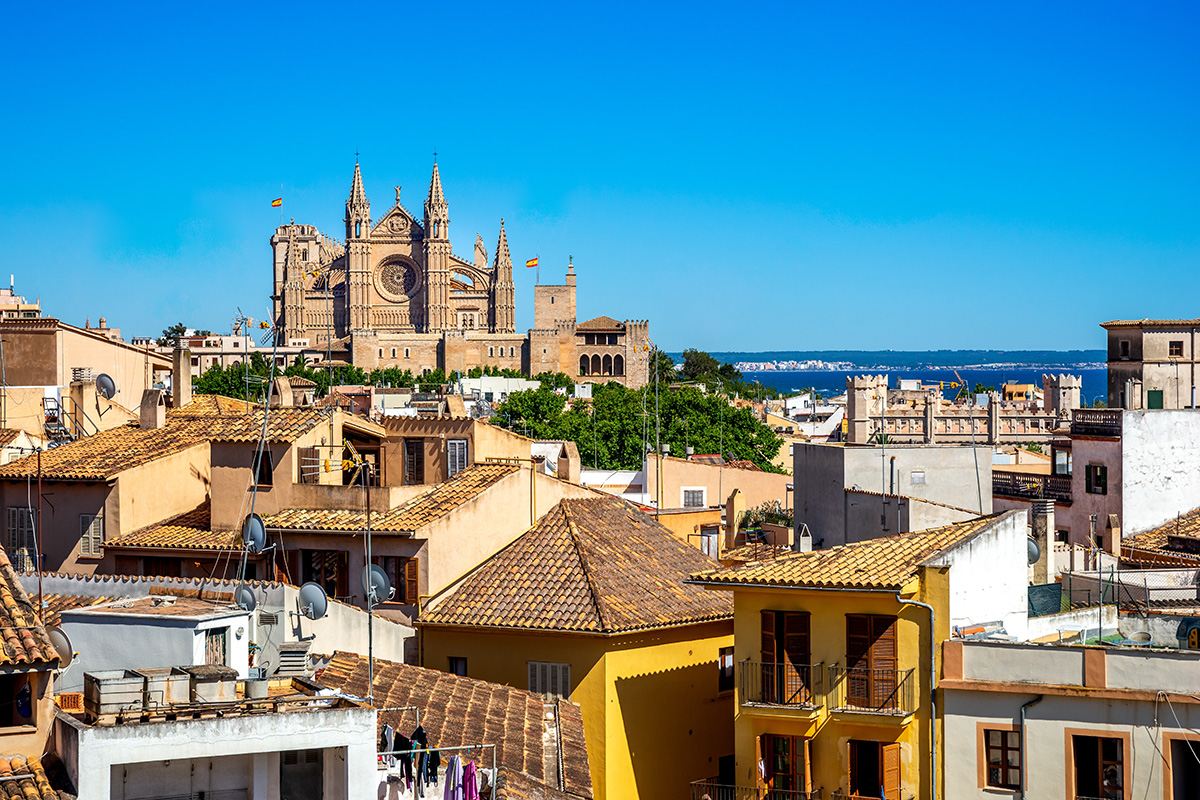
Photo: Sina Ettmer Photography / Shutterstock.com
Next door, the Almudaina Palace remains an official royal residence used for state functions during royal visits to Mallorca. The old town with its Arab baths, noble palaces, and the maze of streets around the Plaça Major is best explored over a full morning on foot. The Passeig des Born, the rooftop bars of the waterfront hotels, and Palma’s excellent restaurant scene complete a city that calls for at least a two-day stay.
2. The best beaches in Mallorca: a cala guide
Mallorca has over 200 beaches and cala coves. Here are the most important ones to know by area:
- Es Trenc (south coast): Mallorca’s most famous wild beach: a long, undeveloped stretch of white sand and clear water, backed by dunes, with limited development compared with most major resort beaches. One of the most beautiful beaches in Mallorca for clients wanting a natural experience.
- Cala Mondragó (southeast): A protected natural park beach set in pine forest; one of the most beautiful cala coves on the island and less crowded than its reputation suggests if visited before 10 AM or after 4 PM.
- Calo des Moro (southeast): A small, dramatic cala at the end of a rough track; one of the most Instagrammed beaches in Mallorca; arrive very early or expect a significant wait to access the beach.
- Cala Formentor (north coast): A stunning narrow cala surrounded by pine-forested cliffs at the end of the dramatic Cap de Formentor road; adjacent to the historic Hotel Formentor estate. Best visited on a weekday morning.
- Alcúdia Bay (north coast): The island’s best family beach: long, gently shelving, calm water, excellent sand, and all facilities.
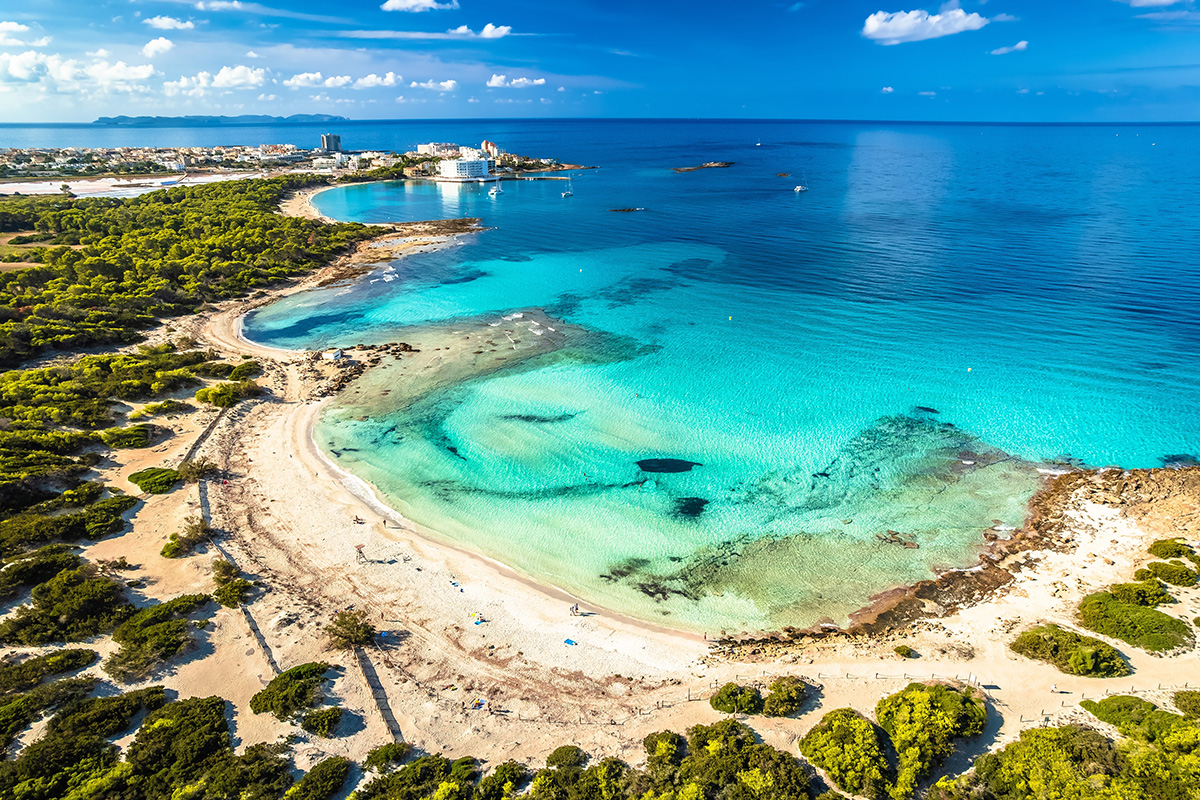
Photo: xbrchx / Shutterstock.com
RateHawk insight
Mallorca’s most famous calas and scenic drives can experience significant congestion in July and August. Early starts, advance restaurant reservations, and pre-booked parking or transfers materially improve the client experience.
3. Sóller and the Serra de Tramuntana
The mountain town of Sóller, set in a wide valley of orange and lemon groves surrounded by peaks, is one of the most beautiful places on the island. The heritage railway from Palma — winding through tunnels and over stone viaducts in vintage carriages — is one of the most enjoyable transport experiences in Spain.
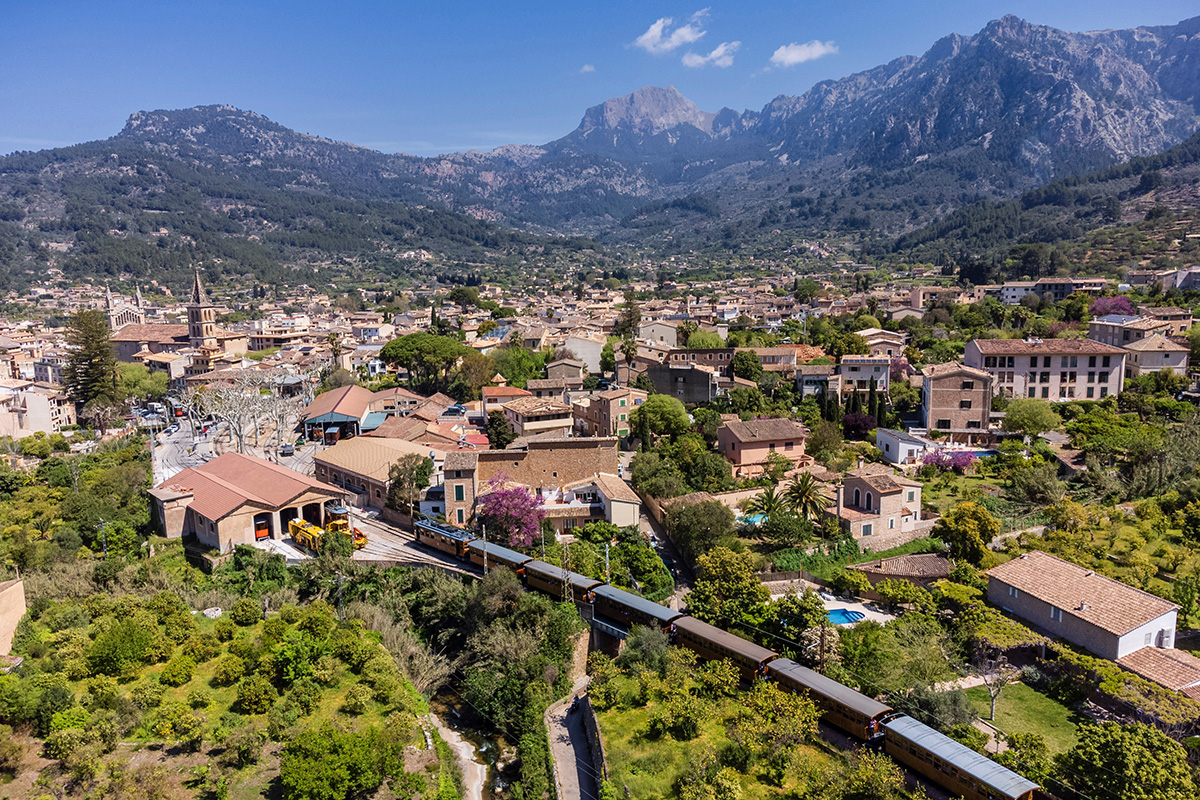
Photo: tolobalaguer.com / Shutterstock.com
Visitors can easily fill an afternoon at Sóller with the Plaça de la Constitució, the Modernista bank, the local market, and the tapas bars around the main square. The orange tram from Sóller to Port de Sóller adds a further scenic dimension. The mountain villages above — Fornalutx and Biniaraix — are among the most beautiful in the Balearic Islands.
4. Valldemossa and Deià: two villages worth the drive
Valldemossa, 17 km north of Palma, is one of Mallorca’s most visited stops. Its stone streets, the monastery where Chopin and George Sand spent the winter of 1838–39, and views over olive terraces and the sea make it a compelling inclusion in any Mallorca itinerary.
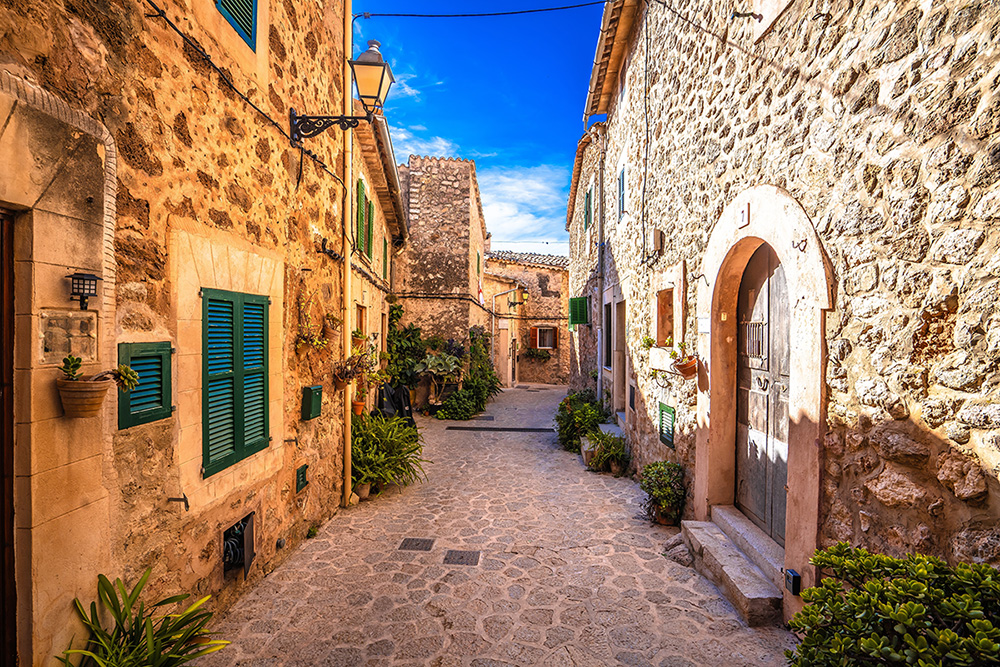
Photo: xbrchx / Shutterstock.com
Continue north along the stunning coastal road to Deià, a small village clinging to the hillside above the sea, beloved by artists and writers since Robert Graves settled here in 1929. The views from Deià over the Mediterranean are among the best on the island; the restaurant scene, led by the Michelin-starred Es Racó d’es Teix, is exceptional for a village of its size.
5. Cap de Formentor: Mallorca’s most dramatic viewpoint
Cap de Formentor, the rocky promontory at the northernmost tip of Mallorca, offers the island’s most dramatic coastal views and one of the finest drives in Spain. The road from Port de Pollença twists along the cliff edge for approximately 20 km, past the Mirador des Colomer lookout and through pine forest to the lighthouse at the cape. The views over the jagged Formentor cliffs and the deep blue sea are extraordinary.
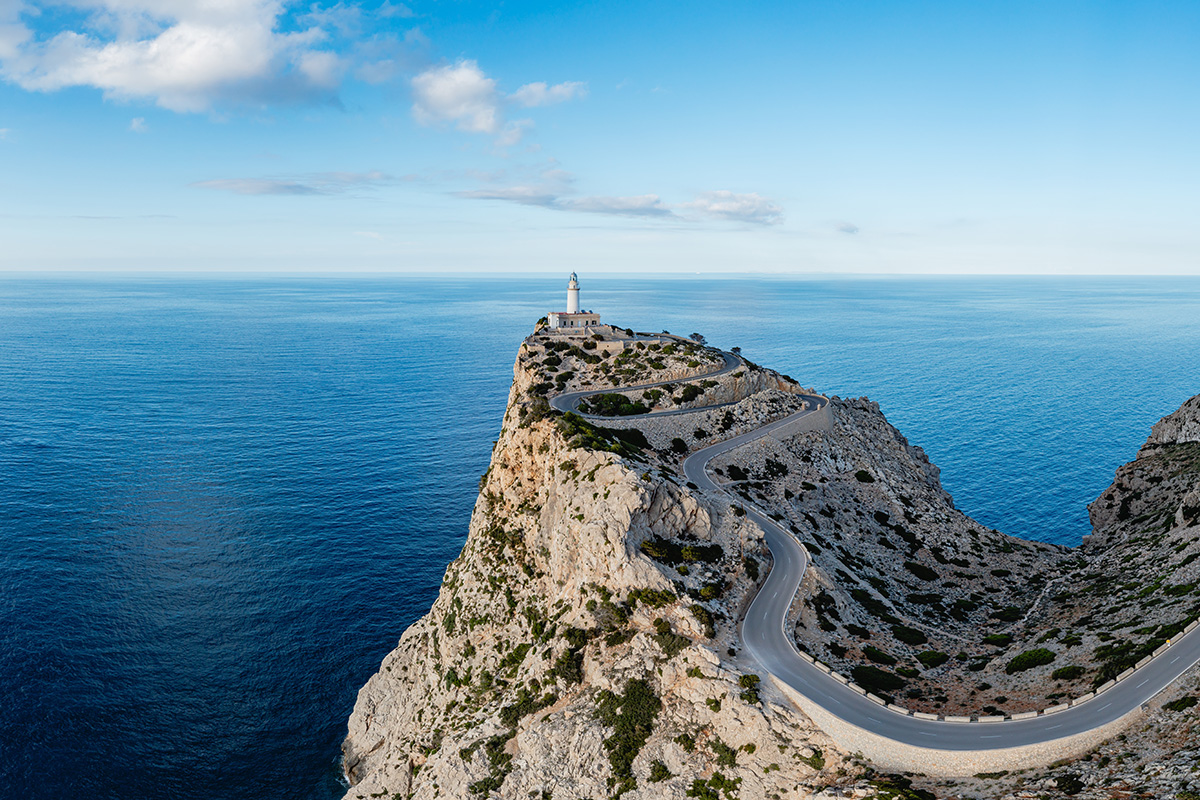
Photo: ArtBBNV / Shutterstock.com
RateHawk insight
Private vehicle access is seasonally restricted during peak summer months, typically June to September. Shuttle buses usually operate from Port de Pollença, though access rules can change annually, so agents should verify current restrictions before advising clients.
Mallorca activities by travel type
Beach holidays
- Cala hopping by hire car along the east or southeast coast: Visiting Cala Mondragó, Cala Llombards, and Calo des Moro in a single day is one of the best things to do in Mallorca; arrive at the cala before 10 AM for parking and uncrowded water.
- Boat trip to hidden calas: Operators in Port de Pollença, Alcúdia, and Porto Cristo run half- and full-day trips to cala coves that are inaccessible by road; the best way to see the most beautiful and least visited beaches in Mallorca.
- Es Trenc beach day: Pack a picnic, arrive early, and spend the day on Mallorca’s finest stretch of undeveloped white sand; the naturist section is at the eastern end.
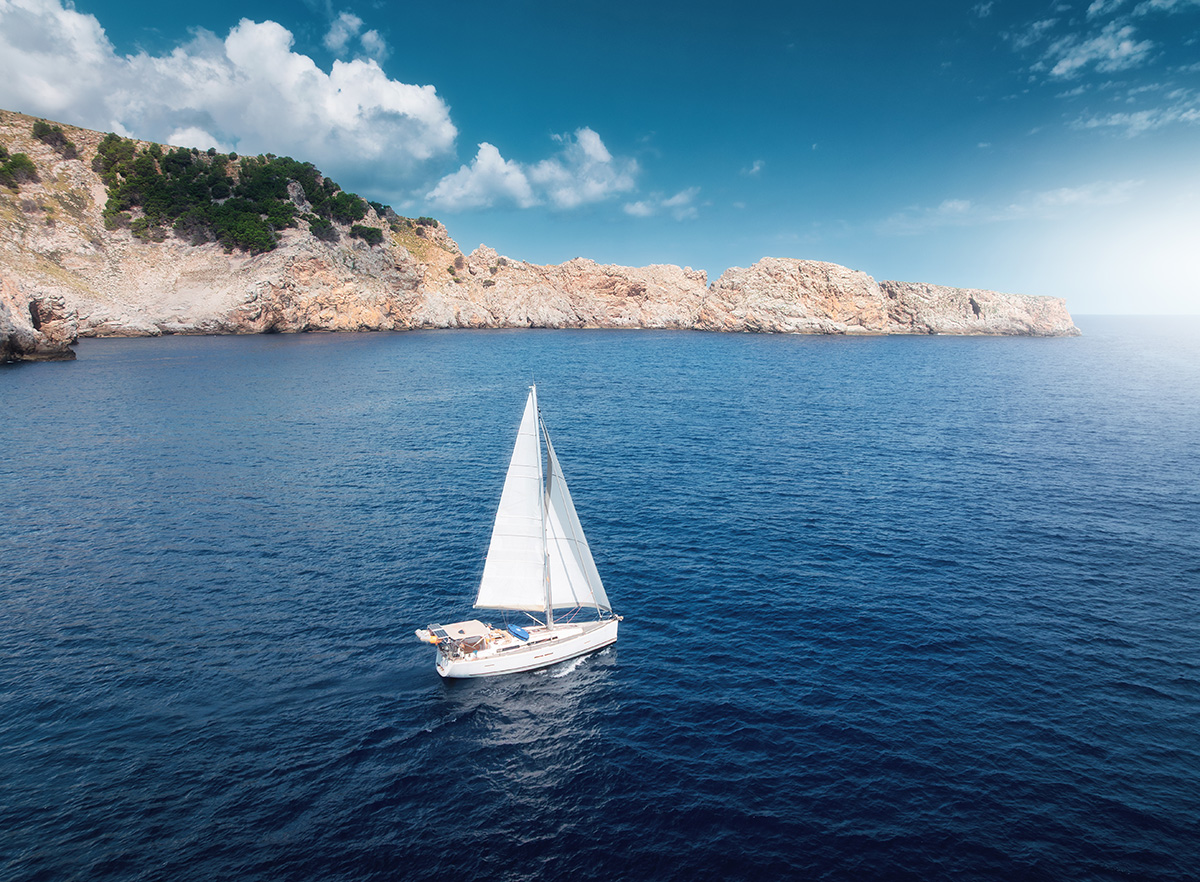
Photo: Denis Belitsky / Shutterstock.com
City breaks in Palma de Mallorca
- Old town walking tour: La Seu cathedral, the Almudaina Palace, the Arab baths, the Basilica de Sant Francesc, and the noble palaces of the historic centre; a 3–4 hour walk will cover the essential Palma de Mallorca attractions.
- Mercat de l’Olivar food visit: One of Spain’s strongest regional food markets; the fresh produce, local cheese, sobrassada, and ensaïmada stalls make it an outstanding morning visit before lunch in the old town tapas bars.
- Rooftop bar at sunset: Several Palma hotel rooftops overlook the cathedral and the bay; the sunset from one of the city’s best rooftop bars, with views of La Seu lit gold, is among the most beautiful early evening experiences in Spain.
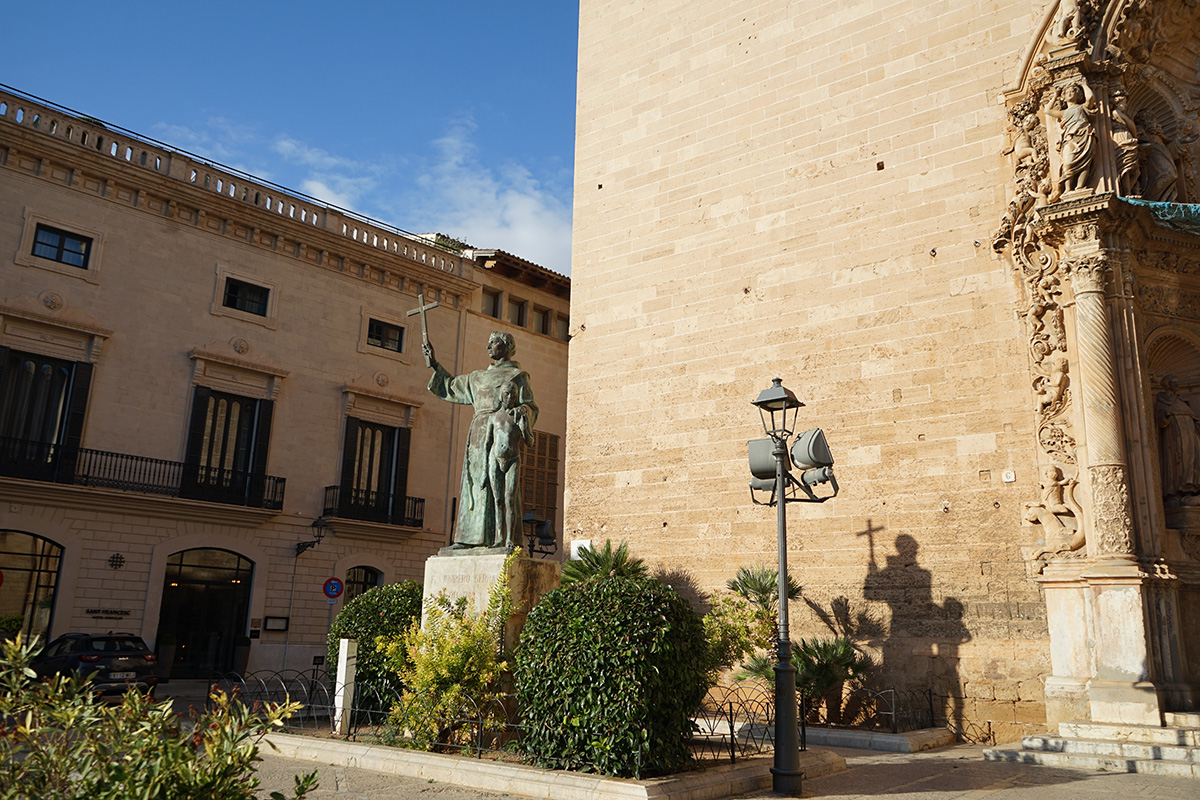
Photo: rystaldream / Shutterstock.com
Nature and adventure
- Cycling the Serra de Tramuntana: The mountain roads of the northwest are among the finest cycling routes in Europe; the Sa Calobra road descent (7 km, 670 metres of elevation) is the most famous and beautiful cycling experience in Mallorca.
- GR221 Dry Stone Route (Ruta de Pedra en Sec): A multi-day trail through the UNESCO mountain landscape; individual sections make excellent day hikes from Sóller or Deià through ancient, terraced landscapes.
- Sea kayaking along the northwest coast from Port de Sóller: Guided tours along the dramatic cliff coastline with stops at calas inaccessible by road; one of the best active experiences in Mallorca.
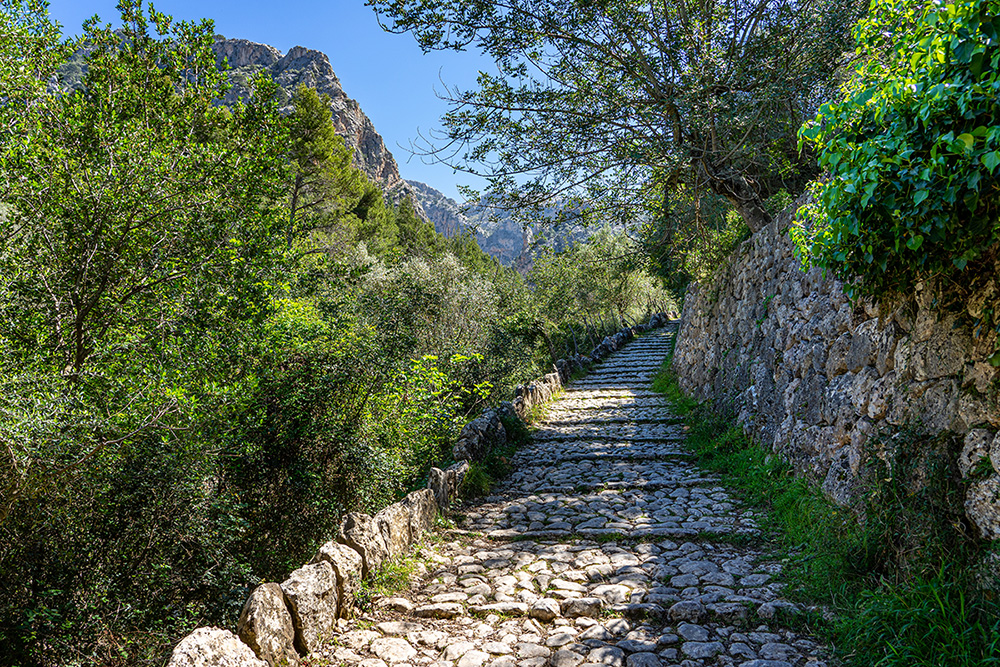
Photo: Frank Lambert / Shutterstock.com
Family holidays
- Alcúdia Bay beach days: The north coast’s great family beach: shallow, gentle, calm water; the medieval walled town of Alcúdia is 5 minutes inland for a cultural hour between beach sessions.
- Sóller heritage railway trip: The vintage train from Palma through the mountain tunnels and the connecting tram to Port de Sóller; one of the most enjoyable family transport experiences on the island.
- Caves of Drach (Coves del Drac) near Porto Cristo: One of the world’s largest underground lake systems, with short live classical music performances on the underground lake by musicians floating on boats; genuinely spectacular for children and adults alike.
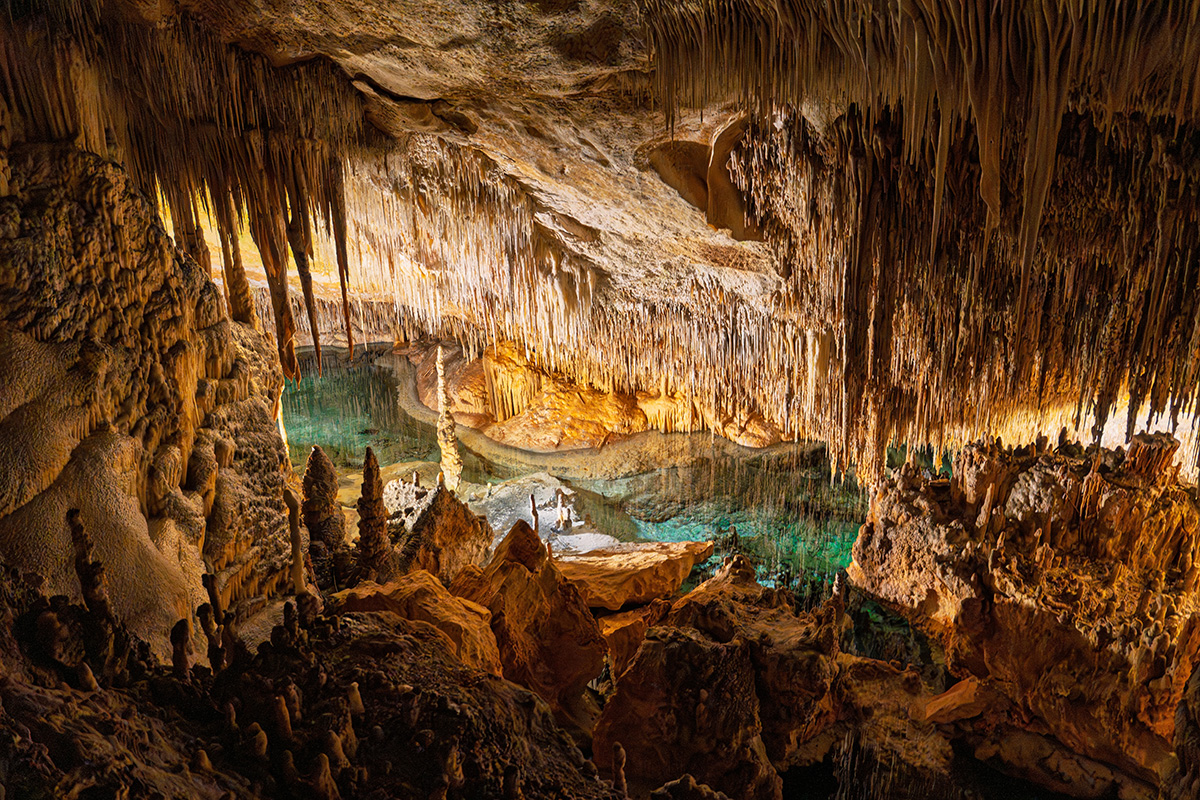
Photo: InFocus.ee / Shutterstock.com
Luxury escapes
- Private charter boat along the northwest coast: A crewed yacht from Port de Sóller exploring sea caves, secluded calas, and the cliff scenery of the Serra de Tramuntana coast; one of the finest luxury experiences Mallorca offers.
- Deià restaurant dinner: A table at Es Racó d’es Teix (Michelin-starred, with terrace views over Deià and the sea) or at La Residencia hotel’s restaurant is among the best dining experiences in the Balearic Islands.
- Binissalem wine tour: A private visit to a leading Binissalem DO producer (Bodegas José L. Ferrer or Macià Batle) with cellar tour, vineyard walk, and barrel tasting; one of the strongest wine experiences on the island.
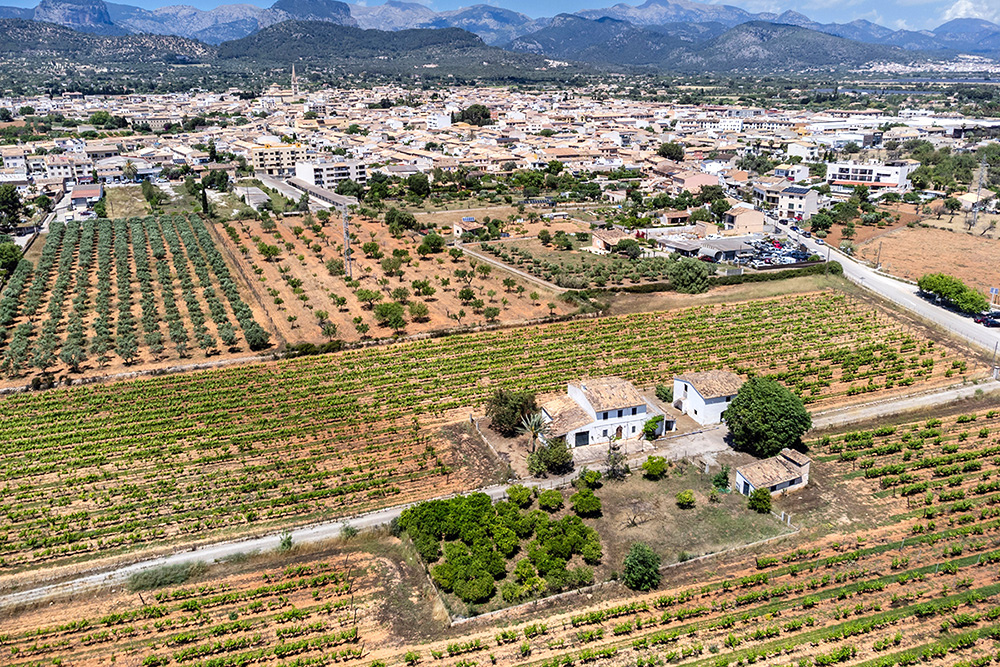
Photo: tolobalaguer.com / Shutterstock.com
The best day trips within Mallorca
Pollença and Cap de Formentor
The town of Pollença, 55 km north of Palma, is one of Mallorca’s most beautiful towns, with a Sunday market considered among the best on the island, a 365-step Calvary staircase with panoramic views, and excellent restaurants on the Plaça Major. Combine with a drive to Cap de Formentor (check summer shuttle bus access restrictions) and a swim at Cala Formentor for a day trip itinerary.
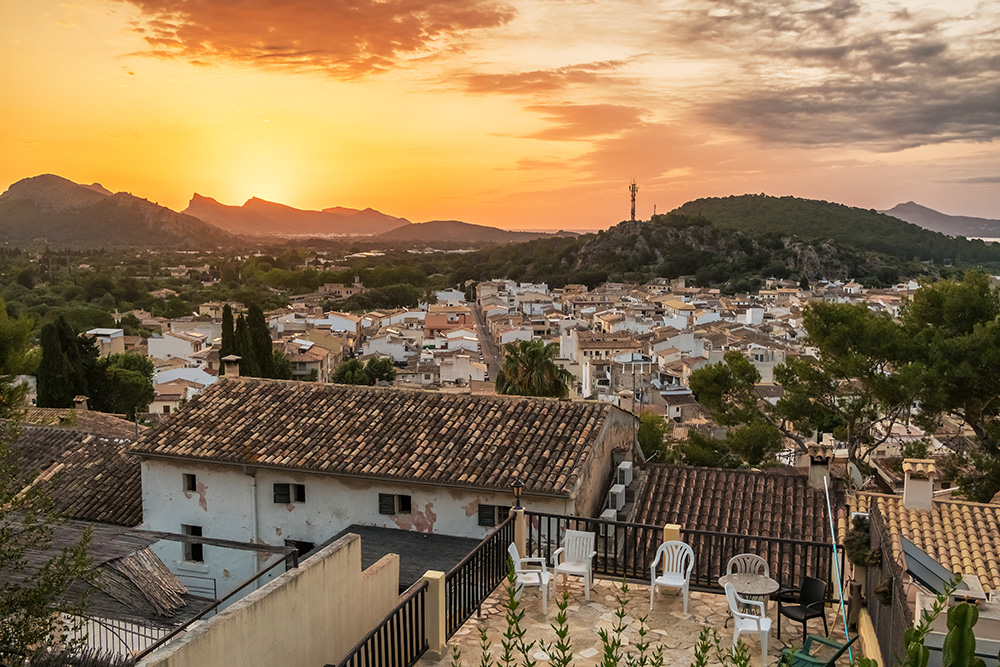
Photo: Mazur Travel / Shutterstock.com
East Coast Calas: Artà, Cala Mondragó, and Calo des Moro
The hilltop town of Artà in the northeast, 70 km from Palma, is dramatically positioned above its medieval centre, with a castle sanctuary worth the climb for the views. Combine with a day exploring the east coast’s cala circuit: Cala Mondragó, Calo des Moro, and Cala Llombards. Best done with a hire car and an early start.
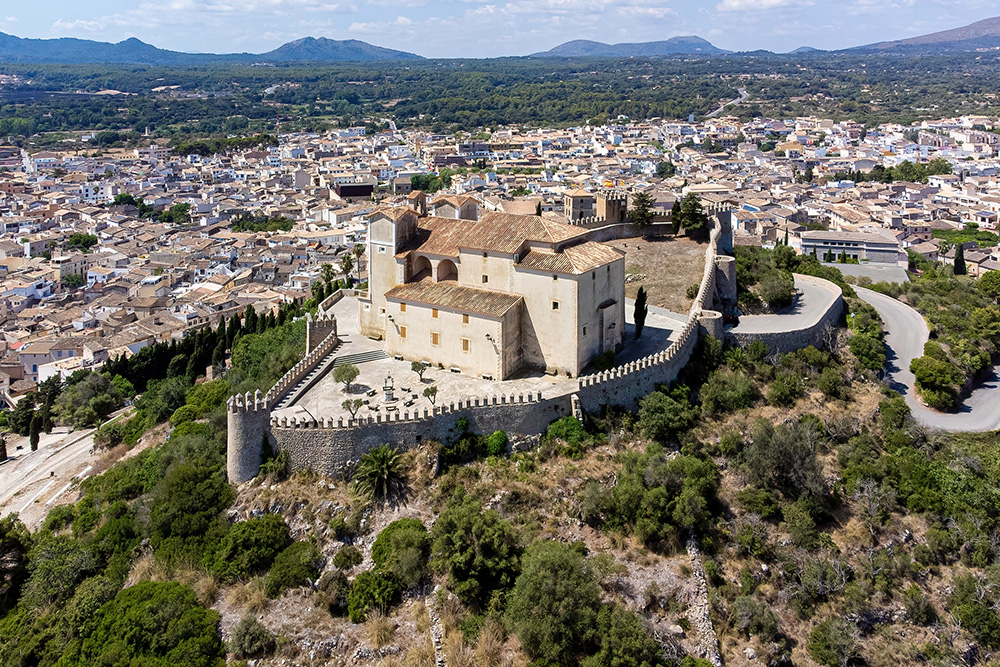
Photo: Alexandre.ROSA / Shutterstock.com
Sóller, Fornalutx, and the mountain villages
Take the heritage railway from Palma to Sóller, spend the morning in the town (market, tapas, the Plaça de la Constitució), take the tram to Port de Sóller for lunch and a swim, then drive up to Fornalutx — consistently voted one of the most beautiful villages in Spain — for the late afternoon views over the valley. The journey from Fornalutx through Deià to Valldemossa is one of the most scenic drives in Mallorca.
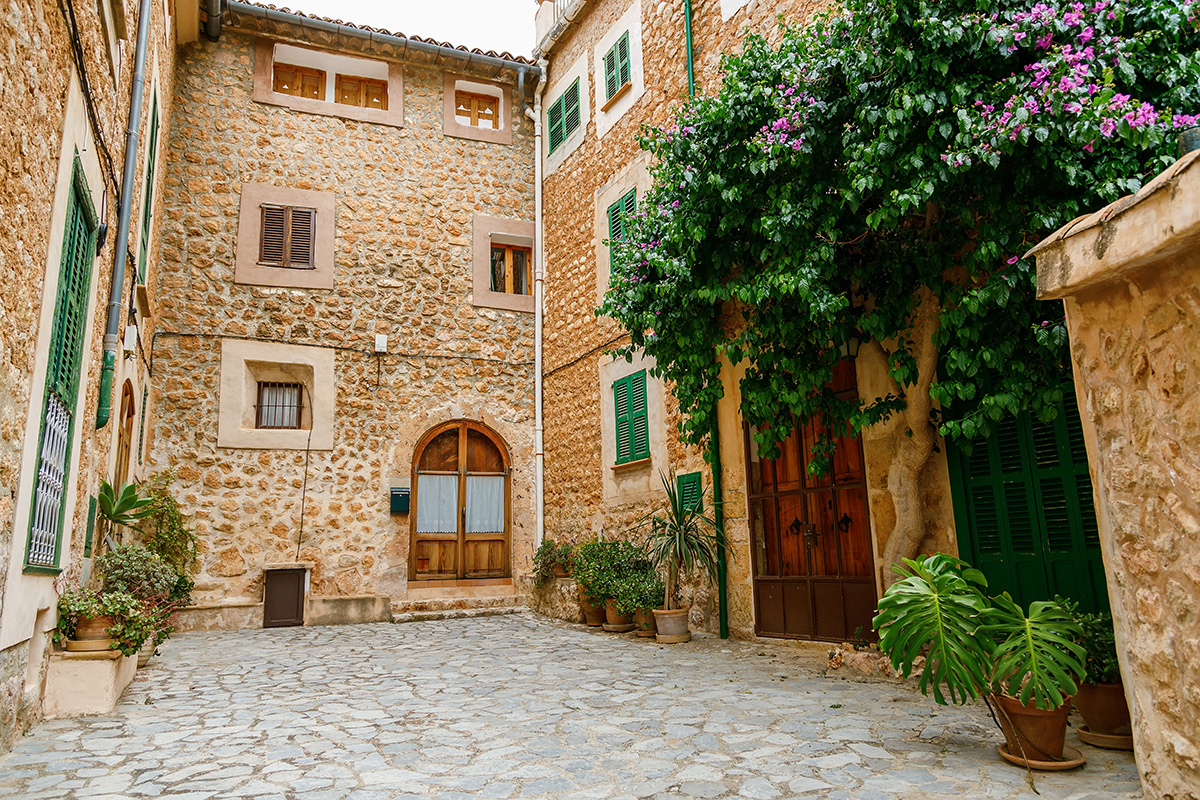
Photo: Anna Lurye / Shutterstock.com
Mallorcan food: What your clients should try
- Ensaïmada: The island’s famous pastry: a light, coiled spiral of dough dusted with icing sugar, at its best filled with sobrassada or cabell d’àngel (pumpkin preserve). Served for breakfast with coffee at any local bar; the best in Palma are at Forn des Teatre.
- Pa amb oli: Mallorca’s definitive everyday dish: country bread rubbed with tomato and drizzled with the island’s excellent olive oil, topped with sobrassada, cheese, or cured fish. Served at every local bar; the quality of the olive oil makes all the difference.
- Sobrassada: The island’s signature spreadable cured sausage, pork flavoured with sweet paprika and aged to a soft, rich texture. Found at every Mallorcan market, and often vacuum-packed for travel.
- Tumbet: Mallorca’s answer to ratatouille: layers of fried potato, aubergine, courgette, and red pepper in tomato sauce, baked in earthenware. Available at traditional restaurants across the island, particularly good in the mountain village tascas.
- Fresh fish at a port restaurant: The fishing ports of Port de Pollença, Porto Colom, and Cala Ratjada have excellent waterfront restaurants where the catch of the day arrives directly from the boats; grilled sea bass and red mullet are among the best choices.
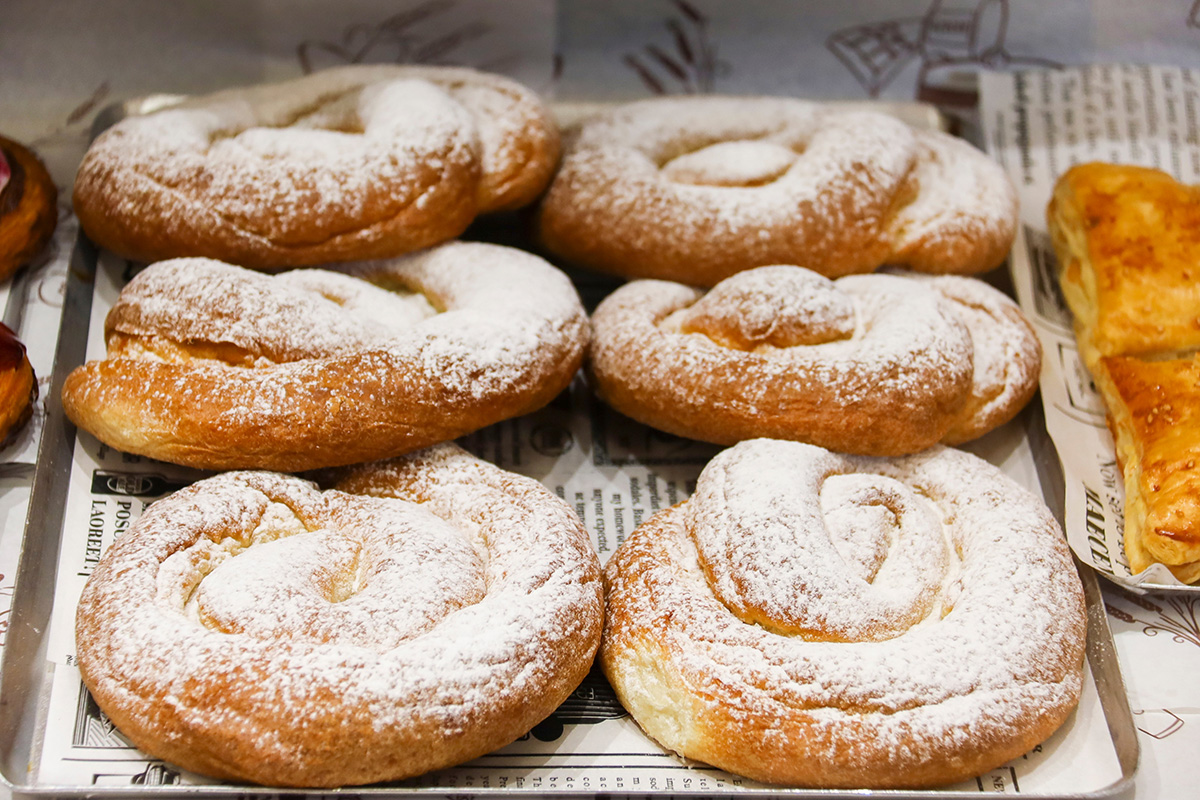
Photo: Sonia Bonet / Shutterstock.com
Insider tips for Mallorca
Souvenirs worth buying
- Mallorcan pearls: The island has been producing simulated pearls since 1890; Majorica is an internationally recognised local brand; a necklace or earrings make a genuinely Mallorcan and travel-friendly souvenir.
- Sobrassada with Denominació d’Origen Mallorca: Vacuum-packed from a traditional producer rather than a Palma tourist shop; one of the best food souvenirs from the island.
- Binissalem or Pla i Llevant wine: A bottle from a reputable island producer (Bodegas Miquel Gelabert or Can Majoral); available at the Mercat de l’Olivar in Palma or at the wineries directly.
- Olive oil from the Serra de Tramuntana: Extra-virgin oil from the island’s ancient olive groves; significantly superior to imported versions; sold directly by producers in Sóller and the mountain villages.
- Siurell: The traditional Mallorcan clay whistle figure, painted white with red and green; a small, distinctive, and genuinely traditional craft object found at artisan shops and the Pollença Sunday market.
Dragos Stan,
Sales Manager Spain
“What I find captivating is the way the island has managed to keep a real local identity despite the tourism. The Mallorquín culture is very much alive if you look for it — the markets, the language, the villages inland. Formentor at sunrise before the buses arrive. The cathedral in Palma seen from the sea. These are the things people remember.”
Mallorca as a “Destination Next” recommendation
Mallorca is one of the most reliable alternatives on the RateHawk Destination Next tool for clients facing disruption or indecision around European beach and Mediterranean island itineraries. Very high hotel supply across multiple resort areas, year-round air connectivity from dozens of European source markets, and a product covering beach, city, mountain, and food make it one of the strongest all-round island destinations in the world.
- As an alternative to Ibiza when clients want Balearic quality without peak-season noise and pricing, Mallorca delivers a comparable Mediterranean island experience with more variety, a more sophisticated capital city in Palma, and better accommodation value.
- As a substitute for Greek island destinations when routing or availability creates pressure, Mallorca offers comparable beach quality, longer spring and autumn seasons than many Greek islands, and direct flight connections from most European source markets.
- For clients in traveller indecision between Spanish destinations, Mallorca’s combination of the best beaches in the Balearic Islands, the UNESCO Serra de Tramuntana mountains, a sophisticated Mediterranean capital, and excellent food makes it one of the most complete Spanish island destinations.
- As a gateway to a broader Balearic itinerary, Mallorca, combined with Menorca (short domestic flight or ferry), builds a compelling two-island itinerary, with Menorca’s quieter beaches and UNESCO Biosphere Reserve status complementing Mallorca’s richer infrastructure.
Ready to supercharge your Mallorca proposals?
Explore the full hotel inventory and start building your client’s next Mallorca island itinerary on RateHawk.
Build a Mallorca itinerary
This article is part of the Destination Next initiative by RateHawk — helping travel businesses find stronger destination alternatives when travel plans change.