

 543
543 15 minutes read
Content
- Why travel agents should be selling Dubrovnik right now
- Practical information for travel agents
- Where to stay in Dubrovnik: Areas and hotel options
- Top things to do in Dubrovnik: Must-see attractions
- Dubrovnik activities by travel type
- Nearby destinations: Day trips from Dubrovnik, Croatia
- Dalmatian food in Dubrovnik: What to try
- Insider tips for Dubrovnik
- Dubrovnik as a “Destination Next” recommendation
Why travel agents should be selling Dubrovnik right now
Dubrovnik is one of the most visually distinctive destinations in Europe. Here’s why it sells consistently across client demographics:
- A city whose old town walls, viewed from the sea or from the cable car above, produce a genuinely awe-inspiring experience.
- The city walls circuit, Fort Lovrijenac, the Stradun, Lokrum island, Mount Srđ, and sea kayaking are ideal for outdoor enthusiasts.
- The beaches at Banje and Sveti Jakov, and the day trips to Kotor, Korčula, and Mostar make it easy to turn a weekend getaway into a week-long vacation.
- A genuinely world-class old town with excellent beach access and outstanding island day-trip options.
- Strong seasonal air connectivity across Europe, complemented by a growing year-round route network, makes Dubrovnik one of the most accessible destinations on the Adriatic.
For agents using RateHawk’s Destination Next tool, Dubrovnik’s hotel supply across the old town, the Pile and Ploče areas, and Lapad gives you instant access to the right property to suit every client profile — from a boutique guesthouse inside the medieval walls to a cliff-side luxury hotel overlooking the sea.
Practical information for travel agents
Travel guidelines
Weather and best time to visit Dubrovnik
- Peak Season (June–August): Hot with temperatures of 28 to 34°C; extremely busy and expensive. Cruise ships bring thousands of daily visitors into the old town; the city walls can be overwhelming at midday. Adriatic sea temperature at its best (26–27°C); book accommodation and city walls tickets well in advance.
- Shoulder Season (May, September–October): The best time to visit Dubrovnik for most clients. Comfortable temperatures of 20 to 26°C, warm sea into October, manageable crowds, and better value. Late September is Dubrovnik at its most beautiful — golden light with quiet old town mornings and extraordinary views.
- Low Season (November–April): Quiet, atmospheric, and affordable. Most beach operations close, but the old town, city walls, and restaurant scene remain active. The Dubrovnik Winter Festival, which runs from late November through early January, adds a festive dimension.
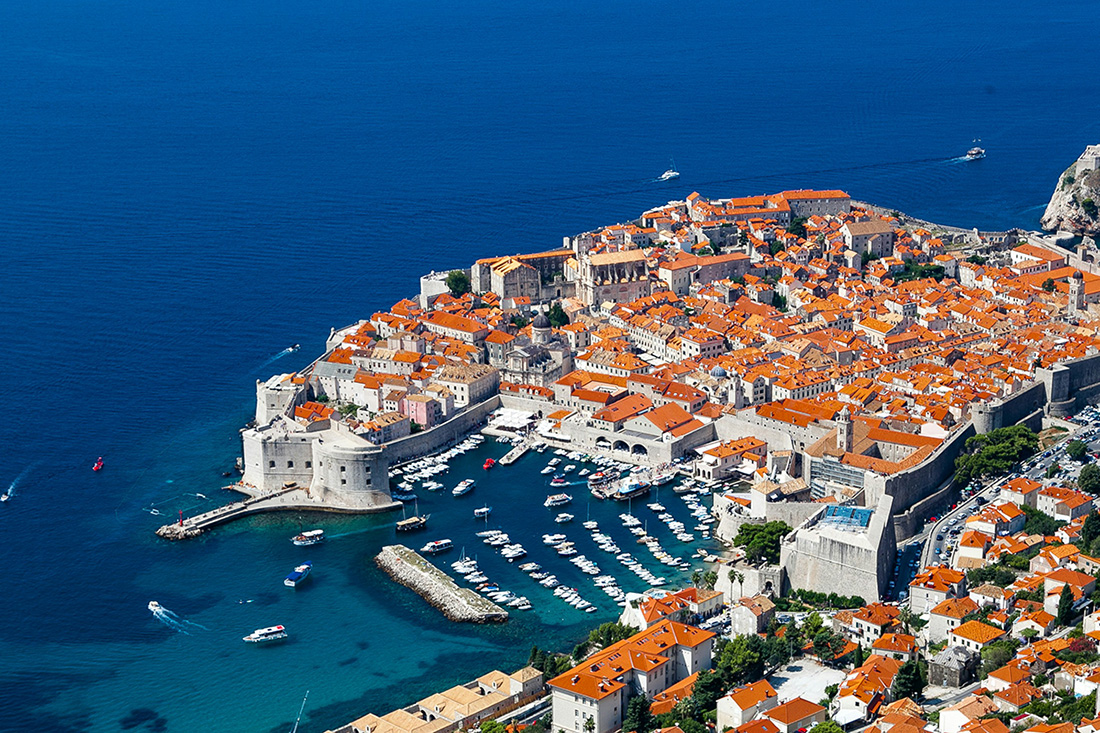
Photo by László Tóth on Unsplash
Dubrovnik fun facts
- The Republic of Ragusa, the independent city-state that governed Dubrovnik from 1358 until Napoleon’s conquest in 1808, prohibited participation in the slave trade in 1416, making it one of the earliest European states to enact such restrictions. It survived by diplomatic skill, commercial honesty, and the famous inscription above Fort Lovrijenac gate: “Freedom should not be sold for all the gold in the world.”
- Dubrovnik’s city walls — 1,940 metres of continuous medieval fortification — are among the best-preserved in Europe. At their highest, they reach 25 metres; the towers offer unobstructed views over the old town rooftops and the Adriatic Sea.
- Fort Lovrijenac, the Rector’s Palace, and dozens of other old town locations served as the fictional King’s Landing in Game of Thrones, the globally watched HBO series that continues to drive significant tourism demand years after it ended in 2019.
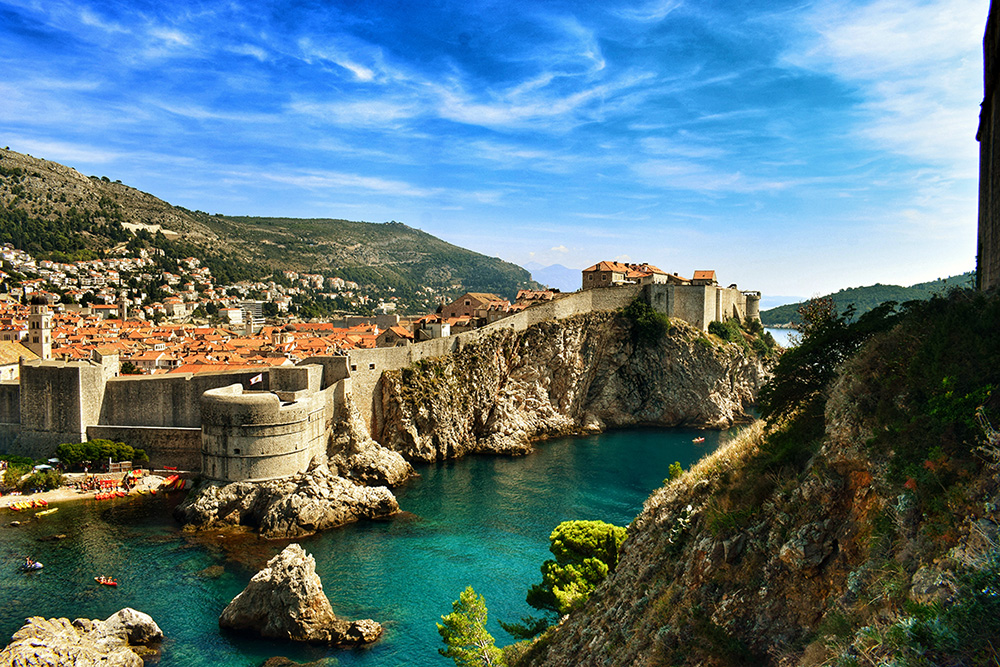
Photo: Javier Franz / Shutterstock.com
Getting around Dubrovnik
The old town is entirely car-free. Its main thoroughfare, the Stradun (292 metres from the Pile Gate to the Ploče Gate), is best explored on foot. Note: the Dubrovnik limestone paving becomes slippery when wet; good grip on shoes is essential.
- Bus: Libertas city buses connect the Old Town (Pile Gate) with Lapad, Babin Kuk, Gruž Port, and other urban districts. Tickets bought in advance at kiosks are cheaper than on-board purchases. Dubrovnik Airport is primarily served by dedicated airport shuttle buses, taxis, and private transfers rather than the city bus network.
- Water taxi and ferry: Dubrovnik’s old port runs services to Lokrum Island and the Elaphiti Islands. Jadrolinija ferries connect to Hvar, Korčula, and Mljet.
- Taxi and Bolt: Available for reaching the cable car, Banje Beach, and hotels outside the old town. Traffic in the narrow approach roads can be significant in peak season.
RateHawk insight
Travel agents can enhance their offerings to clients by adding transport bookings alongside their accommodation. RateHawk makes it easy to maximize the value of client packages by putting accommodation and transport onto one platform.
Agents can book airport transfers to the old town, schedule car rentals for clients exploring the Dalmatian coast, and onward airline tickets for those jetting off to another European destination.
Where to stay in Dubrovnik: Areas and hotel options
Old Town (within the city walls)
Best for: First-time visitors, couples, and luxury travellers seeking the classic Dubrovnik experience.
The most atmospheric and sought-after Dubrovnik experience. Visitors wake up inside the medieval walls, stepping right out onto the Stradun with the luxury of having the old town to themselves before the cruise crowds arrive.
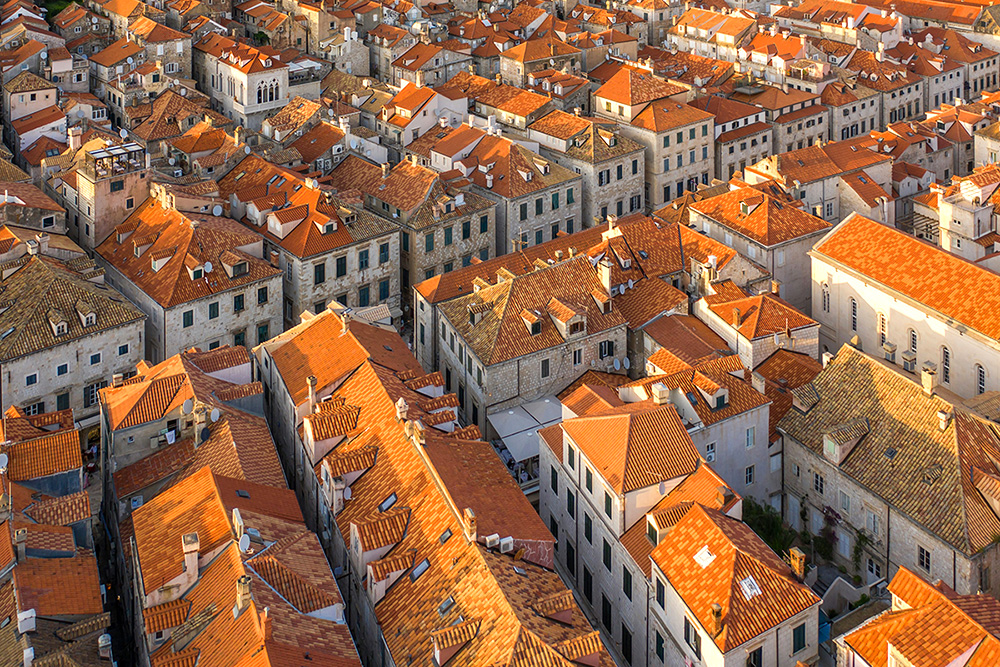
Photo by Geio Tischler on Unsplash
A small number of boutique guesthouses and luxury properties operate within the walls; they book out early and command a premium. There is no car access; luggage must be carried from the nearest gate. Ideal for clients who want the quintessential Dubrovnik stay, as nowhere else in the city compares.
Pile and Ploče (just outside the city gates)
Best for: Couples, repeat visitors, and clients who want easy access to the Old Town.
The best compromise between old town proximity and hotel infrastructure. The Pile Gate is minutes away; hotels here range from boutique cliff-side properties with views over the city walls and sea to well-positioned mid-range options. Banje Beach, one of Croatia’s most famous urban beaches, is a five-minute walk from the Ploče Gate. The most popular base for couples and repeat visitors who want an atmosphere without compromising on comfort.
Lapad and Babin Kuk
Best for: Families, beach-focused travellers, and value-conscious clients.
Dubrovnik’s main beach resort area is just 3 km northwest of the old town with regular bus connections. Larger hotel complexes with pools and beach access are available at significantly lower rates than in the old town area. The natural base for families and clients who prioritise beach facilities over proximity to the walls. Lapad has its own restaurant scene and a pleasant waterfront promenade.
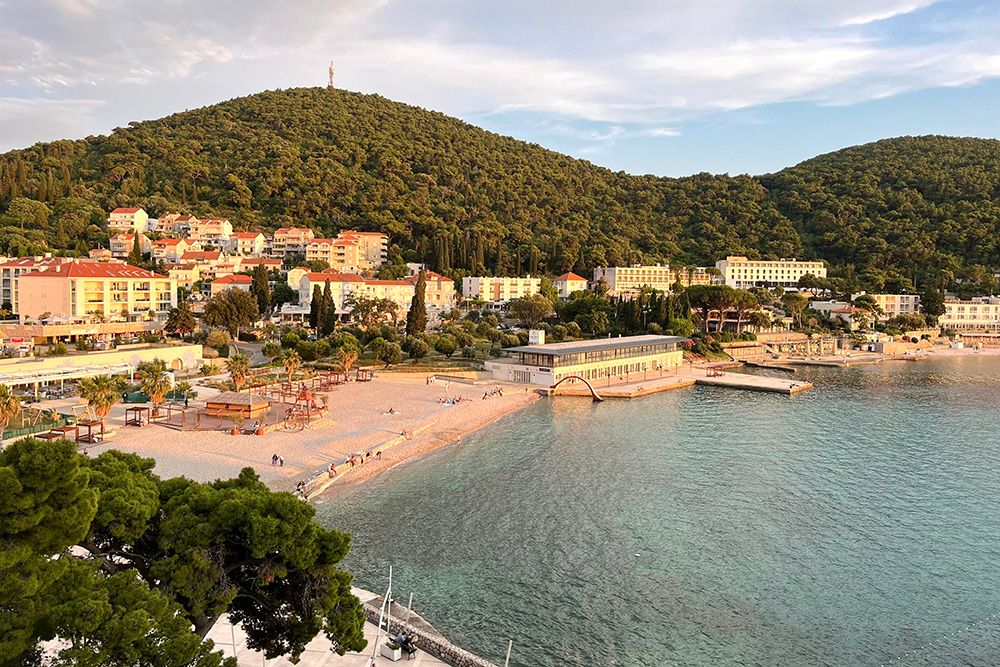
Photo: MDPiwo / Shutterstock.com
Top things to do in Dubrovnik: Must-see attractions
1. Walking the city walls
Walking the city walls is the bucket list Dubrovnik experience. 1,940 metres of medieval fortification above the old town, with uninterrupted views over the terracotta rooftops on one side and the Adriatic Sea on the other. The circuit takes approximately 1.5 to 2 hours to walk at a comfortable pace.
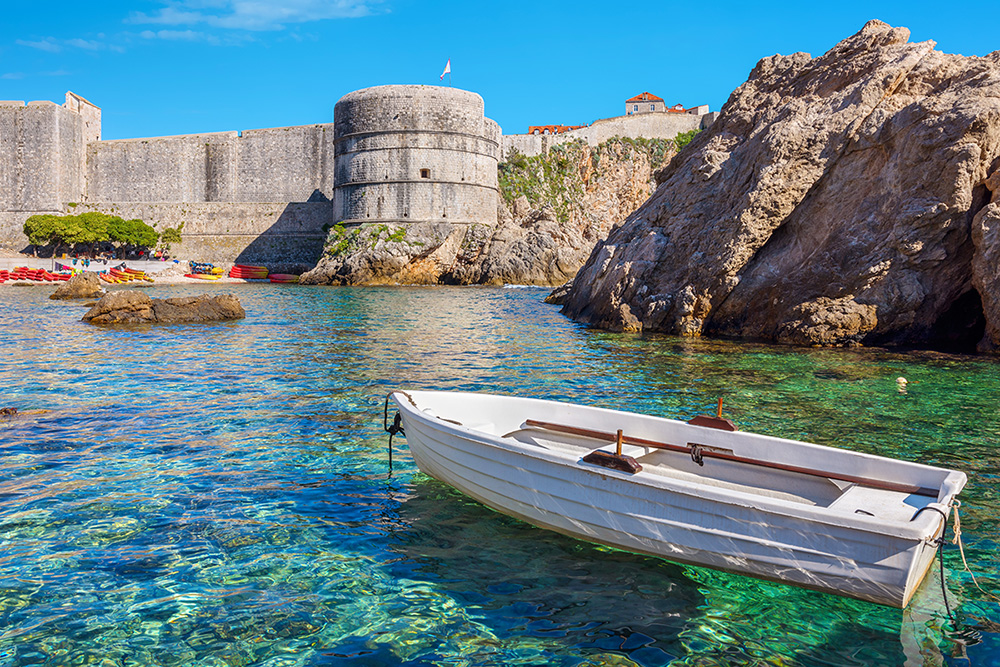
Photo: Andrei Nekrassov / Shutterstock.com
The best views are from the western stretch between the Pile Gate and the Bokar Tower, looking back over the walls with the sea below and Lokrum island beyond. During peak season, advance booking is strongly recommended as popular entry times can sell out and queues can be substantial. Walk first thing in the morning (gates open at 8 AM) to beat the midday heat and the cruise ship crowds.
2. Fort Lovrijenac: the Gibraltar of Dubrovnik
Fort Lovrijenac, an imposing fortress on a 37-metre sea cliff just outside the western walls, is one of the most dramatic structures in Croatia and a globally recognised Game of Thrones filming location as the exterior of the Red Keep. Its gate carries the Republic of Ragusa’s most famous motto: “Freedom is not sold for all the gold in the world.”
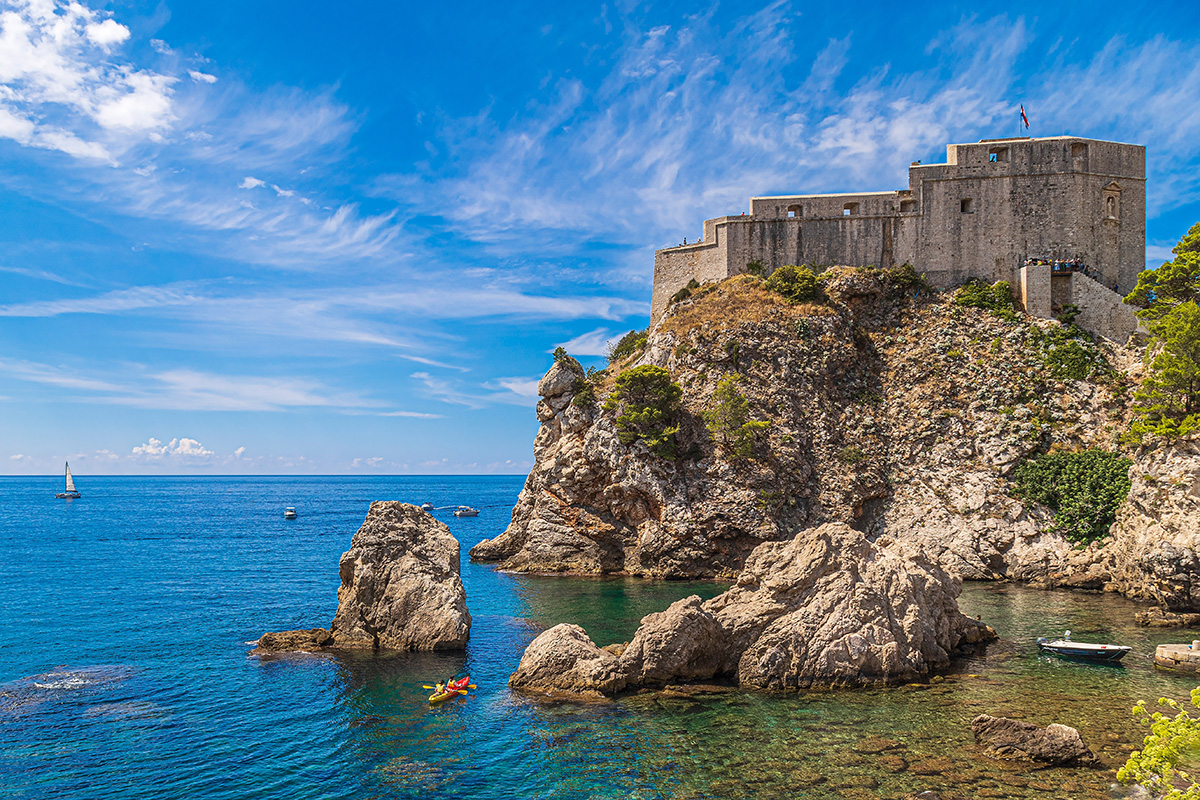
Photo: Florin Cnejevici / Shutterstock.com
Entry is included in the city walls ticket. The views from the upper terrace over the old town and the Adriatic are among the best in Dubrovnik; sunset from this vantage point is exceptional.
3. The Stradun and the Old Town
The Stradun, 292 metres of gleaming limestone pavement running the full length of the old town, is the social heart of Dubrovnik. Onofrio’s Large Fountain (1444) at the western end was the terminus of the city’s medieval water system; the Orlando Column (1418) at the eastern end was the civic symbol of Ragusan independence.
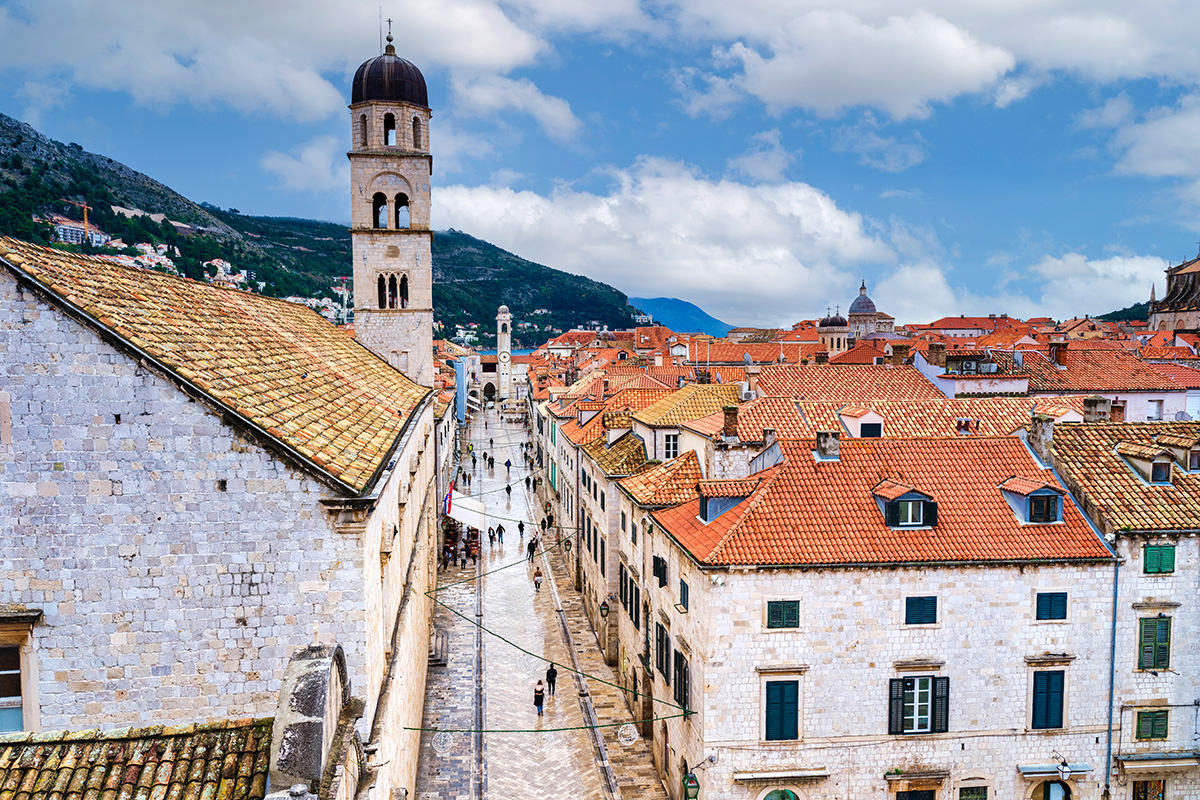
Photo: Arnold.Petersen / Shutterstock.com
The Franciscan Monastery on Stradun’s western end houses one of the oldest functioning pharmacies in the world, which has been in continuous operation since 1317. The lanes running north and south from the Stradun — one side climbing the hill, the other descending to the sea walls — are where the best independent restaurants and local life of the old town can be found.
4. Lokrum Island
Lokrum is a small, forested island 15 minutes by ferry from the old port. It has been a protected nature reserve since 1976 and is one of the most rewarding short excursions from Dubrovnik.
Highlights include the ruins of a Benedictine monastery (11th century), a saltwater lake connected to the sea (popular for swimming), freely roaming peacocks, and a Game of Thrones exhibition in the monastery cloisters (the Iron Throne replica is one of the most photographed objects in Croatia), making it an essential addition to any Dubrovnik itinerary.
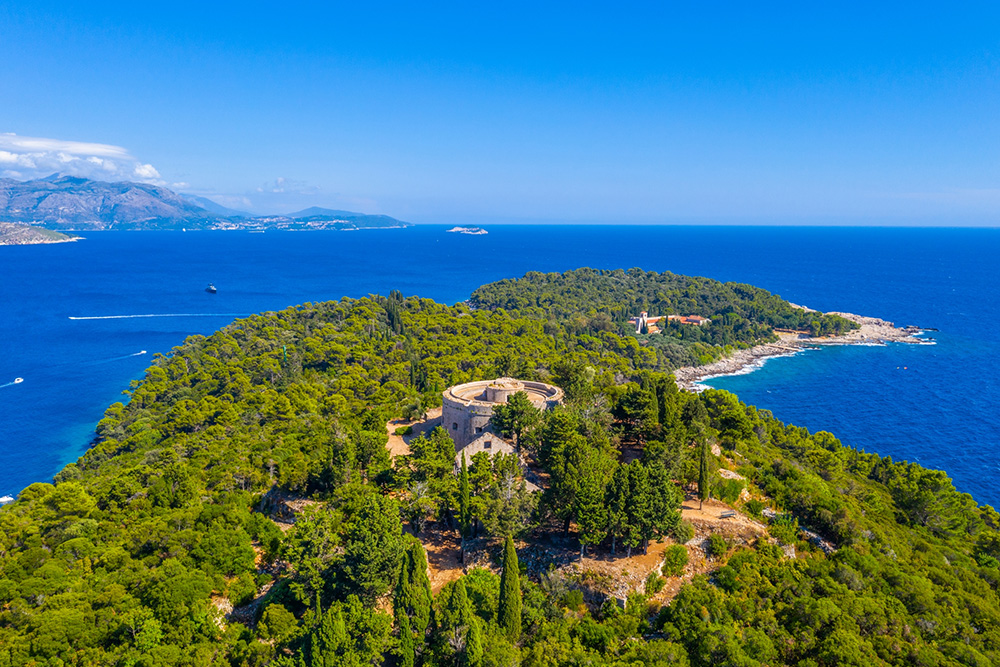
Photo: trabantos / Shutterstock.com
The Lokrum ferry runs from the old port with frequent departures throughout the main tourism season, typically from spring through autumn.; no overnight accommodation; day visit only.
5. Mount Srđ and the Dubrovnik cable car
Mount Srđ rises 405 metres above the old town and offers the finest panoramic view in Dubrovnik — the entire old town, Lokrum island, the Elaphiti Islands stretching north, and on clear days the mountains of Bosnia and Montenegro.
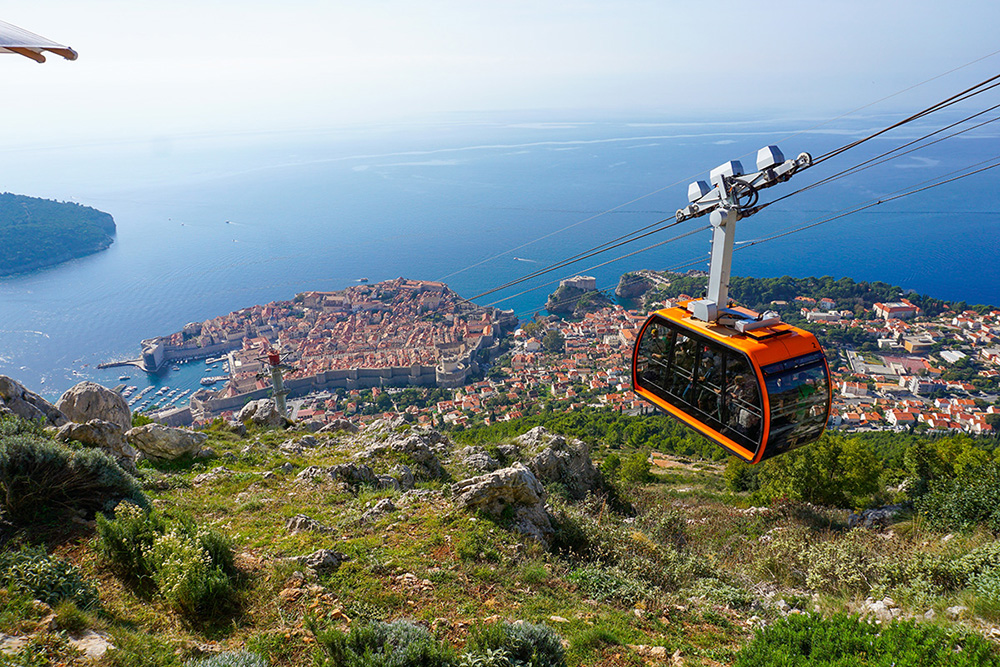
Photo: Melanie 1977 / Shutterstock.com
The Dubrovnik cable car connects the city with the summit of Mount Srđ in just a few minutes. The Fort Imperial at the top, a Napoleonic fortification damaged during the 1991–1992 siege that now houses the Homeland War Museum, adds historical depth to what is already an extraordinary vantage point. The sunset from Mount Srđ is consistently rated one of the best on the Adriatic; early morning or evening visits are strongly recommended.
Dubrovnik activities by travel type
City breaks and culture
- Game of Thrones walking tour: A guided 2–3 hour tour of the old town, covering the principal King’s Landing filming locations: the Pile Gate, Fort Lovrijenac (Red Keep exterior), the Rector’s Palace, Gradac Park (the Purple Wedding), and the Jesuit Steps (the Walk of Shame); an effective way to experience the old town’s architecture, even for tourists who aren’t familiar with the show.
- Rector’s Palace and Dubrovnik museums: The Rector’s Palace on the Stradun was the seat of the Ragusan government; its atrium, courtyard, and museum collection are the most culturally significant indoor visit in Dubrovnik.
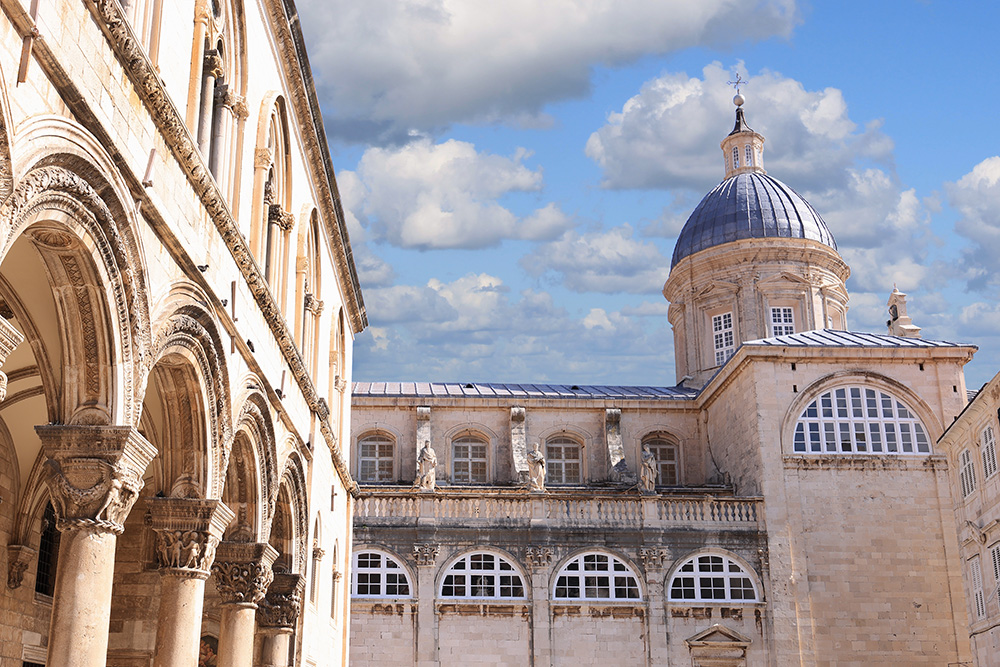
Photo: Vlad G / Shutterstock.com
Beach holidays
- Banje Beach: Five minutes from the Ploče Gate with extraordinary views of the old town city walls from the water; the EastWest Beach Club is one of the most scenic on the Adriatic coast.
- Sveti Jakov Beach: A small, local pebble beach east of the old town, accessed by a coastal path; quieter, considered by many Dubrovnik residents to be the finest swimming beach close to the city.
- Elaphiti Islands boat trip: Full-day tours from the old port cover the three main islands (Koločep, Lopud, and Šipan): beautiful beaches, quiet bays, and traditional Dalmatian fishing villages; one of the most popular day excursions from Dubrovnik.
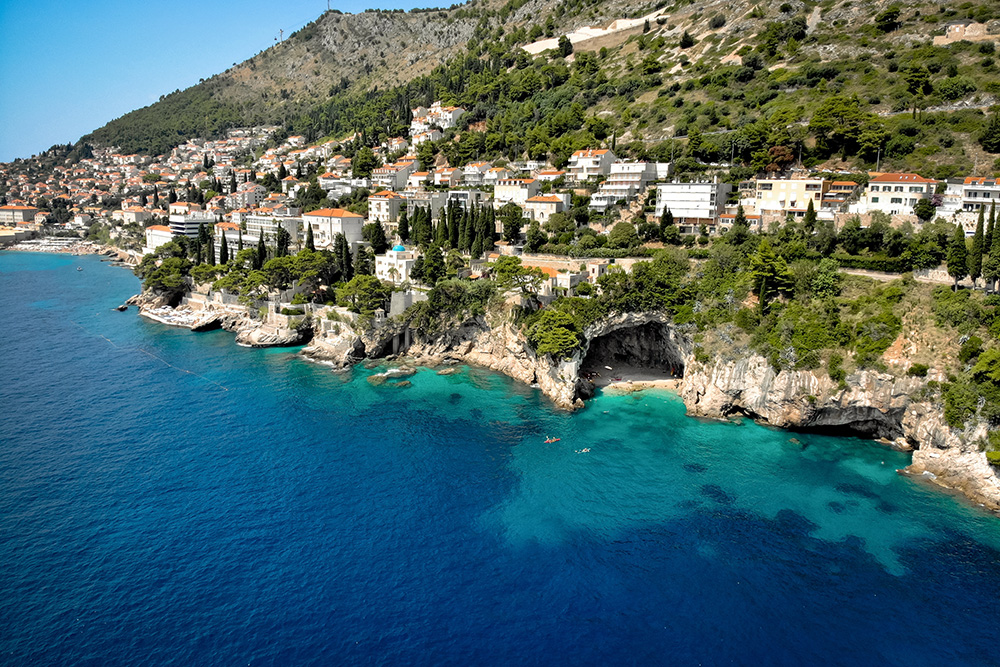
Photo: dc.aerial / Shutterstock.com
Nature and adventure
- Sea kayaking around the old town walls: Guided tours paddle around the western and southern walls, into the sea caves below Fort Lovrijenac, and out to Lokrum island. This is a 2.5 to 3-hour experience that showcases the old town from a perspective that’s impossible to get from land. It’s one of the most photographed activities in Croatia.
- Mount Srđ hiking trail: A marked trail from the old town through Bosanka village to the Fort Imperial, taking approximately 90 minutes each way. The cable car can be used for the descent, and the trail passes through Mediterranean scrub with views down over the walls and the Adriatic.
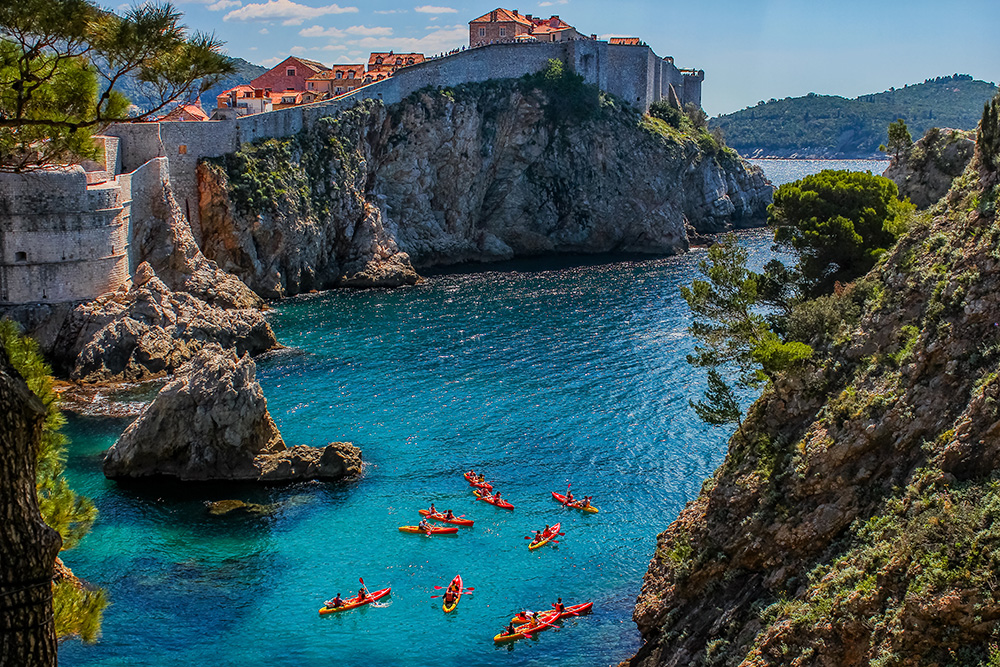
Photo: OldskoolDesign / Shutterstock.com
Luxury escapes
- Private boat charter along the Adriatic coast: A crewed motor yacht from Dubrovnik marina visiting hidden bays, deserted islands, and cliff-backed coves; sunset charters with dinner on board are available for smaller groups. Ideal for couples seeking a romantic getaway.
- Cliff-side restaurant dinner: Several of Dubrovnik’s finest restaurants are carved into the sea cliffs outside the old town walls; a table on a cliff terrace with views over the illuminated city at dusk is one of the best ways to start or end a trip to Dubrovnik.
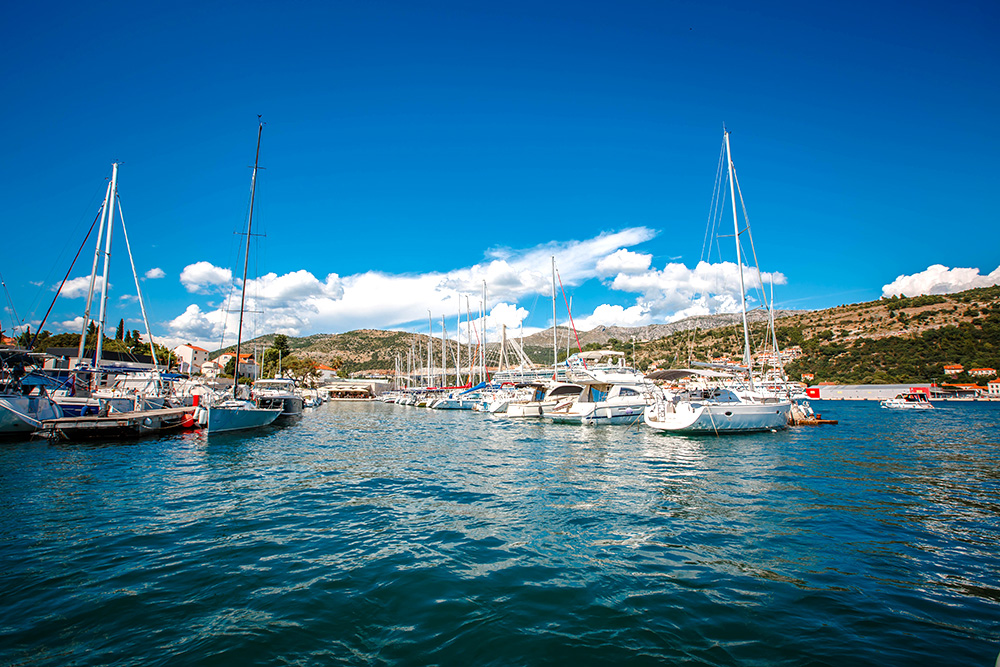
Photo: Popova Tetiana / Shutterstock.com
Nearby destinations: Day trips from Dubrovnik, Croatia
Kotor, Montenegro
Kotor is approximately 90 km south of Dubrovnik, typically 2–3 hours away by road, depending on border traffic. This Venetian-walled medieval city sits at the head of the Bay of Kotor, one of the most dramatic fjord-like bays in Europe.
The old town’s Cathedral of Saint Tryphon (12th century) and the fortification walls that climb the hill above call for a full day of exploration. Border crossing formalities for non-EU nationals should be factored into the planning.
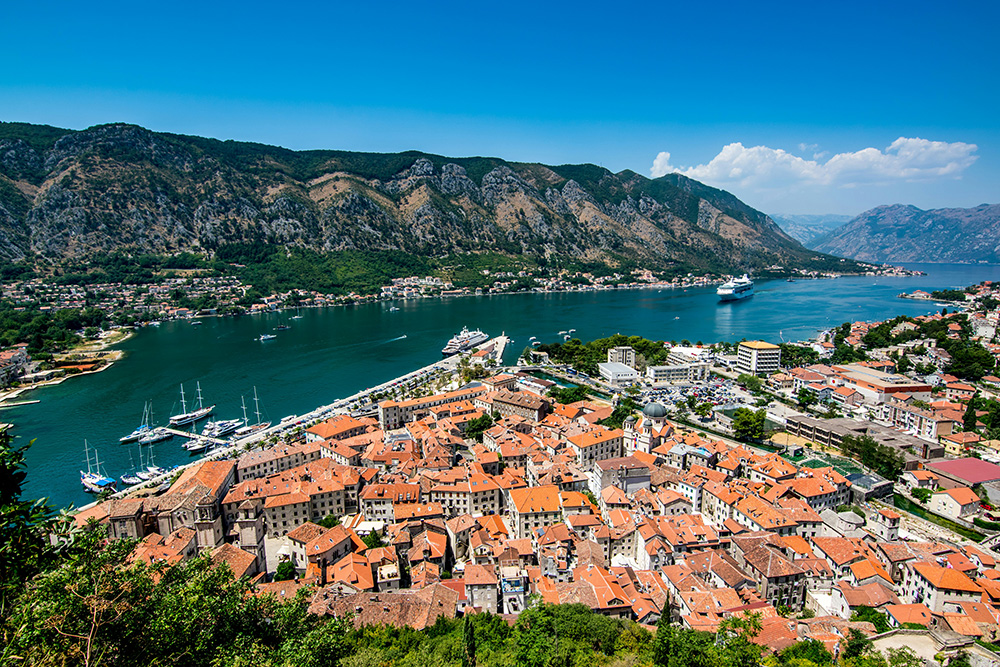
Photo by Faruk Kaymak on Unsplash
Korčula Island
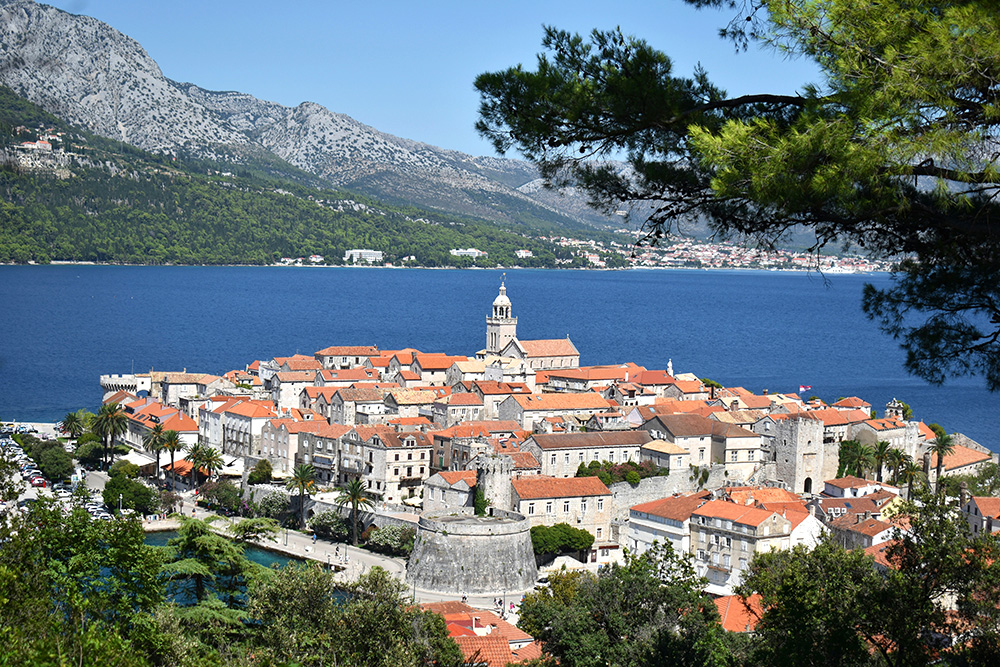
Korčula is accessible by Jadrolinija ferry from Dubrovnik port (approximately 3 hours) and has one of the finest fortified old towns on the Dalmatian coast. It’s set on a peninsula with a distinctive herringbone street layout, surrounded by vineyards producing the indigenous Pošip and Grk white wines. Best enjoyed leisurely as an overnight extension, rather than a rushed day trip.
Mostar and Bosnia-Herzegovina
Mostar, approximately 135 km north of Dubrovnik and around 2.5 to 3 hours by car, is one of the most culturally significant cities in the Western Balkans. The reconstructed Stari Most bridge (Old Bridge) is a UNESCO World Heritage Site destroyed in the Bosnian War in 1993 and rebuilt to its original Ottoman design in 2004. It’s become a symbol of reconstruction and reconciliation and offers an extraordinary cultural contrast to the Adriatic character of Dubrovnik.
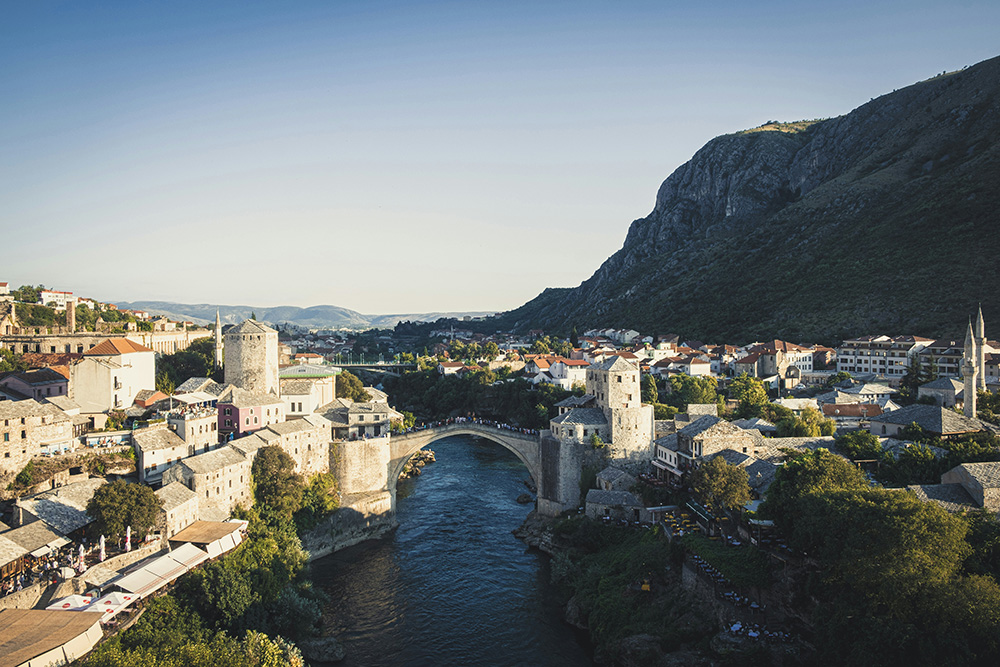
Photo by Kenneth Sonntag on Unsplash
Dalmatian food in Dubrovnik: What to try
- Crni rižot (black risotto): Squid ink risotto; particularly popular in Dalmatian cuisine and the most distinctive dish on the Adriatic coast.
- Fresh fish from Gunduličeva Poljana: The morning fish market off the Stradun sells the day’s catch directly from local fishermen; arrive by 9 AM for the freshest selection.
- Peka: Slow-roasted meat or fish under a bell-shaped lid covered with embers; the lamb version is the ultimate comfort dish; available at traditional konobas (family taverns) but must be ordered at least 24 hours in advance.
- Ston oysters: From the famous beds 50 km north of the Pelješac peninsula, several Dubrovnik restaurants serve them fresh; combine with a visit to the extraordinary medieval Ston salt walls for a half-day, food-focused excursions from the city.
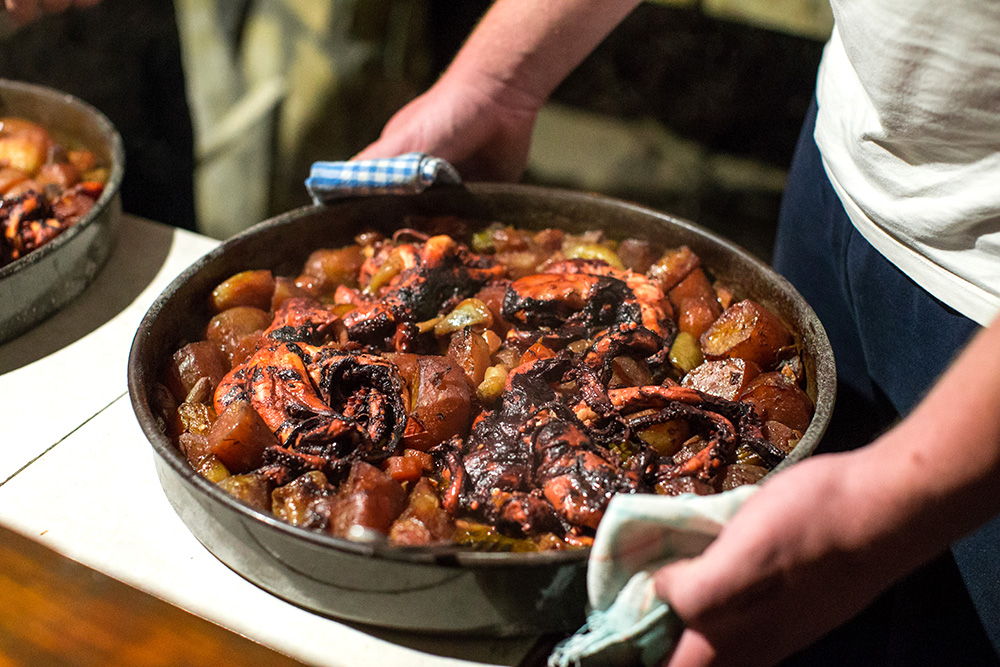
Photo: Stjepan Tafra / Shutterstock.com
Insider tips for Dubrovnik
Souvenirs worth buying
- Local olive oil from the Pelješac peninsula: Small-batch extra-virgin olive oil available at the Gunduličeva Poljana market; far superior to imported alternatives and compact enough to pack.
- Lavender products from Hvar: Dried lavender bundles, sachets, and lavender honey from Dalmatian island producers; available at the old town market; beautiful and genuinely local, allowing tourists to bring the taste and smell of Dubrovnik home with them.
- Pelinkovac and travarica: The most distinctively Dalmatian spirits: a bitter herbal liqueur and a grape spirit infused with local herbs; available at old town wine shops at prices well below duty-free equivalents.
- Paška čipka (Pag island lace): UNESCO Intangible Cultural Heritage; delicate handmade lace from the island of Pag; available at specialist craft shops in the old town.
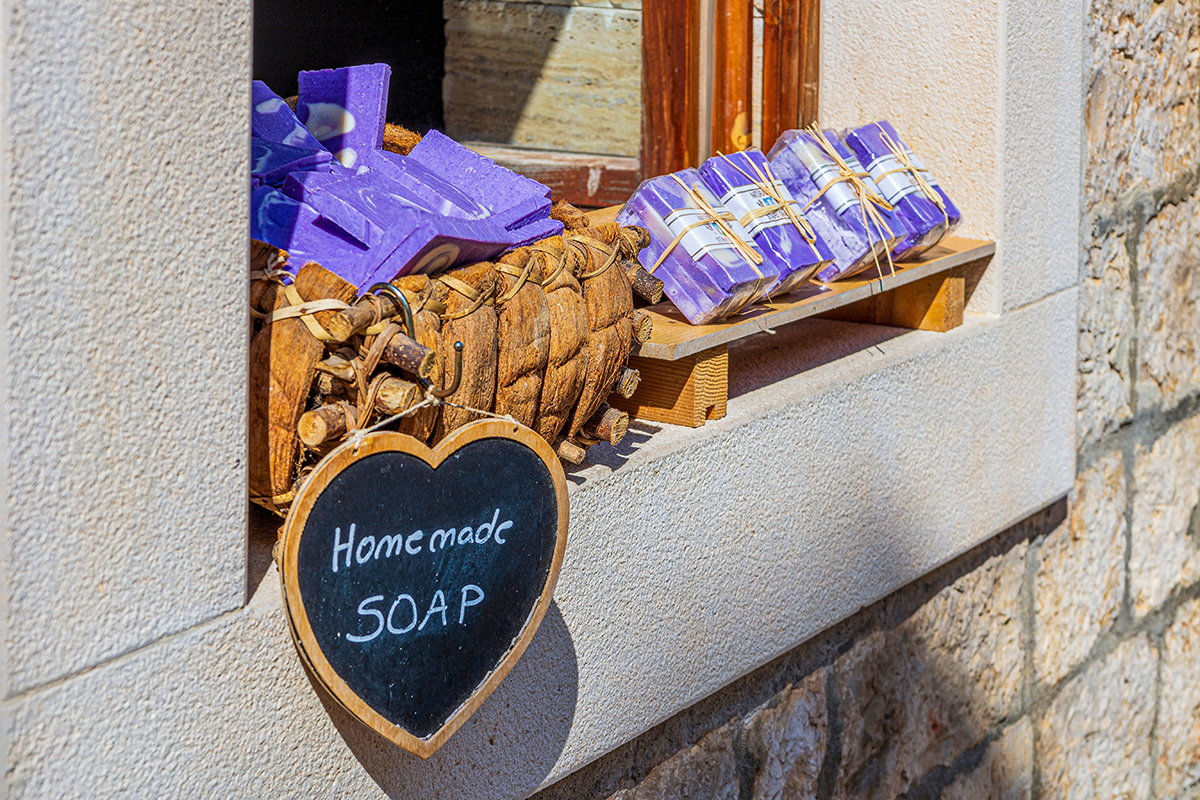
Photo: Acme Digital / Shutterstock.com
Dubrovnik as a “Destination Next” recommendation
Dubrovnik in Croatia is one of the most reliably recommended alternatives for Eastern Mediterranean and Adriatic disruption scenarios. Here is when Dubrovnik excels as a destination:
- As an alternative to Santorini or Greek islands when availability or pricing creates pressure, Dubrovnik offers comparable visual drama, Adriatic beach quality, and significantly greater cultural and historical depth.
- For clients facing traveller indecision about Southeast Europe, the city walls, Fort Lovrijenac, Lokrum island, and Game of Thrones filming locations make Dubrovnik the single most compelling one-destination argument in the Western Balkans.
- As a gateway to a broader Adriatic itinerary, Dubrovnik, combined with Hvar, Korčula, and the Pelješac peninsula, builds one of the most beautiful 10 to 14-day itineraries in Europe.
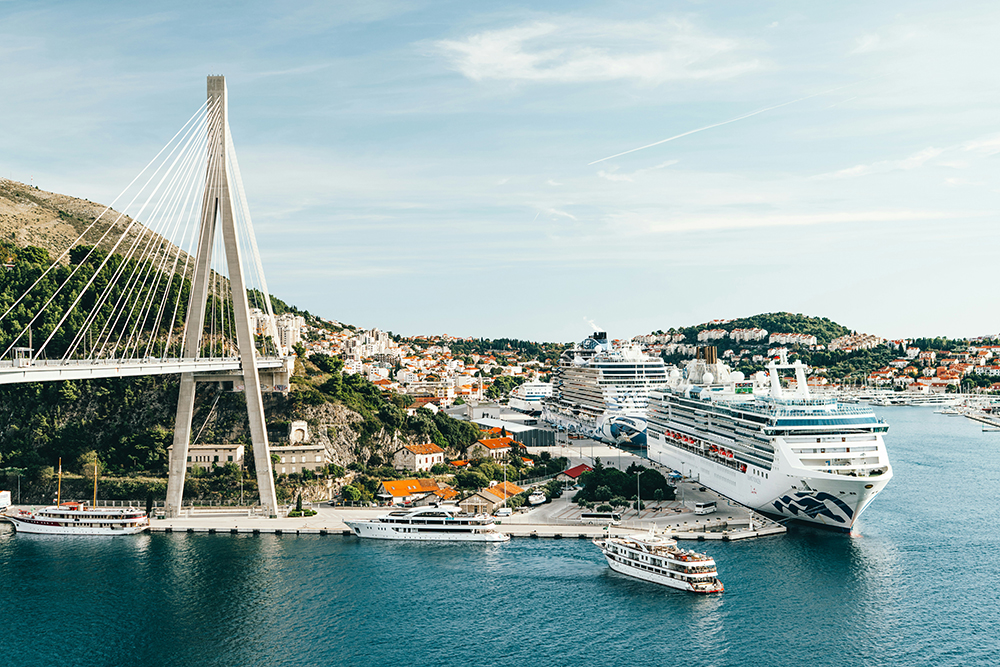
Photo by Erik Fabian on Unsplash
Ready to supercharge your Dubrovnik proposals?
Explore the full hotel inventory and start building your client’s next Dubrovnik and Croatia itinerary on RateHawk.
This article is part of the Destination Next initiative by RateHawk — helping travel businesses find stronger destination alternatives when travel plans change.