

 694
694 16 minutes read
Content
- Why travel agents should be selling Cyprus right now
- Practical information for travel agents
- Where to stay in Cyprus: Areas and hotel options
- Top things to see in Cyprus: Must-visit attractions
- Cyprus activities by travel type
- Day trips from Cyprus’s main resorts
- Cypriot food: What your clients should try
- Insider tips
- Cyprus as a “Destination Next” recommendation
Why travel agents should be selling Cyprus right now
Cyprus consistently outperforms client expectations as a destination that tourists love to return to and recommend to friends. Here’s why:
- Its long sunshine season with over 340 days of sun annually.
- Depth of Paphos’ UNESCO heritage.
- Natural beauty of the Akamas Peninsula.
- Limassol’s marina sophistication.
- Sheer variety from Nissi Beach to Lara Bay, offering something to suit every tourist demographic.
With RateHawk’s supply across Paphos, Limassol, Larnaca, and Ayia Napa, the inventory depth exists to support fast, confident trip recommendations across every client profile and budget.
Capture demand with a curated hotel selection
View the full collection of recommended Cyprus accommodations available until June 10, 2026 booking window.

Konstantina Zografou,
Junior Account Manager Greece & Cyprus
“Regarding Cyprus, from my perspective, I see strong and growing demand this year, especially for summer travel. Couples and families are currently the strongest segments, particularly for coastal destinations such as Ayia Napa, Protaras, Limassol, and Paphos. Cyprus is also attracting more short-break travelers due to strong flight connectivity and the combination of beaches, safety, gastronomy, and nightlife.
One important trend is that travelers are looking more for “complete experiences” rather than accommodation alone, combining beach holidays with local food, excursions, visits to wine villages, boat trips, and authentic Cypriot hospitality.”
Practical information for travel agents
Travel guidelines
Weather and best time to visit Cyprus
- Peak Season (June–August): Hot (35°C+), dry Mediterranean summer; sea temperatures 27–28°C. All beach resorts are at maximum capacity. Book at least 3 months in advance.
- Shoulder Season (April–May, September–October): Best time for most client profiles with daily temperatures of 22–28°C. This time sees warm sea, fewer crowds, and better hotel value. October delivers warm swimming well into autumn, a strong selling point against cooler European alternatives.
- Low Season (November–March): Mild coastal winters (12–18°C); the island is quieter and significantly cheaper. The Troodos Mountains receive snowfall from December to February, enabling rare same-trip ‘ski-and-sea‘ combinations.
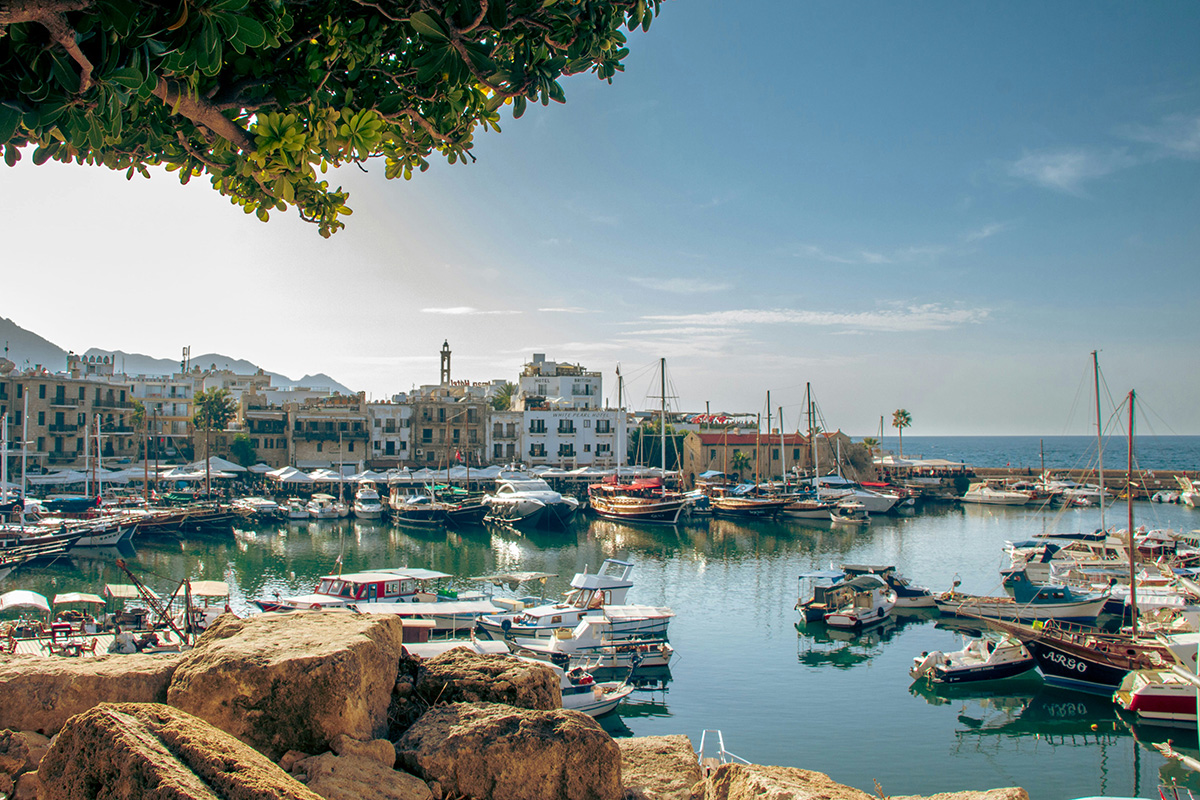
Photo by Katerina Bot on Unsplash
Cyprus fun facts
- Cyprus is the mythological birthplace of Aphrodite. The sea rock of Petra tou Romiou near Paphos, where she is said to have risen from the sea, is one of the island’s most photographed natural landmarks.
- Over 340 days of sunshine per year, amongst the highest in the EU.
- The island has been inhabited for over 10,000 years; the Neolithic settlement of Choirokoitia (c.7000 BC) is a UNESCO World Heritage Site.
- Cyprus produces Commandaria, a sweet dessert wine made from sun-dried grapes and considered one of the oldest named wines in the world, as it has been produced continuously since at least the 12th century.
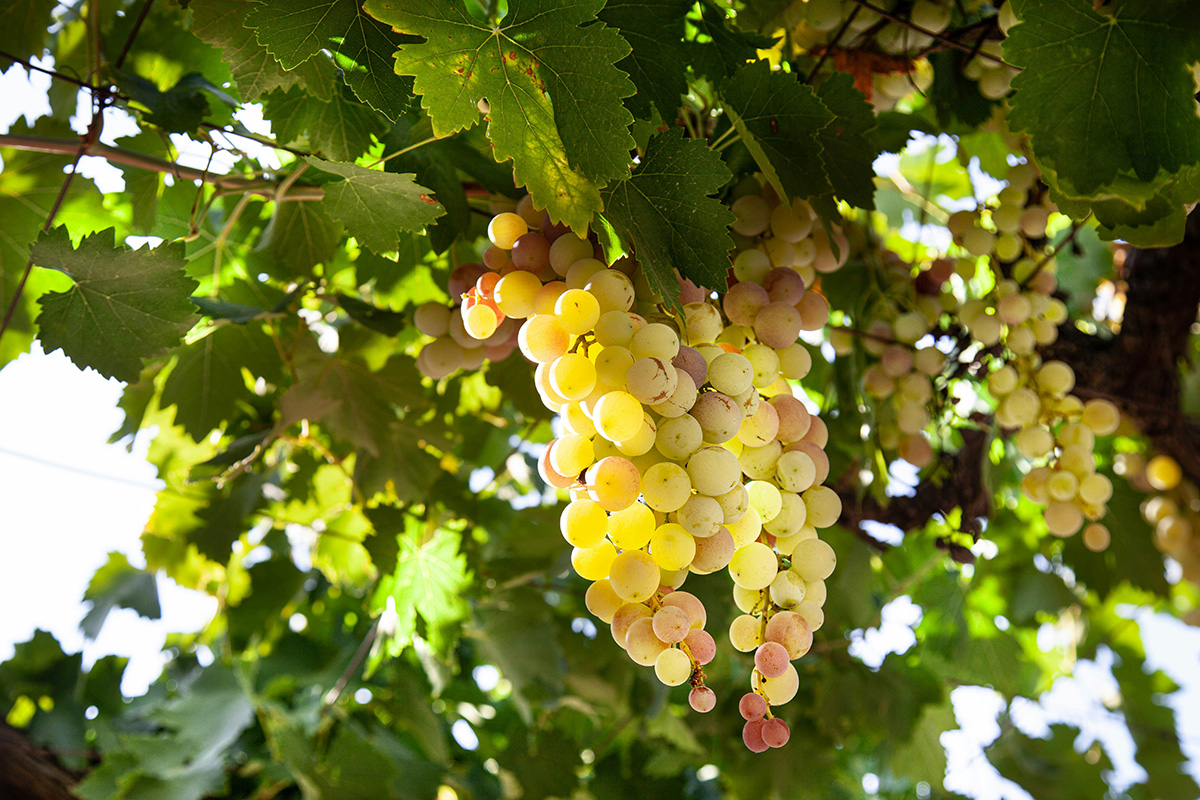
Photo by Nikolai Rubanov on Unsplash
Getting around Cyprus
- Car hire (strongly recommended): The most practical way to explore beyond a single resort base. Drives between Paphos and Ayia Napa take approximately 2.5 hours; the Troodos mountain road is 90 minutes from either coast.
- Intercity bus: Connects Nicosia, Limassol, Larnaca, Paphos, and Ayia Napa. Useful for budget travellers between major towns; limited for beaches and mountain villages.
- Taxis: Available in all towns; metered in urban areas, fixed-rate between towns.
RateHawk insight
Take the stress out of navigating a new country by upgrading your client’s package to include their transport. RateHawk makes it easy to add airline tickets, a hired car, or airport transfers to vacation bookings – ideal for first-time visitors to Cyprus, families, and solo travelers.
Where to stay in Cyprus: Areas and hotel options
Matching your client to the most suitable part of Cyprus is the first step to curating a tailored itinerary or vacation package. You can showcase your knowledge as a travel agent and prove that you understand the specific needs and wants of your client.
Paphos
Ideal for: Clients combining a beach holiday with cultural depth.
Home to the UNESCO-listed archaeological sites of Kato Paphos Archaeological Park, the Tombs of the Kings, and the ancient harbour. Paphos is also the gateway to the Akamas Peninsula nature reserve. Hotels in the area range from large beachfront resorts to boutique properties in the upper town.
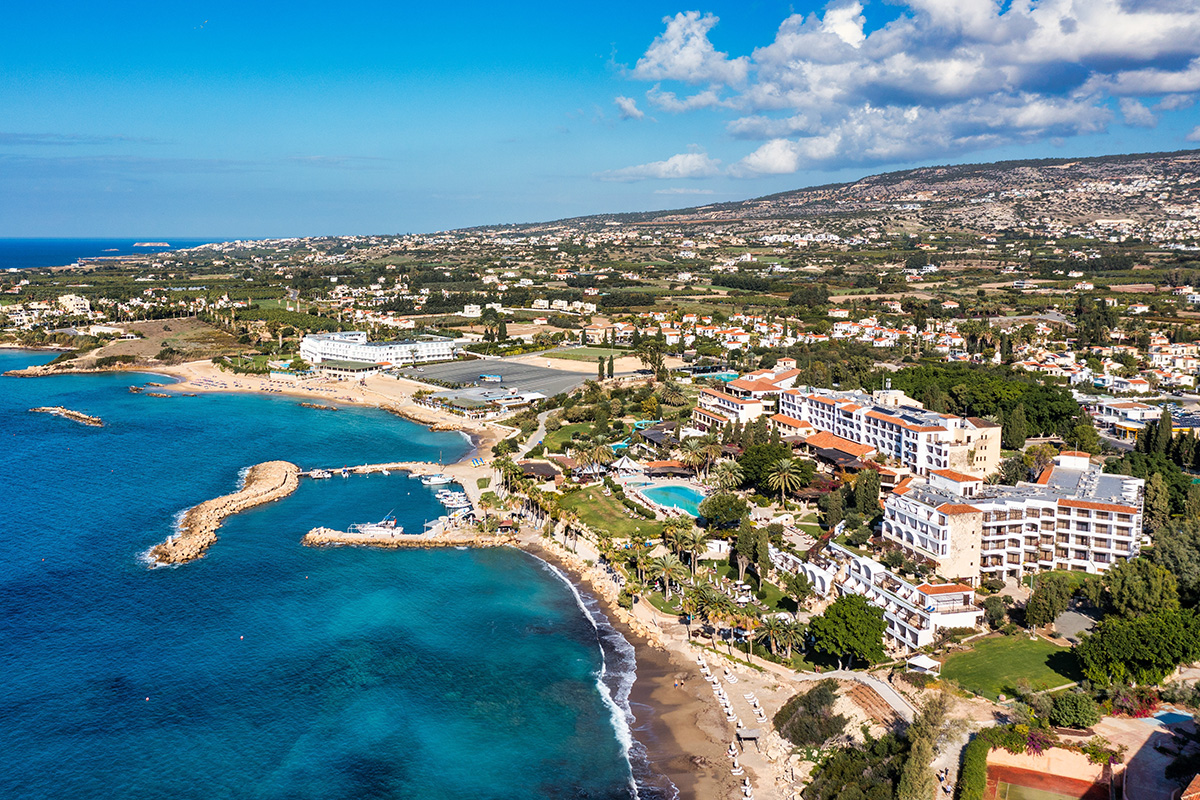
Photo: DaLiu / Shuttertock.com
Ayia Napa and Protaras
Ideal for: Ayia Napa’s club zone for party-focused clients, while families and couples will prefer Protaras.
The southeast coast is Cyprus’s most popular resort area for beach package holidays. Nissi Beach is a wide white-sand bay with turquoise sea and is the island’s most popular beach. Ayia Napa has a dual character: a lively nightlife zone and, just east at Protaras (Fig Tree Bay), a beautiful family-friendly coast.
Limassol
Ideal for: Luxury escapes, corporate travel, and clients wanting the most complete urban Cyprus experience.
Cyprus’s most cosmopolitan base. Limassol’s marina and seafront promenade are among the most developed in the eastern Mediterranean, with an array of modern luxury hotels, restaurants, and beach clubs. The castle and old town area retain their traditional charm.
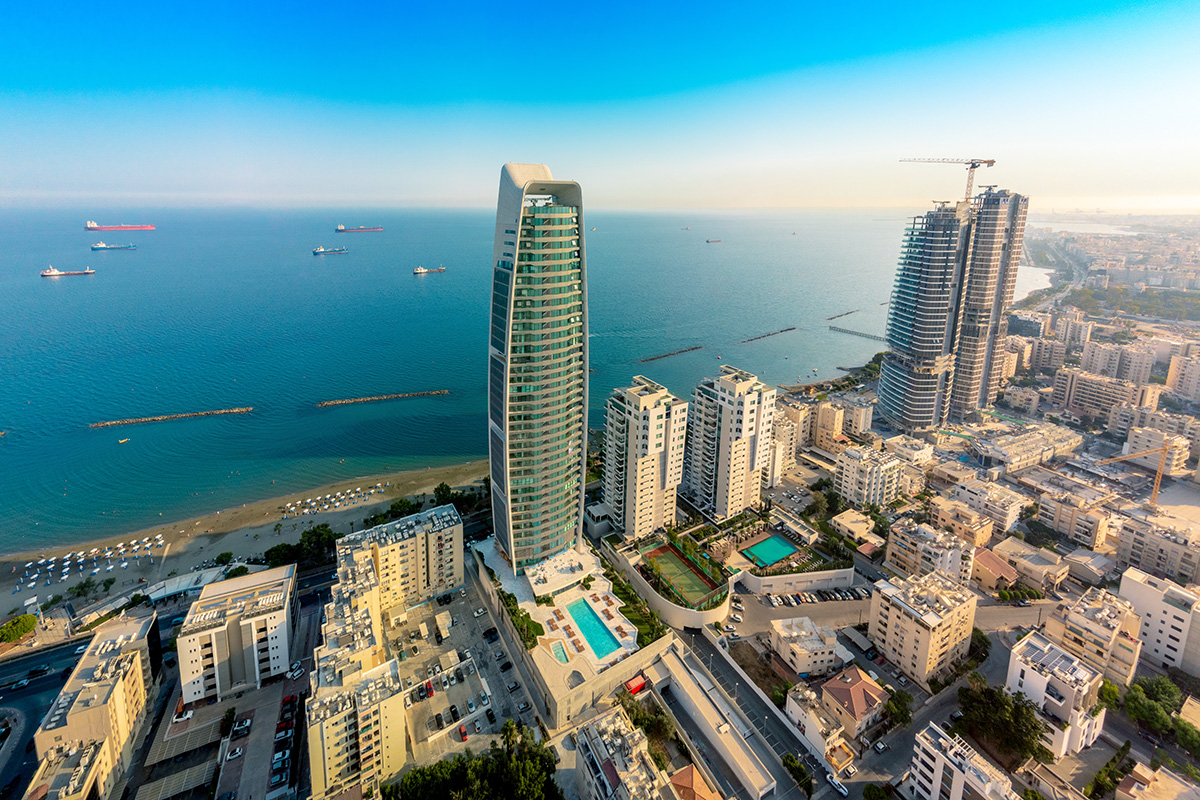
Photo: Wirestock Creators / Shutterstock.com
Larnaca
Ideal for: Strong choice for shorter stays and independent travellers.
Home to Cyprus’s main international airport and the beautiful Church of Saint Lazarus. Larnaca’s palm-lined seafront promenade is one of the most pleasant waterfront walks on the island, perfect for winding down in the evening or catching golden hours. The salt lake south of the airport attracts flamingos in winter and spring. More affordable than Limassol or Paphos, with a genuine local atmosphere.
Troodos Mountains
Ideal for: Clients wanting a completely different Cyprus experience.
Traditional stone-built guesthouses and boutique agrotourism properties offer cool temperatures, while the mountains are also home to UNESCO-painted Byzantine churches, cedar forests, and wine villages. Best recommended as part of a split itinerary: two to three nights in the mountains combined with a coastal base like Limassol.
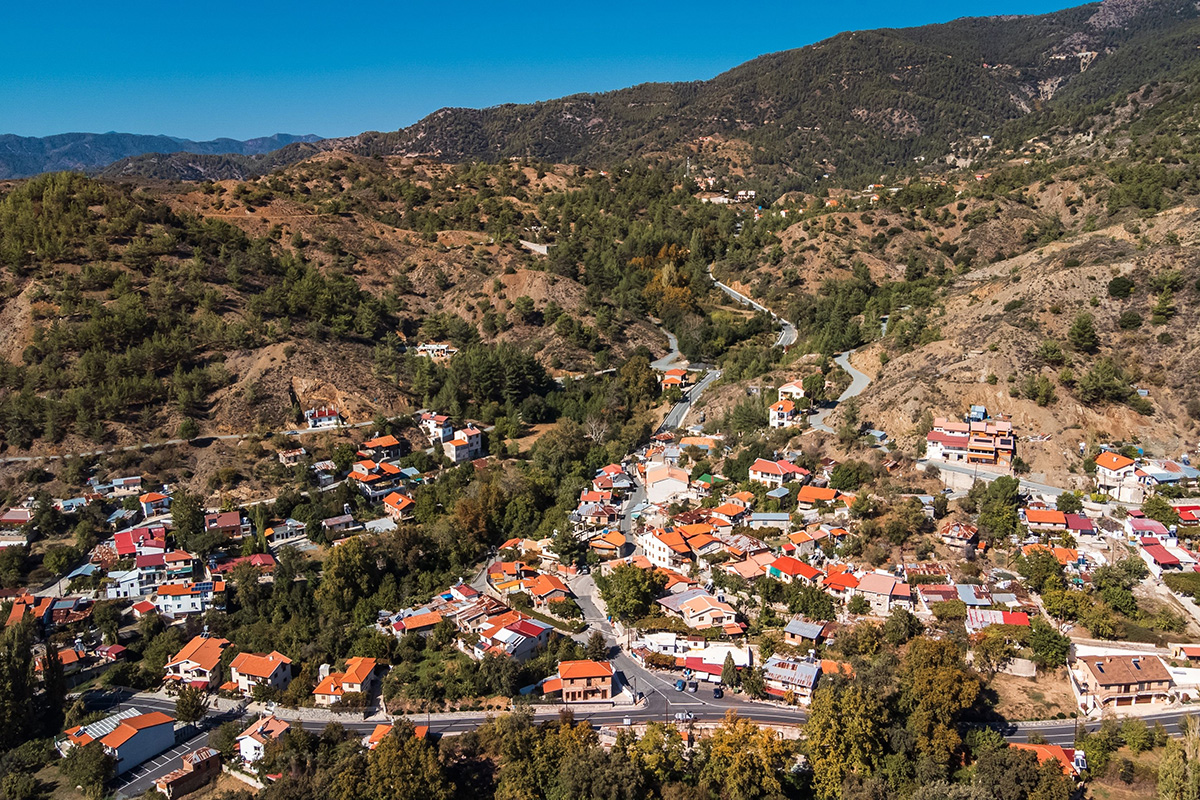
Photo: Wirestock Creators / Shutterstock.com
Top things to see in Cyprus: Must-visit attractions
1. Paphos Archaeological Park and Roman Mosaics
A UNESCO World Heritage Site on the Kato Paphos seafront, containing one of the finest collections of Roman mosaic floors in the world. The villas of Dionysos, Theseus, Aion, and Orpheus feature mythological scenes in extraordinary detail, dating from the 2nd to 5th centuries AD.
Best combined with the nearby Odeon amphitheatre, the lighthouse, and Paphos Castle on the harbour. Allow two to three hours to explore comfortably; early morning visits are recommended during the summer heatwaves.
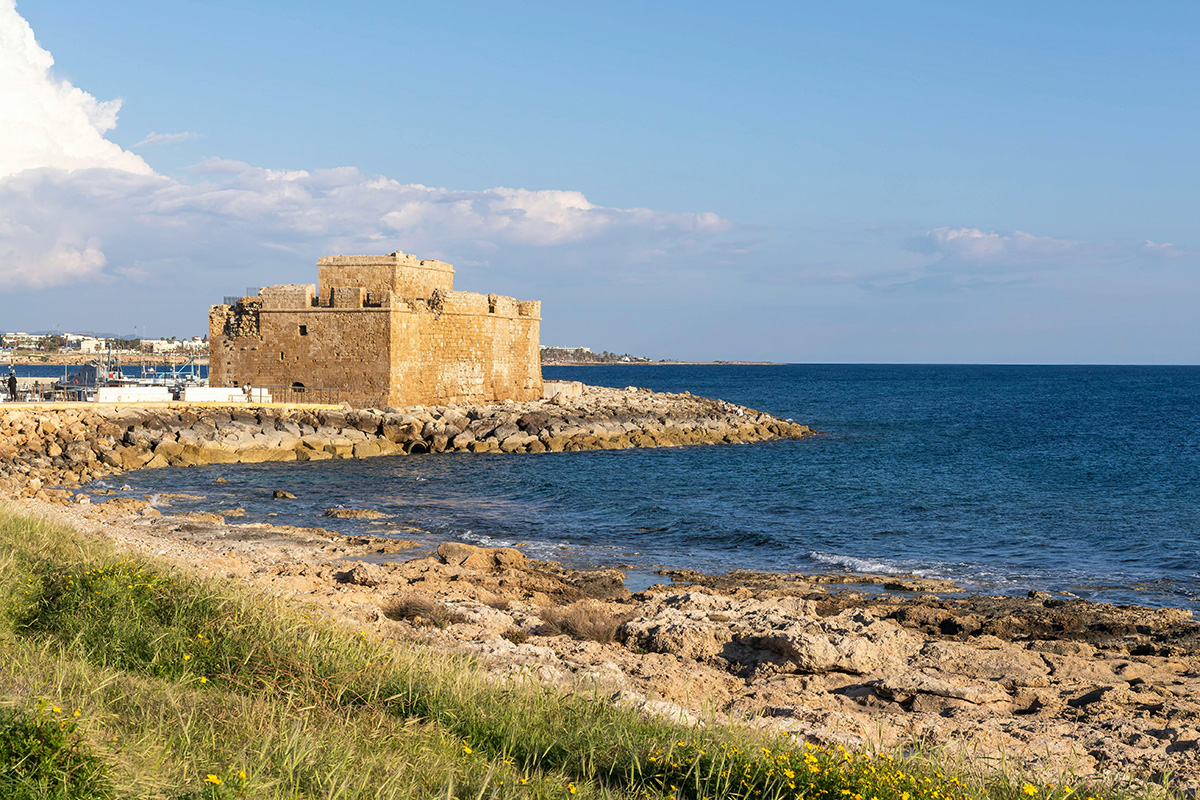
Photo by Bob Jenkin
2. Aphrodite’s Rock (Petra tou Romiou)
One of Cyprus’s most beautiful natural landmarks. This dramatic sea stack rises from the turquoise Mediterranean water on the coastal road between Paphos and Limassol. According to myth, swimming around the rock three times grants eternal beauty.
The cliff top view at sunset is spectacular and ideal for couples planning a romantic getaway, while the beach below is clear and swimmable. Free to visit and a natural stop on any drive between the island’s two main resort areas.
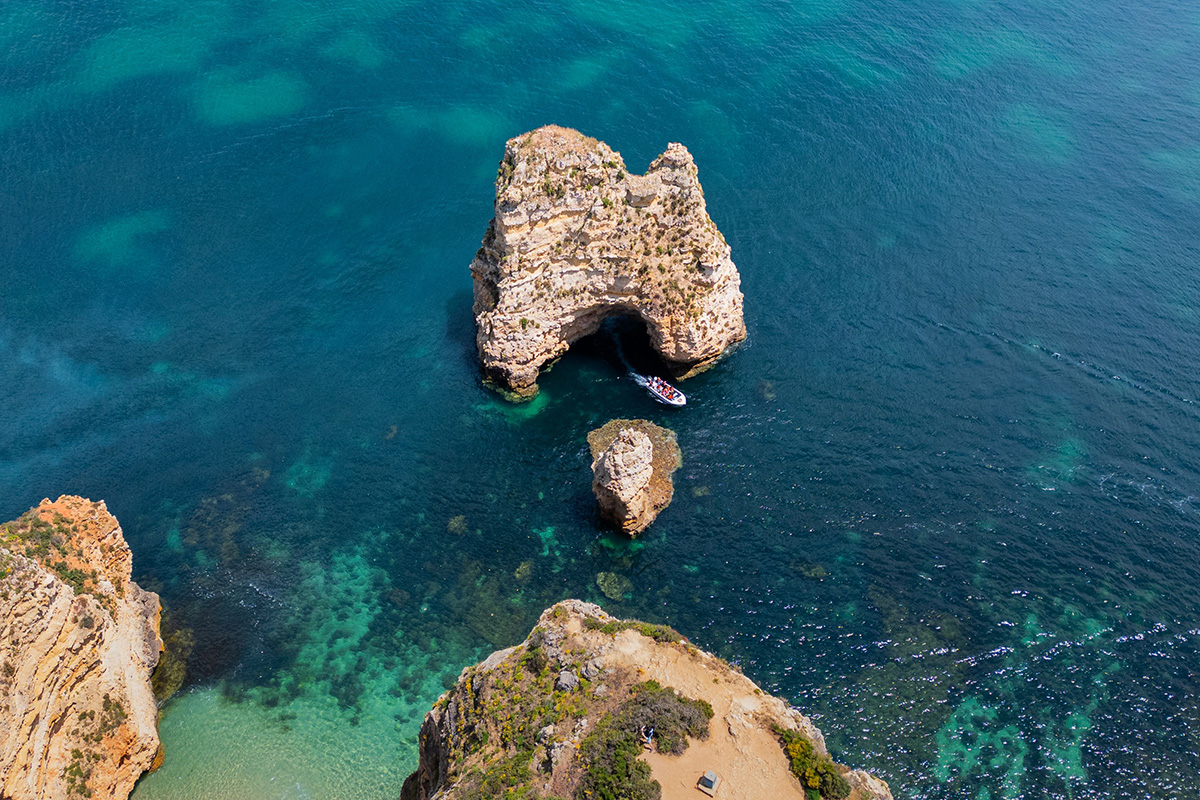
Photo by Dzmitry Charnou
3. The Troodos Mountains and UNESCO Byzantine churches
The Troodos mountain range rises to 1,952 metres at Mount Olympos and contains a labyrinth of cedar forests, traditional villages, and ten Byzantine painted churches collectively listed as a UNESCO World Heritage Site.
The Asinou church, a small 12th-century structure in the forest, contains some of the finest Byzantine fresco cycles in the world. The mountains are also nestled in Cyprus’s hiking heartland, with four well-marked trails (Artemis, Atalante, Caledonia, Persephone) around Mount Olympos, which are best suited for moderately experienced hikers.
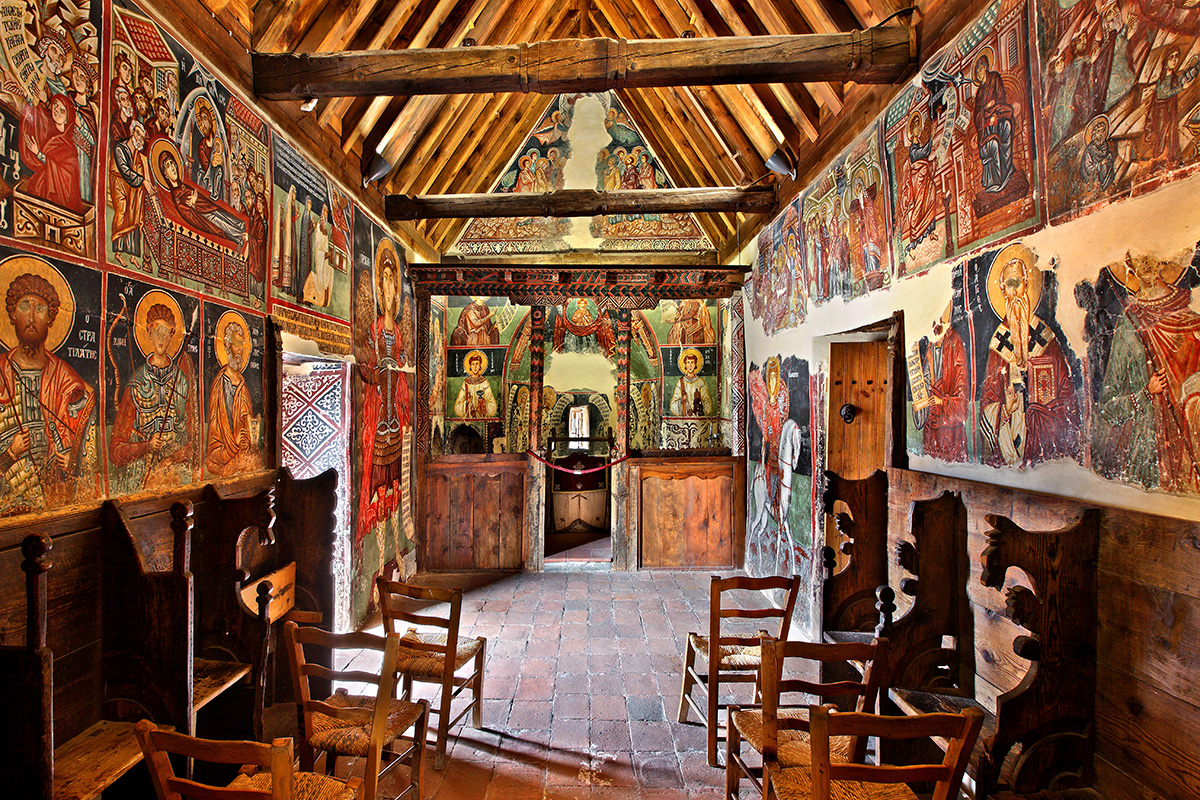
Photo: Heracles Kritikos / Shutterstock.com
4. Nissi Beach and the Cape Greco Peninsula
Nissi Beach is the island’s most famous stretch of sand. This wide, white-sand bay has shallow, intensely turquoise seawater and is connected to a small islet by a narrow sandbar.
It showcases the beauty of Mother Nature, though it is busy in July and August. The Cape Greco National Forest Park, east of Ayia Napa, offers a wild contrast for the eye: sea caves, natural arches, the Blue Lagoon, and coastal hiking trails. Nissi Beach is free to visit and one of the most naturally beautiful areas on the island. A must-visit for outdoor enthusiasts and photography-focused itineraries.
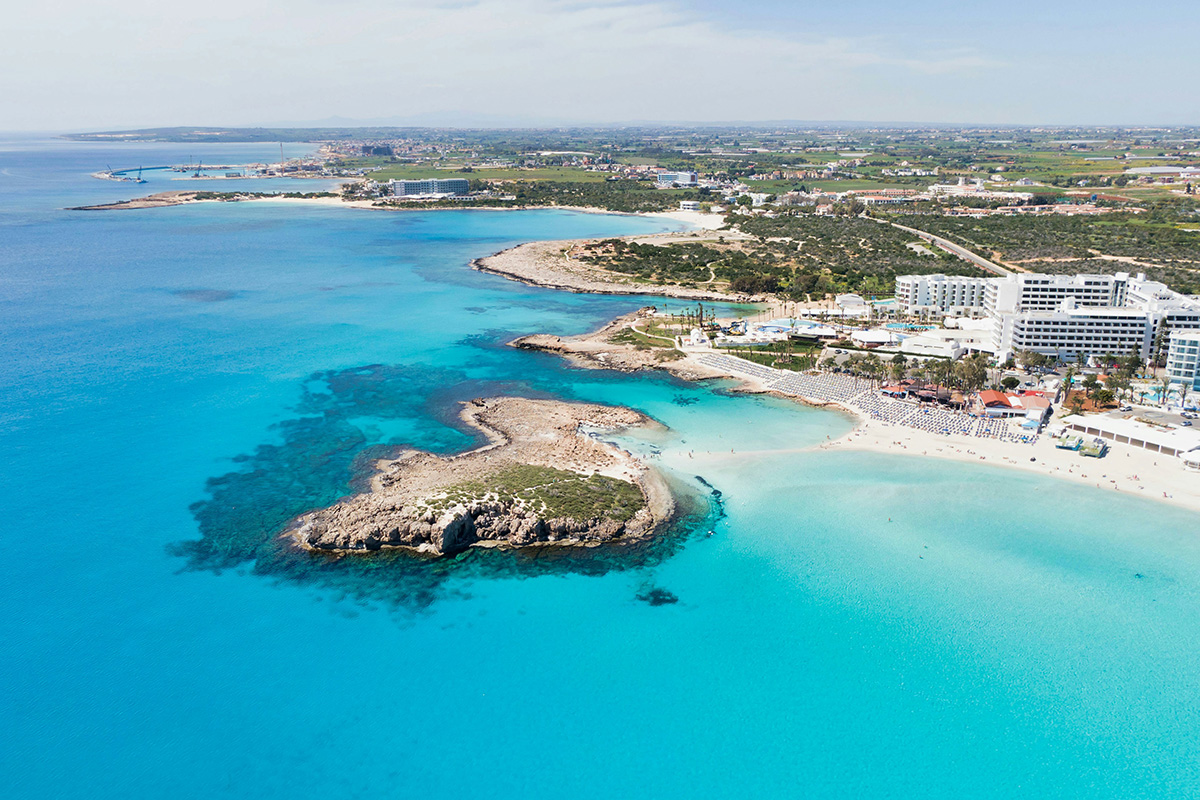
Photo by Datingscout on Unsplash
5. Nicosia: the last divided capital
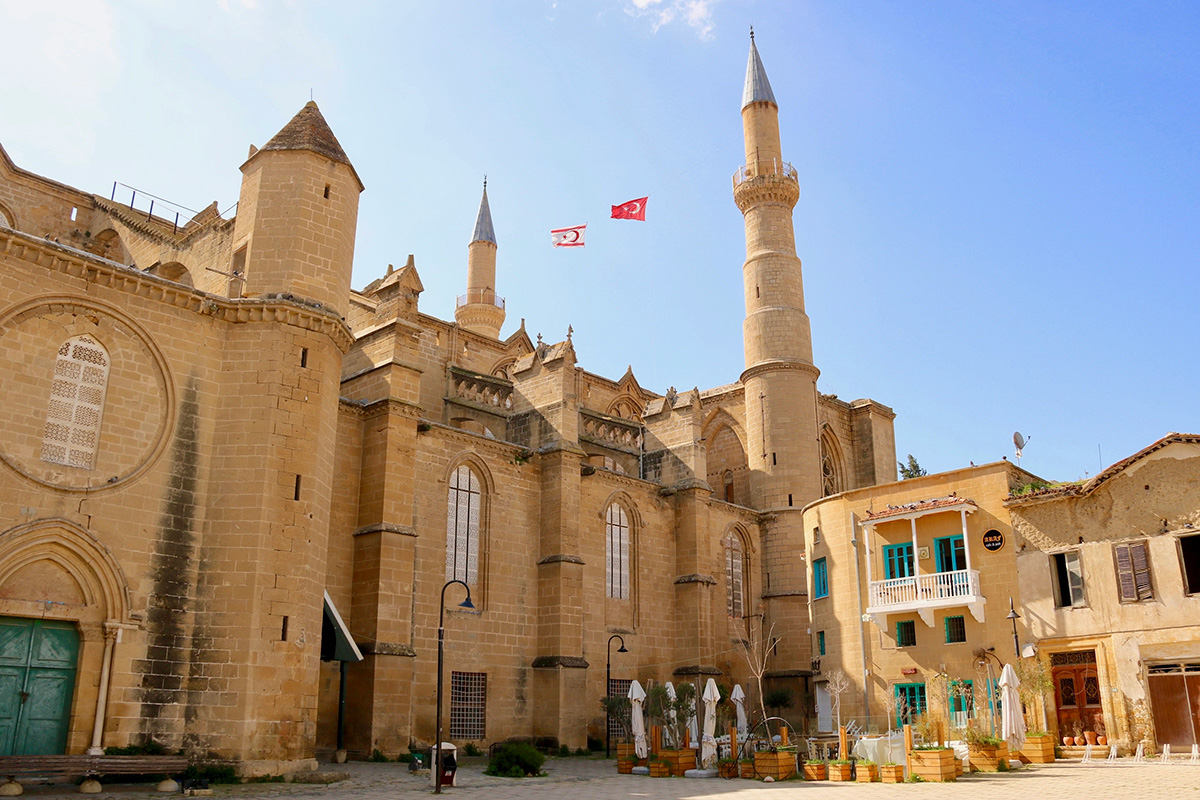
The capital city and the world’s last divided capital, Nicosia’s old town within its Venetian walls, is a fascinating and underrated destination. The Cyprus Museum holds the island’s finest archaeological collection.
The Ledra Street crossing point, where visitors can walk across the UN Buffer Zone between the Republic of Cyprus and Northern Cyprus, is a unique and thought-provoking experience that many clients find unexpectedly memorable.
Cyprus activities by travel type
Beach holidays
- Nissi Beach, Ayia Napa: The island’s most iconic beach; wide, sandy, shallow turquoise sea. Arrive early in peak season.
- Fig Tree Bay, Protaras: Frequently ranked among Europe’s best beaches, calmer and more family-oriented than Nissi, with crystal-clear water in a sheltered bay.
- Lara Bay, Akamas Peninsula: Remote, unspoiled, and a nesting site for loggerhead and green sea turtles, ideal for clients who want a wildlife excursion; accessible by 4×4 or boat; one of the most special natural beach experiences on the island.
- Governor’s Beach, near Limassol: Striking white chalk cliffs and dark sand; visually distinctive and worth a visit for clients based in Limassol.
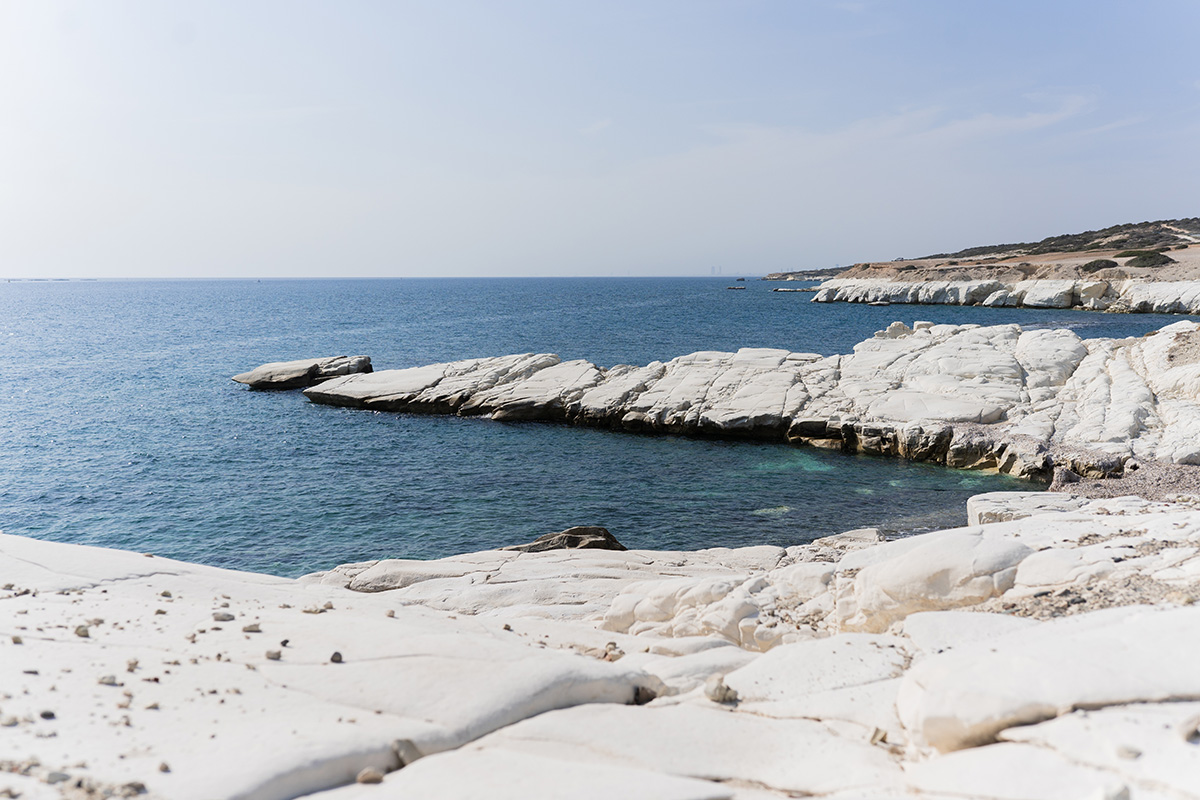
Photo: Andrianaa Hoshko / Shutterstock.com
Culture and city breaks
- Full-day Paphos cultural circuit: Kato Paphos Archaeological Park, Tombs of the Kings, Paphos Castle on the harbour, and the Byzantine Museum.
- Commandaria wine trail: The ancient wine villages of the Limassol region offer guided tastings of Commandaria and local red varieties at producer estates.
- Larnaca Salt Lake and Hala Sultan Tekke: The salt lake attracts flamingos from November to March. The Ottoman mosque of Hala Sultan Tekke beside the lake is one of the holiest sites in Islam and is architecturally stunning.
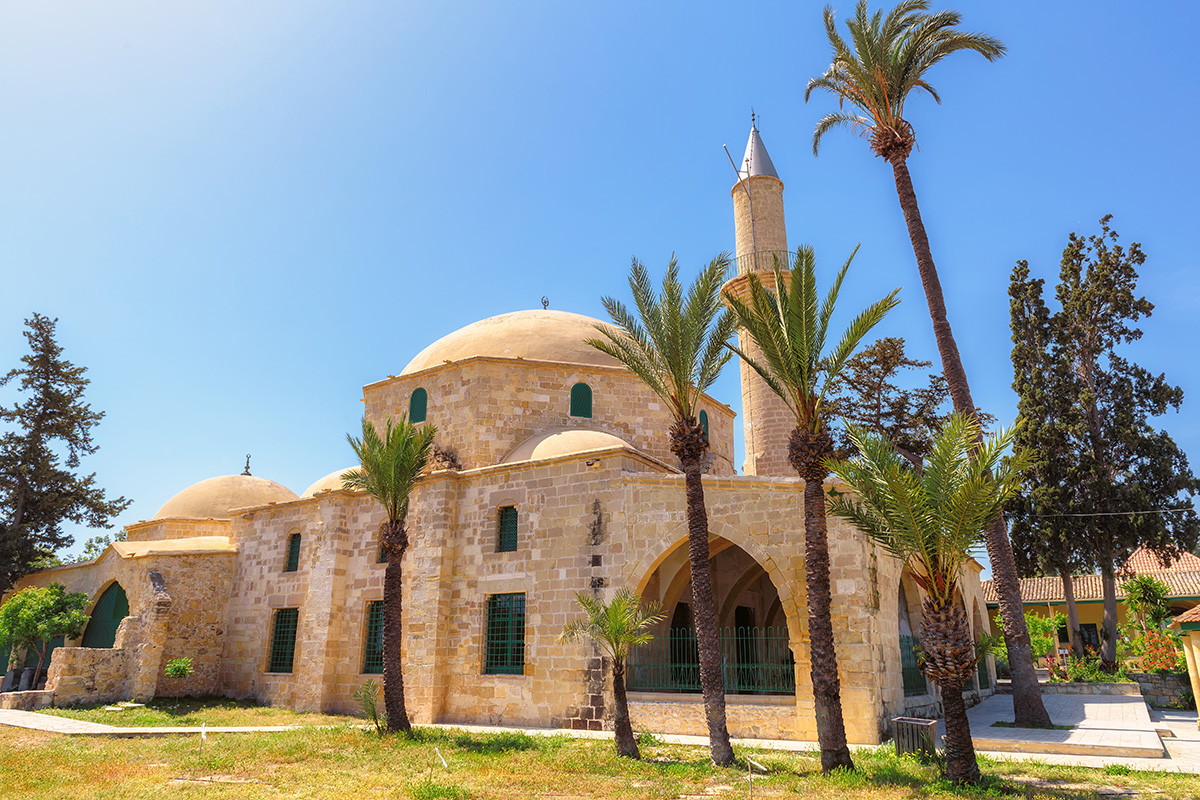
Photo: Lucky-photographer / Shutterstock.com
Nature and adventure
- Akamas Peninsula hiking: The Aphrodite Trail (7.5 km loop) and Adonis Trail (c.7 km) cover dramatic coastal and forest terrain; start early in summer, take water, and stay aware of surroundings.
- Troodos mountain hiking: Four signposted trails around Mount Olympos; the Caledonia Trail descends through cedar forest to a waterfall (approx. 3 km, one of the best short hikes on the island)
- Zenobia Wreck diving, Larnaca Bay: The MV Zenobia, a Swedish ferry that sank in 1980, is consistently ranked among the top ten wreck dives in the world. The wreck can be explored at varying depths, with some sections suitable for experienced recreational divers, while deeper penetrations are best reserved for more advanced divers.
- 4×4 safari to Lara Bay: Organised half- and full-day 4×4 tours from Paphos through the Akamas to Lara Bay turtle sanctuary; popular and well-organised, ideal for older kids as most operators require that all passengers be at least 10 years old.
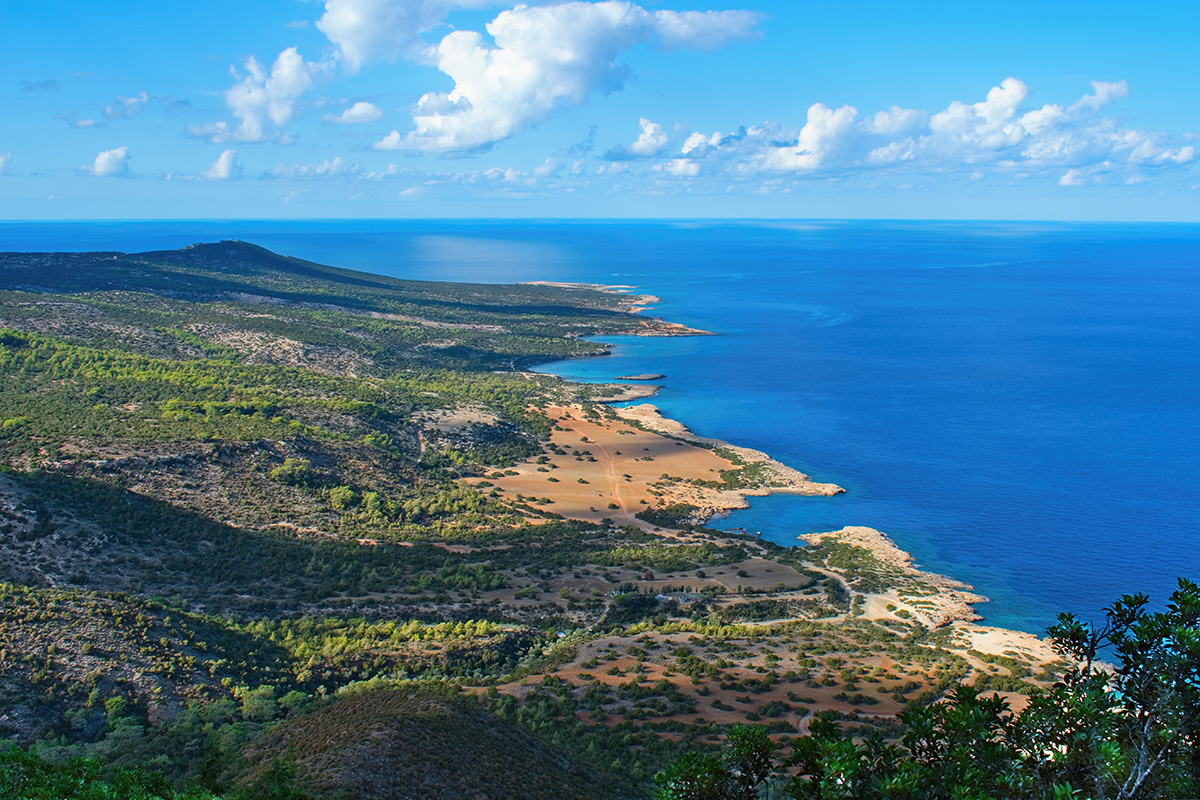
Photo: Tunatura / Shutterstock.com
Family holidays
- WaterWorld Themed Waterpark, Ayia Napa: One of the Mediterranean’s largest themed waterparks, with mythology-themed attractions; a full-day family activity and open year-round.
- Turtle nesting beach visits, Lara Bay: Guided night excursions to observe nesting or hatching, available from June to August; memorable and educational for children and adults alike.
- Paphos Archaeological Park: The Theseus mosaic’s Minotaur mythology heritage captivates children’s imagination; family audio guides are available at the site for a more immersive experience.
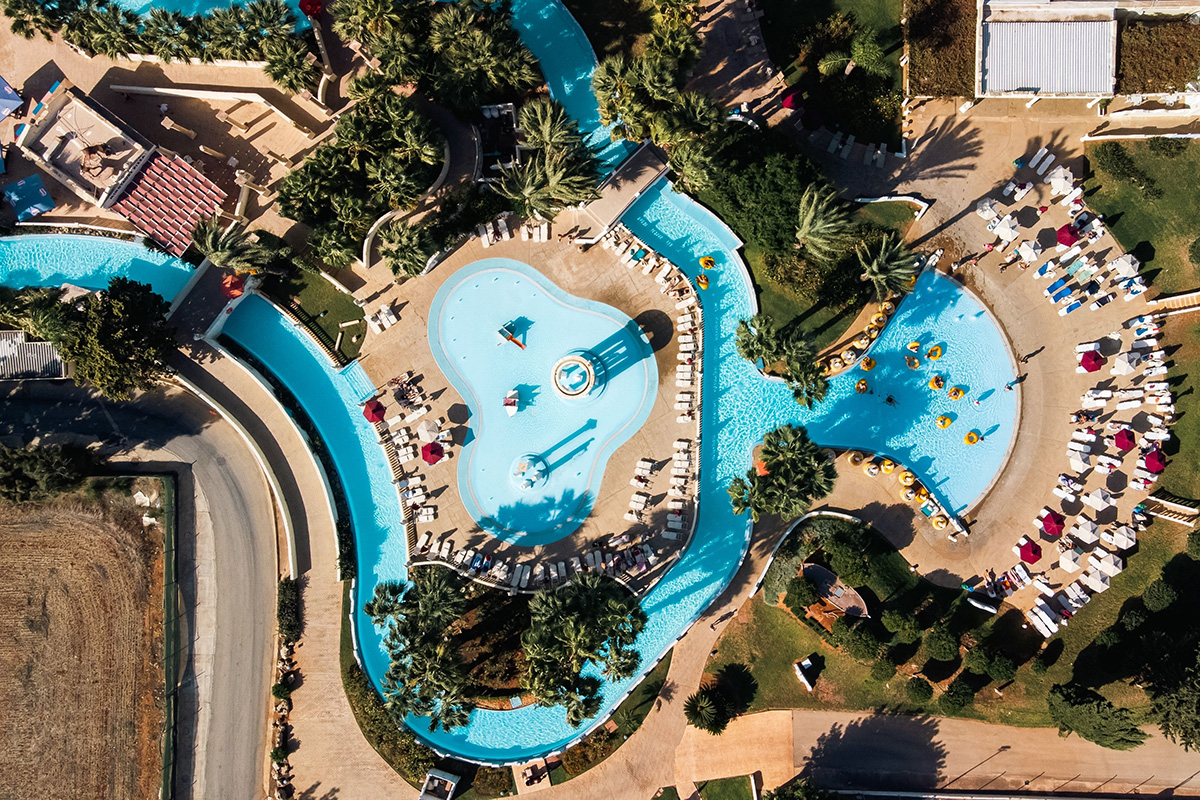
Photo: Wirestock Creators / Shutterstock.com
Luxury escapes
- Limassol Marina hotel stay: Superyacht berths, high-end dining, rooftop pools, and spa facilities; the most sophisticated end of Cyprus’s hotel market.
- Private boat charter along the south coast: Explore sea caves, lagoons, and secluded bays; available from operators in Limassol and Paphos.
- Commandaria wine tasting dinner at a Limassol region estate: Private dinner experience, focused on pairing local Cypriot food with the island’s historic wines, a must-do for foodies and wine connoisseurs.
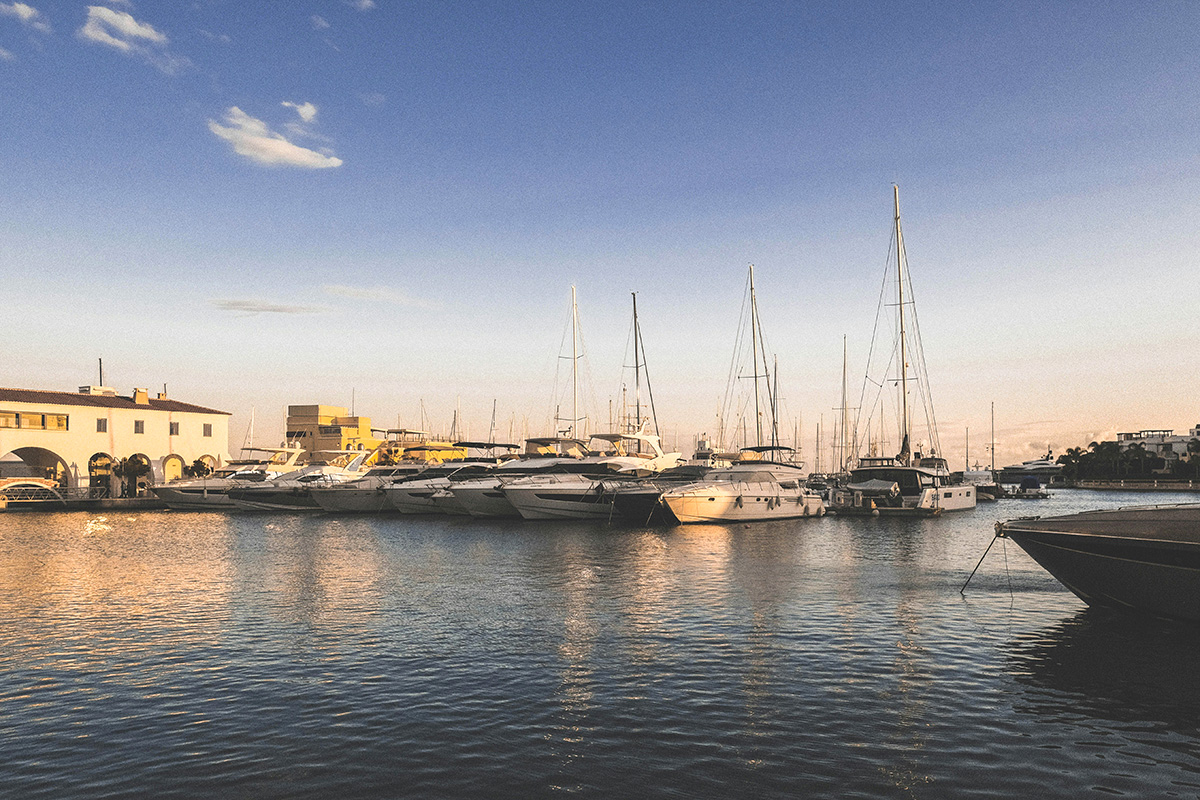
Photo by Denis Vdovin on Unsplash
Day trips from Cyprus’s main resorts
Nicosia Old Town (from any base)
Within 90 minutes of all three main resort areas by car. The Cyprus Museum, the Archbishop Makarios III Cultural Foundation, and the Ledra Street buffer zone crossing make a compelling full-day cultural excursion. A memorable way to discover the two contrasting sides of the divided city.
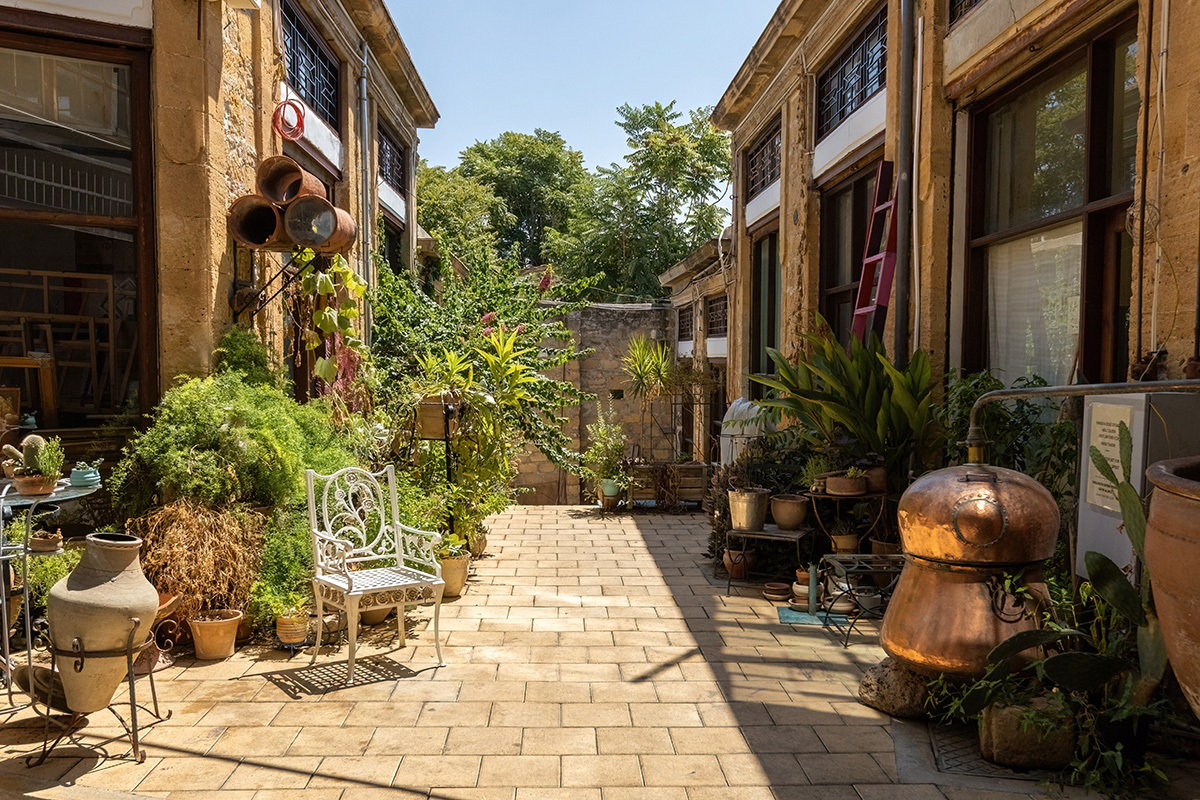
Photo: Sun_Shine / Shutterstock.com
Akamas Peninsula (from Paphos)
Cyprus’s most important protected natural area, just 30 to 40 minutes from Paphos by 4×4, hiking trail, or boat. The Blue Lagoon, at the tip of the peninsula, is reachable by boat from Latchi harbour or by hiking the Aphrodite Trail. It has some of the clearest turquoise seawater in the entire Mediterranean and is consistently highly rated by clients as one of the best day trips in Cyprus.
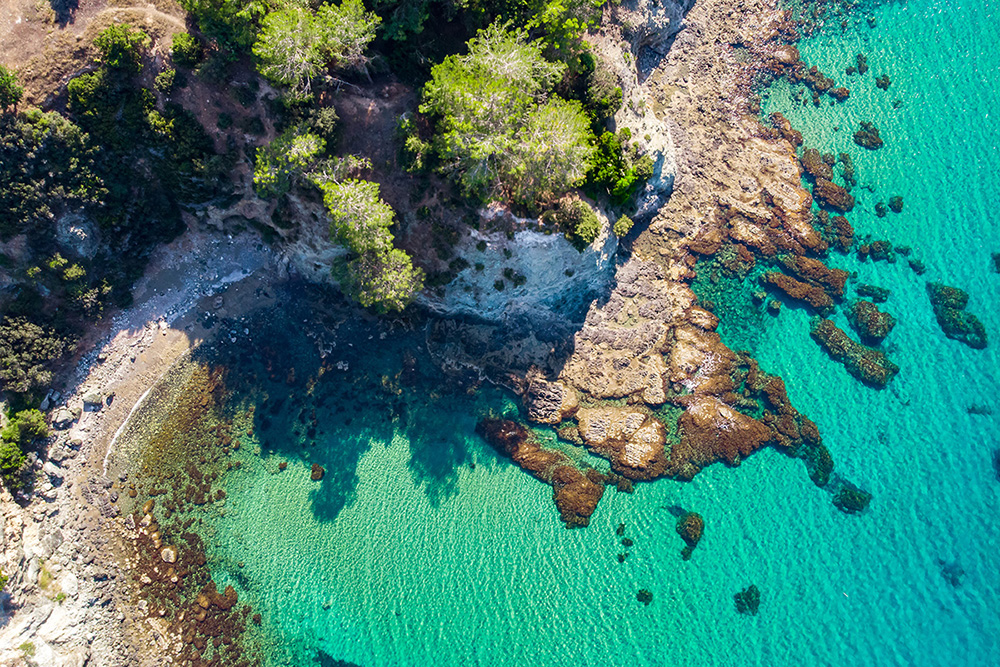
Photo: MrDenPol / Shutterstock.com
Troodos Villages and Kykkos Monastery (from any base)
The mountain villages of Omodos, Kakopetria, Platres, and Lefkara are within 60 to 90 minutes of all the coastal bases. They offer a chance of scenery for clients spending more than four nights on the island.
Highlights include Lefkara, famous for its traditional lacework and silverwork, and Kykkos Monastery, the wealthiest monastery in Cyprus, which houses a revered icon said to have been painted by Saint Luke. The drive through the cedar forest above Kykkos Monastery is one of the scenic journeys on the island. A must-do for clients with a hired car.
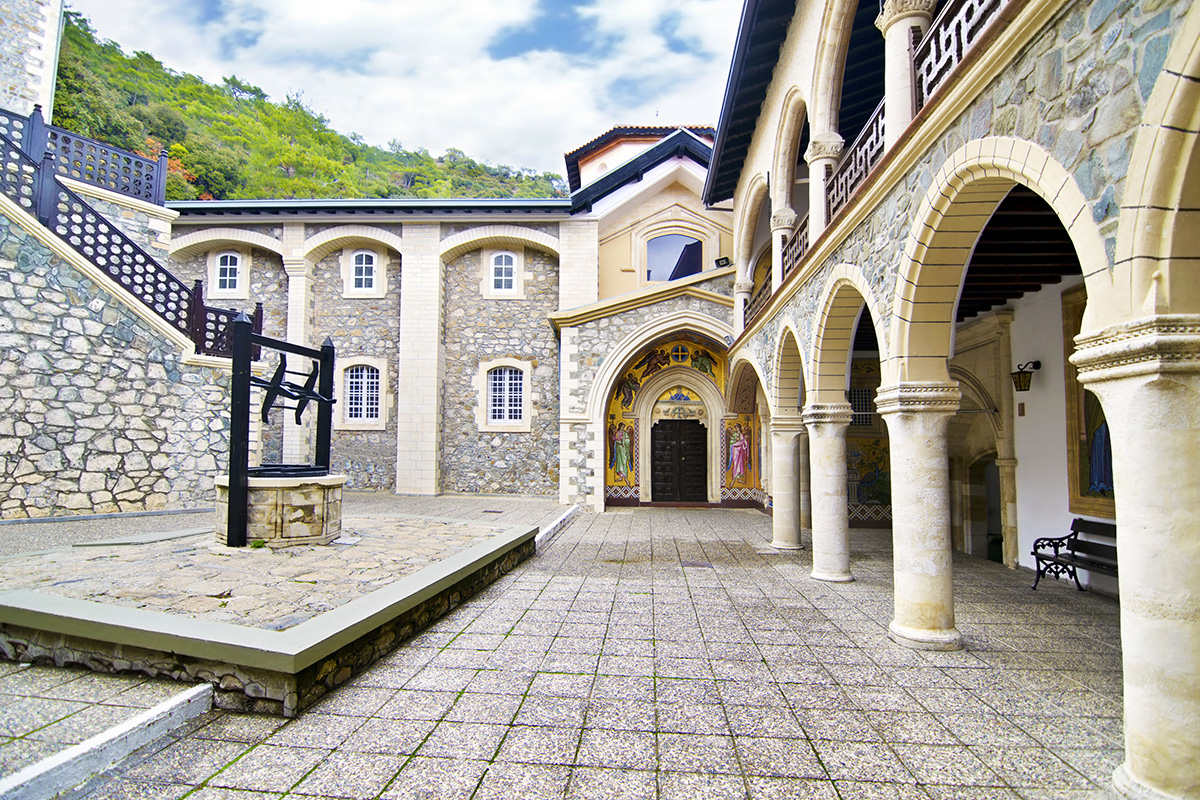
Photo: photo stella / Shutterstock.com
Cypriot food: What your clients should try
- Meze: The definitive Cypriot dining experience. Small plates (dips, grilled halloumi, souvlaki, sheftalia, vine leaves, fresh fish) are served over two to three hours at a traditional taverna; one of the island’s great pleasures and top of the list for culture-focused foodies.
- Halloumi: Eating it fresh from a Cypriot producer or grilled at a taverna instantly lets tourists taste the difference from the packaged versions sold abroad; a great recommendation for less adventurous clients.
- Commandaria wine: Experience it properly at a winery in the Limassol region rather than picking up a supermarket bottle.
- Souvlaki and sheftalia: Simple, well-executed, and best eaten at a roadside grill with fresh pitta and a cold Keo beer.
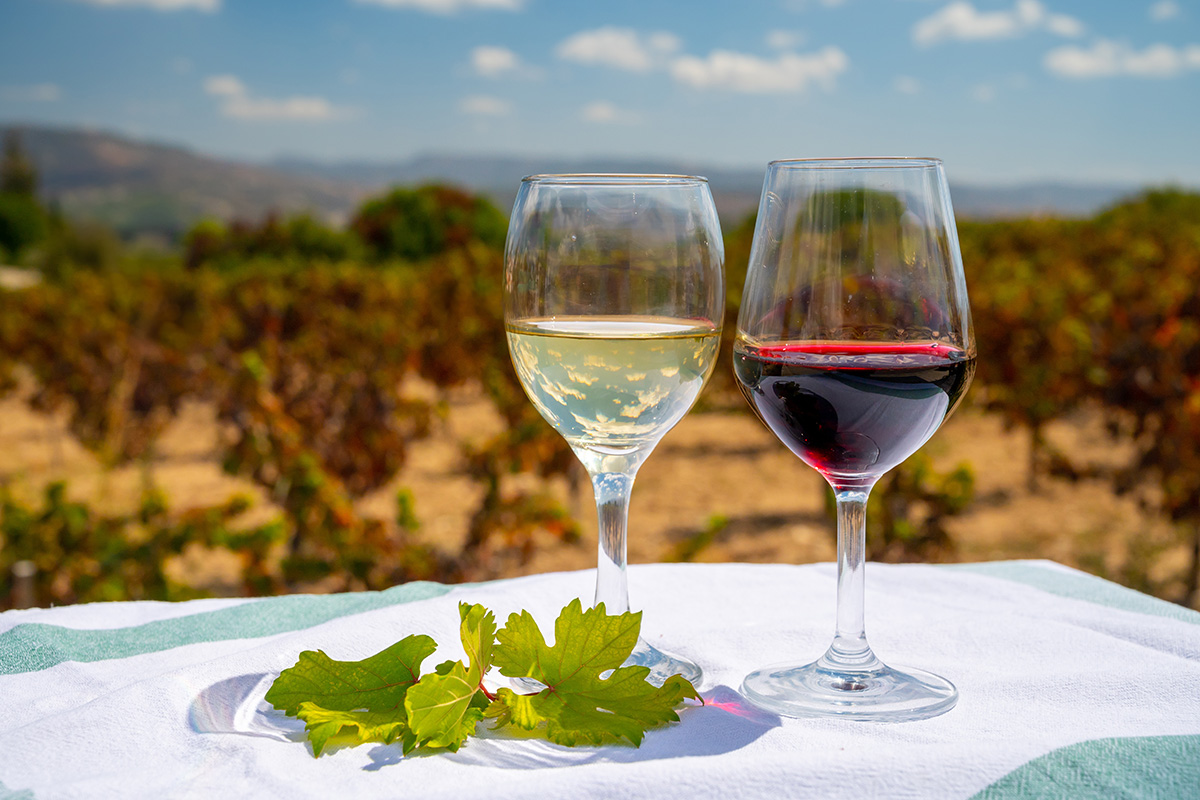
Photo: barmalini / Shutterstock.com
Insider tips
Souvenirs worth buying
- Lefkara lace (lefkaritika): Traditional handmade lacework from the mountain village of Lefkara; one of Cyprus’s most distinctive craft products, available at village workshops and Nicosia craft shops.
- Commandaria wine: A bottle from a traditional producing village winery is the most authentic food souvenir from Cyprus; a much better choice than a last-minute bottle of airport wine.
- Cypriot extra-virgin olive oil: Available directly from producers in the Paphos and Limassol regions and far superior to the supermarket alternatives.
- Carob products: Cyprus has a long historical association with carob production; carob syrup, carob chocolate, and carob flour make distinctive and genuinely local gifts.
- Vacuum-packed fresh Cypriot halloumi: An entirely different product from the imported versions sold abroad; worth the hassle of bringing it home in checked luggage.
Konstantina Zografou,
Junior Account Manager Greece & Cyprus
“Personally, one of the most memorable things in Cyprus is the balance between relaxation and local culture. Traditional tavernas, village festivals, Cypriot meze culture, and the hospitality of local people creates a very authentic feeling for visitors.”
Cyprus as a “Destination Next” recommendation
Cyprus is one of the most reliable Eastern Mediterranean alternatives on the RateHawk Destination Next tool. Strong air connectivity, deep hotel supply across four resort areas, EU membership, and year-round viability make it a destination agents can recommend with confidence when clients need a fast, credible plan B.
- As an alternative to Crete or Rhodes, Cyprus offers comparable beach quality, a longer sunshine season, and stronger cultural depth in Paphos, often at competitive rates; EU membership and the euro remove additional friction for European clients.
- As a substitute for Turkey’s Mediterranean coast, Cyprus delivers the same eastern Mediterranean sea quality, similar climate, and excellent cuisine in a fully EU environment with English widely spoken.
- For clients in traveller indecision, Cyprus’s combination of UNESCO heritage, beautiful beaches, mountain hiking, and one of the EU’s most stable environments makes it one of the most complete destinations in the eastern Mediterranean.
- As a gateway for wider regional itineraries, Cyprus’s position makes it one of the most practical starting points for clients combining a beach stay with Jordan, Israel, or Lebanon; direct flights from both Larnaca and Paphos.
- For long-stay and digital nomad travel, Cyprus’s favourable tax environment, EU membership, English-language infrastructure, and year-round climate have made it increasingly popular for extended stays.
Ready to supercharge your Cyprus proposals?
Explore the full hotel inventory and start building on RateHawk.
This article is part of the Destination Next initiative by RateHawk — helping travel businesses find stronger destination alternatives when travel plans change.