

 640
640 13 minutes read
Content
- Why travel agents should be selling Lisbon right now
- Practical information for travel agents
- Where to stay in Lisbon: Neighbourhoods and hotel options
- Top things to see in Lisbon: Must-visit landmarks
- Lisbon activities by travel type
- Day trips from Lisbon
- Portuguese food in Lisbon: What your clients should try
- Insider Tips
- Lisbon as a “Destination Next” recommendation
Why travel agents should be selling Lisbon right now
Lisbon remains one of the best value propositions in Western Europe. Here’s why:
- Neighbourhoods are walkable and distinctive, ideal for travellers who want to explore a city on foot.
- Excellent-value food compared with many Western European capitals.
- World-class museums that are often less crowded than those in Europe’s largest capitals.
- Diverse day-trip potential, including Sintra, Cascais, Setúbal, and Porto.
For agents building European city-break packages, Lisbon’s Atlantic personality gives it something clients cannot find anywhere else in Europe. With RateHawk’s inventory across Alfama boutique guesthouses, Belém riverside hotels, and Chiado luxury properties, you have everything you need to build a custom Lisbon package to suit every client.

Ana Diaz,
Country Manager Iberia
“Lisbon is one of Europe’s most popular city breaks right now. A typical stay is 2-3 nights. Weekend breaks (Thu-Sun) are very popular. Couples aged 30-50 as this is a perfect romantic getaway. The solo traveler segment (aged 25–40) is fast-growing, drawn by the creative scene, nightlife, and walkability. Families are less common but do book long weekends, especially combining culture with Cascais and Sintra.”
Practical information for travel agents
Travel guidelines
Weather and best time to visit Lisbon
- Spring (March–May): Best time for most clients with temperatures ranging from 16–22°C; jacaranda trees in bloom, manageable crowds, and pricing below summer peak.
- Summer (June–August): Hot (28–32°C) and lively. The Festas de Lisboa in June, centred on the Feast of Saint Anthony on 13 June, is one of Europe’s best street celebrations. Book well ahead for July–August.
- Autumn (September–October): Warm temperatures, lower prices, exceptional light on the Tagus. An excellent alternative to spring.
- Winter (November–February): Mild (12–16°C), occasional rain, lowest hotel rates of the year. Fado concerts and the museum circuit remain active, giving added value for cultural travellers.
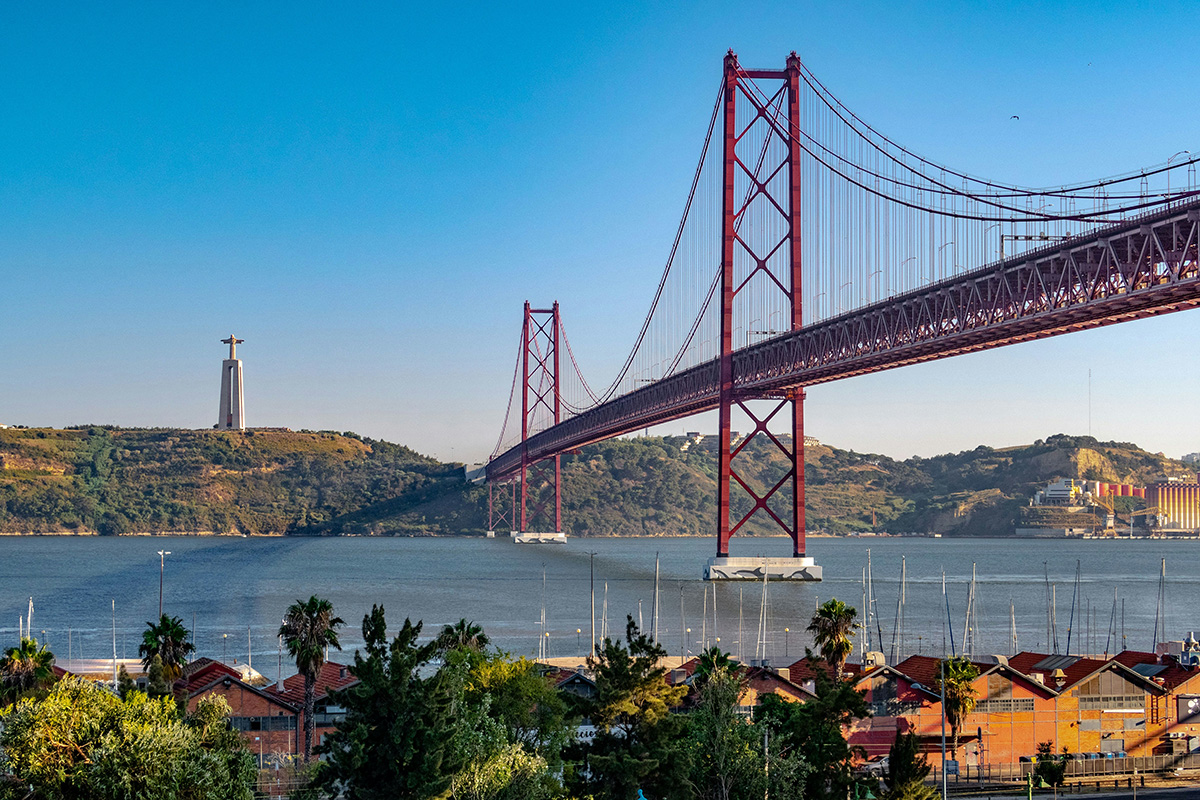
Photo by Svetlana Gumerova on Unsplash
Lisbon fun facts
- One of Western Europe’s oldest continuously inhabited capitals. The Moorish Alfama district dates to at least the 8th century AD, predating Rome’s own settlement.
- The catastrophic earthquake of 1 November 1755, followed by a tsunami and fire, killed 30,000–40,000 people and destroyed most of the city. The Pombaline Baixa grid was built from scratch in the decades that followed.
- Lisbon’s yellow trams have been running in some form since 1873, making it one of the oldest urban tram systems still in regular service today.
- Pastel de nata was invented by monks of the Jerónimos Monastery. The original recipe is still made at the Fábrica de Pastéis de Belém, which has been open continuously since 1837.
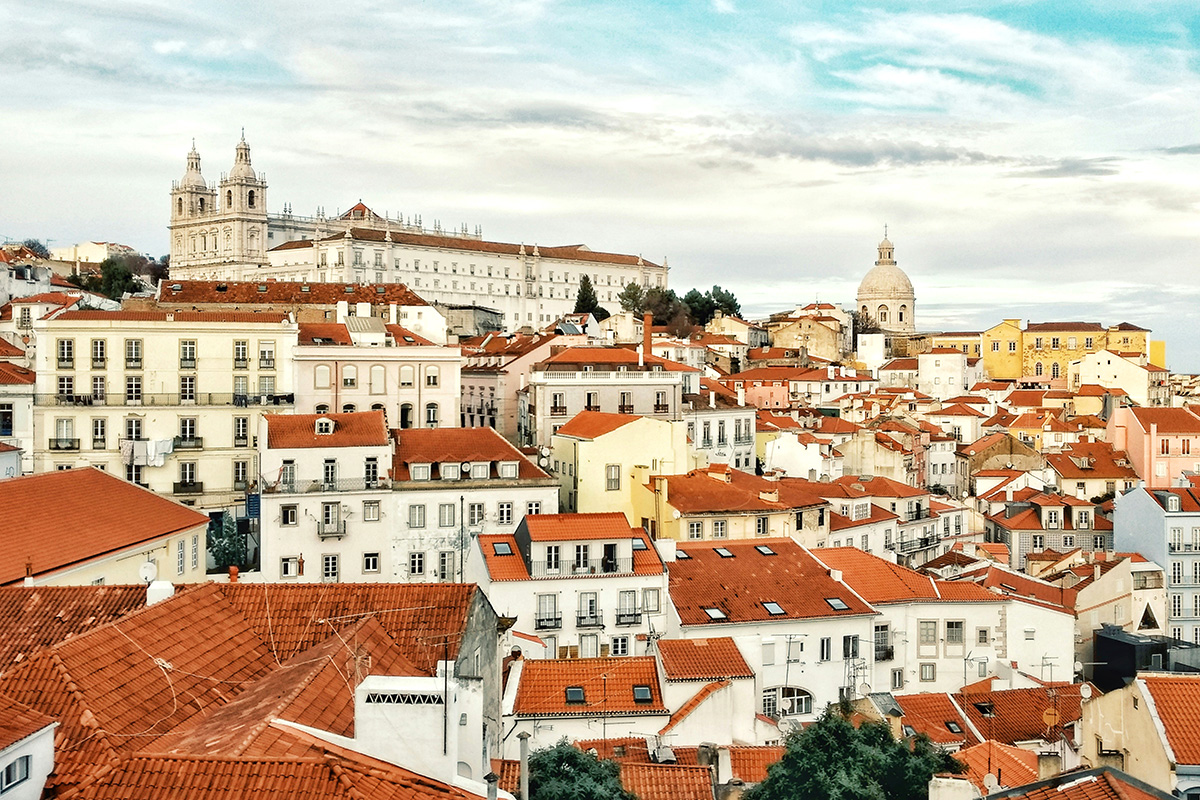
Photo by Liam McKay on Unsplash
Getting around Lisbon
- Metro: Four lines cover the city centre, the airport, and connections to Sintra and Cascais trains. The Navegante card is the most convenient option for tourists.
- Tram: Tram 28 through Alfama, Graça, and Chiado is one of Europe’s most scenic routes. Tram 15E connects the centre to Belém. Slow but atmospheric; travelers who need a seat should avoid peak hours.
- Funiculars and Elevador de Santa Justa: The neo-Gothic iron lift (built 1902) and three funiculars (Bica, Glória, Lavra) are both practical transport and unmissable Lisbon experiences, covered by the Navegante card.
- Taxi and ride-hailing: Uber and Bolt are plentiful and affordable; best options for airport transfers and cross-town journeys.
RateHawk insight
Travel agents can optimize the value of Lisbon packages by offering travel bookings along with accommodation. RateHawk makes it easy to upgrade packages with add-ons like airport transfers, train tickets for day trips like Porto, and even hire cars for clients who want to explore beyond Lisbon.
Where to stay in Lisbon: Neighbourhoods and hotel options
Baixa and Chiado
Ideal for: First-time visitors who want to explore Lisbon on foot.
Flat, central, and walkable with Rossio station, metro connections, and the Praça do Comércio riverfront all within easy reach. Hotel options span all price levels, making it a great suggestion for new clients or those who want maximum flexibility for their itinerary.
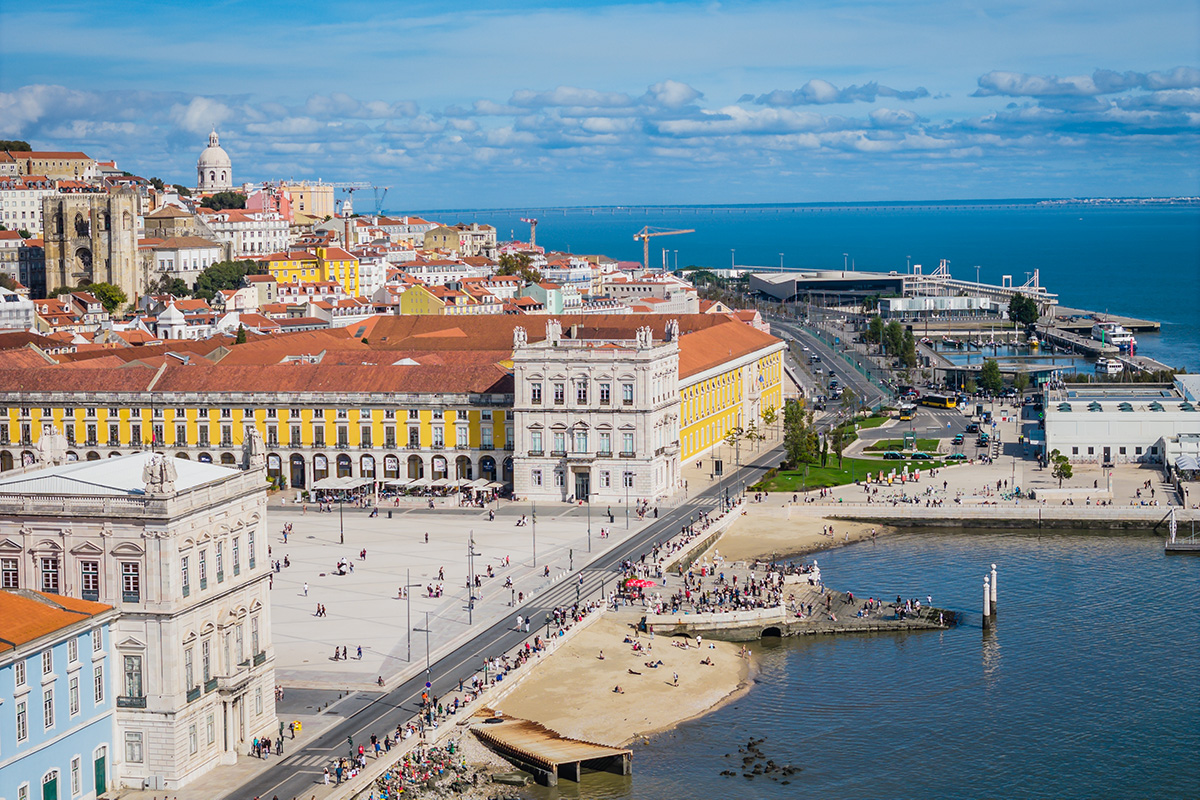
Photo: Audrius Venclova / Shutterstock.com
Alfama
Ideal for: Romantic getaways and history enthusiasts.
Lisbon’s oldest and most atmospheric district. Moorish alleyways, azulejo facades, and fado bars make it the most characterful base in the city. Accommodation is mostly smaller boutique guesthouses and apartments, ideal for clients who want a more elevated experience without paying for a five-star hotel.
Bairro Alto and Príncipe Real
Ideal for: Design-conscious travellers and returning visitors to Lisbon.
Bairro Alto for nightlife; Príncipe Real, just north, for Lisbon’s best independent restaurants, wine bars, and antique shops. Boutique hotels and converted palacete guesthouses dominate this area.
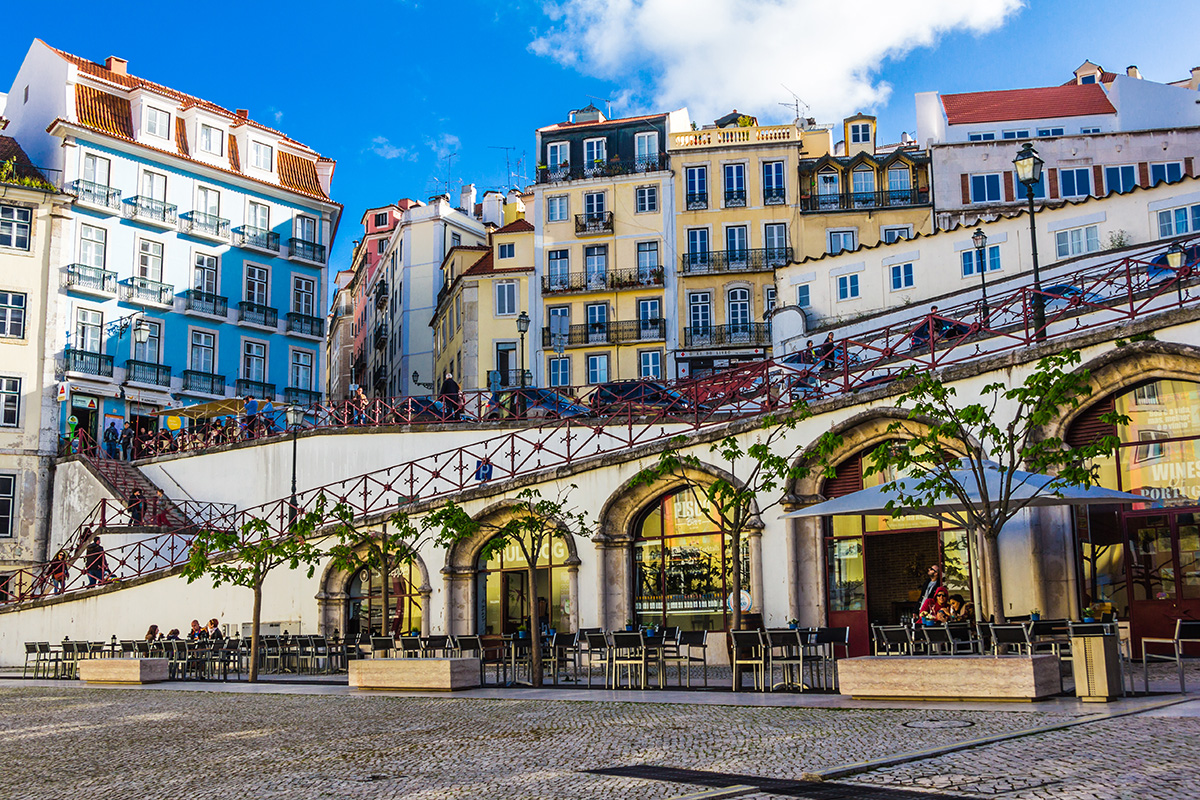
Photo: Damira / Shutterstock.com
Belém
Ideal for: Clients who want a quieter getaway that lets them feel like a local.
Six kilometres west of the centre, Belém is home to Lisbon’s greatest monuments and the original pastel de nata factory. Quieter and residential, with easy access back to the city centre by taking tram 15E or the Cascais train. Ideal for returning visitors or those who want a quiet weekend getaway.
Mouraria and Intendente
Ideal for: Solo travellers and cultural enthusiasts who want to explore beyond the busiest tourist attractions.
Lisbon’s most multicultural neighbourhood, with an emerging restaurant and arts scene. It has a strong appeal for solo travellers who want to see the city beyond the tourist trail. Boutique hotels and design hostels are the main accommodation types here.
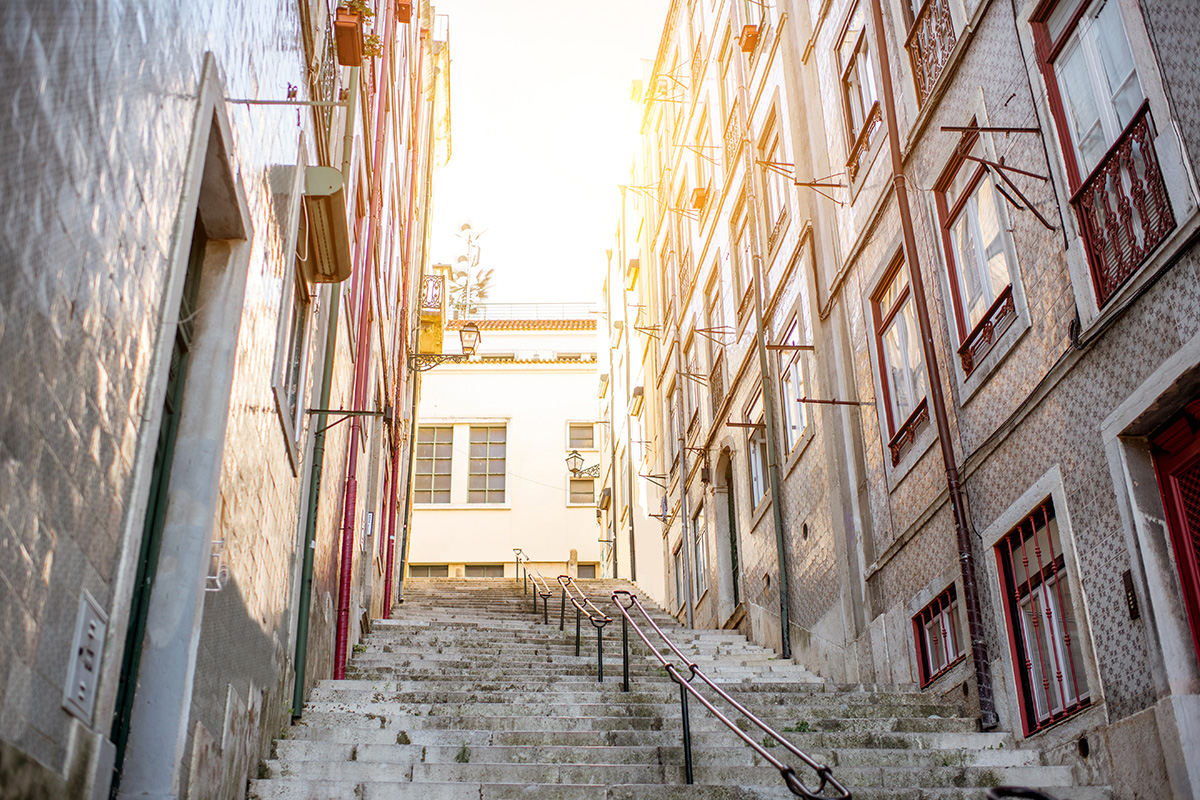
Photo: RossHelen / Shutterstock.com
Top things to see in Lisbon: Must-visit landmarks
1. Jerónimos Monastery (Mosteiro dos Jerónimos), Belém
Portugal’s finest building is the Manueline masterpiece, which was funded by the country’s spice trade wealth. It began construction in 1502 and was completed over the course of the 16th century, becoming one of the finest examples of Manueline architecture in Europe. Its south portal and two-storey cloister are among Europe’s most extraordinary examples of decorative architecture.
Vasco da Gama, the famous Portuguese explorer, is buried here. Timed entry tickets must be booked in advance from April to October, as this is one of Lisbon’s two UNESCO World Heritage Sites.
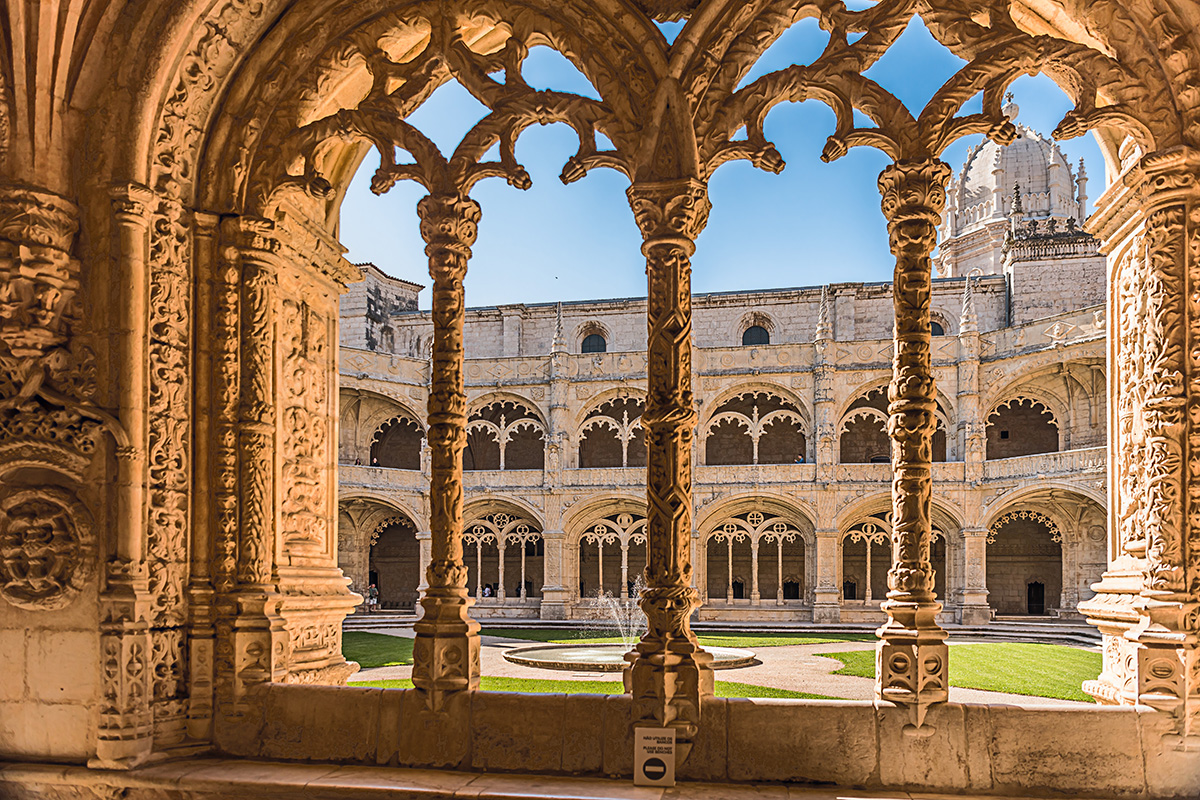
Photo: sbhughes / Shutterstock.com
2. Alfama and the Castle of São Jorge
The Castelo de São Jorge, on Alfama’s highest point, delivers breath-taking views across Lisbon, taking in the red rooftops, the Tagus, and the Ponte 25 de Abril bridge. Alfama remains Lisbon’s most atmospheric historic neighbourhood with its fado bars, tiled facades, and the Feira da Ladra flea market, held on Tuesdays and Saturdays at Campo de Santa Clara. Visit the neighbourhood in the morning; return for fado in the evening.
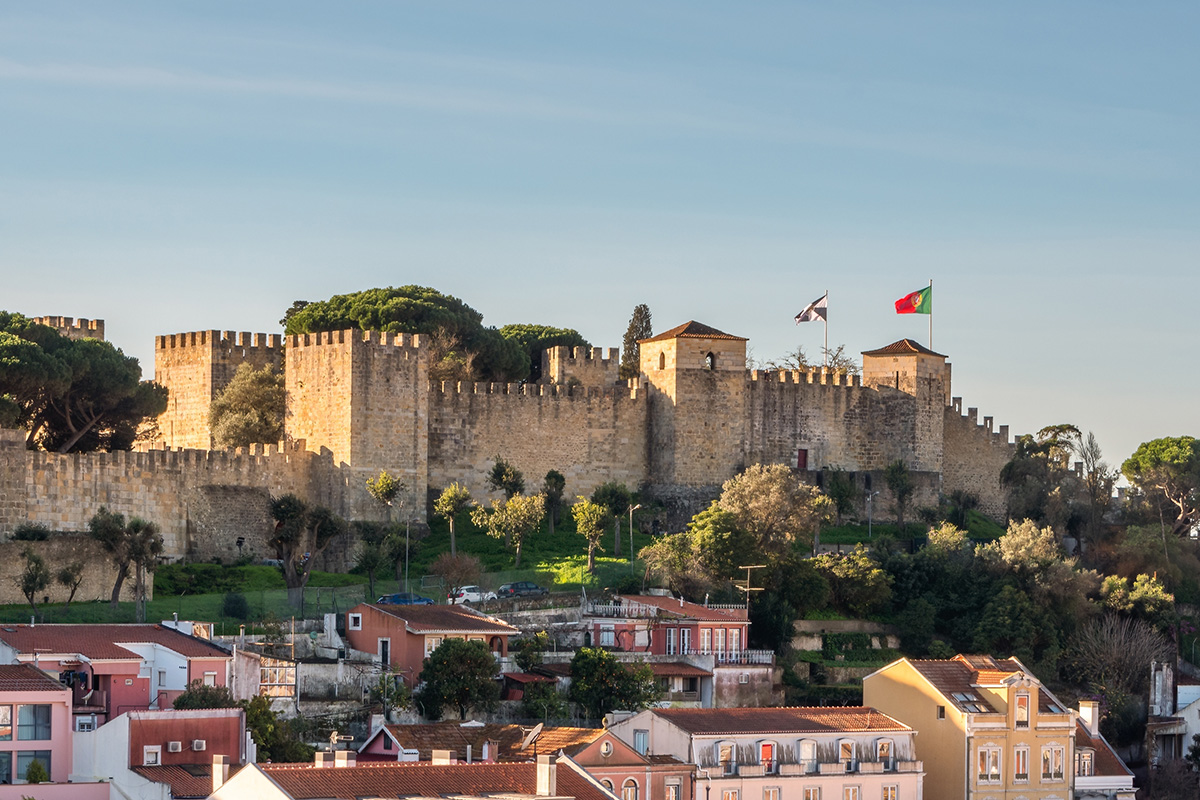
Photo: Plam Petrov / Shutterstock.com
3. Belém Tower (Torre de Belém)
Lisbon’s most iconic image, a Manueline fortification standing where Vasco da Gama’s fleet departed for India in 1497. Built between 1516 and 1521, its exterior is carved with maritime symbols. The terrace views over the Tagus are worth the climb. Combine with the Jerónimos Monastery and the MAAT riverside museum for a full Belém day.
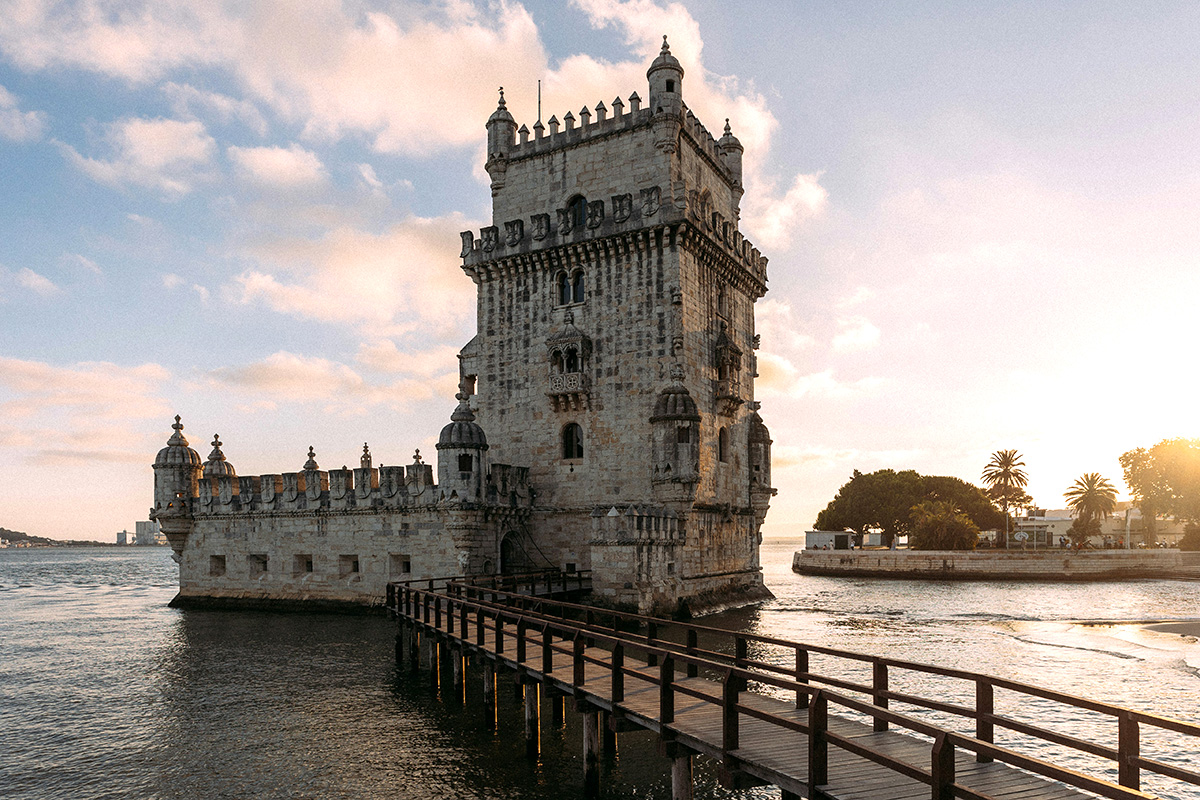
Photo by Lukas Bato on Unsplash
4. Museu Nacional do Azulejo
One of Lisbon’s most rewarding and underappreciated spots. Housed in a 16th-century convent, it traces the azulejo tile from its Moorish origins through to the great 18th-century blue-and-white panels. The major highlight is a 23-metre tiled panorama of pre-earthquake Lisbon. Allow two hours; reach it by taxi or tuk-tuk from Alfama.
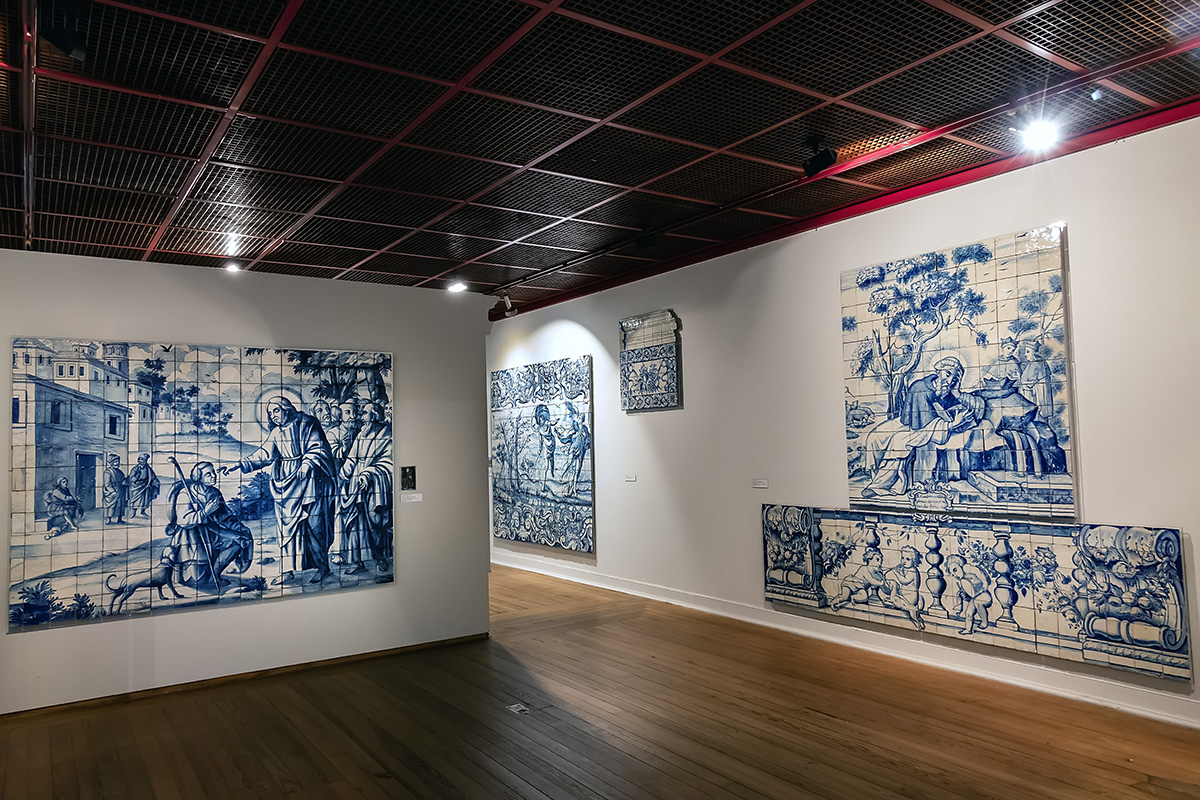
Photo: Kiev.Victor / Shutterstock.com
5. The Miradouros: Lisbon’s viewpoints
Four viewpoints that every first-time visitor should know:
- Miradouro da Graça: Best overall view, favoured by locals.
- Miradouro de Santa Catarina: Bohemian atmosphere with Tagus views.
- Miradouro de São Pedro de Alcântara: Formal garden with castle views from Bairro Alto.
- Miradouro das Portas do Sol: In Alfama with an outdoor café.
For the best sunset views in Lisbon, tourists should head to Graça or the Elevador de Santa Justa rooftop.
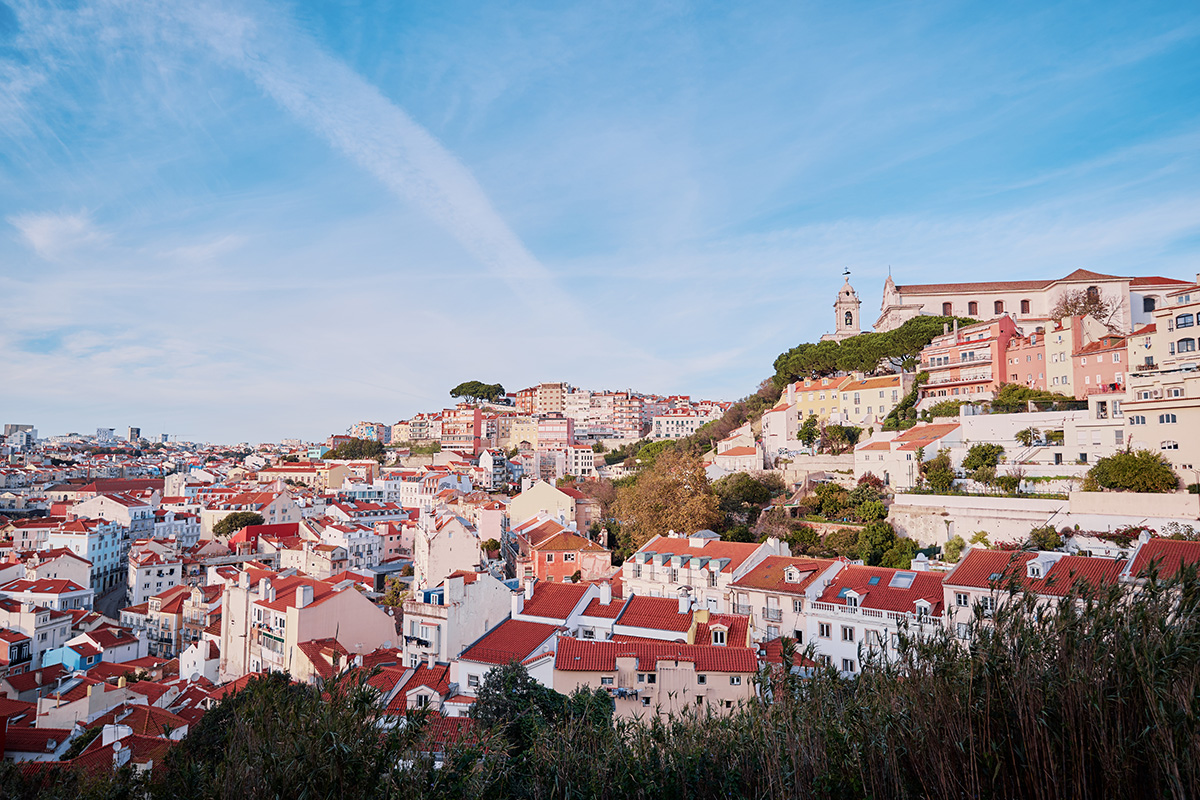
Photo: kudla / Shutterstock.com
Lisbon activities by travel type
City breaks and culture
- Full-day Belém: Jerónimos Monastery, Belém Tower, the MAAT museum on the riverside, and pastéis de nata at the Fábrica de Pastéis de Belém, which has been open since 1837.
- Alfama fado evening: Dinner at a traditional casa de fado; book in advance for the better venues; the most memorable evening experience in Lisbon for most clients.
- Tram 28 and Chiado walk: Ride through Alfama and Graça; step off for the Livraria Bertrand, the world’s oldest operating bookshop that has been open since 1732, and the Museu Nacional de Arte Contemporânea.
- Museu Calouste Gulbenkian: One of the world’s finest private art collections (Egyptian, Islamic, French Impressionist, Art Nouveau); purpose-built modernist museum in northern Lisbon; never overcrowded.
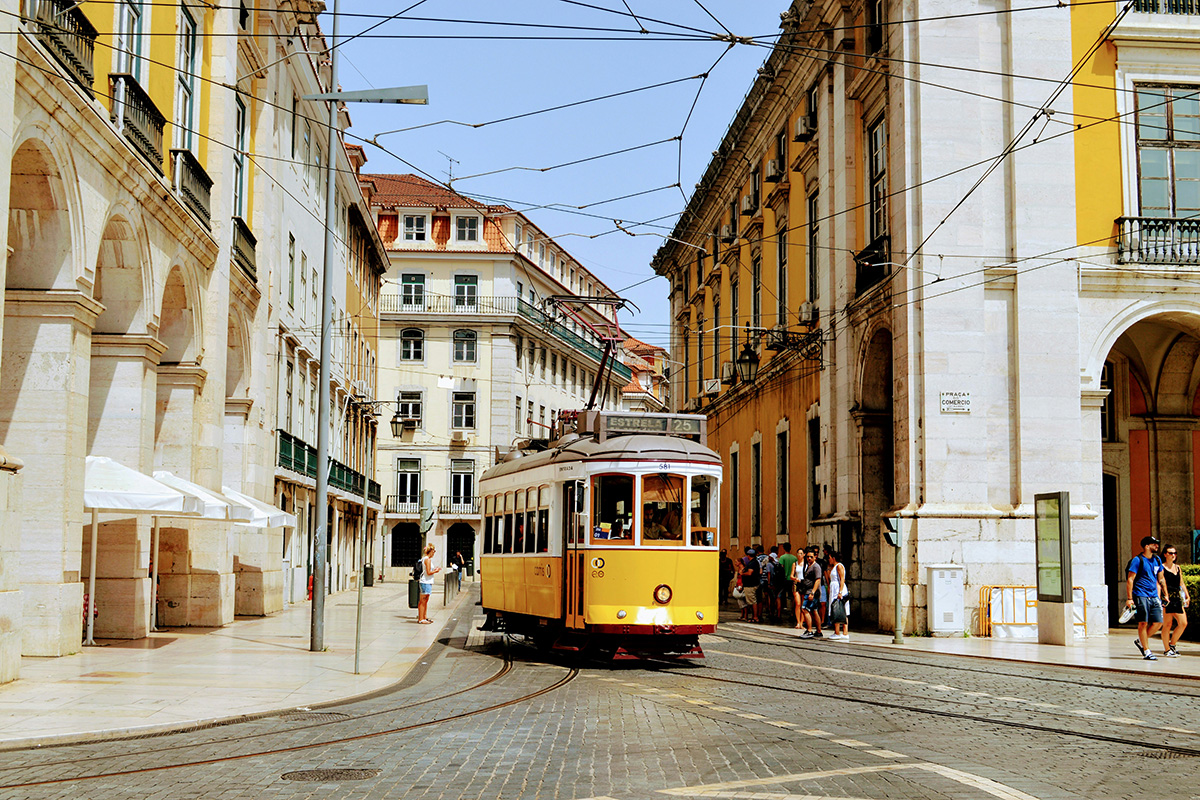
Photo by Aayush Gupta on Unsplash
Family holidays
- Oceanário de Lisboa (Parque das Nações): One of Europe’s best aquariums with a central tank visible from four sides, housing various marine life, including sharks, rays, and sunfish.
- Day trip to Cascais by train: 40-minute coastal journey from Cais do Sodré; a pleasant beach town that serves up great seafood. The Boca do Inferno sea cave is a short walk away from the town.
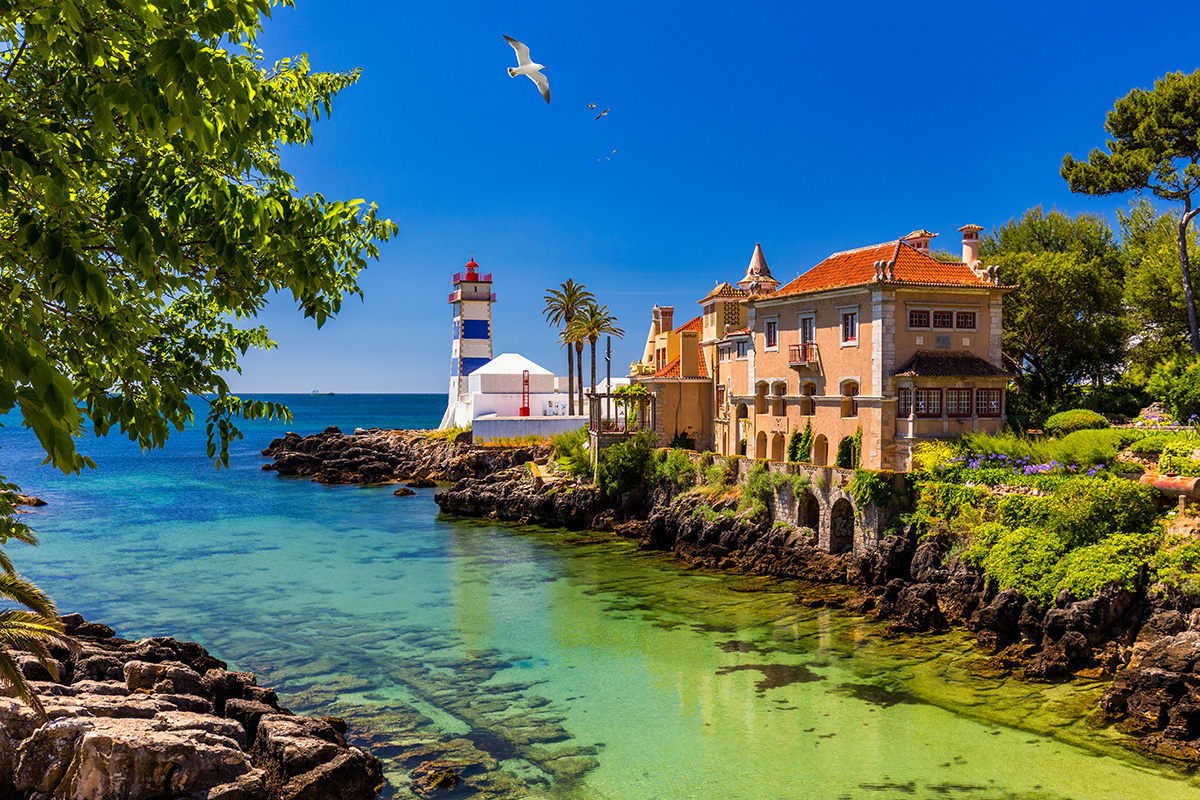
Photo: DaLiu / Shutterstock.com
Luxury escapes
- Palace hotel stay near Sintra or Estoril: Historic interiors, private gardens, and spa facilities at rates that compare very favourably with equivalent properties in Paris or London.
- Private guided Sintra day: Palácio da Pena, Quinta da Regaleira, and Palácio de Monserrate with a private driver; an elevated alternative to a self-guided tour and avoids peak-hour queues.
- Wine tasting in the Setúbal Peninsula: Private tastings of Moscatel de Setúbal at Quinta de Bacalhôa or José Maria da Fonseca; strong half-day excursion for wine-focused clients or honeymoon itineraries.
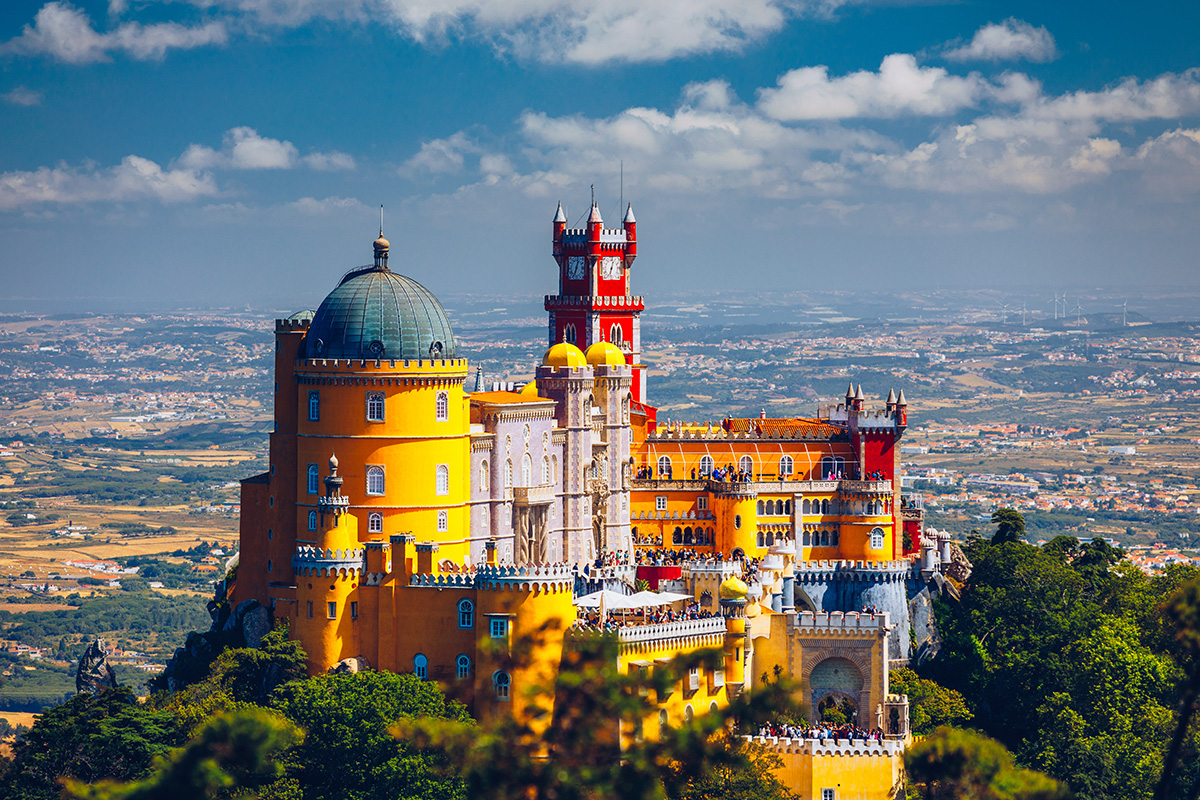
Photo: DaLiu / Shutterstock.com
Day trips from Lisbon
Sintra
An UNESCO World Heritage Site, just 28 km west and 40 minutes by train from Rossio. A fairy-tale landscape of forested hills with romantic palaces, including the Palácio da Pena, Quinta da Regaleira, Palácio de Monserrate, and the Moorish Castle. A first-time visitor needs a full day here. Arrive before 9 AM in summer to beat the Pena crowds.
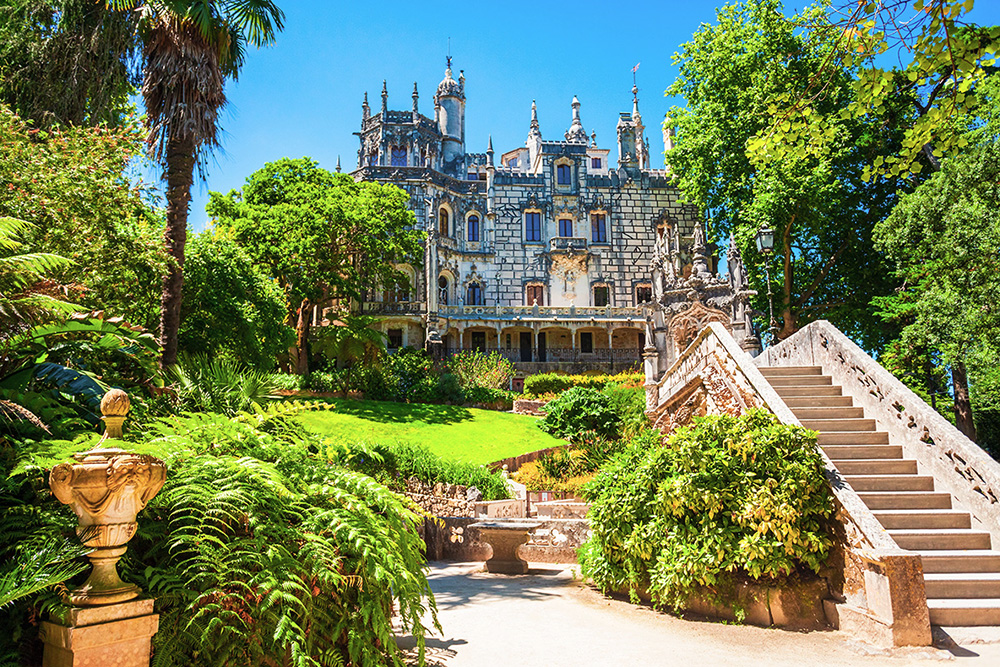
Photo: saiko3p / Shutterstock.com
Cascais and the Estoril Coast
40-minute coastal train from Cais do Sodré to the elegant seaside town of Cascais, passing Estoril (whose casino inspired Ian Fleming’s iconic Casino Royale). Good seafood and the Boca do Inferno sea cave is a 1.5 km walk from the town. Works as a half-day; it combines naturally with Sintra for a full coastal day trip.
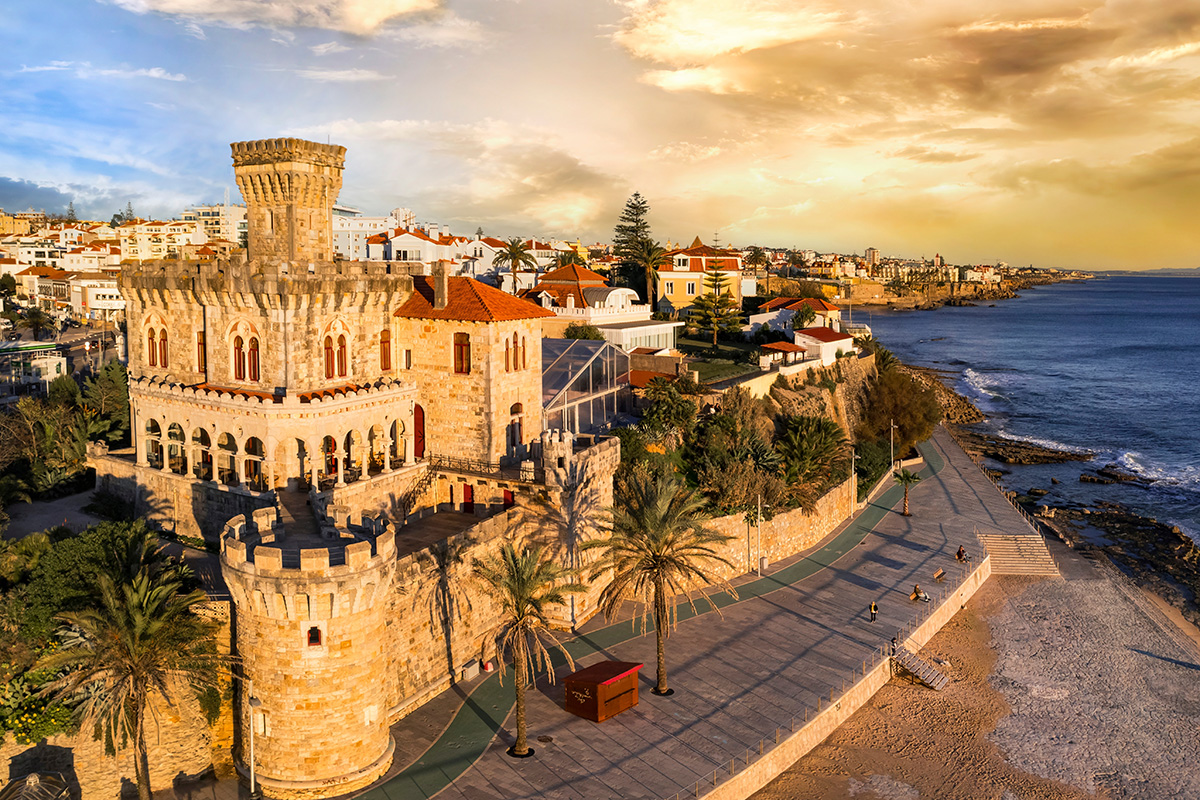
Photo: Freesurf / Shutterstock.com
Porto
Portugal’s second city, 2 hours and 45 minutes by Alfa Pendular train from Oriente station. The UNESCO ribeira waterfront, port wine cellars across the Douro in Vila Nova de Gaia, and the azulejo-covered São Bento station make it one of Europe’s most rewarding city destinations. Recommend two nights minimum to get a taste of the city.
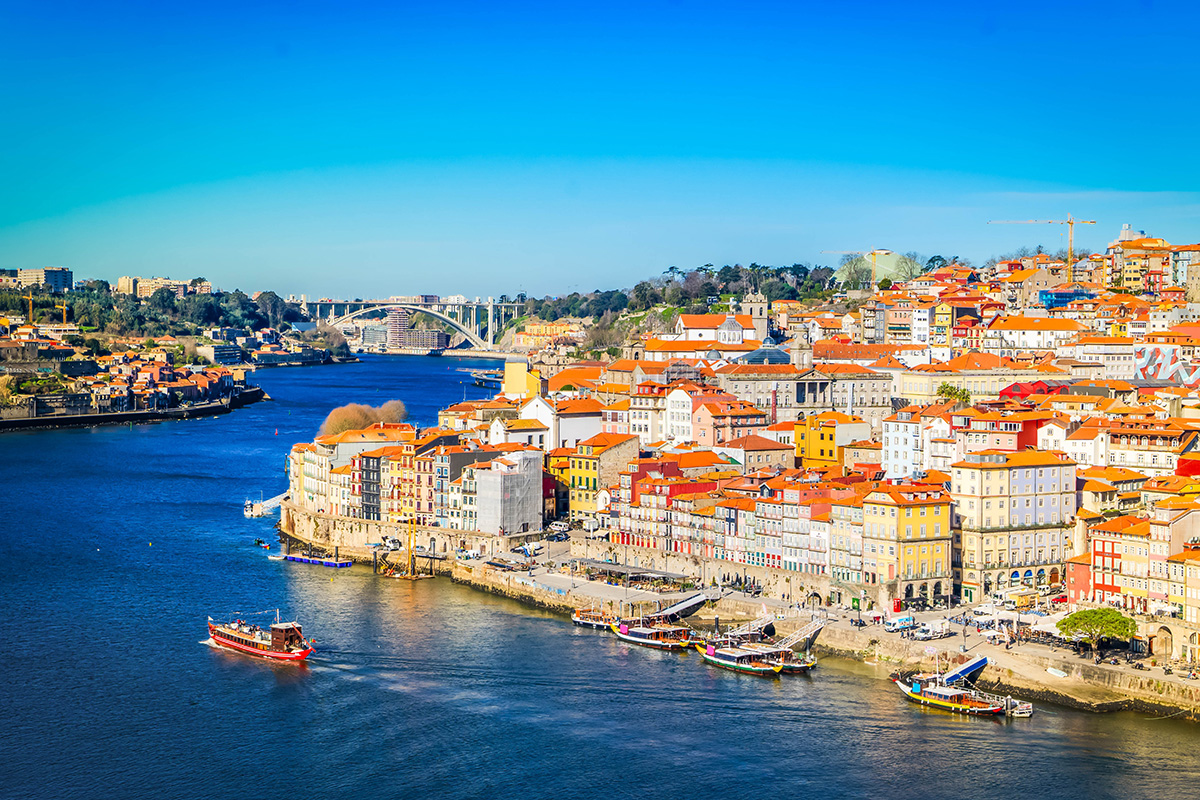
Photo: Neirfy / Shutterstock.com
Portuguese food in Lisbon: What your clients should try
- Pastel de nata: Eaten warm with cinnamon; the Fábrica de Pastéis de Belém vs Manteigaria in Chiado is a debate clients enjoy settling themselves; advise them to try both.
- Bacalhau: Bacalhau à brás (shredded with eggs and potato crisps) and pastéis de bacalhau (salt cod fritters) are the most approachable of the 365 alleged recipes.
- Bifanas and Prego: The quintessential Lisbon street sandwiches: marinated pork roll or steak-and-egg, best at a local tasca standing at the counter.
- Grilled sardines: The emblematic summer food of Lisbon; every Alfama terrace restaurant serves them from May to October.
- Bica (espresso): Short and strong, drunk standing at a café counter; A Brasileira in Chiado, established 1905, is the most historic; Fábrica Coffee Roasters in Intendente among the best.

Photo: Tsuguliev / Shutterstock.com
Insider Tips
Souvenirs worth buying
- Hand-painted azulejo tiles: Quality varies greatly. Fábrica Sant’Ana on Rua do Alecrim, which has been operating since 1741, is the most reputable traditional producer.
- Portuguese wine from a garrafeira: Lisboa DOC, Alentejo, and Douro wines at well below export retail; the Garrafeira Nacional in the Baixa has excellent staff guidance for newbies and connoisseurs alike.
- Cork products: Portugal produces over 50% of the world’s cork; bags, wallets, and notebooks are lightweight (perfect for carry-on luggage) and distinctly Portuguese.
- Ginjinha: Cherry liqueur served in chocolate cups at historic bars on Largo de São Domingos; a bottle is a portable gift and lets tourists bring back a taste of Portugal.
- Conservas (tinned fish): Artisan tinned sardines and tuna in flavoured oils from shops like Can the Can or Comur; beautifully presented and easy to carry home.
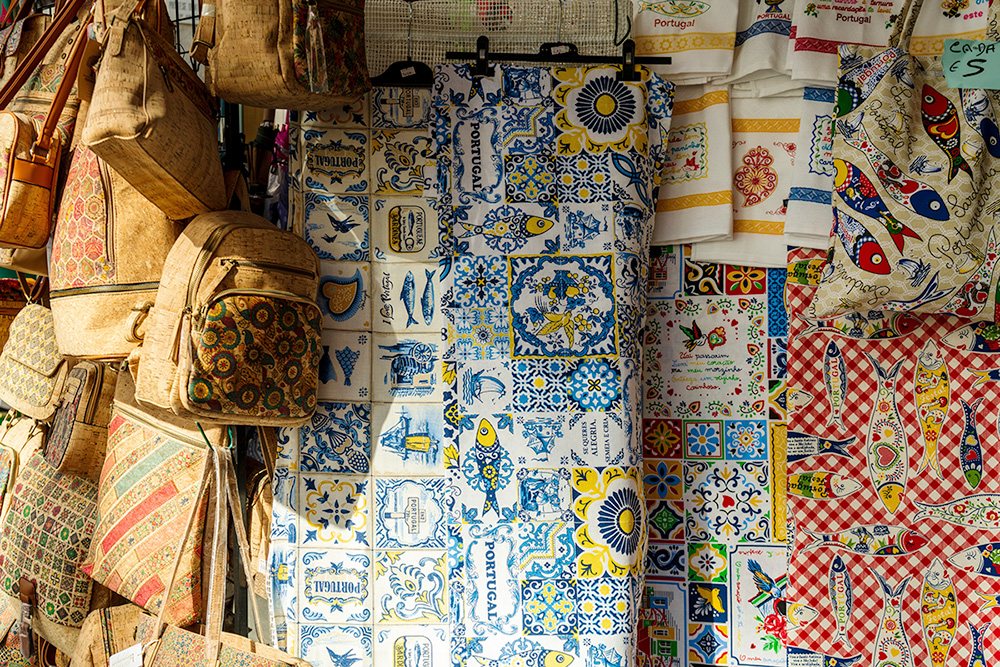
Photo: Sopotnicki / Shutterstock.com
Lisbon as a “Destination Next” recommendation
Lisbon is one of the most consistently recommended alternatives on the RateHawk Destination Next tool for Western European city-break disruption or indecision.
Excellent air connectivity, strong multi-tier hotel supply, competitive pricing against comparable European capitals, and a distinctive Atlantic culture make it one of the most persuasive plan B destinations on the continent.
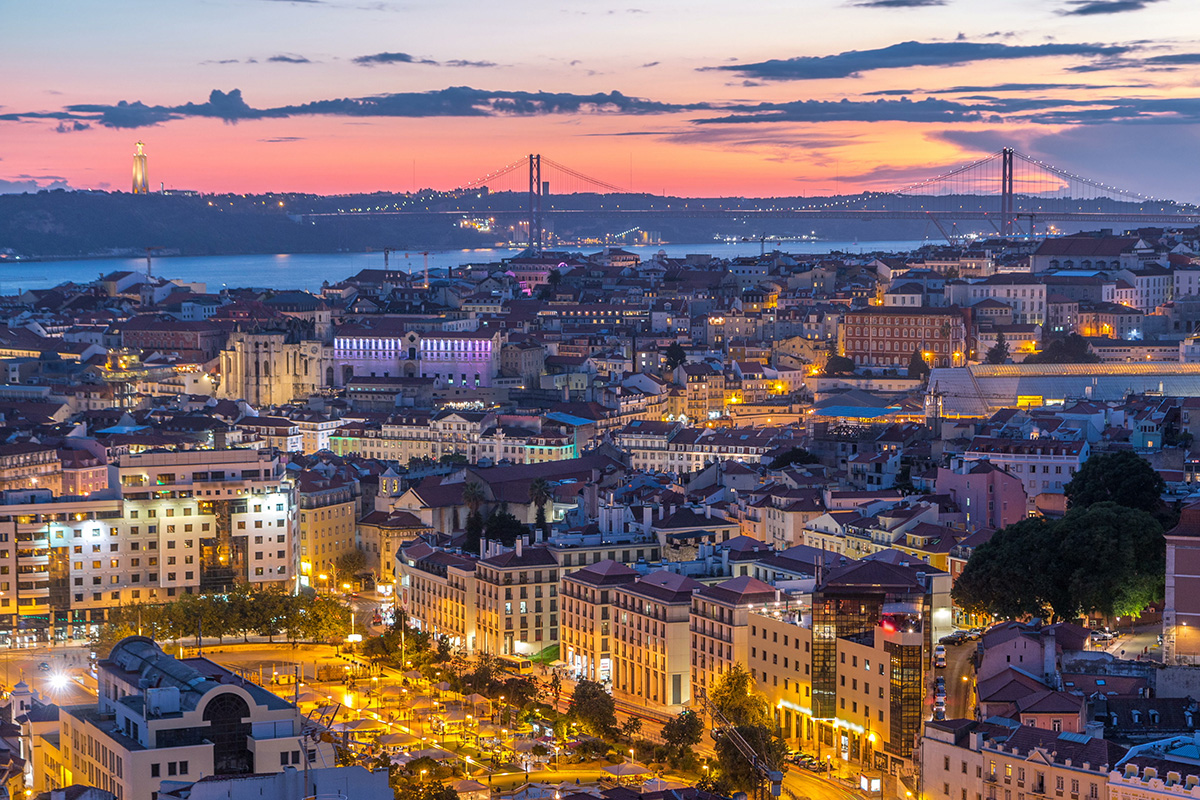
Photo: Kirill Neiezhmakov / Shutterstock.com
- As an alternative to Barcelona or Madrid with comparable warmth and food culture at a more intimate scale and lower cost, the Atlantic setting and maritime character give Lisbon a genuinely different atmosphere.
- As a more affordable substitute for Paris with a museum circuit, food culture, and architectural depth at meaningfully lower prices.
- For traveller indecision between European city breaks, Lisbon’s combination of history, food, the Tagus setting, and a day-trip circuit to Sintra and Cascais covers more client interests than most single-city alternatives.
- As a gateway to a broader Portugal vacation, when combined with the Alentejo, the Algarve, and Porto for a compelling 10–14 day itinerary.
Ready to supercharge your Lisbon proposals?
Explore the full hotel inventory and start building on RateHawk.
This article is part of the Destination Next initiative by RateHawk.