

 582
582 7 minutes read
Contents
Cabo Verde
The World Cup moment
The “Blue Sharks” were the breakout story of the group stage: a draw against Spain, another against Uruguay, and a thrilling 2–3 loss to Argentina in the round of 32. Head coach Bubista assembled his squad by tracking players with Cabo Verdean roots across Europe, reportedly scouting through LinkedIn. The footballing fairytale put these Atlantic islands on the front pages worldwide.
Why travelers will want to go
Cabo Verde is a 10-island archipelago off West Africa’s coast — Portuguese-speaking, Creole in spirit, and built around one guiding principle: the local philosophy of “No stress”. Think European-standard service layered over African warmth, volcanic landscapes, and year-round sunshine.
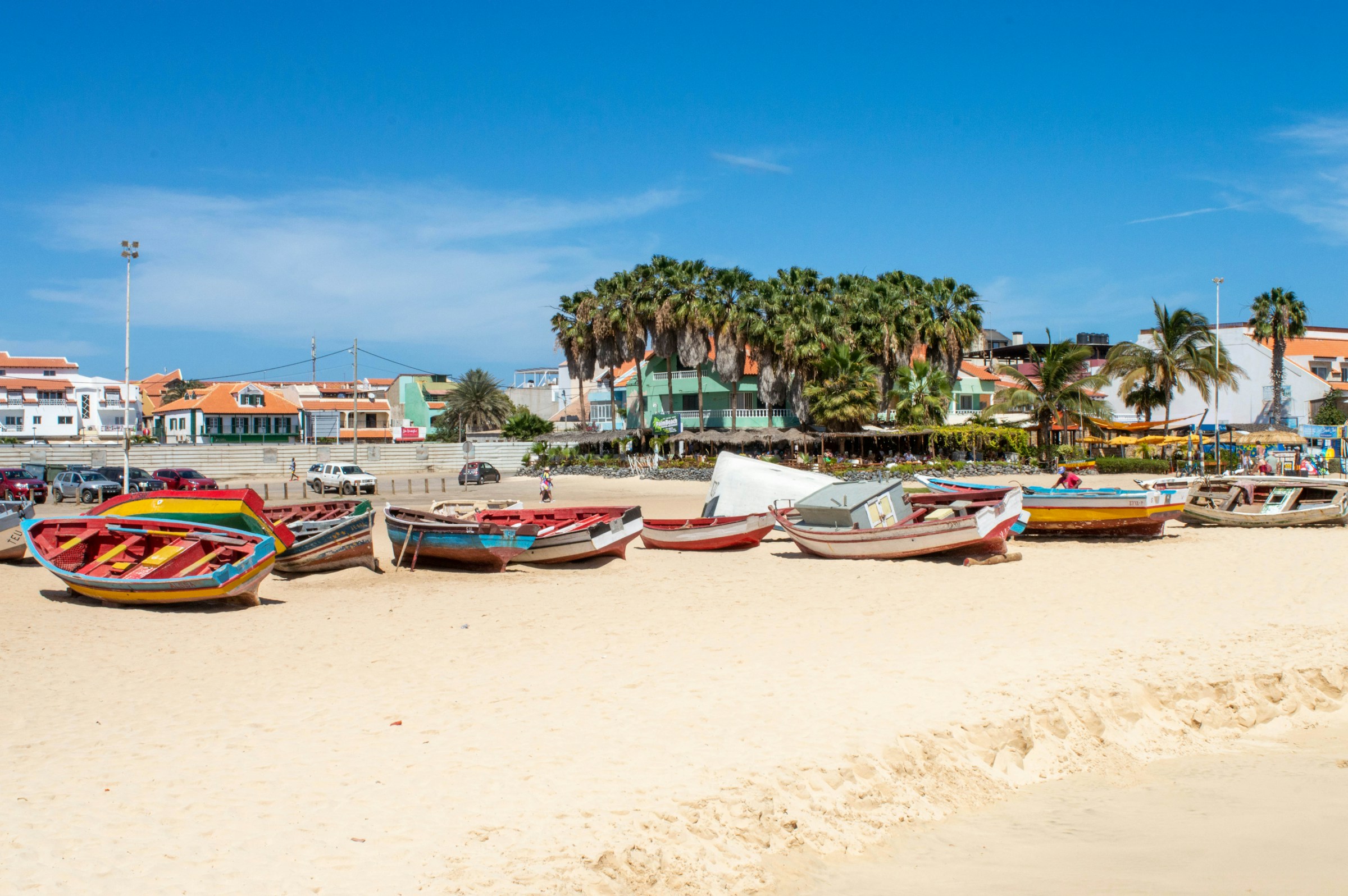
Photo by Florian K. on Unsplash
On the island of Sal, the crater of an extinct volcano holds Pedra de Lume — a salt lake so salty that you float effortlessly, Dead Sea–style. On Fogo, an active volcano rises above vineyards where locals grow grapes in black volcanic ash and produce wine you can only find here.
What to know before you book
Safety is high. Numbeo rates the capital, Praia, with a moderate crime index (51.98/100), with petty theft as the main concern. The resort islands of Sal and Boa Vista are calm, well-developed, and geared toward European tourists, and are friendly, civilized, and incident-free for the vast majority of visitors.
RateHawk insight
Cabo Verde is an easy sell for clients looking for something beyond the Canaries — similar climate, fewer crowds, and a story to tell. Direct flights from major European hubs make it operationally straightforward.
Curaçao
The World Cup moment
Curaçao became the smallest nation by population (~169,000) ever to compete at a FIFA World Cup. They didn’t just show up — they scored against Germany (a 1–7 loss, but still: a goal against the four-time champions). Nearly the entire squad was born and trained in the Netherlands but chose to represent their ancestral island on the world’s biggest stage.
Why travelers will want to go
Think of it as the Caribbean’s Amsterdam. The capital, Willemstad, is a UNESCO World Heritage Site, with 17th- and 18th-century Dutch colonial architecture painted in tropical colors. Then there’s Blue Curaçao, the iconic liqueur, made here from the dried peel of the laraha — a bitter orange that mutated after Spanish settlers planted Valencia oranges in the island’s dry soil.
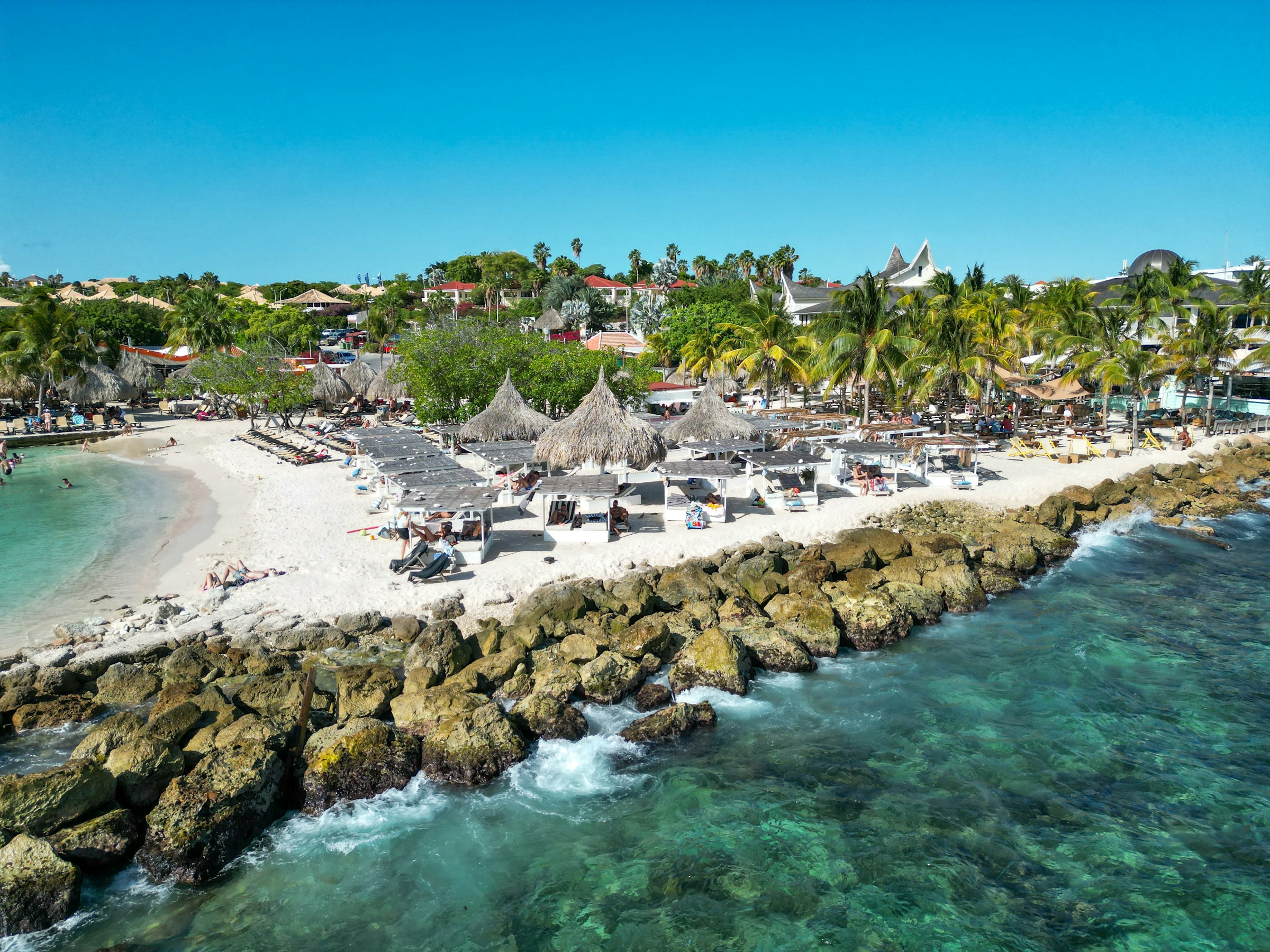
Photo by Bent Van Aeken on Unsplash
The beaches are tucked into rocky coves, with Kenepa Grandi being the standout. Sea turtles are close to shore, and the waters are calm enough for year-round swimming. Curaçao sits outside the Caribbean hurricane belt, making it a reliable, weather-safe bet.
What to know before you book
Safety is excellent. Curaçao consistently ranks among the safest Caribbean destinations, with crime levels comparable to Western Europe. Dutch law applies, infrastructure is solid, and basic precautions (watch belongings on the beach) are all that’s needed.
RateHawk insight
Curaçao appeals to clients who want Caribbean warmth with European predictability. No hurricane risk, UNESCO culture, and strong hotel infrastructure make it a dependable recommendation — especially for repeat Caribbean travelers seeking something new.
Haiti
The World Cup moment
Haiti’s qualification was arguably the most emotionally charged story of the entire tournament. The team made it to the World Cup despite a collapsed domestic infrastructure, landing in a group with Brazil, Morocco, and Scotland. They didn’t advance, but they scored twice against Morocco, giving Haitian fans worldwide a moment of collective pride.
Why it matters (even if you can’t sell it yet)
Haiti shares the island of Hispaniola with the Dominican Republic, but the two couldn’t be more different. Haiti was the first nation in history to be founded by formerly enslaved people who overthrew colonial rule — a successful revolution against France that reshaped the Americas.
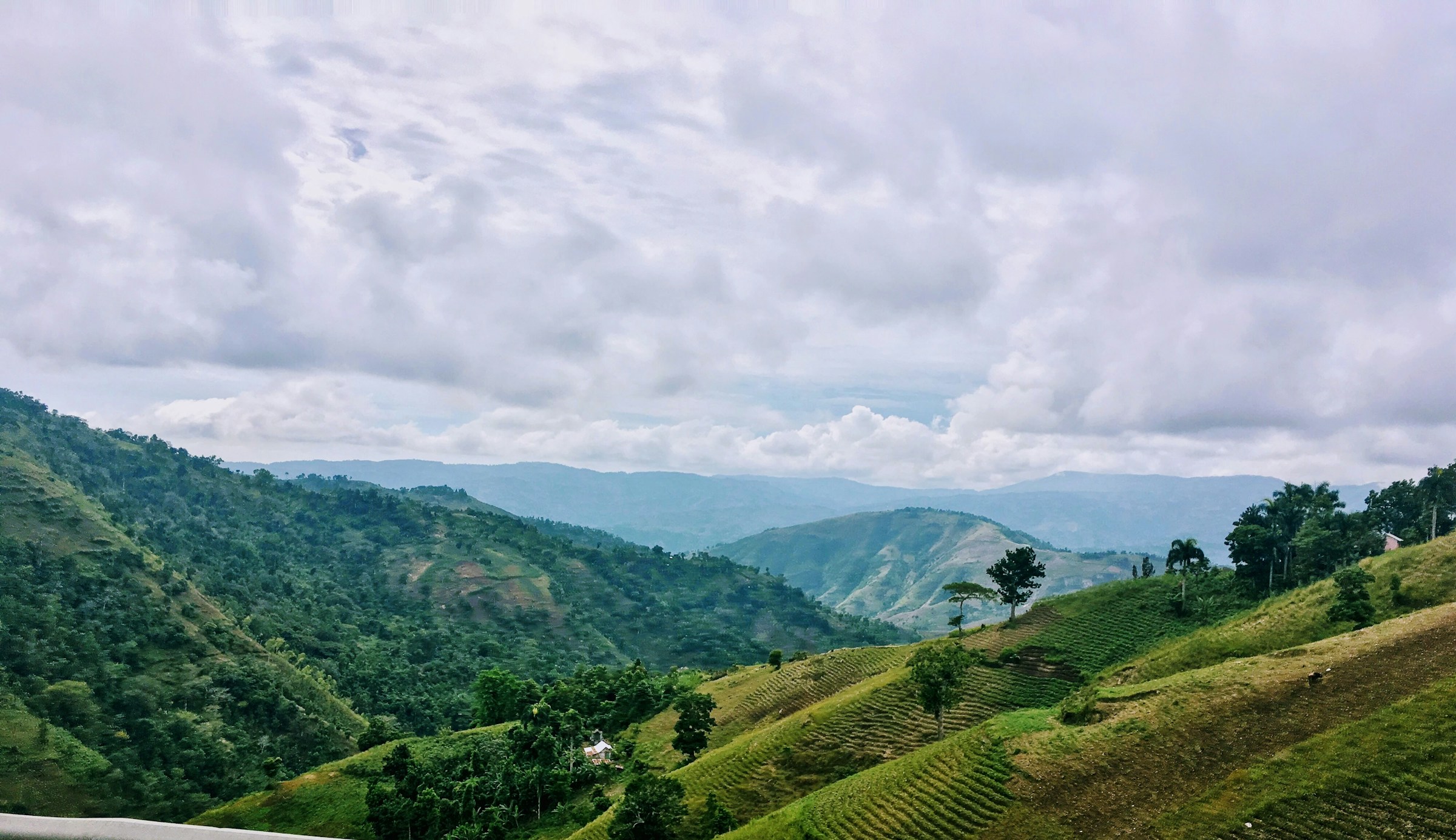
Photo by Claudia Altamimi on Unsplash
The culture is extraordinary: a Francophone country where Christianity intertwines with Vodou as an official religion, producing a vibrant art-naïf tradition visible on every street corner. In the northern mountains, the Citadelle Laferrière is a 19th-century fortress built atop a mountaintop and is the largest fortification in the Western Hemisphere.
What to know
Safety is currently critical. Haiti is in a prolonged crisis with extremely high levels of danger. The capital, Port-au-Prince, is controlled by armed gangs. Conventional tourism is not possible at this time — travel is only undertaken with armed security escorts.
RateHawk insight
Haiti is not a bookable destination right now. But it’s worth understanding the country’s significance — clients may ask about it after its World Cup exposure, and having an informed, honest answer builds trust.
Panama
The World Cup moment
Panama’s second-ever World Cup appearance ended without points or goals in a tough group against Ghana, Croatia, and England. But for Panamanians, being there was the achievement, and global visibility for the destination is the lasting payoff.
Why travelers will want to go
Panama is a country where you can watch the sunrise over the Atlantic and the sunset over the Pacific on the same day because the two coasts are just 80 kilometers apart at their closest point. This works out to an approximate 90-minute drive.
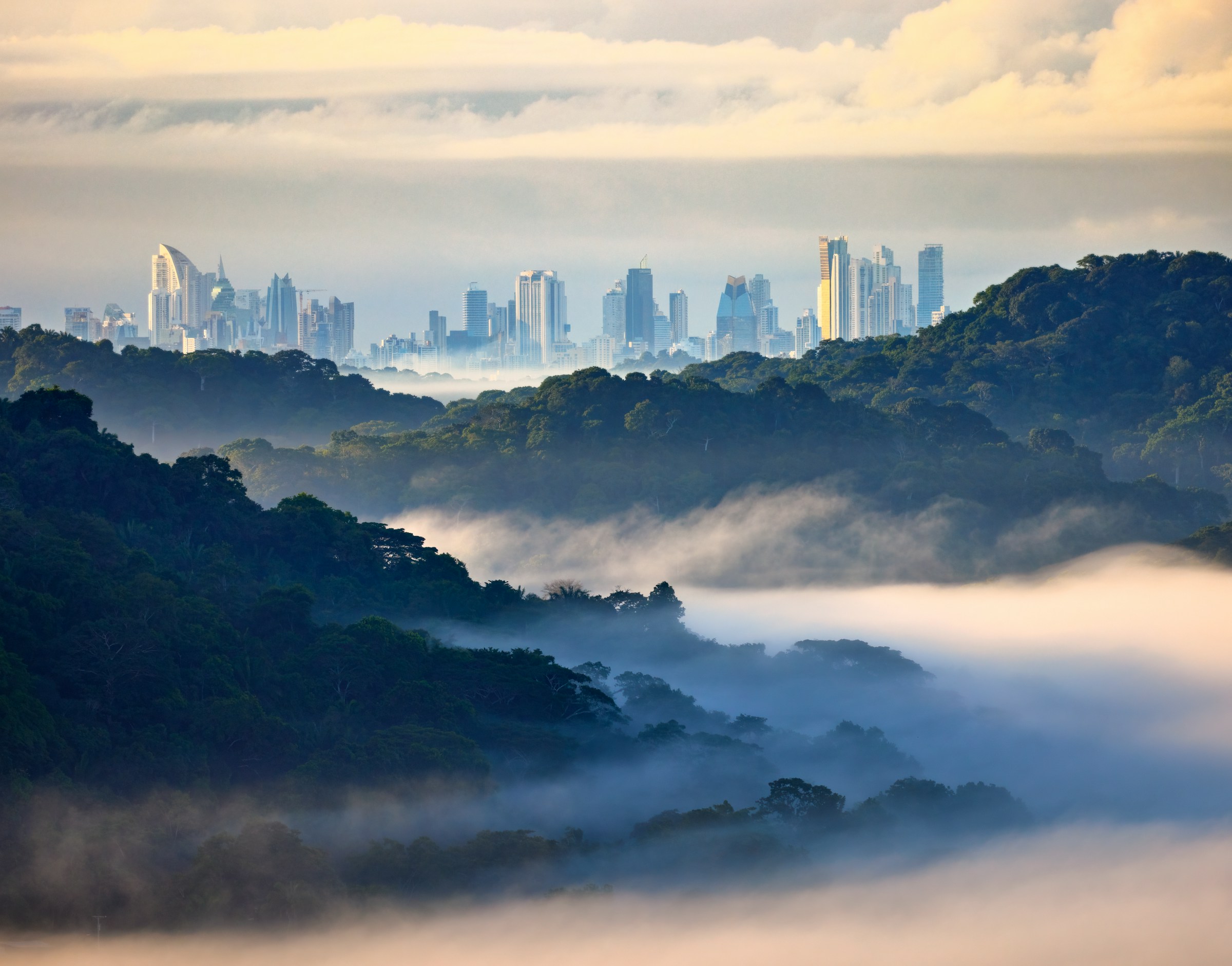
Photo by Zdeněk Macháček on Unsplash
On the Caribbean side, Bocas del Toro is an archipelago where hotels and bars are built on stilts over the water. Nature reserves ban motorboats to protect the sloths living in trees at the water’s edge. Then there’s the Panama Canal itself — take the Miraflores Locks tour and watch ocean liners rise several stories in the middle of the jungle.
What to know before you book
Safety is high. Panama City is one of the safest capitals in the region (Numbeo crime index: 46.47/100), home to a large international business community and thousands of expats. The only no-go zone is the Darién Gap on the Colombian border, which is considered a narcotics corridor and off-limits to tourists. But all standard tourist routes are safe and well-served.
RateHawk insight
Panama works for adventure seekers, honeymooners, and canal enthusiasts alike. Strong infrastructure, the US dollar as the official currency, and diverse geography make it easy to package — pair it with Costa Rica or Colombia for multi-destination itineraries.
How to sell these destinations
World Cup visibility creates a short window where curiosity is high, and competition is still low.
Here’s how to make the most of it:
1. Lead with the story
These destinations aren’t just pins on a map anymore — they have a narrative. Use it. ‘The country that drew with Spain’ is a better hook than a beach photo. Tie your pitch to the emotional moment your client already experienced watching the match.
2. Segment by client type
- Cabo Verde works for the sun-and-relax crowd, one that looks beyond the usual suspects.
- Curaçao is ideal for culture-seekers and repeat Caribbean visitors.
- Panama suits adventurers and multi-destination itineraries.
- Haiti is a conversation, not a booking — yet.
3. Move while attention is fresh
Search interest peaks in the weeks after the World Cup, then tapers off over the following months. Build packages now. Feature these destinations in your newsletters, social posts, and client conversations while the name recognition is still warm.
4. Bundle smartly
- Pair Cabo Verde with Canary Islands comparisons.
- Position Curaçao alongside Aruba or Bonaire as a “Dutch Caribbean” trio.
- Add Panama to Central America or Caribbean multi-stop packages.
- Context helps clients say yes to unfamiliar destinations.
5. Be honest about limitations
Not every destination is ready for every traveler. Acknowledging safety realities (Haiti) or infrastructure gaps builds your credibility and makes your recommendations for bookable destinations sound more appealing to buyers.
Ready to ride the wave? Book these destinations with RateHawk
The 2026 World Cup didn’t just expand the tournament — it expanded the travel map. Four nations that were largely off most travelers’ radar a year ago now have name recognition, emotional resonance, and search demand behind them.
For travel professionals, that’s a window. Your clients watched these teams compete. They connected with their stories. Now they’re curious. Having the right destination knowledge — and the right inventory — is how you convert that curiosity into bookings.
Explore RateHawk’s hotel options across these destinations and be ready to meet the post-World Cup demand while it’s still fresh.
Cover image: Photo by Luis Aleman on Unsplash