

 637
637 13 minutes read
Contents
- Planning and documents
- Hidden costs and budgeting tools
- Packing and gear
- Transportation at destination
- Safety and health tips
- Connectivity and communication
- Cultural and local tips
- Jet lag, travel fatigue, and staying organized
Planning and documents
The planning stage is where mistakes are likely to happen, especially very costly ones. Heading to an international destination requires more planning compared to traveling domestically, and it’s a good idea to have a pre-flight checklist.
1. Passport and visa requirements
Passports might seem straightforward, but thousands of travelers every year find themselves unable to board flights because of problems with their passports. Most adult passports have a 10-year validity, making it easy to forget about renewing. Although it’s valid for 10 years, most countries – especially in the EU – will require at least 6 months of validity on your passport when you arrive.
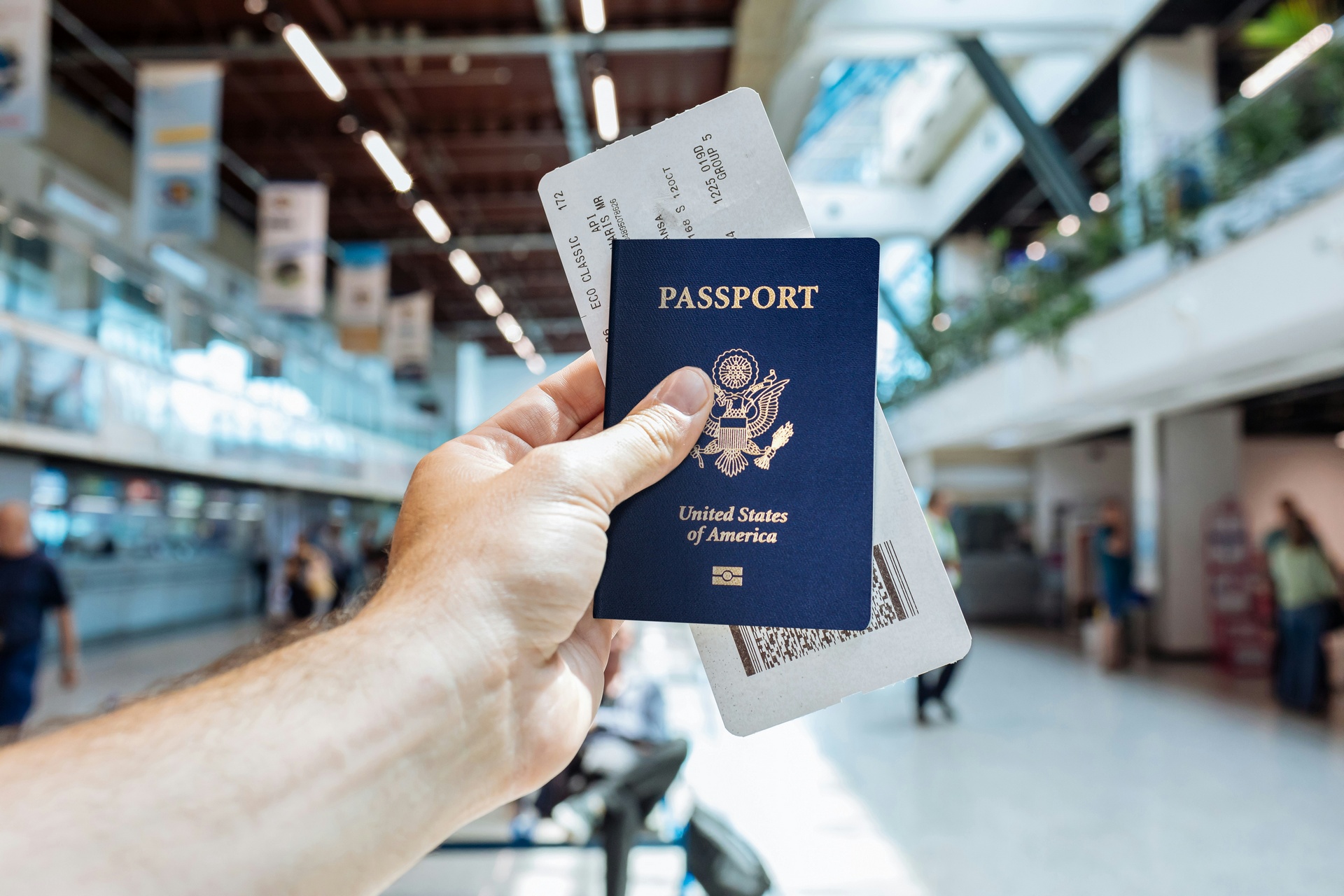
Most adult passports have a 10-year validity.
Photo by Global Residence Index on Unsplash
Official government websites are the best resource to determine visa requirements. Stronger passports, such as those for citizens of the EU, USA, and UK, are often able to take advantage of visa-free travel programs or visa-waivers, such as an ESTA, offered by the US government.
2. Travel insurance
Repeat after me: travel insurance is non-negotiable. While some premium credit cards offer travel insurance, it’s always best to get specific travel insurance for international travel.

It’s always best to get specific travel insurance for international travel.
Photo by Drazen Zigic on Freepik
Some providers will even offer year-long or multi-trip insurance for frequent travelers. This insurance is invaluable if something goes wrong, from lost luggage to medical emergencies and cancellations. It’s a small extra that can save you thousands of dollars if the unexpected happens.
3. Vaccinations and health prep
Just like getting a visa, some countries will require you to have specific vaccinations before arriving. This protocol is common in the Middle East, Africa, Asia, and South America. Every country is different, so it’s best to consult the local government website and your healthcare provider. The most commonly required vaccines are for Yellow Fever, Typhoid, Meningitis, and Hepatitis A/B, but your healthcare provider may also recommend additional vaccines, including for Polio and MMR.

Always carry any medication you’ll need on your person, including packing it in your carry-on bag instead of hold luggage. Medical providers will typically allow you to pick up your prescription early if you’re traveling to ensure you have enough medication to cover your time away.
4. Budgeting and money
Staying on budget can be hard when you’re traveling internationally, especially in a country that doesn’t use your currency. It’s easy to think that you’re spending more – or even less – than you really are. After assigning money to pay for flights and accommodation, set a realistic daily budget. Everyone is different, and a couple on a romantic getaway will always want to spend more than a budget backpacker.

After assigning money to pay for flights and accommodation, set a realistic daily budget.
Photo by Jakub Żerdzicki on Unsplash
Blogs, YouTube videos, and TikTok are great tools for figuring out a daily budget. It’s also important to have a little extra wiggle room in case of an emergency, like a delayed or cancelled flight.
5. Currency, credit cards, and ATM access
Currency can be the trickiest part of international travel – but it’s gotten better with time! While some destinations still rely on cash, particularly for smaller purchases, most major tourist countries and cities will accept credit and debit cards. It’s good practice to keep only a small amount of cash on you at any time, especially as exchanging leftover cash into your local currency can be costly.
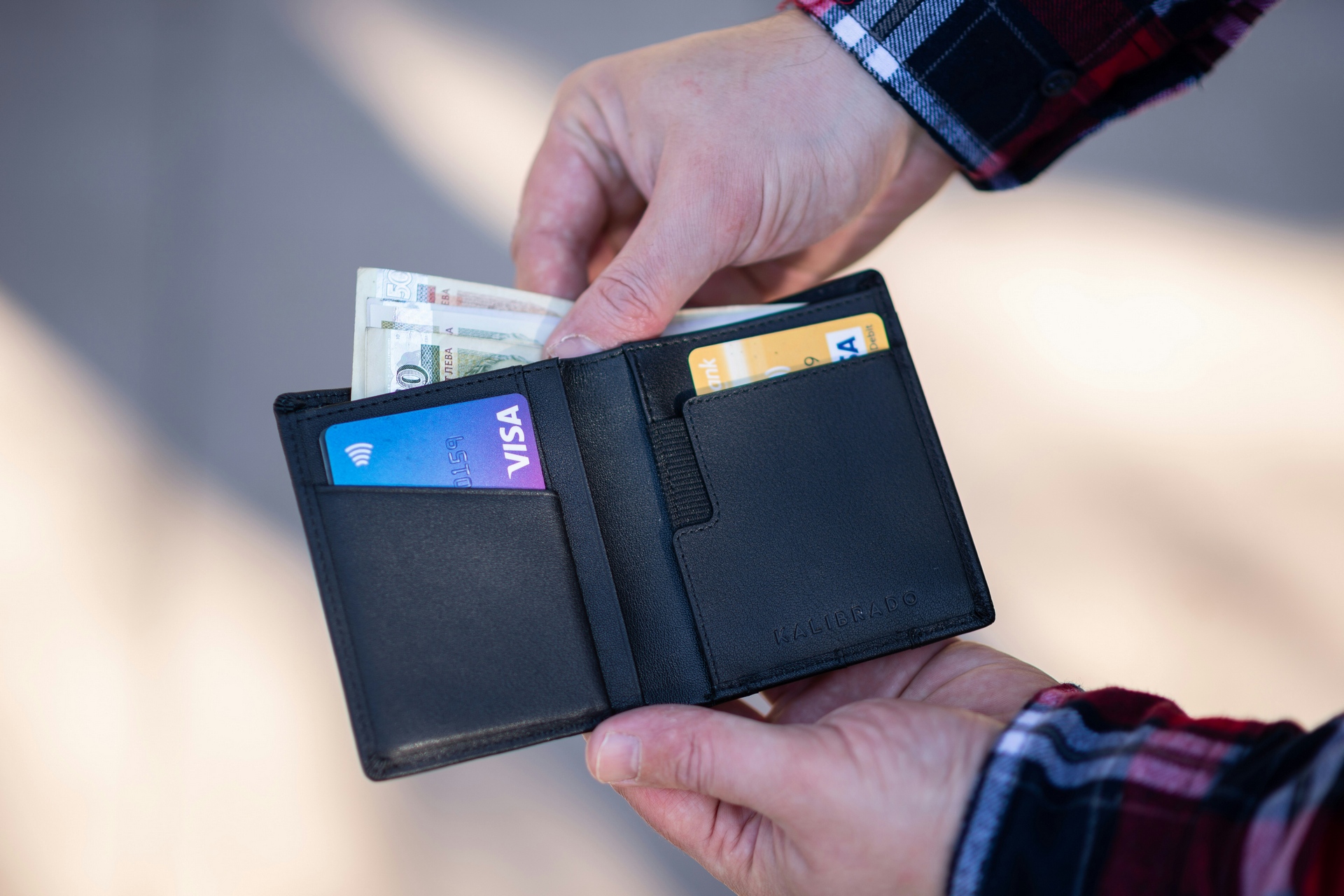
It’s good practice to keep only a small amount of cash on you at any time.
Photo by Emil Kalibradov on Unsplash
Most major credit and debit card providers, from American Express to Monzo and Chase, have no foreign transaction fees. If your bank charges these fees, you could end up spending hundreds of dollars in unnecessary charges. Apply for a card that doesn’t charge transaction fees and offers a competitive currency exchange rate.
Hidden costs and budgeting tools
Travel is becoming more affordable than ever, and some of the most sought-after destinations, like Indonesia and Thailand, are also among the cheapest countries to visit. However, even frequent travelers can find themselves getting caught out by hidden costs. Using budget tools like a free currency converter calculator or tracking your expenses on your Notes app can help you avoid overspending.
1. Booking flights and accommodation
Flights and accommodation are the most expensive aspects of any trip, but there are different ways to pay for them.

Although most flights have to paid for immediately, some airlines, such as Aer Lingus, allow you to pay a deposit for transatlantic routes. Similarly, some accommodations allow you to pay on arrival or in advance, making it easier to budget.
2. Best booking practices
Although airlines and booking platforms will often run promotions for specific dates and destinations, it’s best to book international flights and accommodation between 2 and 8 months in advance.

While last-minute deals do pop up, availability can be limited, especially during peak season and for specific routes and accommodation types. Booking early also makes it easier to prioritize saving to hit your budget goals.
3. Comparison sites and apps
There are dozens of websites and apps that you can use when planning an international trip. Skyscanner is a good starting point for identifying different airline providers, while rideshare apps like Uber can give you a ballpark for what you can expect to pay for taxis.

Platforms like Tripadvisor are ideal for pre-trip research, and GetYourGuide can help provide an overview of popular tourist attractions.
Packing and gear
Packing should not be left to the last minute. Spending a little time writing a packing list and organizing your belongings can make a vacation even more stress-free. Start by checking the local weather forecast from around a week in advance, which is when it’s time to start pulling together your packing gear.
1. Packing cubes and carry-on hacks
Packing cubes aren’t just for organizing a suitcase. They also make it easier to stay organized once you arrive, and they are a great option for families. This travel hack is cheap and it’s easy to assign everyone’s clothes to a specific packing cube color. Packing cubes are a great way to maximize space in a carry-on or checked suitcase.

An unrated travel trend is flying with only a carry-on. While it’s the most affordable way to fly, it can also make it easier to navigate cities or multi-stop itineraries. Don’t get caught out at the gate! Airlines, especially budget carriers, may decide to weigh your carry-on bag. A digital luggage scale is a cheap and lightweight tool to help avoid excess baggage fees.
2. Tech and travel gadgets
While AI is changing how we travel, there are travel gadgets that can help to streamline any trip. Here’s a shortlist of must-buy travel gadgets:
- AirTags provide extra peace of mind for tracking luggage on international flights, especially if there’s a connection involved. They can also be put in a child’s backpack or even worn as part of a bracelet.
- Portable chargers are a must-have for busy itineraries, especially when relying on a smartphone for navigating or accessing booking confirmations.
- Most international travel adapters are now sold with USB and USB-C outlets for easy packing.
- Google Translate isn’t the same website you might have used for your French homework back in the day. The app has evolved drastically over time and can now automatically translate text using the camera lens. It’ll even translate spoken words by accessing the phone’s microphone.
Sometimes the basics are all that a traveler needs. The Notes app on most smartphones is a great place to store all the most important information, from phone numbers to travel insurance details and emergency contact information.
Transportation at destination
The journey doesn’t end when the plane lands. Navigating through a new airport and getting to a hotel or apartment can be a nerve-wracking experience for a first-time international traveler. Most major airports offer public transport, taxi ranks, and rideshare pick-up locations. Websites like Rio2Rome are an easy way to get a general overview of different transportation options, while also helping to determine your daily transport budget.
1. Public transport vs rideshare apps
Apps like CityMapper are a must-have for navigating public transport. It’s available for most major cities (and free!), providing real-time arrival information and even suggesting the best exit to use. Most public transport providers accept contactless card payments, or you can pre-load money onto a travel card.

Alternatively, rideshare apps are a great option for travelers with a more flexible budget or who are arriving at their destination later in the evening. Although Uber is popular in most cities, other rideshare apps like Bolt and Lyft may offer better rates or be more accessible in some areas.
2. Airport transfers
Airport transfers are getting increasingly more expensive as most major airports continue to introduce additional fees for pick-up. The good news is that most hotels and even some private accommodation providers can help travelers book their airport transfers in advance.
Safety and health Tips
Personal safety is something everyone should consider when traveling, whether they’re heading to one of the world’s biggest music festivals or planning a family vacation. Staying aware of personal surroundings and being proactive are the most important things to do when going abroad.
1. Solo travel, scams, and emergency contacts
Solo travel is one of 2026’s biggest global trends, but traveling alone can pose a serious safety risk. It’s important to be due diligent with research, including choosing accommodation with positive reviews from other solo explorers.

Solo travel is one of 2026’s biggest global trends.
Photo by lookstudio on Freepik
Small actions like wearing a crossbody bag or carrying a whistle can help solo travelers feel safer. It’s also a great idea to leave a copy of the travel itinerary with a friend or family member, especially if the solo traveler is traveling multiple places. A next of kin should also be assigned as an emergency contact on their phone, and it’s a good idea to add their details to any paperwork as a point of contact.
2. Health issues
Health problems can strike at any time. It’s not just hiking enthusiasts and adrenaline seekers who need to pack a first aid kit. Bandages, pain relief, allergy medication, and tweezers are essentials that can be packed in a small bag.
Connectivity and communication
Traveling internationally is an exciting time, but it’s also important to stay connected! Calling back home or accessing your favorite streaming website isn’t always easy when you’re traveling abroad.
SIM cards, eSIMs, roaming & VPNs
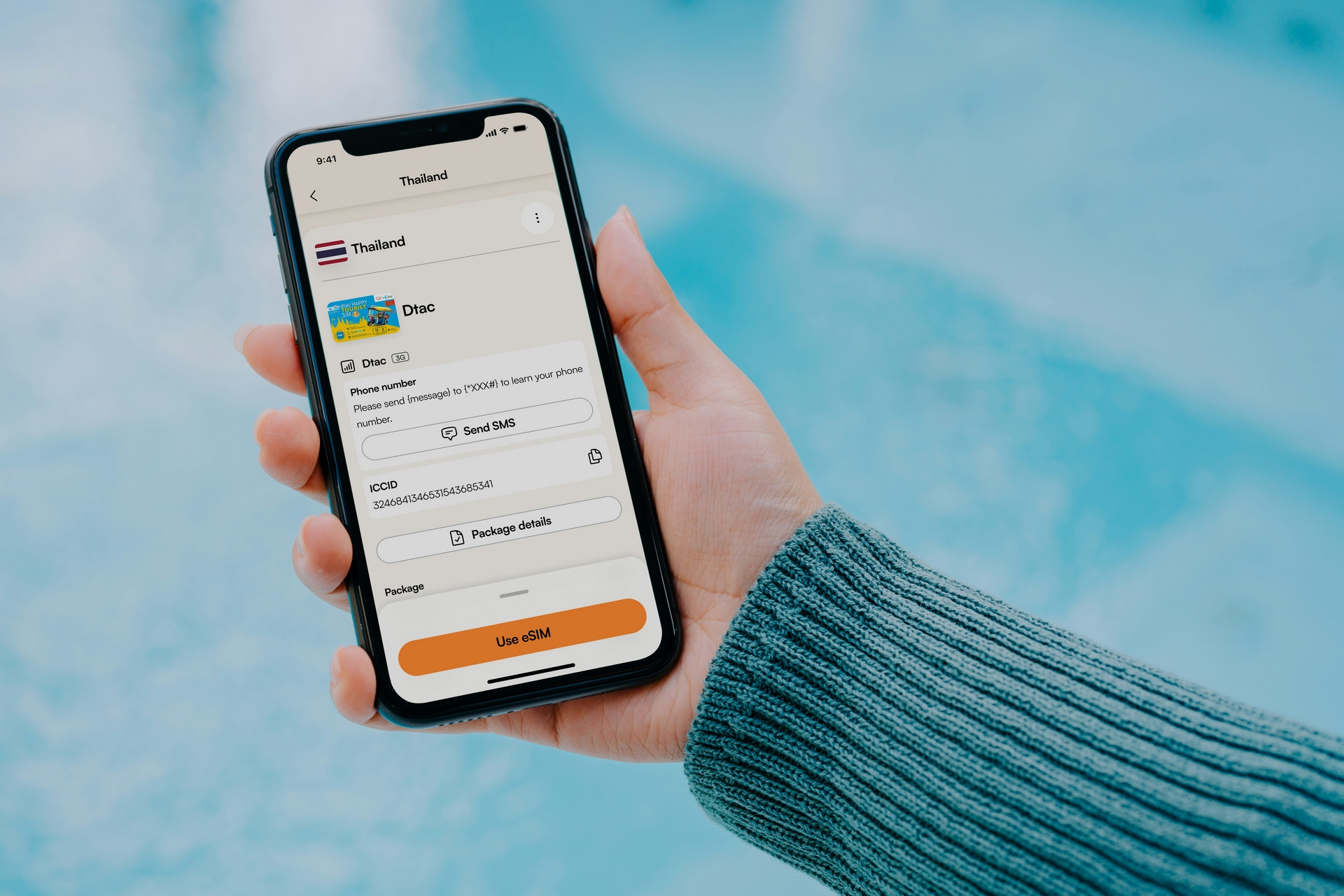
Most phone contracts won’t include international calls, data, or text messages. It’s common for most providers to charge an international roaming fee, either at a daily rate or according to data usage. Some providers may offer a more affordable travel bolt-on, or you could opt for an eSIM. These are easy to install and allow travelers to add a local data plan to their phone.
Downloading a VPN is something most travelers overlook until it’s too late. Some countries have blocked popular social media apps, including Instagram and Facebook, meaning travelers will need a VPN to access them. It’s also recommended to enable a VPN when connecting to public Wi-Fi to keep your personal data secure.
Cultural and local tips
The best part of going abroad is getting to immerse yourself in new cultures. Doing a little research in advance – and showing respect – can go a long way to making a traveler’s experience even more magical.
Etiquette, local laws, and language basics
Research is the backbone of a successful vacation. However, many travelers overlook the basics of the local laws, native languages, and etiquette. Some countries have regulations that might seem unusual to certain travelers. Chewing gum is illegal in Singapore, high heels are banned in ancient sites in Greece, and Barcelona prohibits visitors from being bare-chested or wearing bikinis outside of beaches.

Learning a couple of basic phrases in the local language, such as “hello”, “how are you?”, and “good evening”, can help travelers engage with locals and show respect to the country’s culture.
Here are other things that are worth researching before visiting a new country:
- Is the tap water drinkable?
- Are businesses typically open on Sunday?
- What are the local traffic laws?
- Are there any rules regarding modesty, particularly clothing?
- Are dietary requirements catered for?
Jet lag, travel fatigue, and staying organized
Nothing kills the vibe of a trip faster than jet lag. It’s a reality of international travel, but there are plenty of things to do to avoid the fatigue and make the most of the first few days. Traveling between time zones can disrupt the body’s circadian rhythm, making it harder to adjust to the new time zone or establish a good sleep pattern. It’s best to avoid planning anything for the first day in a new country and prioritize rest time where possible.

It’s best to avoid planning anything for the first day in a new country and prioritize rest time where possible.
Photo by drobotdean on Freepik
Staying organized isn’t always easy, but a smartphone is all a traveler needs to stay on top of their itinerary. Add any events to your preferred calendar, including setting a reminder, and prioritize quality experiences instead of overloading an itinerary. Take the time to unpack, get to know the local area, and don’t be afraid to use apps like CityMapper to plan journeys by car, public transport, or on foot.
Join RateHawk to book unforgettable travel itineraries
RateHawk empowers travel agents to plan one-of-a-kind packages, curated to the needs of every client. When you join RateHawk, you’ll get instant access to over 2.9 million hotels from more than 320 suppliers internationally, guaranteeing that you’ll have something to suit every type of traveler.
You’ll find everything you need on one platform, from car rentals to airport transfers and airline tickets. Get started with RateHawk today to start booking international vacations to the most popular destinations in the world.
Cover image: Photo by marymarkevich on Freepik