

 9,9k
9,9k 14 minutes read
Content
- What are the top travel industry trends for 2026?
- 14 must-know consumer travel trends for 2026 and beyond
- The rise of “Quietcations”
- The AI revolution continues
- Asia dominates international travel
- Decision fatigue
- The return of the road trip
- Hyper individuality
- Concerns about overtourism
- The rise of fandom travel
- The impact of climate change
- Europe’s shoulder season
- Nostalgia travel
- Popularity of Indian Ocean destinations
- Solo travel becomes mainstream
- Planes aren’t the only transport
What are the top travel industry trends for 2026?
The travel industry is influenced by almost every aspect of day-to-day life, including social, economic, and environmental factors, as well as global events and tech evolutions. With demand for travel services increasing even more in 2026, and Europe expected to see an almost 7% increase in international arrivals, there are several new factors driving the industry’s growth.
Sporting events are also driving inbound tourism numbers, particularly within the United States, which is set to host the FIFA 2026 World Cup during the country’s 250th anniversary, followed by the 2028 Summer Olympics in Los Angeles and the Men’s and Women’s Rugby World Cups in 2031 and 2033, respectively.
The wellness niche isn’t slowing down, and this new niche is expected to hit over $1.4 trillion by 2017, thanks to specialist clients and bleisure travel with travellers combining work and personal itineraries. This niche isn’t just about going for a spa weekend with a pilates class; these retreats and the wellness-focused boutique hotel niche are evolving, targeting Gen Z and Millennials with amenities and services like IV vitamin drips, DJ performances, and social clubs.
14 must-know consumer travel trends for 2026 and beyond
2026 is the perfect time to start exploring new travel opportunities, whether you’re interested in wellness retreats, the rise of fandom-related experiences, or if you want to take your business to a new country. The travel industry outlook is positive, even during a cost-of-living crisis, as consumers continue to prioritize travel as a form of self-care and personal development. For many of us, travel is a way to escape the stress of an increasingly digital world. However, we’re also seeing the new trend of eco-conscious travelers, leading to a growth in more sustainable travel methods.
Below, we’re sharing 14 global travel trends that will shape the industry in 2026 and for the second half of the decade.
1. The rise of “Quietcations”
Our lives are busy, and most of us spend our days feeling like we’re chained to a screen. 2026 is set to see the continuation of the “unplugged” culture with travelers going on holiday to escape the stress of modern living, including their never-ending notifications.

People want to experience travel to try analogue living and have a digital detox to fight burnout and fatigue.
Photo by RossHelen on Shutterstock.com
2. The AI revolution continues
AI technology is everywhere you look in the international travel industry, with key booking platforms, including airline apps, increasingly integrating generative AI into their customer-facing websites and apps. The growth of AI is set to streamline travel planning by reducing admin, from the increase in mobile digital check-ins and Google’s real-time translation and language learning tools.

ChatGPT has become a search engine for many Gen Zs and Millennials.
Photo by tetesong on Shutterstock.com
3. Asia dominates international travel
If you’ve read any of our travel guides recently, you’ll know that Asia is emerging as one of the main players in the world of business and international travel. This trend isn’t new, and we’ve seen Japan and Thailand top the list of must-visit destinations for most of the last decade. While these countries are still set to see higher numbers of inbound tourists, travel enthusiasts are also looking for the next “big” location in Asia.
China is heavily investing in its international tourism and recently unveiled a new 240-hour visa-free transit program for inbound travelers. With Japan implementing new tourist policies to prevent overcrowding, including raising prices for non-residents, travelers are starting to look for newer alternatives, whether it’s swapping Tokyo for the Izu Peninsula or heading to Taiwan instead. The Philippines is also set to see renewed interest in 2026 with the Michelin Guide expanding its focus across Southeast Asia.

Asia is emerging as one of the main players in the world of business and international travel.
Photo by Ricky LK on Unsplash
4. Decision fatigue
It’s easy to think that the rise of travel apps and booking platforms means that consumers don’t need the help of a travel agent, but they’re relying on them more than ever. Research by YouGov has found that over 70% of holidaymakers find at least one part of the travel booking process to be stressful. Decision fatigue and the stress of curating an Instagram-worthy vacation are why many are choosing to use a travel agent or even book a “mystery” holiday package.
Travel agents are stepping in to address this decision fatigue in 2026 with many expanding their services to offer curated trip itineraries and more inclusive packages, including handling car rentals and booking train tickets.

Decision fatigue and the stress of curating an Instagram-worthy vacation are why many are choosing to use a travel agent or even book a “mystery” holiday package.
Photo by Viktoriia Hnatiuk on Shutterstock.com
5. The return of the road trip
It’s not news that travelers are becoming more eco-conscious, and with the rise in “van life” culture, especially on social media, many travelers are opting to return to road trips in 2026. This travel trend is a win-win for most people, especially those on a budget or who want to explore a country over an extended period.
Social media, particularly TikTok, is influencing road trip experiences with a growing focus on food culture, historical landmarks, and even small businesses. If you’re planning a road trip or want to go off grid, the chances are that they’ll want a mix of accommodation options, from chain hotels to luxury nature retreats and cozy cottages. You can get ahead of this trend by researching scenic driving routes that might interest domestic and inbound tourists.

Driving offers freedom and flexibility that travelers can’t take advantage of when flying or relying on public transport.
Photo by wirestock on Freepik.com
6. Hyper individuality
We all travel for our own reasons, whether it’s to follow our favorite sporting team or to escape the reality of grief or stressful life events. Gone are the days of one-size-fits-all travel packages. Specialist niches within the industry are expanding almost by the day, from menopause retreats to history tours and even space tourism.
Travelers are becoming more intentional with how they spend their time, especially in an increasingly digital world, and many are motivated by one aspect of their life to start exploring the world. Travel is an opportunity to meet different people and discover something new – and this mindset is crucial to have in 2026. You want to get to know your clients and the motivations behind their travel planning, especially if they’re seeking a solo holiday. Curate every travel package specifically to your client in 2026.

Specialist niches within the industry are expanding almost by the day, from menopause retreats to history tours and even space tourism.
Photo by Kingmaya Studio on Shutterstock.com
7. Concerns about overtourism
It’s almost impossible to overstate the influence that social media has had on the travel industry, both good and bad. While it’s made destinations more accessible to international travelers, it’s also shown the impact of ever-growing travel trends with influencers and everyday people recording their visits to new countries. We’ve all seen videos showcasing the “reality of traveling” to international destinations like London, Paris, and Japan, with ever-increasing tourist crowds leading some travelers to decide to pivot to lesser-known destinations.
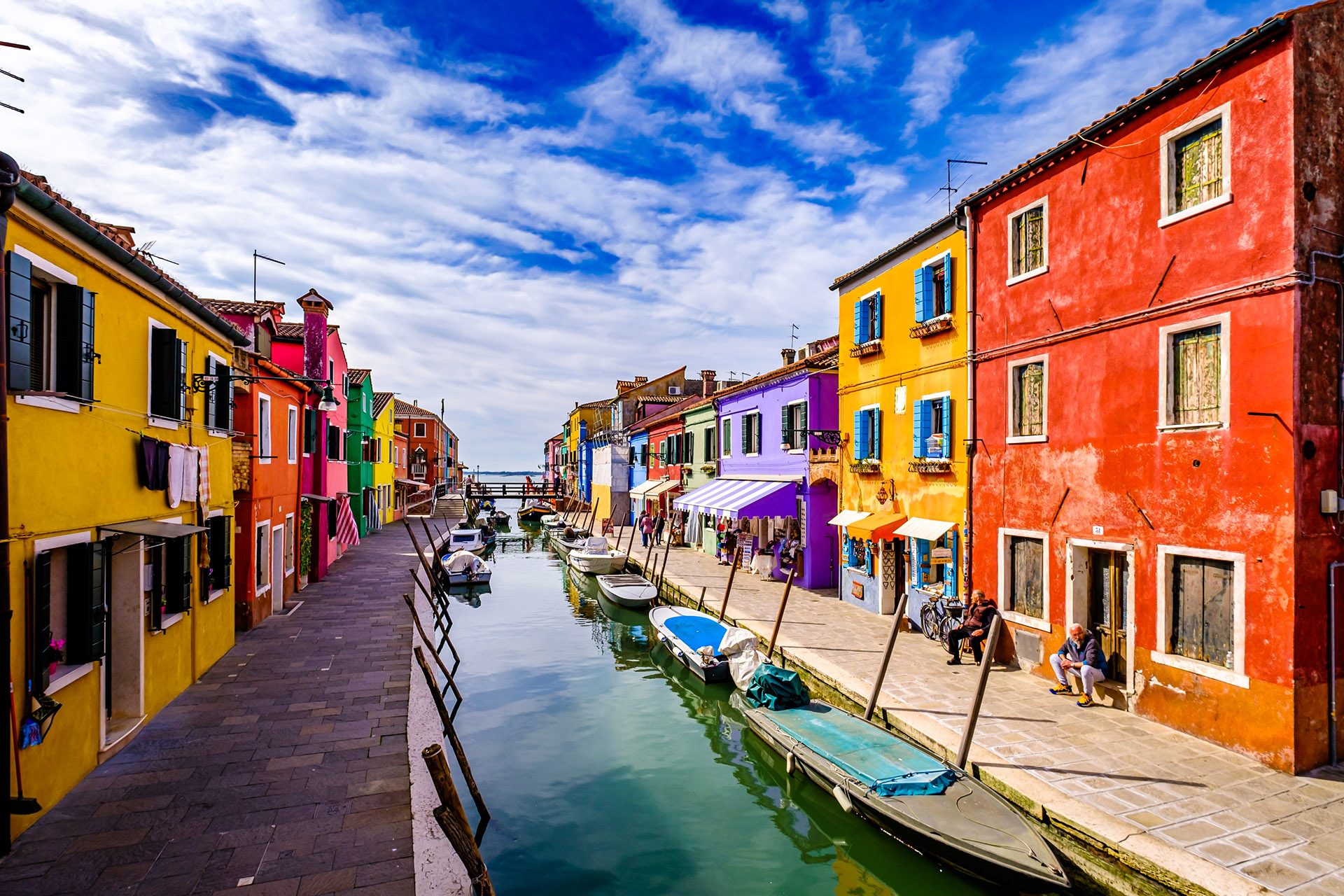
Along with visiting popular destinations, you’ll want to fill your 2026 itinerary with some hidden gems, whether it’s small American Christmas towns or regions of Italy often overlooked in favor of Rome and Venice.
Photo by FooTToo on Shutterstock.com
8. The rise of fandom travel
Have you ever seen a location in a movie and wished you could visit there? You’re not alone! Set-jetting is set to become one of the key upcoming trends for travelers in 2026, driven by the growth of fandom culture, thanks to major social media niches like “BookTok” in the United States. While fandom travel isn’t entirely new, we’re seeing the impact of it more clearly than ever before.
Netflix’s smash global hit, “K-Pop Demon Hunters,” has sparked a rise in inbound travelers to Seoul, particularly from North America and Australia. Shows like Game of Thrones, Emily in Paris, Yellowstone, and Outlander have also led to an increase in inbound travelers to their filming locations, with international visitors wanting to walk in the footsteps of their favorite characters. If your client is interested in this trend, you can elevate their travel itinerary by putting them in the neighborhoods – and even the buildings – where their favorite movie or TV show was filmed.

Set-jetting is set to become one of the key upcoming trends for travelers in 2026.
Photo by FooTToo on Shutterstock.com
9. The impact of climate change
Climate change is impacting travel in ways you might not expect as people become more aware of rising sea levels and increasing temperatures. While travelers are looking for more sustainable options, many of them are searching for off-season getaways, especially to escape the heat. Cooler European countries like Finland and Norway are seeing an influx of inbound travelers during the summer months, making them a potential alternative to the Mediterranean as European temperatures continue to reach record-breaking levels.

Cooler European countries like Finland and Norway are seeing an influx of inbound travelers during the summer months, making them a potential alternative to the Mediterranean as European temperatures continue to reach record-breaking levels.
Photo by Tobias Tullius on Unsplash
10. Europe’s shoulder season
Don’t worry, “Euro Summer” is here to stay, but 2026 is set to see a growth in international visitors to Europe during the cooler months in winter and spring that are typically seen as the shoulder seasons. This trend is an accumulation of several factors, including a desire for more affordable travel, a need to avoid hotter temperatures, and a preference to beat the ever-growing summer crowds.
Italy is hosting the 2026 Winter Olympics, and hotels across Europe that once opened seasonally are now adapting to welcome tourists year-round. In 2026, you can expect to see more inquiries for European vacations hitting your inbox outside of the peak summer rush.

2026 is set to see a growth in international visitors to Europe during the cooler months in winter and spring that are typically seen as the shoulder seasons.
Photo by Diego Coppola on Shutterstock.com
11. Nostalgia travel
Travel trends often reflect wider changes and trends across our society, and the growth of nostalgia culture is one that’s hard to ignore. While we all saw the impact of Taylor Swift’s Eras tour in 2024 and 2025, the trend of traveling for major concerts and reunion tours is set to continue throughout 2026 and beyond.
Camping is once again becoming popular, and there’s a new interest in “retro” activities, whether it’s visiting an old-school arcade or connecting with their heritage by visiting a museum or going on an ancestry-inspired vacation. We’re expecting to see this Gen Z travel trend grow in 2026, with travel itineraries like Route 66 and quiet beach-side towns becoming even more popular with younger travelers.

Camping is once again becoming popular, and there’s a new interest in “retro” activities.
Photo by Jimmy Conover on Unsplash
12. Popularity of Indian Ocean destinations
The Maldives is one of the standout destinations of the last decade, but your clients are starting to look beyond this tropical paradise to other areas of the Indian Ocean. Seychelles has seen an influx of investment, making it an alternative option for international travelers seeking a luxury island resort getaway with unique wildlife and a focus on wellness treatments. Madagascar and Mozambique are also seeing growing interest from tourists and luxury hotels alike.
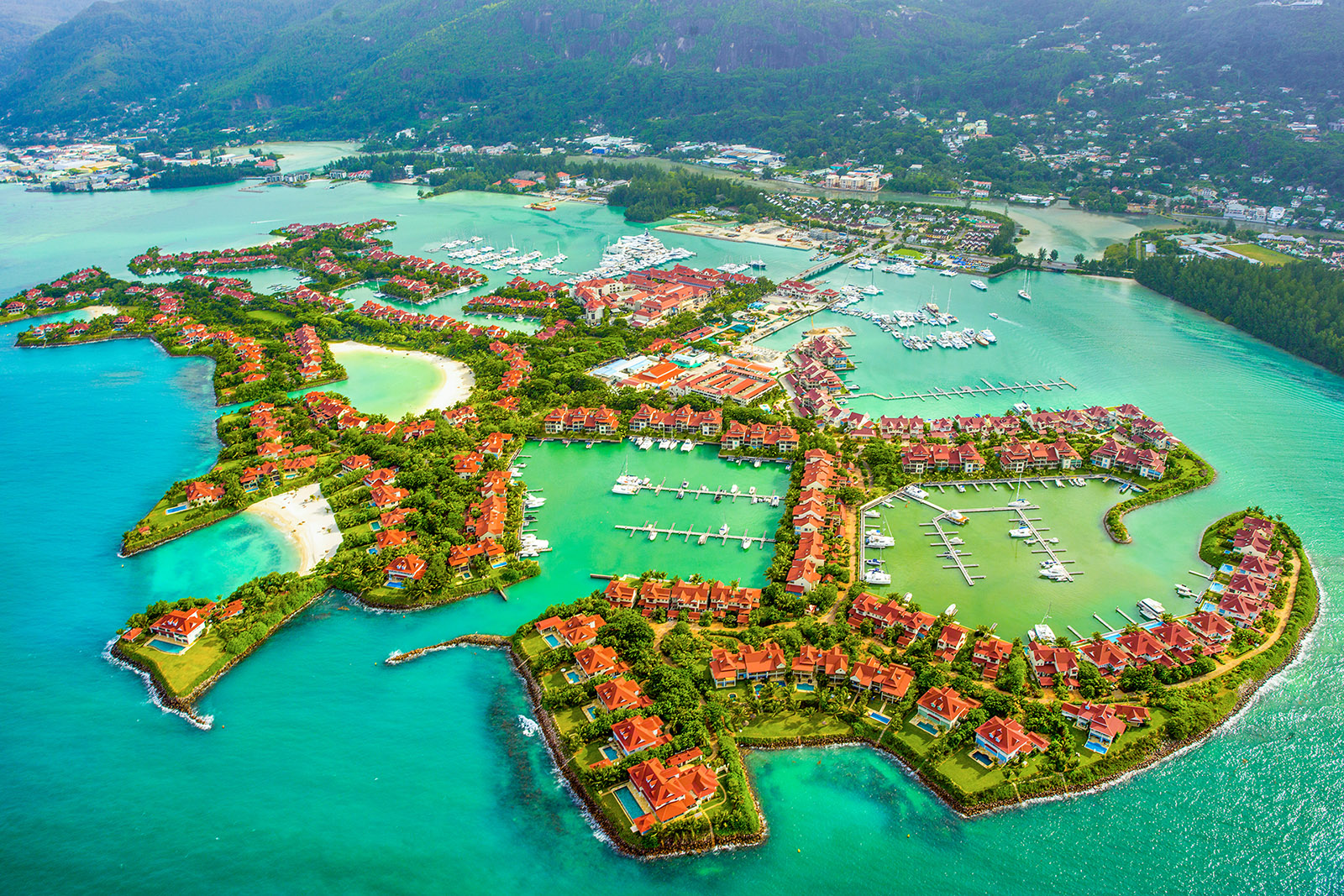
Seychelles has seen an influx of investment, making it an alternative option for international travelers seeking a luxury island resort getaway with unique wildlife and a focus on wellness treatments.
Photo by Myroslava Bozhko on Shutterstock.com
13. Solo travel becomes mainstream
One of the biggest trends for Gen Z travelers is the rise in solo vacations. A recent American Express survey found that almost 70% of travelers are planning to go on a trip by themselves in the next year – and it’s not just business travelers. The rise of travel influencers, growing connectivity, and AI planning tools are the driving forces behind the rise of solo travel, which has seen over a 220% increase in Google searches in the last decade.

Almost 70% of travelers are planning to go on a trip by themselves in the next year – and it’s not just business travelers.
Photo by EvaL Miko on Shutterstock.com
14. Planes aren’t the only transport
A new study by American Express found that 70% of Millennials and Gen Z like to plan trips that focus on enjoying the journey as much as the destination, and that includes choosing the right transport. While a flight might get them to their destination faster, younger tourists and business travelers are increasingly turning to boats and trains as a more sustainable – and slower – way to explore the world.
It also reflects the wider nostalgia trend with luxury travel leaning into the glory of yesterday, leading to an increased interest in world-renowned train brands like the Orient Express and the Belmond. While cruising is also becoming popular with younger demographics, we’re also seeing an increase in luxury sailings, with the Four Seasons launching its new fleet of ultra-luxe yachts for private retreats.

70% of Millennials and Gen Z like to plan trips that focus on enjoying the journey as much as the destination, and that includes choosing the right transport.
Photo by SusanD on Shutterstock.com
Join RateHawk to get ahead of travel trends for 2026
2026 is set to be a landmark year for travelers, and RateHawk is here to help you grow your business this year. When you join RateHawk, you’ll get instant access to over 2.9 million hotels from more than 320 suppliers internationally, allowing you to give your clients access to the most popular destinations for 2026 and beyond.
You’ll have everything you need for vacation planning on one platform, from car rentals to transfers and airline tickets. Get started with RateHawk today to tap into the upcoming trends for 2026.