
 1762
1762 14 minutes read
Contents
- Travel preparation and planning
- Cultural etiquette and rules
- Transportation and getting around
- Accommodation and where to stay
- Practical travel tips for visiting Japan
Travel preparation and planning
The first question to ask is “What travel documents do I need?” before planning a trip out of a traveler’s own country. The good news is that most tourists to Japan come from visa-exempt countries, including Australia, Canada, the United States, and the United Kingdom, and are able to stay in the country for up to 90 days. Visitors from the 70+ visa-exempt countries will need a valid passport, proof of funds, and a return ticket.
It’s a good idea to print a paper copy of an accommodation reservation and itinerary, regardless of whether travelers visiting from a visa-exempt country. If your clients planning a honeymoon trip to Japan, make sure the name on their booking documents matches their current travel documents, including their passport.
How to start planning a Japan trip
The first step to planning a Japanese vacation is deciding a travel route. Most tourists will arrive via Tokyo Haneda (HND) airport, less than 40 miles from the city. However, Tokyo may not be the best option for an arrival destination if an itinerary is going to focus on other regions, such as Osaka and Kyoto.
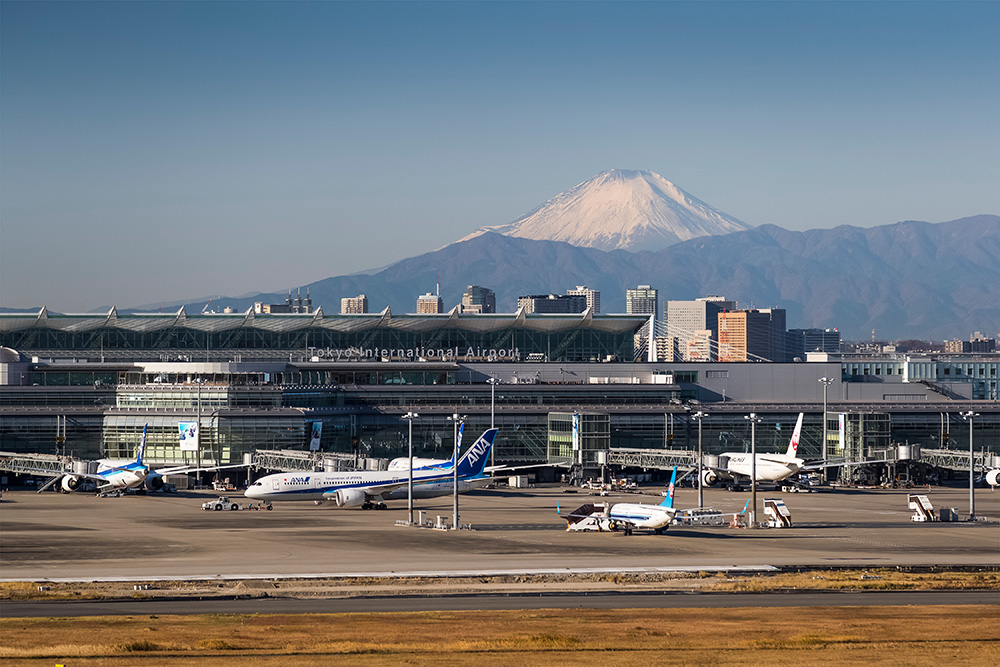
Most tourists will arrive via Tokyo Haneda (HND) airport, less than 40 miles from the city.
Photo by Sakarin Sawasdinaka on Shutterstock
It’s typically cheaper to book a return ticket through the same airport, so choosing where your clients want to visit first will help you decide the most logical airport to transit through. Trains are the easiest way to get around in Japan, giving your clients scenic views while getting them from one destination to the next in just a few hours.
We’ll be covering more specific tips about train tickets later but planning your customers’ initial route in advance makes it easier to understand what type of train tickets they’ll need.
Advanced bookings can guarantee that travelers will get entrance to these attractions and occasionally help them skip longer queues. While discounted tickets are possible for some attractions, they’ll always get the best availability by getting tickets as early into the booking window as possible.
When to visit Japan for the best experience
The popularity of Japan means that there’s no longer a genuinely “quiet” time of year to visit. Every season offers a different experience, and there are various factors that can impact costs, from flight prices to accommodation availability and attraction tickets.
Cherry blossom (Sakura) season, which runs from late March through April, is the busiest time of year with many visitors heading to Tokyo’s Ueno Park and Kyoto’s Philosopher’s Path to experience the best Sakura spots. Golden Week, one of Japan’s largest public holidays, is another busy time of year, making late April and early May an expensive time to visit.
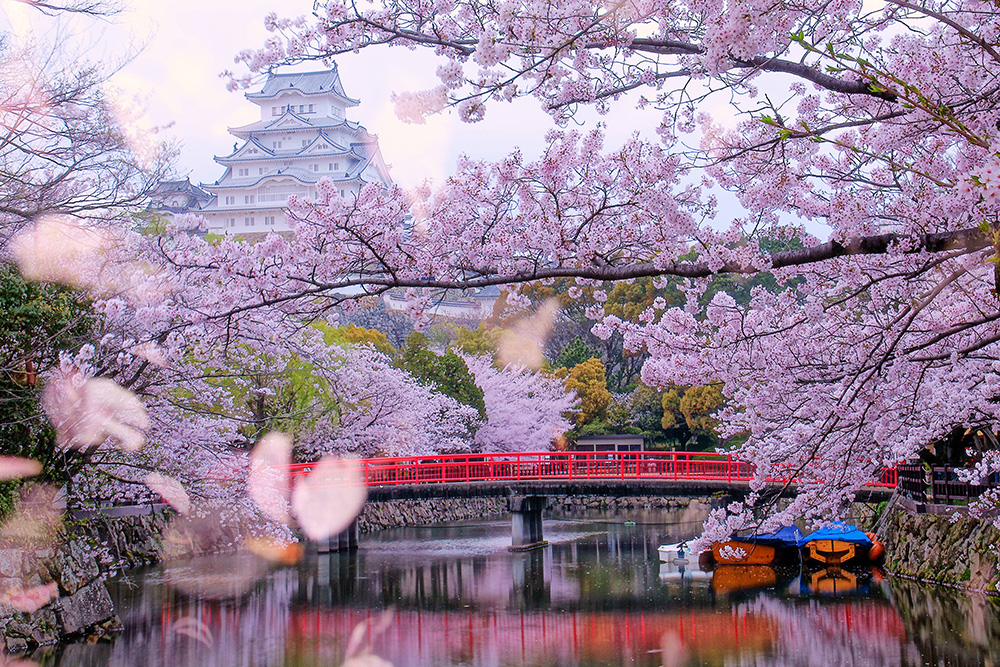
Cherry blossom (Sakura) season, which runs from late March through April, is the busiest time of year.
Photo by Fang ChunKai on Shutterstock
Summer is when visitors are treated to festivals, known as matsuri, and regular firework displays. However, the weather is hot and humid with daily average temperatures exceeding 30°C (86°F) in Tokyo and Osaka. By comparison, winter is an ideal time to indulge in outdoor experiences like skiing in Hokkaido or attending the Sapporo Snow Festival.
Typhoon season runs from September to late October, with travelers advised to be more flexible with their plans as disruptions can occur as a result of weather warnings. If your clients are traveling with kids or planning a once-in-a-lifetime trip, it’s best to avoid the risk of visiting during typhoon season. Whenever they’re planning to visit, it’s important to book travel insurance at the same time as booking your clients’ flights and accommodation.
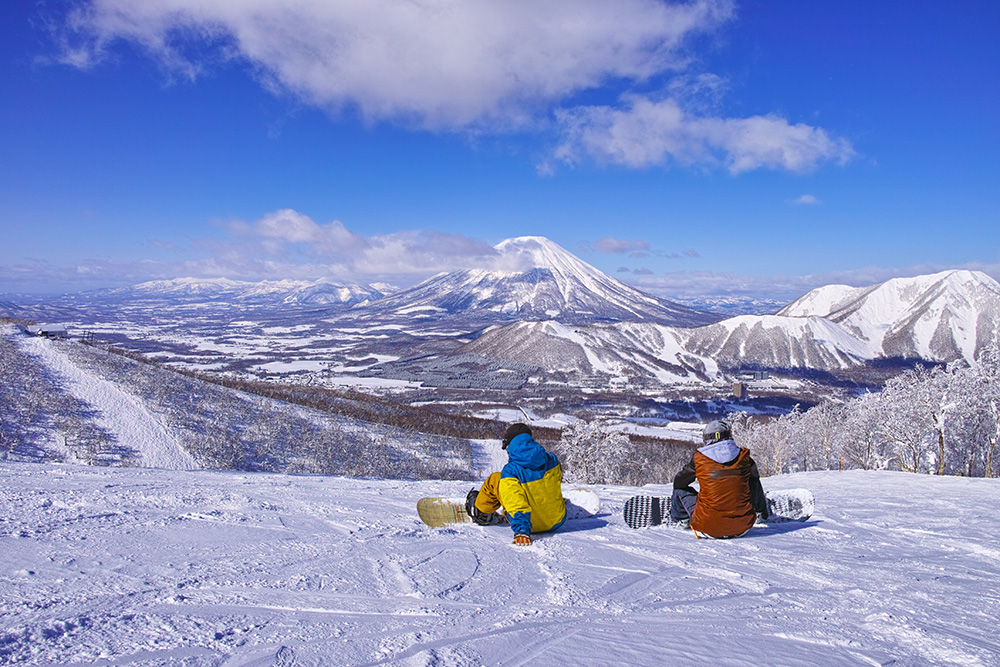
Winter is an ideal time to indulge in outdoor experiences like skiing in Hokkaido.
Photo by 7maru on Shutterstock
Budgeting for a trip to Japan
Tokyo’s sudden popularity as a go-to destination for travelers began because of its affordability. While Japan is hardly one of the cheapest countries in the world, it is considerably more affordable than most major American and European destinations.
Flights will be the largest expense when visiting Japan, although taking an indirect route may help to lower costs. International airlines like American Airlines, British Airways, China Eastern, Emirates, KLM, and Delta offer regular flights to Tokyo and Osaka, although travelers may need to first travel to a major airport to access these routes.
Budget travelers can keep their daily costs low by indulging in the famous Japanese konbini scene. These convenience stores are usually open 24/7 and sell everything from egg sandwiches to onigiri and all the snacks your clients will want to sneak home! These stores can also be a lifesaver as they have ATMs, printers, Wi-Fi, and even ticket reservation services, and there’s always at least one within walking distance.
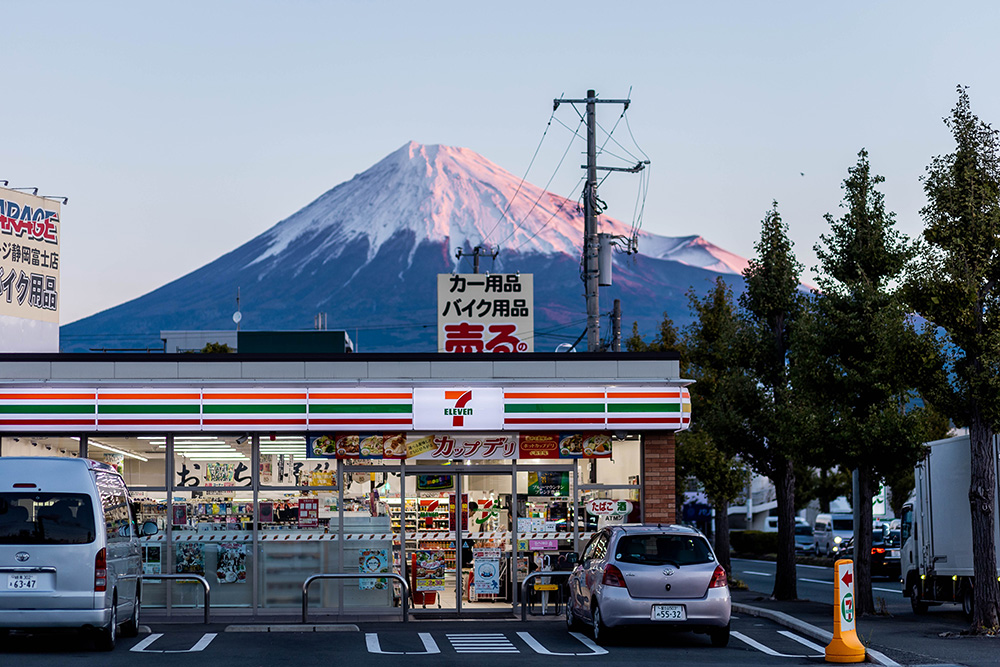
These convenience stores are usually open 24/7 and sell everything from egg sandwiches to onigiri and all the snacks.
Photo by Terence Toh Chin Eng on Shutterstock
What to pack for a vacation to Japan
It’s easy to overpack for vacation, but it’s best to pack as light as possible for Japan. Travelers who are visiting multiple locations, especially those traveling by train, will want to downsize their luggage as much as possible. Most trains don’t have space for oversized luggage, making a carry-on case your customers’ best friend, especially if they’re also planning to take the subway. The rooms in most hotels are also small, especially if they’re traveling in a group or with young kids.
It’s worth noting that most ryokan and onsen hotels will provide pajamas and more than enough toiletries. Similarly, it’s important to pack smart, including choosing shoes that are easy to slip on and off, as outdoor shoes are not traditionally worn inside Japanese homes, as well as certain businesses and restaurants, including if your clients are going to a traditional tatami room.
Focus on packing loose, versatile clothing that is easy to layer. Most visitors end up taking advantage of strong exchange rates to do some serious shopping, especially in Tokyo’s Shibuya and Harajuku areas. While travelers can buy most essentials once they arrive, it’s a good idea to bring an international adaptor, basic medication, and a portable fan if they’re visiting during the warmer season.
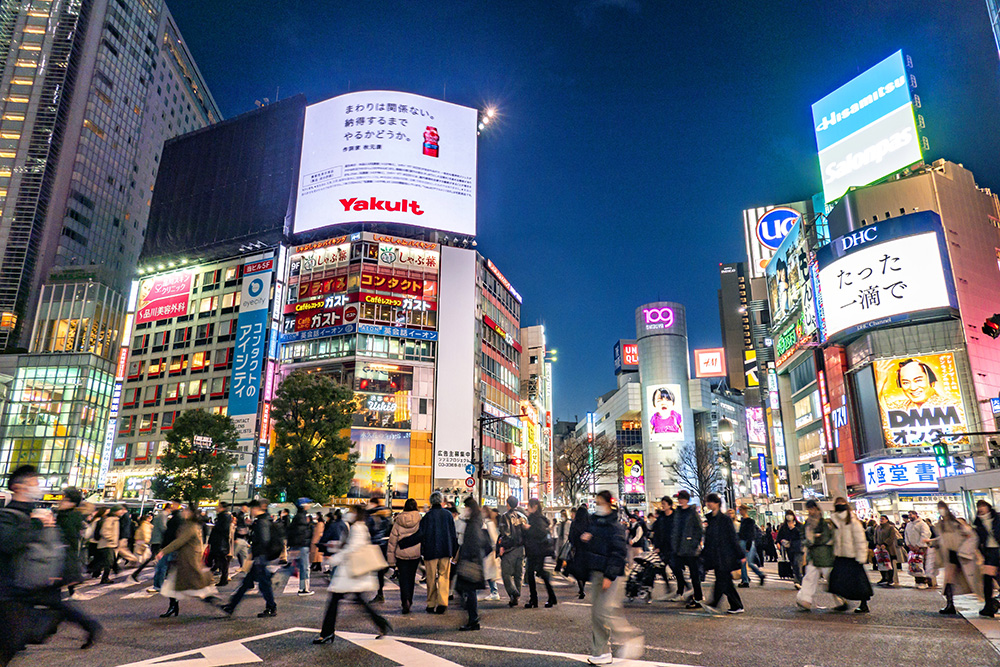
Most visitors end up taking advantage of strong exchange rates to do some serious shopping, especially in Tokyo’s Shibuya and Harajuku areas.
Photo by Byjeng on Shutterstock
Cultural etiquette and rules
Japanese culture is built on the concept of “hairyo” with a focus on thoughtfulness and consideration, which is the foundation for the local etiquette. Navigating these social cues can be difficult and nerve-wracking for first-time visitors to Japan, but showing respect and treating the locals with consideration is guaranteed to set you off on the right foot.
Here are some of the most common social norms to know:
- The Japanese people are strict about showing respect to public spaces, meaning litter is something you’ll rarely see. However, it’s hard to find public trash cans, so it’s best to carry a small bag to put any of the rubbish in.
- You’ll see orderly queues everywhere in public, from grocery store checkouts to train stations. No queue skipping!
- Bowing is a common greeting and shows respect. A small bow will go a long way when meeting someone new.
- Use both hands when giving someone money or handing over an item.
- It’s important to stand on the left side of an escalator; however, opposite rules apply in Kansai.
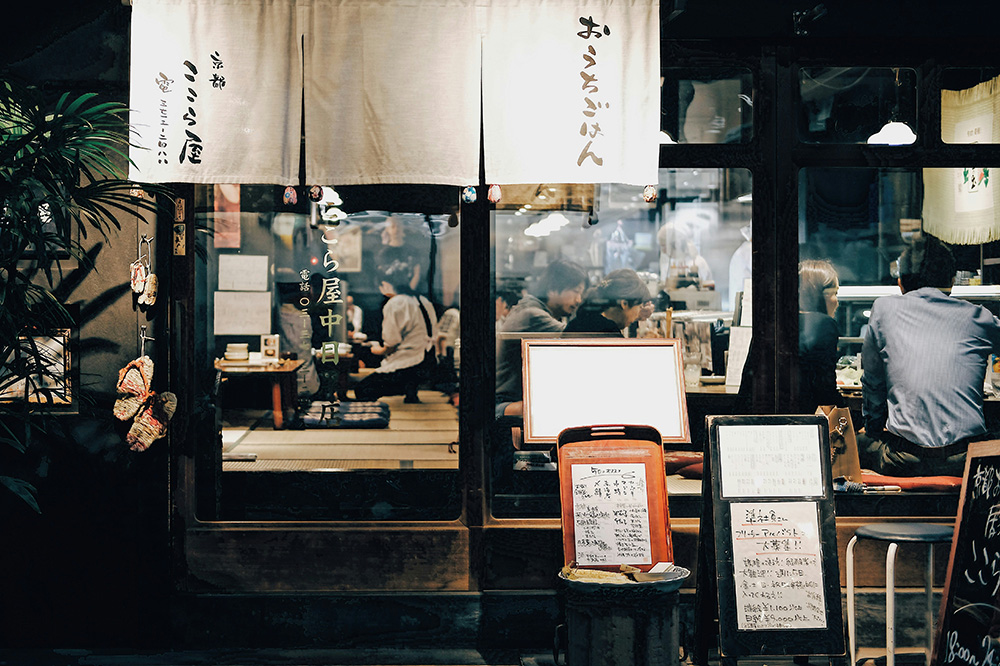
- Shoes should be removed before entering a person’s home. The same rule also applies to most temples and some traditional restaurants. Pack cute socks!
- Avoid making loud noises in public, especially if you’re on a train or in a restaurant.
Dining etiquette and tipping practices
Eating in public, especially when you’re walking, is a no-go in Japan. The only time you should be eating in public is in long-distance trains that offer reserved seating with bento boxes provided on board, such as the Shinkansen (bullet train), or if you’re at a festival. It’s okay to take a drink from a resealable bottle, but you won’t be eating an onigiri while walking across the Shibuya Crossing.
Tipping is also unconventional in Japan. While tour guides may expect a tip from some international visitors, restaurants and bars typically apply a small service fee per person (or 10% in high-end establishments) automatically to your bill in place of tipping.
Things not to do in Japan
As a visitor to any country, it’s important to show respect. When travelers are experiencing a country for the first time that’s culturally different from your own, it’s easy to make mistakes. We’re sharing the things they want to avoid doing during their time in Japan:
- Don’t eat in most public places, including local trains.
- Avoid making loud noises or taking phone calls when you’re on public transport. Turn your phone on silent and talk at a lower volume.
- Do not act disrespectfully in sacred spaces, including temples and shrines. It’s important to dress appropriately, including wearing socks if you’re required to take your shoes off, as being barefoot is seen as inappropriate.
- Don’t go straight into the water at an onsen. It’s important to use the showers to wash and rinse before entering the onsen. Avoid splashing or diving in the communal baths and keep long hair tied up.
- Don’t assume you can go to an onsen if you have visible tattoos. Remember, you’ll be naked in a communal bath that is segregated by gender, so it’s almost impossible to hide tattoos. While some onsens now permit them (or will allow you to cover them with a plaster), it’s always best to check in advance.
How to communicate politely and navigate language barriers
The best way to guarantee a positive experience in Japan is to learn some basic Japanese before arriving. Although English is widely spoken in most cities, and travelers will see English signs in most major attractions, it’s harder to come across in more rural areas.
Here are some basic phrases to learn:
- Konnichiwa (kon-nee-cee-wah) = hello
- Sumimasen (soo-mee-mah-sen) = excuse me/sorry
- Shinkansen (shuhn-kaan-sen) = bullet train
- Arigatou Gozaimasu (ah-ree-gah-toh goh-zah-ee-mahs) = thank you
- Onegaishimasu (oh-neh-gah-ee-shee-mahss) = please (to ask for something)
One of the easiest ways to navigate language barriers is to download the Google app on a phone. Travelers can use this to automatically scan and translate menus, signs, and posters written in Japanese. Google Translate can also help visitors overcome the language barrier when speaking to locals or asking questions.
Transportation and getting around
After getting off their flight, tourists will usually depart the airport by taking a bullet train, bus, or private taxi. Most visitors will buy a Japan Rail (JR) Pass if they’re planning to spend their time visiting different cities across the country. The cost of this pass has gone up significantly in recent years, but it does allow unlimited travel on JR trains, including bullet trains.
Unless your customers are planning to visit multiple cities, it may be more affordable to buy individual train tickets. However, they can book reserved seats in advance with the JR Pass, with 7-day, 14-day, and 21-day tickets available for children and adults. The reduced child pricing is available for children aged 6 to 11 years old.
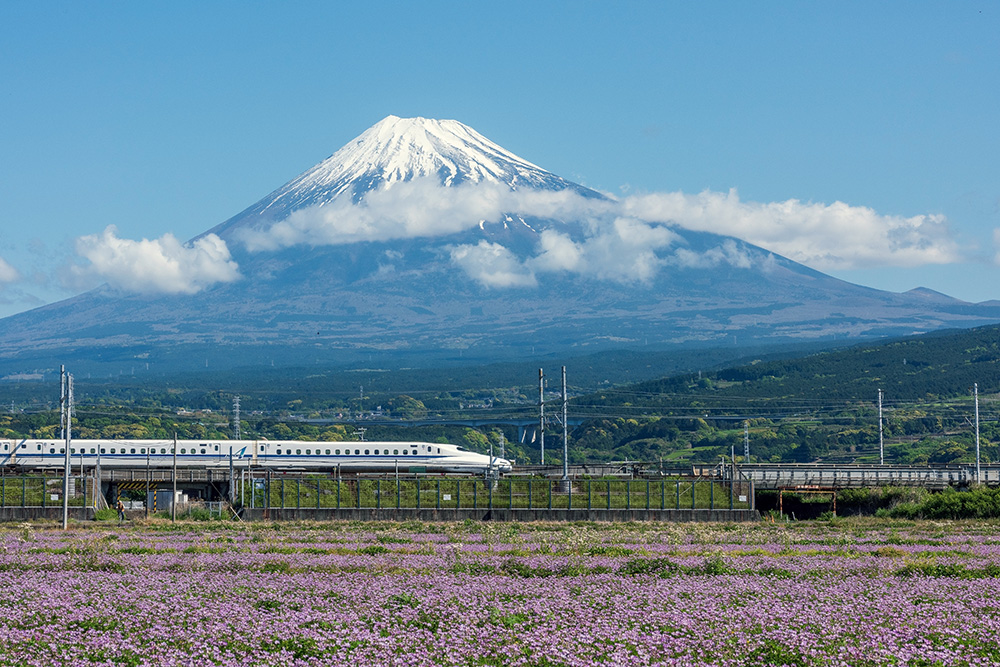
After getting off their flight, tourists will usually depart the airport by taking a bullet train, bus, or private taxi.
Photo by on Nut-Arthorn on Shutterstock
By comparison, if their travel itinerary is focusing on one specific region, it may be better to buy a dedicated pass, like the Kansai Railway Pass or a Tokyo Subway Ticket, which offers unlimited subway rides for 24 hours, 48 hours, and 72 hours, from just $5 USD. A similar Toei 1-Day Pass is also available for subways and buses.
Accommodation and where to stay
Japan offers something for every type of traveler, whether they’re backpacking around Asia on a budget, planning a romantic getaway, or want to show your kids a new culture. One of the best things about this region is the different types of accommodation that are available, from hostels and capsule hotels to ryokans and luxury resorts.
Before we break down the different types of accommodation, here are the best places to stay in each city:
- Tokyo: Shinjuku for first-time visitors, Ueno for families, and Asakusa for a more immersive experience.
- Kyoto: Gion for couples, Kyoto Station Area for solo travelers, and Arashiyama for those who prefer a quieter neighborhood.
- Osaka: Namba to explore the nightlife, Shinsekai for budget-conscious travelers, and Osaka Bay for those who want to visit Universal Studios.
- Sapporo: Odori Park if you’re attending the snow festival, Nakajima Park for easy transport links, and Sapporo Station for day trips to rural areas.
Capsule hotels fill the gap between a hostel and a traditional hotel. This type of accommodation is famous in Asia (and starting to make its way to Western countries) as a comfortable and affordable option for travelers who want a little privacy but aren’t afraid to use shared showers and washrooms. These hotels are a fun option for younger and solo travelers, although some brands are now offering larger capsules with double beds.
A traditional Japanese inn (ryokan) is the best option for travelers who want to immerse themselves in the culture. These spaces have a romantic atmosphere and often have private or communal hot springs, as well as serving up traditional meals. It’s important to note that these rooms are priced per person and offer a relaxing experience, ideal for couples or returning visitors to the country.
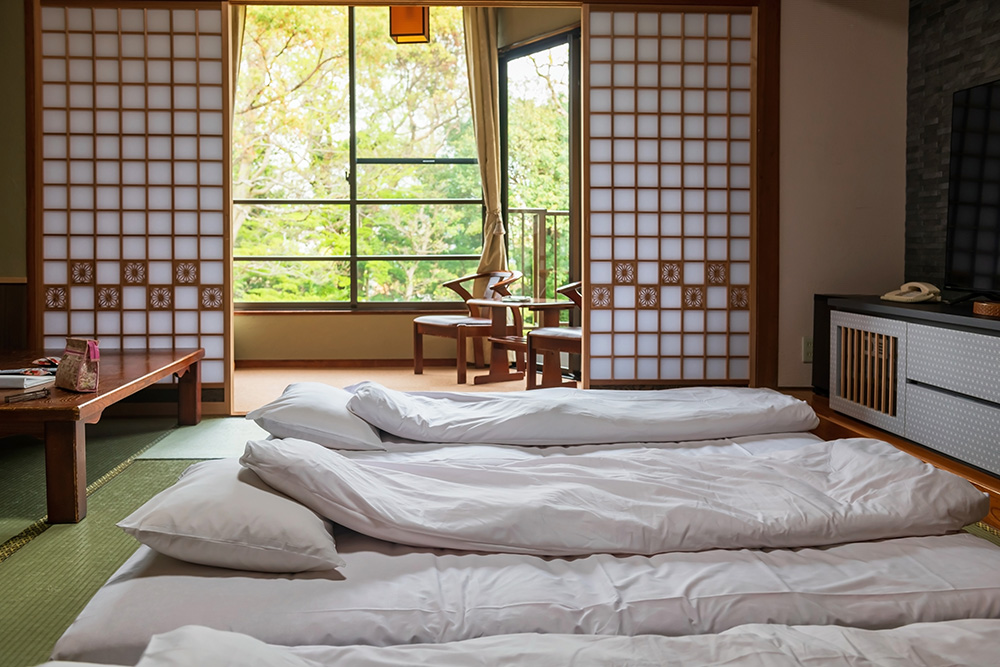
A traditional Japanese inn (ryokan) is the best option for travelers who want to immerse themselves in the culture.
Photo by Blanscape on Shutterstock
Groups with young kids or travelers who want the familiar comforts of home can instead choose to book a Western-style hotel. Some of these hotels will still offer an onsen, but travelers can expect them to have the same layout and amenities as they’d find in hotels across Europe and America. Marriott Bonvoy, Hyatt, Hilton, and the Mandarin Oriental all have hotels in Japan under their various brand names.
Travelers who are on a budget and don’t want to splurge to stay at the Grand Hyatt or a Four Seasons can look out for more affordable Japanese chains, including Toyoko Inn, Dormy Inn, and Mitsui Garden Hotels. These brands are known as “business hotels” and are often located close to major train stations.
Practical travel tips for visiting Japan
There are a few things visitors can do to make a vacation to Japan less stressful and more enjoyable, whether it’s their first time traveling overseas or they’re a frequent traveler. After booking your trip, there are practical things they can do to make their journey easier.
- Avoid paying roaming fees by renting a pocket Wi-Fi or downloading an eSIM before you arrive to stay connected.
- Japan’s stress-address system is difficult to understand, so you’ll need data to access Google Maps, meaning it’s worth choosing a larger data plan.
- It’s a good idea to bring smaller notes, especially if you want to use vending machines. Some ATMs can be difficult to use, but the ones at a konbini tend to be the most reliable for international cards.
- Japan is susceptible to typhoons and earthquakes. It’s a good idea to download the “Safety Tips” app for push notifications about early earthquake warnings and alerts for other potential natural disasters.
- Most stores and restaurants will accept major debit and credit cards, but it’s worth double-checking if your provider charges a currency exchange fee.
- It’s common to see locals wearing face masks, especially in winter, to avoid influenza.
- While Western countries view eye contact positively, too much eye contact can be seen as disrespectful in Asia.
Plan an unforgettable trip to Japan with RateHawk
Japan is a destination everyone is talking about, and a little preparation can make it easier to understand the culture, avoid faux pas, and curate a personalized itinerary without breaking the bank. At RateHawk, we empower travel agents to create unforgettable travel packages for their clients.
Unlock the potential of your travel agency by registering for RateHawk today to get instant access to over 2.9 million accommodation options worldwide, including throughout Asia, along with access to 330+ suppliers for air tickets, transfers, car rentals, and other travel services.
Cover image: Photo by f11photo on Shutterstock